

Home » Tiered Packaging Explained
Tiered Packaging Explained
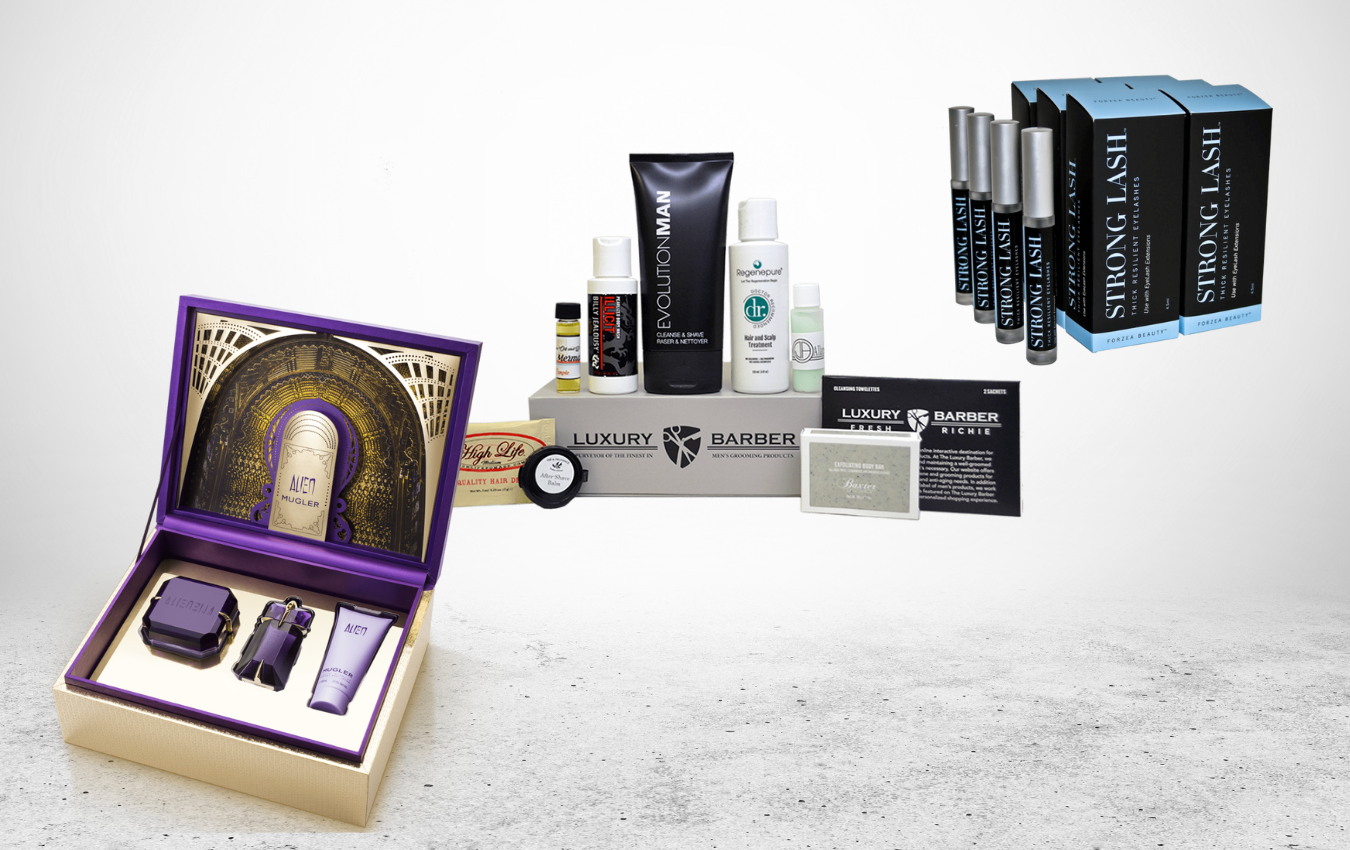
In the world of retail and e-commerce, packaging isn’t just about protecting products; it’s an essential part of the overall customer experience. One effective strategy to enhance this experience is tiered packaging. This approach involves offering premium packaging options for select products or customers, allowing you to cater to different preferences and elevate your brand’s image. In this detailed blog, we will explore the concept of tiered packaging and its benefits for businesses looking to provide a personalized and memorable unboxing experience.
Understanding Tiered Packaging
Tiered packaging is a strategic approach that involves creating multiple levels of packaging options, each catering to specific customer segments or product categories. These tiers typically include:
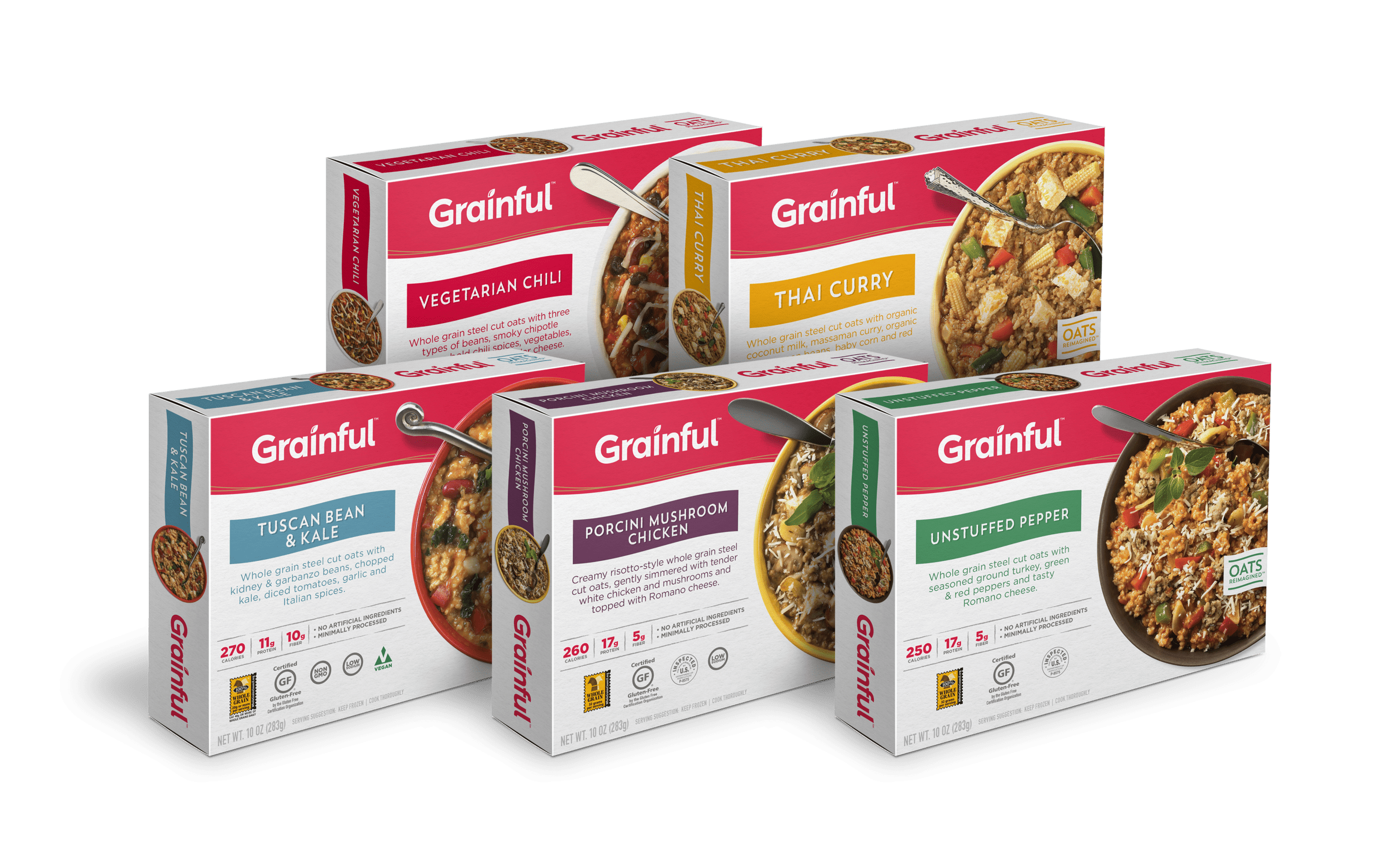
- Standard Packaging: The basic packaging option suitable for most products. It focuses on functionality and cost-efficiency.
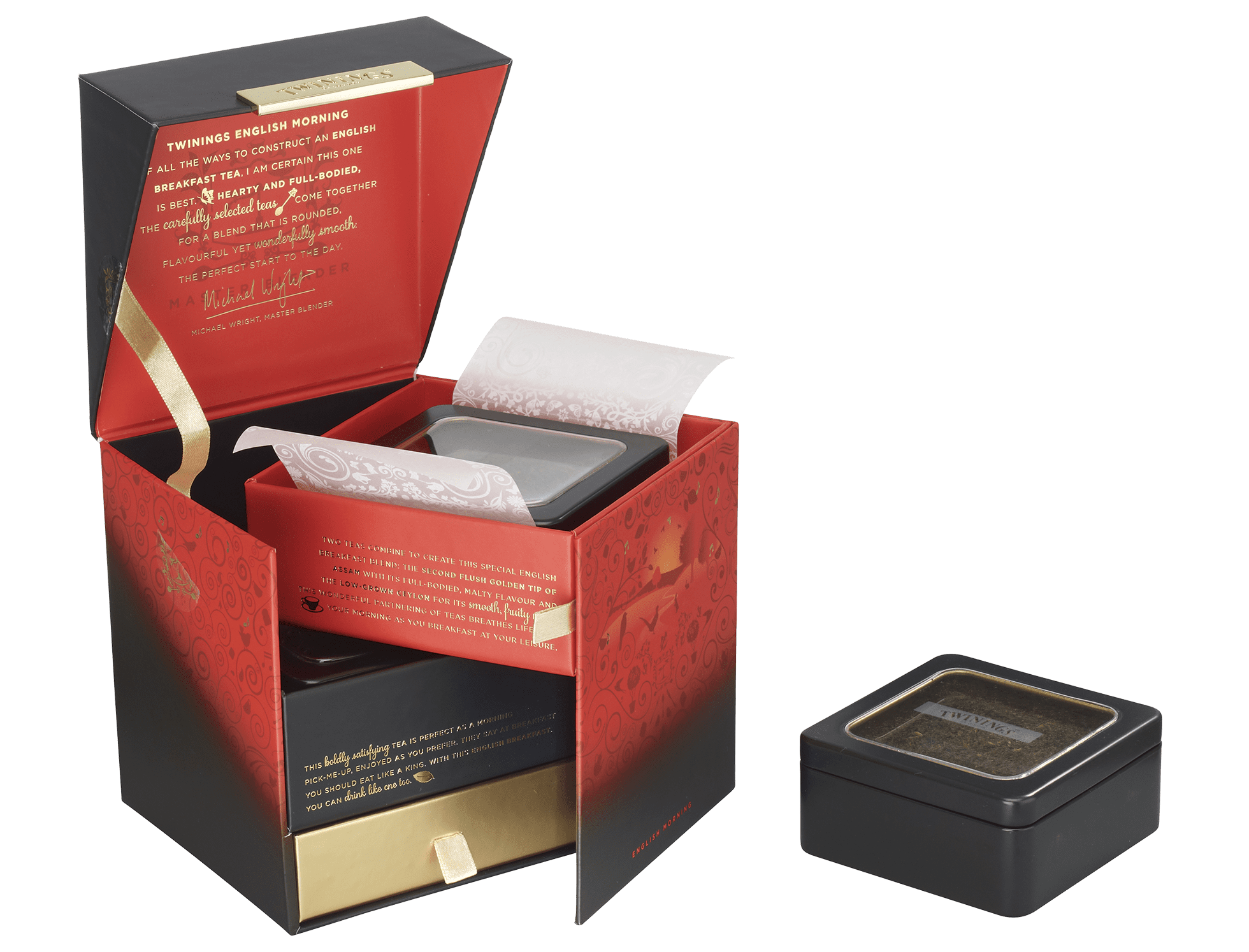
- Premium Packaging: A higher-quality packaging option that adds a touch of luxury and sophistication to the unboxing experience. It often includes features like embossing, foiling, or special finishes.
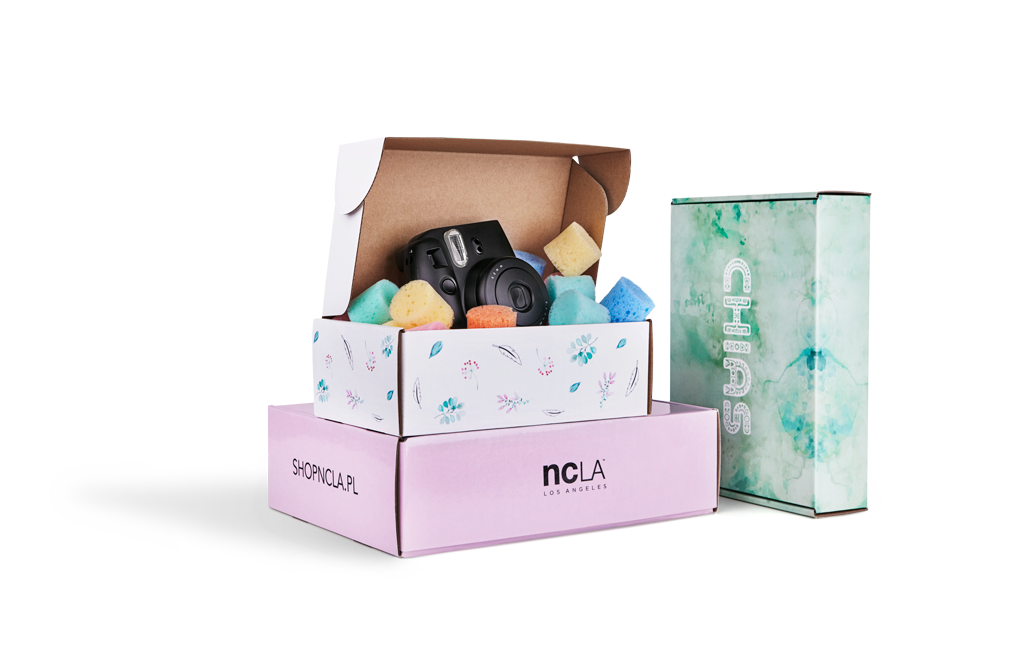
- Custom Packaging: Tailored packaging solutions designed for specific products or occasions. Custom packaging can be highly personalized, reflecting the uniqueness of the product or event.
Benefits of Tiered Packaging
Tiered packaging offers numerous advantages for businesses looking to stand out in a competitive market:
- Personalization: By offering different packaging tiers, you can tailor the unboxing experience to the preferences and expectations of different customer segments. This personalization can create a stronger emotional connection with your brand.
- Brand Image: Premium and custom packaging options enhance your brand’s image, positioning it as upscale and attentive to detail. This can influence how customers perceive your products and brand.
- Customer Loyalty: Providing a premium unboxing experience can foster loyalty among your customers. They are more likely to return to a brand that consistently delivers a memorable and personalized experience.
- Increased Perceived Value: Premium packaging elevates the perceived value of your products. Customers are willing to pay more for items that come in high-quality packaging.
- Unboxing Excitement: Premium and custom packaging options create a sense of excitement during unboxing. This excitement can lead to positive unboxing videos and social media shares, providing free marketing and exposure.
- Versatility: Tiered packaging allows you to adapt to various occasions and product categories. You can offer different packaging options for regular product lines, seasonal promotions, limited-edition releases, and special events.
Implementing Tiered Packaging
Here are the key steps to implement tiered packaging effectively:
- Segment Your Audience: Identify distinct customer segments based on factors like purchasing behavior, demographics, or loyalty levels. Understand the unique preferences and expectations of each segment.
- Define Packaging Tiers: Create packaging tiers that align with your brand and the identified customer segments. Determine the features, materials, and finishes that differentiate each tier.
- Product Selection: Decide which products or product categories will be eligible for each packaging tier. Consider factors like product value, profit margin, and target audience.
- Pricing Strategy: Set pricing for each packaging tier. Ensure that the added cost of premium or custom packaging aligns with the perceived value it brings to the customer.
- Promotion and Communication: Promote your tiered packaging options through marketing channels and on your website. Clearly communicate the benefits of each tier and who it is designed for.
- Consistency: Maintain consistency in your packaging options and branding across all touchpoints, from the website to the unboxing experience. Consistency reinforces your brand identity.
Conclusion
Tiered packaging is a powerful strategy that allows businesses to offer a personalized and memorable unboxing experience while enhancing their brand image. By segmenting your audience, defining packaging tiers, selecting eligible products, setting pricing, and effectively promoting your options, you can create a packaging strategy that resonates with different customer segments and drives customer loyalty. Ultimately, tiered packaging is a valuable tool for businesses looking to stand out and create lasting impressions in today’s competitive market.
If you are interested in tiered packaging solutions, then partner with Brown Packaging today to get started.
Sustainable packaging in 2027 will be less about broad claims and more about proof, performance, compliance, and cost control. Buyers will still care about recyclable
Sustainable packaging in 2027 will be less about broad claims and more about proof, performance, compliance, and cost control. Buyers will still care about recyclable
A folding carton may look simple once it reaches the shelf, but it goes through a controlled production process before it becomes a finished package.
Folding carton production is becoming more automated because buyers are asking for faster timelines, tighter consistency, and more flexibility across more SKUs. Shorter product lifecycles,
Folding carton style matters because structure affects more than appearance. The right carton can improve shelf presentation, packing speed, product access, closure security, storage efficiency,
Pouch packaging trends in 2027 will be shaped by convenience, shelf impact, sustainability pressure, sealing performance, automation, ecommerce growth, and total packaging cost. Buyers will
By submitting your information, you agree to our terms and conditions and privacy policy.

Home » Tiered Packaging Explained


Board caliper—the thickness of paperboard—directly influences carton strength, folding behavior, print quality, and cost. Selecting the right caliper is a balancing act between performance requirements
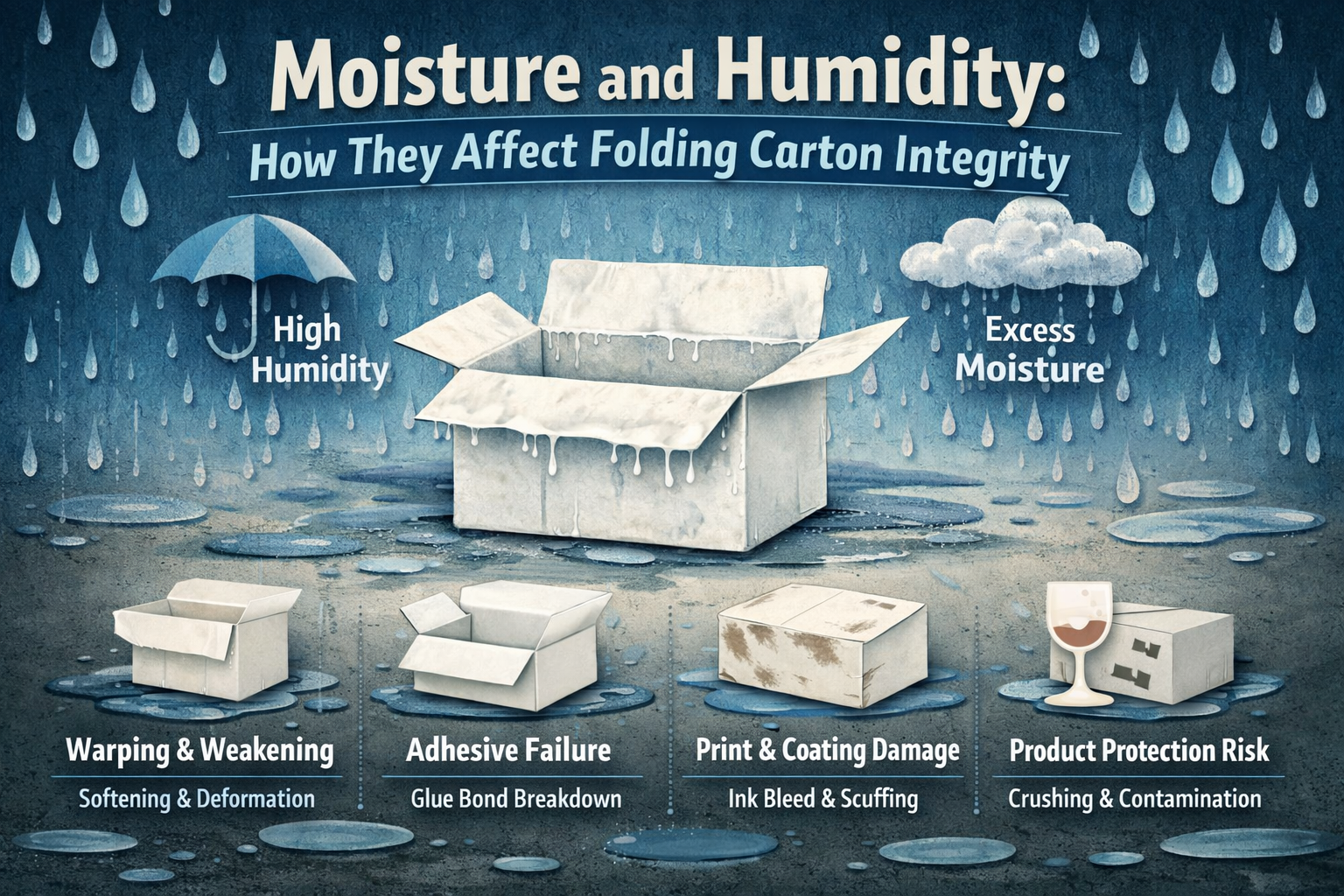
Moisture and humidity can weaken paperboard fibers, alter structural performance, and compromise print quality. From production to end use, controlling these factors is critical to
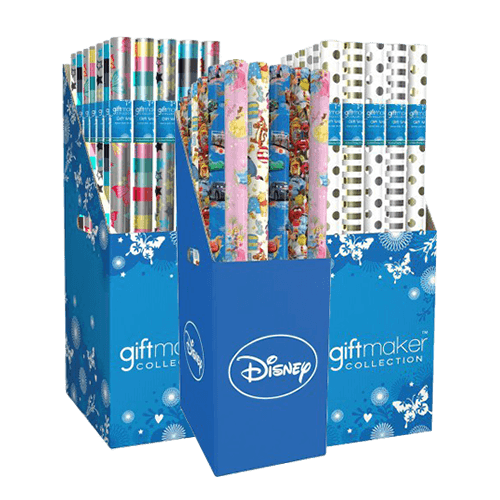
Point of Purchase (POP) displays are a crucial element in the world of retail marketing. They play a significant role in catching the eye of