
Home » 10 Top Pouch Packaging Trends for 2025
10 Top Pouch Packaging Trends for 2025
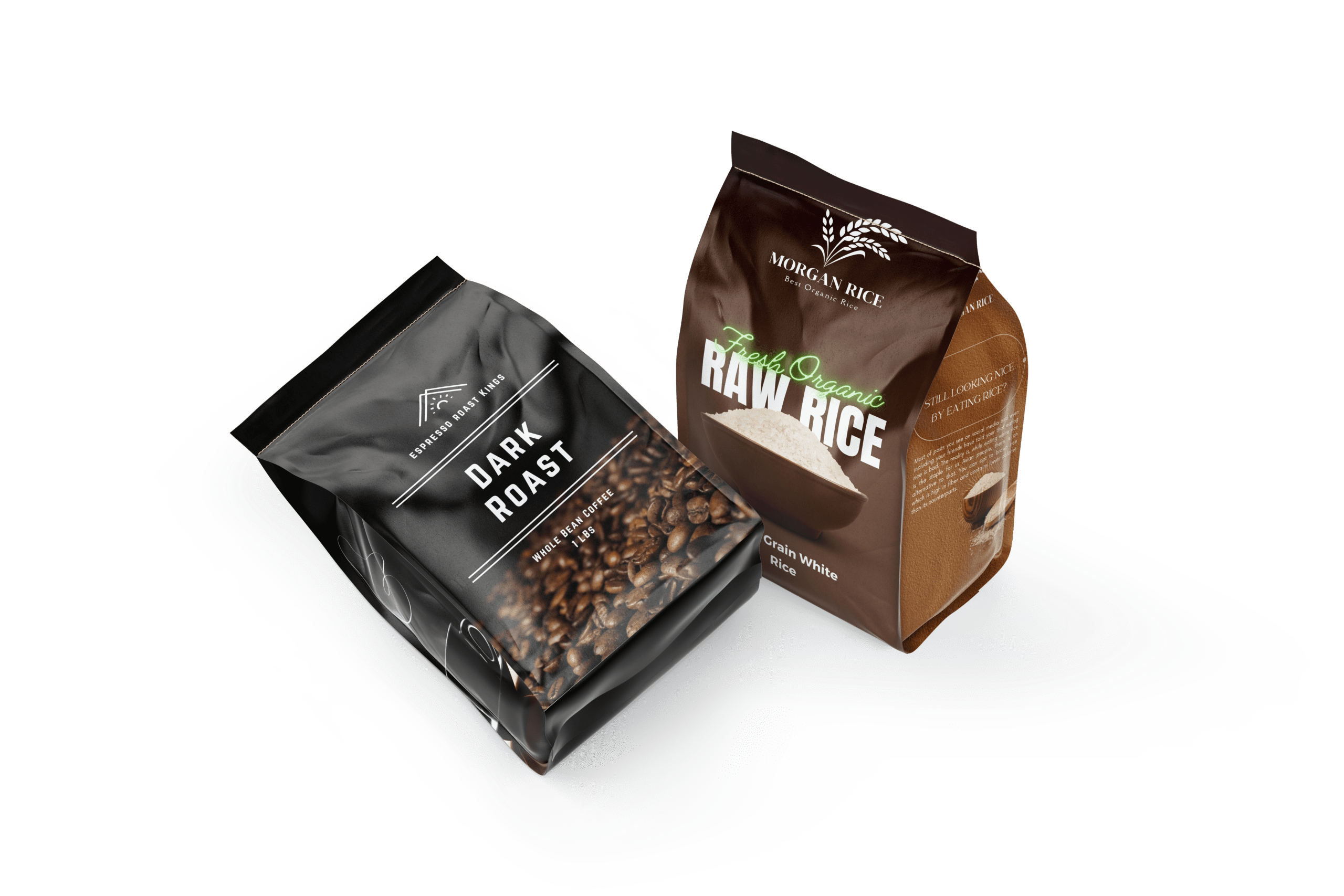
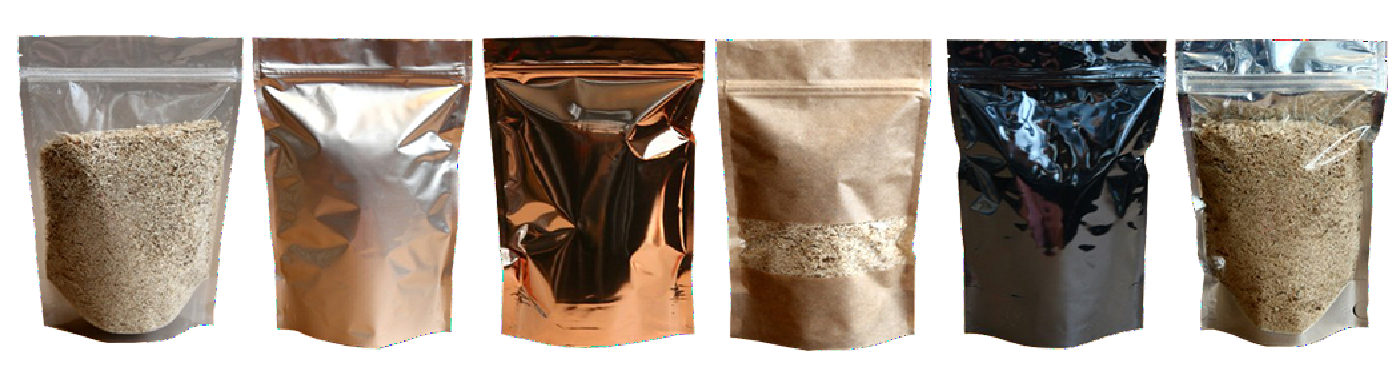
Pouch packaging continues to gain traction across industries due to its versatility, lightweight nature, and eco-friendly potential. In 2025, brands will adopt innovative and sustainable pouch solutions to meet consumer expectations for convenience and environmental responsibility. Below are the top pouch packaging trends expected to shape the market in 2025:
- Sustainable Materials
- Flexible and Refillable Pouches
- Eco-Friendly Printing Technologies
- Lightweight and Space-Saving Designs
- Customizable Branding and Personalization
- Recyclable and Compostable Pouches
- Resealable and Reusable Features
- Smart and Interactive Packaging
- Monomaterial Pouch Designs
- Cost-Effective Pouch Solutions
Sustainable Materials
Pouch packaging in 2025 will see an increased shift toward sustainable, eco-friendly materials. Pouches made from plant-based plastics, biodegradable films, and recycled materials will dominate as brands seek to reduce their environmental impact while offering packaging that’s durable and reliable.
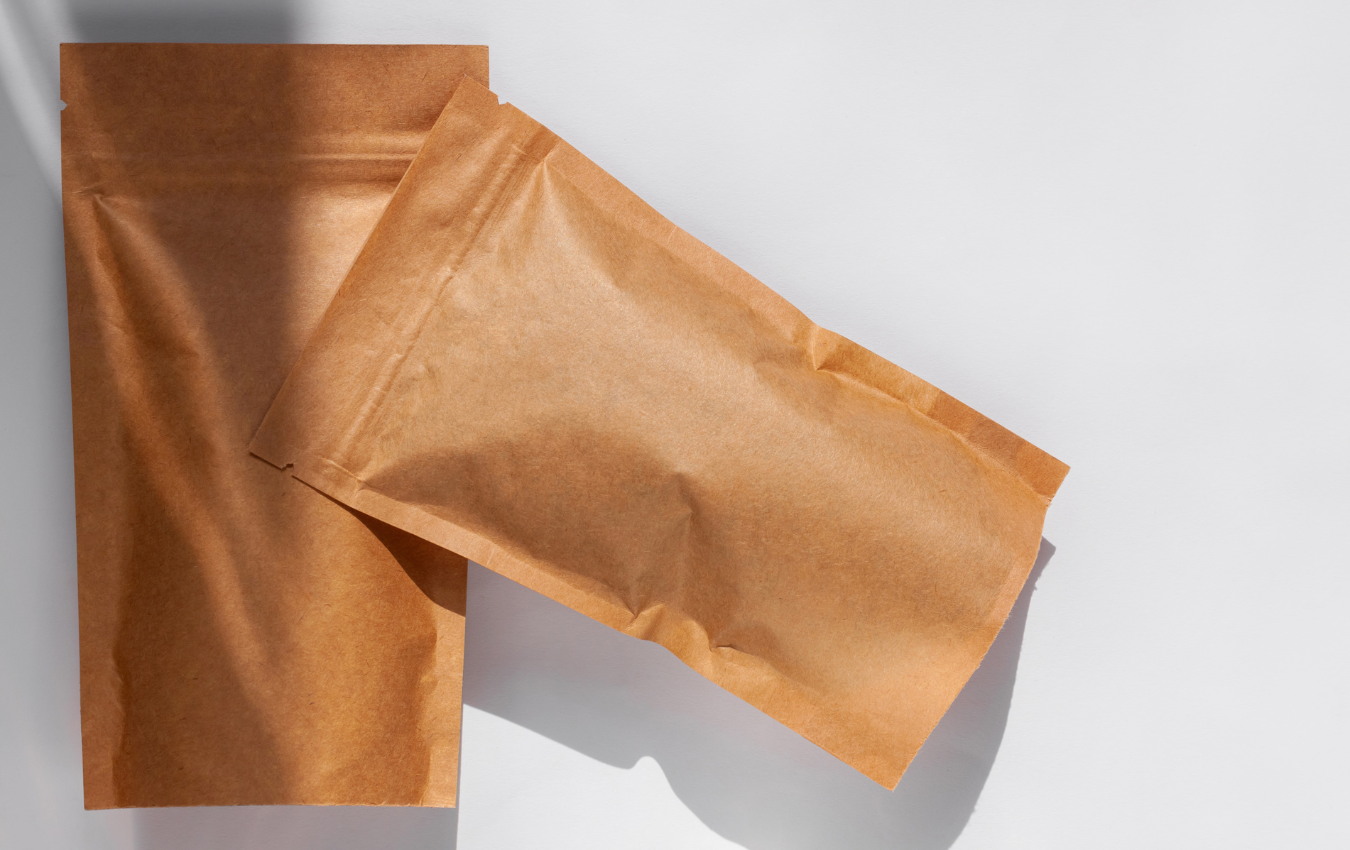
Flexible and Refillable Pouches
Refillable pouches will become more common, especially in industries like personal care and cleaning products. These pouches offer a convenient, eco-friendly alternative to single-use containers, allowing consumers to refill and reuse the packaging multiple times, reducing plastic waste significantly.
Eco-Friendly Printing Technologies
In 2025, brands will turn to more sustainable printing methods for pouch packaging. This includes water-based inks, digital printing, and other low-impact printing technologies that reduce harmful emissions and chemical waste. These solutions also offer high-quality graphics that enhance the visual appeal of the pouch without compromising sustainability.
Lightweight and Space-Saving Designs
Pouches are already popular for their lightweight and space-saving advantages, and this trend will continue into 2025. The reduced material usage in pouches helps lower shipping costs and carbon emissions, making them an eco-conscious choice for businesses looking to streamline their packaging while maintaining product integrity.
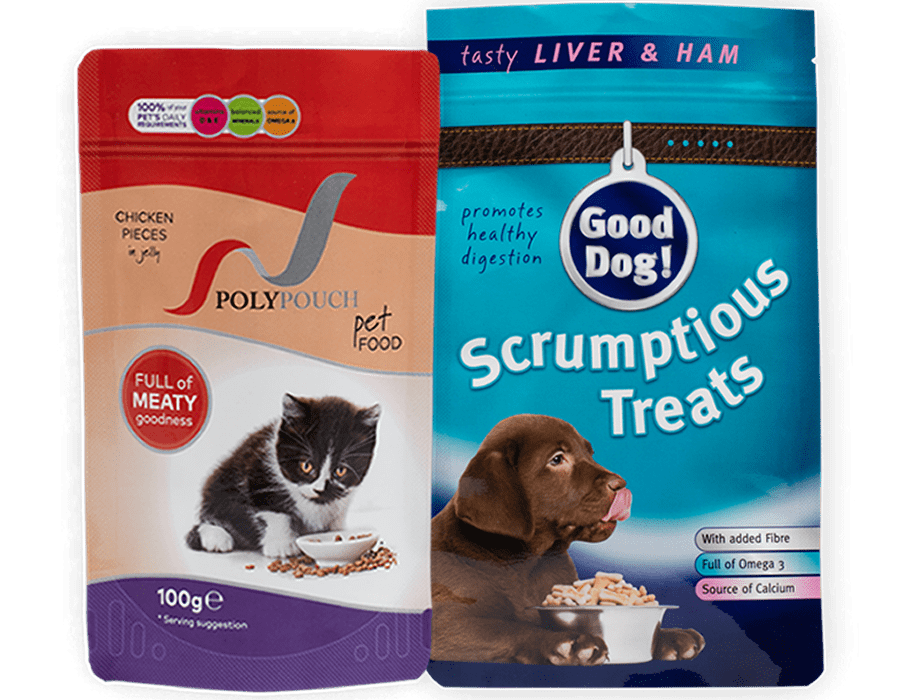
Customizable Branding and Personalization
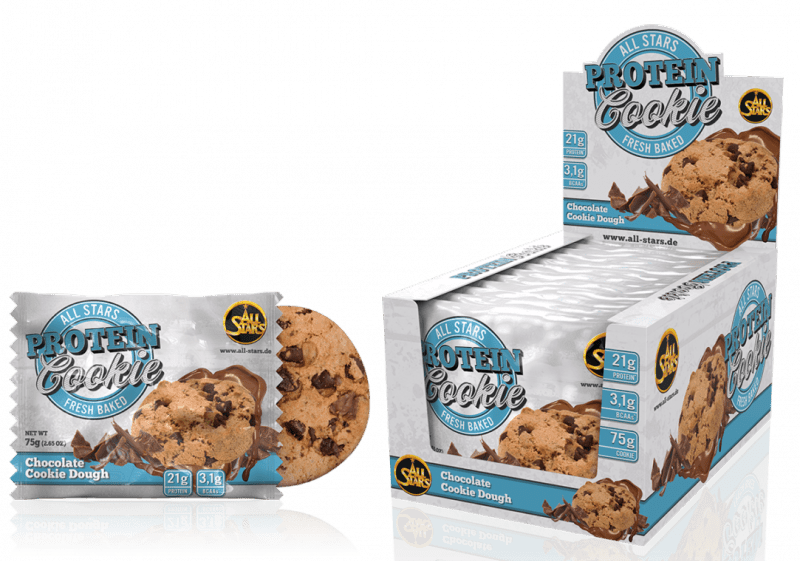
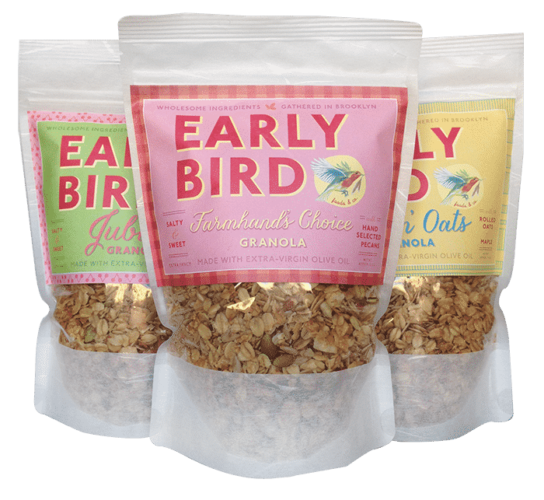
Customization will continue to play a key role in pouch packaging, with brands offering unique designs that enhance consumer experiences. From limited-edition graphics to personalized messages, digital printing allows for flexible design changes that meet consumer preferences for personalized, eye-catching packaging.
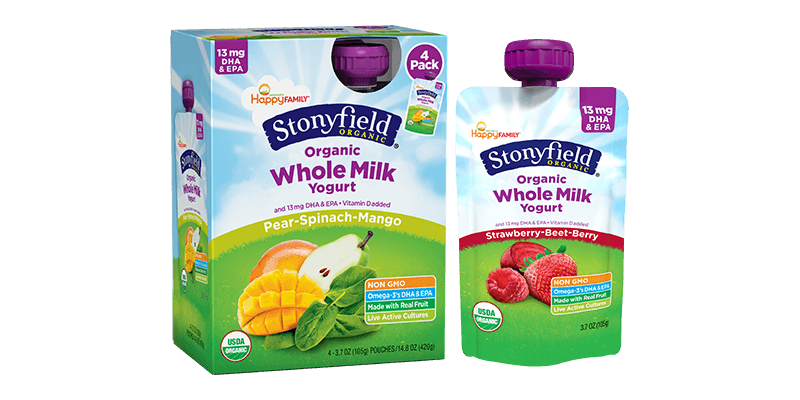
Recyclable and Compostable Pouches
Pouches made from recyclable and compostable materials will become standard in 2025 as companies strive to eliminate non-recyclable plastics. Advances in monomaterial technology will make pouches easier to recycle, while compostable alternatives will provide eco-friendly disposal options for consumers.
Resealable and Reusable Features
Resealable pouches continue to be a popular choice due to their convenience and ability to maintain product freshness. In 2025, more brands will adopt these features to meet consumer demand for packaging that extends product life while also offering the potential for reuse, adding both convenience and environmental benefits.
Smart and Interactive Packaging
The integration of smart technology, such as QR codes or NFC chips, in pouch packaging will continue to rise in 2025. This technology allows consumers to engage with the product through interactive content, track the product’s journey, or access detailed sustainability information. It also helps brands communicate transparency and build consumer trust.
Monomaterial Pouch Designs
Monomaterial pouches, made from a single type of plastic, will be more prevalent due to their recyclability. The simplified composition of monomaterial pouches makes them easier to process in recycling systems, reducing waste and improving the sustainability of flexible packaging.
Cost-Effective Pouch Solutions
Cost efficiency will remain a driving factor for pouch packaging, with businesses seeking ways to balance sustainability and affordability. Advances in manufacturing technology will allow brands to produce pouches at lower costs while maintaining the high-quality features consumers expect, such as resealability, durability, and design flexibility.
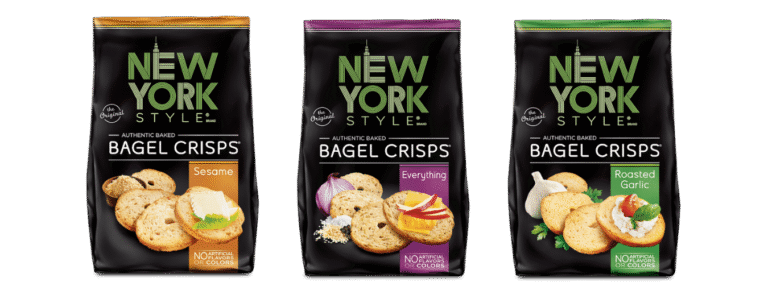
Pouch packaging is evolving to meet both sustainability goals and consumer convenience. In 2025, brands that embrace these trends will be better positioned to deliver eco-friendly, cost-effective, and innovative packaging solutions to a market increasingly focused on sustainability and customization.
If you’re interested in pouches for 2025, whether they are custom or stock, then partner with Brown Packaging today to get started.
Subscription packaging continues to expand across beauty, food, lifestyle, and specialty products. Buyers must balance branding, protection, and sustainability while keeping fulfillment efficient. This checklist highlights the critical areas buyers
As budgets tighten in 2026, packaging buyers are under pressure to reduce costs without increasing damage rates. Cutting too aggressively can lead to product loss, higher return rates, and frustrated
Product damage is one of the most expensive risks in packaging. Beyond replacement costs, damaged goods lead to lost sales, returns, and reputational harm. In 2026, complex e-commerce, global shipping,
Retail packaging continues to evolve as brands balance sustainability, supply chain performance, and consumer experience. In 2026, buyers face new challenges shaped by material innovation, compliance requirements, and rising consumer
Home » 10 Top Pouch Packaging Trends for 2025

In the competitive retail landscape, the clarity and legibility of pouch packaging play a pivotal role in customer engagement and brand communication. A well-designed package is not just a container for your product; it’s a crucial marketing tool. This blog post delves into the strategies for maximizing clarity and legibility in pouch packaging, ensuring your product stands out on the shelf and communicates effectively with consumers. Understanding the Importance of Clarity and Legibility Clarity and legibility in packaging design are about more than just aesthetics. They directly impact a customer’s ability to quickly identify and understand your product, which can be the deciding factor in the purchasing decision. Clear and legible packaging also ensures compliance with labeling regulations, particularly important in industries like food and pharmaceuticals. Tips for Enhancing Clarity and Legibility Choose the Right Font and Optimize Size: Use simple, easy-to-read fonts for critical information like product names, ingredients, and instructions. Avoid overly stylized fonts that might look attractive but reduce readability. Ensure that the font size is large enough to be read easily from a normal viewing distance. Prioritize key information and make it more prominent. Contrast is Key: Use high-contrast color schemes to enhance readability. Dark text on a light background or vice versa usually works best. Be mindful of colorblindness and avoid color combinations that might pose readability issues. Simplify the Design: Avoid cluttered designs that can overwhelm the eye and make it difficult to locate important information. Use whitespace effectively to create a clean, organized look that draws attention to key details. Use Clear Imagery: Incorporate high-quality images that accurately represent the product. This helps in quick identification and adds to the visual appeal. Ensure that images do not overshadow or interfere with the text. Hierarchical Information Layout: Organize information hierarchically. Place the most important information (like the brand and product name) in the most prominent position. Secondary details should be easily locatable but not dominate the primary information. Incorporate Informative Icons: Use universally recognized icons to convey information quickly, such as gluten-free or vegan symbols. Icons can be a great way to communicate key features without relying on text. Consider the Material and Finish: The material of the pouch can affect visibility. Matte finishes reduce glare, while clear windows can showcase the product directly. Test the legibility against the pouch’s texture and finish under various lighting conditions. Regulatory Compliance: Ensure that all required information, such as nutritional facts, ingredients, and usage instructions, complies with legal requirements in terms of visibility and legibility. Feedback and Testing: Conduct consumer testing to gather feedback on the packaging’s clarity and legibility. Make adjustments based on real-world input to optimize the design. If you are interested in pouch packaging, then partner with Brown Packaging today to get started. (714)300-0650 request@brownpackaging.com Most Recent Posts: Categories: Corrugated Ecommerce ESD Design Display Flexible Packaging Foam Folding Carton Packaging Plastic Packaging Pouch Printing Protection Retail Rigid Box Thermoform Sustainability Subscribe To Our Newsletter By submitting your information, you agree to our terms and conditions and privacy policy. Pouches Facebook Twitter LinkedIn Pinterest Relevant Posts
The packaging sector has undergone a considerable transformation in the last few decades, with flexible packaging taking a significant lead. The shift is primarily due to its numerous benefits like lower costs, enhanced convenience, and sustainability, but one area where flexible packaging truly shines is in supply chain efficiency. Let’s delve deeper into understanding the role of flexible packaging in enhancing the efficiency of supply chains. What is Flexible Packaging? Flexible packaging refers to packages or materials that can easily change shape upon filling. These packaging forms often comprise plastics, paper, aluminum foils, or a combination of these materials. This can include anything from resealable food bags and pouches to flexible pharmaceutical packaging, illustrating the wide application spectrum of flexible packaging. Flexible Packaging and Supply Chain Efficiency: An Inextricable Link Storage and Transportation Efficiency One of the critical elements of supply chain management is ensuring the efficiency of storage and transportation. Flexible packaging dramatically improves these aspects. Its compact, lightweight nature reduces space requirements, enabling businesses to transport more products per shipment and utilize storage space more effectively. This improvement in freight efficiency not only reduces logistical costs but also curbs greenhouse gas emissions, promoting sustainability. Packaging and Unpacking Efficiency The ease of packing and unpacking offered by flexible packaging is another aspect contributing to supply chain efficiency. For instance, flexible packaging often incorporates features like zippers, spouts, and handles that simplify handling, opening, and resealing. This user-friendliness not only enhances consumer experiences but also aids in efficient product loading and unloading, saving time and labor costs in the supply chain. Waste Reduction and Environmental Impact Flexible packaging is generally lighter than its rigid counterparts, meaning it requires less material to produce. This attribute not only reduces waste generation at the production stage but also after consumer use, as there is less packaging material to discard. Moreover, many flexible packages are designed to be resealable, which can prolong product life and further reduce waste. This sustainability factor plays a critical role in promoting a green supply chain. Product Protection and Shelf Life Extension Flexible packaging materials are designed to provide optimal protection for products against environmental factors such as moisture, light, and air, ensuring product integrity and quality. This attribute reduces the risk of product spoilage or damage during transport or storage, leading to fewer losses in the supply chain. Many flexible packaging options also extend the shelf life of products, especially food items. This increased longevity reduces waste and the frequency of restocking, thus optimizing supply chain operations. Cost Savings By optimizing transportation and storage, reducing waste, and extending product shelf life, flexible packaging ultimately leads to substantial cost savings across the supply chain. These savings can then be passed on to the consumer, or reinvested into business growth and innovation. The Future of Flexible Packaging in Supply Chains With the continuous evolution of technology and consumer demands, the role of flexible packaging in supply chains is expected to grow even more significant. Innovations such as smart flexible packaging, which incorporates technologies like RFID tags and freshness sensors, will further enhance supply chain efficiency, transparency, and traceability. If you are interested in flexible packaging solutions, then partner with Brown Packaging today to get started. (714)300-0650 request@brownpackaging.com Most Recent Posts: Categories: Corrugated Ecommerce ESD Design Display Flexible Packaging Foam Folding Carton Packaging Plastic Packaging Pouch Printing Protection Retail Rigid Box Thermoform Sustainability Subscribe To Our Newsletter By submitting your information, you agree to our terms and conditions and privacy policy. Custom Packaging Facebook Twitter LinkedIn Pinterest Relevant Posts

Flexible packaging is a dynamic and growing market that has revolutionized the packaging industry. From snack foods to pharmaceuticals, flexible packaging offers lightweight, cost-effective, and versatile solutions that cater to a wide range of products. With advancements in materials, printing, and technology, flexible packaging has become a popular choice for brands looking to differentiate themselves and meet changing consumer needs. In this blog, we will explore the top flexible packaging trends of 2023 that are driving sustainability and convenience. Quick Overview: 10 Flexible Packaging Trends of 2023 Sustainability Takes the Lead Digital Printing and Personalization Convenience is Key Smart Packaging The Rise of E-commerce Interactive Packaging Premiumization Transparency and Visibility Antimicrobial Packaging Resealable and Portion Control Packaging Sustainability Takes the Lead Consumers are increasingly concerned about the impact of packaging waste on the environment. As a result, sustainability has become a key driver in packaging innovation, and flexible packaging is no exception. Brands are embracing eco-friendly materials, such as plant-based and compostable plastics, to reduce their carbon footprint. Furthermore, lightweight and recyclable packaging is gaining popularity, as it reduces the use of materials and lowers transportation costs. Digital Printing and Personalization The rise of digital printing technology has enabled brands to personalize their packaging, creating a unique and memorable experience for customers. Flexible packaging allows for high-quality graphics and printing, enabling brands to showcase their products in a visually appealing way. This trend is expected to continue in 2023, with brands using digital printing to differentiate their products and attract consumers. Convenience is Key Consumers are increasingly busy and seeking products that fit their on-the-go lifestyles. Flexible packaging provides a convenient solution, allowing products to be easily transported and consumed. Packaging features such as resealable closures and easy-to-open seals are becoming standard, while innovative packaging designs that make products easier to use and consume are emerging. Smart Packaging The Internet of Things (IoT) has revolutionized many industries, and packaging is no exception. Smart packaging technology integrates sensors, NFC tags, and QR codes to provide information to consumers and enhance their experience. In 2023, we expect to see more brands adopting smart packaging technology to offer a range of benefits, such as improved product tracking, food safety, and consumer engagement. The Rise of E-commerce The pandemic has accelerated the shift towards e-commerce, with online shopping becoming the norm for many consumers. Flexible packaging is ideal for e-commerce, as it offers cost-effective and lightweight solutions that can be easily shipped. Brands are expected to continue investing in e-commerce packaging in 2023, with features such as tamper-evident seals and easy-open tear notches becoming essential. Interactive Packaging Interactive packaging takes personalization to the next level, offering a fun and engaging experience for customers. This type of packaging can include augmented reality, QR codes, or other interactive elements that allow customers to learn more about the product, access exclusive content, or play games. Premiumization As consumers become more discerning, premiumization has become a key trend in flexible packaging. High-quality materials, sophisticated design, and premium finishes are increasingly being used to create a premium look and feel for products, elevating the perceived value and enhancing the overall consumer experience. Transparency and Visibility Consumers are increasingly interested in the source, quality, and safety of the products they buy. Flexible packaging is ideal for showcasing product transparency and visibility, with clear windows or see-through packaging. This trend is expected to continue in 2023, with brands using transparent and visible packaging to build trust and convey product quality. Antimicrobial Packaging In the wake of the COVID-19 pandemic, antimicrobial packaging has emerged as a trend for 2023. Antimicrobial packaging contains agents that inhibit the growth of bacteria, viruses, and fungi, making it ideal for products that require high levels of hygiene and safety. Resealable and Portion Control Packaging Consumers are increasingly looking for portion control and convenience when it comes to packaging. Resealable packaging allows customers to consume products at their own pace, while portion control packaging ensures that products are used in the right quantities. These features are expected to continue to be popular in 2023, especially for products such as snacks and beverages. Conclusion: Flexible Packaging Trends For 2023 In conclusion, flexible packaging is a dynamic and evolving industry that is driven by innovation and sustainability. As we look ahead to 2023, we expect to see brands continue to prioritize eco-friendly materials and digital printing, while also focusing on convenience and smart packaging. With the rise of e-commerce and changing consumer needs, flexible packaging is set to play an increasingly important role in the packaging industry. If you are interested in flexible packaging for your products, then partner with Brown Packaging today to get started. (714)300-0650 request@brownpackaging.com Most Recent Posts: Categories: Corrugated Ecommerce ESD Design Display Flexible Packaging Foam Folding Carton Packaging Plastic Packaging Pouch Printing Protection Retail Rigid Box Thermoform Sustainability Subscribe To Our Newsletter By submitting your information, you agree to our terms and conditions and privacy policy. Custom Pouches Facebook Twitter LinkedIn Pinterest Relevant Posts