


window.uetq = window.uetq || []; window.uetq.push(‘event’, ‘submit_lead_form’,{ event_label:‘SUBMIT MESSAGE’ }); window.lintrk('track', { conversion_id: 10271009 }); window.lintrk('track', { conversion_id: 10271017 });

Why U.S. Companies Are Shifting to Domestic Packaging Suppliers

Packaging Supplier

In 2025, more U.S. companies are ditching overseas packaging suppliers in favor of domestic manufacturers due to a mix of economic, logistical, and quality-driven factors. Rising global uncertainties, supply chain disruptions, tariffs, and lead time concerns have made sourcing packaging locally a smarter and more reliable option. Businesses across industries are recognizing the benefits of domestic packaging, including improved responsiveness, better quality control, and overall cost-effectiveness.

Key Reasons U.S. Companies Are Going Domestic

Supply Chain Stability and Shorter Lead Times

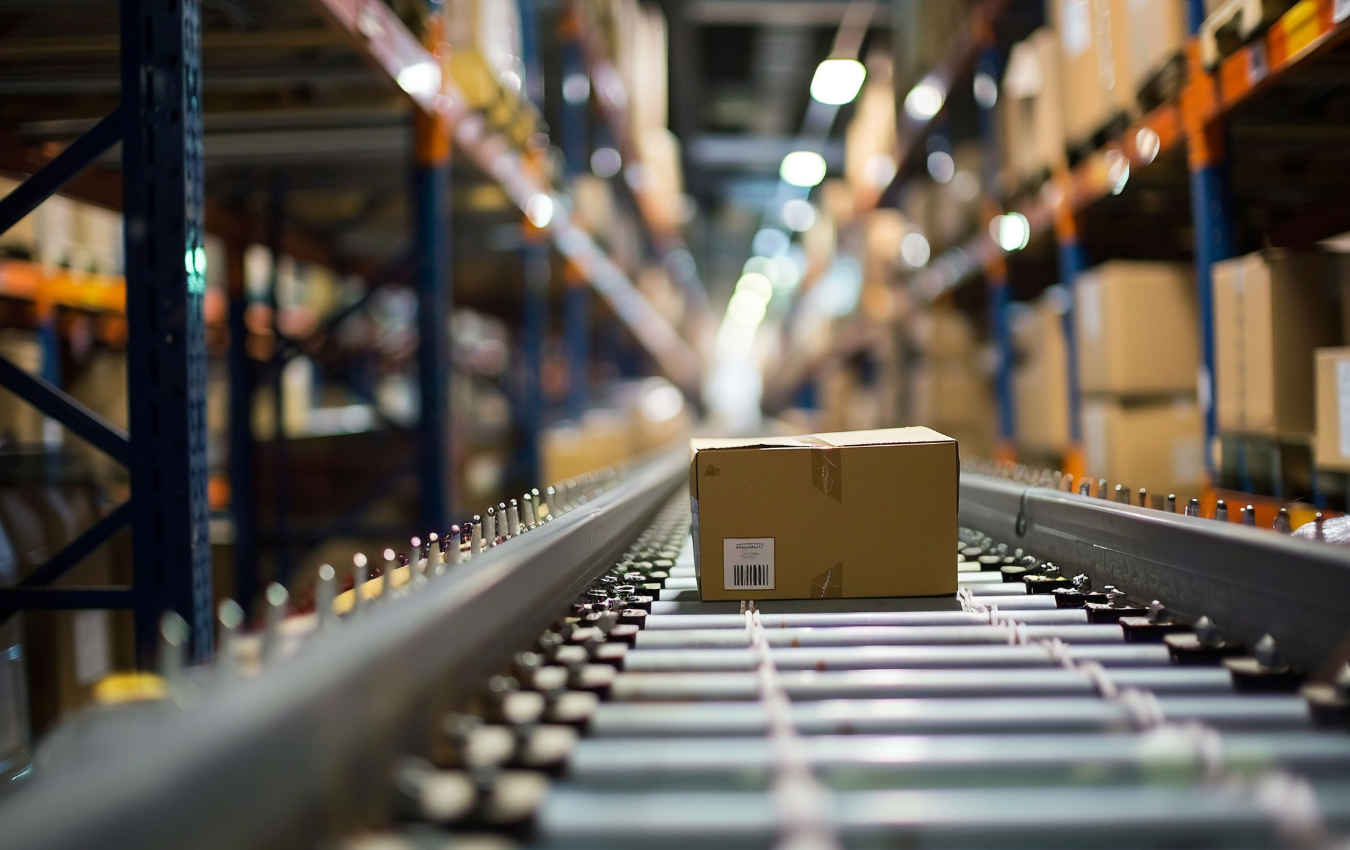
Global shipping delays, port congestion, and raw material shortages have caused longer lead times and unpredictable delivery schedules for overseas packaging. Domestic suppliers eliminate international shipping risks, offering faster turnaround times, just-in-time inventory solutions, and better supply chain reliability.

packaging supply chain

Rising Costs of Overseas Sourcing

The once cost-effective model of sourcing packaging from China, India, and Southeast Asia is no longer as appealing. Higher tariffs, shipping fees, labor costs, and currency fluctuations have reduced the cost advantage, making domestic packaging more competitive in price while offering greater consistency and reliability.

cost of tariffs on packaging

Improved Quality Control and Compliance

Companies need packaging that meets strict regulatory standards, especially in industries like food, pharmaceuticals, and medical devices. With domestic suppliers, businesses have better oversight, easier factory audits, and higher quality assurance. This reduces risks associated with defective or non-compliant packaging that can lead to product recalls or regulatory issues.

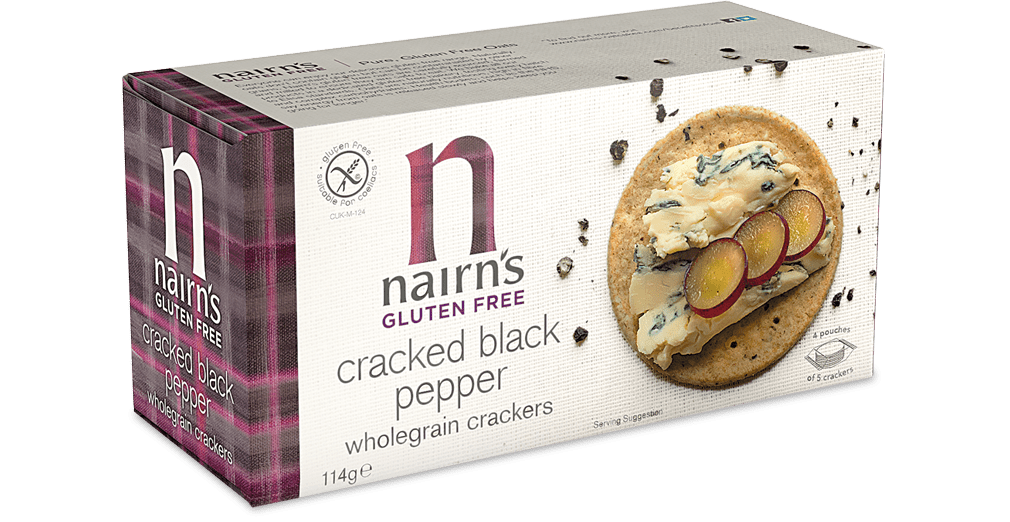
The Importance of Food Packaging: Understanding Materials, Requirements, and Benefits

Customization and Faster Innovation

Domestic packaging suppliers offer greater flexibility in customization, helping businesses respond to market trends and branding needs more efficiently. Whether it’s custom-sized boxes, unique print designs, or specialty coatings, local suppliers can adapt quickly to changing consumer demands and production adjustments.

Strengthening U.S. Manufacturing and Sustainability Goals

Many U.S. businesses are prioritizing local manufacturing to support the economy and improve their sustainability efforts. Domestic suppliers reduce carbon emissions from overseas shipping, align with Buy American initiatives, and help brands meet eco-conscious consumer expectations.

Final Thoughts: The Future of Packaging Sourcing in the U.S.

The shift toward domestic packaging suppliers in 2025 is driven by the need for more reliable supply chains, cost control, better quality, and customization. As businesses continue to optimize operations and reduce risks, domestic packaging is proving to be the smarter choice for U.S. companies.

Looking to transition your packaging sourcing from overseas to domestic? Contact Brown Packaging today for high-quality, reliable, and customized packaging solutions that align with your business needs.

Most Recent Posts:
Comparing Single vs. Multi-Material Packaging

Choosing the right packaging material is one of the most important decisions buyers face. Single-material packaging offers simplicity and recyclability, while multi-material designs provide enhanced performance and protection. Understanding the

Read More »
Categories:
Subscribe To Our Newsletter

By submitting your information, you agree to our terms and conditions and privacy policy.

Custom Packaging
Facebook
Twitter
LinkedIn
Pinterest
Relevant Posts
Handling Holiday Returns with Return-Friendly E-Commerce Packaging
Ecommerce
brownpackaging
Holiday Return-Friendly E-Commerce Packaging

The post-holiday season often brings a surge in product returns, making it essential for e-commerce businesses to design packaging that simplifies the returns process. Offering return-friendly packaging not only boosts customer satisfaction but also encourages future purchases by ensuring a seamless experience. Below is a guide on how businesses can create packaging that makes holiday returns easier for customers while minimizing costs and frustration. Design Reusable and Easy-to-Open Packaging Reusable packaging is one of the simplest ways to streamline returns. By designing packaging that can be easily opened and resealed, you save customers the hassle of finding new packaging for returns. Tips for Reusable Packaging: Dual-Seal Adhesive Strips: Incorporate a second adhesive strip inside the package so customers can reseal the packaging for returns. This eliminates the need for tape or extra supplies, simplifying the process. Tear-Open Features: Add tear-open strips that make the package easy to open without damaging the material, so it can be reused for returns. Sturdy Materials: Ensure your packaging is durable enough to handle multiple shipments. Reinforced materials prevent damage and ensure that items can be returned in the same box without compromising protection. By making packaging reusable, you cut down on waste while offering customers a convenient return option that doesn’t require additional materials. Include Prepaid Return Labels Providing prepaid return labels is a significant way to simplify returns for customers, especially during the busy holiday season. When customers have an easy way to return items, it reduces frustration and builds trust in your brand. Benefits of Prepaid Return Labels: Convenience: Including a prepaid label inside the original packaging ensures that customers don’t have to visit a post office or print a label themselves, saving them time and effort. Cost-Effective for You: Prepaid return labels can be pre-negotiated with your shipping partners, helping to lower overall shipping costs while offering a convenient option for customers. Encourage Faster Returns: Easy-to-use prepaid labels encourage customers to return items quickly, allowing businesses to restock and resell products faster. Make the return process simple by providing instructions along with the label on where to drop off the package or schedule a pickup. Provide Clear Return Instructions Returns can be confusing if the process is not clearly laid out. Include simple and straightforward return instructions inside the package to help customers understand how to return their items easily. Key Components of Return Instructions: Step-by-Step Guide: Provide a step-by-step guide that explains how to repackage the item, affix the return label, and ship it back. This minimizes confusion and ensures a smooth return process. Visuals or Diagrams: Consider adding images or diagrams to help clarify each step, particularly for customers unfamiliar with your returns process. Contact Information: Offer easy access to customer service in case customers have questions or need assistance with their return. A dedicated customer service line or live chat option ensures that issues are resolved quickly. By making your instructions simple and easy to follow, you can eliminate confusion and provide a hassle-free experience for customers. Focus on Durability and Protection Even when a product is being returned, it needs to arrive back at your facility in good condition. Ensure that your packaging is durable enough to protect the product during its return trip. How to Enhance Durability: Protective Inserts: Use foam inserts, air pillows, or cardboard dividers to cushion the product and prevent damage during return shipping. Reinforced Boxes: Double-wall corrugated boxes or reinforced mailers are ideal for fragile items, ensuring that they stay protected through multiple rounds of shipping. Secure Closures: Use tamper-evident seals or reinforced tape to secure the package, giving customers peace of mind and ensuring the contents are safe during transit. Durable packaging not only protects your products during returns but also reduces the likelihood of additional costs from damaged goods. Incorporate Sustainability in Return-Friendly Packaging Sustainability is becoming increasingly important for consumers, and the returns process is no exception. Design return-friendly packaging with eco-friendly materials to show your commitment to reducing environmental impact. Sustainable Packaging Ideas: Recyclable Materials: Use materials like kraft paper or cardboard that can be recycled after the return process, minimizing waste. Biodegradable Packaging: For more sustainable options, consider biodegradable materials that break down naturally, making the returns process more eco-friendly. Minimalist Design: Simplify your packaging by using less material without compromising protection. This reduces waste while still delivering a functional and aesthetically pleasing package. By incorporating sustainability into your return packaging, you not only reduce your environmental footprint but also align your brand with eco-conscious consumers. Conclusion Designing return-friendly packaging for the holiday season is crucial for providing a seamless post-purchase experience. Reusable packaging, prepaid return labels, clear instructions, and durable materials all contribute to a smooth returns process that can boost customer satisfaction and loyalty. By investing in return-friendly packaging, e-commerce businesses can streamline their operations and improve their overall customer experience, even during the hectic holiday season. If you’re interested in ecommerce packaging, then partner with Brown Packaging today to get started. (714)300-0650 request@brownpackaging.com Most Recent Posts: Categories: Corrugated Ecommerce ESD Design Display Flexible Packaging Foam Folding Carton Packaging Plastic Packaging Pouch Printing Protection Retail Rigid Box Thermoform Sustainability Subscribe To Our Newsletter By submitting your information, you agree to our terms and conditions and privacy policy. Ecommerce Packaging Facebook Twitter LinkedIn Pinterest Relevant Posts

Read More »
Packaging Design: 6 Things you should consider
Design
brownpackaging
Packaging Design: 6 Things You Should Consider

Taking your packaging’s design from concept to completion can seem rather complex and challenging for those that are new to the packaging design process. Everyone wants to design a packaging that enhances their product, conveys their brand message, converts sales, and improve brand reputation. However, packaging design does require a lot of planning, expertise, and creativity to fulfill your custom packaging goals. Successful packaging designs offer users additional value to their product by appealing to the packaging’s accessibility, functionality, attractiveness, protection, and other features. To help put you on the right path in achieving your business goals, you should always consider these 6 factors when looking to design a package: Your Unique Selling Proposition Sales Channel Material Structural Design Graphic Design Budget and Costs Your Unique Selling Proposition A unique selling proposition is how you position your brand as unique compared to competitors whether it’s by price, quality, convenience, or something else. Essentially, your packaging design should reflect your brand, as maintaining a consistent message to consumers is important for branding. Your unique selling proposition should be considered when selecting the type of packaging product, material, graphics, and structural design. For example, if your brand is known for selling budget friendly consumer products, then you may want to invest in more cost-efficient solutions. On the other hand, if you are looking for more luxury or quality, then your packaging design should emphasize quality. There are a wide range of packaging products, materials, print options, and more to address any unique selling proposition. Speak to a packaging specialist, to get the best packaging that reflects your brand. Sales Channel A sales channel refers to where you will be selling your packaging, as the place of sale has a lot to do with consumer standards and regulations. Ecommerce, retail, and club stores each have their own consumer expectations and industry standards for a packaging’s design. By knowing your sales channel, you can focus more on creating a better packaging design. For example, retailers tend to focus their packaging on being highly attractable to acquire consumers, while club stores are more focused on bulk and quantity packaging. Ecommerce packaging usually emphasizes the packaging experience for a customer, as they want to leave a great post purchase impression for a customer. By considering your sales channel at the start of your packaging’s design can help you bring your product to market quicker. Material Material plays a large role in the structural integrity, functionality, and presentation of your packaging. Choosing the correct material can be critical in the message you send to your customer as material can vary based on price, quality, durability, shelf-life, sustainability and more. Material options will vary among different packaging options such as: corrugated boxes, folding cartons, pouches, rigid boxes, blister packs, and others. It is best to consider your unique selling proposition, sales channel and product when selecting your packaging’s material. Structural Design Structural design refers to the dimension and shape of your packaging. If you are packaging a box or display, then it will impact how they will fold. It impacts the durability, material costs, structural integrity, and protection of your product. To limit damaged products, you should carefully consider your packaging structural design as it will limit products from shifting or falling and becoming damaged. In addition, it can affect how your packaging stands or is stored on a shelf. It may also affect how friendly your package is in storage and in shipping. Optimize your packaging by carefully considering its structural design. Graphic Design Graphic design or artwork helps you communicate with your audience with images, colors, product information, branding and more. Essentially, it plays in the marketability of your product. Depending on your sales channel, budget, and market may warrant you to heavily consider your graphic design. Additionally, you will want to look at alternative print options as they will affect your overall graphics. Finishes such as (gloss, foil, soft touch, etc.) can be added to your packaging to improve its visual and marketability. Budget and Costs Packaging can greatly vary in price depending on the material, structural design, graphic design, print options and other factors. As a result, you should develop a budget for your project. Budgets will help keep you from spending too much on your packaging as well as help you prioritize what matters most. One thing to consider is the cost of packaging versus the product price. Essentially, the product should be far more valuable and expensive than the packaging. If your packaging exceeds the price of your product or even comes close to it, then your product will not be attractive price wise to your customers. You may have to consider at your sales channel, unique selling and industry when developing your project’s budget. Remember that your packaging needs to be strong and durable enough to protect and support your product. It is best for you to compare multiple material and design options as it will affect your overall budget. How To Optimize Your Packaging’s Design To optimize your packaging’s design, you should partner with a packaging expert that is experienced in projects like yours. If you do not have a packaging expert currently, then partner with Brown Packaging today. We have over 30+ years of helping a wide range of industries optimizing their packaging’s design. (714)300-0650 request@brownpackaging.com Most Recent Posts: Categories: Corrugated Folding Carton Display Packaging Rigid Box Subscribe To Our Newsletter By submitting your information, you agree to our terms and conditions and privacy policy. Custom Packaging Facebook Twitter LinkedIn Pinterest Relevant Posts

Read More »
How to Reduce the Risk of Glass Breaking During Transit
Protection
brownpackaging
How to Reduce the Risk of Glass Breaking During Transit

Shipping glass products can be challenging due to their fragile nature. Whether you’re shipping glass jars, bottles, or other delicate items, the packaging you choose plays a critical role in ensuring their safe arrival. This guide provides practical strategies and materials to protect glass during transit, reducing the risk of damage. Tips for Protecting Glass During Transit Minimize Empty Space Empty space inside the package allows glass items to move around, increasing the likelihood of breakage.• Choose packaging that closely fits your product dimensions.• Fill any gaps with cushioning materials like foam, packing peanuts, or bubble wrap.Pro Tip: Use dividers or molded inserts to keep multiple items secure and separate. Use Durable Boxes Your choice of shipping box can make or break your packaging strategy—literally.• Sturdy cardboard or corrugated boxes provide better protection than thin or flimsy options.• Consider weather-resistant materials to protect against moisture during transit.Pro Tip: Double-boxing adds an extra layer of protection for particularly fragile or valuable glass items. Invest in Custom Packaging Custom packaging solutions are tailored to your product’s specific needs.• Custom-fitted boxes, foam or molded pulp inserts keep items secure and reduce movement.• These options often incorporate materials designed to absorb shock and protect against impacts.Pro Tip: Custom packaging may have a higher upfront cost but often saves money by reducing breakage and returns. Test Your Packaging Before Shipping Simulate real-world shipping conditions to identify potential weaknesses in your packaging.• Drop tests and vibration tests can help ensure your materials hold up under stress.• Make adjustments to address any vulnerabilities.Pro Tip: Testing your packaging can also help you optimize material usage, balancing protection with cost efficiency. Best Materials for Shipping Glass Bubble Wrap Lightweight and versatile, bubble wrap provides excellent cushioning.• Use it to wrap individual items tightly and secure with tape.• Place additional layers around the product if needed.Cons: Not eco-friendly and can be time-consuming to apply. Molded Pulp Inserts Custom-shaped from recycled materials, molded pulp provides a snug fit for glass items.• Protects against movement and shock.• Biodegradable and easy to recycle.Cons: Higher cost and requires a steady supply of recycled materials. Corrugated, Chipboard, Foam Inserts & Partitions These inserts help stabilize and protect individual items during transit.• Corrugated inserts offer strong structural support and can be customized to fit product shapes.• Chipboard inserts provide a thinner, eco-friendly option ideal for lighter products or presentation.• Foam inserts absorb shock and protect fragile items with precision cutouts.• Partitions keep multiple items separated to prevent internal impact.Cons: May require custom tooling or design, but provide significant value in protection and product organization. Wrapping Paper An affordable and eco-friendly option for additional cushioning.• Use in combination with other materials to fill gaps or wrap items.Cons: Thin and unable to absorb significant shock on its own. Packing Peanuts Lightweight and shock-absorbent, packing peanuts fill empty spaces effectively.• Ensure items are tightly surrounded to prevent shifting.Cons: Less environmentally friendly and can be messy to handle. How to Pack Glass Jars for Shipping Wrap Each Jar Securely: Use bubble wrap, molded pulp, or other protective materials. Insert Dividers: Keep jars separate to avoid collisions. Seal Liquids: Place liquid-filled jars in leak-proof bags before wrapping. Fill Empty Spaces: Use packing peanuts or crumpled paper to stabilize items. Reinforce the Box: Use sturdy tape to seal the box and reinforce the seams. Final Packing Steps Layer the Base: Place at least 3 inches of cushioning material at the bottom of the box. Position the Items: Place glass products in the center, away from edges. Top Layer: Add another layer of cushioning to protect the top. Seal and Label: Secure the box with packing tape and add “Fragile” labels to inform handlers. Why Proper Packaging Matters Shipping fragile items like glass is a challenge, but investing in the right packaging materials and techniques can significantly reduce breakage. Properly protected items not only ensure customer satisfaction but also save you money on replacements and returns. Need expert advice on packaging solutions?Contact us today to explore custom options for your shipping needs! (714)300-0650 request@brownpackaging.com Most Recent Posts: Categories: Corrugated Ecommerce ESD Design Display Flexible Packaging Foam Folding Carton Packaging Plastic Packaging Pouch Printing Protection Retail Rigid Box Thermoform Sustainability Subscribe To Our Newsletter By submitting your information, you agree to our terms and conditions and privacy policy. Custom Packaging Facebook Twitter LinkedIn Pinterest Relevant Posts

Read More »