


Home » What Does The Color of Your Packaging Say About Your Product
What Does The Color of Your Packaging Say About Your Product
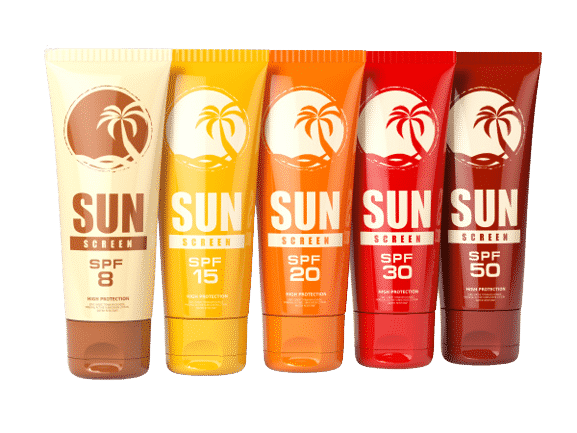
Color plays a pivotal role in product packaging, serving not just an aesthetic purpose but also communicating values, emotions, and expectations to the consumer. Effective use of color in custom packaging can significantly influence customer perception, enhance brand recognition, and ultimately drive purchasing decisions. Let’s delve into how different colors can convey various messages about your products and how they can be strategically used to achieve your business goals.
The Impact of Color in Packaging
Overview of Color Psychology in Packaging
Colors are a powerful tool in packaging design because they have the ability to trigger different emotional responses and convey specific attributes of a brand or product. Understanding the psychology behind colors can help businesses strategically choose hues that align with their brand identity and appeal to their target audience.
Below are a list of the most popular colors used in custom packaging and what they say about your product:
Common Colors Used in Custom Packaging and Their Meanings

White
- Implications: White symbolizes purity, cleanliness, and simplicity. It is often used to create a perception of safety and sterility, which is ideal for healthcare and personal care products.
- Applications: Commonly used as a background color to make text and graphics pop, enhancing readability and highlighting important product information.

Black
- Implications: Black is associated with sophistication, luxury, and seriousness. It suggests a premium quality and is often used in packaging for high-end products to convey elegance and exclusivity.
- Applications: Effective for creating contrast and making other elements stand out, particularly in luxury goods packaging.

Blue
- Implications: Blue evokes feelings of trust, security, and calmness. It’s preferred universally and is deemed reliable and dependable.
- Applications: Widely used in products that aim to promote relaxation and trust, such as in the wellness and financial sectors.


Red
- Implications: Red is a bold color that stimulates excitement, passion, and urgency. It can increase heart rate, which is why it’s commonly used to attract attention and encourage impulse purchases.
- Applications: Often used to highlight calls to action or special offers on packaging.

Orange
- Implications: Orange combines the energy of red and the happiness of yellow, representing enthusiasm, creativity, and affordability.
- Applications: Frequently used to draw attention in retail settings and signal affordability without sacrificing quality.

Green
- Implications: Green is synonymous with nature, health, and renewal. Darker greens are associated with wealth and luxury, while lighter greens are used to promote eco-friendly or natural products.
- Applications: Ideal for products that want to emphasize organic or sustainable attributes

Yellow
- Implications: Yellow is a cheerful color that exudes optimism and youthfulness. It’s also attention-grabbing and can be used to make packaging more eye-catching.
- Applications: Effective for products targeting young demographics or those looking to convey affordability and fun.

Purple
- Implications: Purple is often associated with creativity, luxury, and spirituality. It tends to attract attention with a sense of mystery and prestige.
- Applications: Used in beauty and luxury goods to suggest sophistication and rarity.

Pink
- Implications: Pink is traditionally linked to femininity, warmth, and romance. It ranges from playful shades to more serious, muted tones.
- Applications: Common in products aimed at the female market, particularly in cosmetics and children’s products, to evoke softness and warmth.

Using Multiple Colors
Utilizing multiple colors in packaging needs a balanced approach to maintain brand integrity and ensure clear communication. Complementary colors can create vibrant dynamics and enhance visual appeal, but they should be used judiciously to avoid overwhelming consumers and diluting the brand message.

Shades of Colors
The intensity and shade of a color can alter its impact. Darker shades often convey a more professional and luxurious feel, while lighter shades can appear more accessible and soft. Choosing the right shade is crucial in aligning the packaging with the product’s target audience and brand values.

Summary: What Does Color of Your Packaging Say About Your Product
The color of your packaging is a direct communication tool with your consumers. It not only influences how your product is perceived but can also significantly impact its market performance. By carefully selecting appropriate colors, businesses can effectively position their products, enhance consumer experience, and meet specific market needs.
For personalized guidance on leveraging the power of color in your packaging strategy, partnering with packaging experts like Brown Packaging can ensure that your packaging colors align with your brand identity and marketing goals, maximizing the impact of your products on the shelves.
Sustainable packaging in 2027 will be less about broad claims and more about proof, performance, compliance, and cost control. Buyers will still care about recyclable
Sustainable packaging in 2027 will be less about broad claims and more about proof, performance, compliance, and cost control. Buyers will still care about recyclable
A folding carton may look simple once it reaches the shelf, but it goes through a controlled production process before it becomes a finished package.
Folding carton production is becoming more automated because buyers are asking for faster timelines, tighter consistency, and more flexibility across more SKUs. Shorter product lifecycles,
Folding carton style matters because structure affects more than appearance. The right carton can improve shelf presentation, packing speed, product access, closure security, storage efficiency,
Pouch packaging trends in 2027 will be shaped by convenience, shelf impact, sustainability pressure, sealing performance, automation, ecommerce growth, and total packaging cost. Buyers will
By submitting your information, you agree to our terms and conditions and privacy policy.

Home » What Does The Color of Your Packaging Say About Your Product


Color plays a vital role in brand recognition, and it is especially important when it comes to packaging materials. The color of your packaging can

In the world of packaging, making a memorable impression is crucial. Packaging not only protects and delivers products but also serves as a powerful branding
There are many factors that can contribute to the cost of packaging with freight being no exception. Freight is the process of transporting your product