
Home » Two-Piece vs. Three-Piece Bike Shipping Boxes
Two-Piece vs. Three-Piece Bike Shipping Boxes
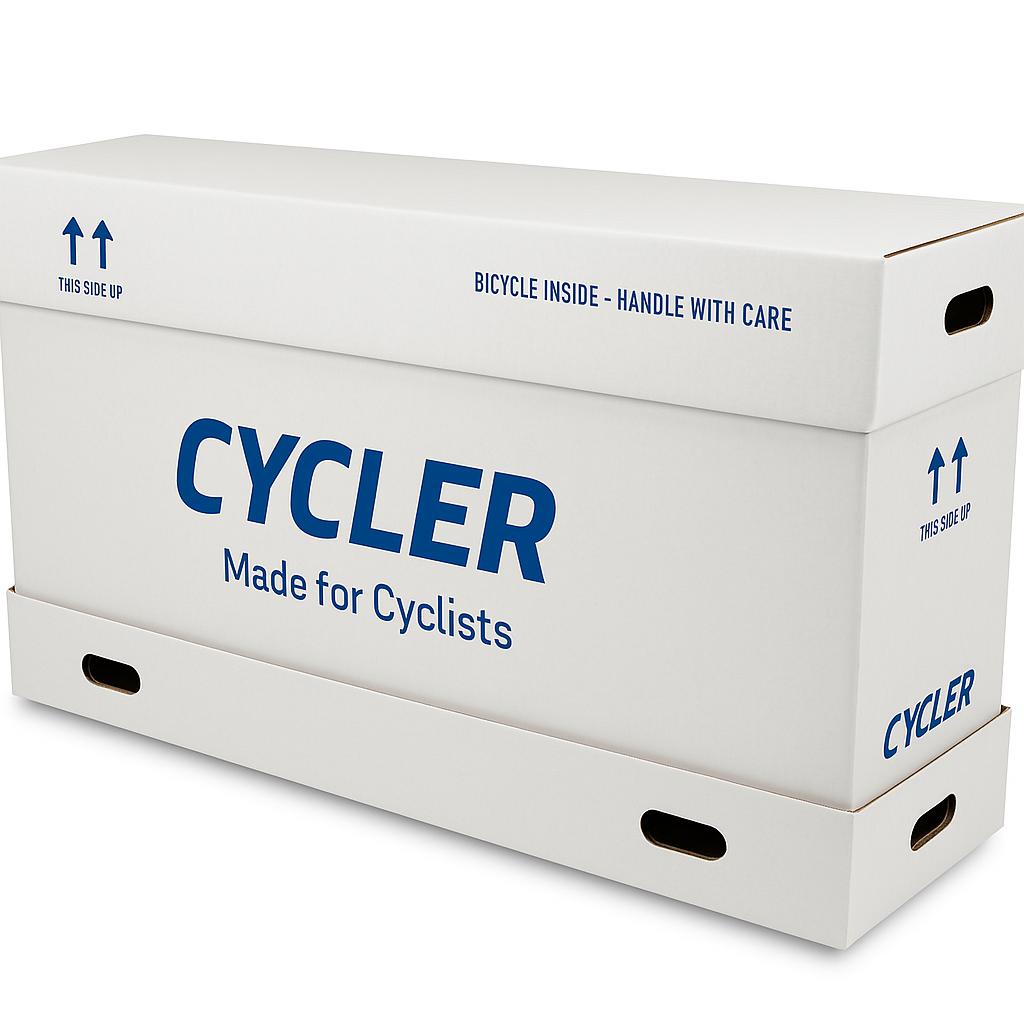
When it comes to shipping bikes, selecting the right type of corrugated box is essential to ensure product protection, ease of handling, and cost efficiency. Two of the most common packaging styles for bicycles are two-piece and three-piece bike boxes, each offering unique benefits depending on shipping requirements and handling preferences. Below, we compare the differences to help determine which option is best suited for your needs.
What is a Two-Piece Bike Shipping Box?
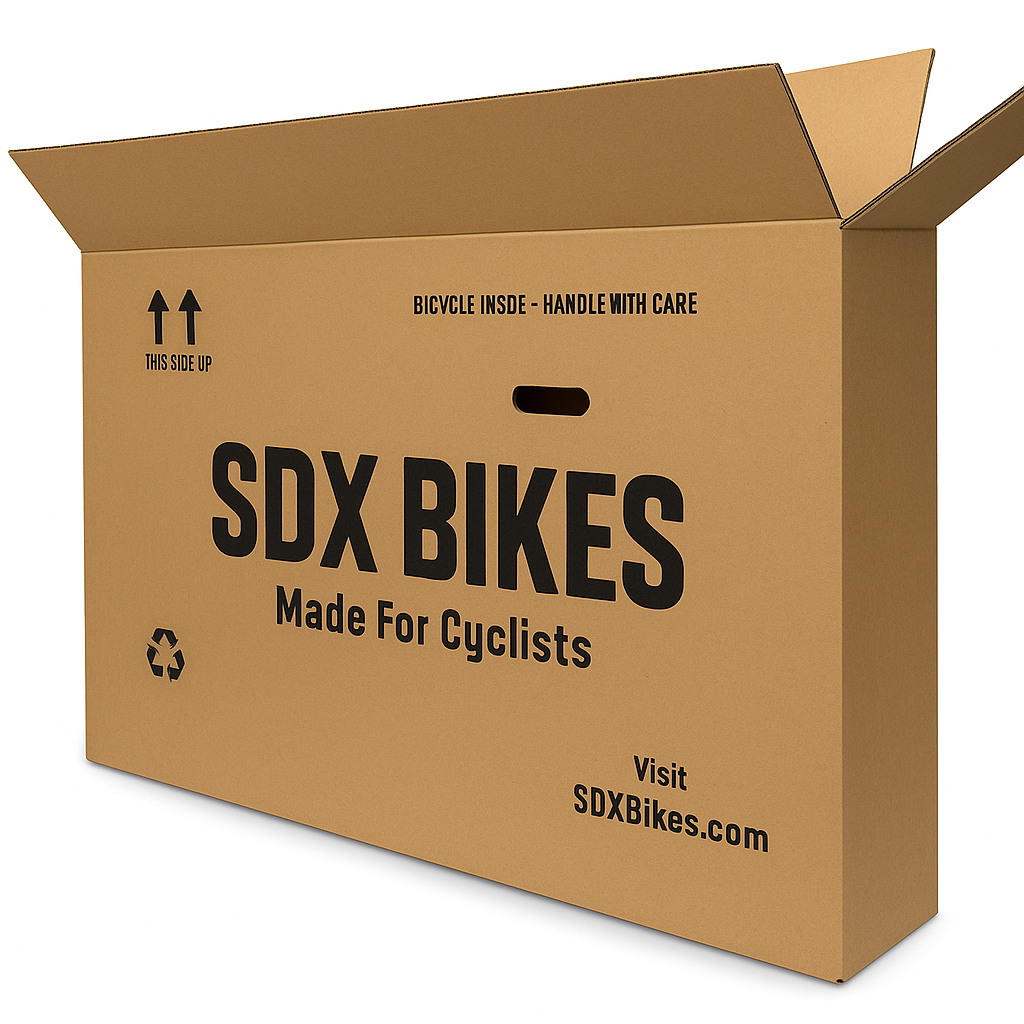
A two-piece bike box consists of a base and a lid, designed to securely enclose the bike with a snug fit. This structure provides:
- Easy Access & Assembly – The bike can be placed in the bottom half of the box, and the top half easily covers it, making packaging and unpackaging simple.
- Strong Structural Support – With a well-designed fit, these boxes reduce movement inside, offering better stability during transit.
- More Compact & Efficient – Since it consists of only two parts, it requires fewer materials, making it a cost-effective solution for standard bike shipping.
- Best for Pre-Assembled or Partially Assembled Bikes – Ideal for retail-ready shipments, allowing bikes to be securely packed and ready for quick assembly by the end user.
What is a Three-Piece Bike Shipping Box?
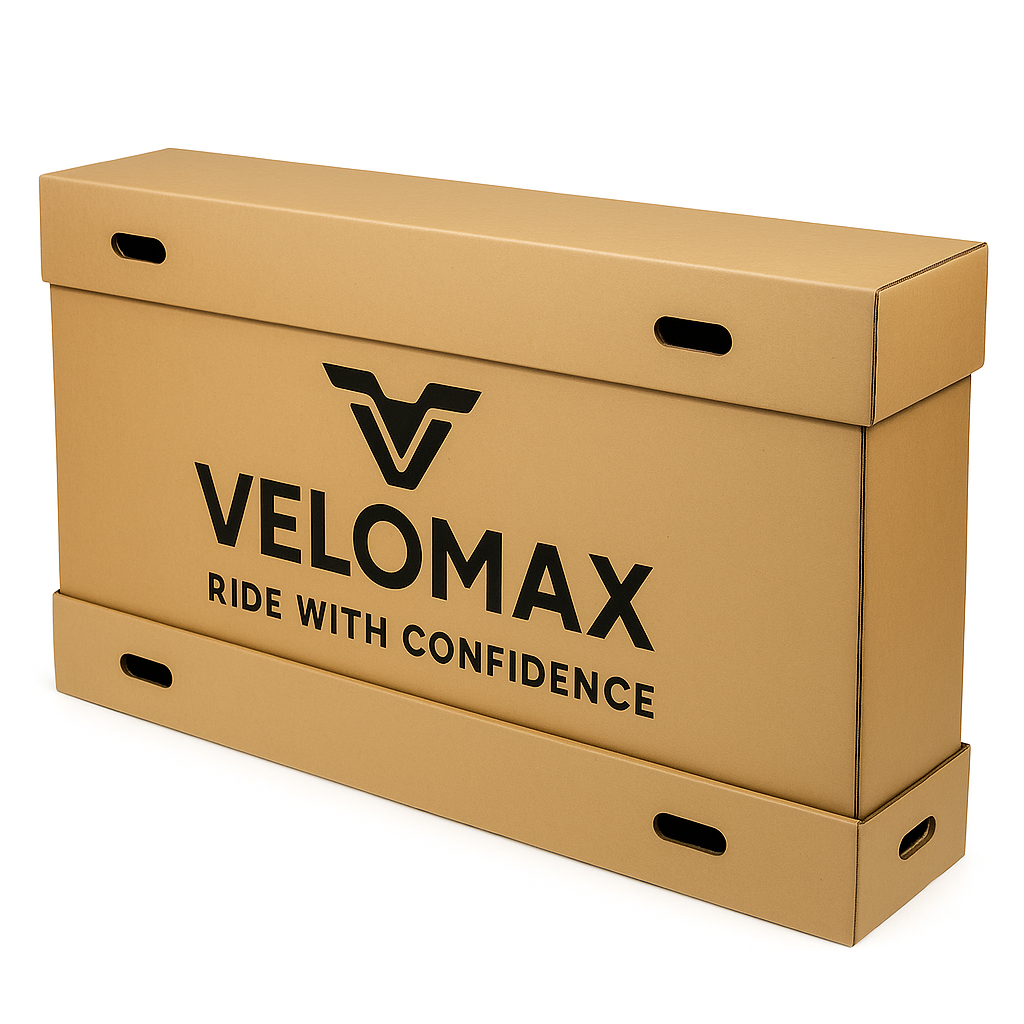
A three-piece bike box includes a base, lid, and an additional sleeve that wraps around the bike, offering enhanced adjustability and protection. This design provides:
- Enhanced Protection & Customization – The sleeve allows for better compression resistance and added durability, reducing the risk of damage.
- Adjustable Height for Different Bike Sizes – The sleeve can expand or contract, accommodating various bike dimensions without needing separate box sizes.
- Increased Stability for Long-Distance Shipping – Extra layers of corrugated board help protect the bike from external impacts, stacking pressure, and handling wear.
- Ideal for High-End or Specialty Bikes – Often used for luxury, electric, or performance bikes, where additional reinforcement is necessary.
Key Differences Between Two-Piece and Three-Piece Bike Boxes
Feature | Two-Piece Box | Three-Piece Box |
Components | Base + Lid | Base + Lid + Sleeve |
Protection Level | Standard – Good for general shipping | High – Ideal for fragile or premium bikes |
Assembly | Quick and simple | Requires extra steps but offers better adjustability |
Material Usage | Less material – more cost-effective | More material – extra durability and protection |
Best For | Standard bikes, eCommerce, retail shipments | High-end, electric, or international bike shipments |
Which Bike Shipping Box is Right for You?
The choice between a two-piece and three-piece bike box depends on your shipping conditions, bike type, and budget:
- Choose a Two-Piece Box if you need a cost-effective, easy-to-assemble solution for standard bike shipping.
- Opt for a Three-Piece Box if you require added protection, flexibility in sizing, and superior durability for long-haul or high-value shipments.
Custom Solutions for Bike Packaging
Both two-piece and three-piece bike boxes can be customized with reinforced inserts, foam padding, printed branding, and special coatings to enhance protection and brand visibility. If you’re unsure which option suits your needs, our team can help design a custom packaging solution tailored to your specific bike shipping requirements.
Contact Brown Packaging today to find the perfect bike shipping box for your business!
As budgets tighten in 2026, packaging buyers are under pressure to reduce costs without increasing damage rates. Cutting too aggressively can lead to product loss, higher return rates, and frustrated
Product damage is one of the most expensive risks in packaging. Beyond replacement costs, damaged goods lead to lost sales, returns, and reputational harm. In 2026, complex e-commerce, global shipping,
Retail packaging continues to evolve as brands balance sustainability, supply chain performance, and consumer experience. In 2026, buyers face new challenges shaped by material innovation, compliance requirements, and rising consumer
Supplier contracts can make or break a packaging program. Without the right terms, buyers risk price volatility, missed lead times, and inconsistent product quality. In 2026, negotiating smart contracts is
Home » Two-Piece vs. Three-Piece Bike Shipping Boxes

In today’s market, packaging plays a crucial role in product sales and branding. It is one of the most critical aspects of a product’s marketing strategy, making it essential for businesses to get it right. There are two main types of packaging prototypes: physical and digital. Each has its benefits and drawbacks, and understanding these differences can help businesses choose the right prototype for their packaging needs. Physical Packaging Prototypes Physical prototypes are tangible models of a product’s packaging. These prototypes are made using physical materials like cardboard, plastic, and metal. The prototype is a full-scale representation of the final packaging design, giving businesses a realistic idea of how the packaging will look and feel. Benefits of Physical Packaging Prototypes Realistic Experience: Physical prototypes offer a tactile experience that digital prototypes cannot replicate. The user can touch, feel, and interact with the packaging, giving a more realistic experience. Accurate Color Representation: Color representation is an essential aspect of packaging design. Physical prototypes offer a more accurate color representation than digital prototypes, as colors can appear differently on screens than they do in real life. Detailed Design: Physical prototypes offer businesses the opportunity to see and test the detailed design of the packaging, including the structure, materials, and finish. Easy to Understand: Physical prototypes are easier for everyone to understand, even those who may not be familiar with design software. Drawbacks of Physical Packaging Prototypes Time-consuming: Physical prototypes can be time-consuming to create and may require multiple iterations before the final design is achieved. Costly: Creating physical prototypes can be expensive, especially if multiple iterations are required. Limited Revisions: Making changes to a physical prototype can be challenging and may require starting from scratch, which can be costly and time-consuming. Digital Packaging Prototypes Digital packaging prototypes are created using software and computer graphics. They are virtual representations of the final packaging design, giving businesses a 3D view of the packaging design. Benefits of Digital Packaging Prototypes Quick and Cost-effective: Digital prototypes are quick and cost-effective to create compared to physical prototypes. Easy Revisions: Making changes to a digital prototype is easy and cost-effective. It can be done quickly without the need for starting from scratch. Eco-friendly: Digital prototypes are environmentally friendly, as they do not require physical materials, reducing waste. Easy Collaboration: Digital prototypes can be shared electronically, making it easy to collaborate with remote team members. Drawbacks of Digital Packaging Prototypes Lack of Tactile Experience: Digital prototypes lack a tactile experience, making it difficult to understand how the packaging will feel in real life. Limited Color Representation: Colors can appear differently on screens than they do in real life, leading to inaccurate color representation. Limited Detail: Digital prototypes may not show the finer details of the packaging, including the texture and finish. Steep Learning Curve: Creating digital prototypes can have a steep learning curve, requiring specialized software and technical skills. Summary: Physical Vs Digital Packaging Prototypes Both physical and digital packaging prototypes have their benefits and drawbacks. Physical prototypes offer a realistic experience, accurate color representation, and detailed design, but they can be time-consuming and costly. Digital prototypes, on the other hand, are quick and cost-effective, easy to revise, eco-friendly, and offer easy collaboration, but they lack a tactile experience and may have limited detail and color representation. If you are interested in custom packaging solutions, then partner with Brown Packaging today. (714)300-0650 request@brownpackaging.com Most Recent Posts: Categories: Corrugated Ecommerce ESD Design Display Flexible Packaging Foam Folding Carton Packaging Plastic Packaging Pouch Printing Protection Retail Rigid Box Thermoform Sustainability Subscribe To Our Newsletter By submitting your information, you agree to our terms and conditions and privacy policy. Custom Packaging Facebook Twitter LinkedIn Pinterest Relevant Posts

Cross-merchandising is one of the most effective ways to increase basket size in retail. By pairing complementary products in a single point-of-purchase (POP) display, brands can encourage impulse buys and highlight product synergies. Well-designed cross-merchandising displays must balance structural integrity with creative graphics to hold multiple SKUs securely while capturing shopper attention. Why Cross-Merchandising Works Shoppers often overlook product pairings when items are placed in separate aisles. POP displays solve this by bringing products together in a single, convenient location. Encourages impulse purchases. Educates consumers on product compatibility. Strengthens brand visibility and retailer relationships. Increases revenue per shopper visit. Structural Considerations for Multi-SKU Displays Cross-merchandising displays require careful engineering to hold different shapes and weights. Compartmentalized trays: Keep SKUs organized and accessible. Reinforced shelving: Prevent sagging under uneven product loads. Flexible layouts: Allow for multiple packaging sizes. Retail compliance: Dimensions must fit chain-specific guidelines. Graphics That Highlight Product Pairings Graphics play a key role in cross-merchandising by showing shoppers why products belong together. Use bold imagery to connect items visually. Highlight bundle savings or promotional pricing. Position brand messaging where both products share visibility. Ensure graphics remain clear even when product stock is low. Examples of Cross-Merchandising POP Displays Snacks and beverages: Pairing chips with soda or beer. Health and beauty: Combining shampoo with conditioner or styling products. Electronics: Packaging batteries alongside small devices. Household goods: Cleaning products displayed with tools or accessories. POP Display Solutions with Brown Packaging Brown Packaging designs cross-merchandising POP displays that integrate structural strength with branding impact. Our solutions make it easy to showcase complementary products while meeting retailer standards. Contact us to explore custom display designs for your retail strategy. References Shop! Association. (2021). Best Practices for In-Store Marketing and POP Displays. Retrieved from https://www.shopassociation.orgSoroka, W. (2009). Fundamentals of Packaging Technology (4th ed.). Institute of Packaging Professionals.ASTM International. (2022). ASTM D685: Standard Practice for Conditioning Paper and Paper Products for Testing. (714)300-0650 request@brownpackaging.com Most Recent Posts: Categories: Corrugated Ecommerce ESD Design Display Flexible Packaging Foam Folding Carton Packaging Plastic Packaging Pouch Printing Protection Retail Rigid Box Thermoform Sustainability Subscribe To Our Newsletter By submitting your information, you agree to our terms and conditions and privacy policy. POP Displays Facebook Twitter LinkedIn Pinterest Relevant Posts

Pallet optimization is the process of maximizing efficiency in space utilization and handling while minimizing freight costs. It requires strategic use of surface area, stacking height, and protective measures such as corner boards, straps, and stretch film. Effective pallet optimization not only reduces costs but also improves safety, prevents product loss, and ensures compliance with retailer requirements. Why Pallet Optimization Matters Logistics Efficiency: Optimized pallets reduce wasted space in trucks, warehouses, and distribution centers. Cost Reduction: Better space utilization lowers freight expenses by reducing pallet count and dimensional charges. Retail Compliance: Many retailers enforce pallet standards to streamline storage and handling. Safety: Stable pallets minimize risk of shifting loads and workplace accidents. 9 Tips for Pallet Optimization Optimize Packaging Design Structure Select the Right Packaging Material Consider Supply Chain Conditions Place Heavier Objects at the Bottom Stack to the Edge, Not Beyond Use Pallet Optimization Software Keep Edges Straight and Uniform Apply the Correct Stretch Film Strap Down the Pallet if Needed Optimize Packaging Design Uniform, properly sized packaging stacks securely. Avoid oversized cartons, sharp edges, or unnecessary void space that weakens stability and wastes pallet capacity. Select the Right Packaging Material Corrugated strength impacts pallet load stability. Damaged cartons compromise entire stacks. Choose materials that withstand compression, vibration, and environmental stress. Consider Supply Chain Conditions Heat, humidity, cold, and shock affect packaging integrity. Use appropriate protective materials (foam, bubble wrap, anti-static additives) and pallet reinforcements. Place Heavier Items at the Bottom A stable foundation prevents crushing of lighter cartons and reduces shifting risk during transit. Stack to the Edge, Not Beyond Overhanging cartons weaken load stability and may incur additional carrier fees. Align cartons flush with pallet edges. Use Pallet Optimization Software Tools like CAPE, StackBuilder, and Best Pallet provide load simulations to maximize cube utilization and safety. Keep Edges Straight and Uniform Square, even loads distribute weight evenly. Avoid pyramid-style stacking, which destabilizes pallets and reduces efficiency. Apply the Correct Stretch Film Film strength and elasticity should match load weight and configuration. Specialty films with additives can improve performance in challenging conditions. Add Straps if Needed Polypropylene, steel, polyester, or cord straps provide additional stability. Combining strapping with corner boards and slip sheets further improves safety. Benefits of Pallet Optimization Improved Safety: Stable pallets reduce workplace injuries and accidents. Reduced Shipping Costs: Maximizing cartons per pallet lowers freight and fuel expenses. Faster Handling: Uniform stacks improve speed and accuracy during loading and unloading. Product Protection: Properly secured pallets prevent carton damage and inventory loss. Better Space Utilization: Optimized loads maximize warehouse and trailer capacity. Buyer Takeaway Pallet optimization is more than stacking boxes neatly—it’s a supply chain strategy. By optimizing packaging design, material strength, and pallet configurations, businesses can reduce costs, improve safety, and meet retailer requirements. The investment in software, stretch film, or strapping often pays for itself in fewer freight charges and reduced product damage. References International Safe Transit Association (ISTA). (2023). Distribution Testing Standards. Retrieved from https://ista.org Fibre Box Association. (2023). Palletization and Corrugated Packaging. Retrieved from https://www.fibrebox.org Soroka, W. (2016). Fundamentals of Packaging Technology (5th ed.). Institute of Packaging Professionals. (714)300-0650 request@brownpackaging.com Most Recent Posts: Categories: Corrugated Folding Carton Display Packaging Rigid Box Subscribe To Our Newsletter By submitting your information, you agree to our terms and conditions and privacy policy. Custom Packaging Facebook Twitter LinkedIn Pinterest Relevant Posts