

Home » The Role of Flexible Packaging in Supply Chain Efficiency
The Role of Flexible Packaging in Supply Chain Efficiency
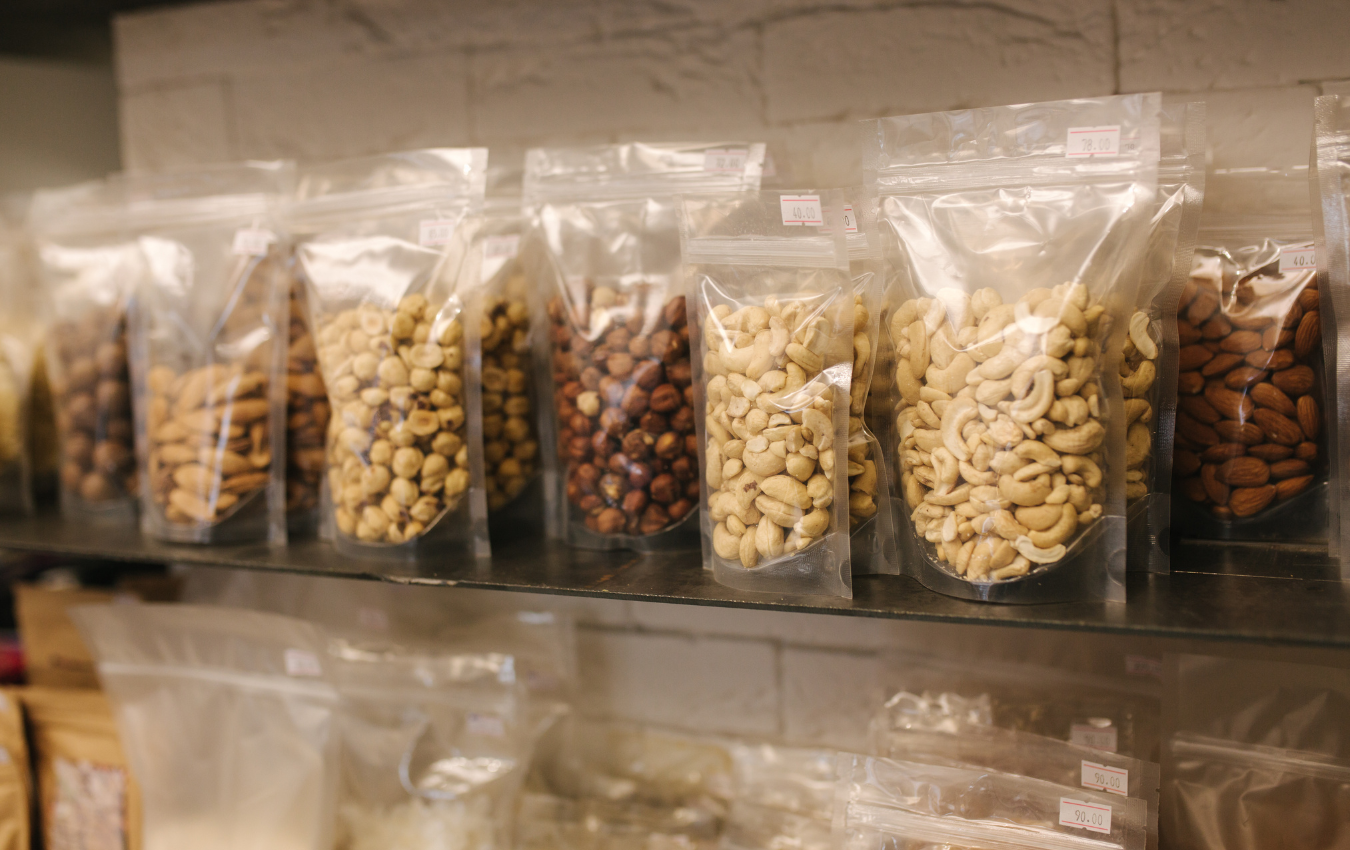
The packaging sector has undergone a considerable transformation in the last few decades, with flexible packaging taking a significant lead. The shift is primarily due to its numerous benefits like lower costs, enhanced convenience, and sustainability, but one area where flexible packaging truly shines is in supply chain efficiency. Let’s delve deeper into understanding the role of flexible packaging in enhancing the efficiency of supply chains.
What is Flexible Packaging?
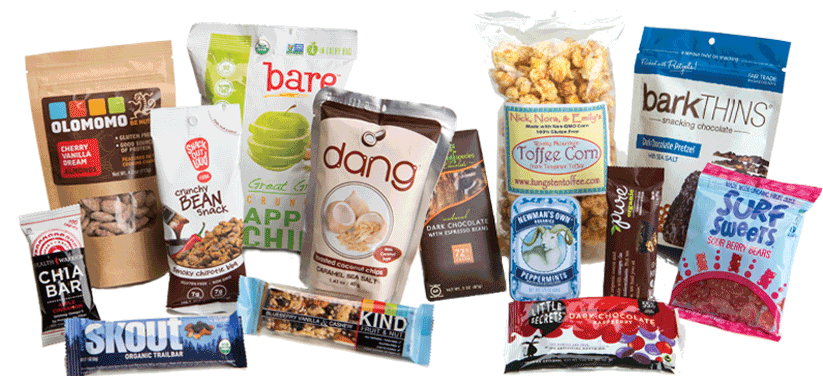
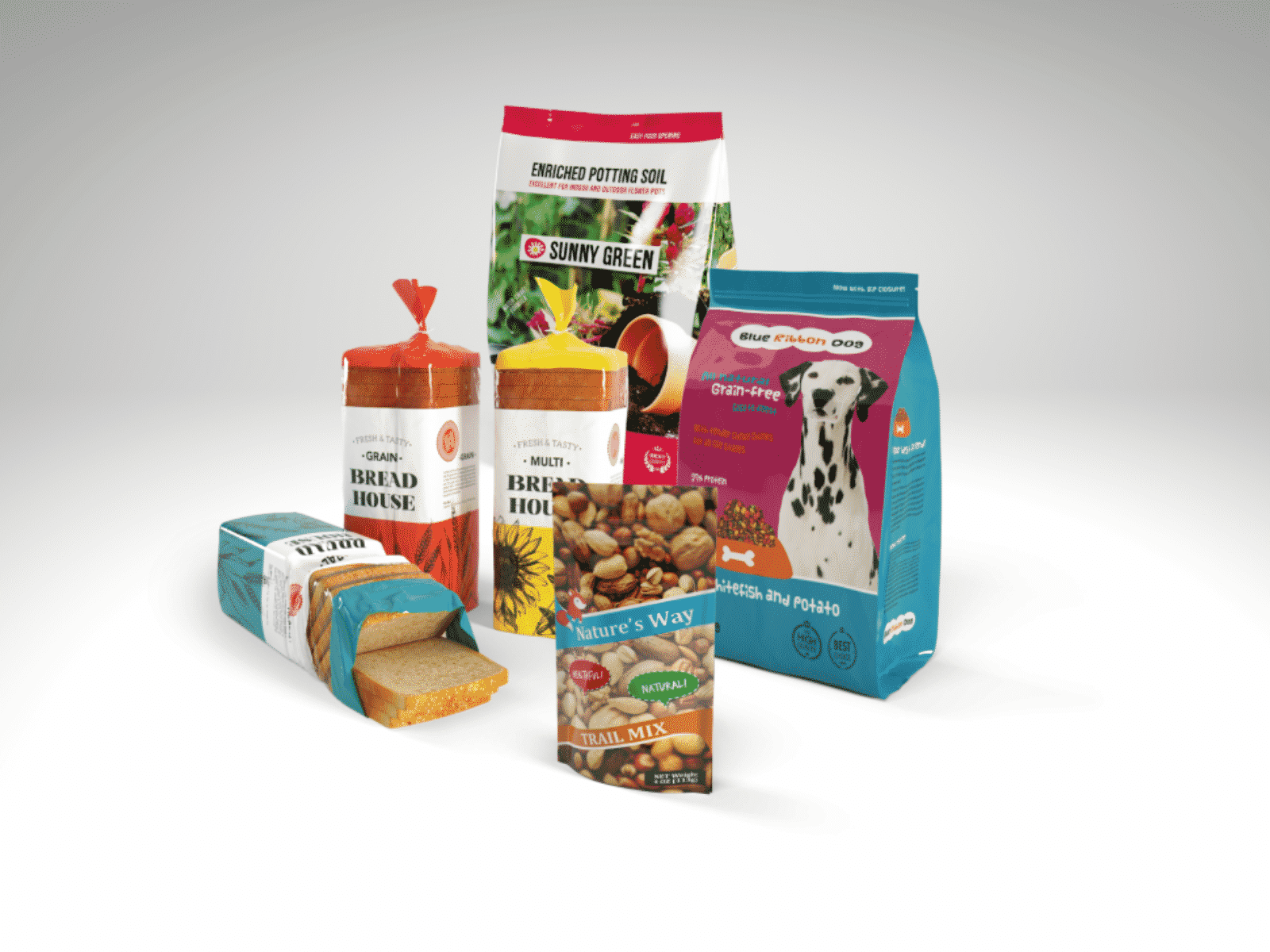
Flexible packaging refers to packages or materials that can easily change shape upon filling. These packaging forms often comprise plastics, paper, aluminum foils, or a combination of these materials. This can include anything from resealable food bags and pouches to flexible pharmaceutical packaging, illustrating the wide application spectrum of flexible packaging.
Flexible Packaging and Supply Chain Efficiency: An Inextricable Link
Storage and Transportation Efficiency
One of the critical elements of supply chain management is ensuring the efficiency of storage and transportation. Flexible packaging dramatically improves these aspects. Its compact, lightweight nature reduces space requirements, enabling businesses to transport more products per shipment and utilize storage space more effectively. This improvement in freight efficiency not only reduces logistical costs but also curbs greenhouse gas emissions, promoting sustainability.
Packaging and Unpacking Efficiency
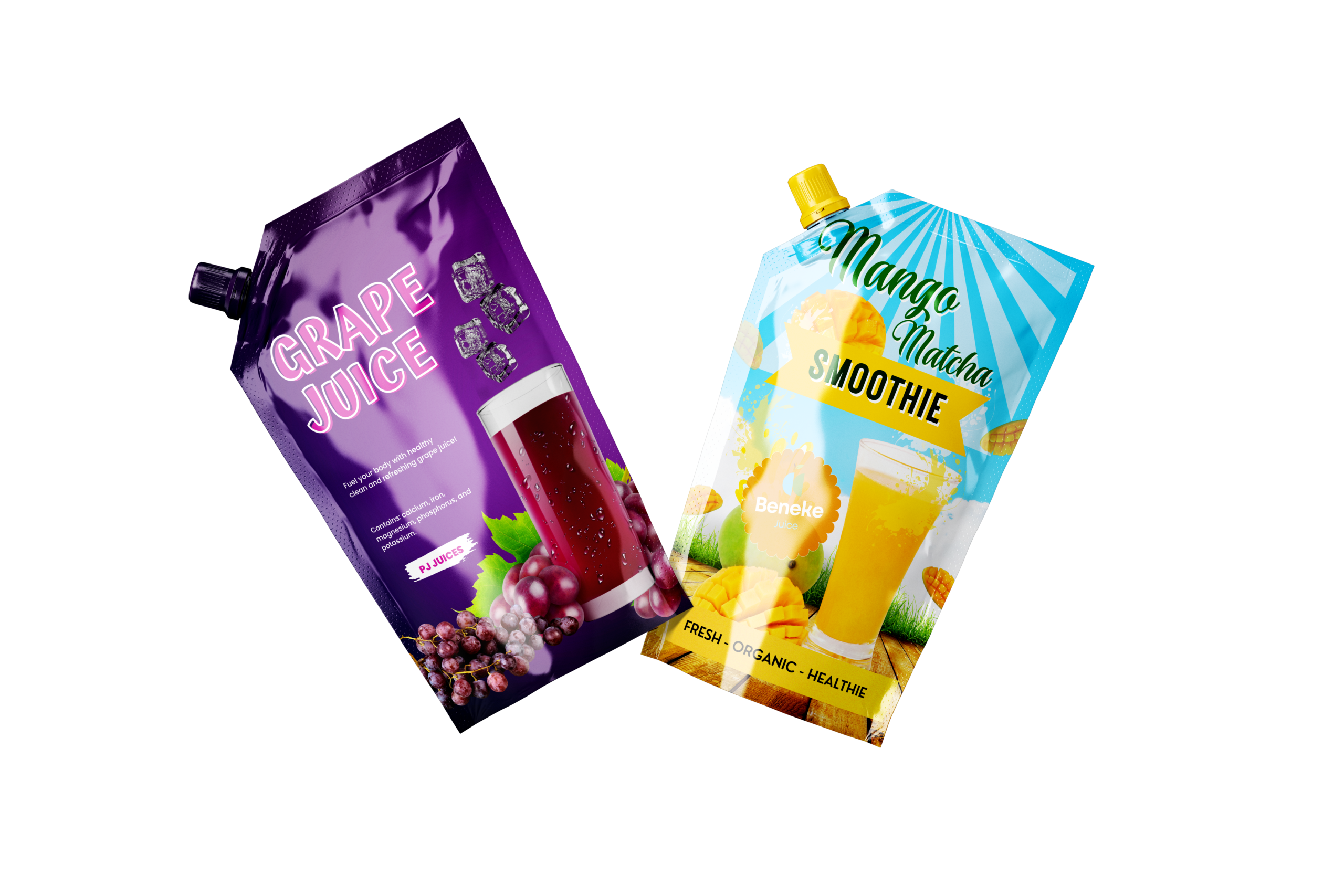
The ease of packing and unpacking offered by flexible packaging is another aspect contributing to supply chain efficiency. For instance, flexible packaging often incorporates features like zippers, spouts, and handles that simplify handling, opening, and resealing. This user-friendliness not only enhances consumer experiences but also aids in efficient product loading and unloading, saving time and labor costs in the supply chain.
Waste Reduction and Environmental Impact
Flexible packaging is generally lighter than its rigid counterparts, meaning it requires less material to produce. This attribute not only reduces waste generation at the production stage but also after consumer use, as there is less packaging material to discard.
Moreover, many flexible packages are designed to be resealable, which can prolong product life and further reduce waste. This sustainability factor plays a critical role in promoting a green supply chain.
Product Protection and Shelf Life Extension
Flexible packaging materials are designed to provide optimal protection for products against environmental factors such as moisture, light, and air, ensuring product integrity and quality. This attribute reduces the risk of product spoilage or damage during transport or storage, leading to fewer losses in the supply chain.
Many flexible packaging options also extend the shelf life of products, especially food items. This increased longevity reduces waste and the frequency of restocking, thus optimizing supply chain operations.
Cost Savings
By optimizing transportation and storage, reducing waste, and extending product shelf life, flexible packaging ultimately leads to substantial cost savings across the supply chain. These savings can then be passed on to the consumer, or reinvested into business growth and innovation.
The Future of Flexible Packaging in Supply Chains
With the continuous evolution of technology and consumer demands, the role of flexible packaging in supply chains is expected to grow even more significant. Innovations such as smart flexible packaging, which incorporates technologies like RFID tags and freshness sensors, will further enhance supply chain efficiency, transparency, and traceability.
If you are interested in flexible packaging solutions, then partner with Brown Packaging today to get started.
Sustainable packaging in 2027 will be less about broad claims and more about proof, performance, compliance, and cost control. Buyers will still care about recyclable
Sustainable packaging in 2027 will be less about broad claims and more about proof, performance, compliance, and cost control. Buyers will still care about recyclable
A folding carton may look simple once it reaches the shelf, but it goes through a controlled production process before it becomes a finished package.
Folding carton production is becoming more automated because buyers are asking for faster timelines, tighter consistency, and more flexibility across more SKUs. Shorter product lifecycles,
Folding carton style matters because structure affects more than appearance. The right carton can improve shelf presentation, packing speed, product access, closure security, storage efficiency,
Pouch packaging trends in 2027 will be shaped by convenience, shelf impact, sustainability pressure, sealing performance, automation, ecommerce growth, and total packaging cost. Buyers will
By submitting your information, you agree to our terms and conditions and privacy policy.
Home » The Role of Flexible Packaging in Supply Chain Efficiency

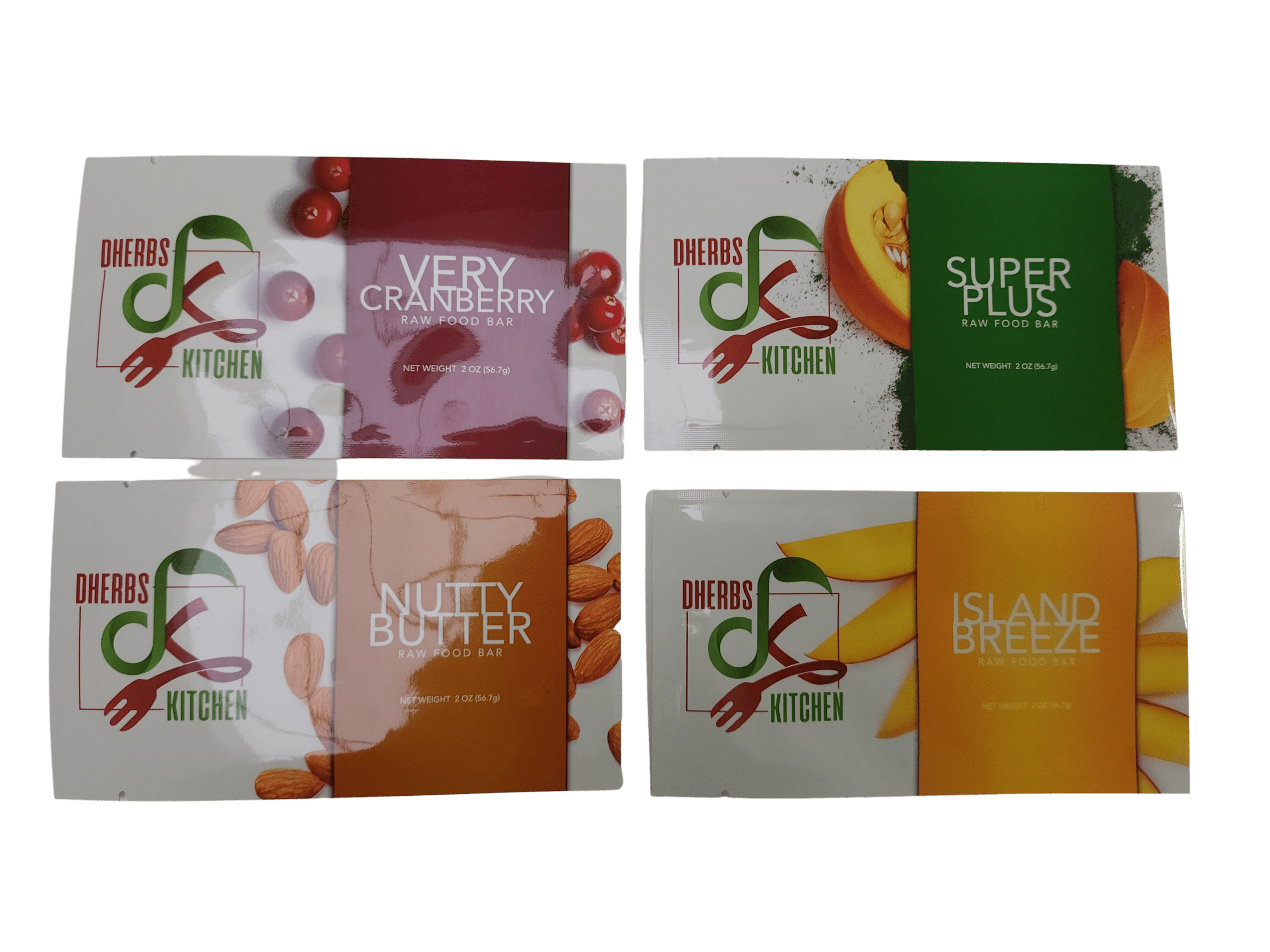

In the diverse landscape of modern packaging, digital printed pouches stand out for their versatility and effectiveness. Offering a blend of functionality and aesthetic appeal,
The food industry has undergone a variety of changes over the years, with one of the most prominent shifts being in the area of packaging.
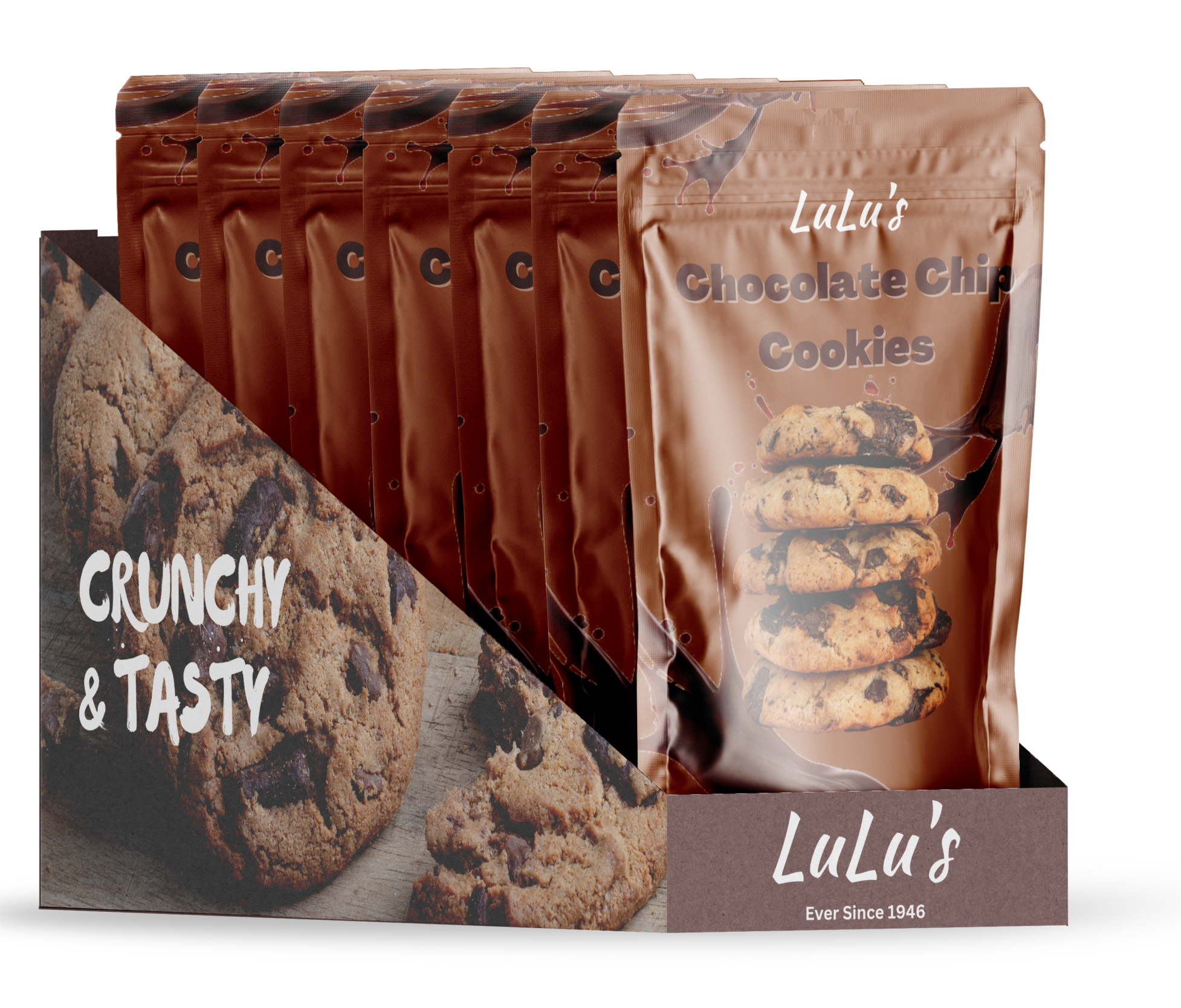
In a fiercely competitive retail landscape, brands strive to ensure their products stand out on the shelves. And one powerful tool they leverage is packaging.