

Home » The New Aesthetic of Affordability in Packaging Design
The New Aesthetic of Affordability in Packaging Design
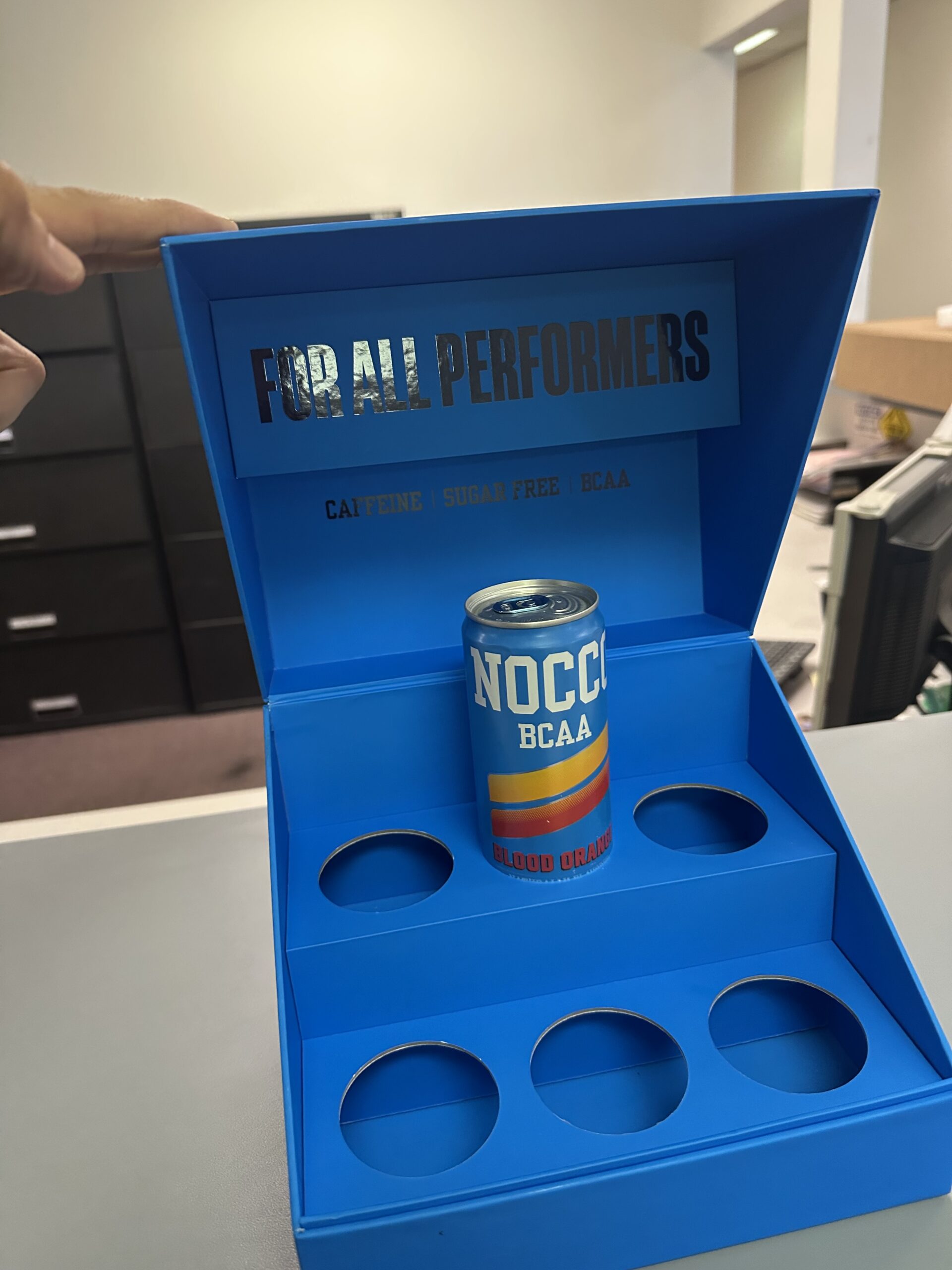
Affordability used to be a quiet compromise — a goal that lived behind the scenes while marketing focused on gloss and finish. But in today’s market, affordability has become a visual language of its own. Consumers now associate clean design, minimal materials, and straightforward graphics with honesty and modern value.
The brands leading this shift aren’t hiding cost-conscious design. They’re turning it into a strength.
When Less Design Looks Like More Value
What used to look “simple” now reads as authentic. Brands that embrace minimalism aren’t doing less — they’re being more intentional. Clear typography, neutral tones, and uncoated materials communicate confidence, sustainability, and restraint — qualities that resonate deeply with today’s consumers.
This shift allows packaging teams to remove unnecessary layers, finishes, or embellishments that drive up cost without adding real brand equity. A matte kraft carton or single-color flexo print can deliver the same presence as foil if it’s executed with precision and purpose.
In modern packaging, restraint is the new refinement.
Material Authenticity as Design
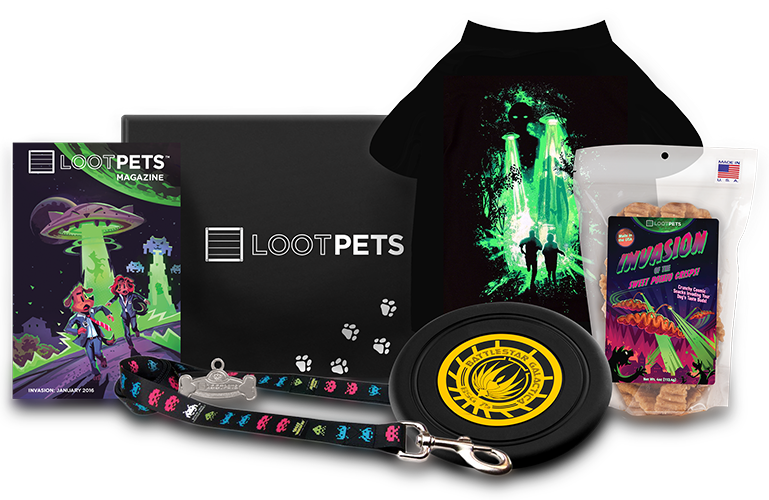
One of the defining trends in 2026 is letting materials speak for themselves. Kraft textures, natural fibers, and unbleached tones have become design assets, not budget limitations.
For brands, this means material selection can serve both aesthetic and economic goals — reducing coatings, simplifying substrates, and reinforcing a sustainable brand story. Folding cartons in uncoated SBS or rigid boxes wrapped in textured kraft paper signal authenticity and reduce finishing cost — all while appealing to consumers who equate raw with real.
The Role of Color and Print Restraint
Color once signified premium packaging; now, restraint does. Smart use of white space and selective color creates more visual impact than full-panel saturation.
With advanced digital and flexo printing, brands can achieve precise registration and bold contrast using fewer inks and passes. That means lower setup costs, faster turnaround, and stronger visual hierarchy.
Modern buyers don’t want packaging that shouts. They want packaging that speaks clearly and confidently.
Affordable Luxury Through Design Precision
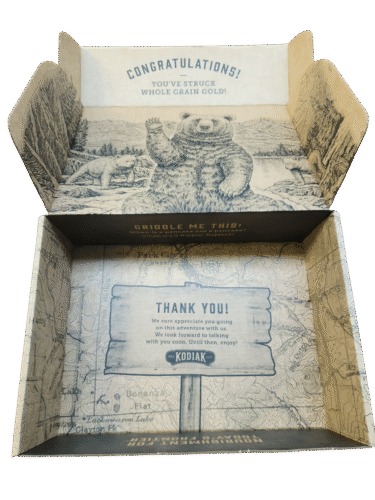
Luxury isn’t about spending more — it’s about looking like you meant every choice. Affordable packaging achieves this by investing in precision over excess. Sharp folds, consistent alignment, and high-quality board stock convey value even without embellishment.
This is why some of the most admired packaging today uses clean lines, monochrome palettes, and recycled materials. It’s luxury built on intention — and intention costs less than waste.
Turning Constraints into Creativity
The best packaging often comes from working within limits. Affordability forces clarity: what’s essential, what’s visual noise, and what truly communicates your brand promise.
Designers who embrace this mindset treat budget not as a restriction, but as a framework for smarter creativity — prioritizing usability, material truth, and production efficiency. The outcome? Packaging that looks more considered, not more constrained.
Partnering for Smart Design That Sells
At Brown Packaging, we help brands turn affordability into visual strength. From structural optimization to print simplification, we align design choices with material performance, consumer appeal, and real-world cost goals.
Our team works with you to build packaging that feels authentic, looks intentional, and stays financially sustainable — because the new aesthetic of affordability isn’t about less design. It’s about design that means more.
References
- Soroka, W. (2009). Fundamentals of Packaging Technology (4th ed.). Institute of Packaging Professionals.
- Packaging World. (2025). Minimalism and Material Authenticity in Modern Packaging Design.
- McKinsey & Company. (2024). Consumer Trends: Value, Trust, and Transparency in Product Presentation.
- PMMI. (2023). Design Efficiency and Printing Simplification in Packaging.
A POP display isn’t successful when it looks good leaving production—it’s successful when it arrives intact, gets placed correctly, and performs in-store. The problem is most displays are designed for
Print is one of the biggest cost drivers in POP displays—and one of the most misunderstood. Most decisions are made based on how it looks, not when it makes sense.
There’s no universal “better” option—but there is a better fit depending on your program. Brands often default to flat-pack to save on freight or pre-assembled for convenience, without fully understanding
Most packaging cost discussions focus on unit price. Very few quantify the financial impact of obsolete inventory. Yet for many brands and industrial programs, packaging obsolescence quietly erodes margin more
By submitting your information, you agree to our terms and conditions and privacy policy.
Home » The New Aesthetic of Affordability in Packaging Design

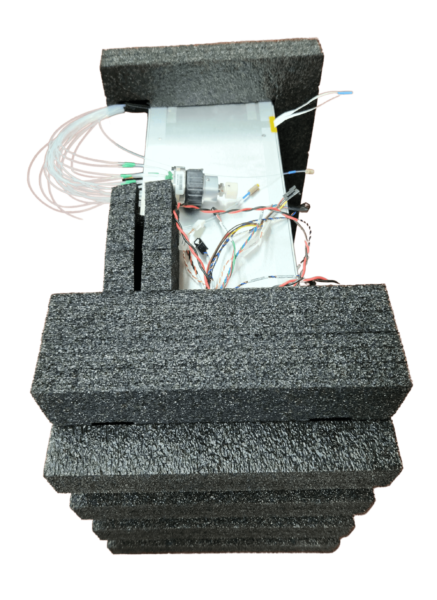

Packaging is a crucial component of product safety and marketing. Over the years, innovative materials have surfaced to enhance packaging capabilities, with one of the
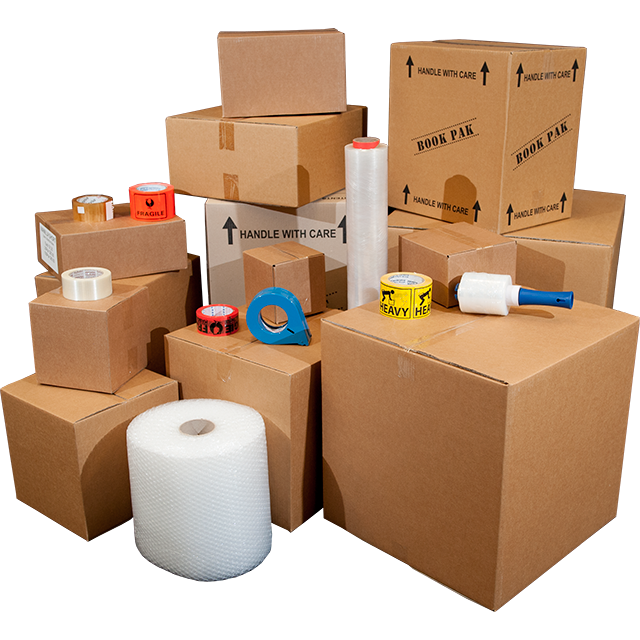
Corrugated boxes play a vital role in the packaging industry, offering durability and versatility for shipping and storing various products. To ensure the safe transportation
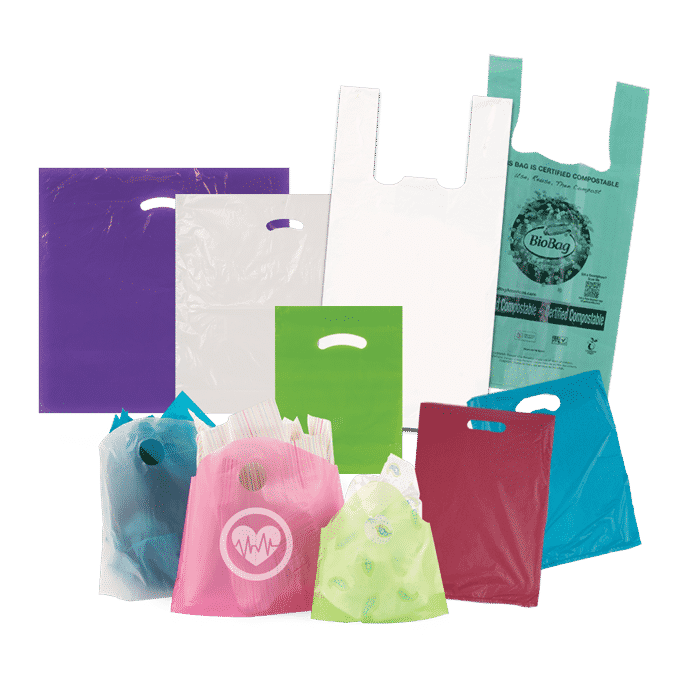
Poly bags are a staple in the packaging industry, offering a lightweight, cost-effective, and versatile solution for packaging various products, from food and consumer goods