

Home » The Impact of Inconsistent Packaging Quality on Brand Image
The Impact of Inconsistent Packaging Quality on Brand Image
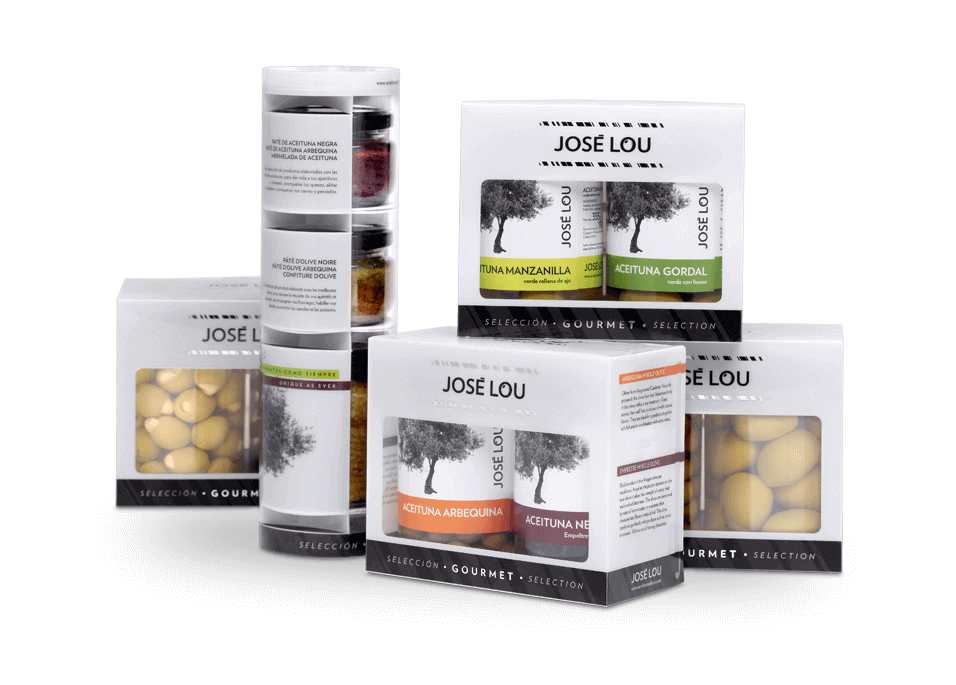
In the business landscape, packaging plays a pivotal role in shaping consumer perception and brand identity. While great packaging can enhance brand reputation and customer loyalty, inconsistent packaging quality can have far-reaching negative implications. This blog post explores how fluctuating packaging standards can affect a brand, offering insights into the broader impacts of this often-overlooked aspect of product presentation.
Understanding the Role of Packaging in Brand Perception
Packaging is often the first physical interaction customers have with a product. It sets expectations, communicates values, and can significantly influence purchasing decisions. Consistent quality in packaging is therefore crucial in maintaining a positive brand image.

Detrimental Effects of Inconsistent Packaging Quality
Damaged Brand Reputation:
- Inconsistent packaging can lead to a perception of unreliability. Customers expecting a certain standard might be disappointed if the packaging (and by extension, the product) doesn’t meet their expectations.
- Negative experiences due to poor packaging quality can quickly lead to adverse word-of-mouth and social media attention, harming the brand’s reputation.
Decreased Consumer Trust:
- Consistency in packaging quality is key to building consumer trust. Inconsistencies, such as varying material quality or design, can make consumers question the overall credibility and standards of the brand.
- Once trust is eroded, it can be challenging and costly to rebuild.
Impact on Customer Loyalty:
- Customer loyalty is contingent on a consistently positive experience with a product, including its packaging. Inconsistency can lead to customer attrition as consumers might seek more reliable alternatives.
Impaired User Experience:
- Packaging that varies in functionality (e.g., sometimes easy to open, other times not) can lead to frustration and a poor user experience.
- A negative unboxing experience can overshadow the quality of the product itself, detracting from the overall satisfaction.
Financial Implications
- Increased Returns and Refunds: Inconsistent packaging can lead to damaged products, resulting in increased returns and refunds, which can be a significant financial drain.
- Loss of Sales: Potential customers may be deterred by negative reviews regarding packaging, leading to lost sales opportunities.
Legal and Compliance Risks
- Inconsistent packaging quality can also result in non-compliance with industry standards and regulations, especially in sectors like food and pharmaceuticals. This non-compliance can have legal ramifications and lead to fines or recalls.
Strategies to Ensure Consistent Packaging Quality
Stringent Quality Control Processes:
- Implement and enforce strict quality control measures throughout the packaging production process.
- Regular audits and inspections of packaging can help maintain high standards.
Reliable Supply Chain Partnerships:
- Foster strong relationships with trustworthy suppliers who understand your packaging standards and expectations.
- Regularly review supplier performance to ensure consistency in the materials and services they provide.
Customer Feedback Mechanisms:
- Encourage and monitor customer feedback specifically regarding packaging.
- Use this feedback to make continuous improvements and address any inconsistencies.
Investing in Packaging Technology:
- Leverage advanced packaging technologies and materials that offer greater consistency and protection.
- Automation in packaging processes can reduce human error and ensure uniformity.
If you are interested in consistent branded packaging, then partner with Brown Packaging today to get started.
Sustainable packaging in 2027 will be less about broad claims and more about proof, performance, compliance, and cost control. Buyers will still care about recyclable
Sustainable packaging in 2027 will be less about broad claims and more about proof, performance, compliance, and cost control. Buyers will still care about recyclable
A folding carton may look simple once it reaches the shelf, but it goes through a controlled production process before it becomes a finished package.
Folding carton production is becoming more automated because buyers are asking for faster timelines, tighter consistency, and more flexibility across more SKUs. Shorter product lifecycles,
Folding carton style matters because structure affects more than appearance. The right carton can improve shelf presentation, packing speed, product access, closure security, storage efficiency,
Pouch packaging trends in 2027 will be shaped by convenience, shelf impact, sustainability pressure, sealing performance, automation, ecommerce growth, and total packaging cost. Buyers will
By submitting your information, you agree to our terms and conditions and privacy policy.

Home » The Impact of Inconsistent Packaging Quality on Brand Image


Polyvinyl chloride, commonly known as PVC, is a widely used plastic in the packaging industry, celebrated for its versatility and durability. PVC’s unique properties make
As tariff changes reshape global trade, packaging buyers moving production from China to the U.S. or nearshore regions face a new challenge: supplier qualification. Transitioning
Custom corrugated boxes are a staple in the packaging industry, serving as a reliable means to protect and present various products. The cost of these