

window.uetq = window.uetq || []; window.uetq.push(‘event’, ‘submit_lead_form’,{ event_label:‘SUBMIT MESSAGE’ }); window.lintrk('track', { conversion_id: 10271009 }); window.lintrk('track', { conversion_id: 10271017 });

The Essentiality of Corrugated Bin Boxes for Hardware Stores

The Essentiality of Corrugated Bin Boxes for Hardware Stores

For those uninitiated in the finer points of storage and organization, corrugated bin boxes might sound like an odd focal point. However, for hardware stores, these simple cardboard constructions prove indispensable. Let’s dive into the reasons why corrugated bin boxes are essential for hardware stores.

Robust Durability

At the core of their popularity, corrugated bin boxes boast a unique construction. Comprising ridges and grooves, this type of cardboard is both lightweight and sturdy. Given the diverse range of tools and hardware that need storage – from screws and nails to brackets and bolts – it’s pivotal for storage solutions to be durable. Corrugated boxes fit the bill perfectly.

Efficient Organization

Hardware stores are known for their myriad small parts. Without a system, these items can become a jumbled mess, making inventory a nightmare and shopping an arduous task for customers. Corrugated bin boxes offer an easy and straightforward way to categorize and organize these small items. Labelled properly, these boxes can help customers find what they need without much hassle.

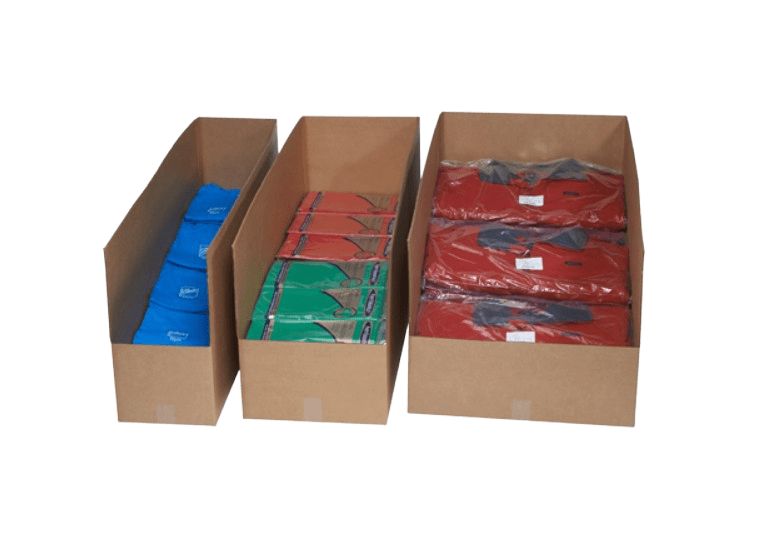
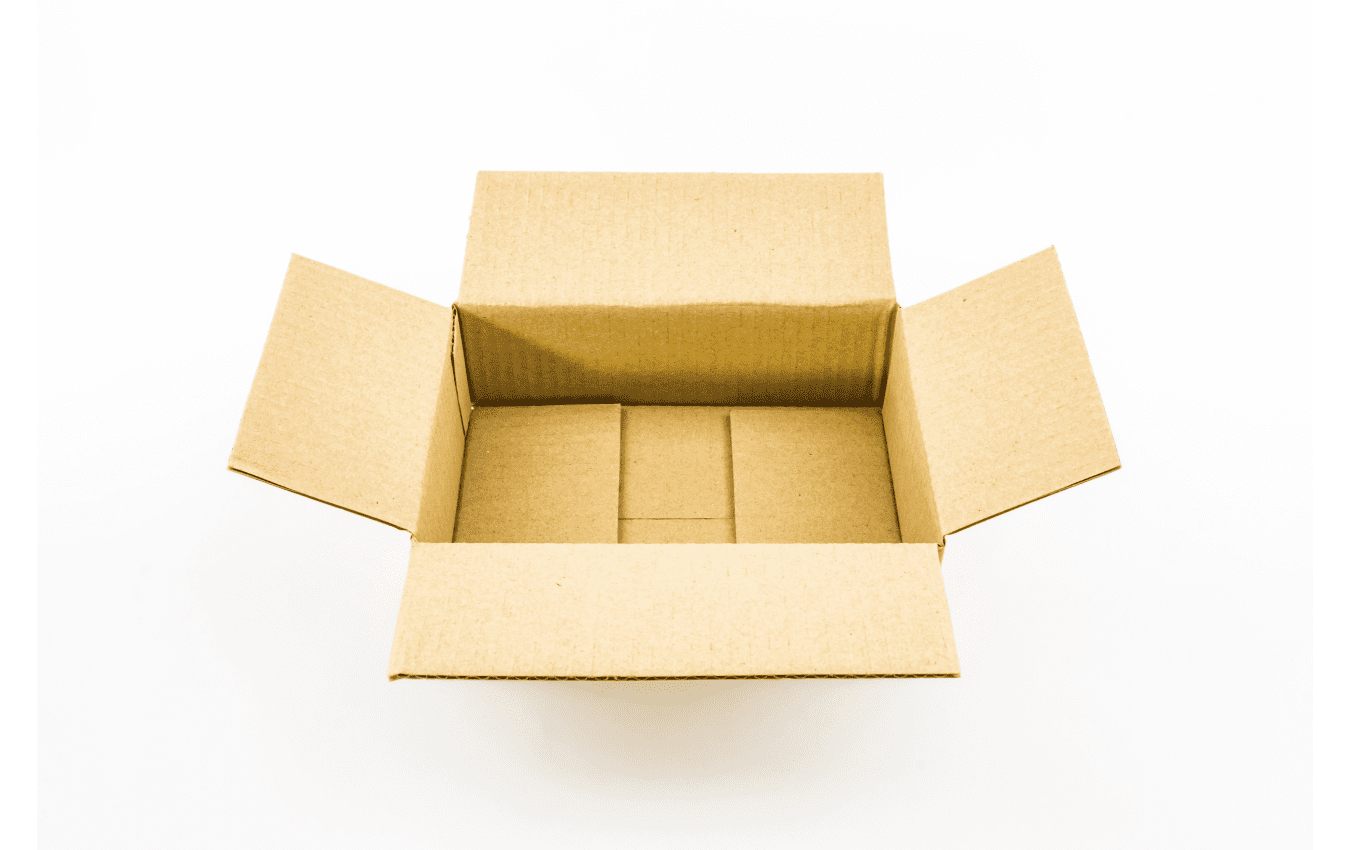
bin boxes

Customizable Sizes

Given the variation in hardware sizes and quantities, flexibility in storage size is a must. Corrugated bin boxes come in an array of sizes, ensuring that there’s always a right fit for the item in question. Furthermore, the ease with which they can be folded, reshaped, or even combined offers dynamic solutions for changing inventory needs.

Cost-Effective

Unlike metal or plastic storage bins, corrugated bin boxes are relatively inexpensive. For hardware stores, particularly those just starting out or working with limited capital, this is a major plus point. The lower costs don’t translate to a compromise in quality either; these boxes offer reliable storage without breaking the bank.

Eco-Friendly

In a world that’s becoming increasingly eco-conscious, corrugated bin boxes offer an advantage over some other storage alternatives. Made primarily from recycled paper, they’re biodegradable. Hardware stores can tout their green credentials by choosing this environmentally friendly storage solution.

Space Optimization

Corrugated bin boxes can be easily stacked or arranged in a way that maximizes floor space. This is particularly useful for smaller hardware stores or those in premium locations where every square foot counts. Instead of bulky shelves or cabinets, these boxes can be efficiently arranged to create a clean, organized look, making the most out of limited space.

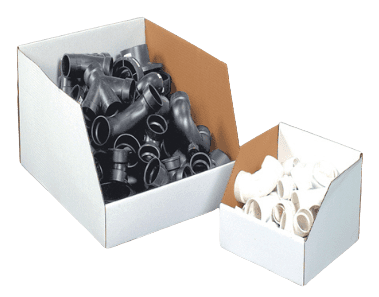
Jumbo Bin Boxes
Corrugated box bin

Enhanced Aesthetics

With the option to print, paint, or design these boxes, hardware stores can enhance their branding or simply create a more appealing aesthetic for their aisles. A well-organized, clean, and branded environment can significantly enhance customer experience.

Safety

Sharp objects like nails, screws, or other hardware can pose risks if not stored properly. Corrugated bin boxes ensure that such items are safely contained, preventing accidents in the store.

Conclusion

Corrugated bin boxes, though simple, bring a slew of benefits to the table for hardware stores. From organization and durability to eco-friendliness and cost savings, these humble storage solutions punch well above their weight. It’s no wonder that they remain an indispensable part of the hardware store landscape.

If you are interested in corrugated bin boxes, then partner with Brown Packaging today to get started.

Most Recent Posts:
Retail Packaging Trends for 2026

Retail packaging continues to evolve as brands balance sustainability, supply chain performance, and consumer experience. In 2026, buyers face new challenges shaped by material innovation, compliance requirements, and rising consumer expectations. Understanding these trends helps companies stay competitive while aligning packaging programs with industry standards. Sustainability Becomes Non-Negotiable Greater use of recyclable and compostable substrates. Retailers pushing suppliers toward FSC-certified materials. Minimalist designs that reduce waste without losing impact. Smarter Packaging for Supply Chains Increased adoption of right-sizing to reduce freight costs. Boxes designed for automation and faster fulfillment. Stronger corrugated grades to withstand long e-commerce journeys. Enhanced Consumer Experience Custom graphics for seasonal campaigns and limited editions. Tear strips, resealable closures, and window cutouts for convenience. Premium finishes that elevate gift packaging at retail. Growth of Hybrid Packaging Formats Combining corrugated strength with folding carton graphics. Modular designs for multi-SKU and club store environments. Packaging engineered to serve both e-commerce and in-store needs. Compliance and Testing Standards Retailers demanding ISTA and ASTM testing for packaging durability. Supply chain audits on recyclability and sustainability claims. More pressure for transparent reporting on environmental impact. Retail Packaging Solutions with Brown Packaging Brown Packaging helps brands adapt to evolving retail packaging trends. From sustainable substrates to automation-friendly designs, our solutions balance branding, durability, and compliance for 2026. Contact us to prepare your packaging program for the year ahead. References Forest Stewardship Council (FSC). (2023). FSC Packaging Certification Guidelines. Retrieved from https://fsc.orgSustainable Packaging Coalition. (2023). Packaging Trends and Consumer Insights. Retrieved from https://sustainablepackaging.orgSoroka, W. (2009). Fundamentals of Packaging Technology (4th ed.). Institute of Packaging Professionals. (714)300-0650 request@brownpackaging.com Most Recent Posts: Categories: Corrugated Ecommerce ESD Design Display Flexible Packaging Foam Folding Carton Packaging Plastic Packaging Pouch Printing Protection Retail Rigid Box Thermoform Sustainability Subscribe To Our Newsletter By submitting your information, you agree to our terms and conditions and privacy policy. Custom Packaging Facebook Twitter LinkedIn Pinterest Relevant Posts

Read More »
Packaging Supplier Contracts: What Buyers Should Know

Supplier contracts can make or break a packaging program. Without the right terms, buyers risk price volatility, missed lead times, and inconsistent product quality. In 2026, negotiating smart contracts is essential for controlling costs, securing reliable supply, and meeting compliance requirements. Why Packaging Contracts Matter Cost stability: Protects against sudden raw material price spikes. Supply security: Ensures availability during peak demand. Quality control: Aligns suppliers with testing and compliance standards. Operational efficiency: Streamlines purchasing and reduces administrative burden. Key Terms Buyers Should Negotiate Volume commitments: Secure better pricing with accurate forecasts. Price adjustment clauses: Define when and how costs can change. Lead times and delivery windows: Avoid shortages and production delays. Testing and compliance: Require ISTA, ASTM, or FSC certification where applicable. Sustainability commitments: Ensure suppliers align with environmental goals. Risks of Weak Contracts Paying inflated prices during market fluctuations. Receiving inconsistent corrugated strength or print quality. Missed shipments leading to costly expedited freight. Difficulty meeting retailer or regulatory compliance. Best Practices for Buyers in 2026 Leverage data: Use past order history to negotiate realistic volumes. Dual sourcing: Maintain backup suppliers for risk management. Annual reviews: Reassess terms to reflect changes in demand and compliance. Collaborative approach: Treat suppliers as partners, not just vendors. Packaging Solutions with Brown Packaging Brown Packaging helps buyers secure strong supplier contracts that balance cost, quality, and supply chain reliability. Our partnerships and industry expertise ensure your packaging program is protected for 2026 and beyond. Contact us to discuss supplier solutions. References Soroka, W. (2009). Fundamentals of Packaging Technology (4th ed.). Institute of Packaging Professionals.Fiber Box Association. (2024). Corrugated Packaging Market Outlook. Retrieved from https://www.fibrebox.orgSustainable Packaging Coalition. (2023). Supplier Standards for Sustainable Packaging. Retrieved from https://sustainablepackaging.org (714)300-0650 request@brownpackaging.com Most Recent Posts: Categories: Corrugated Ecommerce ESD Design Display Flexible Packaging Foam Folding Carton Packaging Plastic Packaging Pouch Printing Protection Retail Rigid Box Thermoform Sustainability Subscribe To Our Newsletter By submitting your information, you agree to our terms and conditions and privacy policy. Custom Packaging Facebook Twitter LinkedIn Pinterest Relevant Posts

Read More »
Meeting 2026 Packaging Compliance Standards

Packaging compliance is no longer optional—it’s a requirement for accessing retail shelves, shipping networks, and international markets. In 2026, buyers must navigate evolving regulations around sustainability, labeling, and testing to avoid costly fines, rejected shipments, or damaged customer relationships. Why Compliance Matters in 2026 Retail requirements: Major retailers demand FSC, ISTA, and sustainability certifications. E-commerce standards: Carriers enforce dimensional weight and package testing rules. Global trade: Export packaging must comply with ISPM 15, ASTM, and ISO guidelines. Consumer trust: Transparency in packaging claims impacts purchasing decisions. Key Compliance Areas for Buyers Material sourcing: FSC-certified corrugated and board for sustainability. Labeling standards: GS1-compliant barcodes and accurate product details. Durability testing: ISTA and ASTM protocols for drop, vibration, and compression. Sustainability regulations: Requirements for recyclable or compostable materials. Chemical restrictions: Compliance with FDA, EU, or state-specific standards. Common Compliance Challenges Keeping up with frequent regulatory changes. Managing multiple certifications across suppliers. Balancing compliance with cost-efficiency. Verifying supplier claims for sustainability. Best Practices for Staying Compliant Audit suppliers annually to confirm certification validity. Run internal packaging tests before scaling. Track regulatory updates for each region you ship to. Work with experienced partners who understand industry compliance. Packaging Solutions with Brown Packaging Brown Packaging helps buyers meet 2026 compliance standards with FSC-certified materials, ISTA-tested designs, and regulatory expertise. Our team ensures your packaging meets retailer, carrier, and sustainability requirements. Contact us to keep your program compliant. References Forest Stewardship Council (FSC). (2023). FSC Certification Guidelines for Packaging. Retrieved from https://fsc.orgInternational Safe Transit Association (ISTA). (2023). ISTA Testing Procedures for Transport Packaging. Retrieved from https://ista.orgGS1. (2024). Global Standards for Packaging and Labeling. Retrieved from https://www.gs1.org (714)300-0650 request@brownpackaging.com Most Recent Posts: Categories: Corrugated Ecommerce ESD Design Display Flexible Packaging Foam Folding Carton Packaging Plastic Packaging Pouch Printing Protection Retail Rigid Box Thermoform Sustainability Subscribe To Our Newsletter By submitting your information, you agree to our terms and conditions and privacy policy. Custom Packaging Facebook Twitter LinkedIn Pinterest Relevant Posts

Read More »
How FSC Packaging Certification Impacts Your Brand

In 2026, sustainability is no longer just a trend—it’s a buyer expectation. Forest Stewardship Council (FSC) certification has become a key benchmark for responsible packaging, signaling that materials are sourced from responsibly managed forests. For packaging buyers, FSC certification is more than a compliance checkbox—it’s a brand value that influences purchasing decisions, retailer acceptance, and customer loyalty. What Is FSC Certification? The Forest Stewardship Council certifies that paper-based packaging materials are sourced from forests managed for environmental responsibility, social benefit, and economic viability. FSC Mix: Packaging contains a blend of FSC-certified and controlled wood. FSC Recycled: Packaging is made entirely from recycled fiber. FSC 100%: Packaging is sourced only from FSC-certified forests. Why FSC Matters to Buyers in 2026 Retail access: Many major retailers now require FSC-certified packaging. Sustainability goals: Aligns with corporate ESG and carbon reduction commitments. Consumer trust: Customers recognize the FSC label and view it as credible. Global compliance: Meets international sustainability regulations. How FSC Certification Strengthens Brand Value Differentiation: Stand out with certified sustainable packaging. Marketing advantage: FSC logos reinforce eco-friendly messaging. Risk reduction: Verified sourcing prevents greenwashing claims. Customer loyalty: Environmentally conscious buyers prefer certified products. Challenges in FSC Implementation Limited supply of certain FSC substrates. Higher costs compared to non-certified materials. Need for supplier audits and documentation. Packaging Solutions with Brown Packaging Brown Packaging partners with buyers to integrate FSC-certified materials into corrugated boxes, folding cartons, and retail packaging. Our solutions support sustainability while maintaining cost efficiency and protection. Contact us to strengthen your brand with FSC-certified packaging. References Forest Stewardship Council (FSC). (2023). FSC Certification Guidelines for Packaging. Retrieved from https://fsc.orgSustainable Packaging Coalition. (2023). Consumer Insights on Sustainable Packaging. Retrieved from https://sustainablepackaging.orgSoroka, W. (2009). Fundamentals of Packaging Technology (4th ed.). Institute of Packaging Professionals. (714)300-0650 request@brownpackaging.com Most Recent Posts: Subscribe To Our Newsletter By submitting your information, you agree to our terms and conditions and privacy policy. Sustainable Packaging Facebook Twitter LinkedIn Pinterest Relevant Posts

Read More »
Sustainable Packaging Buyers’ Guide for 2026

Sustainability is now a top priority for packaging buyers. Retailers, regulators, and consumers are all demanding packaging solutions that reduce environmental impact without sacrificing performance. In 2026, buyers must balance eco-friendly materials, cost, and compliance to build programs that are both effective and future-ready. What Buyers Need to Know About Sustainable Packaging Regulatory pressure: Governments are enforcing stricter rules on recyclability and plastic use. Retail mandates: FSC certification and recyclable packaging are becoming standard requirements. Consumer expectations: Customers increasingly choose brands with visible sustainability commitments. Sustainable Material Options Recycled corrugated: High recycled content while maintaining compression strength. Compostable films: Suitable for select food and retail applications. Molded pulp inserts: Replace foam or plastic for protective packaging. Water-based coatings: Enhance moisture resistance without harmful chemicals. Balancing Cost and Performance Right-size packaging: Reduces material waste and shipping costs. Hybrid solutions: Combine eco-materials with corrugated for balance. Life cycle analysis: Evaluate true environmental impact, not just marketing claims. How to Evaluate Sustainable Suppliers Verify FSC, SPC, or ISO certifications. Request testing data for durability and recyclability. Audit supply chains for consistency and transparency. Ensure claims meet local and international compliance standards. Packaging Solutions with Brown Packaging Brown Packaging helps buyers implement sustainable packaging programs that balance cost, performance, and compliance. From recycled corrugated to eco-friendly coatings and inserts, we deliver solutions that meet 2026 sustainability goals. Contact us to explore sustainable packaging options. References Forest Stewardship Council (FSC). (2023). FSC Certification Guidelines for Packaging. Retrieved from https://fsc.orgSustainable Packaging Coalition. (2023). Packaging Sustainability Trends and Buyer Insights. Retrieved from https://sustainablepackaging.orgSoroka, W. (2009). Fundamentals of Packaging Technology (4th ed.). Institute of Packaging Professionals. (714)300-0650 request@brownpackaging.com Most Recent Posts: Categories: Corrugated Ecommerce ESD Design Display Flexible Packaging Foam Folding Carton Packaging Plastic Packaging Pouch Printing Protection Retail Rigid Box Thermoform Sustainability Subscribe To Our Newsletter By submitting your information, you agree to our terms and conditions and privacy policy. Sustainable Packaging Facebook Twitter LinkedIn Pinterest Relevant Posts

Read More »
Comparing Single vs. Multi-Material Packaging

Choosing the right packaging material is one of the most important decisions buyers face. Single-material packaging offers simplicity and recyclability, while multi-material designs provide enhanced performance and protection. Understanding the trade-offs helps companies balance cost, functionality, and sustainability goals in 2026. What Is Single-Material Packaging? Single-material packaging uses one substrate—such as corrugated board, folding carton, or plastic—for the entire structure. Advantages: Easier to recycle and dispose. Lower material costs in many cases. Streamlined sourcing and inventory. Supports sustainability messaging. Disadvantages: Limited barrier protection. Less customization for fragile or complex products. May require added thickness for strength, increasing weight. What Is Multi-Material Packaging? Multi-material packaging combines two or more substrates—such as corrugated with foam, or paperboard laminated with film—to achieve specific performance outcomes. Advantages: Greater protection against moisture, oxygen, and impact. Allows for premium finishes and enhanced graphics. Ideal for fragile or high-value products. Customizable for unique supply chain conditions. Disadvantages: More difficult to recycle due to material separation. Higher cost and longer lead times. Complex sourcing and inventory management. When to Use Each Approach Single-material packaging: Best for products with low fragility, strong sustainability requirements, or cost-driven programs. Multi-material packaging: Best for high-value, fragile, or regulated products requiring advanced protection. Balancing Performance and Sustainability Buyers must weigh performance needs against eco goals: Use recyclable coatings to extend single-material performance. Choose hybrid designs that separate easily for recycling. Apply multi-material solutions only where risk of damage outweighs cost. Packaging Solutions with Brown Packaging Brown Packaging helps buyers evaluate when to use single- vs. multi-material packaging. Our team balances sustainability, performance, and cost to deliver solutions tailored to your supply chain. Contact us to explore the right approach for your products. References Forest Stewardship Council (FSC). (2023). FSC Packaging Certification Guidelines. Retrieved from https://fsc.orgSoroka, W. (2009). Fundamentals of Packaging Technology (4th ed.). Institute of Packaging Professionals.Sustainable Packaging Coalition. (2022). Design for Recyclability and Multi-Material Packaging Report. Retrieved from https://sustainablepackaging.org (714)300-0650 request@brownpackaging.com Most Recent Posts: Categories: Corrugated Ecommerce ESD Design Display Flexible Packaging Foam Folding Carton Packaging Plastic Packaging Pouch Printing Protection Retail Rigid Box Thermoform Sustainability Subscribe To Our Newsletter By submitting your information, you agree to our terms and conditions and privacy policy. Custom Packaging Facebook Twitter LinkedIn Pinterest Relevant Posts

Read More »
Categories:
Subscribe To Our Newsletter

By submitting your information, you agree to our terms and conditions and privacy policy.

custom subscription corrugated mailer box with print
Bin Boxes
Facebook
Twitter
LinkedIn
Pinterest
Relevant Posts
Is a Corrugated Box Good for Shipping?
Corrugated
brownpackaging
Is a Corrugated Box Good for Shipping?

Yes, a corrugated box is an excellent choice for shipping due to its strong, durable nature and its ability to protect contents from damage during transit. Its structural integrity, coupled with its lightweight design, makes it ideal for a wide range of shipping needs, from delicate items to heavy goods. Strength and Durability The key to the corrugated box’s suitability for shipping lies in its unique construction. Composed of a fluted corrugated sheet sandwiched between two linerboards, this design creates a sturdy, yet cushioned, environment for items being shipped. The corrugation provides resistance against impacts, vibrations, and compression, significantly reducing the risk of damage. This structural strength is scalable; by adjusting the thickness of the board and the size of the flutes, corrugated boxes can be customized to handle various weight capacities and protection levels. Versatility Corrugated boxes offer unparalleled versatility. They can be customized in size, shape, and strength to suit specific shipping needs, whether for small, fragile items or large, bulky products. This customization extends to the printing and branding of the boxes, enabling businesses to use their packaging as a marketing tool. Moreover, additional features like handles, die-cut inserts, or reinforced corners can be added to enhance functionality and protection. Sustainability In an era where environmental concerns are increasingly important, corrugated boxes stand out for their eco-friendliness. Made from renewable resources, primarily recycled paper, corrugated boxes are recyclable and biodegradable. Their production and recycling processes are energy efficient and contribute to a reduction in carbon footprint, making corrugated boxes a responsible choice for businesses committed to sustainability. Protective Features Corrugated boxes can also be equipped with various protective features to enhance their shipping capabilities. These include water-resistant coatings or liners, which protect against moisture and humidity, and barrier coatings that guard against oil, grease, or other contaminants. For items requiring temperature control, insulated corrugated boxes are available to maintain a stable environment during transit. Ease of Use The simplicity and ease of use of corrugated boxes are significant benefits. They can be quickly assembled, filled, sealed, and labeled, making the packing process efficient and straightforward. At the destination, they are easy to open and, if undamaged, can be reused or recycled, contributing to waste reduction. Conclusion Corrugated boxes are indeed an excellent choice for shipping, offering a combination of strength, durability, cost efficiency, and environmental sustainability. Their adaptability to various shipping requirements, coupled with protective and customizable features, makes them a reliable packaging solution for businesses and individuals worldwide. Whether you’re shipping locally or internationally, corrugated boxes ensure that your products arrive safely, securely, and in style. If you are interested in corrugated boxes, then partner with Brown Packaging today to get started. (714)300-0650 request@brownpackaging.com Most Recent Posts: Categories: Corrugated Ecommerce ESD Design Display Flexible Packaging Foam Folding Carton Packaging Plastic Packaging Pouch Printing Protection Retail Rigid Box Thermoform Sustainability Subscribe To Our Newsletter By submitting your information, you agree to our terms and conditions and privacy policy. Custom Corrugated Boxes Facebook Twitter LinkedIn Pinterest Relevant Posts

Read More »
Corrugated Bin Box Dividers
Corrugated
brownpackaging
8 Reasons Why Corrugated Bin Boxes are Used in Retail

Corrugated bin boxes have become a staple in the retail industry, offering a myriad of benefits for both store owners and shoppers alike. At first glance, they might seem like ordinary brown boxes, but a deeper dive reveals the genius behind their design and utility. In this blog post, we’ll delve into the reasons why these boxes are so popular in retail. Strength and Durability Cost-Effective Sustainable and Eco-friendly Flexibility In Storage Enhance Product Visibility Branding and Customization Protection from Damage Easy to Assemble and Disassemble Strength and Durability Corrugated bin boxes are designed with a fluted, wavy layer sandwiched between two flat liners. This unique structure provides an added layer of strength, making them more resilient than their plain cardboard counterparts. As such, they can withstand the pressures of stacking and the general wear-and-tear of a busy retail environment. Cost-Effective Retail businesses, especially those with tight margins, are always on the lookout for ways to save money. Corrugated bin boxes provide a cost-effective storage solution. They are often cheaper than plastic or metal alternatives, yet offer comparable durability and strength. Sustainable and Eco-Friendly With the growing emphasis on sustainability in today’s world, businesses are keen to showcase their eco-friendly practices. Corrugated bin boxes are recyclable, and many are made from recycled materials. By using these boxes, retailers can reduce their carbon footprint and promote a more sustainable business model. Flexibility in Storage These boxes come in a wide range of sizes, making them suitable for storing various products, from small accessories to larger goods. They can be customized to fit the specific needs of a retailer, ensuring that space is used efficiently. Furthermore, their modular design makes it easy to adjust display setups as inventory or promotions change. Enhanced Product Visibility Many corrugated bin boxes have an open-front design. This allows customers to quickly glance and see the products contained within, promoting impulse purchases. For retailers, it’s an opportunity to display products in an organized and appealing manner, increasing the likelihood of sales. Branding and Customization Corrugated bin boxes can be customized to reflect a retailer’s brand image. With the option of adding logos, colors, and designs, retailers can make these boxes an extension of their brand identity. This not only promotes brand consistency but also makes the shopping experience more immersive for customers. Protection from Damage The fluted design of corrugated boxes offers a cushioning effect. This protects the products inside from potential damage due to impacts or vibrations. For fragile items or those that need a little extra care, these boxes can be a godsend. Easy to Assemble and Disassemble Most corrugated bin boxes come flat-packed, making them easy to transport and store when not in use. Assembling them is often a straightforward process, requiring no tools. This ease of use can save time and effort, especially for retailers with frequently changing displays. Conclusion The reasons detailed above highlight the multiple advantages that corrugated bin boxes bring to the retail sector. They are not just practical storage solutions, but also vehicles for branding, promoting sustainability, and enhancing the overall shopping experience. As the retail landscape continues to evolve, the humble corrugated bin box stands out as an indispensable tool in the toolkit of successful retailers. If you are interested in corrugated bin boxes, then partner with Brown Packaging today to get started. (714)300-0650 request@brownpackaging.com Most Recent Posts: Categories: Corrugated Ecommerce Design Foam Folding Carton Packaging Plastic Packaging Pouch Retail Rigid Box Thermoform Sustainability Subscribe To Our Newsletter By submitting your information, you agree to our terms and conditions and privacy policy. Corrugated Bin Boxes Facebook Twitter LinkedIn Pinterest Relevant Posts

Read More »
How to properly label your corrugated box
Corrugated
brownpackaging
How to Properly Label Corrugated Boxes

Labeling corrugated boxes correctly is not just a matter of organization; it’s a vital component of the shipping and handling process, ensuring that your products reach their destination safely and efficiently. Proper labeling is also crucial for compliance with shipping regulations, inventory management, and providing important product information. This blog post will guide you through the best practices for labeling corrugated boxes effectively. Understanding the Importance of Correct Labeling Proper labeling of corrugated boxes serves multiple purposes, from aiding in efficient handling and shipping to ensuring regulatory compliance and enhancing customer experience. It minimizes the risk of loss or damage during transit and streamlines inventory management. Key Elements of Corrugated Box Labels Shipping Information: Include the recipient’s name, address, and contact information. For international shipments, include relevant customs information and international codes. Return Address: Always include your business’s return address in case the package needs to be returned or is undeliverable. Tracking Numbers: If applicable, ensure tracking numbers are visible and scannable. Handling Instructions: Clearly mark any specific handling instructions such as “Fragile,” “This Side Up,” or “Handle with Care.” Weight Indication: Indicating the package’s weight can help handlers use the appropriate methods for lifting and stacking. Best Practices for Labeling Corrugated Boxes Placement and Visibility: Place labels on the largest side of the box, ensuring they are easily visible and readable. Avoid placing labels over seams, corners, or closures where they might get damaged or become illegible. Type of Labels: Use high-quality, durable labels that can withstand various environmental conditions like moisture, temperature changes, and handling. Consider using adhesive labels that strongly adhere to corrugated surfaces. Print Quality: Ensure all printed information is clear and legible. Use high-contrast text and background for better readability. If using barcodes, they should be high quality to ensure easy scanning. Information Accuracy: Double-check that all information on the labels is accurate and up-to-date. For repeated shipments to the same address, ensure old labels are removed or covered to avoid confusion. Compliance with Regulations: Familiarize yourself with and comply with shipping and labeling regulations, especially for international shipments. Include any necessary regulatory information, symbols, or warnings. Technology Integration: Consider integrating technology such as QR codes to provide additional information, such as assembly instructions or product details. Label Protection: Use clear packing tape or label protectors to cover the entire label, protecting it from moisture and handling. Environmental Considerations: For businesses focusing on sustainability, use eco-friendly labels made from recycled or biodegradable materials. If you are interested in labels and/or corrugated boxes, then partner with Brown Packaging today to get started. (714)300-0650 request@brownpackaging.com Most Recent Posts: Categories: Corrugated Ecommerce ESD Design Foam Folding Carton Packaging Printing Protection Retail Rigid Box Thermoform Sustainability Subscribe To Our Newsletter By submitting your information, you agree to our terms and conditions and privacy policy. Custom Labels Facebook Twitter LinkedIn Pinterest Relevant Posts

Read More »