


Home » Testing Packaging for Peak Season Loads
Testing Packaging for Peak Season Loads
Holiday e-commerce volumes push packaging to its limits. Trailers are overfilled, handling is rushed, and parcels endure more drops and vibration than usual. Without proper testing, even well-designed packaging may fail under peak season conditions, leading to damage, costly returns, and dissatisfied customers.
Why Peak Season Testing Is Critical
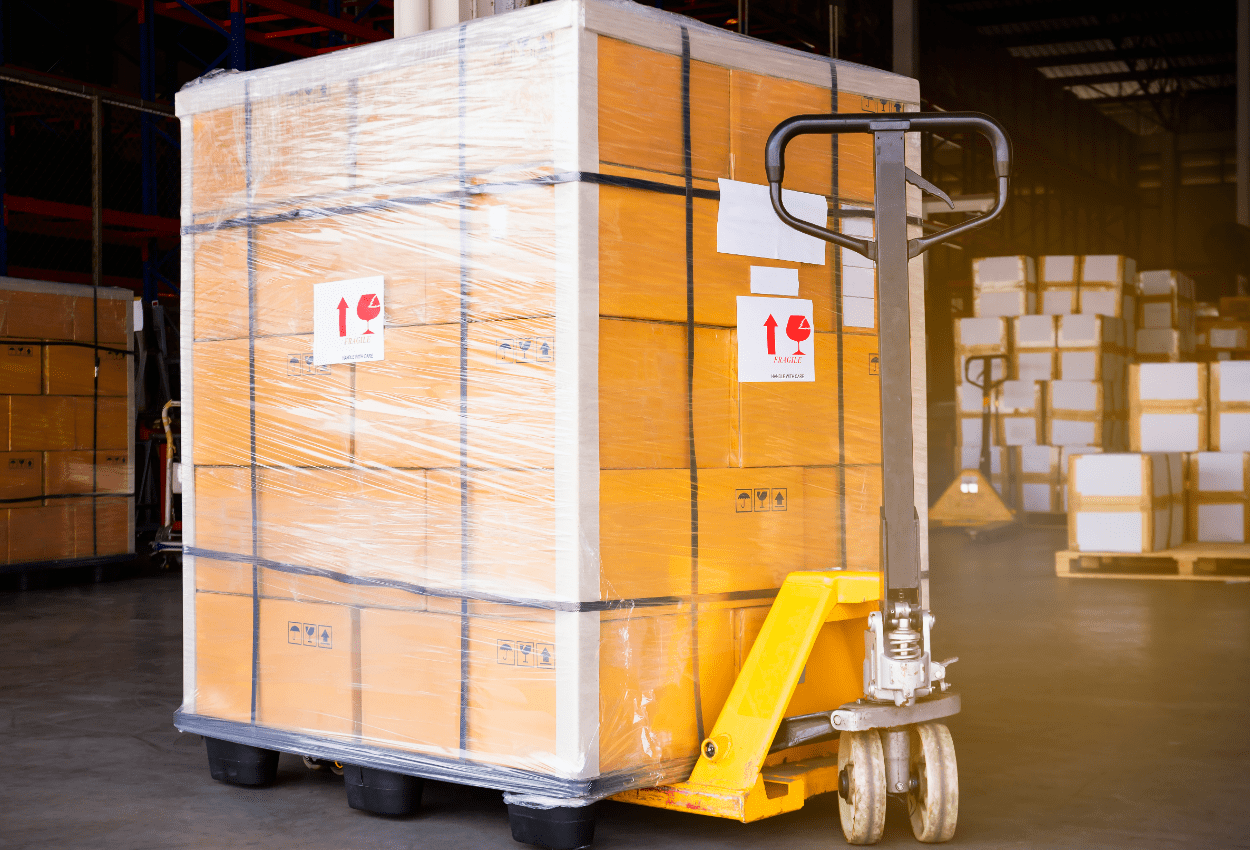
- Higher stacking pressures: Boxes face extreme compression in full trailers.
- More frequent handling: Extra scans and transfers increase drop risk.
- Transit vibrations: Long-haul shipping amplifies mechanical stress.
- Environmental extremes: Moisture and temperature swings impact materials.
Peak conditions require packaging that goes beyond normal performance thresholds.
Types of Packaging Tests for Peak Season
- Compression testing: Measures stacking strength of corrugated boxes.
- Drop testing: Simulates impacts during warehouse and carrier handling.
- Vibration testing: Evaluates product protection in long-haul transit.
- Edge crush test (ECT): Determines box wall strength against vertical pressure.
- Moisture testing: Assesses packaging durability in variable climates.
Balancing Cost and Testing Rigor
Not every SKU requires the same testing intensity. Packaging buyers should prioritize:
- High-value or fragile products.
- Items with past return/damage history.
- Heavy SKUs prone to crushing or shifting.
- Subscription or seasonal kits with multiple components.
Testing can be scaled to focus on products where risk is highest.
Holiday Packaging and Supply Chain Alignment
Testing should be tied directly to peak-season logistics strategies. Packaging must:
- Meet retailer compliance standards.
- Withstand real-world shipping simulations.
- Be validated before production ramps for holiday campaigns.
Holiday Packaging Solutions with Brown Packaging
Brown Packaging helps brands test and validate packaging for peak season. Using industry-standard methods, we ensure designs hold up against compression, vibration, and environmental stress during high-volume shipping. Contact us to safeguard your holiday packaging.
References
ASTM International. (2023). ASTM D4169: Standard Practice for Performance Testing of Shipping Containers and Systems.
International Safe Transit Association (ISTA). (2022). ISTA Test Procedures for Packaged Products in Transit.
Soroka, W. (2009). Fundamentals of Packaging Technology (4th ed.). Institute of Packaging Professionals.
RSC boxes are known for their efficiency and versatility, but their performance ultimately comes down to strength. Buyers often see numbers like ECT, BCT, and burst strength on specifications —
In packaging, foam isn’t just about initial protection — it’s about maintaining performance over the entire shipping or storage cycle. Compression set and recovery characteristics determine whether foam continues to
Pouches are a go-to for flexibility and convenience, but they can fail in critical ways—from poor seals to punctures and delamination—that hurt performance and brand reputation. Understanding these failure points
In the retail environment, the placement of Point of Purchase (POP) displays is just as critical as their design and content. Strategic positioning can significantly influence consumer behavior, increase product
Home » Testing Packaging for Peak Season Loads