window.uetq = window.uetq || []; window.uetq.push(‘event’, ‘submit_lead_form’,{ event_label:‘SUBMIT MESSAGE’ }); window.lintrk('track', { conversion_id: 10271009 }); window.lintrk('track', { conversion_id: 10271017 });

RSC Boxes vs. RETT Corrugated Mailers

RSC Boxes vs. RETT Corrugated Mailers

When choosing corrugated packaging, box style directly impacts cost, strength, speed of packing, and customer experience. Two of the most common options are the Regular Slotted Container (RSC) and the Roll-End Tuck-Top (RETT) mailer. While both protect products well, their design differences make each suited for very different needs.

Regular Slotted Container (RSC)

Design & Features

  • Flaps of equal length meet in the center.
  • Requires tape, glue, or staples for closure.
  • Minimal board waste, highly efficient to manufacture.

Advantages

  • Strong and Stackable: Excellent compression strength for palletized loads.
  • Cost-Efficient: Standardized design lowers production cost.
  • Versatile: Common in nearly every industry.

Limitations

  • Slower Assembly: Tape or glue required for every box.
  • Basic Presentation: Not designed for branded unboxing experiences.

Roll-End Tuck-Top (RETT) Mailer

Design & Features

  • Single-piece die-cut design.
  • Built-in dust flaps protect contents from debris.
  • Cherry locks (small locking tabs) keep the lid secure without tape.

Advantages

  • Fast Assembly: Self-locking design saves time and eliminates tape.
  • Premium Look: Ideal for branded unboxing and e-commerce.
  • Better Closure: Dust flaps improve integrity; cherry locks prevent accidental opening.

Limitations

  • Higher Cost: Requires custom tooling and more board.
  • Lower Stacking Strength: Not as durable for bulk palletized shipping.
  • Less Flexible for Large Sizes: Best suited to small-to-medium e-commerce parcels.
Mailer Subscription Box

RSC vs. RETT: Side-by-Side Comparison

Feature

RSC Box

RETT Mailer

Closure Method

Tape, glue, or staples

Dust flaps + cherry locks (self-locking)

Assembly Speed

Slower

Faster

Stacking Strength

High (pallet loads)

Moderate

Cost

Lower

Higher

Branding & Unboxing

Basic

Premium

Best For

Bulk shipping, warehousing, palletization

E-commerce, subscription boxes, retail-ready packaging

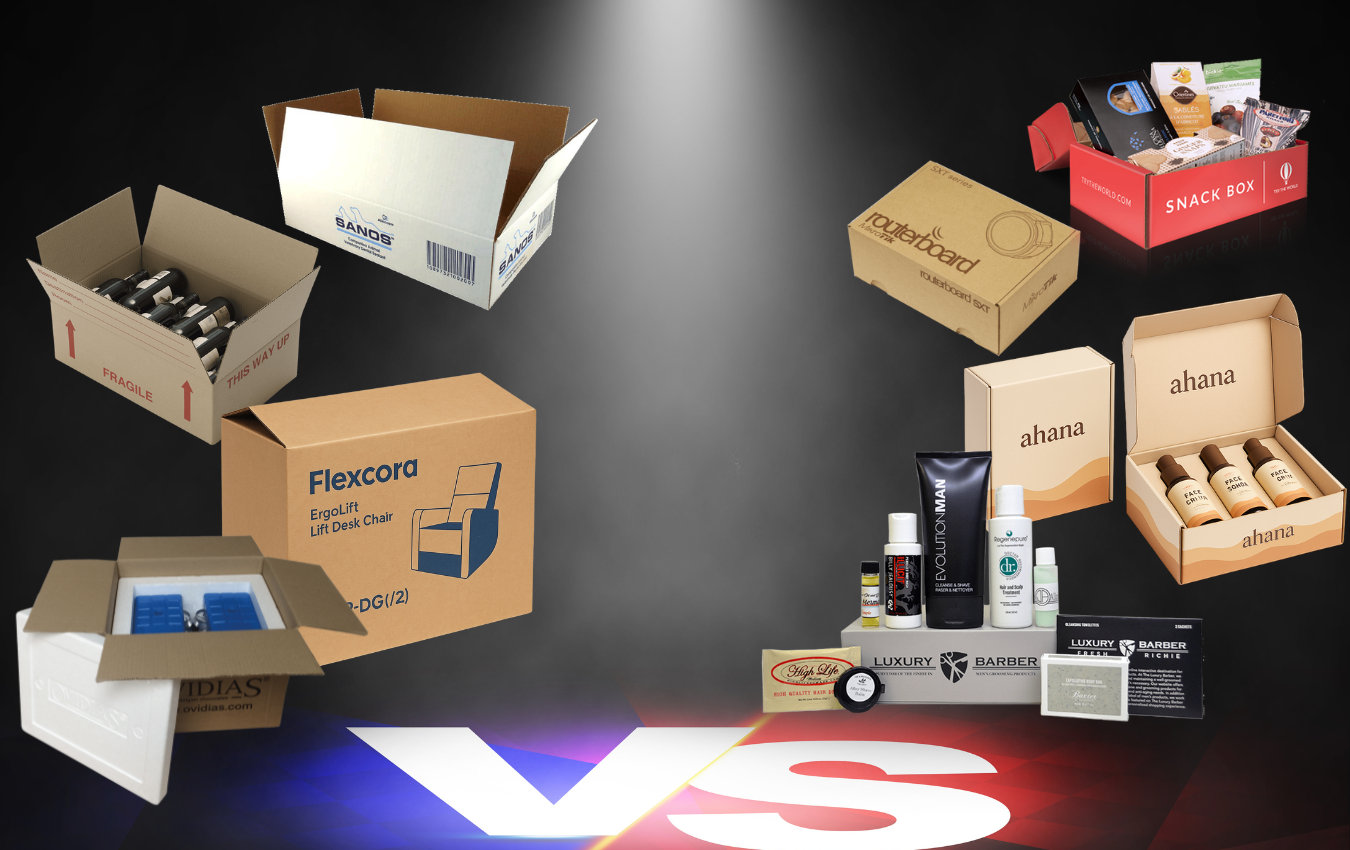
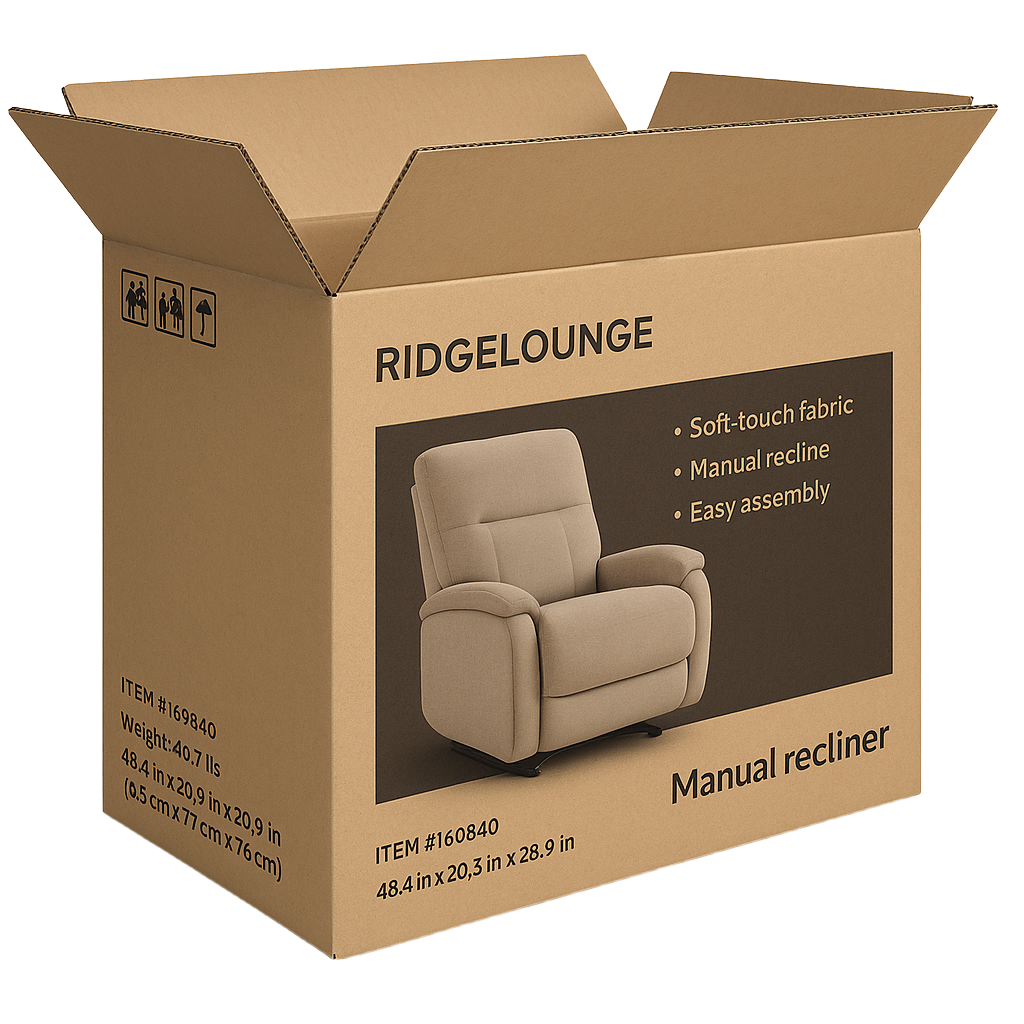
Custom printed corrugated box, regular slotted container (RSC), furniture packaging
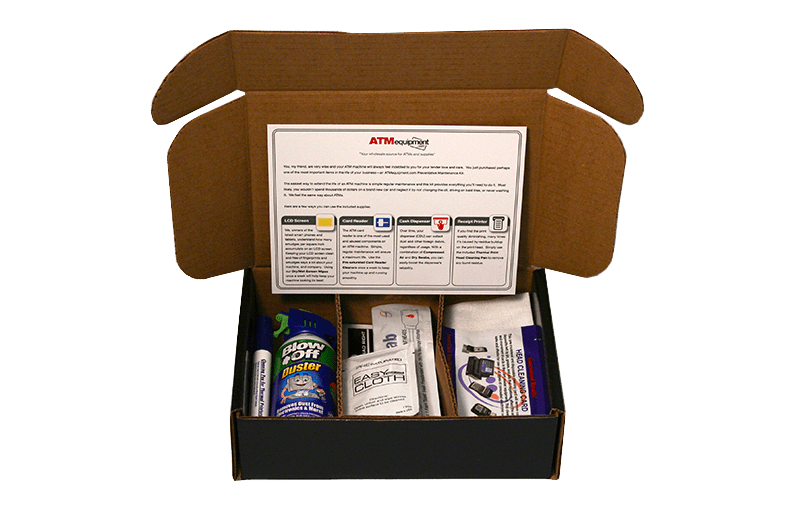
Custom Mailer Box With Insert

Regular Slotted Container (RSC)

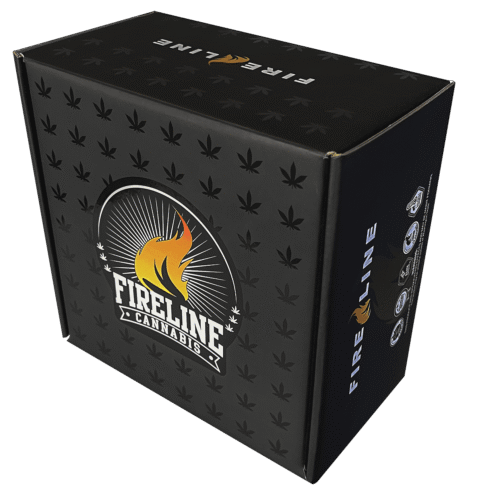
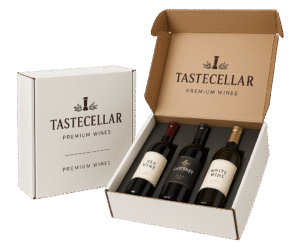
Roll End Tuck Top (RETT) with cherry lock and dust flaps

Buyer Takeaways

  • Choose an RSC if you need maximum stacking strength and shipping efficiency. Perfect for palletized loads, warehouses, and industrial distribution.
  • Choose a RETT mailer if your focus is branding, presentation, and fast assembly. Ideal for e-commerce, D2C shipments, and subscription boxes.
  • Dust flaps and cherry locks make RETT mailers especially well-suited to online retail, where presentation and secure delivery both matter.

References

  • Fibre Box Association. (2023). Corrugated Box Styles and Design Guide. https://www.fibrebox.org
  • Association of Independent Corrugated Converters (AICC). (2024). Corrugated Packaging Fundamentals. https://www.aiccbox.org
Most Recent Posts:
Retail Packaging Trends for 2026

Retail packaging continues to evolve as brands balance sustainability, supply chain performance, and consumer experience. In 2026, buyers face new challenges shaped by material innovation, compliance requirements, and rising consumer

Read More »
Categories:
Subscribe To Our Newsletter

By submitting your information, you agree to our terms and conditions and privacy policy.

custom corrugated mailer, roll end tuck top (RETT) with cherry lock and dust flaps, beverage and wine packaging
Custom Corrugated Boxes
Facebook
Twitter
LinkedIn
Pinterest
Relevant Posts
The size of a corrugated box, chart of how to measure a corrugated box. Width, length, height or depth. Cardboard boxes size. Package dimensions.
Corrugated
brownpackaging
RSC Box Design Fundamentals: Why It’s the Industry Standard

The Regular Slotted Container (RSC) is the most widely used corrugated box style in the world. Its simplicity, manufacturing efficiency, and versatility make it the default choice across industries ranging from industrial parts to e-commerce fulfillment. Understanding what makes RSC boxes so effective helps buyers decide when standardization is the best approach — and when alternatives may be worth considering. What Defines an RSC Box An RSC is manufactured from a single sheet of corrugated board with flaps of equal length that meet at the center when folded. The design minimizes board waste, requires only a single die-cut or slotting process, and can be assembled with tape, glue, or staples. Its dimensions can be adjusted easily to accommodate nearly any product size. Why RSC Remains the Standard Manufacturing Efficiency RSCs use minimal board compared to other box styles. They can be produced on high-speed corrugators and folder-gluers without complex tooling. Standardized sizes reduce lead times and lower setup costs. Structural Strength The design maximizes stacking strength with flaps that reinforce the edges of the container. Compatible with a wide range of flute profiles and board grades, from single-wall E-flute to triple-wall heavy-duty. Versatility Works for products ranging from lightweight consumer goods to heavy industrial components. Compatible with automation in packing, sealing, and palletization systems. Easily branded with flexographic or digital print for retail and e-commerce applications. Cost Effectiveness Board utilization is highly efficient, reducing waste. Standardized production reduces cost per unit at scale. Assembly and sealing are simple, requiring minimal labor and materials. Limitations of the RSC While RSC is unmatched for general-purpose shipping, it’s not always the best option: Requires tape, glue, or staples, which adds materials and labor. Lacks the premium presentation of die-cut mailers for e-commerce. For unusually heavy or fragile products, other styles (like Full Overlap or RETT) may provide better performance. Buyer Takeaway RSC boxes dominate corrugated packaging for one reason: they offer the best balance of strength, efficiency, and cost. If your priorities are bulk shipping, pallet strength, and scalability, RSC is almost always the right choice. But for premium presentation, automation-friendly features, or specialty protection, it’s worth exploring alternative styles. References Fibre Box Association. (2023). Corrugated Box Styles and Design Guide. https://www.fibrebox.org Association of Independent Corrugated Converters (AICC). (2024). Corrugated Packaging Fundamentals. https://www.aiccbox.org Soroka, W. (2016). Fundamentals of Packaging Technology (5th ed.). Institute of Packaging Professionals. (714)300-0650 request@brownpackaging.com Most Recent Posts: Categories: Corrugated Ecommerce ESD Design Display Flexible Packaging Foam Folding Carton Packaging Plastic Packaging Pouch Printing Protection Retail Rigid Box Thermoform Sustainability Subscribe To Our Newsletter By submitting your information, you agree to our terms and conditions and privacy policy. Custom Regular Slotted Containers Facebook Twitter LinkedIn Pinterest Relevant Posts

Read More »
Printed Corrugated Mailer Box
Corrugated
brownpackaging
The Ultimate Guide to Print Options for Custom Corrugated Boxes

Custom corrugated boxes, owing to their versatility, durability, and eco-friendliness, have become a crucial tool for businesses seeking to maximize their packaging appeal. In today’s competitive market, where every detail counts, a bespoke print on your corrugated box can be the differentiating factor that elevates your brand above the rest. Understanding Corrugated Boxes Before diving into the printing methods, let’s understand the foundation – the corrugated box itself. Crafted from corrugated cardboard which consists of a fluted layer nestled between two flat liners, these boxes are renowned for their strength. This unique structure not only ensures product safety but also provides an optimal surface for various print methods. The Case for Custom Printing So, why should one invest in custom printing? Beyond the obvious aesthetic appeal, custom printed boxes offer functional advantages. They facilitate smoother inventory management, as labels and prints assist in quick content identification. Additionally, a custom design brings a touch of professionalism, subtly signaling to clients and partners that you care about every aspect of your business, down to the boxes you use. And let’s not forget promotion; the surface of your box can be a canvas for marketing messages or spotlight promotions. Flexographic Printing Flexographic printing, often compared to traditional letterpress printing, stands out for its adaptability to print on a wide range of substrates. This method uses flexible relief plates that transfer ink onto the box’s surface. When you have large-volume orders but wish to keep costs in check, flexographic printing offers a reliable solution. Its strength lies in producing large batches efficiently, and the prints dry relatively quickly. Digital Printing Evocative of the common home inkjet printers but on a much grander scale, digital printing promises precision. Perfect for businesses looking to place smaller orders or those desiring intricately detailed graphics, this method doesn’t necessitate printing plates, enabling quicker turnaround times. The real allure of digital printing, however, is its impeccable accuracy, ensuring each design is replicated to perfection. Litho Laminating and Single Face Printing Litho laminating is akin to artistry in the world of box printing. Here, a high-resolution printed paper sheet (the litho label) gets glued meticulously onto the corrugated material. It’s the go-to for businesses keen on delivering a retail experience that speaks of luxury and attention to detail. The resultant boxes often have a glossy, upscale appearance. Spot UV Printing A technique that’s both subtle and impactful, Spot UV printing introduces a tactile dimension to box printing. Specific areas are cured using UV light, giving them a glossy, raised appearance. This is not just about aesthetics; it’s a sensory experience, making logos or particular design features truly pop. Green Printing The print industry has been conscious of its environmental footprint, leading to the emergence of eco-friendly inks and coatings. Water-based inks, for instance, have become popular as they are significantly less harmful than their solvent-based counterparts. UV-curable inks are also gaining traction for being free from volatile organic compounds (VOCs). Biodegradable coatings, on the other hand, ensure that the environment doesn’t pay the price for our aesthetic pursuits. Designing for Print In the realm of print, understanding your audience remains paramount. Tailor your designs with your target demographic at the forefront of your mind. Consistency is key, so incorporate brand colors and motifs, ensuring that the box is an extension of your brand identity. Lastly, while it’s tempting to fill every inch with design elements, sometimes less truly is more. Effective use of white space can deliver a design that’s both impactful and elegant. In Conclusion Custom printing on corrugated boxes is that detail that can set you apart. Armed with knowledge about the diverse printing techniques available, you’re well-placed to make a decision that aligns with your brand’s ethos, aesthetic preferences, and budget. If you are interested in printed corrugated boxes, then partner with Brown Packaging today to get started. (714)300-0650 request@brownpackaging.com Most Recent Posts: Categories: Corrugated Ecommerce ESD Design Display Flexible Packaging Foam Folding Carton Packaging Plastic Packaging Pouch Printing Protection Retail Rigid Box Thermoform Sustainability Subscribe To Our Newsletter By submitting your information, you agree to our terms and conditions and privacy policy. Custom Corrugated Boxes Facebook Twitter LinkedIn Pinterest Relevant Posts

Read More »
How to Engineer Corrugated Packaging for Automation Compatibility
Corrugated
brownpackaging
How to Engineer Corrugated Packaging for Automation

Why Packaging Automation Compatibility Matters As more fulfillment centers, contract packagers, and manufacturers turn to automation, packaging that isn’t compatible with machinery becomes a costly bottleneck. From misfeeds on case erectors to jams in packing stations, poorly designed corrugated boxes slow down operations, increase error rates, and limit throughput. For high-volume brands and logistics operations, automation-compatible packaging isn’t optional—it’s a core part of the system. Common Points of Failure with Corrugated in Automation Systems Automation often fails not because the equipment is faulty, but because the packaging isn’t designed for machine handling. Common issues include: Poor dimensional tolerance: If the box flaps don’t align cleanly, case erectors and tapers will jam. Low board rigidity: Boxes made from lightweight corrugated collapse during suction or robotic pick-and-place. Inconsistent slotting and scoring: Uneven folds confuse sensors or result in skewed box geometry. Incompatible closure style: Designs like auto-lock bottoms or complex folds may not be machine-erectable. Structural Design Principles for Automation Compatibility ✔ Stick to Clean, Repeatable FormatsRSC and FOL boxes with precision scoring are ideal for case erectors and tapers. Avoid overly intricate die cuts or asymmetrical flaps unless they’re downstream of automation. ✔ Use Consistent Die-Lines and Slot DepthsMaintain tight tolerances on slot depth, flap width, and glue tabs. Variability in cutting leads to misfeeds on erectors or case packers. ✔ Right-Size the Box for ConsistencyBoxes should hold contents securely with minimal void fill. Automated packout systems are most efficient when the box requires no manual fitting or adjustment. ✔ Add Automation-Friendly FeaturesIf machine-packing is in use, design inserts or partitions that can be preloaded or nested without human intervention. Consistent entry points and fitment are key. Material Considerations ✔ Choose Higher Rigidity Board GradesBoards with better stiffness (e.g., 44 ECT or 275#) maintain shape during pick-and-place and resist deformation in automated erecting. ✔ Use Coatings Where NeededFor packaging that passes through friction belts or vacuum suction, a clay-coated or high-slip surface may improve feed reliability. ✔ Avoid WarpPoor storage conditions or low-quality material lead to box warp, which ruins automation compatibility. Store flat and dry, and use high-quality stock. Don’t Forget Print RegistrationAutomation often uses machine vision to scan barcodes or orientation markers. Digital or flexo-printed registration cues must be in consistent locations, with sharp contrast and no ink bleed. Variable data printing can also assist with lot tracking in automated pick-pack systems. Benefits of Automation-Compatible Corrugated Faster throughput with fewer jams or stoppages Lower labor costs due to minimal hand correction Better reliability in high-speed fulfillment environments Scalability when expanding SKUs or entering new distribution channels Final ThoughtsCorrugated packaging isn’t just a vessel—it’s a mechanical component in an automated system. Brands that optimize their box design, material spec, and print layout for automation reduce errors, increase efficiency, and lower cost per shipment. If you’re designing packaging for automation or reworking a manual process, Brown Packaging can help engineer corrugated solutions that perform in real-world fulfillment lines. (714)300-0650 request@brownpackaging.com Most Recent Posts: Categories: Corrugated Ecommerce ESD Design Display Flexible Packaging Foam Folding Carton Packaging Plastic Packaging Pouch Printing Protection Retail Rigid Box Thermoform Sustainability Subscribe To Our Newsletter By submitting your information, you agree to our terms and conditions and privacy policy. Custom Corrugated Boxes Facebook Twitter LinkedIn Pinterest Relevant Posts

Read More »