Home » Retail Packaging Trends for 2026
Retail Packaging Trends for 2026
Retail packaging continues to evolve as brands balance sustainability, supply chain performance, and consumer experience. In 2026, buyers face new challenges shaped by material innovation, compliance requirements, and rising consumer expectations. Understanding these trends helps companies stay competitive while aligning packaging programs with industry standards.
Sustainability Becomes Non-Negotiable
- Greater use of recyclable and compostable substrates.
- Retailers pushing suppliers toward FSC-certified materials.
- Minimalist designs that reduce waste without losing impact.
Smarter Packaging for Supply Chains
- Increased adoption of right-sizing to reduce freight costs.
- Boxes designed for automation and faster fulfillment.
- Stronger corrugated grades to withstand long e-commerce journeys.
Enhanced Consumer Experience
- Custom graphics for seasonal campaigns and limited editions.
- Tear strips, resealable closures, and window cutouts for convenience.
- Premium finishes that elevate gift packaging at retail.
Growth of Hybrid Packaging Formats
- Combining corrugated strength with folding carton graphics.
- Modular designs for multi-SKU and club store environments.
- Packaging engineered to serve both e-commerce and in-store needs.
Compliance and Testing Standards
- Retailers demanding ISTA and ASTM testing for packaging durability.
- Supply chain audits on recyclability and sustainability claims.
- More pressure for transparent reporting on environmental impact.
Retail Packaging Solutions with Brown Packaging
Brown Packaging helps brands adapt to evolving retail packaging trends. From sustainable substrates to automation-friendly designs, our solutions balance branding, durability, and compliance for 2026. Contact us to prepare your packaging program for the year ahead.
References
Forest Stewardship Council (FSC). (2023). FSC Packaging Certification Guidelines. Retrieved from https://fsc.org
Sustainable Packaging Coalition. (2023). Packaging Trends and Consumer Insights. Retrieved from https://sustainablepackaging.org
Soroka, W. (2009). Fundamentals of Packaging Technology (4th ed.). Institute of Packaging Professionals.
Retail packaging continues to evolve as brands balance sustainability, supply chain performance, and consumer experience. In 2026, buyers face new challenges shaped by material innovation, compliance requirements, and rising consumer
Supplier contracts can make or break a packaging program. Without the right terms, buyers risk price volatility, missed lead times, and inconsistent product quality. In 2026, negotiating smart contracts is
Packaging compliance is no longer optional—it’s a requirement for accessing retail shelves, shipping networks, and international markets. In 2026, buyers must navigate evolving regulations around sustainability, labeling, and testing to
In 2026, sustainability is no longer just a trend—it’s a buyer expectation. Forest Stewardship Council (FSC) certification has become a key benchmark for responsible packaging, signaling that materials are sourced
Home » Retail Packaging Trends for 2026

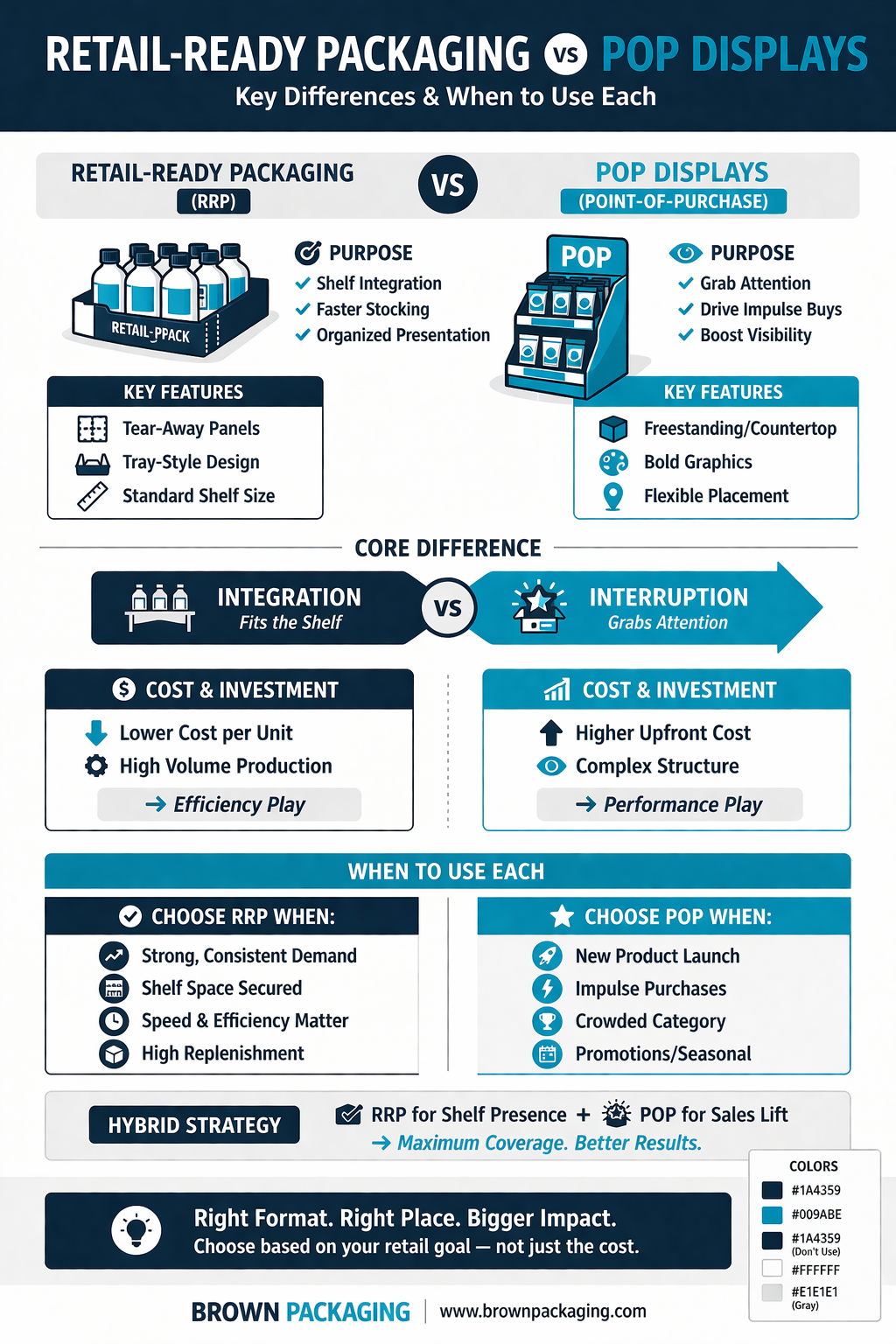
In the highly competitive world of physical retail, every tiny detail counts when it comes to attracting customers and encouraging them to purchase your products. One such crucial aspect that retailers can’t afford to overlook is custom packaging. Packaging is not just a protective measure, but also a powerful marketing tool that speaks volumes about your brand. This blog will focus on how to maximize the impact of custom packaging in physical retail spaces. Understanding the Power of Packaging Before we delve into strategies to enhance your custom packaging, it is vital to comprehend why packaging holds such importance in the retail environment. Communicates Brand Values Your packaging is the first physical interaction a potential buyer has with your product. It should clearly communicate your brand values, from quality and reliability to sustainability and creativity. Creates a Lasting Impression An attractive, well-thought-out package design can leave a lasting impression, stimulating repeat purchases and cultivating brand loyalty. Influences Buying Decisions Research indicates that approximately 70% of in-store purchases are impulsive. Effective packaging can stimulate these impulse buys by attracting and captivating shoppers’ attention. With the significance of packaging well understood, let’s move on to how to maximize its impact. Strategies for Maximizing the Impact of Custom Packaging The following are some strategic approaches to make your custom packaging more impactful in a physical retail space: Reflect Your Brand Identity Your packaging should be a mirror image of your brand identity. It must reflect the ethos and aesthetics of your brand, using the right combination of colors, shapes, sizes, and materials. Stand Out on the Shelves In a physical store, your product is usually surrounded by competitors. Your packaging must stand out to attract customers. Innovate with Shapes and Structures: Try using innovative shapes and structures that differ from the norm. These can pique curiosity and draw attention. Use Bold Colors and Patterns: Bright, bold colors and patterns can make your packaging pop on the shelves. However, it’s essential to maintain consistency with your brand colors. Leverage Sensory Appeal Texture and material can enhance the tactile experience of your packaging, making it more memorable. Soft-touch Coatings and Embossing: These can give a more luxurious feel, while corrugated or craft paper can communicate eco-friendliness. Opt for Sustainable Packaging Sustainability is no longer an optional selling point; it’s a requirement. Many consumers are willing to pay more for products with eco-friendly packaging. Materials Matter: Opt for recycled or biodegradable materials. Not only are they better for the environment, but they also show your commitment to sustainability. Make it Functional and Convenient While aesthetics are important, functionality and convenience shouldn’t be compromised. A well-designed, functional package can enhance the user experience, increasing the chances of repurchase. Easy to Open: No one enjoys struggling with overly complex packaging. Make sure your packaging is easy to open. Reusability: Consider if your packaging can be reused in some way. This not only adds value for the customer but also contributes to sustainability. Summary: Custom Packaging in Retail Space Custom packaging offers a significant opportunity to make a lasting impression and motivate purchase decisions in physical retail spaces. By understanding the power of packaging and applying the above strategies, you can create impactful, appealing, and memorable packaging that resonates with your customers and stands out on the shelves. If you’re interested in custom packaging, then partner with Brown Packaging today to get started. (714)300-0650 request@brownpackaging.com Most Recent Posts: Categories: Corrugated Ecommerce ESD Design Display Flexible Packaging Foam Folding Carton Packaging Plastic Packaging Pouch Printing Protection Retail Rigid Box Thermoform Sustainability Subscribe To Our Newsletter By submitting your information, you agree to our terms and conditions and privacy policy. Custom Packaging Facebook Twitter LinkedIn Pinterest Relevant Posts

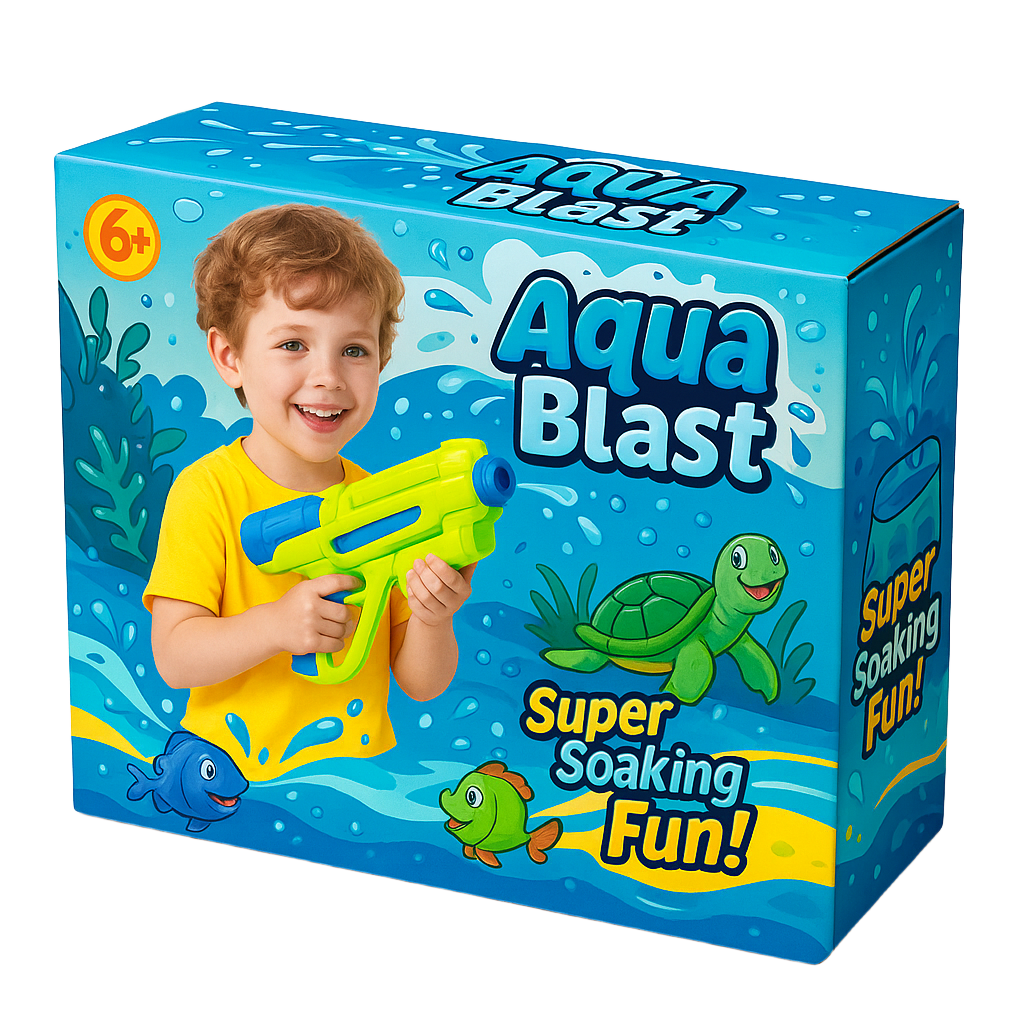
In the enchanting world of newborn toys, the packaging is more than just a protective layer; it’s a vital component of the product experience. From safety considerations to psychological impacts, toy packaging for newborns requires a delicate balance of practicality and appeal. In this blog, we’ll explore the multifaceted aspects of toy packaging for the youngest of consumers. Understanding the Target Audience: Newborns and Parents Before delving into the specifics of packaging, it’s crucial to understand the dual audience: the newborns and their parents. While the babies are the end-users, parents are the decision-makers. Thus, the packaging must be designed to appeal to adult aesthetics and sensibilities while being safe and suitable for infants. Safety First: Non-Toxic Materials and Design Material Safety: The foremost consideration is safety. Packaging materials must be non-toxic and free from harmful chemicals. Since newborns tend to explore with their mouths, ensuring that inks, dyes, and plastics are safe for potential mouthing is essential. Choking Hazards: Small parts are a strict no-no. All elements of the packaging should be large enough to not pose a choking hazard. Durability and Protection: While the packaging should be sturdy to protect the toy, it also shouldn’t be too hard or have sharp edges that could harm the baby. Sensory Appeal: Engaging the Newborn’s Senses Visual Stimulation: Bright, high-contrast colors and patterns are known to be more engaging for newborns, aiding in visual development. Textural Elements: Incorporating various textures can stimulate tactile exploration, an important aspect of newborn development. Educational Aspect: Early Learning Opportunities Packaging that incorporates basic shapes, numbers, or letters can subtly introduce educational elements. This not only adds value but also appeals to parents who are keen on early learning. Environmental Responsibility: Eco-Friendly Options With increasing awareness of environmental issues, eco-friendly packaging is highly appealing. Biodegradable, recyclable, or reusable packaging resonates with environmentally conscious parents. Practicality for Parents: Ease of Opening and Storage Ease of Opening: Parents appreciate packaging that is easy to open, especially when juggling the demands of a newborn. Storage and Reusability: Packaging that doubles as storage for the toy, or can be repurposed, adds practical value. Marketing and Branding: Communicating Values and Trust Clear Information: Parents look for clear information on age appropriateness, safety standards, and educational benefits. Aesthetic Appeal: Elegant, minimalistic designs can be very appealing to modern parents. The packaging should reflect the brand’s values and quality. Innovations in Packaging: Technology and Trends Smart Packaging: QR codes or augmented reality elements can provide additional information or interactive experiences. Sensory Experience Enhancements: Some brands are experimenting with gentle sounds or mild scents in packaging to enhance the sensory experience. If you are interested in toy packaging for newborn products, then partner with Brown Packaging today to get started. (714)300-0650 request@brownpackaging.com Most Recent Posts: Categories: Corrugated Ecommerce Design Display Flexible Packaging Foam Folding Carton Packaging Plastic Packaging Printing Retail Sustainability Subscribe To Our Newsletter By submitting your information, you agree to our terms and conditions and privacy policy. Custom Packaging Facebook Twitter LinkedIn Pinterest Relevant Posts

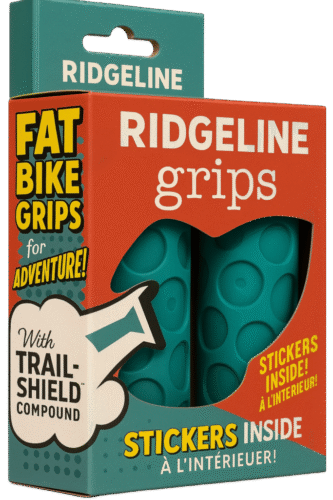
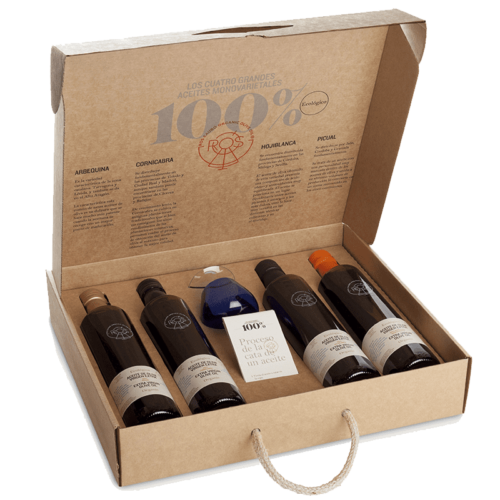
When browsing a retail store many of us have probably noticed that most products are packaged in a box, whether they are on the shelf or on a retail display. These boxes are known as corrugated boxes and folding cartons. If you are looking to package your products in a box for retail, then you should know differences between the two and when you should use them. What is a Folding Carton and Why is it Used in Retail A folding carton is made with thin, lightweight, and inexpensive chipboard and paperboard materials. Folding cartons can be manufactured in a variety of different styles such as straight tuck end (STE), reverse tuck end (RTE), roll end tuck top (RETT), full seal end, auto bottom and other styles. In addition to style, these boxes can vary in strength and thickness in material and in customization, which makes it versatile in use. A folding carton’s versatility enables it to be used in retail for a wide variety of packaging applications for lightweight and inexpensive products such as snacks, face masks, trading cards, cosmetics, electronic accessories, and other products. Brands can customize the design of folding cartons with their logo, product information, colors and more, in addition to how the printing methods and finishes applied to the box. For extra protection, inserts may be added to a folding carton. Benefits of a Folding Carton from a Retail Perspective Many companies selling in retail prefer to package their products in folding cartons due to its customization, low cost, storage, and shelf friendly features. In addition, these boxes can be made with sustainable material which is a growing requirement from retailers. Customization of a folding carton enables brands to structurally design their package to their product, which is often required by many retailers to optimize space of the product on the shelf. Folding cartons require less material, which makes it much more cost effective and waste friendly than corrugated boxes. Generally, these boxes can be manufactured to lay flat or folded to optimize storage space. These boxes can also be customized to fit on most retail fixtures by being stacked or by being hung through a hanger hole. What is a Corrugated Box and Why is it Used in Retail These boxes are made with corrugated material, often called cardboard, which consists of at least three layers: outside and inside fiberboard layers and a middle flute. These boxes are much stronger, and durable compared to folding cartons. They are used in retail for shipping and product display applications. Like a folding carton, corrugated boxes are versatile and available in a variety of styles such as regular slotted container (RSC), half slotted container (HSC), full overlap (FOL), roll end tuck top (RETT), and other styles. Corrugated material is available in a variety of thicknesses and strengths. These boxes are highly customizable and can help a retail product stand out on the shelf with graphics, finishes and high-quality print options. Typically, corrugated boxes in retail are used to package bulk, fragile and medium to heavy weight products such as appliances, TVs, computers, bikes, toys, shoes, and other consumer goods. For extra protection inserts can be placed inside the box. Benefits of a Corrugated Box from a Retail Perspective Corrugated boxes offer superior protection and strength compared to folding cartons. Brands often used these types of boxes to package much more expensive products, as these boxes can be made to look higher end in design. Despite using more material than a folding carton, corrugated material can still be sustainable and recyclable. Which to Choose Folding Carton or Corrugated Box for Retail Packaging? Often a retailer will regulate or require you to package your product in a certain way, whether it is by a corrugated box, folding carton, poly bag or by another type of packaging. However, if you are given the choice to select either a folding carton or a corrugated box, then you should select it based on your product. You should choose a folding carton if you are packaging an invaluable, non-fragile, lightweight, or small product. This will give you the most cost-effective solution for your product while maintaining adequate structural integrity to support your product. You should select a corrugated box for your retail packaging if your product is moderate to heavy weight, fragile or bulky. This will give you more secure packaging for your product which will limit inventory loss. Both boxes are highly customizable and versatile in use. If you are interested in custom retail packaging, folding cartons or corrugated boxes, then contact Brown Packaging today to get started. We help companies launch new products into retail and optimize existing ones. (714)300-0650 request@brownpackaging.com Most Recent Posts: Categories: Corrugated Folding Carton Display Packaging Rigid Box Subscribe To Our Newsletter By submitting your information, you agree to our terms and conditions and privacy policy. Custom Corrugated Boxes Facebook Twitter LinkedIn Pinterest Relevant Posts