

Home » Pros and Cons of U.S. Packaging Suppliers
Pros and Cons of U.S. Packaging Suppliers
As companies evaluate their packaging supply chains, many are choosing U.S. packaging suppliers over overseas alternatives. While domestic suppliers offer advantages such as faster lead times and stronger quality control, they also come with higher costs compared to some international options. Below, we break down the key pros and cons of working with U.S. packaging suppliers to help businesses make informed sourcing decisions.
Is a U.S. Packaging Supplier the Right Choice for Your Business?
Pros of U.S. Packaging Suppliers
Faster Lead Times & Supply Chain Reliability
One of the biggest advantages of sourcing packaging domestically is the shorter lead times. Without the need for overseas shipping, companies benefit from:
- Quicker turnaround on orders
- More predictable delivery schedules
- Reduced risk of supply chain disruptions (e.g., port congestion, global shipping delays)
Tariff-Free & Cost Predictability
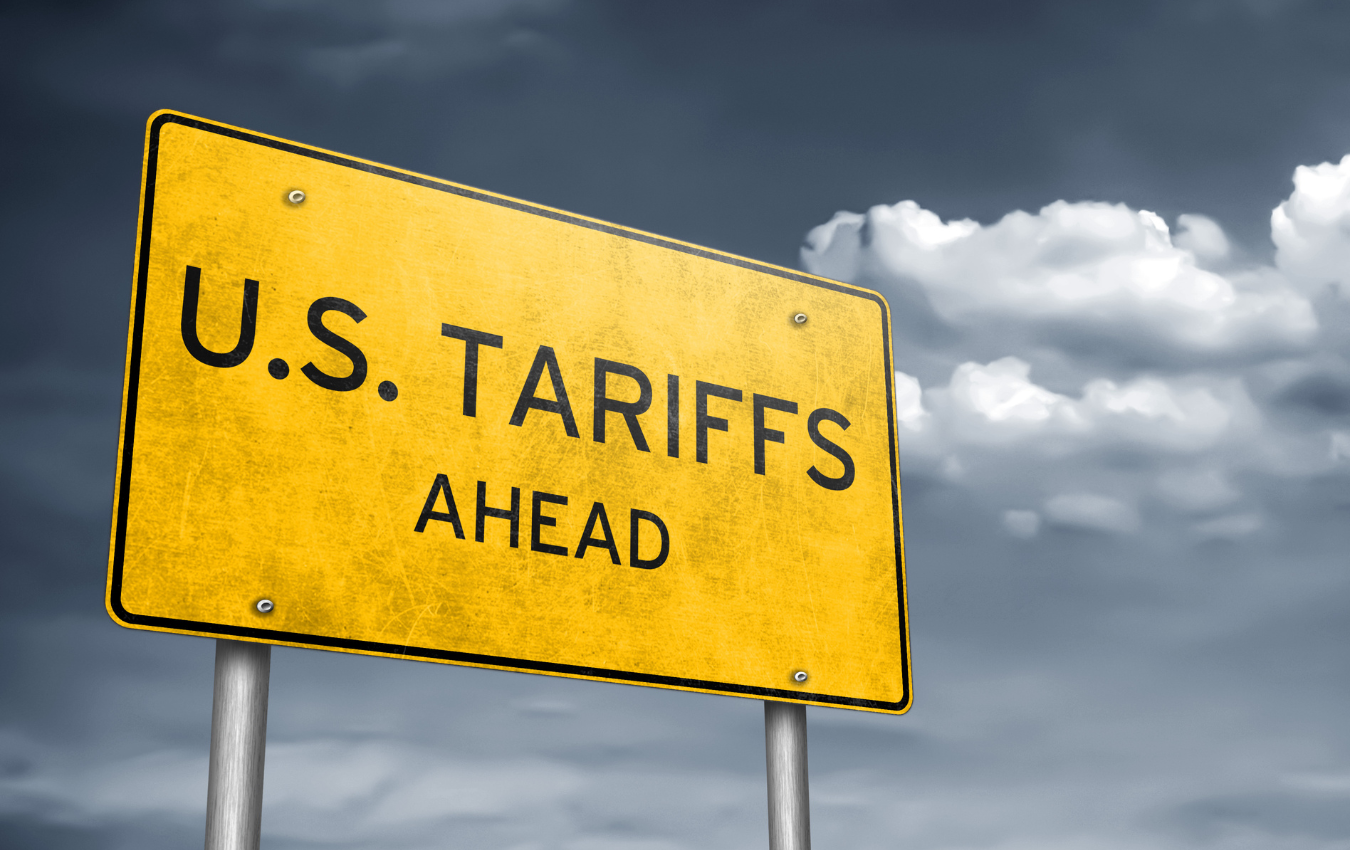
With ongoing trade tensions, import tariffs on packaging materials from countries like China have made international sourcing more expensive. U.S. suppliers eliminate these risks, offering:
- Stable pricing without unexpected tariff hikes
- Lower overall logistics costs compared to international shipping fees
- Easier cost forecasting for long-term contracts
Higher Quality Control & Compliance
U.S. manufacturers adhere to strict regulatory standards for industries such as food, pharmaceuticals, and medical devices. Businesses benefit from:
- Consistent material quality and structural integrity
- Easier oversight of manufacturing processes
- Reduced risk of non-compliant or defective packaging
Easier Communication & Collaboration
Working with a domestic supplier means fewer language barriers and time zone differences, making it easier to:
- Adjust custom orders quickly
- Resolve issues in real-time
- Collaborate on branding, design, and structural innovations
Intellectual Property Protection
Unlike some overseas markets where intellectual property (IP) theft is a concern, U.S. suppliers offer:
- Greater legal protections for custom packaging designs
- Reduced risk of counterfeit packaging entering the market
- Stronger confidentiality agreements for proprietary packaging solutions
Cons of U.S. Packaging Suppliers
Higher Production Costs
While the U.S. provides high-quality packaging, domestic production comes at a higher cost due to:
- Increased labor wages compared to countries like China and Mexico
- Higher raw material costs
- More expensive energy and operational costs
Limited Economies of Scale for Some Products
International suppliers, particularly in China, specialize in mass production at lower costs. U.S. suppliers may face:
- Higher per-unit costs for large-volume orders
- Fewer ultra-low-cost packaging options
- Less flexibility for high-volume, budget-driven businesses
Potentially Higher Minimum Order Quantities (MOQs)
Some U.S. manufacturers have higher MOQs, requiring businesses to place larger orders upfront. This can create:
- Increased storage and warehousing needs
- Higher initial investment for packaging inventory
- Less flexibility for small businesses or startups
Final Thoughts: Should You Choose a U.S. Packaging Supplier?
U.S. packaging suppliers offer strong advantages in quality, speed, and reliability, but businesses must weigh these against higher production costs and potential MOQ requirements. If your company values supply chain security, compliance, and premium customization, domestic sourcing is often the best choice.
Looking for a reliable U.S. packaging supplier? Contact Brown Packaging today to explore custom solutions for your business needs.
In 2026, sustainability is no longer just a trend—it’s a buyer expectation. Forest Stewardship Council (FSC) certification has become a key benchmark for responsible packaging, signaling that materials are sourced
Sustainability is now a top priority for packaging buyers. Retailers, regulators, and consumers are all demanding packaging solutions that reduce environmental impact without sacrificing performance. In 2026, buyers must balance
Choosing the right packaging material is one of the most important decisions buyers face. Single-material packaging offers simplicity and recyclability, while multi-material designs provide enhanced performance and protection. Understanding the
One of the biggest challenges in sustainable packaging is balancing environmental responsibility with product protection. Buyers often worry that switching to eco-friendly materials means sacrificing durability or driving up costs.
Home » Pros and Cons of U.S. Packaging Suppliers

With tariffs set to reshape the U.S. packaging industry in 2025, packaging buyers must understand their potential benefits and challenges. Tariffs aim to encourage domestic sourcing and manufacturing, but their effects can be complex. This blog examines the pros and cons of tariffs for packaging buyers, offering a neutral and informative perspective to help navigate the changing landscape. What Are Tariffs and How Do They Affect Packaging? Tariffs are taxes imposed on imported goods, designed to incentivize businesses to source domestically. For the packaging industry, this can lead to increased costs for materials and finished products sourced internationally. At the same time, tariffs may promote local manufacturing and strengthen domestic supply chains. The Pros of Tariffs on Packaging Encourages Domestic Manufacturing Tariffs make imported goods more expensive, driving demand for U.S.-produced materials and packaging products. Benefits for Buyers: Strengthened local supply chains reduce dependency on international markets. Shorter transportation distances can improve delivery reliability and speed. Opportunities to work with domestic suppliers who align with sustainability and quality standards. Reduces Exposure to Global Disruptions The COVID-19 pandemic and other global events highlighted vulnerabilities in international supply chains. Tariffs encourage buyers to source locally, mitigating risks from international shipping delays or geopolitical tensions. Drives Investment in Innovation As demand for domestic packaging grows, U.S. manufacturers may invest in new technologies and materials to remain competitive. Examples of Innovation: Development of cost-effective, eco-friendly packaging options. Automation to improve production efficiency and reduce lead times. Potential Environmental Benefits Local sourcing reduces the need for long-distance shipping, which can lower carbon emissions associated with packaging production and transportation. The Cons of Tariffs on Packaging Increased Costs The most immediate impact of tariffs is higher prices for imported materials and products. These costs can affect buyers in several ways: Material Price Increases: Tariffs on imported paperboard, plastics, or aluminum can drive up the cost of packaging solutions like corrugated boxes, flexible films, and beverage cans. Pass-Through Costs: Suppliers may pass tariff-related expenses onto buyers, increasing procurement costs. Supply Chain Bottlenecks The shift to domestic sourcing can create short-term challenges as manufacturers ramp up to meet increased demand. Potential Issues: Limited production capacity among domestic suppliers. Longer lead times due to initial supply shortages. Limited Supplier Options In some cases, buyers may struggle to find domestic suppliers offering the same quality, pricing, or product variety as their international counterparts. Complexity in Procurement Tariffs add an extra layer of complexity to procurement processes, requiring buyers to: Monitor tariff changes and their impacts. Evaluate the cost-benefit of domestic vs. international sourcing. Navigate customs regulations and compliance requirements for any remaining imports. Balancing the Pros and Cons Packaging buyers can weigh the benefits and drawbacks of tariffs by aligning their sourcing strategies with business goals. Consider these key factors: When Tariffs Can Be a Positive Change: Your business values a resilient, local supply chain. Sustainability is a priority, and reducing transportation emissions aligns with your goals. You’re looking to foster long-term partnerships with domestic manufacturers. When Tariffs May Pose Challenges: Your packaging relies on specialized materials or products not widely available in the U.S. Cost increases would significantly impact your pricing or profitability. You operate in an industry where margins are already tight. Preparing for Tariffs in the Packaging Industry To navigate the impact of tariffs effectively, packaging buyers can take proactive steps to mitigate challenges while capitalizing on opportunities: Evaluate Supplier Relationships: Build partnerships with domestic manufacturers to ensure reliable sourcing. Invest in Cost Management: Optimize packaging designs and explore alternative materials to reduce expenses. Stay Updated: Monitor tariff policies and industry trends to make informed decisions. Leverage Technology: Use supply chain management tools to enhance forecasting, inventory management, and sourcing strategies. Final Thoughts Tariffs on packaging present a mixed picture for buyers, offering both opportunities and obstacles. While they can drive innovation and strengthen domestic supply chains, they also introduce cost pressures and logistical challenges. By understanding the pros and cons of tariffs and preparing strategically, packaging buyers can adapt to these changes while maintaining operational efficiency. If you are interested in maximizing the benefits of tariffs on your packaging and limiting the challenges, then partner with Brown Packaging today to get started. (714)300-0650 request@brownpackaging.com Most Recent Posts: Categories: Corrugated Ecommerce ESD Design Display Flexible Packaging Foam Folding Carton Packaging Plastic Packaging Pouch Printing Protection Retail Rigid Box Thermoform Sustainability Subscribe To Our Newsletter By submitting your information, you agree to our terms and conditions and privacy policy. Custom Packaging Facebook Twitter LinkedIn Pinterest Relevant Posts

Packaging is the first line of defense for your products, shielding them from the hazards they may encounter during storage, handling, and transportation. One of the most critical aspects of packaging is safeguarding it against physical damage. In this blog, we’ll delve into various strategies and best practices to help you protect your packaging from physical harm, ensuring that your products remain safe and intact. Understanding the Risks Before delving into protective measures, it’s crucial to understand the potential sources of physical damage that your packaging might face: Impact during Handling: Packages can be dropped, bumped, or mishandled during various stages of transportation and storage. Compression: Stacking heavy items or applying excessive pressure can lead to package deformation or crushing. Vibration: Prolonged exposure to vibrations, especially in long-distance shipping, can weaken packaging materials and affect their integrity. Sharp Objects: Sharp objects in the vicinity of packages can puncture or tear the packaging material. Protective Measures To safeguard your packaging from physical damage, consider the following protective measures: Material Selection: Choosing the right packaging material is paramount. Select materials known for their durability, strength, and resistance to physical damage. Reinforced Corners and Edges: Weak points in packaging are often the corners and edges. Reinforce these vulnerable areas with additional layers of material or protective corner guards to absorb impact and prevent crushing. Cushioning and Padding: Using cushioning materials like bubble wrap, foam inserts, or air pillows can provide a protective buffer against shocks and vibrations. Ensure that products are snugly cushioned inside the packaging. Stacking Strength: If stacking is a concern, design packaging with enhanced stacking strength. Reinforce the packaging structure to distribute weight evenly and minimize the risk of crushing. Inner Packaging Layers: For particularly fragile or sensitive items, consider adding inner packaging layers. These can include protective pouches, sleeves, or dividers to prevent product-to-product contact and potential damage. Impact Indicators: Use impact indicators or shock labels on packages. These devices can detect and record impacts during transportation, allowing you to identify and address any potential issues promptly. Testing and Quality Control: Implement rigorous testing procedures to ensure the packaging can withstand expected impacts and stresses. Conduct drop tests, compression tests, and vibration tests to assess package durability. Customized Packaging Design: Tailor packaging designs to fit the specific requirements of your products. Avoid using oversized boxes, as this can lead to excessive movement and damage. Handling and Storage Guidelines: Provide clear instructions for handling and stacking packages. Train employees and partners involved in the packaging and transportation process to follow these guidelines diligently. Regular Evaluation and Improvement The protection of your packaging from physical damage is an ongoing process. Continuously assess your packaging solutions and gather feedback from transportation partners to identify any weaknesses or areas for improvement. Make necessary adjustments to enhance packaging resilience and ensure that your products arrive at their destination in optimal condition. By implementing these strategies and maintaining a proactive approach to packaging protection, you can significantly reduce the risk of physical damage to your products and enhance their overall quality and safety. If you are interested in safe and proper packaging, then partner with Brown Packaging today to get started. (714)300-0650 request@brownpackaging.com Most Recent Posts: Categories: Corrugated Ecommerce ESD Design Display Flexible Packaging Foam Folding Carton Packaging Plastic Packaging Pouch Printing Protection Retail Rigid Box Thermoform Sustainability Subscribe To Our Newsletter By submitting your information, you agree to our terms and conditions and privacy policy. Custom Packaging Facebook Twitter LinkedIn Pinterest Relevant Posts

In the fast-paced world of retail and e-commerce, the ease of assembly in packaging plays a pivotal role in the overall efficiency and customer satisfaction. Simple and efficient packaging is not just a convenience; it’s a crucial factor that can significantly impact a business’s operational efficiency and the customer’s unboxing experience. This blog post explores the various aspects of ease of assembly in packaging and its wide-ranging implications. Why Ease of Assembly Matters The efficiency of packaging assembly directly affects the speed and cost of the production process. For businesses, especially those with high-volume shipments, packaging that is quick and easy to assemble can lead to significant time and cost savings. Moreover, for the end consumer, easy-to-assemble packaging enhances the unboxing experience, contributing to overall satisfaction and brand perception. Implications for Operational Efficiency Reduced Labor Costs: Packaging that is simple to assemble requires less manual labor, reducing the cost of packaging operations. Faster Turnaround Times: When packaging can be assembled quickly, products can be packed and shipped out more rapidly, increasing the throughput of orders. Minimized Error Rates: Simplified assembly processes reduce the likelihood of errors during packaging, leading to fewer returns and customer complaints. Enhancing Customer Experience User-Friendly Unboxing: Easy-to-assemble packaging also means easy-to-open packaging. A hassle-free unboxing experience is highly valued by customers and can be a deciding factor in repeat purchases. Brand Perception: Packaging that is thoughtfully designed for easy assembly reflects positively on a brand, enhancing its reputation for customer-centricity and innovation. Sustainability Benefits Reduced Material Usage: Efficiently designed packaging often uses fewer materials, which is not only cost-effective but also environmentally friendly. Increased Recyclability: Simplified packaging structures are generally easier to disassemble and recycle, aligning with growing consumer demands for sustainable packaging solutions. Innovation in Packaging Design Design for Assembly: The focus on ease of assembly has led to innovative packaging designs. For instance, self-locking mechanisms, intuitive folds, and interlocking tabs eliminate the need for additional packing materials like tape or staples. Material Innovations: Advances in materials also contribute to ease of assembly. Lightweight, flexible, yet sturdy materials can simplify the packaging process while ensuring product protection. Tailoring to Product Needs Customized Solutions: The ease of assembly should be considered alongside the specific requirements of the product. For fragile or high-value items, the packaging might need additional protective features, which should be integrated without complicating the assembly process. Versatility: Ideally, packaging should be versatile enough to accommodate various product sizes or types, without compromising on the ease of assembly. The Role of Automation Automated Packaging Lines: In larger operations, packaging assembly is often automated. The design of packaging needs to be compatible with automated systems, which can further enhance efficiency and reduce labor costs. If you are interested in improving the ease of assembly of your packaging, then partner with Brown Packaging today to get started. (714)300-0650 request@brownpackaging.com Most Recent Posts: Categories: Corrugated Ecommerce ESD Design Display Flexible Packaging Foam Folding Carton Packaging Plastic Packaging Pouch Printing Protection Retail Rigid Box Thermoform Sustainability Subscribe To Our Newsletter By submitting your information, you agree to our terms and conditions and privacy policy. Custom Packaging Facebook Twitter LinkedIn Pinterest Relevant Posts