
Home » Printing Color Options For Packaging
Printing Color Options For Packaging
When it comes to printing on packaging, color is one of the most important components in attracting a consumer. Most people aren’t aware that there is a variety of different color process options to choose from including; CMYK, PMS, and GCMI. Understanding the difference between them all, will help you make the best decision for your business needs. It is important to take into consideration accuracy, pricing, lead time, and cost.
What is 4 color process: CMYK
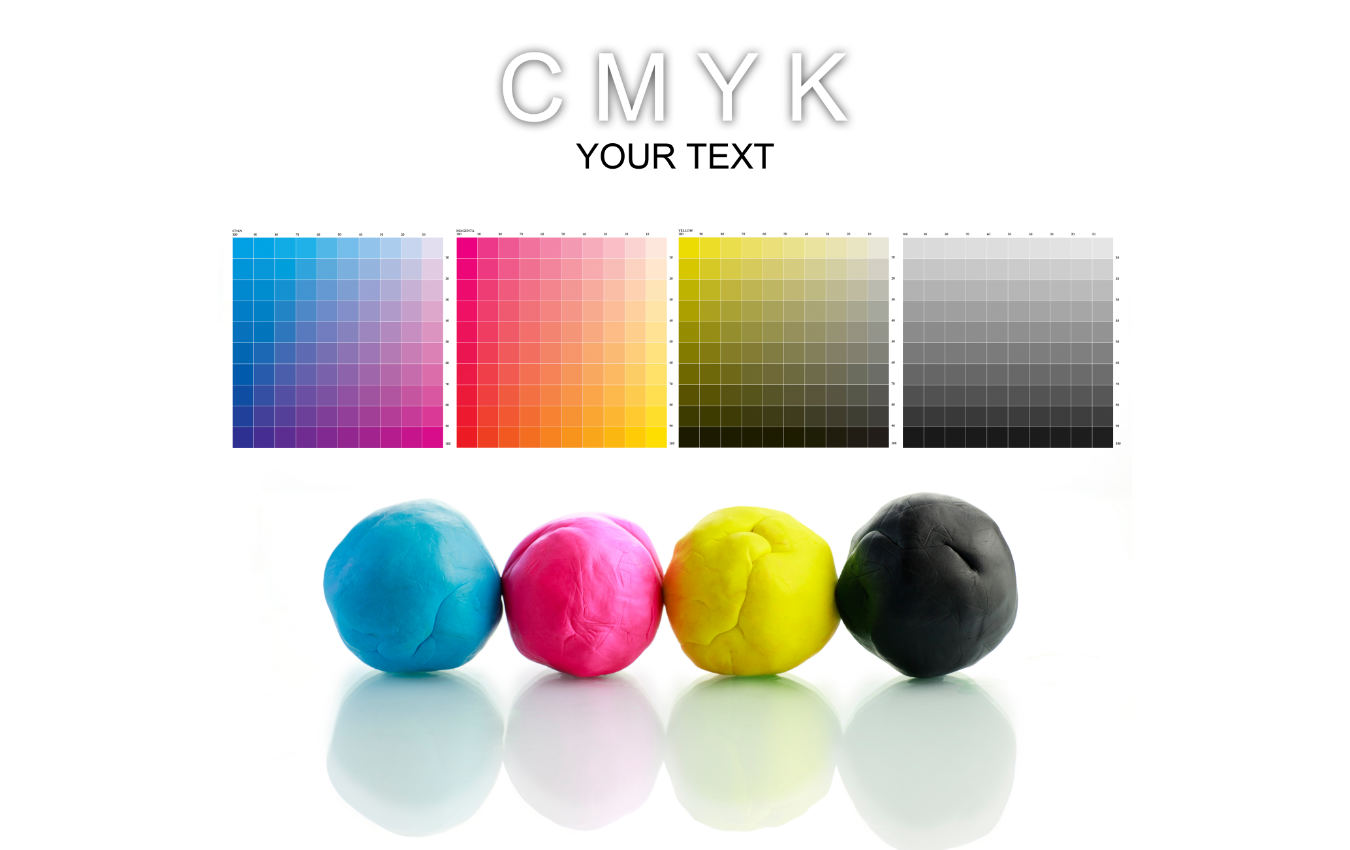
Four color printing utilizes Cyan, Magenta, Yellow, and Black (CMYK), to create the visual effect of a full-color image. The process is applied through adding tiny dots, overlapping in different concentrations to create a match as exact as possible to the desired colors.
CMYK can be applied digitally or with other printing methods, and is best for full-color images. It is not 100% accurate when it comes to color matching, which means your image could look different run to run. If you need 10 colors for your print, this process will create the image as close as possible using only 4 colors. On traditional printing when a specific color cannot be produced by the 4 color process, you can choose to incorporate a specific PMS color into the CMYK colors. Although this adds on to the overall cost, it will give the ability to create more color variations.
If you aren’t sure about your artwork and think there might be some changes, always stick to CMYK digital printing because there is no initial investment and it is easier to change. Ultimately this method is cheaper when deciding which color printing process to choose.
Advantages of CMYK:
- Cheapest
- Fastest
- No startup cost
- Easy to change/edit image
- Prints images with wide range of color
Disadvantages of CMYK:
- Not 100% accurate
- Not consistent run to run
- Shade variation
What Are Specific Colors:
Pantone Matching System
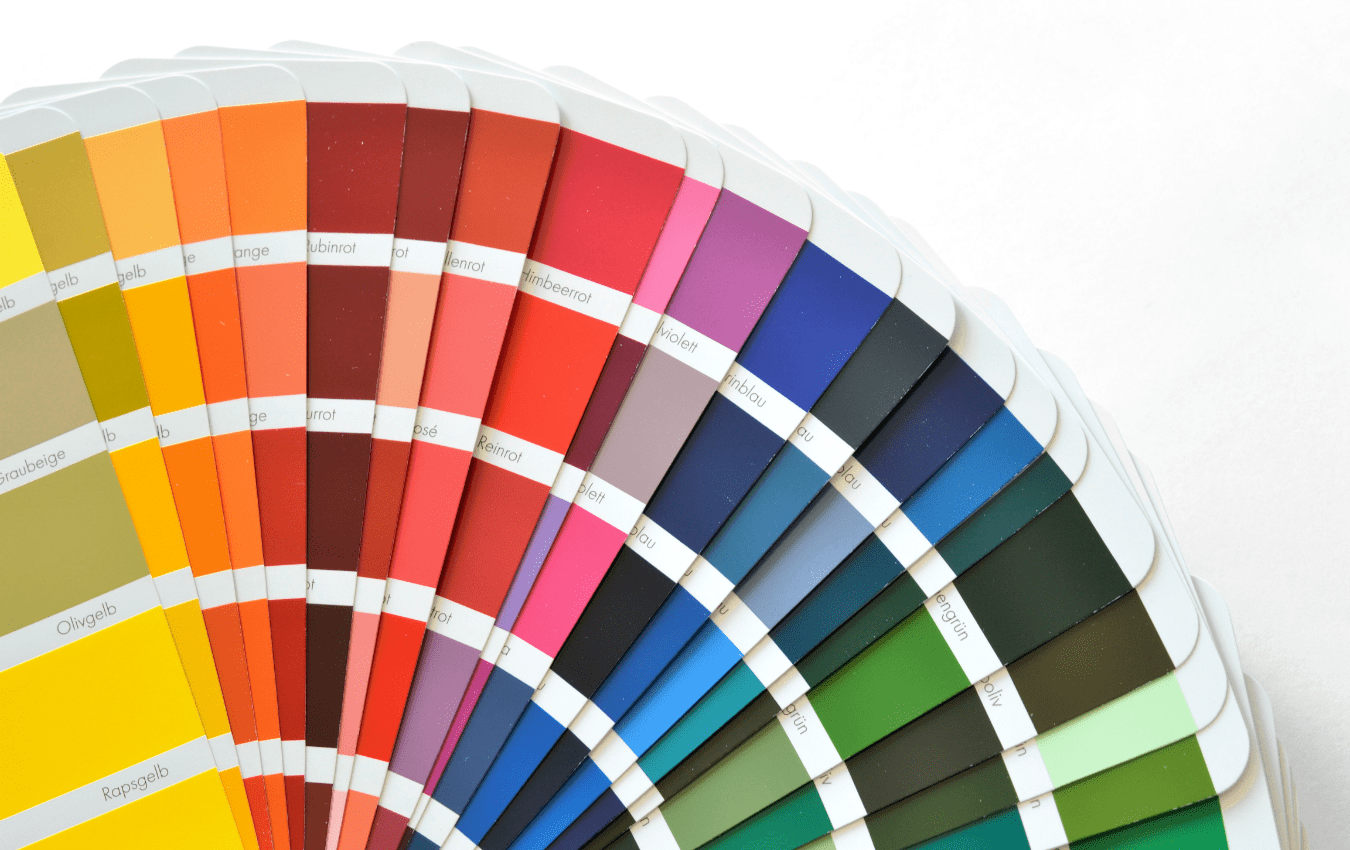
Pantone Matching Systems also known as (PMS) is created using a specific numbering system and is applied using a spot color method. This system is printed using flexographic printing, which has a numbering system that allows for exact color matching and consistency. There is currently over a thousand colors, each given a number and a name, which creates a universally recognized matching system.
Although this system is overall more expensive, it is necessary when needing an exact color match. PMS color process is best for those who need their image, logo or design to be an exact color or have perfect attention to detail.
Glass Containers Manufacturers Institute
Glass Containers Manufacturers Institute also known as (GCMI) is a water-based ink used in flexographic printing. It is similar to PMS, in which they both ensure the perfect match to your prints. This coloring system has less than a hundred colors and is targeted to corrugated and paper board.
PMS
GCMI
Advantages of Specific Colors:
- Exact coloring
- Consistent results run to run
- Has a universally recognized matching system
Disadvantages of Specific Colors:
- More expensive
- Limited applications
- GCMI can only be used on corrugated and paper board
Summary 4 Color Process VS Specified Colors:
Overall each color process has their own benefits. CMYK is best used for images and for an affordable and almost accurate color print. Both PMS and GCMI are best for exact color match printing, but are more expensive and have limited application. GCMI is accurate when it comes to color match but is only used for printing on corrugated boxes.
It is best to weigh out your options to determine which color printing method would be best for your business needs. It is important to take into consideration cost, lead time, consistency, and accuracy. If you need help determining which color method to choose, please contact Brown Packaging today so one of our packaging experts can assist you.
Retail packaging continues to evolve as brands balance sustainability, supply chain performance, and consumer experience. In 2026, buyers face new challenges shaped by material innovation, compliance requirements, and rising consumer expectations. Understanding these trends helps companies stay competitive while aligning packaging programs with industry standards. Sustainability Becomes Non-Negotiable Greater use of recyclable and compostable substrates. Retailers pushing suppliers toward FSC-certified materials. Minimalist designs that reduce waste without losing impact. Smarter Packaging for Supply Chains Increased adoption of right-sizing to reduce freight costs. Boxes designed for automation and faster fulfillment. Stronger corrugated grades to withstand long e-commerce journeys. Enhanced Consumer Experience Custom graphics for seasonal campaigns and limited editions. Tear strips, resealable closures, and window cutouts for convenience. Premium finishes that elevate gift packaging at retail. Growth of Hybrid Packaging Formats Combining corrugated strength with folding carton graphics. Modular designs for multi-SKU and club store environments. Packaging engineered to serve both e-commerce and in-store needs. Compliance and Testing Standards Retailers demanding ISTA and ASTM testing for packaging durability. Supply chain audits on recyclability and sustainability claims. More pressure for transparent reporting on environmental impact. Retail Packaging Solutions with Brown Packaging Brown Packaging helps brands adapt to evolving retail packaging trends. From sustainable substrates to automation-friendly designs, our solutions balance branding, durability, and compliance for 2026. Contact us to prepare your packaging program for the year ahead. References Forest Stewardship Council (FSC). (2023). FSC Packaging Certification Guidelines. Retrieved from https://fsc.orgSustainable Packaging Coalition. (2023). Packaging Trends and Consumer Insights. Retrieved from https://sustainablepackaging.orgSoroka, W. (2009). Fundamentals of Packaging Technology (4th ed.). Institute of Packaging Professionals. (714)300-0650 request@brownpackaging.com Most Recent Posts: Categories: Corrugated Ecommerce ESD Design Display Flexible Packaging Foam Folding Carton Packaging Plastic Packaging Pouch Printing Protection Retail Rigid Box Thermoform Sustainability Subscribe To Our Newsletter By submitting your information, you agree to our terms and conditions and privacy policy. Custom Packaging Facebook Twitter LinkedIn Pinterest Relevant Posts
Supplier contracts can make or break a packaging program. Without the right terms, buyers risk price volatility, missed lead times, and inconsistent product quality. In 2026, negotiating smart contracts is essential for controlling costs, securing reliable supply, and meeting compliance requirements. Why Packaging Contracts Matter Cost stability: Protects against sudden raw material price spikes. Supply security: Ensures availability during peak demand. Quality control: Aligns suppliers with testing and compliance standards. Operational efficiency: Streamlines purchasing and reduces administrative burden. Key Terms Buyers Should Negotiate Volume commitments: Secure better pricing with accurate forecasts. Price adjustment clauses: Define when and how costs can change. Lead times and delivery windows: Avoid shortages and production delays. Testing and compliance: Require ISTA, ASTM, or FSC certification where applicable. Sustainability commitments: Ensure suppliers align with environmental goals. Risks of Weak Contracts Paying inflated prices during market fluctuations. Receiving inconsistent corrugated strength or print quality. Missed shipments leading to costly expedited freight. Difficulty meeting retailer or regulatory compliance. Best Practices for Buyers in 2026 Leverage data: Use past order history to negotiate realistic volumes. Dual sourcing: Maintain backup suppliers for risk management. Annual reviews: Reassess terms to reflect changes in demand and compliance. Collaborative approach: Treat suppliers as partners, not just vendors. Packaging Solutions with Brown Packaging Brown Packaging helps buyers secure strong supplier contracts that balance cost, quality, and supply chain reliability. Our partnerships and industry expertise ensure your packaging program is protected for 2026 and beyond. Contact us to discuss supplier solutions. References Soroka, W. (2009). Fundamentals of Packaging Technology (4th ed.). Institute of Packaging Professionals.Fiber Box Association. (2024). Corrugated Packaging Market Outlook. Retrieved from https://www.fibrebox.orgSustainable Packaging Coalition. (2023). Supplier Standards for Sustainable Packaging. Retrieved from https://sustainablepackaging.org (714)300-0650 request@brownpackaging.com Most Recent Posts: Categories: Corrugated Ecommerce ESD Design Display Flexible Packaging Foam Folding Carton Packaging Plastic Packaging Pouch Printing Protection Retail Rigid Box Thermoform Sustainability Subscribe To Our Newsletter By submitting your information, you agree to our terms and conditions and privacy policy. Custom Packaging Facebook Twitter LinkedIn Pinterest Relevant Posts
Packaging compliance is no longer optional—it’s a requirement for accessing retail shelves, shipping networks, and international markets. In 2026, buyers must navigate evolving regulations around sustainability, labeling, and testing to avoid costly fines, rejected shipments, or damaged customer relationships. Why Compliance Matters in 2026 Retail requirements: Major retailers demand FSC, ISTA, and sustainability certifications. E-commerce standards: Carriers enforce dimensional weight and package testing rules. Global trade: Export packaging must comply with ISPM 15, ASTM, and ISO guidelines. Consumer trust: Transparency in packaging claims impacts purchasing decisions. Key Compliance Areas for Buyers Material sourcing: FSC-certified corrugated and board for sustainability. Labeling standards: GS1-compliant barcodes and accurate product details. Durability testing: ISTA and ASTM protocols for drop, vibration, and compression. Sustainability regulations: Requirements for recyclable or compostable materials. Chemical restrictions: Compliance with FDA, EU, or state-specific standards. Common Compliance Challenges Keeping up with frequent regulatory changes. Managing multiple certifications across suppliers. Balancing compliance with cost-efficiency. Verifying supplier claims for sustainability. Best Practices for Staying Compliant Audit suppliers annually to confirm certification validity. Run internal packaging tests before scaling. Track regulatory updates for each region you ship to. Work with experienced partners who understand industry compliance. Packaging Solutions with Brown Packaging Brown Packaging helps buyers meet 2026 compliance standards with FSC-certified materials, ISTA-tested designs, and regulatory expertise. Our team ensures your packaging meets retailer, carrier, and sustainability requirements. Contact us to keep your program compliant. References Forest Stewardship Council (FSC). (2023). FSC Certification Guidelines for Packaging. Retrieved from https://fsc.orgInternational Safe Transit Association (ISTA). (2023). ISTA Testing Procedures for Transport Packaging. Retrieved from https://ista.orgGS1. (2024). Global Standards for Packaging and Labeling. Retrieved from https://www.gs1.org (714)300-0650 request@brownpackaging.com Most Recent Posts: Categories: Corrugated Ecommerce ESD Design Display Flexible Packaging Foam Folding Carton Packaging Plastic Packaging Pouch Printing Protection Retail Rigid Box Thermoform Sustainability Subscribe To Our Newsletter By submitting your information, you agree to our terms and conditions and privacy policy. Custom Packaging Facebook Twitter LinkedIn Pinterest Relevant Posts
In 2026, sustainability is no longer just a trend—it’s a buyer expectation. Forest Stewardship Council (FSC) certification has become a key benchmark for responsible packaging, signaling that materials are sourced from responsibly managed forests. For packaging buyers, FSC certification is more than a compliance checkbox—it’s a brand value that influences purchasing decisions, retailer acceptance, and customer loyalty. What Is FSC Certification? The Forest Stewardship Council certifies that paper-based packaging materials are sourced from forests managed for environmental responsibility, social benefit, and economic viability. FSC Mix: Packaging contains a blend of FSC-certified and controlled wood. FSC Recycled: Packaging is made entirely from recycled fiber. FSC 100%: Packaging is sourced only from FSC-certified forests. Why FSC Matters to Buyers in 2026 Retail access: Many major retailers now require FSC-certified packaging. Sustainability goals: Aligns with corporate ESG and carbon reduction commitments. Consumer trust: Customers recognize the FSC label and view it as credible. Global compliance: Meets international sustainability regulations. How FSC Certification Strengthens Brand Value Differentiation: Stand out with certified sustainable packaging. Marketing advantage: FSC logos reinforce eco-friendly messaging. Risk reduction: Verified sourcing prevents greenwashing claims. Customer loyalty: Environmentally conscious buyers prefer certified products. Challenges in FSC Implementation Limited supply of certain FSC substrates. Higher costs compared to non-certified materials. Need for supplier audits and documentation. Packaging Solutions with Brown Packaging Brown Packaging partners with buyers to integrate FSC-certified materials into corrugated boxes, folding cartons, and retail packaging. Our solutions support sustainability while maintaining cost efficiency and protection. Contact us to strengthen your brand with FSC-certified packaging. References Forest Stewardship Council (FSC). (2023). FSC Certification Guidelines for Packaging. Retrieved from https://fsc.orgSustainable Packaging Coalition. (2023). Consumer Insights on Sustainable Packaging. Retrieved from https://sustainablepackaging.orgSoroka, W. (2009). Fundamentals of Packaging Technology (4th ed.). Institute of Packaging Professionals. (714)300-0650 request@brownpackaging.com Most Recent Posts: Subscribe To Our Newsletter By submitting your information, you agree to our terms and conditions and privacy policy. Sustainable Packaging Facebook Twitter LinkedIn Pinterest Relevant Posts
Sustainability is now a top priority for packaging buyers. Retailers, regulators, and consumers are all demanding packaging solutions that reduce environmental impact without sacrificing performance. In 2026, buyers must balance eco-friendly materials, cost, and compliance to build programs that are both effective and future-ready. What Buyers Need to Know About Sustainable Packaging Regulatory pressure: Governments are enforcing stricter rules on recyclability and plastic use. Retail mandates: FSC certification and recyclable packaging are becoming standard requirements. Consumer expectations: Customers increasingly choose brands with visible sustainability commitments. Sustainable Material Options Recycled corrugated: High recycled content while maintaining compression strength. Compostable films: Suitable for select food and retail applications. Molded pulp inserts: Replace foam or plastic for protective packaging. Water-based coatings: Enhance moisture resistance without harmful chemicals. Balancing Cost and Performance Right-size packaging: Reduces material waste and shipping costs. Hybrid solutions: Combine eco-materials with corrugated for balance. Life cycle analysis: Evaluate true environmental impact, not just marketing claims. How to Evaluate Sustainable Suppliers Verify FSC, SPC, or ISO certifications. Request testing data for durability and recyclability. Audit supply chains for consistency and transparency. Ensure claims meet local and international compliance standards. Packaging Solutions with Brown Packaging Brown Packaging helps buyers implement sustainable packaging programs that balance cost, performance, and compliance. From recycled corrugated to eco-friendly coatings and inserts, we deliver solutions that meet 2026 sustainability goals. Contact us to explore sustainable packaging options. References Forest Stewardship Council (FSC). (2023). FSC Certification Guidelines for Packaging. Retrieved from https://fsc.orgSustainable Packaging Coalition. (2023). Packaging Sustainability Trends and Buyer Insights. Retrieved from https://sustainablepackaging.orgSoroka, W. (2009). Fundamentals of Packaging Technology (4th ed.). Institute of Packaging Professionals. (714)300-0650 request@brownpackaging.com Most Recent Posts: Categories: Corrugated Ecommerce ESD Design Display Flexible Packaging Foam Folding Carton Packaging Plastic Packaging Pouch Printing Protection Retail Rigid Box Thermoform Sustainability Subscribe To Our Newsletter By submitting your information, you agree to our terms and conditions and privacy policy. Sustainable Packaging Facebook Twitter LinkedIn Pinterest Relevant Posts
Choosing the right packaging material is one of the most important decisions buyers face. Single-material packaging offers simplicity and recyclability, while multi-material designs provide enhanced performance and protection. Understanding the trade-offs helps companies balance cost, functionality, and sustainability goals in 2026. What Is Single-Material Packaging? Single-material packaging uses one substrate—such as corrugated board, folding carton, or plastic—for the entire structure. Advantages: Easier to recycle and dispose. Lower material costs in many cases. Streamlined sourcing and inventory. Supports sustainability messaging. Disadvantages: Limited barrier protection. Less customization for fragile or complex products. May require added thickness for strength, increasing weight. What Is Multi-Material Packaging? Multi-material packaging combines two or more substrates—such as corrugated with foam, or paperboard laminated with film—to achieve specific performance outcomes. Advantages: Greater protection against moisture, oxygen, and impact. Allows for premium finishes and enhanced graphics. Ideal for fragile or high-value products. Customizable for unique supply chain conditions. Disadvantages: More difficult to recycle due to material separation. Higher cost and longer lead times. Complex sourcing and inventory management. When to Use Each Approach Single-material packaging: Best for products with low fragility, strong sustainability requirements, or cost-driven programs. Multi-material packaging: Best for high-value, fragile, or regulated products requiring advanced protection. Balancing Performance and Sustainability Buyers must weigh performance needs against eco goals: Use recyclable coatings to extend single-material performance. Choose hybrid designs that separate easily for recycling. Apply multi-material solutions only where risk of damage outweighs cost. Packaging Solutions with Brown Packaging Brown Packaging helps buyers evaluate when to use single- vs. multi-material packaging. Our team balances sustainability, performance, and cost to deliver solutions tailored to your supply chain. Contact us to explore the right approach for your products. References Forest Stewardship Council (FSC). (2023). FSC Packaging Certification Guidelines. Retrieved from https://fsc.orgSoroka, W. (2009). Fundamentals of Packaging Technology (4th ed.). Institute of Packaging Professionals.Sustainable Packaging Coalition. (2022). Design for Recyclability and Multi-Material Packaging Report. Retrieved from https://sustainablepackaging.org (714)300-0650 request@brownpackaging.com Most Recent Posts: Categories: Corrugated Ecommerce ESD Design Display Flexible Packaging Foam Folding Carton Packaging Plastic Packaging Pouch Printing Protection Retail Rigid Box Thermoform Sustainability Subscribe To Our Newsletter By submitting your information, you agree to our terms and conditions and privacy policy. Custom Packaging Facebook Twitter LinkedIn Pinterest Relevant Posts
Home » Printing Color Options For Packaging

In the fiercely competitive world of retail, brand recognition is the key to success. Standing out amidst a sea of choices requires a strategic approach, and one effective method to achieve this is through the art of consistent Point-of-Purchase (POP) displays. These displays are more than just functional; they are an opportunity to reinforce your brand identity and leave a lasting imprint on your customers’ minds. The Role of Brand Recognition in Retail Brand recognition is the ability of consumers to identify and associate a brand with specific attributes, values, and emotions. It’s not just about recalling a company’s name; it’s about forging a strong connection that leads to trust, loyalty, and increased sales. The Power of Consistency in Branding Consistency is the cornerstone of effective branding. It entails presenting a unified and harmonious image across all touchpoints, whether online, on packaging, or in-store displays. Consistency builds familiarity, making it easier for customers to connect with your brand on a profound level. Leveraging POP Displays for Cohesive Branding POP displays, strategically placed within a retail environment, offer a golden opportunity to reinforce consistent branding. These displays serve as visual ambassadors, conveying your brand’s essence in a matter of seconds. When executed seamlessly, they bridge the gap between online and offline experiences. Key Elements of Consistent POP Displays Color Palette and Typography Consistency in color and typography is a visual hallmark of your brand. Opt for a color palette that aligns with your brand’s personality and resonates with your audience. Whether bold and vibrant or minimalistic and subdued, the colors you choose should reflect your brand’s identity. The same holds true for typography—choose fonts that are not only readable but also reflective of your brand’s tone. Logo Placement and Sizing Your logo is your brand’s visual signature. Ensure it’s prominently placed on all your POP displays. Maintain a consistent logo size, regardless of the display’s dimensions. This consistency reinforces brand recognition and fosters a cohesive appearance. Messaging and Tone Craft a clear and succinct brand message that effectively communicates your value proposition. Keep a consistent tone across your messaging—whether it’s light-hearted, professional, or inspirational. A unified tone helps customers identify and resonate with your brand’s voice. Visual Style and Imagery Select a visual style that aligns with your brand’s essence. Whether through photography, illustrations, or graphics, make sure your chosen style remains consistent across all displays. A cohesive visual approach enhances brand recognition and makes your displays instantly recognizable. Creating a Unified In-Store Experience Consistent POP displays contribute to a unified in-store experience. When customers encounter consistent visual elements across various products and displays, it reinforces a sense of familiarity and trust. This experience plays a vital role in cultivating long-lasting customer relationships. Benefits of Consistent Branding in POP Displays Instant Recognition: Customers can quickly identify your brand. Professionalism: Consistency conveys professionalism and dependability. Trust and Loyalty: Familiarity fosters trust, leading to customer loyalty. Unified Brand Identity: Consistency maintains a unified brand image across touchpoints. Tips for Implementing Consistent Branding in POP Displays Conduct a brand audit to identify key visual elements. Establish clear brand guidelines for your POP displays. Educate your staff on the significance of consistent branding. Regularly review and update displays to ensure alignment with your brand. Measuring the Impact of Brand-Centric POP Displays Monitor metrics such as customer engagement, sales lift, and customer feedback to gauge the impact of consistent POP displays on brand recognition and overall performance. Future Trends in Brand-Focused POP Displays Explore emerging trends like interactive displays, personalized experiences, and the integration of technology. Discuss how brands can incorporate these trends while maintaining consistency. By harnessing the potential of consistent POP displays, retailers can forge a commanding brand presence that resonates with customers, nurtures loyalty, and propels long-term success in today’s dynamic retail landscape. If you are interested in Point of purchase displays, then partner with Brown Packaging today to get started. (714)300-0650 request@brownpackaging.com Most Recent Posts: Categories: Corrugated Ecommerce ESD Design Display Flexible Packaging Foam Folding Carton Packaging Plastic Packaging Pouch Printing Protection Retail Rigid Box Thermoform Sustainability Subscribe To Our Newsletter By submitting your information, you agree to our terms and conditions and privacy policy. POP Displays Facebook Twitter LinkedIn Pinterest Relevant Posts

A pouch is a flexible packaging product which is made up of layers of plastic film, metalized, barrier film and other materials. Typically they are used to package small, lightweight products. Pouches are ideal solutions for a variety of markets with solid, liquid and powder products. They are highly customizable, environmentally friendly, cost efficient, consumer friendly, and can extend the shelf life of products. Choosing the right pouches for your packaging needs can be complicated due to the many options available and the various feature combinations you can create for your final packaging solution. There is 3 main things you need to consider when making this decision; style, material, and feature functionality. It is important to learn about all options in order to choose the right one for your packaging needs. Styles Stand up: Stand up pouches are designed to stand up from the bottom for display, storage and usage. They are made up of one to three layers of high quality materials that keep the product fresh and secure. The first layer is designed to seal, second is to protect and third is for customization. There are three main styles of a stand up pouch, those being; K-Style Bottom Gusset, W-Fold Bottom Gusset and Doyen Style Gusset. A gusset bag is a bag that has been designed with extra space and support structure typically on the side or bottom of the bag. These bags are ideal for packaging applications that require more filling volume or weight capacity. These pouches come in many materials, features, and finishes which makes them ideal for a wide variety of products. They are resealable which makes them ideal for perishables because it will keep them fresh longer, overall extending shelf life. Ideal for: Food and Beverages Pet food and Treats Cosmetics Home supplies and Gardening Electronics Outdoor supplies Lay Flat: A lay flat pouch is designed to lay flat for display, storage and usage. These pouches are usually smaller and for single use. They are sized to fit tightly around the product in order to reduce packaging waste. Similar to stand up pouches, they also have one to three layers dependent on product needs. Lay flat pouches are typically sealed on all sides, whereas stand up pouches are only sealed on three sides. It is commonly best used for samples and to fit inside a box or tray. Ideal for: Sachet: Sample packaging Static Shielding Bags: Electronics Roll Stock Roll stock also known as a film for horizontal or vertical wrapper, is printed laminated film on a roll, which is used to form, fill, and seal a product. Roll stock seals around a product using a Form Fill Sealing Machine (FFS Machine). This packaging is for single use items. It is mainly used to package candy bars, snacks, chips and other consumer goods. Ideal for: Single serve snacks Single serve samples Material In addition to regular pouch materials, there are a few different material types for special applications. The main ones being; Vacuum Bags, Mil-Spec and Static Control. Vacuum bags are used for food products in which the air needs to be sucked out in order to keep the product fresh. This is commonly used for meat products. Mil-Spec is meant for military grade products, they must meet a certain standard in order to be considered mil-spec. If you are needing mil-spec packaging that is something we offer. Static control bags are designed to keep technology products safe. If you are packaging any electronics, this is the type of material you will need to use. If you aren’t needing any of these special materials, then you would just use the standard one to three layer materials dependent on your product needs. There are three main film laminations used for these pouches. High Barrier: Create long shelf-life, comes in foil and clear. Blocks gases, moisture and chemicals. Bi-Oriented Polypropylene: Superior strength and durability Metalized: Best for customizing your packaging. Features/Functionality Features for Stand up: Multi-Sku Gusseted/Block or Flat Bottom Puncture & Tear Resistant Clouded & Transparent windows Hanger Holes Spout Pouches Cold Chain Solutions Fully customizable for design, size and finish Features for Lay Flat: Samples Multi-Sku Clouded & Transparent Windows High Vapor Barriers Puncture & Tear Resistant Hanger Holes Fully customizable for design, size and finish Features for Roll stock: Samples Multi-Sku Width and Impression Length Adjustment Clouded & Transparent Semi or Full Automation Fully customizable for design, size and finish If you are interested in custom pouches or roll stock for your products, then partner with Brown Packaging today to get started. (714)300-0650 request@brownpackaging.com Most Recent Posts: Categories: Corrugated Ecommerce ESD Design Display Flexible Packaging Foam Folding Carton Packaging Plastic Packaging Pouch Printing Protection Retail Rigid Box Thermoform Sustainability Subscribe To Our Newsletter By submitting your information, you agree to our terms and conditions and privacy policy. Custom Pouches Facebook Twitter LinkedIn Pinterest Relevant Posts

In the dynamic world of packaging, one must constantly innovate to maintain a competitive edge. As we move through 2024, custom pouch packaging is standing out as a remarkable trendsetter. This versatile, efficient, and consumer-focused packaging solution is evolving with several intriguing trends. Here, we dive into the top 10 trends dominating the custom pouch packaging industry this year. Sustainable Materials: An Eco-Friendly Shift Transparent Pouches: The Clear Choice Single-Serve Pouches: Portion Control and Convenience Innovative Closures: Enhancing User Experience Custom Shapes: Differentiation and Appeal Stand-Up Pouches: Functionality Meets Visibility Digitally Printed Pouches: Vibrant and Flexible Designing Matte Finishes: Modern Aesthetic and Tactile Experience QR Codes: Bridging the Physical and Digital Divide Personalized Packaging: Creating a Unique Connection Sustainable Materials: An Eco-Friendly Shift With increasing global consciousness towards environmental sustainability, the use of sustainable materials in pouch packaging is becoming a notable trend. More companies are embracing biodegradable, recyclable, and compostable materials, such as bio-plastics and plant-based materials. This shift towards eco-friendly packaging options not only reduces the environmental footprint but also aligns with consumers’ rising demand for sustainable packaging solutions. Transparent Pouches: The Clear Choice Transparency is more than just a buzzword in the packaging industry; it has found a literal interpretation in the form of transparent pouch packaging. Clear pouches or pouches with window designs are becoming popular as they enable consumers to visually verify the product before making a purchase decision, thereby fostering trust and transparency between the brand and the consumer. Single-Serve Pouches: Portion Control and Convenience In response to the escalating demand for on-the-go consumption and portion-controlled servings, single-serve pouches are trending in 2024. They offer both convenience and portion control, making them a popular choice, especially within the food and beverage sector. Innovative Closures: Enhancing User Experience The world of custom pouch packaging is witnessing a surge in the use of innovative, easy-to-open, and resealable closures. These advanced closure systems, which include zip-locks, sliders, and spouts, enhance user convenience, ensure the product’s freshness, and extend shelf life. Custom Shapes: Differentiation and Appeal Another trend that’s making waves is the use of custom-shaped pouches. Creative and distinctive pouch designs not only capture the consumer’s attention in a crowded retail space but also elevate brand recognition and differentiation. Stand-Up Pouches: Functionality Meets Visibility Stand-up pouches are continuing to be a go-to choice for many brands, given their impressive functionality. These pouches offer excellent stability on retail shelves and optimize space utilization. Their vertical orientation provides ample room for branding, product information, and eye-catching design elements, thus enhancing product visibility. Digitally Printed Pouches: Vibrant and Flexible Designing The advent of digital printing technology is reshaping custom pouch packaging. It facilitates high-quality, vibrant printing even for smaller batches, making it a cost-effective solution. Furthermore, digital printing allows brands to implement design changes quickly, without the need for expensive plates or lengthy setup times. Matte Finishes: Modern Aesthetic and Tactile Experience While glossy finishes have traditionally dominated the packaging industry, matte finishes are gaining substantial ground in 2024. Matte finished pouches exude a modern, premium appeal and provide a unique tactile experience that resonates with today’s discerning consumers. QR Codes: Bridging the Physical and Digital Divide The integration of QR codes on pouch packaging is on the rise. These scannable codes create a seamless link between the physical packaging and digital content. They enable brands to share in-depth product information, promotional offers, or even interactive experiences, enhancing consumer engagement and brand recall. Personalized Packaging: Creating a Unique Connection Personalization is a rising trend permeating all forms of packaging, and pouches are no exception. Personalized packaging, which could involve including the customer’s name, unique designs, or personalized messages, is helping brands establish a deeper connection with their consumers, enhancing the unboxing experience, and promoting brand loyalty. In conclusion, 2024 is proving to be a year of tremendous innovation and environmentally conscious development for custom pouch packaging. These key trends reflect the industry’s commitment to satisfying evolving consumer demands for convenience, sustainability, and personalization. Keeping abreast of these trends will help ensure your packaging strategy remains relevant, engaging, and competitive in this rapidly evolving marketplace. If you are interested in custom pouches, then partner with Brown Packaging today to get started. (714)300-0650 request@brownpackaging.com Most Recent Posts: Categories: Corrugated Ecommerce ESD Design Display Flexible Packaging Foam Folding Carton Packaging Plastic Packaging Pouch Printing Protection Retail Rigid Box Thermoform Sustainability Subscribe To Our Newsletter By submitting your information, you agree to our terms and conditions and privacy policy. Custom Pouches Facebook Twitter LinkedIn Pinterest Relevant Posts