

Home » Packaging Design: 6 Things You Should Consider
Packaging Design: 6 Things You Should Consider
Taking your packaging’s design from concept to completion can seem rather complex and challenging for those that are new to the packaging design process. Everyone wants to design a packaging that enhances their product, conveys their brand message, converts sales, and improve brand reputation. However, packaging design does require a lot of planning, expertise, and creativity to fulfill your custom packaging goals.
Successful packaging designs offer users additional value to their product by appealing to the packaging’s accessibility, functionality, attractiveness, protection, and other features. To help put you on the right path in achieving your business goals, you should always consider these 6 factors when looking to design a package:
Your Unique Selling Proposition
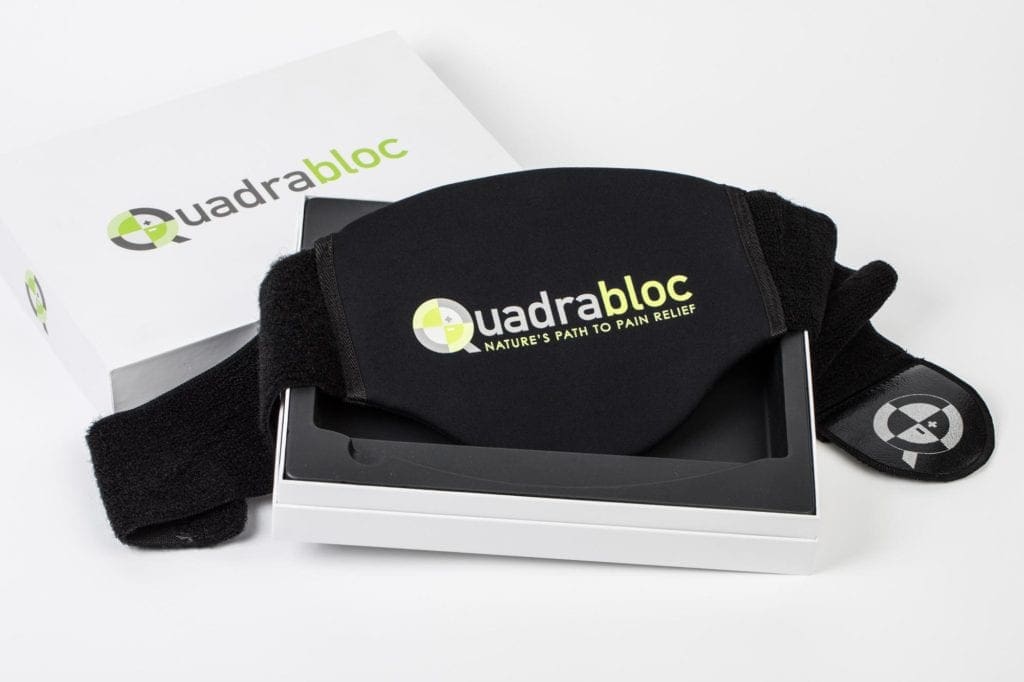
A unique selling proposition is how you position your brand as unique compared to competitors whether it’s by price, quality, convenience, or something else. Essentially, your packaging design should reflect your brand, as maintaining a consistent message to consumers is important for branding.
Your unique selling proposition should be considered when selecting the type of packaging product, material, graphics, and structural design. For example, if your brand is known for selling budget friendly consumer products, then you may want to invest in more cost-efficient solutions. On the other hand, if you are looking for more luxury or quality, then your packaging design should emphasize quality.
There are a wide range of packaging products, materials, print options, and more to address any unique selling proposition. Speak to a packaging specialist, to get the best packaging that reflects your brand.
Sales Channel
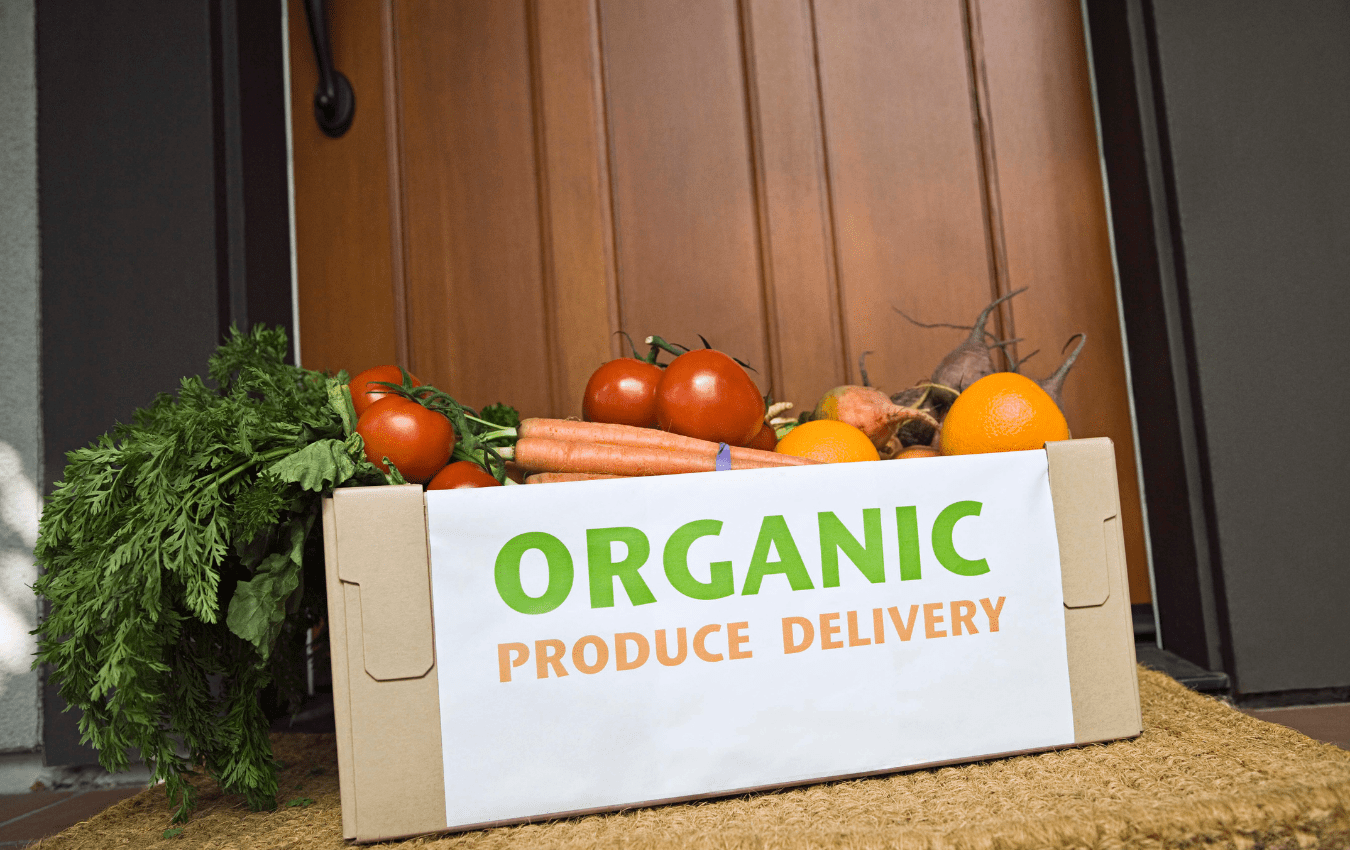
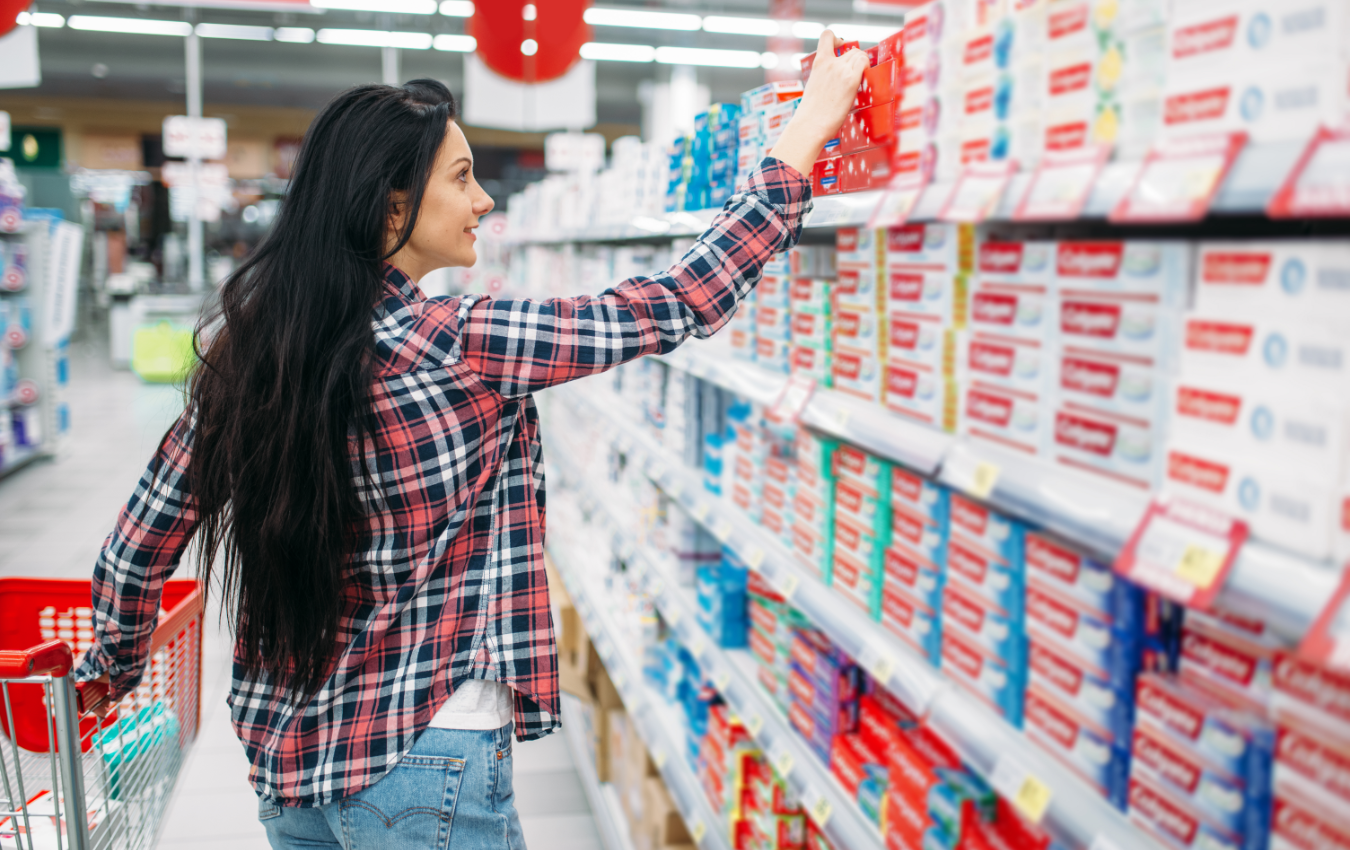
A sales channel refers to where you will be selling your packaging, as the place of sale has a lot to do with consumer standards and regulations. Ecommerce, retail, and club stores each have their own consumer expectations and industry standards for a packaging’s design. By knowing your sales channel, you can focus more on creating a better packaging design.
For example, retailers tend to focus their packaging on being highly attractable to acquire consumers, while club stores are more focused on bulk and quantity packaging. Ecommerce packaging usually emphasizes the packaging experience for a customer, as they want to leave a great post purchase impression for a customer.
By considering your sales channel at the start of your packaging’s design can help you bring your product to market quicker.
Material
Material plays a large role in the structural integrity, functionality, and presentation of your packaging. Choosing the correct material can be critical in the message you send to your customer as material can vary based on price, quality, durability, shelf-life, sustainability and more. Material options will vary among different packaging options such as: corrugated boxes, folding cartons, pouches, rigid boxes, blister packs, and others.
It is best to consider your unique selling proposition, sales channel and product when selecting your packaging’s material.
Structural Design
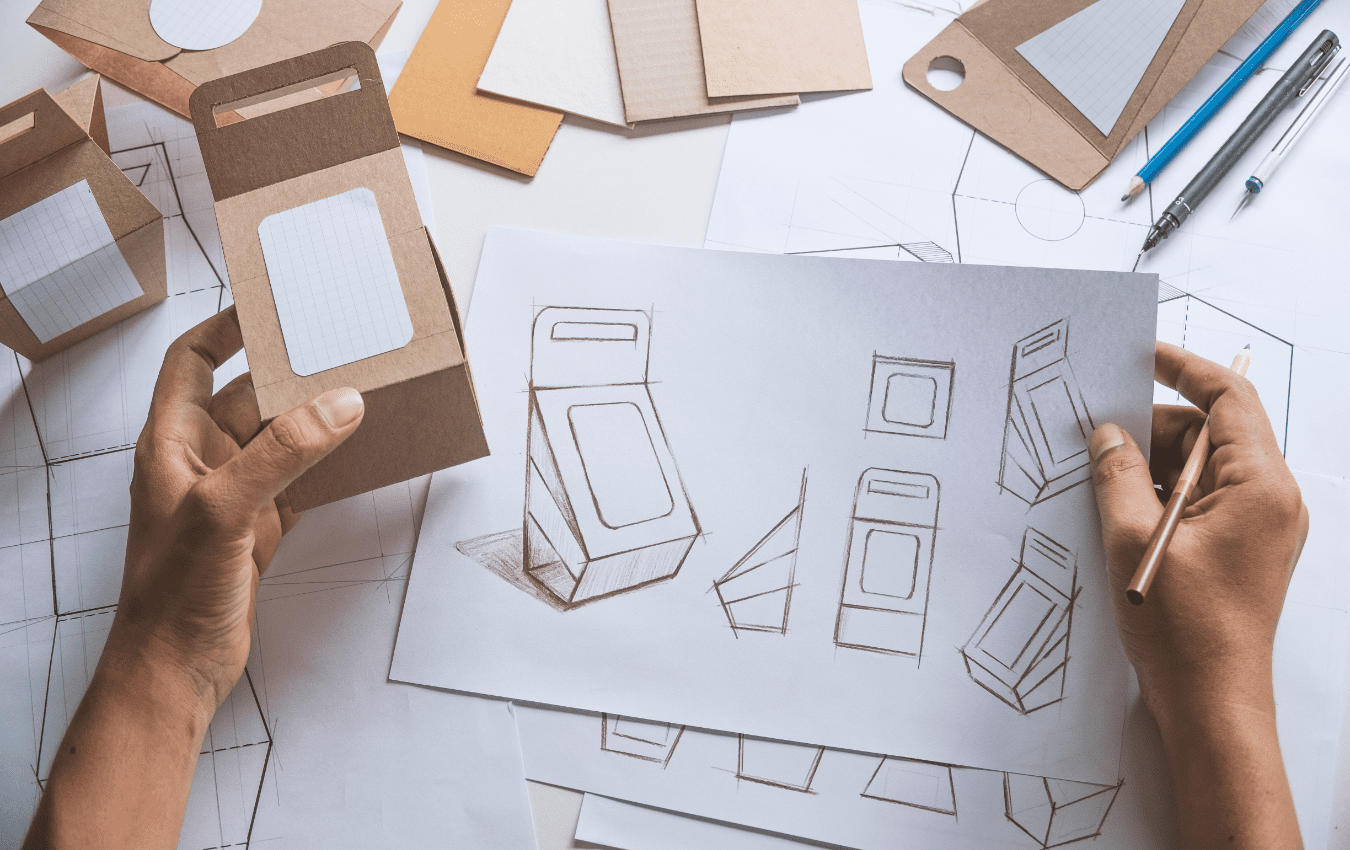
Structural design refers to the dimension and shape of your packaging. If you are packaging a box or display, then it will impact how they will fold. It impacts the durability, material costs, structural integrity, and protection of your product.
To limit damaged products, you should carefully consider your packaging structural design as it will limit products from shifting or falling and becoming damaged. In addition, it can affect how your packaging stands or is stored on a shelf. It may also affect how friendly your package is in storage and in shipping.
Optimize your packaging by carefully considering its structural design.
Graphic Design
Graphic design or artwork helps you communicate with your audience with images, colors, product information, branding and more. Essentially, it plays in the marketability of your product. Depending on your sales channel, budget, and market may warrant you to heavily consider your graphic design.
Additionally, you will want to look at alternative print options as they will affect your overall graphics. Finishes such as (gloss, foil, soft touch, etc.) can be added to your packaging to improve its visual and marketability.
Budget and Costs
Packaging can greatly vary in price depending on the material, structural design, graphic design, print options and other factors. As a result, you should develop a budget for your project. Budgets will help keep you from spending too much on your packaging as well as help you prioritize what matters most.
One thing to consider is the cost of packaging versus the product price. Essentially, the product should be far more valuable and expensive than the packaging. If your packaging exceeds the price of your product or even comes close to it, then your product will not be attractive price wise to your customers.
You may have to consider at your sales channel, unique selling and industry when developing your project’s budget. Remember that your packaging needs to be strong and durable enough to protect and support your product. It is best for you to compare multiple material and design options as it will affect your overall budget.
How To Optimize Your Packaging’s Design
To optimize your packaging’s design, you should partner with a packaging expert that is experienced in projects like yours. If you do not have a packaging expert currently, then partner with Brown Packaging today. We have over 30+ years of helping a wide range of industries optimizing their packaging’s design.
Dimensional (DIM) weight pricing has become a major driver of shipping costs in e-commerce and industrial supply chains. Carriers charge based on the greater of
The first quarter is a critical period for packaging buyers to reset supply levels after the holiday surge. Overstocking ties up capital, while understocking creates
Subscription packaging continues to expand across beauty, food, lifestyle, and specialty products. Buyers must balance branding, protection, and sustainability while keeping fulfillment efficient. This checklist
As budgets tighten in 2026, packaging buyers are under pressure to reduce costs without increasing damage rates. Cutting too aggressively can lead to product loss,
Product damage is one of the most expensive risks in packaging. Beyond replacement costs, damaged goods lead to lost sales, returns, and reputational harm. In
Retail packaging continues to evolve as brands balance sustainability, supply chain performance, and consumer experience. In 2026, buyers face new challenges shaped by material innovation,
Home » Packaging Design: 6 Things You Should Consider

In the world of product manufacturing and retail, packaging plays a crucial role in protecting products, attracting consumers, and conveying brand messages. Among the various

As 2025 approaches, the U.S. packaging industry faces significant shifts due to proposed tariffs aimed at encouraging domestic sourcing. These changes could reshape supply chains,

Point of Purchase (POP) displays are an effective way to promote products and increase sales in retail environments. The trends for POP displays in 2023