Home » How to Use Print Strategically on Folding Cartons
How to Use Print Strategically on Folding Cartons
Folding cartons are one of the most versatile forms of retail packaging—and how you print on them can make the difference between a product that blends in and one that commands attention. Strategic printing isn’t just about aesthetics; it’s about communicating value, increasing shelf appeal, and making your packaging work harder without adding cost.
Here’s how to use print effectively to elevate your folding cartons—whether you’re working with skincare, supplements, food, electronics, or lifestyle products.
Use Print to Create Visual Hierarchy
Your folding carton only has a few seconds to make an impression on the shelf. Strategic printing helps guide the customer’s eye to what matters most.
Tips:
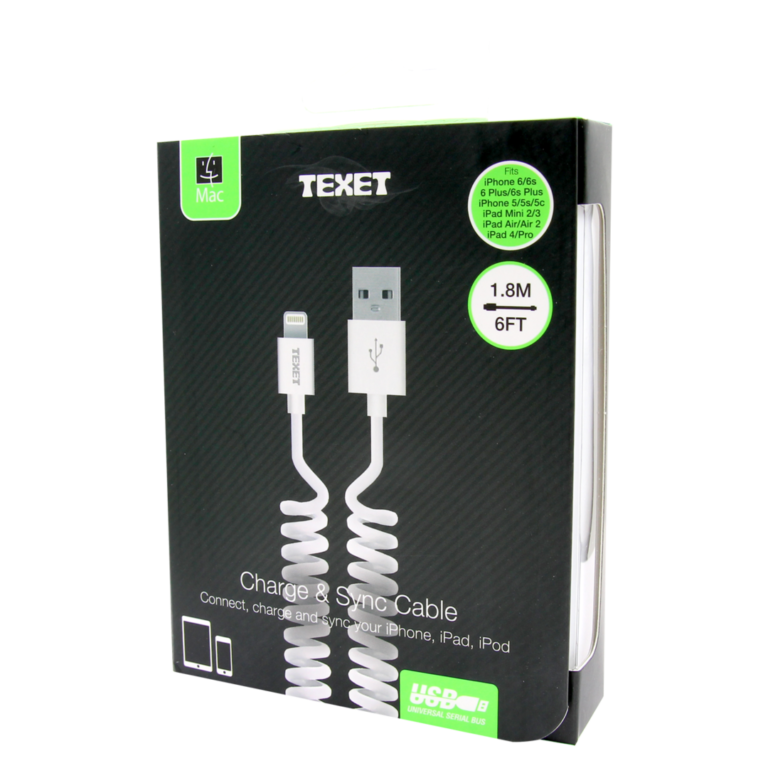
- Use bold, contrasting colors or finishes (spot UV, foil) to highlight your brand name or logo
- Place key selling points (benefits, claims, features) front and center using larger font sizes
- Use typography and spacing to separate messaging and improve readability
✅ Helps the customer immediately understand what your product is and why it matters
✅ Improves visual impact without changing the structure
✅ Reduces reliance on costly redesigns by making the most of layout
Match Print Quality to Product Value
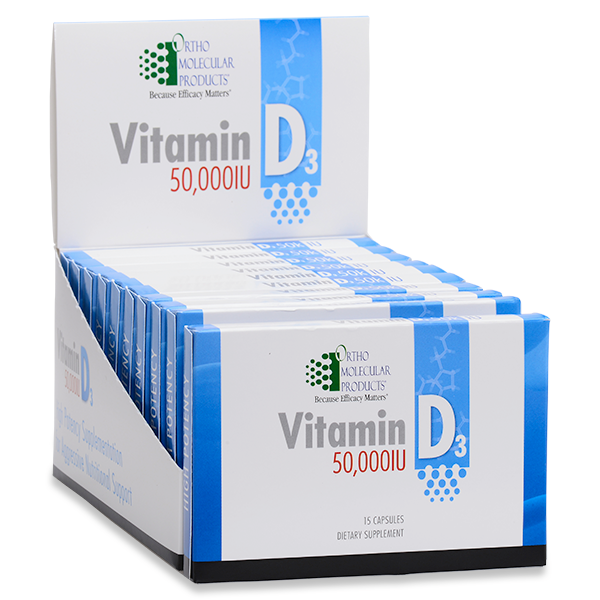
Your packaging should reflect the value of the product inside. Low-quality print on a premium item creates confusion—or worse, distrust. Use printing to reinforce brand perception.
Recommendations:
- For high-end products, use offset or digital printing with high-resolution artwork
- Consider soft-touch coating, foil stamping, or embossed logos to enhance tactile appeal
- For entry-level products, clean flexo printing with sharp colors and simple messaging works well
✅ Aligns packaging with price point
✅ Builds customer trust and perceived quality
✅ Supports brand consistency across SKUs
Make the Most of Every Panel
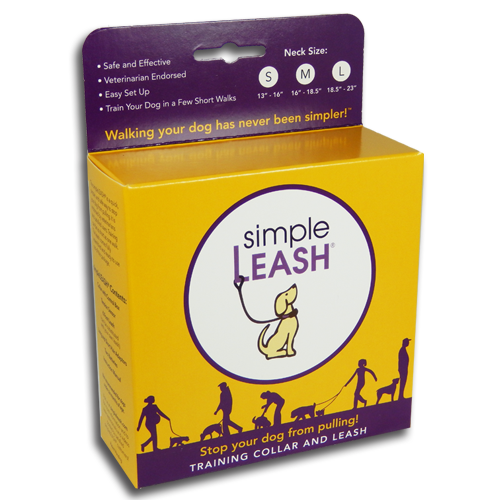
Most folding cartons have six printable panels—front, back, two sides, top, and bottom. Don’t waste the real estate.
Strategies:
- Use side panels for storytelling: sustainability efforts, brand values, QR codes
- Use bottom or inner flaps for certifications or required disclosures
- Add interactive elements (e.g., scan-to-learn codes) to drive post-purchase engagement
✅ Adds value without extra packaging
✅ Keeps primary panels clean and uncluttered
✅ Improves consumer education and brand connection
Use Print to Simplify SKU Management
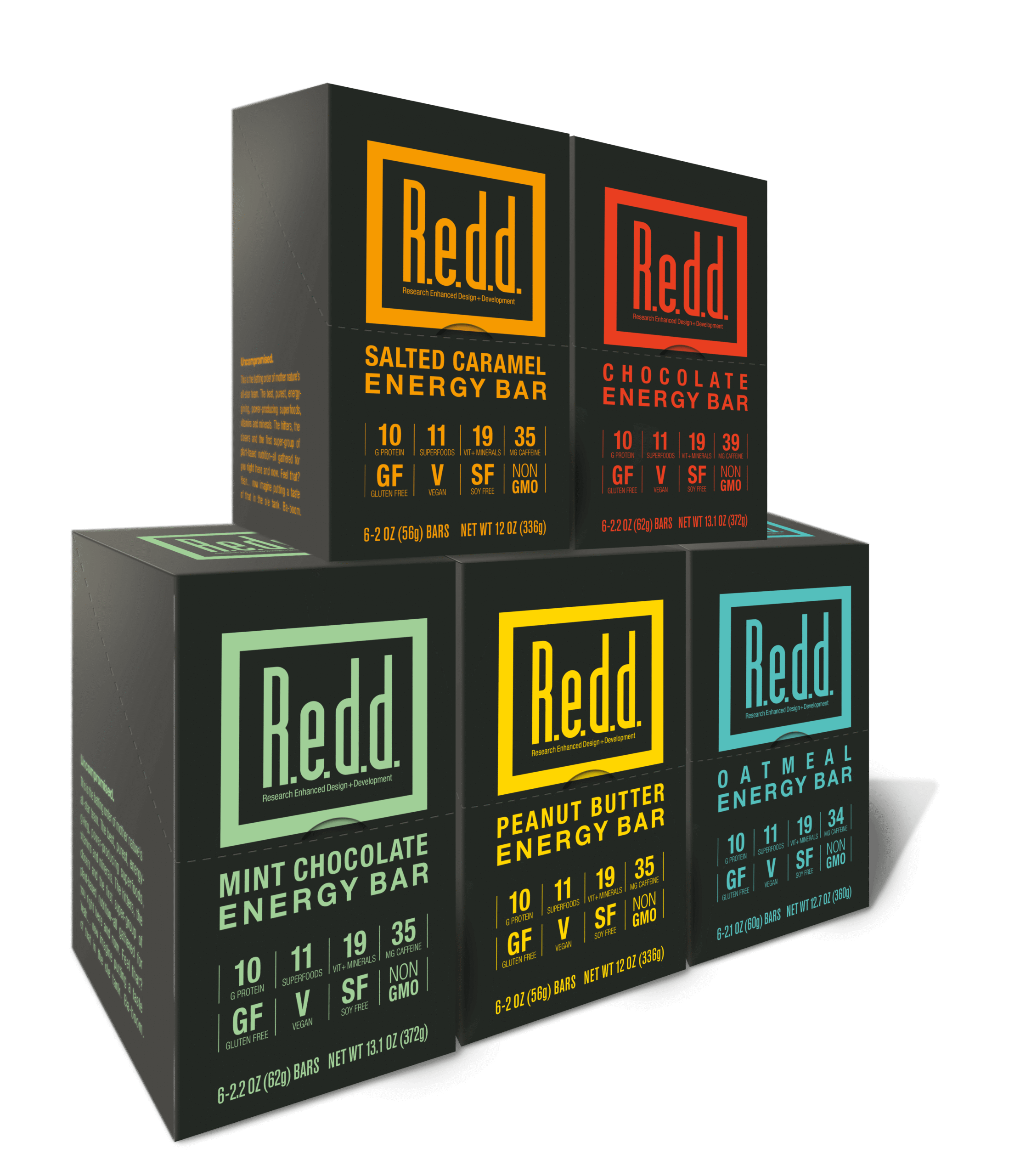
For brands managing multiple SKUs or flavor/variant lines, digital printing or smart layout choices can reduce production complexity.
Tactics:
- Create a shared dieline with only small design changes per SKU (e.g., color blocks, product names)
- Use black plate changes to keep core branding consistent while personalizing each version
- Leverage short-run digital printing for seasonal or promotional packaging
✅ Reduces setup and plate costs
✅ Increases flexibility for new launches
✅ Speeds up time to market for new variants
Print for Retail Compliance
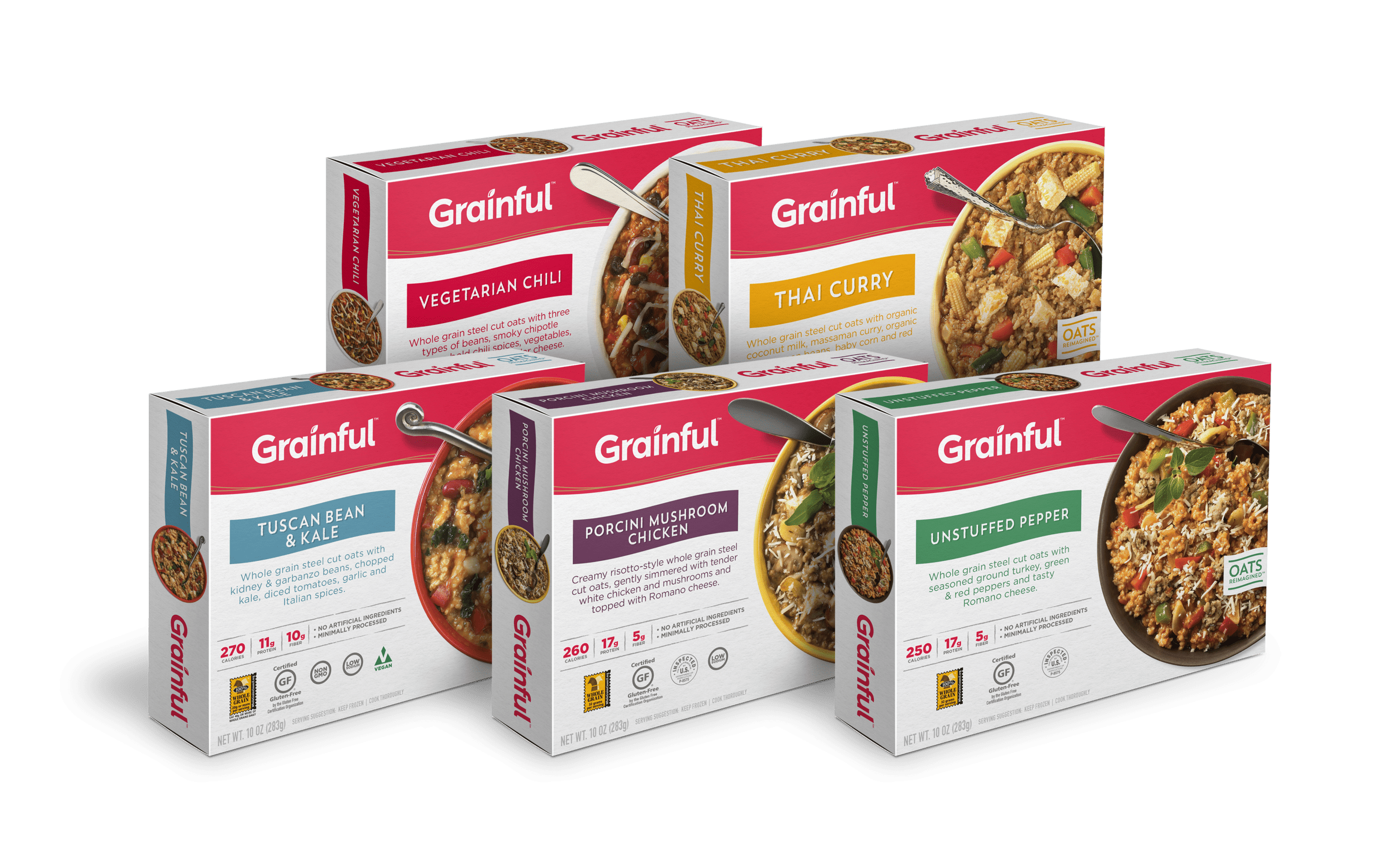
Many retailers—especially in food, supplement, and cosmetic categories—have strict requirements around what’s displayed and where.
Best practices:
- Print barcodes and expiration dates in scannable, clearly defined areas
- Use appropriate font sizes and spacing for ingredients, warnings, or supplement facts
- Leave space for lot coding or labeling if filled after printing
✅ Helps avoid costly chargebacks or relabeling
✅ Ensures legal compliance and customer clarity
✅ Streamlines vendor approvals
Create a Memorable Unboxing Moment
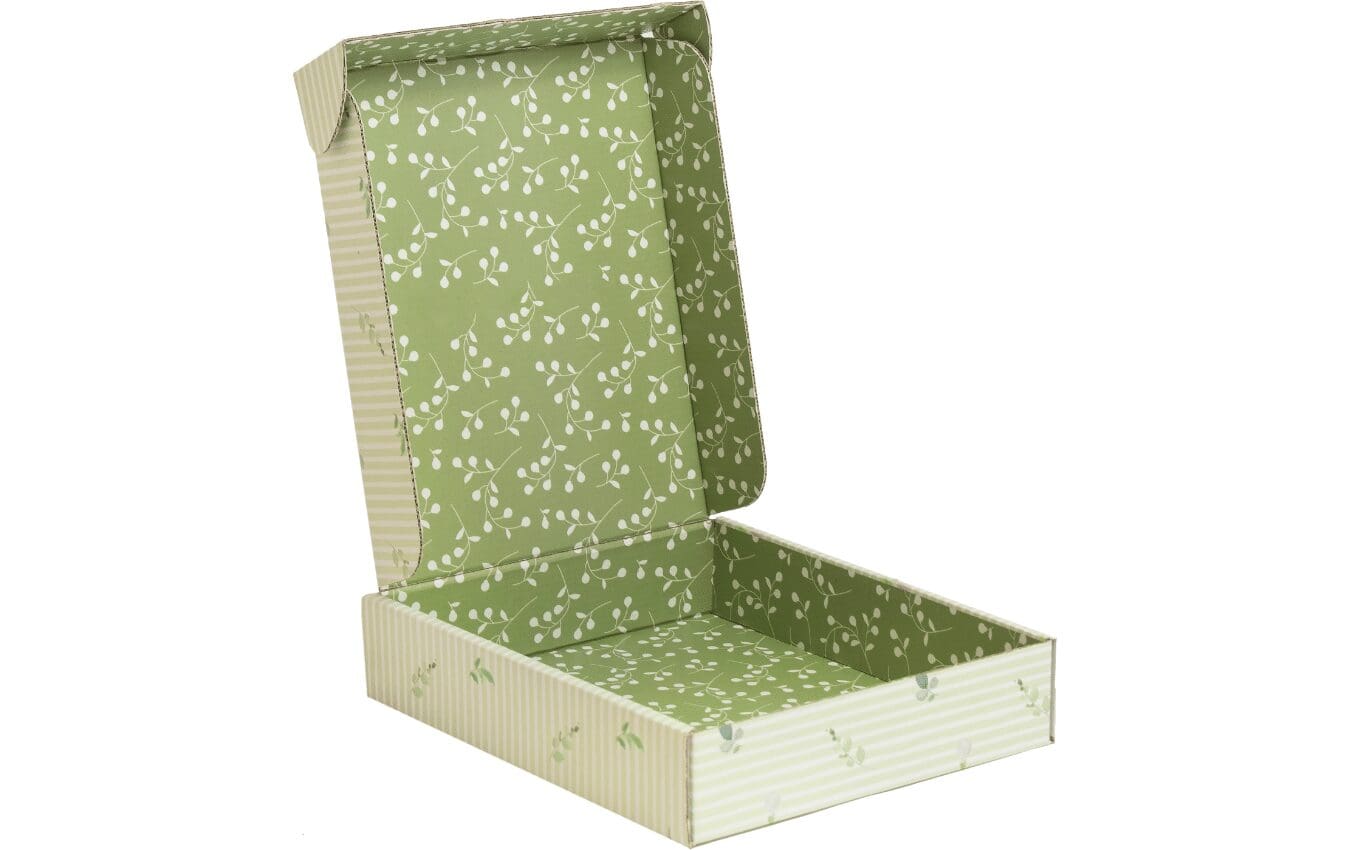
Folding cartons aren’t just for shelves—they also deliver an unboxing experience. The inside of the carton is an underutilized branding space.
Ideas:
- Print a thank-you message or tagline inside the top flap
- Include hidden branding, illustrations, or QR codes inside the box
- Use the interior to reinforce key product benefits or cross-sell other products
✅ Turns packaging into a brand moment
✅ Encourages sharing and customer loyalty
✅ Adds value without structural changes
Keep Production Methods in Mind
Not every finish or design choice works with every printing method. Knowing the strengths of each helps you make the most cost-effective decision:
- Digital printing is perfect for small batches, personalized runs, or multiple SKUs
- Offset printing is ideal for high-quality retail packaging in larger volumes
- Flexographic printing is budget-friendly for basic folding cartons or larger quantities with simpler designs
✅ Ensures print decisions align with volume, speed, and budget
✅ Reduces production delays and unexpected costs
Final Thoughts
Your folding carton is more than just a box—it’s your on-shelf sales rep, brand ambassador, and customer touchpoint all in one. Strategic use of print can transform ordinary packaging into a powerful marketing tool, helping you communicate, connect, and convert.
Need help making your folding carton print work harder?
We’ll help you choose the right design, layout, and print method to bring out the best in your packaging—without overcomplicating your process or budget.
Subscription packaging continues to expand across beauty, food, lifestyle, and specialty products. Buyers must balance branding, protection, and sustainability while keeping fulfillment efficient. This checklist highlights the critical areas buyers
As budgets tighten in 2026, packaging buyers are under pressure to reduce costs without increasing damage rates. Cutting too aggressively can lead to product loss, higher return rates, and frustrated
Product damage is one of the most expensive risks in packaging. Beyond replacement costs, damaged goods lead to lost sales, returns, and reputational harm. In 2026, complex e-commerce, global shipping,
Retail packaging continues to evolve as brands balance sustainability, supply chain performance, and consumer experience. In 2026, buyers face new challenges shaped by material innovation, compliance requirements, and rising consumer
Home » How to Use Print Strategically on Folding Cartons

Gift-giving is a timeless tradition, and the packaging plays a crucial role in making the gesture even more special. When it comes to choosing the right gift box, there are several options available, each with its own unique characteristics. In this blog, we’ll delve into the world of gift packaging and compare three popular choices: corrugated boxes, folding cartons, and rigid boxes. By understanding the features, pros, and cons of each, you can make an informed decision and enhance your gift-giving experience. Corrugated Boxes Corrugated boxes are a versatile and cost-effective option for gift packaging. They are constructed from three layers of paper, with a fluted inner layer sandwiched between two flat liner boards. Here’s what you need to know: Pros: Durability: Corrugated boxes are known for their strength and resilience, making them ideal for shipping delicate or fragile gifts. Customizability: They can be easily customized with various printing options, making it easy to add a personal touch. Eco-Friendly: Many corrugated boxes are made from recyclable materials, appealing to environmentally conscious consumers. Affordability: These boxes are typically more budget-friendly compared to rigid boxes. Cons: Aesthetic Limitations: Corrugated boxes may lack the elegance and sophistication of rigid boxes or folding cartons. Bulkiness: They tend to be bulkier than other options, which can be a concern if storage space is limited. Folding Cartons Folding cartons are the most common type of packaging for retail products and gifts. They are typically made from paperboard and are designed to fold flat for easy storage and shipping. Let’s explore their advantages and disadvantages: Pros: Aesthetic Appeal: Folding cartons offer a wide range of design possibilities, allowing for eye-catching graphics, unique shapes, and luxurious finishes. Space-Efficient: They are space-efficient when stored flat and can be easily assembled when needed. Versatility: Folding cartons come in various sizes and shapes, catering to a wide range of gift-giving occasions. Printing Quality: The smooth surface of paperboard ensures high-quality printing, making it perfect for detailed graphics and images. Cons: Less Durability: Folding cartons are not as sturdy as corrugated boxes or rigid boxes, so they may not be suitable for heavy or fragile items. Limited Customization: While they offer design flexibility, they might not provide the same level of customization as rigid boxes. Rigid Boxes Rigid boxes, also known as setup boxes or gift boxes, are synonymous with luxury and premium gift packaging. These boxes are made from thick, rigid board and are known for their sturdiness and elegance. Let’s explore their attributes: Pros: Luxury and Elegance: Rigid boxes exude luxury and sophistication, making them perfect for high-end gifts and occasions. Durability: They offer exceptional protection for fragile or valuable items, ensuring the gift arrives in pristine condition. Customization: Rigid boxes can be fully customized with premium printing, embossing, foil stamping, and other embellishments. Reusability: Many recipients cherish rigid boxes and reuse them for storage or as decorative items. Cons: Cost: Rigid boxes are more expensive to produce than corrugated boxes or folding cartons, making them less budget-friendly. Storage: They take up more storage space due to their rigidity, which may not be practical for everyone. If you are interested in gift boxes, whether they are corrugated boxes, folding cartons or rigid boxes, then partner with Brown Packaging today to get started. (714)300-0650 request@brownpackaging.com Most Recent Posts: Categories: Corrugated Ecommerce ESD Design Display Flexible Packaging Foam Folding Carton Packaging Plastic Packaging Pouch Printing Protection Retail Rigid Box Thermoform Sustainability Subscribe To Our Newsletter By submitting your information, you agree to our terms and conditions and privacy policy. Custom Packaging Facebook Twitter LinkedIn Pinterest Relevant Posts
Solid Bleached Sulfate (SBS), often used under the umbrella term “paperboard,” is a common packaging material used in North America to package everyday consumer good products such as personal care, pharmaceuticals, snacks, confectionery, electronics, and other items. Typically, SBS material is used to manufacture folding cartons in addition to pads and packaging inserts. What is Solid Bleached Sulfate? SBS material is manufactured from hardwood and chemically pulped fibers that are bleached, refined, and formed into one or multi-ply board on fourdrinier-type paperboard machines. Once processed, the material is produced in to double sided white plain sheets. They are coated 1 side or both sides. Coating helps to create a better surface for printing. It can be manufactured into a variety of densities to help manage material costs and strength required for product support. Solid Bleached Sulfate Properties SBS folding cartons have an ultra-smooth surface since the material is made with short hardwood fibers that are coated and polished, which makes a high level of quality offset lithography, flexography, and digital printing. SBS material is extremely versatile, high in quality and can be used for films, metalized foil laminations, embossing and other finishes, gluing and high-speed filling. In addition, this material can easily be manufactured in to a folding carton as it can be cleanly cut and printed with high speed. Solid bleached sulfate is typically more costly to produce than other folding carton materials such other paperboard substrates. The durability of SBS folding cartons is adequate to hold small and lightweight items for long periods of time. However, overtime the material is susceptible to yellowing if exposed to sunlight or UV rays. Despite have good stiffness and compression capabilities, SBS folding cartons are not the most prominent in being tear resistant. Solid Bleached Sulfate Folding Carton Applications SBS folding cartons are highly versatile and made with quality material which makes it popular in a wide variety of packaging applications. However, due to its durability and strength limitations, SBS folding cartons are primarily used to package non-expensive, nonfragile, lightweight, and small items. SBS folding cartons can come in many styles to help accommodate products. The most popular styles include straight tuck end (STE), reverse tuck end (RTE), auto bottom and full seal. See images below to compare the visual differences between the styles. Straight Tuck End (STE) Folding Carton with hanging tab Reverse Tuck End (RTE) Folding Carton with locking tab Auto Bottom Folding Carton Full Seal Folding Carton Many industries such as food, electronic, medical, cosmetic use these folding cartons to display, ship and protect their products, as SBS material provides an ultra-surface and high-quality print options. Common food packaging applications include: snacks, confectionary, cereal, bakery products and other items. For food applications, there are versions which are laminated with poly film for grease resistance. Electronics packaging applications consist of accessories, toys, devices and more. Medical applications include medicine, devices, and other consumer goods. Beauty and personal care products supply such as eyeshadow, lipstick, lotion, face cream, serums and oils are packaged into SBS folding cartons. Summary: Solid Bleached Sulfate Folding Cartons Ultimately, SBS folding cartons are extremely versatile in customization and are primarily used by different industries to package a wide variety of items in highly competitive retail environment with its high visual graphics and smooth quality surface. If you are interested in folding cartons, bringing your product to retail or improving an existing product’s packaging, then contact Brown Packaging today to get started. (714)300-0650 request@brownpackaging.com Most Recent Posts: Categories: Corrugated Folding Carton Display Packaging Rigid Box Subscribe To Our Newsletter By submitting your information, you agree to our terms and conditions and privacy policy. Custom Folding Cartons Facebook Twitter LinkedIn Pinterest Relevant Posts

Rigid boxes are known for their premium feel, durability, and high-end presentation, making them the go-to choice for luxury goods, cosmetics, electronics, and gift packaging. But what really sets a rigid box apart isn’t just its structure—it’s the printing and finishing. Whether you’re aiming for elegance, bold visuals, or a tactile unboxing experience, the right combination of print method and finishing technique is key to bringing your packaging to life. Here’s a breakdown of the most popular options and what you should know about each. Most Common Printing Methods for Rigid Boxes Lithographic (Offset) Printing This is the most popular method for rigid boxes, offering high-resolution, full-color prints with sharp detail and excellent consistency. Best For: Retail and luxury branding Cosmetics, electronics, and fashion Complex, photo-quality graphics Pros:✔ Sharp, clean visuals✔ Perfect for detailed or high-color designs✔ Supports all major finishes (emboss, foil, etc.) Digital Printing A growing option for short runs and fast turnarounds, digital printing allows direct-to-substrate printing without the need for plates. Best For: Personalized or versioned packaging Low to mid-quantity runs Limited editions or fast product launches Pros:✔ No plate/setup fees✔ Great for multi-SKU designs✔ Fast turnaround for samples and full runs Screen Printing Used selectively for rigid boxes, screen printing offers rich, opaque color—especially for specialty applications like matte white on dark backgrounds or bold, single-color graphics. Best For: Minimalist designs Bold spot colors Specialty textures Pros:✔ Vibrant, high-opacity ink✔ Good for metallics or spot finishes✔ Works well with textured materials Hot Stamping (Foil Stamping) Hot stamping uses heat and pressure to apply metallic or pigmented foil onto the box, creating eye-catching, reflective accents.Best For: Logos, monograms, premium accentsPros:✔ Adds visual and tactile impact✔ Available in metallics, holographics, and pigment foils✔ Often used with embossing for layered effects Popular Finishes for Rigid Boxes Printing sets the tone, but finishing brings the texture, shine, and impact. Here are the most common enhancements used to make rigid boxes stand out: Matte and Gloss Lamination These are protective film coatings added after printing that affect the look and feel of the box. Matte: Soft, elegant, non-reflective Gloss: Shiny, vibrant, enhances color contrast Application: Cosmetics, tech, fashion, lifestyle products Soft-Touch Coating This ultra-smooth finish adds a velvety, premium texture. Often paired with minimalistic designs or foil accents for a luxury effect. Application: High-end electronics, skincare, subscription boxes Foil Stamping Foil stamping uses heat and pressure to apply metallic foil (gold, silver, copper, holographic) to the box surface. Application: Logo treatments, luxury branding, gift sets Popular Foil Colors: Gold, silver, rose gold, holographic Embossing & Debossing Embossing raises elements of the design above the surface Debossing presses them into the surface for a recessed effect Often used with logos, borders, or typography to create tactile contrast and brand emphasis. Spot UV Coating This clear, glossy coating is applied only to specific areas—like logos, text, or imagery—to create visual contrast against a matte background. Application: Branding elements, accent graphics, bold visual focal points Linen, Leather, or Specialty Wraps Beyond printing, rigid boxes can be wrapped in textured papers, leather-like materials, or specialty stocks for a distinctive tactile experience. Application: Jewelry, spirits, promotional packaging What to Consider When Choosing Print & Finish Brand identity: Do you want luxurious, modern, bold, or minimal? Product category: Cosmetics, tech, and fashion all have different packaging cues. Volume and budget: Offset is great for large runs, while digital suits smaller ones. Timeline: Some finishes add production time—factor that into your launch. Retail vs. e-commerce: Will customers see the box on a shelf or open it at home? Final Thoughts Rigid boxes are already associated with premium quality—but pairing the right printing method with thoughtful finishes takes them to the next level. Whether you’re going for classic elegance or modern minimalism, the combination of design, texture, and detail will shape how customers perceive your product before they even open it. Need help selecting the right print and finish for your rigid box?We’ll help you build a packaging solution that reflects your brand and stands out with purpose. (714)300-0650 request@brownpackaging.com Most Recent Posts: Categories: Corrugated Ecommerce ESD Design Display Flexible Packaging Foam Folding Carton Packaging Plastic Packaging Pouch Printing Protection Retail Rigid Box Thermoform Sustainability Subscribe To Our Newsletter By submitting your information, you agree to our terms and conditions and privacy policy. Rigid Boxes Facebook Twitter LinkedIn Pinterest Relevant Posts