Home » How Packaging Suppliers Streamline Rigid Boxes for Retail
How Packaging Suppliers Streamline Rigid Boxes for Retail
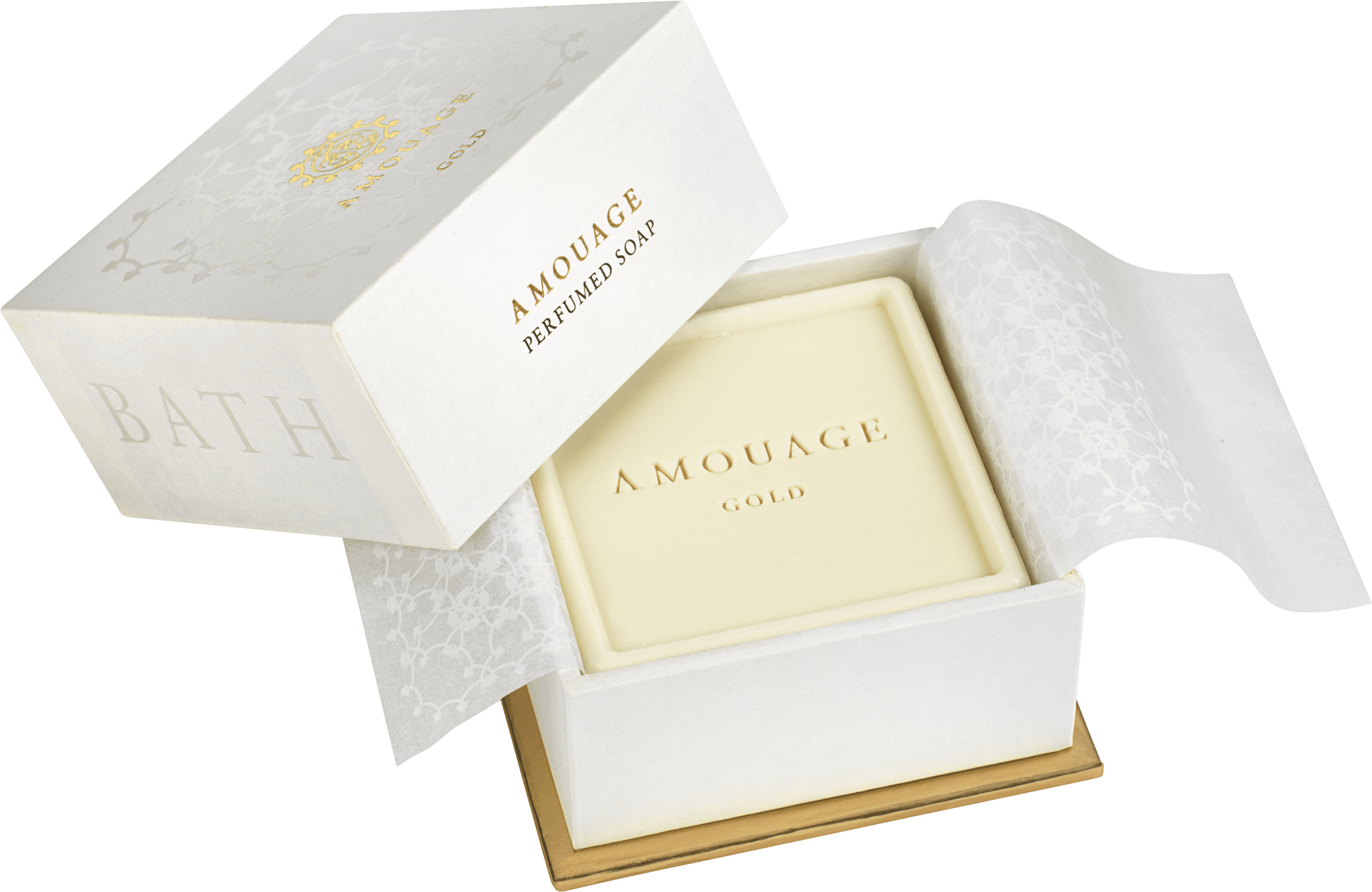
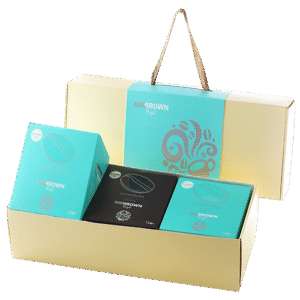
Rigid boxes are the premium standard in packaging—perfect for luxury products, high-end electronics, skincare, and gift sets. But creating a beautiful rigid box is only part of the process. To succeed in retail, your packaging must also meet strict retailer requirements, ensure supply chain efficiency, and deliver an exceptional unboxing experience for the customer.
That’s where the right packaging supplier makes a real difference. From early design support to final delivery, a knowledgeable supplier helps streamline every stage of your rigid box project—so you can get to market faster, stay compliant, and reduce costly packaging missteps.
Aligning Structural Design with Retail Requirements
Every major retailer—Target, Sephora, Walmart, Ulta, Costco—has its own set of packaging specs. A qualified packaging supplier understands these standards and helps ensure your rigid box design meets them from day one.
They’ll help you:
- Choose the right box dimensions and formats for shelf compatibility
- Design boxes that are stackable, protective, and easy to merchandise
- Comply with weight, display, and material restrictions
- Avoid common issues that cause costly rejections
✅ Saves time on approvals
✅ Prevents repackaging or reworking
✅ Positions you for smoother retailer onboarding
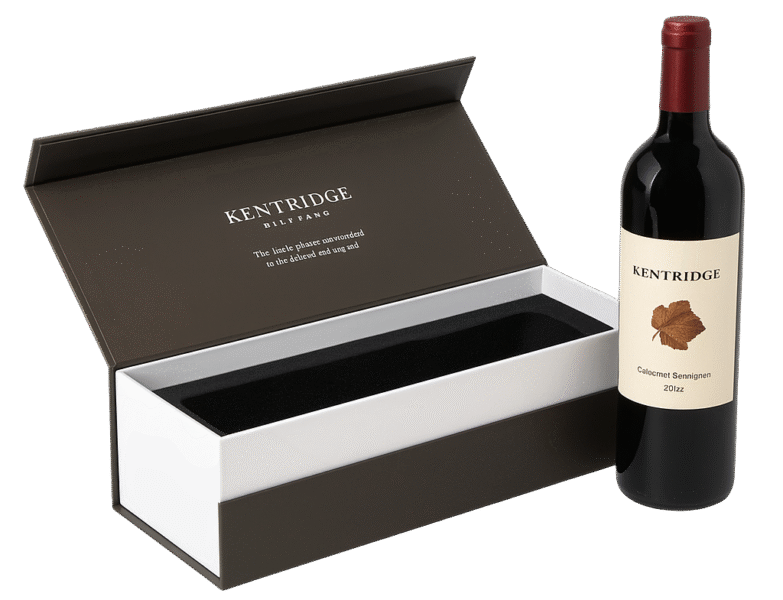
Coordinating Print, Finishes & Branding for Consistency
Retail-ready rigid boxes need to stand out visually while maintaining strict brand consistency across SKUs and product lines. A packaging supplier can oversee the full process—ensuring your logo placement, colors, and finishes are correct on every box, no matter the quantity.
They’ll also advise you on:
- Matching existing packaging elements
- Choosing finishes that enhance shelf appeal (foil, embossing, soft-touch)
- Selecting print methods (offset, digital) that meet timeline and volume needs
- Incorporating interior printing or custom inserts for elevated presentation
✅ Elevates product value and brand perception
✅ Supports promotional versions or line extensions
✅ Helps meet retailer expectations for premium packaging
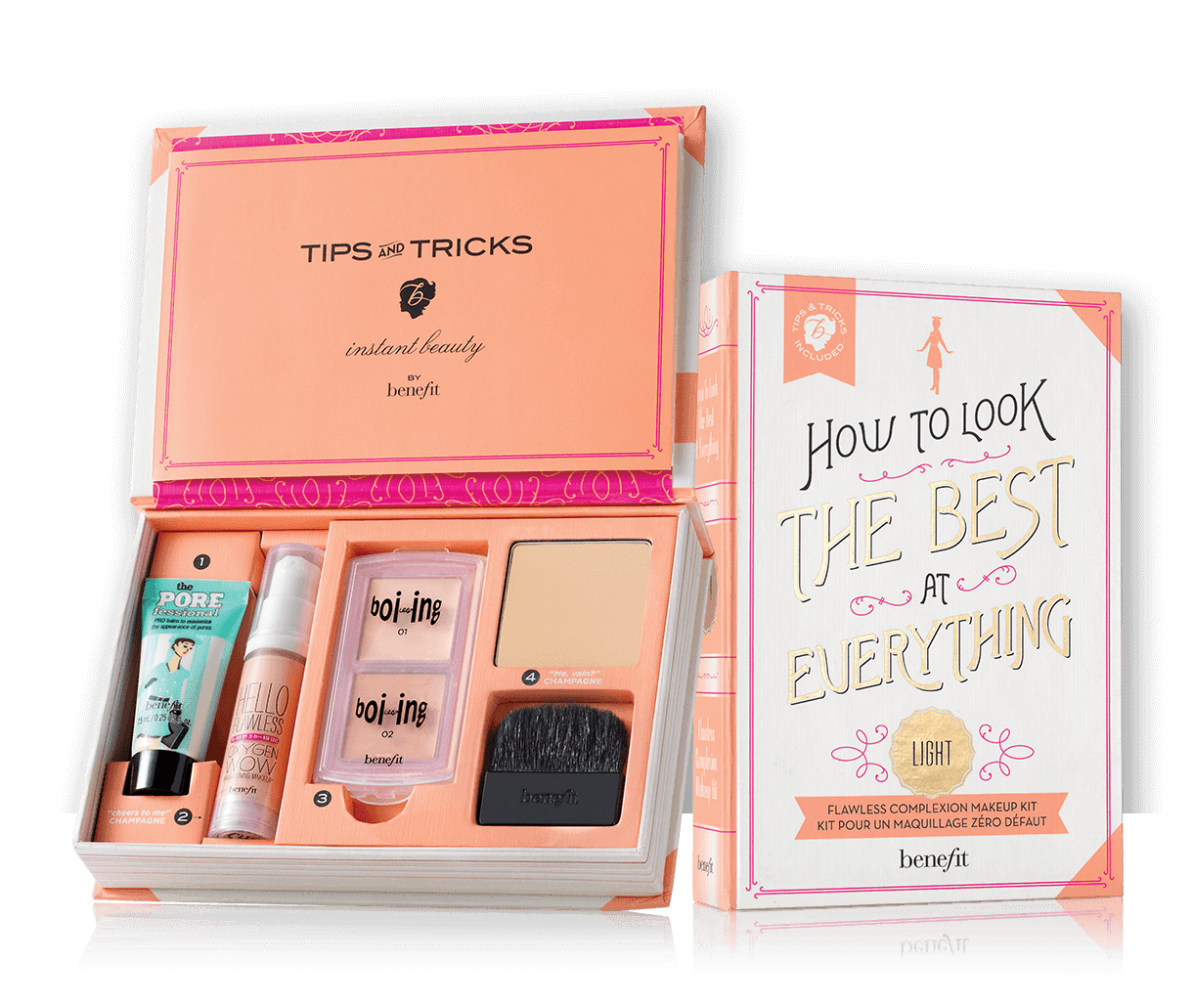
Managing Production and Lead Times Efficiently
One of the biggest challenges with rigid boxes is the longer production time compared to other packaging formats. Working with a supplier means you’ll have production timelines mapped out, risks flagged early, and inventory timed to meet retail delivery windows.
Suppliers help with:
- Coordinating multiple components (base, lid, insert, printing)
- Managing long-lead finishes like embossing or foil
- Setting expectations for inventory drop dates
- Avoiding bottlenecks caused by fragmented communication
✅ Helps you hit critical launch dates
✅ Reduces delays from scattered sourcing
✅ Provides transparency and timeline accountability

Offering Samples, Prototypes, and Pre-Press Checks
Before full production, your supplier can create physical samples or digital proofs to ensure everything—from structure to graphics to fit—is perfect. This step is especially important when dealing with multiple SKUs or new retail accounts.
What they provide:
- Full production mockups or white samples for review
- Guidance on packaging dielines and layout
- Print file proofing for color, resolution, and layout accuracy
- Pre-production testing for inserts, closures, and durability
✅ Reduces costly production mistakes
✅ Ensures fit and finish meets expectations
✅ Speeds up retailer approval and compliance
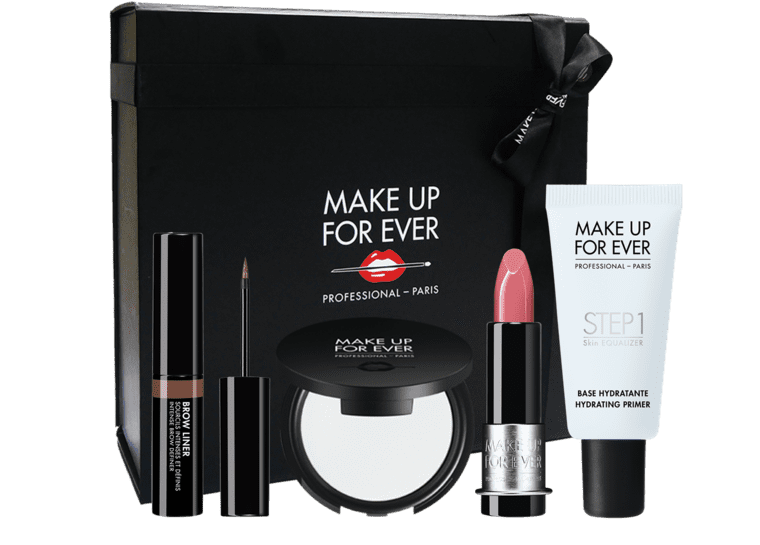
Supporting Fulfillment, Assembly & Shipping Optimization
Many retailers require fully assembled, filled, or shelf-ready packaging. Your supplier can often assist with kitting, packout, or coordination with your co-packer or fulfillment partner to make sure your rigid boxes are ready to go right out of the box.
They can help:
- Pre-build boxes with inserts, tissue, and product placement
- Label, barcode, or shrink-wrap to meet retailer specs
- Pack efficiently for pallet optimization and damage prevention
- Prepare packaging to meet e-commerce AND retail requirements
✅ Reduces labor and fulfillment complexity
✅ Delivers a true turnkey solution
✅ Increases speed to shelf or customer
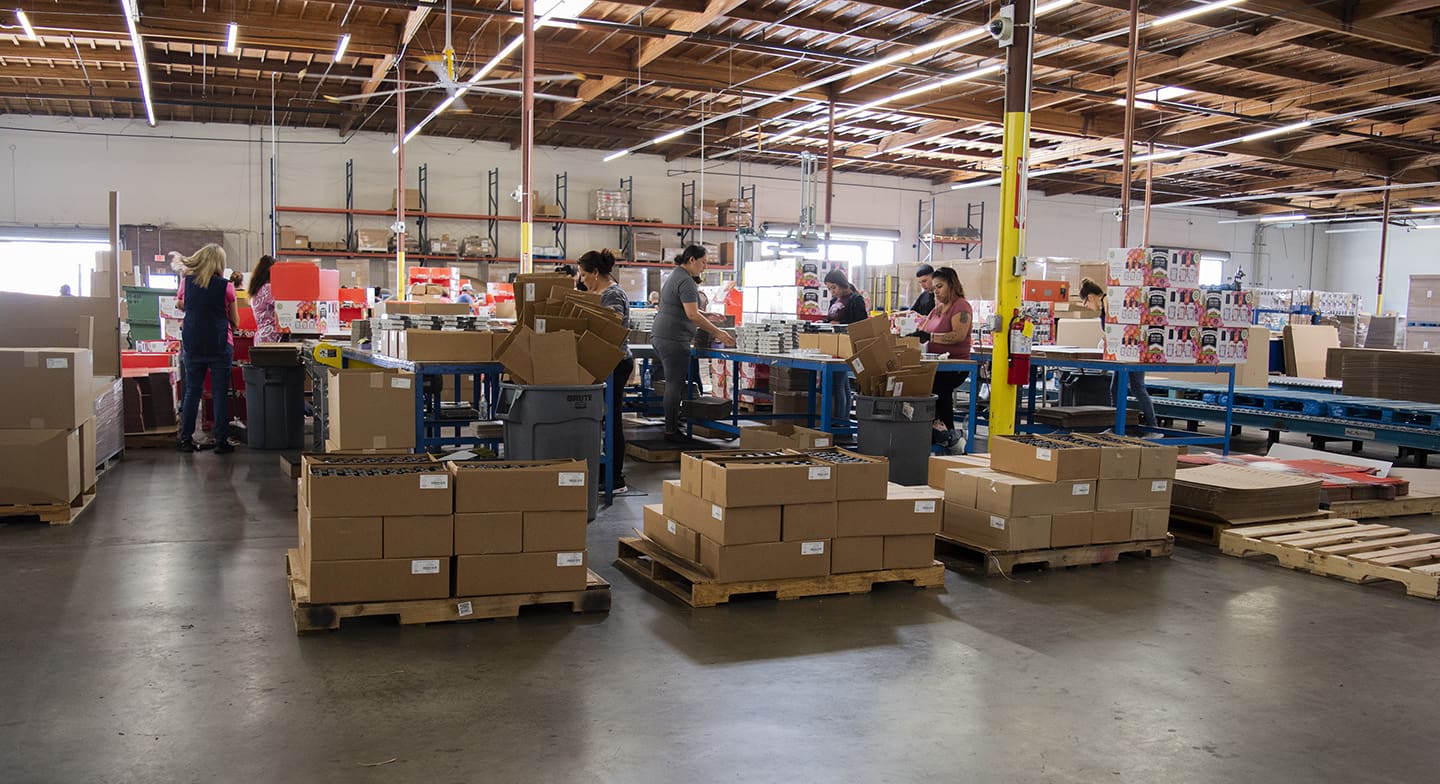
Staying Compliant with Regulations and Sustainability Trends
Retailers expect packaging to meet increasing standards for sustainability, labeling, and material sourcing. A knowledgeable supplier helps you stay ahead of compliance and align with retail trends.
Support may include:
- Guidance on recyclable or eco-friendly materials
- Compliance with food-safe or cosmetic-safe materials
- Material reduction strategies for reduced carbon footprint
- Providing certifications or documentation for retail requirements
✅ Positions your brand as forward-thinking
✅ Prevents compliance delays or rejections
✅ Helps meet retailer sustainability scorecards
Final Thoughts
Rigid boxes can elevate your product—but only when they’re backed by the right strategy, materials, and execution. A reliable packaging supplier helps you do more than just create a beautiful box—they streamline the entire process for retail readiness, brand consistency, and supply chain success.
Need help getting your rigid boxes ready for retail?
We’ll guide you through every step—from design and printing to compliance and delivery—to help you launch with confidence.
Subscription packaging continues to expand across beauty, food, lifestyle, and specialty products. Buyers must balance branding, protection, and sustainability while keeping fulfillment efficient. This checklist highlights the critical areas buyers
As budgets tighten in 2026, packaging buyers are under pressure to reduce costs without increasing damage rates. Cutting too aggressively can lead to product loss, higher return rates, and frustrated
Product damage is one of the most expensive risks in packaging. Beyond replacement costs, damaged goods lead to lost sales, returns, and reputational harm. In 2026, complex e-commerce, global shipping,
Retail packaging continues to evolve as brands balance sustainability, supply chain performance, and consumer experience. In 2026, buyers face new challenges shaped by material innovation, compliance requirements, and rising consumer
Home » How Packaging Suppliers Streamline Rigid Boxes for Retail

With the rise in accidental medication ingestions by children each year, it has become increasingly important to implement child-resistant packaging. Among various packaging solutions, child-resistant blister packs stand out for their potential in enhancing consumer safety. This blog will delve deep into understanding the role of child-resistant blister packs in consumer safety. What are Child-Resistant Blister Packs? Child-resistant blister packs are special types of packaging designed to reduce the risk of children ingesting hazardous substances. These are often used for prescription drugs, over-the-counter medications, and even some types of household chemicals. A perfect example of a child-resistant blister pack is known as a trap pack. A “trap pack” is a specialized packaging designed to thwart unauthorized access, particularly by children, and includes a built-in mechanism or technology to alert caregivers or parents when tampering occurs. These innovative packages enhance child safety by combining physical barriers with real-time alert systems to prevent access to potentially hazardous contents. These packs are specifically designed to be difficult for children to open, usually requiring a level of dexterity or understanding beyond their capabilities. However, they are also designed to allow adults to open them without too much difficulty. Why Child-Resistant Packaging is Important? Over the years, accidental poisoning from medication has been a significant concern. Children are naturally curious and love to explore their environment by tasting, touching, and sniffing unfamiliar objects. If they gain access to potentially harmful substances, such as certain medications or household chemicals, the results can be dangerous or even fatal. According to the American Association of Poison Control Centers, over 50% of the over two million poisoning incidents each year in the United States happen to children under the age of six. This underscores the need for effective child-resistant packaging. Design and Features of Child-Resistant Blister Packs Most child-resistant blister packs feature one or more barriers to entry. These could be hard-to-pierce foils, push-through tabs, or complex series of steps that need to be completed before the medication can be accessed. These features have to strike a delicate balance: being complex enough to deter children, but not so complex that they prevent adults, especially the elderly, from accessing their medication. The Effectiveness of Child-Resistant Blister Packs The introduction of child-resistant packaging has been associated with a significant decline in child poisonings. The US Consumer Product Safety Commission estimates that child-resistant packaging prevents the poisoning of 50,000 children each year in the US alone. Despite this, child-resistant packaging is not child-proof. In other words, given enough time and determination, a child may eventually be able to access the contents of the package. Therefore, while these blister packs add an extra level of safety, they should not be viewed as a replacement for responsible storage of medication and other dangerous substances out of children’s reach. Child-Resistant Blister Packs and Elderly Consumers While child-resistant blister packs are designed to protect children, there’s a group of consumers who sometimes struggle with them: the elderly. Due to potential issues like decreased hand strength and dexterity, or cognitive decline, some seniors find these packs difficult to open. Recognizing this problem, the industry has started to implement dual-functional packaging. These packages maintain their child-resistant properties when closed in one way, but become easy-to-open when closed in another way, catering to the needs of elderly or disabled consumers. The Future of Child-Resistant Packaging The packaging industry continues to innovate in response to the needs of consumers. Emerging technology, like biometrics, may play a role in future child-resistant packaging designs. For example, packaging that only opens with the touch of an adult hand could offer an effective and user-friendly solution. Additionally, there’s ongoing research and development in the area of “trap packs,” which are designed to not only deter children from opening them but also to alert caregivers or parents when tampering is attempted. Summary: Blister Packs and Child Safety Child-resistant blister packs play a crucial role in consumer safety. By making it harder for children to access potentially harmful substances, they significantly reduce the risk of accidental poisoning. However, it’s crucial to remember that these packs are an additional safeguard and not a replacement for careful storage and supervision. As technology advances, we can look forward to even more effective child-resistant packaging solutions. If you are interested in blister packs, then partner with Brown Packaging today to get started. (714)300-0650 request@brownpackaging.com Most Recent Posts: Categories: Corrugated Ecommerce ESD Design Display Flexible Packaging Foam Folding Carton Packaging Plastic Packaging Pouch Printing Protection Retail Rigid Box Thermoform Sustainability Subscribe To Our Newsletter By submitting your information, you agree to our terms and conditions and privacy policy. Blister Packaging Facebook Twitter LinkedIn Pinterest Relevant Posts
Rigid boxes are known for their durability, structure, and high-end feel—but what truly gives them their luxury appeal is the finish. That polished, vibrant exterior you see on high-end packaging? That’s often thanks to a litho label—a printed sheet that’s mounted to the box surface to deliver rich detail, bold color, and elevated texture. In this blog, we’ll explore what litho labels are, why they’re commonly used on rigid boxes, and how they can transform your packaging into a premium brand experience. What Is a Litho Label? A litho label (short for lithographic label) is a high-resolution printed sheet—usually made from paper or specialty stock—that’s adhered to the surface of a rigid box using glue or mounting equipment. Litho labels are produced using offset (lithographic) printing, which is known for: Crisp detail Vivid color accuracy Smooth gradients and photo-quality imagery Compatibility with coatings like gloss, matte, or soft-touch Once printed, the label is mounted onto the rigid box, giving it a refined appearance that can’t be achieved through direct-to-board printing. Why Litho Labels Are Ideal for Rigid Boxes Rigid boxes are made from thick, dense paperboard (often chipboard), which isn’t suitable for high-quality direct printing. Litho labels solve that by providing a premium printed surface that wraps the box cleanly. Benefits of Litho Labels on Rigid Boxes: ✅ Photo-Quality GraphicsPerfect for showcasing detailed artwork, branding, or imagery that reinforces luxury positioning. ✅ Wide Range of FinishesLitho labels can be laminated or coated with gloss, matte, soft-touch, or spot UV, depending on your aesthetic. ✅ Tactile EnhancementEmbossing, debossing, and foil stamping can be applied on top of the label for even more depth and visual interest. ✅ Consistent Quality Across BatchesOffset printing offers high repeatability, making litho labels ideal for brands that demand precision and consistency. Popular Applications for Litho-Labeled Rigid Boxes You’ll find litho labels in nearly every premium category, especially where first impressions and unboxing matter. Common uses include: Cosmetics & skincare kits Premium electronics packaging Subscription or influencer boxes High-end spirits or beverage boxes Luxury fashion or accessories Gift boxes and holiday promotions Whether displayed in-store or shipped DTC, litho-labeled rigid boxes instantly elevate the perceived value of the product inside. Design Freedom and Branding Possibilities Because litho labels are printed before they’re applied, they give you more flexibility in design than other packaging types. You can: Use full-bleed artwork and photo backgrounds Add intricate patterns or subtle gradients Include metallic inks or layered finishes Create seamless designs across lids and bases This allows your packaging to act as an extension of your brand—not just a container, but a premium visual statement. When Should You Use Litho Labels? If you’re investing in rigid box packaging and want to maximize visual impact, litho labels are the industry standard. They’re the right choice when: Your brand prioritizes premium presentation You need high-definition imagery or color matching Your packaging will be seen in high-end retail environments You’re building a luxury unboxing experience for influencers or direct customers For mid-range or mass-market packaging, simpler wraps or direct-to-board printing may suffice—but when presentation drives perception, litho-labeled rigid boxes deliver. Final Thoughts Litho labels bring rigid boxes to life. They combine the strength and structure of rigid packaging with the visual impact of high-end print finishes, making them a top choice for brands that want to stand out on the shelf—and in customers’ hands. Ready to create a premium rigid box with litho labeling?We’ll help you design the perfect combination of structure, print, and finish to match your product’s value and your brand’s voice. (714)300-0650 request@brownpackaging.com Most Recent Posts: Categories: Corrugated Ecommerce ESD Design Display Flexible Packaging Foam Folding Carton Packaging Plastic Packaging Pouch Printing Protection Retail Rigid Box Thermoform Sustainability Subscribe To Our Newsletter By submitting your information, you agree to our terms and conditions and privacy policy. Rigid Boxes Facebook Twitter LinkedIn Pinterest Relevant Posts

Launching a product in a retail chain or club store is a significant milestone for any brand. However, this process can come with challenges, particularly when it comes to meeting specific packaging guidelines. Non-compliance with these guidelines often leads to product rejection, a setback that can be costly both in terms of time and resources. This blog post lists some of the biggest mistake’s brands make in their packaging, which lead to rejection by retail chains and club stores. Ignoring Specific Packaging Requirements Each retail chain or club store has its own set of packaging requirements. Common oversights include: Size and Dimension Neglect: Packaging that is too large or too small for standard shelving can lead to rejection. Material Restrictions: Some retailers have restrictions on certain packaging materials, often for sustainability reasons. Inadequate Packaging Strength: Packaging that doesn’t provide sufficient protection to withstand the retail environment. Inadequate Branding and Design Packaging that fails to stand out or communicate the brand effectively can be detrimental. Poor Visibility: Designs that don’t catch the consumer’s eye or blend in too much with competitors. Confusing Messaging: Packaging that fails to clearly communicate what the product is and its benefits. Non-Compliance with Branding Guidelines: Retailers may have specific branding guidelines that need to be adhered to. Failure to Consider User Experience User experience is paramount, and overlooking it can lead to product rejection. Difficult to Open or Use: Packaging that is consumer-unfriendly can be a significant deterrent. Lack of Information: Essential information like usage instructions, ingredients, or warnings needs to be clear and easily accessible. Non-Adherence to Regulatory Compliance Not complying with legal and regulatory requirements is a serious error. Missing or Incorrect Labeling: This includes nutritional information, ingredient lists, and safety warnings. Barcode Issues: Barcodes that are incorrectly placed or hard to scan can lead to logistical issues. Underestimating the Importance of Sustainability Sustainability is increasingly becoming a priority for retailers and consumers alike. Non-Recyclable Materials: Using materials that are not eco-friendly can be a reason for rejection. Excessive Packaging: Over-packaging not only wastes resources but can also be looked down upon by eco-conscious retailers and consumers. Overlooking Transportation and Storage Requirements Failing to consider how a product is transported and stored can lead to packaging damages and subsequent rejection. Poorly Designed for Shipping: Packaging that doesn’t protect the product during transit. Storage Inefficiency: Packaging that isn’t designed for efficient storage can be problematic in the retail space. Ignoring Cost-Effectiveness Retailers are always looking for products that offer them a good margin. Overpriced Packaging: Excessively expensive packaging can drive up the product cost, making it less attractive to retailers. Inefficient Packaging Process: Packaging that is costly or time-consuming to assemble can also be a drawback. If you are looking interested in retail packaging, contact Brown Packaging today to get started. (714)300-0650 request@brownpackaging.com Most Recent Posts: Categories: Corrugated Ecommerce ESD Design Display Flexible Packaging Foam Folding Carton Packaging Plastic Packaging Pouch Printing Protection Retail Rigid Box Thermoform Sustainability Subscribe To Our Newsletter By submitting your information, you agree to our terms and conditions and privacy policy. Retail Packaging Facebook Twitter LinkedIn Pinterest Relevant Posts