
Home » How Much Weight Can a Corrugated Box Hold?
How Much Weight Can a Corrugated Box Hold?
The weight a corrugated box can hold depends on factors such as box construction, material grade, flute size, and box dimensions. Corrugated boxes are designed to protect and hold items during storage and shipping efficiently. A standard single-wall corrugated box can hold between 20 to 120 pounds, while double-wall constructions can support significantly higher weights ranging from 80 to 180 pounds.
Understanding Corrugated Box Strength
Corrugated box strength is determined by multiple factors, including construction, material grade, and flute size. Understanding these variables ensures the right box is chosen for the job.
Box Construction
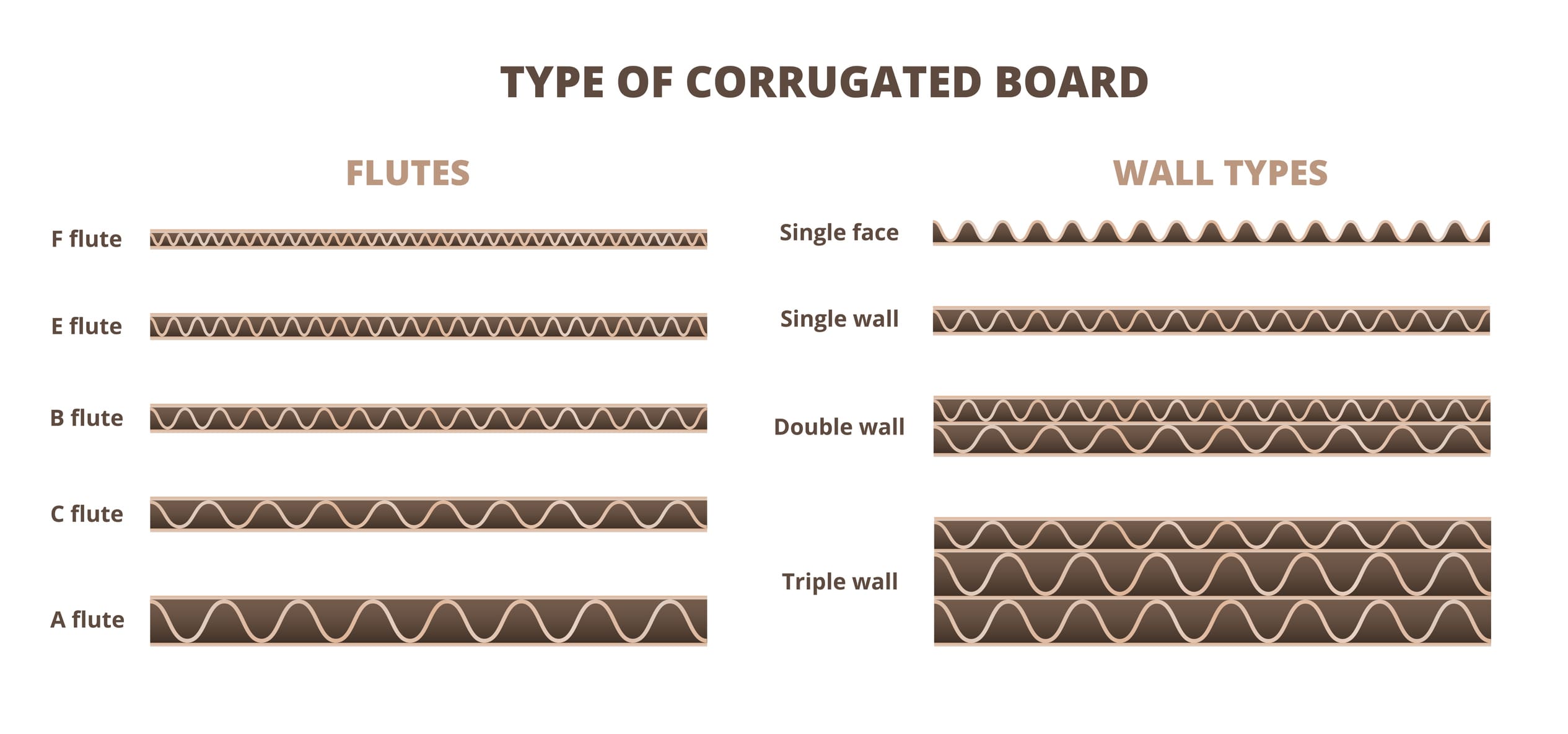
Corrugated boxes are available in three main constructions:
- Single-Wall Boxes: Suitable for lighter items with weight capacities ranging from 20 to 120 lbs, depending on the material strength.
- Double-Wall Boxes: Designed for heavier or fragile items, supporting weights from 80 to 180 lbs.
- Triple-Wall Boxes: Used for exceptionally heavy items, such as industrial equipment, capable of holding hundreds of pounds.
Material Strength: Bursting Test and Edge Crush Test (ECT)
Two key measurements determine corrugated box strength:
- Bursting Strength Test: Measures the force required to rupture the surface of corrugated board.
- Edge Crush Test (ECT): Measures stacking strength and indicates how much weight a box can withstand before collapsing.
The following tables summarize the equivalencies for single-wall and double-wall corrugated boxes:
Single-Wall Corrugated Boxes
Bursting Test | Minimum Edge Crush Test (ECT) | Maximum Suggested Loading Limit Per Carton |
125# | 23 ECT | 20 lbs. |
150# | 26 ECT | 35 lbs. |
175# | 29 ECT | 50 lbs. |
200# | 32 ECT | 65 lbs. |
275# | 44 ECT | 95 lbs. |
350# | 55 ECT | 120 lbs. |
Double-Wall Corrugated Boxes
Bursting Test | Minimum Edge Crush Test (ECT) | Maximum Suggested Loading Limit Per Carton |
200# | 42 ECT | 80 lbs. |
275# | 48 ECT | 100 lbs. |
350# | 51 ECT | 120 lbs. |
400# | 61 ECT | 140 lbs. |
500# | 71 ECT | 160 lbs. |
600# | 82 ECT | 180 lbs. |
These standardized tests ensure the durability and reliability of corrugated boxes, helping buyers choose boxes that meet their weight requirements.
The Role of Flute Size
Corrugated boxes use fluted sheets to provide strength and cushioning. Larger flutes (like A or B flutes) offer better compression resistance and are ideal for heavier items, while smaller flutes (like E or F flutes) provide a smoother surface for printing and are better for lightweight items.
The Importance of Box Dimensions
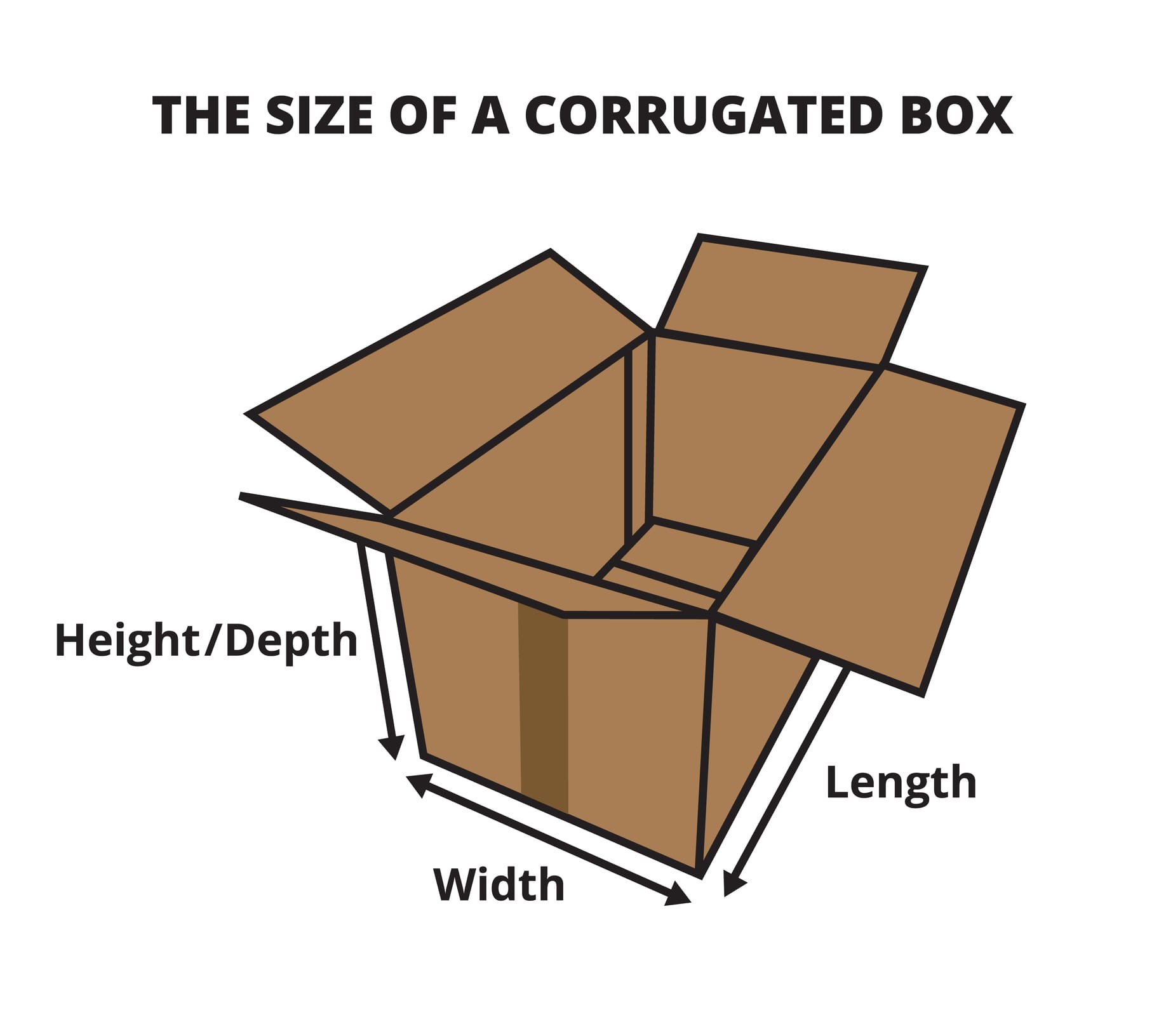
Box size directly affects weight capacity and strength. Larger boxes have a wider surface area, which can distribute weight evenly but may require stronger materials to prevent collapse. Choosing the appropriate box size can optimize load support and minimize material waste.
How to Choose the Right Box
To ensure optimal performance, consider the following when selecting a corrugated box:
- Determine the Weight of the Contents
Use the tables above to match the weight of your products with the appropriate box strength. - Evaluate the Box Construction
- Single-wall for lightweight items.
- Double-wall for medium to heavy items.
- Triple-wall for extremely heavy or industrial goods.
- Consult with Suppliers
Collaborate with packaging experts to select boxes with the proper ECT or bursting strength for your application. - Optimize for Sustainability
Choose boxes made from recycled or sustainable materials without compromising strength.
Conclusion
The weight a corrugated box can hold depends on its construction, material grade, and strength ratings (ECT and bursting test). Single-wall boxes can hold up to 120 lbs, while double-wall boxes can support weights up to 180 lbs, as shown in the tables above. By understanding these key metrics and factors, packaging buyers can confidently choose the right boxes for their needs, ensuring products are protected during shipping and storage.
Partner with Brown Packaging today to find corrugated boxes designed to meet your weight, size, and durability requirements. Whether you’re shipping lightweight goods or industrial equipment, we’ve got the solution for you!
Retail packaging continues to evolve as brands balance sustainability, supply chain performance, and consumer experience. In 2026, buyers face new challenges shaped by material innovation, compliance requirements, and rising consumer
Supplier contracts can make or break a packaging program. Without the right terms, buyers risk price volatility, missed lead times, and inconsistent product quality. In 2026, negotiating smart contracts is
Packaging compliance is no longer optional—it’s a requirement for accessing retail shelves, shipping networks, and international markets. In 2026, buyers must navigate evolving regulations around sustainability, labeling, and testing to
In 2026, sustainability is no longer just a trend—it’s a buyer expectation. Forest Stewardship Council (FSC) certification has become a key benchmark for responsible packaging, signaling that materials are sourced
Home » How Much Weight Can a Corrugated Box Hold?

Corrugated boxes are a staple in the packaging world, known for their strength and versatility. However, maximizing their durability is key to ensuring products reach their destinations safely. This blog post explores effective strategies for enhancing the durability of corrugated boxes, ensuring they withstand the rigors of shipping and handling. Understanding Corrugated Boxes Before diving into durability enhancement, it’s crucial to understand what corrugated boxes are. Made from corrugated fiberboard, these boxes consist of a fluted corrugated sheet and one or two flat linerboards. The flutes between the liners offer strength and cushioning, making these boxes ideal for a wide range of products. Selecting the Right Material The choice of material is fundamental in determining a box’s durability. Flute Profiles: Corrugated boxes come in various flute sizes – A, B, C, E, and F. Each offers different levels of strength and compression resistance. For instance, A-flute provides the highest cushioning, while B-flute is more rigid and excellent for printing. Board Grade: The strength of the corrugated board, measured in terms of the bursting strength and edge crush test (ECT), is also vital. Higher ECT-rated boxes are more durable and withstand higher stacking pressures. Optimal Design and Construction The design and construction of the box significantly impact its durability. Box Style: Choose a box style suited to your product. For example, Regular Slotted Containers (RSCs) are a standard choice for many products, but for heavier items, a Full Overlap (FOL) style can offer extra strength. Wall Construction: Consider using double-wall or even triple-wall corrugated boxes for added durability, especially for heavier or more fragile items. Proper Sizing and Fit Ensuring that your product fits well within the corrugated box is essential. Avoid Oversizing: Too much space can cause the contents to shift and become damaged. Use appropriate void fillers if necessary. Custom Sizing: Custom-sized boxes reduce the need for additional packing materials and provide better protection. Sealing and Closure A strong seal is critical to maintaining the integrity of the box. Quality Adhesives: Use high-quality tape or glue. Reinforced water-activated tape is often a strong choice for sealing corrugated boxes. Proper Sealing Techniques: Apply tape evenly across the box’s center seam and down the sides to reinforce the box’s edges. Handling Instructions Clearly marked handling instructions can enhance the durability by ensuring proper handling. Label Appropriately: Use labels such as “Fragile,” “Handle With Care,” or “This Side Up” to encourage careful handling during transit. Visibility of Instructions: Place labels and instructions prominently to ensure they are easily seen by handlers. Climate Considerations Environmental conditions can affect the durability of corrugated boxes. Moisture Resistance: In humid conditions, consider using a moisture barrier such as a wax or plastic coating to protect the box. Temperature Fluctuations: Be aware that extreme temperatures can weaken the adhesive bonds in corrugated boxes. Regular Testing and Quality Checks Conduct regular testing to ensure the boxes meet your durability standards. Drop and Compression Tests: Regularly perform these tests to evaluate the box’s ability to withstand shocks and stacking pressures. Continuous Improvement: Use the test results to make ongoing improvements to your packaging strategy. If you are interested in maximizing the durability of your corrugated boxes, then partner with Brown Packaging today to get started. (714)300-0650 request@brownpackaging.com Most Recent Posts: Categories: Corrugated Ecommerce ESD Design Display Flexible Packaging Foam Folding Carton Packaging Plastic Packaging Pouch Printing Protection Retail Rigid Box Thermoform Sustainability Subscribe To Our Newsletter By submitting your information, you agree to our terms and conditions and privacy policy. Custom Corrugated Boxes Facebook Twitter LinkedIn Pinterest Relevant Posts

For retailers and suppliers in the cycling industry, your bicycles are more than just products—they represent a passion for cycling and a commitment to quality. When it comes to shipping or displaying your bikes, the packaging you choose plays a pivotal role in safeguarding their value and allure. Bike boxes are a crucial solution that ensures the safe transportation and compelling presentation of your bikes, whether for shipping or display purposes. Understanding the Importance of Bike Boxes Bike boxes are specialized packaging solutions designed to provide optimal protection for bicycles during transportation and storage. As a retailer or supplier, your bikes are a reflection of your brand’s dedication to excellence, and using the right packaging underscores this commitment. Exploring Tailored Bike Packaging Solutions Retailers and suppliers can choose from a range of bike packaging options to suit their specific needs: Custom Bike Boxes: Tailored to your bike’s dimensions, these boxes offer a snug fit, minimizing the need for excessive disassembly. Customization extends to branding, ensuring your bikes are presented in a package that mirrors your brand identity. Display-Ready Packaging: Consider packaging that seamlessly transitions from storage to in-store display. These solutions offer a balance between protection and visibility, enticing customers with a clear view of your bikes’ features. Shipping Efficiency: If your focus is on shipping, explore packaging solutions optimized for efficient transport. These solutions prioritize durability, ease of handling, and secure closure mechanisms to withstand the rigors of shipping. Key Considerations for Bike Packaging For retailers and suppliers, choosing the right bike packaging entails several critical factors: Protection: Ensure your packaging offers ample protection against impacts, vibrations, and potential mishandling. Well-padded interiors and secure closures are paramount. Branding and Presentation: Opt for packaging that aligns with your brand’s aesthetic. Consistency in branding between the packaging and your bikes establishes a strong and recognizable identity. Assembly and Disassembly: Consider the ease of unpacking and assembling the bikes. Packaging that streamlines this process can save time and enhance the customer experience. Storage Efficiency: Packaging that can be easily stored in-store while bikes are on display provides a clutter-free shopping environment. Benefits of Professional Bike Packaging Safety Assurance: Professional bike packaging guarantees your bikes reach their destination unscathed, reinforcing your commitment to quality. Brand Cohesion: Packaging that reflects your brand’s look and values creates a harmonious shopping experience, enhancing customer trust. Operational Efficiency: Streamlined packaging processes mean less time spent on assembly and disassembly, allowing your team to focus on customer interactions. Display Impact: Display-oriented packaging elevates your bikes’ visual appeal, enticing customers to explore the features and benefits. Tips for Effective Bike Packaging Prioritize Protection: Ensure ample padding, including custom inserts for fragile parts, and secure all components to prevent movement and potential damage. Visual Appeal: Incorporate eye-catching visuals and branding elements to capture attention on the sales floor. Easy Handling: Packaging that’s easy to transport, open, and assemble reduces the strain on staff and creates a positive shopping experience. Conclusion As a retailer or supplier in the cycling industry, your packaging choices extend beyond functional considerations—they embody your brand’s ethos and dedication to excellence. With the right bike packaging solutions, you can ensure that your bikes are delivered safely to customers or showcased enticingly in-store. By marrying protection, branding, and efficiency, you set the stage for a memorable customer experience that aligns with your brand’s vision. If you are interested in custom bike boxes, then partner with Brown Packaging today to get started. (714)300-0650 request@brownpackaging.com Most Recent Posts: Categories: Corrugated Ecommerce ESD Design Display Flexible Packaging Foam Folding Carton Packaging Plastic Packaging Pouch Printing Protection Retail Rigid Box Thermoform Sustainability Subscribe To Our Newsletter By submitting your information, you agree to our terms and conditions and privacy policy. Bike Boxes Facebook Twitter LinkedIn Pinterest Relevant Posts

Corrugated packaging has been a popular choice for packaging and shipping goods for over a century, and for good reason. The unique structure of corrugated packaging, with its fluted layer between two liners, provides a lightweight yet strong material that can be customized to fit a wide variety of shapes and sizes. However, the environmental benefits of corrugated packaging are often overlooked. With increasing concern over climate change and the impact of waste on the environment, it’s important to consider the sustainability of the materials we use, including packaging. Fortunately, corrugated packaging offers a range of environmental advantages that make it one of the most sustainable packaging materials available today. It’s made from renewable resources, can be easily recycled, and has a relatively low carbon footprint compared to other materials. As consumers become more conscious of their environmental impact, companies are also making an effort to reduce their carbon footprint and contribute to sustainable practices. Choosing corrugated packaging is a simple yet effective way to make a positive impact on the environment. By using recyclable and biodegradable materials, companies can reduce waste, conserve resources, and minimize their carbon footprint. Overview: Corrugated Packaging, Benefits & Sustainability In this article, we will explore the sustainability benefits of corrugated packaging, including its recyclability, biodegradability, and low carbon footprint. We will also examine how these benefits contribute to a more sustainable future and what steps we can take to promote the use of corrugated packaging. Recyclability Biodegradability Low Carbon Footprint Recyclability Recyclability of corrugated packaging is one of the key reasons it is such a sustainable material. Corrugated packaging is made from paper, which is a renewable resource and can be recycled multiple times. Recycling corrugated packaging is easy and efficient, with the vast majority of materials collected and reused within just a few weeks. In this section, we will explore the different aspects of the recyclability of corrugated packaging, including its collection and sorting, recycling process, and benefits to the environment. Collection and Sorting The first step in the recycling process of corrugated packaging is the collection and sorting of materials. Most municipalities have curbside recycling programs that include corrugated packaging, making it easy for households to recycle. The packaging can also be recycled at local recycling centers or through drop-off programs. Once the materials are collected, they are transported to a recycling facility, where they are sorted and prepared for recycling. Recycling Process The recycling process of corrugated packaging is relatively simple and requires minimal energy compared to other materials. The first step is to remove any contaminants, such as tape or staples, which can be done through a pulping process that separates the fibers from the contaminants. The fibers are then cleaned, screened, and de-inked, and made into new paper products. The entire process can take just a few weeks from the time the packaging is collected to the production of new products. Benefits to the Environment Recycling corrugated packaging has many benefits for the environment. Firstly, it conserves resources, as the paper fibers can be recycled multiple times, reducing the need for new materials. Secondly, it reduces the amount of waste sent to landfills, which helps to preserve natural habitats and reduce greenhouse gas emissions. Finally, recycling corrugated packaging helps to promote a circular economy, where materials are reused and waste is minimized. Biodegradability Another sustainability advantage of corrugated packaging is its biodegradability. This means that the material can be broken down by natural processes and does not persist in the environment. In this section, we will explore the biodegradability of corrugated packaging, including how it decomposes, the impact on the environment, and the benefits of composting. Decomposition When corrugated packaging is disposed of in a landfill, it decomposes over time and produces methane gas, a potent greenhouse gas. However, the decomposition process of corrugated packaging is significantly faster than other materials such as plastic, which can take hundreds of years to break down. Corrugated packaging is made from paper, which is a natural material that can be broken down by microorganisms. Impact on the Environment When corrugated packaging is recycled, it is diverted from landfills, and methane emissions are reduced. Methane gas is a potent greenhouse gas that contributes to climate change, so by reducing the amount of corrugated packaging in landfills, we can help mitigate the effects of climate change. Additionally, the biodegradability of corrugated packaging means that it is less likely to persist in the environment and cause harm to wildlife. Composting Corrugated packaging is also an excellent material for composting. It can be shredded and added to a compost pile, where it breaks down quickly and helps to nourish the soil. Composting corrugated packaging also helps to reduce waste and conserve resources. The paper fibers in corrugated packaging provide a good source of carbon for composting, which is essential for creating a balanced compost pile. Benefits of Composting Composting corrugated packaging has many benefits, including reducing the amount of waste sent to landfills, improving soil health, and conserving resources. By adding corrugated packaging to a compost pile, it can help to break down other organic materials, such as food waste, and create a nutrient-rich compost that can be used to grow plants. Low Carbon Footprint The low carbon footprint of corrugated packaging is another important sustainability advantage. The manufacturing process requires less energy compared to other materials, and the packaging is lightweight, which reduces transportation emissions. In this section, we will explore the different aspects of the low carbon footprint of corrugated packaging, including the manufacturing process, transportation emissions, and the impact on the environment. Manufacturing Process The manufacturing process of corrugated packaging requires less energy compared to other materials. The packaging is made from renewable resources, which reduces the reliance on fossil fuels. The process of manufacturing corrugated packaging involves converting wood pulp into paper, which is then formed into the distinctive corrugated structure. The manufacturing process is energy efficient and can be powered by renewable energy sources. Transportation Emissions The lightweight nature of