

Home » How Much Does Custom Packaging Really Cost?
How Much Does Custom Packaging Really Cost?
Custom packaging isn’t just an expense—it’s an investment that plays a pivotal role in brand identity, customer satisfaction, and even revenue growth. While many businesses shy away from custom packaging due to cost concerns, understanding its value and the factors influencing pricing can help you make informed decisions. In this blog, we’ll uncover the real cost of custom packaging, explore its benefits, and provide actionable tips to maximize your ROI.
Why Custom Packaging Matters
Custom packaging is more than a box or wrapper; it’s a brand statement and a customer experience enhancer.
- Brand Identity: High-quality custom packaging reinforces your brand’s image, making your product instantly recognizable.
- Customer Experience: A memorable unboxing experience can create lasting customer loyalty and boost word-of-mouth marketing.
- Perceived Value: Premium packaging elevates the perceived value of your product, making it stand out from competitors.
Key Factors Influencing Custom Packaging Costs
Material Choices
The type of material used significantly affects cost and functionality.
- Corrugated Boxes: Durable and cost-effective, ideal for shipping.
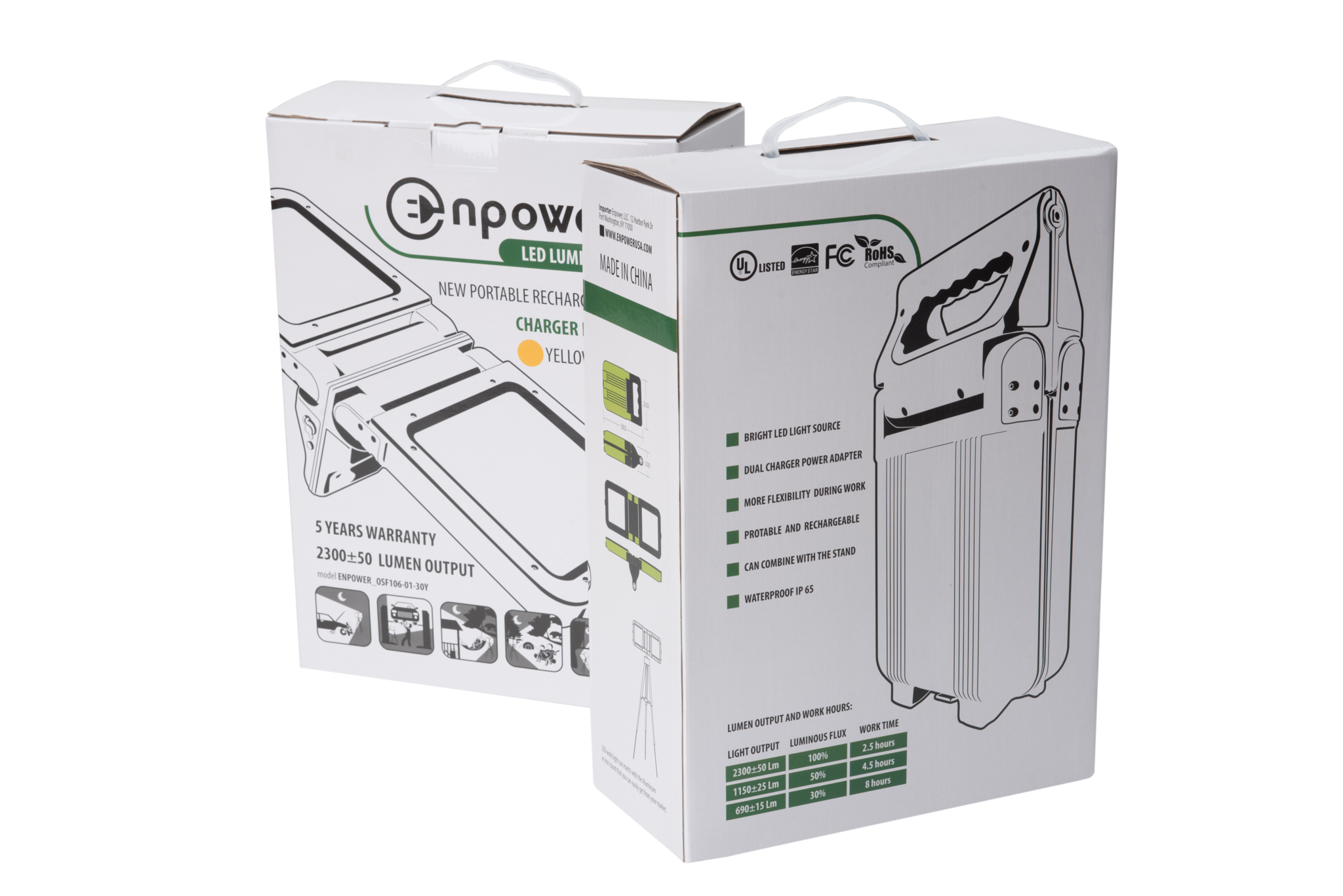
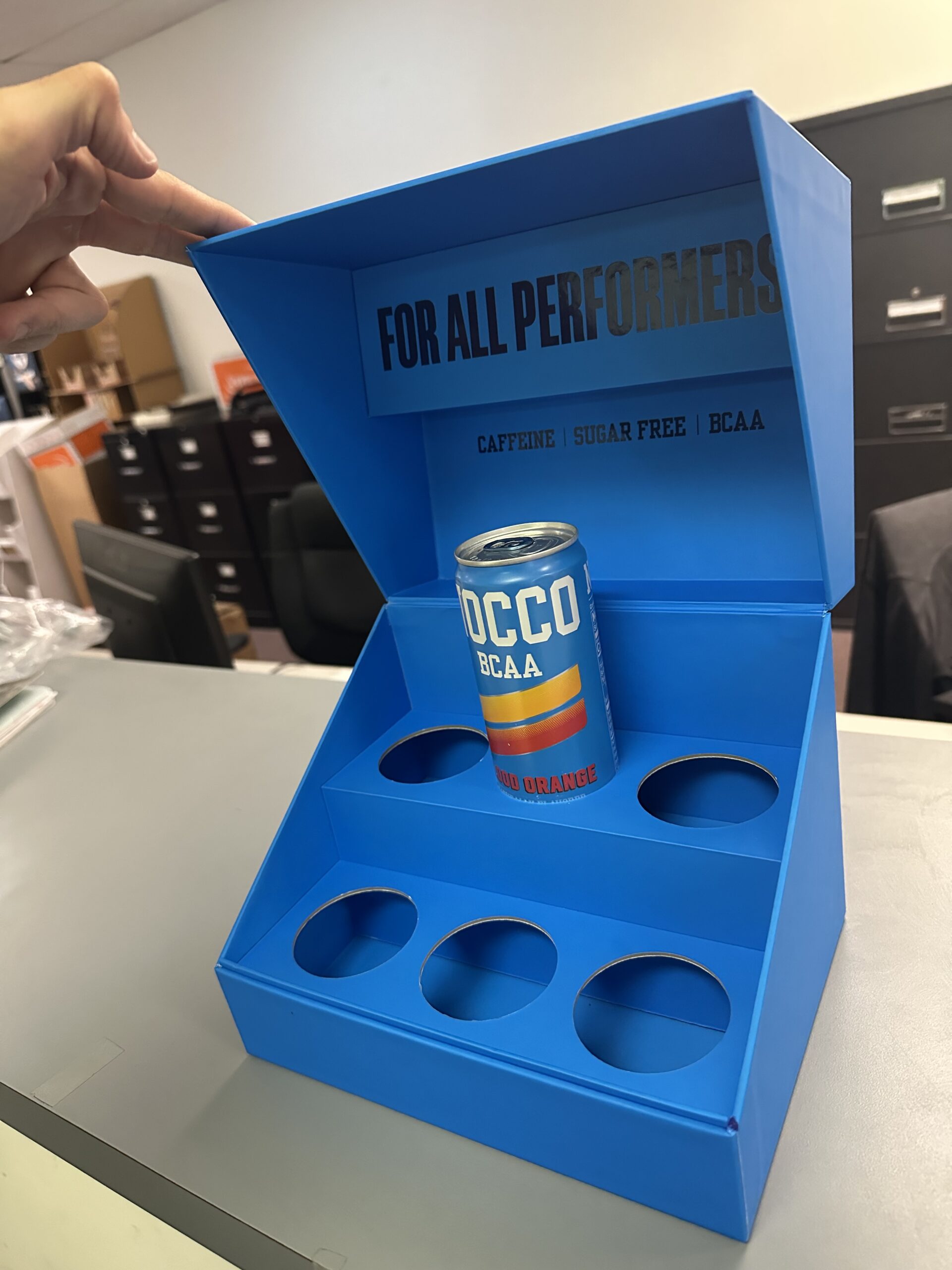
- Rigid Boxes: Luxurious but pricier, often used for high-end products.
- Eco-Friendly Options: Sustainable materials like kraft paper or biodegradable plastics, which appeal to eco-conscious consumers, can increase initial costs but offer long-term brand value.
Printing Techniques
- Digital Printing: Great for small orders; cost-effective but with limited precision.
- Offset Printing: Best for bulk orders; higher upfront costs but offers superior quality.
- Special Effects: Add-ons like embossing, foil stamping, or spot UV can enhance your design but also increase expenses.
Design Complexity
Intricate designs, custom shapes, and multi-component packaging raise production costs. Partnering with experienced designers can optimize the balance between creativity and cost.
Order Quantity
Bulk ordering reduces the per-unit cost due to economies of scale. Smaller orders may result in higher per-unit pricing.
Features For Common Packaging Types
Packaging Type | Key Features | |
Corrugated Boxes | Durable, recyclable, cost-effective. | |
Rigid Boxes | Luxurious feel, used for premium products. | |
Folding Cartons | Lightweight, customizable for retail. | |
Custom Mailer Boxes | Branding-focused, ideal for e-commerce. | |
Eco-Friendly Options | Sustainable, aligns with green initiatives. | |
How to Optimize Custom Packaging Costs
- Prioritize Materials Wisely
Choose materials that balance quality and cost. For example, opt for kraft paper for eco-friendly yet affordable packaging or corrugated boxes for high durability. - Leverage Bulk Orders
Order in bulk to take advantage of volume discounts. This strategy significantly reduces per-unit costs. - Simplify Design
A clean, minimalist design can be cost-effective and still make a bold statement. Complex designs often require more resources and time to produce. - Use Technology for Efficiency
Automation and advanced design software can streamline the production process, saving time and reducing errors.
Enhancing the Unboxing Experience on a Budget
You don’t need to overspend to impress your customers. Here’s how:
- Add personalized notes or custom stickers.
- Use branded tissue paper to add elegance without breaking the bank.
- Include QR codes linking to exclusive content or promotions.
FAQs About Custom Packaging Costs
How much does custom packaging design cost?
Design services typically range from $300 to $5,000, depending on the complexity and expertise involved.
What percentage of my product price should packaging cost?
Aim to allocate 8-10% of your product’s retail price to packaging costs.
Is custom packaging worth the investment?
Yes. Custom packaging enhances brand recognition, improves customer satisfaction, and can even justify premium pricing for your products.
Conclusion
Custom packaging is an essential tool for businesses looking to elevate their brand and enhance customer loyalty. By understanding the factors that influence cost and employing smart strategies to optimize expenses, you can create packaging that delivers both aesthetic and functional value without overextending your budget.
Ready to take your packaging to the next level? Partner with us to create customized solutions tailored to your brand and budget. Contact us today!
Retail packaging continues to evolve as brands balance sustainability, supply chain performance, and consumer experience. In 2026, buyers face new challenges shaped by material innovation, compliance requirements, and rising consumer
Supplier contracts can make or break a packaging program. Without the right terms, buyers risk price volatility, missed lead times, and inconsistent product quality. In 2026, negotiating smart contracts is
Packaging compliance is no longer optional—it’s a requirement for accessing retail shelves, shipping networks, and international markets. In 2026, buyers must navigate evolving regulations around sustainability, labeling, and testing to
In 2026, sustainability is no longer just a trend—it’s a buyer expectation. Forest Stewardship Council (FSC) certification has become a key benchmark for responsible packaging, signaling that materials are sourced
Home » How Much Does Custom Packaging Really Cost?

Incorporating recycled fiber into corrugated board is essential for sustainability goals, but it directly affects the mechanical properties of packaging. Understanding how fiber composition influences durability allows packaging engineers to strike the right balance between performance and environmental impact. Fiber Strength and Recycling Cycles Virgin Fiber: Longer, more intact cellulose fibers that offer superior tensile and compression strength. Recycled Fiber: Shorter fibers due to repeated processing; reduced bonding potential and stiffness. Fiber Degradation: Each recycling cycle shortens fibers, leading to diminished ECT and burst resistance. Mechanical Trade-Offs High Recycled Content: Lower material cost and improved sustainability metrics, but reduced edge crush strength and puncture resistance. Mixed Fiber Blends: Commonly used to maintain performance while increasing recycled content. Moisture Sensitivity Recycled fibers tend to absorb and retain more moisture, accelerating loss of stacking strength in humid environments. Sizing agents and moisture-resistant coatings can partially offset this effect. Testing Protocols ASTM D685: Standard practice for conditioning paper and paper products before testing. TAPPI T410: Grammage testing to verify consistency in basis weight. Long-Term Compression Testing: To monitor creep and compression loss over storage periods. Application Guidelines Use higher recycled content in light-duty e-commerce boxes where high stacking strength isn’t required. Retain virgin outer liners for high-performance applications like industrial goods or long-distance freight. References ASTM International. (2014). ASTM D685-14: Standard practice for conditioning paper and paper products for testing. ASTM International. https://www.astm.org/d0685-14.htmlTechnical Association of the Pulp and Paper Industry. (2013). TAPPI T410 om-13: Grammage of paper and paperboard. TAPPI. https://www.tappi.org/content/store/shared/T410.htmlFibre Box Association. (2023). Corrugated recycling and performance considerations. Fibre Box Association. https://www.fibrebox.org (714)300-0650 request@brownpackaging.com Most Recent Posts: Categories: Subscribe To Our Newsletter By submitting your information, you agree to our terms and conditions and privacy policy. Sustainable Packaging Facebook Twitter LinkedIn Pinterest Relevant Posts

Plastic and paper packaging tapes both serve the same core purpose — sealing, wrapping, and bundling packages — but their performance differs depending on application. Each has unique properties that affect strength, cost, recyclability, and security. Choosing the right tape ensures your packaging remains efficient, secure, and cost-effective. Plastic Packaging Tape Plastic tape, often called clear tape, is a pressure-sensitive tape designed for lightweight and general-purpose packaging. It is popular for being durable, dust-resistant, inexpensive, and easy to apply with hand or machine dispensers. Common Types Polypropylene (BOPP): Thin, cost-effective, customizable; best for light to medium-duty use. Polyvinyl Chloride (PVC): Thicker, quieter, and more durable; better for heavier packages but more expensive. Adhesives Used Acrylic: Performs in hot and cold environments; good for long-term storage. Hot Melt: Aggressive initial tack; best for shipping and storage but less reliable under temperature extremes. Rubber-Based: Premium adhesive with strong bonds in all conditions; higher cost. Advantages Readily available and inexpensive Easy to apply, even on the go Highly customizable for branding Disadvantages Less secure than paper tape Often requires multiple layers for strength Lower recyclability compared to paper tape Best Applications Plastic tape is best for lightweight, everyday shipping and situations where cost efficiency and branding flexibility matter. BOPP Tape PVC Tape Paper Packaging Tape Paper tape, often called Kraft tape, uses a starch-based adhesive and is valued for its strength, tamper resistance, and sustainability. It is ideal for heavy-duty or high-security packaging. Common Types Water Activated Tape (WAT): Creates a permanent bond when moistened. Available in reinforced (fiberglass strands) or non-reinforced grades. Flatback Tape: Pressure-sensitive version suitable for heavy packaging and weather-resistant sealing. Available in multiple colors. Advantages Strong and tamper-proof Requires less tape per seal Recyclable and eco-friendly Performs well in extreme environments Disadvantages Requires a dispenser (less portable) Slower to apply in fast-paced operations Best Applications Paper tape is best for heavier, high-value shipments where strength, security, and sustainability are priorities. Common in food, pharmaceuticals, healthcare, electronics, and e-commerce. Water Activated Tape Flatback Tape Plastic vs. Paper: Key Differences Feature Plastic Tape Paper Tape Material Polypropylene or PVC Kraft paper with starch adhesive Application Lightweight, general use Heavy-duty, tamper-proof Ease of Use Portable, quick to apply Requires dispenser Sustainability Less recyclable Fully recyclable Security Lower Higher (tamper evident) Cost Lower upfront cost Higher upfront, less used per seal Work With Brown Packaging At Brown Packaging, we help businesses select the right tape for their specific shipping and operational needs. Whether you need cost-effective plastic tape for high-volume shipments or secure paper tape for heavy-duty applications, our team can guide you toward the best choice. Contact Brown Packaging today to get started. References Pressure Sensitive Tape Council (PSTC). (2023). Packaging Tape Standards and Applications. Retrieved from https://www.pstc.org Flexible Packaging Association. (2023). Adhesives and Packaging Performance. Retrieved from https://www.flexpack.org Robertson, G. L. (2016). Food Packaging: Principles and Practice (3rd ed.). CRC Press. (714)300-0650 request@brownpackaging.com Most Recent Posts: Categories: Corrugated Folding Carton Display Packaging Rigid Box Subscribe To Our Newsletter By submitting your information, you agree to our terms and conditions and privacy policy. Custom Tape Facebook Twitter LinkedIn Pinterest Relevant Posts

There are many factors that can contribute to the cost of packaging with freight being no exception. Freight is the process of transporting your product from the manufacturer/distributor to the customer. Generally, freight costs consist of labor, mileage, fuel, wear and tear on a vehicle, special requirements (if applicable) and a company’s markup. These costs can be influenced by a variety of factors including external factors and a packaging design. For this blog, we will cover how packaging design can affect your freight costs and provide you with solutions to help alleviate these costs. Packaging design is how your packaging is built and shaped. This includes the weight of your package, structural integrity and dimensions. Packaging design can affect your freight costs by: Weight Dimension Structural Integrity Weight The weight of your package can dictate how much you pay for freight costs, as some carriers may charge by weight of the load in addition to mileage. This is because heavier cargo requires more cost in fuel and often slows down transportation. Slower transportation results in higher costs of labor. In addition, trucks are limited to carry a certain amount of weight, which may require your loads to be transported separately or by multiple trips if needed. In addition, sea and air transportation usually charge by volumetric weight and distance traveled. In some cases, packaging material is not heavy enough to affect the total weight. However, if you would like to minimize the risk, then you want to resort to lighter packaging solutions such as plastic, chipboard, or paperboard products. Perhaps, you may want to look into your carrier’s shipping options and pick the best option that aligns closest to your packaging needs. You may want to also work with a packaging expert that can help you reduce the weight of your packaging design, while maintaining the structural integrity of your packaging. Structural Design The structural design will impact the way it is shipped, which may also influence the cost of freight. A package’s structural design consists of the packaging size (length, width and height) in addition to how the packaging will fold together. Typically, a finished packaged product or packaging material orders are usually shipped on a pallet. The shape and size of your pallet can influence how much you can fit in a truck, plane, or naval ship. For example, if the packaging has non-uniformed edges, then it will take up more surface area. In addition, packaging that is not easily foldable or stackable can cause an issue in how much inventory you can transport at one time. Irregular shaped pallets can accrue additional cost by adding extra trips, which can contribute to more labor, fuel and other costs. Not to mention, the purchasing of stronger stretch film to hold the merchandise more securely. To solve this issue, it is recommended that you carefully design your product to an optimal structure. In addition, you can better allocate your packages via transportation with CAPE software. CAPE enables you to optimize your pallet and truck loads to maximize your efficiency. This may warrant you to work with a packaging specialist. Structural Integrity The structural integrity plays a huge role in the success of your packaging project. It ensures that your product will get to the end user presentable, undamaged, and within standard. However, this is not always the case as packaging and products inside can become damaged with wear and tear, as they are vulnerable to external environments. Wear and tear is eventually going to happen, however it can be limited or postponed with a proper packaging design and material selection. Packaging can become secure with adequate material strength and thickness. Inserts, dividers and edge protectors help hold your product in place during shipment. Despite these being additional costs, it may greatly reduce your product loss, which will offset your investment. In addition, it is important to keep in mind if your product will require special handling during transport. As some products such as food, beverage, and pharmaceuticals are sensitive to specific temperatures, which can cause them to become spoiled. Ultimately, this may require you to receive some cold chain packaging solutions. To help prevent product loss, you should get your product tested prior to mass producing it. Some tests may offer you certification and quality assurance such as the compression, drop, vibration, and environmental simulation. Furthermore, you want to be sure that the material you use to hold your products can support your product’s weight. Summary: Packaging Design and Freight Costs Ultimately, your packaging design has a very direct influence on freight costs. To avoid these additional costs it is important to be mindful of your packaging’s weight, structural design and structural integrity. To best address each of these potential issues on freight costs, you should reach out to your packaging specialists. If you are interested in stock or custom packaging solutions and would like the most optimal packaging design, then contact Brown Packaging today to get started. (714)300-0650 request@brownpackaging.com Most Recent Posts: Categories: Corrugated Folding Carton Display Packaging Rigid Box Subscribe To Our Newsletter By submitting your information, you agree to our terms and conditions and privacy policy. Custom Packaging Facebook Twitter LinkedIn Pinterest Relevant Posts