
window.uetq = window.uetq || []; window.uetq.push(‘event’, ‘submit_lead_form’,{ event_label:‘SUBMIT MESSAGE’ }); window.lintrk('track', { conversion_id: 10271009 }); window.lintrk('track', { conversion_id: 10271017 });

Full-Overlap (FOL) Boxes: Features, Functions & More
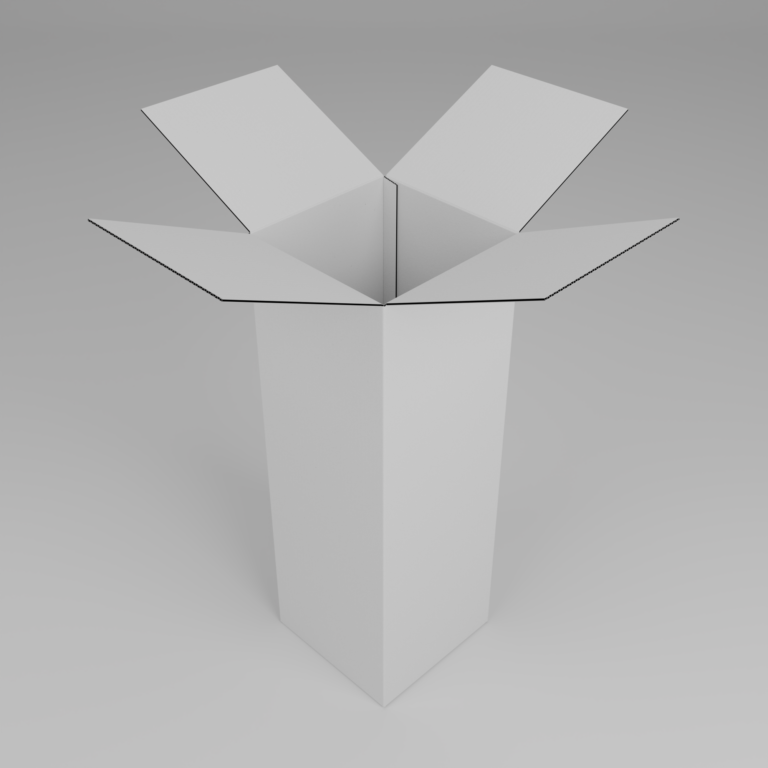
Full Overlap Corrugated Box (FOL)

Full-Overlap (FOL) boxes are renowned for their structural integrity and robust design, making them a popular choice for packaging products that require extra protection during transit. In this detailed blog, we will delve into the features, functions, and customization options of Full-Overlap boxes, shedding light on why they are a go-to solution for businesses seeking secure and tailored packaging.

Understanding Full-Overlap (FOL) Boxes

Full-Overlap (FOL) boxes, as the name suggests, are characterized by their design, where the flaps on the top and bottom fully overlap when the box is closed. This unique feature distinguishes them from other box styles and contributes to their exceptional strength and protection.

Key Features of Full-Overlap (FOL) Boxes

  1. Enhanced Protection:
  • Full-Overlap boxes provide superior protection due to their overlapping flap design. This feature safeguards the contents from external impacts, moisture, and rough handling during shipping.
  1. Structural Integrity:
  • The overlapping flaps enhance the structural integrity of the box, preventing it from collapsing or becoming deformed, even when stacked with other boxes.
  1. Secure Closure:
  • FOL boxes feature a secure closure mechanism, typically using adhesive tape, glue, or staples, ensuring that the box remains sealed throughout the shipping process.
  1. Custom Sizing:
  • Full-Overlap boxes can be custom-sized to fit specific product dimensions, minimizing excess space within the box and reducing the risk of damage due to movement during transit.
  1. Versatility:
  • These boxes are versatile and suitable for various industries, including electronics, automotive, machinery, and delicate or heavy-duty items.
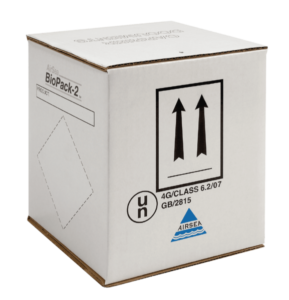
Full Overlap (FOL)

Functions and Use Cases

  1. Shipping Fragile Items:
  • Full-Overlap boxes are ideal for shipping fragile or delicate items, such as glassware, ceramics, electronics, and precision instruments, where protection against shocks and vibrations is crucial.
  1. Heavy-Duty Applications:
  • Businesses that deal with heavy machinery, industrial equipment, or automotive parts often rely on FOL boxes to ensure the safe transit of their products.
  1. Retail Packaging:
  • FOL boxes can be customized with branding and product information, making them suitable for retail packaging of high-end or premium items.
  1. Storage and Archive:
  • Their robust construction also makes FOL boxes suitable for long-term storage and archiving of documents, records, and important materials.
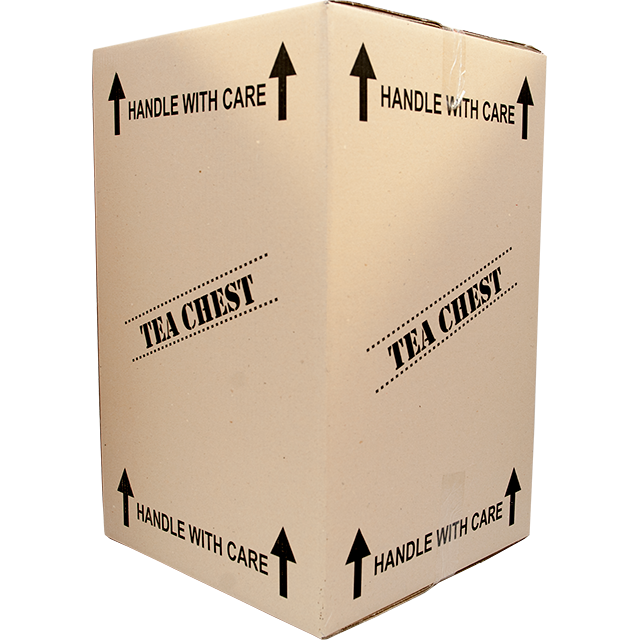
Custom Corrugated Box Single Print Furniture fol

Customization Options

  1. Graphics and Branding:
  • Full-Overlap boxes can be customized with printed graphics, logos, and branding to enhance their visual appeal and promote your brand.
  1. Interior Fittings:
  • For added protection, you can include interior fittings such as foam inserts, partitions, or dividers to secure the contents within the box.
  1. Printing Options:
  • Choose between digital, flexographic or lithographic printing methods to achieve the desired print quality and visual presentation.
  1. Material Selection:
  • Select corrugated materials based on the level of protection required, whether single-wall or double-wall, and the flute type that suits your product’s fragility and weight.

Conclusion

Full-Overlap (FOL) boxes offer a winning combination of features, functions, and customization options that cater to a wide range of packaging needs. Their robust design, enhanced protection, and versatility make them a preferred choice for businesses looking to ensure the safe and secure transit of their products. Whether you need to protect fragile items, heavy-duty equipment, or showcase premium products, Full-Overlap boxes can be customized to meet your specific packaging requirements while leaving a lasting impression on your customers.

If you are interested in full overlap corrugated boxes, then partner with Brown Packaging today to get started.

Most Recent Posts:
Retail Packaging Trends for 2026

Retail packaging continues to evolve as brands balance sustainability, supply chain performance, and consumer experience. In 2026, buyers face new challenges shaped by material innovation, compliance requirements, and rising consumer

Read More »
Meeting 2026 Packaging Compliance Standards

Packaging compliance is no longer optional—it’s a requirement for accessing retail shelves, shipping networks, and international markets. In 2026, buyers must navigate evolving regulations around sustainability, labeling, and testing to

Read More »
Categories:
Subscribe To Our Newsletter

By submitting your information, you agree to our terms and conditions and privacy policy.

Full Overlap Corrugated Box (FOL)
Full Overlap Boxes
Facebook
Twitter
LinkedIn
Pinterest
Relevant Posts
How to Engineer Corrugated Packaging for Automation Compatibility
Corrugated
brownpackaging
How to Engineer Corrugated Packaging for Automation

Why Packaging Automation Compatibility Matters As more fulfillment centers, contract packagers, and manufacturers turn to automation, packaging that isn’t compatible with machinery becomes a costly bottleneck. From misfeeds on case erectors to jams in packing stations, poorly designed corrugated boxes slow down operations, increase error rates, and limit throughput. For high-volume brands and logistics operations, automation-compatible packaging isn’t optional—it’s a core part of the system. Common Points of Failure with Corrugated in Automation Systems Automation often fails not because the equipment is faulty, but because the packaging isn’t designed for machine handling. Common issues include: Poor dimensional tolerance: If the box flaps don’t align cleanly, case erectors and tapers will jam. Low board rigidity: Boxes made from lightweight corrugated collapse during suction or robotic pick-and-place. Inconsistent slotting and scoring: Uneven folds confuse sensors or result in skewed box geometry. Incompatible closure style: Designs like auto-lock bottoms or complex folds may not be machine-erectable. Structural Design Principles for Automation Compatibility ✔ Stick to Clean, Repeatable FormatsRSC and FOL boxes with precision scoring are ideal for case erectors and tapers. Avoid overly intricate die cuts or asymmetrical flaps unless they’re downstream of automation. ✔ Use Consistent Die-Lines and Slot DepthsMaintain tight tolerances on slot depth, flap width, and glue tabs. Variability in cutting leads to misfeeds on erectors or case packers. ✔ Right-Size the Box for ConsistencyBoxes should hold contents securely with minimal void fill. Automated packout systems are most efficient when the box requires no manual fitting or adjustment. ✔ Add Automation-Friendly FeaturesIf machine-packing is in use, design inserts or partitions that can be preloaded or nested without human intervention. Consistent entry points and fitment are key. Material Considerations ✔ Choose Higher Rigidity Board GradesBoards with better stiffness (e.g., 44 ECT or 275#) maintain shape during pick-and-place and resist deformation in automated erecting. ✔ Use Coatings Where NeededFor packaging that passes through friction belts or vacuum suction, a clay-coated or high-slip surface may improve feed reliability. ✔ Avoid WarpPoor storage conditions or low-quality material lead to box warp, which ruins automation compatibility. Store flat and dry, and use high-quality stock. Don’t Forget Print RegistrationAutomation often uses machine vision to scan barcodes or orientation markers. Digital or flexo-printed registration cues must be in consistent locations, with sharp contrast and no ink bleed. Variable data printing can also assist with lot tracking in automated pick-pack systems. Benefits of Automation-Compatible Corrugated Faster throughput with fewer jams or stoppages Lower labor costs due to minimal hand correction Better reliability in high-speed fulfillment environments Scalability when expanding SKUs or entering new distribution channels Final ThoughtsCorrugated packaging isn’t just a vessel—it’s a mechanical component in an automated system. Brands that optimize their box design, material spec, and print layout for automation reduce errors, increase efficiency, and lower cost per shipment. If you’re designing packaging for automation or reworking a manual process, Brown Packaging can help engineer corrugated solutions that perform in real-world fulfillment lines. (714)300-0650 request@brownpackaging.com Most Recent Posts: Categories: Corrugated Ecommerce ESD Design Display Flexible Packaging Foam Folding Carton Packaging Plastic Packaging Pouch Printing Protection Retail Rigid Box Thermoform Sustainability Subscribe To Our Newsletter By submitting your information, you agree to our terms and conditions and privacy policy. Custom Corrugated Boxes Facebook Twitter LinkedIn Pinterest Relevant Posts

Read More »
Half Pallet POP Display
Corrugated
brownpackaging
Load Bearing Design Principles for Corrugated POP Displays

POP displays must balance eye-catching branding with structural integrity. Inadequate load-bearing design can result in product sagging, leaning, or complete collapse, which not only risks product loss but also damages retailer confidence. By applying engineering principles, testing protocols, and correct material selection, brands can maximize display stability without unnecessary cost. Understanding Load-Bearing Capacity Static Load vs. Dynamic Load: Static load refers to the total weight a display can hold without movement. Dynamic load accounts for forces during handling, stocking, and customer interaction. Failure Modes: Panel buckling, shelf deflection, joint separation, and base collapse are the most common failure points. Material Selection Corrugated Board Strength: Flute profile (B, C, E, or BC) impacts stiffness and stacking strength. Higher ECT boards increase vertical load capacity but also affect cost and weight. Coatings and Laminates: Water-resistant coatings prevent fiber weakening in humid environments. Laminates can increase rigidity but may impact recyclability. Structural Reinforcements Double-Wall Shelving: For heavier products such as beverages or canned goods. Internal Braces: Die-cut supports hidden behind the graphic panels for increased stability. Base Skids: Distributes load more evenly to prevent floor contact wear and pallet jack damage. Design and Geometry Weight Distribution: Heavier SKUs should be placed at lower tiers to reduce tipping risk. Joint Engineering: Lock tabs, glue flaps, and interlocking slots improve structural stability. Shear Resistance: Cross-bracing and panel alignment reduce the risk of diagonal collapse. Testing Protocols ASTM D642: Measures compression strength to determine safe stacking loads. ISTA 3A & 6-Series: Simulates real-world handling, vibration, and impact. Shelf Deflection Tests: Measures how much a shelf bends under load over time. Best Practices Always design for at least 25% higher load capacity than the expected maximum product weight. Validate prototypes under realistic load and environmental conditions before production. Balance cost-to-performance ratio — over-engineering increases cost without visible retail benefit. References ASTM International. (2015). ASTM D642-15: Standard test method for determining compressive resistance of shipping containers. ASTM International. https://www.astm.org/d0642-15.htmlInternational Safe Transit Association. (2018). ISTA 3A general simulation performance test for packaged-products for parcel delivery system shipment. ISTA. https://ista.org/International Safe Transit Association. (2018). ISTA 6-Series transit tests. ISTA. https://ista.org/ (714)300-0650 request@brownpackaging.com Most Recent Posts: Categories: Corrugated Ecommerce ESD Design Display Flexible Packaging Foam Folding Carton Packaging Plastic Packaging Pouch Printing Protection Retail Rigid Box Thermoform Sustainability Subscribe To Our Newsletter By submitting your information, you agree to our terms and conditions and privacy policy. POP Display Facebook Twitter LinkedIn Pinterest Relevant Posts

Read More »
Mailer Subscription Box
Corrugated
brownpackaging
10 Ways to Maximize the Presentation of Your RETT Boxes

In the world of packaging, the visual appeal of your product plays a significant role in catching the customer’s eye and leaving a lasting impression. Roll End Tuck Top (RETT) boxes, known for their durability and versatility, provide an excellent canvas to enhance the presentation of your products. In this detailed blog, we will explore 12 effective strategies and tips on how to maximize the presentation of your RETT boxes to create a memorable unboxing experience for your customers. Creative Branding Custom Printing Consistency Across Products Window Inserts Custom Die-Cut Shapes Matte or Glossy Finish Branding Inside the Box Personalized Touch Seasonal or Limited-Edition Packaging Professional Photography Creative Branding Utilize the ample space on RETT boxes for creative branding. Include your company logo, eye-catching graphics, and product information. A well-designed box instantly communicates your brand identity and sets the tone for the unboxing experience. Custom Printing Invest in high-quality custom printing to ensure that your RETT boxes are visually striking. Vibrant colors and sharp imagery can make your packaging stand out and pique the customer’s interest. Consistency Across Products Maintain consistency in your packaging design across different products or product lines. A cohesive look reinforces your brand and makes your products easily recognizable. Window Inserts Consider adding window inserts to your RETT boxes. These transparent openings allow customers to preview the product inside, adding intrigue and enticing them to open the box. Custom Die-Cut Shapes Opt for custom die-cut shapes for your RETT boxes to make them unique and attention-grabbing. Unconventional shapes can make your packaging more memorable. Matte or Glossy Finish Choose between matte and glossy finishes to complement your brand’s aesthetics. Matte finishes exude sophistication, while glossy finishes provide a polished and vibrant look. Branding Inside the Box Don’t neglect the interior of your RETT boxes. Adding branding elements, messages, or design accents inside the box enhances the overall unboxing experience and surprises customers. Personalized Touch Consider adding a personalized touch, such as a handwritten thank-you note or a small promotional item, to show appreciation to your customers and leave a positive impression. Seasonal or Limited-Edition Packaging For special occasions or limited-edition products, create seasonal or unique packaging designs. These limited runs can generate excitement and encourage purchases. Professional Photography When showcasing your products online or in marketing materials, use professional photography to highlight the packaging’s visual appeal and its role in enhancing the product presentation. Conclusion Maximizing the presentation of your RETT boxes involves careful consideration of design, materials, and branding. These packaging strategies can significantly impact the customer’s perception of your products and brand. By investing in creative design, custom printing, and unique features, you can create a memorable unboxing experience that leaves a lasting impression on your customers, ultimately contributing to increased brand loyalty and customer satisfaction. If you are interested in roll end tuck top boxes, then partner with Brown Packaging today to get started. (714)300-0650 request@brownpackaging.com Most Recent Posts: Categories: Corrugated Ecommerce ESD Design Display Flexible Packaging Foam Folding Carton Packaging Plastic Packaging Pouch Printing Protection Retail Rigid Box Thermoform Sustainability Subscribe To Our Newsletter By submitting your information, you agree to our terms and conditions and privacy policy. Roll End Tuck Top (RETT) Facebook Twitter LinkedIn Pinterest Relevant Posts

Read More »