
Home » Exploring Alternative Packaging Options for Mailing Tubes
Exploring Alternative Packaging Options for Mailing Tubes
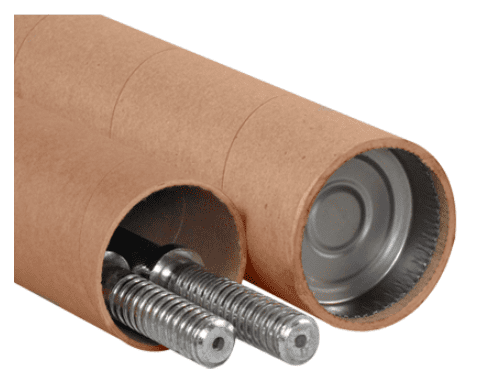
Mailing tubes have long been a popular choice for shipping and storing various items, from posters and blueprints to documents and delicate artworks. While they serve their purpose effectively, there are alternative packaging solutions that can offer unique advantages and benefits. In this comprehensive guide, we will explore alternative packaging options to mailing tubes, considering various materials, designs, and their suitability for different types of contents.
The Limitations of Mailing Tubes
Before delving into alternative packaging options, it’s essential to understand the limitations of mailing tubes:
Limited Shape Compatibility: Mailing tubes are primarily designed for long, cylindrical items. They may not be suitable for irregularly shaped or flat objects.
Lack of Padding: Mailing tubes typically provide minimal protection against impact and bending. Fragile or sensitive items may require additional padding.
Storage Challenges: Mailing tubes can be difficult to store efficiently, especially when dealing with a large quantity of varying tube sizes.
Now, let’s explore alternative packaging options:
Corrugated Boxes
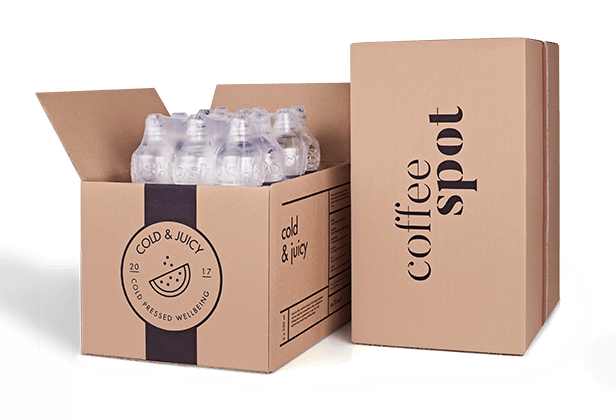
Corrugated boxes come in various sizes and shapes, making them versatile for different types of items. They offer more robust protection than mailing tubes and can be customized with dividers, foam inserts, or partitions to secure fragile objects. Corrugated boxes are also easier to stack and store.
Bubble Mailers
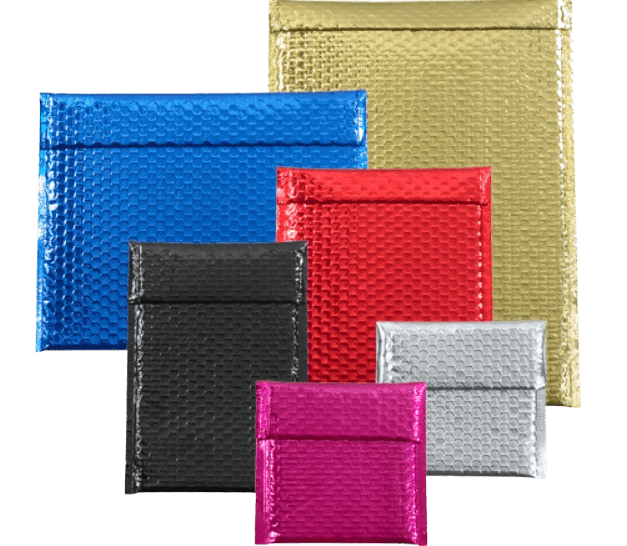
Bubble mailers, or padded envelopes, are lightweight and provide cushioning for small to medium-sized items. They are an excellent choice for documents, books, clothing, and small electronics. Bubble mailers come in different sizes and offer a cost-effective alternative to mailing tubes.
Flat Mailers
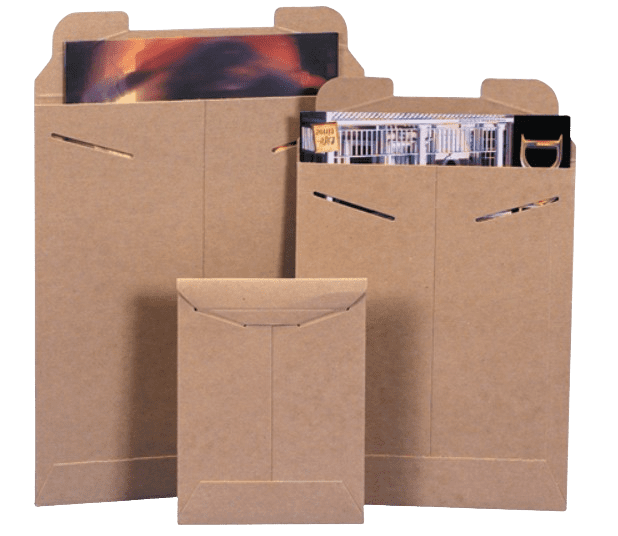
Flat mailers are perfect for shipping flat or thin items such as photographs, artwork, or documents. They are designed to prevent bending or damage during transit. Flat mailers often have rigid or reinforced designs for added protection.
Expandable Mailers
Expandable mailers are ideal for items that may vary in thickness. They feature a gusseted design that allows the mailer to expand to accommodate thicker contents. This versatility makes them suitable for various products, including books and catalogs.
Rigid Mailers
Rigid mailers, also known as chipboard mailers or stay flat mailers, provide sturdy protection for delicate items like photographs and prints. They are constructed from rigid cardboard or paperboard and come in various sizes.
Telescopic Boxes
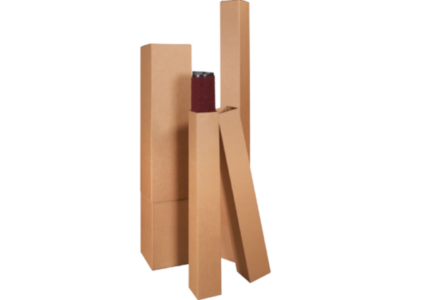
Telescopic boxes consist of two parts that slide into each other, providing adjustable length. They are a great alternative for items that require a secure and expandable packaging solution, such as posters or rolled documents.
Poly Mailers
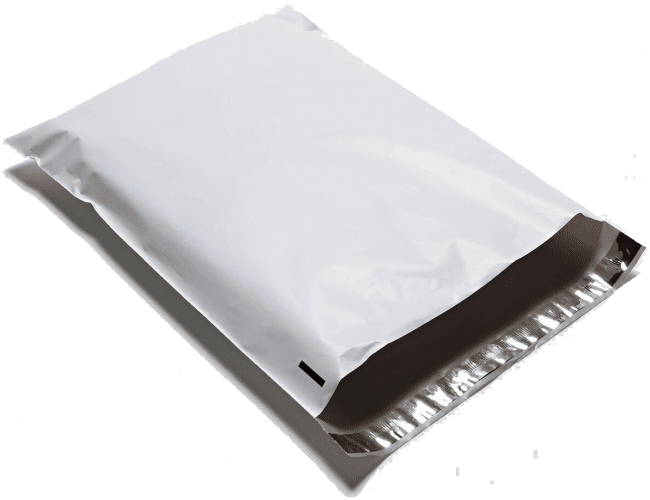
Poly mailers are lightweight and water-resistant, making them suitable for shipping clothing, accessories, and non-fragile items. They come in various sizes and can be customized with branding or labeling.
Custom Packaging Solutions
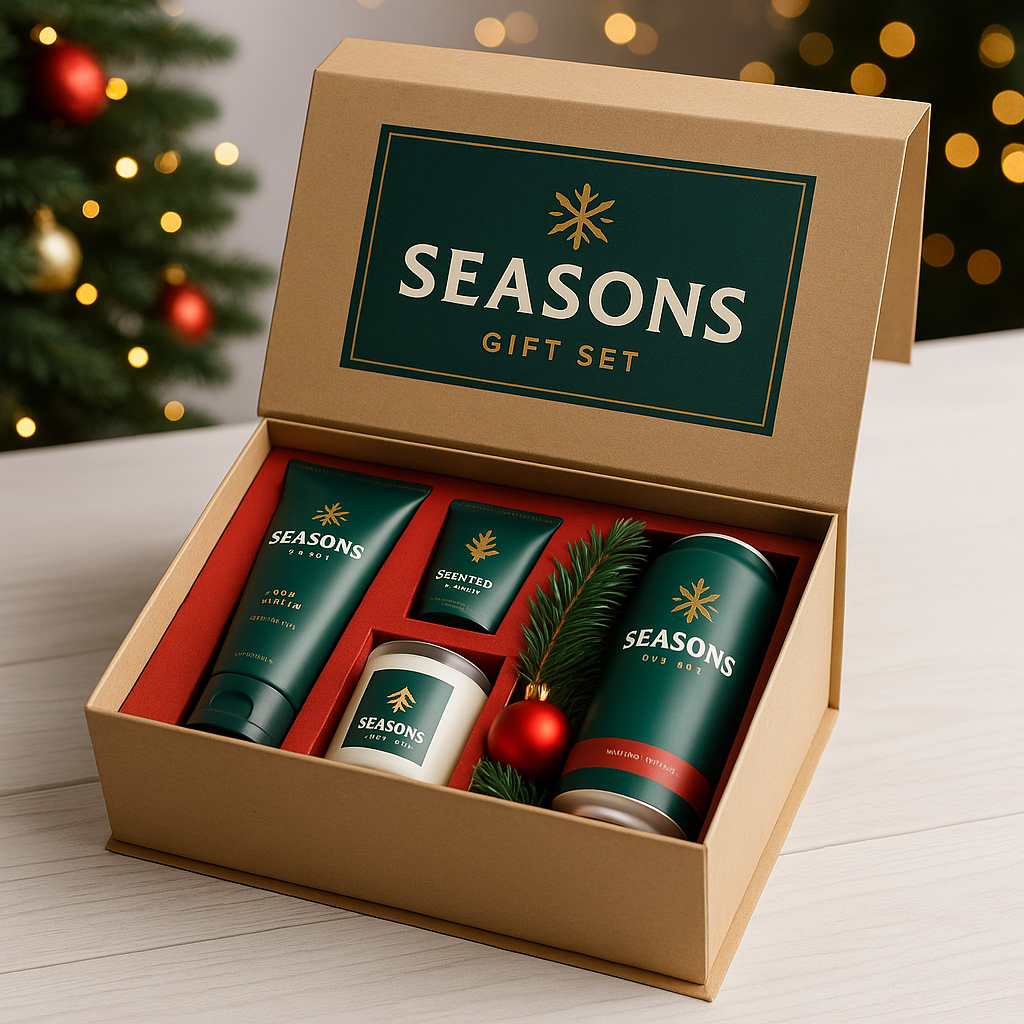
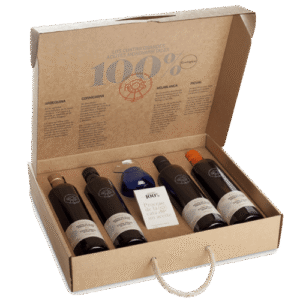
Depending on your specific needs, you can explore custom packaging solutions tailored to your product requirements. Custom packaging allows you to design packaging that perfectly fits your items, ensuring maximum protection and brand presentation.
Choosing the Right Alternative
Selecting the right alternative packaging to mailing tubes depends on the nature of your products, shipping requirements, and budget considerations. Carefully assess the size, shape, and fragility of your items, as well as your branding and sustainability goals. By exploring these alternative packaging options, you can find a solution that not only protects your contents during transit but also aligns with your overall packaging strategy.
If you are interested in alternative packaging to mailing tubes, then partner with Brown Packaging today to get started.
Retail packaging continues to evolve as brands balance sustainability, supply chain performance, and consumer experience. In 2026, buyers face new challenges shaped by material innovation, compliance requirements, and rising consumer
Supplier contracts can make or break a packaging program. Without the right terms, buyers risk price volatility, missed lead times, and inconsistent product quality. In 2026, negotiating smart contracts is
Packaging compliance is no longer optional—it’s a requirement for accessing retail shelves, shipping networks, and international markets. In 2026, buyers must navigate evolving regulations around sustainability, labeling, and testing to
In 2026, sustainability is no longer just a trend—it’s a buyer expectation. Forest Stewardship Council (FSC) certification has become a key benchmark for responsible packaging, signaling that materials are sourced
Home » Exploring Alternative Packaging Options for Mailing Tubes

Packaging plays a crucial role in marketing a product. The packaging material and design not only protect the product but also influence the customer’s purchasing decision. Roll stock and pouches are two popular types of flexible packaging used widely across various industries. In this blog post, we will dive deeper into roll stock and pouches and compare and contrast them to help you decide which one is the best option for your packaging needs. What is Roll Stock? Roll stock, also known as roll-fed packaging, is a type of flexible packaging material that comes in a roll form. It is commonly made of plastic materials such as polypropylene, polyethylene, and polyester. Roll stock is a popular choice for packaging products such as snacks, pet food, candy or similar products. Roll stock can be customized to meet the specific needs of a product. It can be printed with high-quality graphics, which is great for branding and marketing purposes. Roll stock can also be made in different sizes, thicknesses, and colors to suit different packaging requirements. Roll stock is produced in large rolls and then cut and formed into the final shape by the packaging manufacturer or co-packer. The manufacturing process is cost-effective, making it a good choice for companies looking to save money on packaging costs. Roll stock takes up less storage space than pre-made pouches because it is produced in large rolls. This makes it easier to store and transport. What are Pouches? Pouches, also known as pre-made bags, are another popular type of flexible packaging. Unlike roll stock, pouches are pre-made and come in various sizes, shapes, and styles. They are commonly made of materials such as plastic films, laminates, and aluminum foil. Pouches can be customized with high-quality graphics and designs, making them a popular choice for branding and marketing purposes. They are used to package a wide range of products such as supplements, powders, foods, beverages and personal care items. Pouches are made by sealing the edges of pre-made bags to create a sealed container. This process creates a tight seal that prevents air and moisture from entering the package, providing better product protection than roll stock. However, because pouches are pre-made and come in standard sizes and shapes, they can be more expensive than roll stock. Differences between Roll Stock and Pouches Here are the key differences between roll stock and pouches: Manufacturing Process Roll stock is produced in large rolls and then cut and formed into the final shape by the packaging manufacturer or co-packer. Pouches, on the other hand, are pre-made and formed into the final shape during the manufacturing process. Roll stock require either vertical or horizontal 4-fill seal machine also known as a vertical or horizontal wrapper. Size and Shape Roll stock can be made in any size or shape, depending on the product’s packaging requirements. Pouches, on the other hand, come in standard sizes and shapes. Printing Roll stock offers more flexibility when it comes to printing. The entire surface of the roll stock can be printed with high-quality graphics, while pouches have limited space for printing. Cost Roll stock tends to be more cost-effective than pouches because it is produced in bulk and is customizable. Pouches, on the other hand, are pre-made in stock and come in standard sizes and shapes, custom pouches can be made for specific sizes, making them more expensive. Storage Space Roll stock takes up less storage space than pouches because it is produced in large rolls, while pouches take up more storage space because they are pre-made and cannot be stacked. Product Protection Pouches provide better product protection than roll stock because they are pre-made and have sealed edges that prevent air and moisture from entering the package. Which One Should You Choose? Both roll stock and pouches have their advantages and disadvantages. The choice ultimately depends on the specific needs of your product. Roll stock is a good choice if you need a flexible packaging material that can be customized in terms of size, shape, and printing. It is also cost-effective and takes up less storage space, making it a good choice for companies with limited storage capacity. Roll stock is ideal for products that don’t require a specific shape or size and don’t need the extra protection provided by a pre-made pouch. Pouches, on the other hand, provide better product protection and are a good choice for products that are sensitive to air and moisture. They are also a good choice for products that require a specific size or shape. Pouches are an excellent option for products that need to stand out on shelves and grab the attention of customers due to their customizable printing options. When deciding which packaging material to use, consider factors such as cost, size, shape, printing, and product protection. If you are interested in roll stock, pouches or other flexible packaging, then partner with Brown Packaging today to get started. (714)300-0650 request@brownpackaging.com Most Recent Posts: Categories: Corrugated Ecommerce ESD Design Display Flexible Packaging Foam Folding Carton Packaging Plastic Packaging Pouch Printing Protection Retail Rigid Box Thermoform Sustainability Subscribe To Our Newsletter By submitting your information, you agree to our terms and conditions and privacy policy. Roll Stock Facebook Twitter LinkedIn Pinterest Relevant Posts

In the world of packaging, the visual appeal of your product plays a significant role in catching the customer’s eye and leaving a lasting impression. Roll End Tuck Top (RETT) boxes, known for their durability and versatility, provide an excellent canvas to enhance the presentation of your products. In this detailed blog, we will explore 12 effective strategies and tips on how to maximize the presentation of your RETT boxes to create a memorable unboxing experience for your customers. Creative Branding Custom Printing Consistency Across Products Window Inserts Custom Die-Cut Shapes Matte or Glossy Finish Branding Inside the Box Personalized Touch Seasonal or Limited-Edition Packaging Professional Photography Creative Branding Utilize the ample space on RETT boxes for creative branding. Include your company logo, eye-catching graphics, and product information. A well-designed box instantly communicates your brand identity and sets the tone for the unboxing experience. Custom Printing Invest in high-quality custom printing to ensure that your RETT boxes are visually striking. Vibrant colors and sharp imagery can make your packaging stand out and pique the customer’s interest. Consistency Across Products Maintain consistency in your packaging design across different products or product lines. A cohesive look reinforces your brand and makes your products easily recognizable. Window Inserts Consider adding window inserts to your RETT boxes. These transparent openings allow customers to preview the product inside, adding intrigue and enticing them to open the box. Custom Die-Cut Shapes Opt for custom die-cut shapes for your RETT boxes to make them unique and attention-grabbing. Unconventional shapes can make your packaging more memorable. Matte or Glossy Finish Choose between matte and glossy finishes to complement your brand’s aesthetics. Matte finishes exude sophistication, while glossy finishes provide a polished and vibrant look. Branding Inside the Box Don’t neglect the interior of your RETT boxes. Adding branding elements, messages, or design accents inside the box enhances the overall unboxing experience and surprises customers. Personalized Touch Consider adding a personalized touch, such as a handwritten thank-you note or a small promotional item, to show appreciation to your customers and leave a positive impression. Seasonal or Limited-Edition Packaging For special occasions or limited-edition products, create seasonal or unique packaging designs. These limited runs can generate excitement and encourage purchases. Professional Photography When showcasing your products online or in marketing materials, use professional photography to highlight the packaging’s visual appeal and its role in enhancing the product presentation. Conclusion Maximizing the presentation of your RETT boxes involves careful consideration of design, materials, and branding. These packaging strategies can significantly impact the customer’s perception of your products and brand. By investing in creative design, custom printing, and unique features, you can create a memorable unboxing experience that leaves a lasting impression on your customers, ultimately contributing to increased brand loyalty and customer satisfaction. If you are interested in roll end tuck top boxes, then partner with Brown Packaging today to get started. (714)300-0650 request@brownpackaging.com Most Recent Posts: Categories: Corrugated Ecommerce ESD Design Display Flexible Packaging Foam Folding Carton Packaging Plastic Packaging Pouch Printing Protection Retail Rigid Box Thermoform Sustainability Subscribe To Our Newsletter By submitting your information, you agree to our terms and conditions and privacy policy. Roll End Tuck Top (RETT) Facebook Twitter LinkedIn Pinterest Relevant Posts

Why Co-Packaging Becomes Critical During the Holidays As the holiday season approaches, packaging teams are under pressure to deliver high volumes of promotional sets, combo packs, seasonal SKUs, and display-ready units—all with strict deadlines and compliance requirements. Co-packaging is the behind-the-scenes process that brings these programs together. It involves the final assembly, labeling, and packing of finished products into retail or shipping units, often across multiple components or brands. During Q4, co-packaging isn’t just a convenience—it’s a strategic necessity. With limited time, increased SKU complexity, and fluctuating demand, outsourcing to a co-packer helps brands stay agile, reduce bottlenecks, and scale without sacrificing quality. It’s especially useful for: Gift-ready promotional kits Seasonal value packs or multipacks Retail displays pre-packed by store or region Assortments containing items from different suppliers Key Benefits of Holiday Co-Packaging Speed and Flexibility Co-packaging facilities are built for speed—capable of packing thousands of units per shift with rapid line changeovers. This allows you to adapt to late-breaking promos, changes in retailer demand, or packaging redesigns without derailing timelines. Scalable Labor & Equipment Rather than trying to stretch internal resources, you gain access to skilled labor, specialized automation (e.g., shrink tunnels, labeling machines), and the space to stage components and manage multi-SKU builds. Custom Assembly with Quality Control Whether assembling mixed bundles, adding branded sleeves, or applying tamper-evident features, trained teams ensure every unit meets specifications. This reduces repacks, chargebacks, and inconsistent customer experiences. Retail & E-Commerce Compliance From shelf-ready trays to e-commerce unboxing kits, co-packers handle labeling, bundling, and pallet configuration to meet strict retailer requirements—critical for holiday compliance. What to Plan Ahead for Holiday Co-Packing To avoid missed windows, brands should lock in co-packing programs by late summer. Lead times can shrink rapidly as more brands compete for space. When planning holiday co-packing: Forecast volumes and timelines clearly Co-packers need visibility into SKU counts, component arrival dates, and packout quantities. Define packaging specifications early Finalize custom cartons, sleeves, and inserts with enough buffer to accommodate production and delivery. Group projects by fulfillment destination Packaging specs may vary depending on whether goods go to retailers, distributors, or DTC fulfillment centers. Coordinate inbound shipments tightly Co-pack success depends on having all components—packaging, product, inserts—arrive on time. How Brown Packaging Helps Brands Execute Holiday Co-Packing Brown Packaging offers end-to-end co-packaging support, including: Sourcing and supplying structural packaging components (RSC boxes, cartons, inserts, trays) Custom kitting, labeling, and multi-SKU packout Display assembly and palletization for retail-ready programs Compliance checks for shipping, handling, and storage Integrated supply chain coordination with your vendors and 3PLs Whether you’re packaging 10,000 units for a national retail promotion or 2,500 custom e-commerce bundles, we help streamline every touchpoint from box design to packed pallet. Final Takeaway The holiday season is no time to gamble with last-minute fulfillment or overloaded internal teams. Co-packaging enables scale, speed, and brand consistency—all while letting your core team stay focused on strategy and growth. But capacity fills fast—start now to ensure your holiday campaigns stay on track. Need co-packing support for the holidays? Let’s build your program together—contact Brown Packaging today. (714)300-0650 request@brownpackaging.com Most Recent Posts: Categories: Corrugated Ecommerce ESD Design Display Flexible Packaging Foam Folding Carton Packaging Plastic Packaging Pouch Printing Protection Retail Rigid Box Thermoform Sustainability Subscribe To Our Newsletter By submitting your information, you agree to our terms and conditions and privacy policy. Custom Packaging Facebook Twitter LinkedIn Pinterest Relevant Posts