window.uetq = window.uetq || []; window.uetq.push(‘event’, ‘submit_lead_form’,{ event_label:‘SUBMIT MESSAGE’ }); window.lintrk('track', { conversion_id: 10271009 }); window.lintrk('track', { conversion_id: 10271017 });

Enhancing Retail with POP Displays and Trap Blister Packs

corrugated pallet display

In the dynamic world of retail, the collaboration between POP Displays and Trap Blister Packs holds immense potential. These two elements – POP Displays and Trap Blister Packs – play crucial roles in enhancing product visibility and transforming the shopping experience. In this exploration, we’ll explore into how these components work together and the significant impact they have on the retail landscape.

The Power of POP Displays

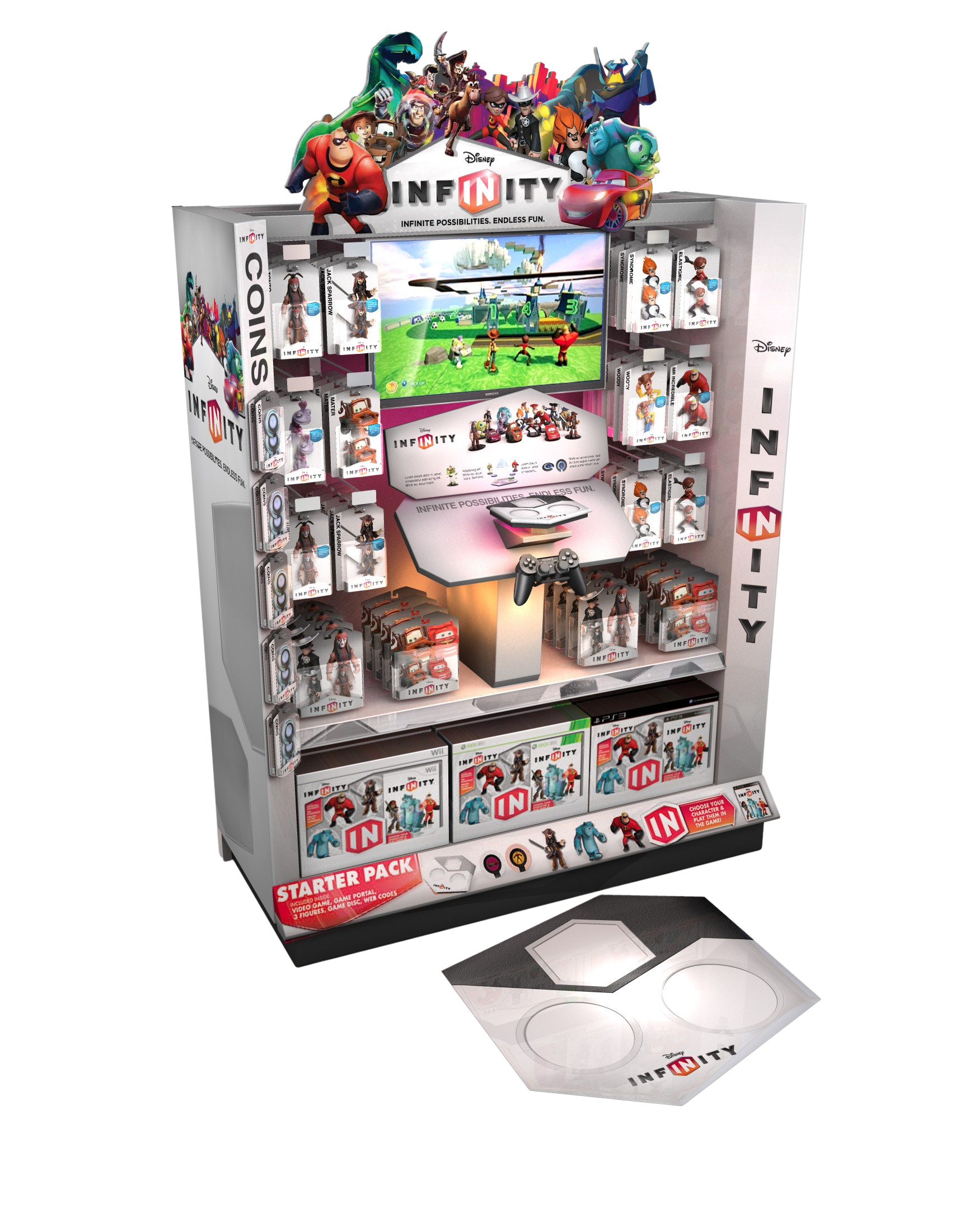
At its core, a POP Display is a strategic tool that transforms products into captivating visual statements. From countertop arrangements to floor displays, POP Displays are expertly designed to capture attention and drive impulse purchases.

Unveiling the Magic of Trap Blister Packs

Trap blisters are a packaging solution that effortlessly combines transparency with protection. This packaging innovation securely encases products within a clear plastic blister, offering both a view of the product and a secure enclosure.

A Dynamic Partnership

The interaction between POP Displays and Trap Blister Packs creates a powerful synergy. While POP Displays attract attention, Trap Blister Packs provide a clear view of the product, enticing customers to explore further.

Enhancing the Customer Journey

The synergy between these elements goes beyond aesthetics, enriching the customer journey. The eye-catching display draws shoppers in, and the transparent packaging allows for an up-close interaction with the product, enhancing the overall shopping experience.

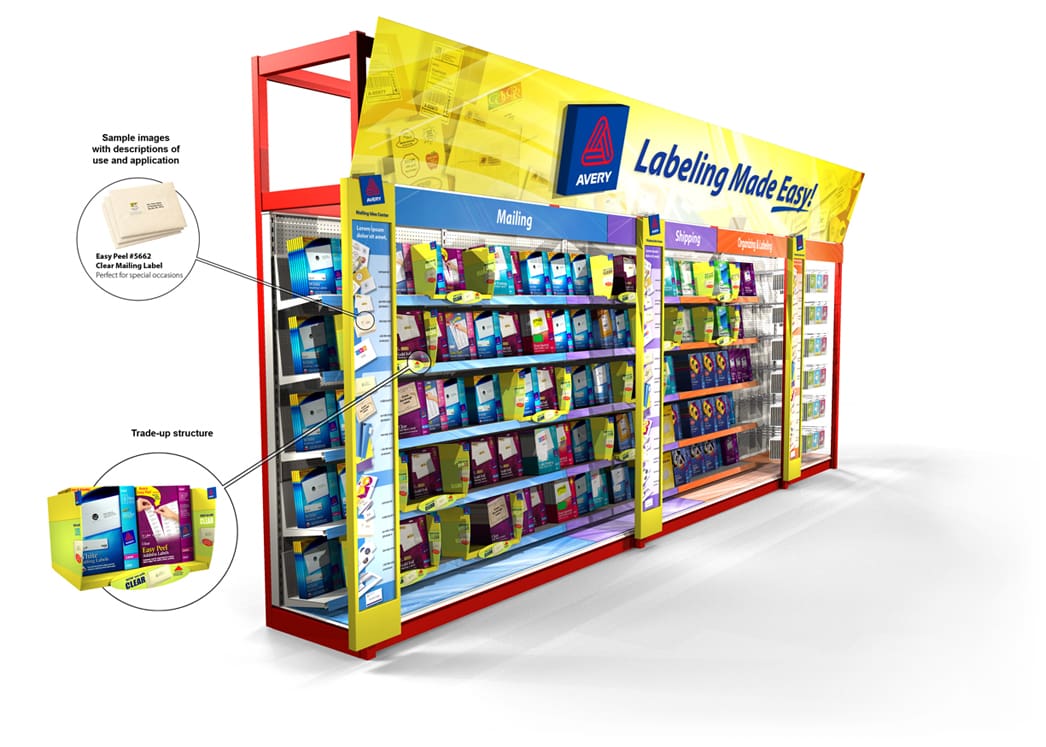
Endcap Display

The Role of Trap Blister Packs in the World of POP Displays

  1. Balancing Visibility and Security: Trap Blister Packs strike a balance between visibility and security, offering customers a tantalizing look at the product while keeping it protected.
  2. Visual Consistency: The uniform, crystal-clear appearance of Trap Blister Packs complements the aesthetics of POP Displays, ensuring a seamless and immersive presentation.
  3. Protection: Trap Blister Packs shield products from dust, moisture, and physical damage, preserving their pristine condition.

Effective Strategies

  1. Unified Presentation: Coordinate the design of Trap Blister Packs with the POP Display to create a captivating, cohesive shopping atmosphere.
  2. Informative Design: Utilize the available space on Trap Blister Packs to convey vital information, enticing customers with features and benefits.
  3. Ease of Interaction: Prioritize user-friendly packaging that enables customers to engage effortlessly with the product.

Extending to the Digital Realm

The impact of Trap Blister Packs extend beyond physical stores. In the digital realm, these elements seamlessly adapt to e-commerce, providing clear visuals and product details that mirror the in-person experience.

If you are interested in pop displays or trap blister packs, then partner with Brown Packaging today.

Most Recent Posts:
Packaging Supplier Contracts: What Buyers Should Know

Supplier contracts can make or break a packaging program. Without the right terms, buyers risk price volatility, missed lead times, and inconsistent product quality. In 2026, negotiating smart contracts is essential for controlling costs, securing reliable supply, and meeting compliance requirements. Why Packaging Contracts Matter Cost stability: Protects against sudden raw material price spikes. Supply security: Ensures availability during peak demand. Quality control: Aligns suppliers with testing and compliance standards. Operational efficiency: Streamlines purchasing and reduces administrative burden. Key Terms Buyers Should Negotiate Volume commitments: Secure better pricing with accurate forecasts. Price adjustment clauses: Define when and how costs can change. Lead times and delivery windows: Avoid shortages and production delays. Testing and compliance: Require ISTA, ASTM, or FSC certification where applicable. Sustainability commitments: Ensure suppliers align with environmental goals. Risks of Weak Contracts Paying inflated prices during market fluctuations. Receiving inconsistent corrugated strength or print quality. Missed shipments leading to costly expedited freight. Difficulty meeting retailer or regulatory compliance. Best Practices for Buyers in 2026 Leverage data: Use past order history to negotiate realistic volumes. Dual sourcing: Maintain backup suppliers for risk management. Annual reviews: Reassess terms to reflect changes in demand and compliance. Collaborative approach: Treat suppliers as partners, not just vendors. Packaging Solutions with Brown Packaging Brown Packaging helps buyers secure strong supplier contracts that balance cost, quality, and supply chain reliability. Our partnerships and industry expertise ensure your packaging program is protected for 2026 and beyond. Contact us to discuss supplier solutions. References Soroka, W. (2009). Fundamentals of Packaging Technology (4th ed.). Institute of Packaging Professionals.Fiber Box Association. (2024). Corrugated Packaging Market Outlook. Retrieved from https://www.fibrebox.orgSustainable Packaging Coalition. (2023). Supplier Standards for Sustainable Packaging. Retrieved from https://sustainablepackaging.org (714)300-0650 request@brownpackaging.com Most Recent Posts: Categories: Corrugated Ecommerce ESD Design Display Flexible Packaging Foam Folding Carton Packaging Plastic Packaging Pouch Printing Protection Retail Rigid Box Thermoform Sustainability Subscribe To Our Newsletter By submitting your information, you agree to our terms and conditions and privacy policy. Custom Packaging Facebook Twitter LinkedIn Pinterest Relevant Posts

Read More »
Meeting 2026 Packaging Compliance Standards

Packaging compliance is no longer optional—it’s a requirement for accessing retail shelves, shipping networks, and international markets. In 2026, buyers must navigate evolving regulations around sustainability, labeling, and testing to avoid costly fines, rejected shipments, or damaged customer relationships. Why Compliance Matters in 2026 Retail requirements: Major retailers demand FSC, ISTA, and sustainability certifications. E-commerce standards: Carriers enforce dimensional weight and package testing rules. Global trade: Export packaging must comply with ISPM 15, ASTM, and ISO guidelines. Consumer trust: Transparency in packaging claims impacts purchasing decisions. Key Compliance Areas for Buyers Material sourcing: FSC-certified corrugated and board for sustainability. Labeling standards: GS1-compliant barcodes and accurate product details. Durability testing: ISTA and ASTM protocols for drop, vibration, and compression. Sustainability regulations: Requirements for recyclable or compostable materials. Chemical restrictions: Compliance with FDA, EU, or state-specific standards. Common Compliance Challenges Keeping up with frequent regulatory changes. Managing multiple certifications across suppliers. Balancing compliance with cost-efficiency. Verifying supplier claims for sustainability. Best Practices for Staying Compliant Audit suppliers annually to confirm certification validity. Run internal packaging tests before scaling. Track regulatory updates for each region you ship to. Work with experienced partners who understand industry compliance. Packaging Solutions with Brown Packaging Brown Packaging helps buyers meet 2026 compliance standards with FSC-certified materials, ISTA-tested designs, and regulatory expertise. Our team ensures your packaging meets retailer, carrier, and sustainability requirements. Contact us to keep your program compliant. References Forest Stewardship Council (FSC). (2023). FSC Certification Guidelines for Packaging. Retrieved from https://fsc.orgInternational Safe Transit Association (ISTA). (2023). ISTA Testing Procedures for Transport Packaging. Retrieved from https://ista.orgGS1. (2024). Global Standards for Packaging and Labeling. Retrieved from https://www.gs1.org (714)300-0650 request@brownpackaging.com Most Recent Posts: Categories: Corrugated Ecommerce ESD Design Display Flexible Packaging Foam Folding Carton Packaging Plastic Packaging Pouch Printing Protection Retail Rigid Box Thermoform Sustainability Subscribe To Our Newsletter By submitting your information, you agree to our terms and conditions and privacy policy. Custom Packaging Facebook Twitter LinkedIn Pinterest Relevant Posts

Read More »
How FSC Packaging Certification Impacts Your Brand

In 2026, sustainability is no longer just a trend—it’s a buyer expectation. Forest Stewardship Council (FSC) certification has become a key benchmark for responsible packaging, signaling that materials are sourced from responsibly managed forests. For packaging buyers, FSC certification is more than a compliance checkbox—it’s a brand value that influences purchasing decisions, retailer acceptance, and customer loyalty. What Is FSC Certification? The Forest Stewardship Council certifies that paper-based packaging materials are sourced from forests managed for environmental responsibility, social benefit, and economic viability. FSC Mix: Packaging contains a blend of FSC-certified and controlled wood. FSC Recycled: Packaging is made entirely from recycled fiber. FSC 100%: Packaging is sourced only from FSC-certified forests. Why FSC Matters to Buyers in 2026 Retail access: Many major retailers now require FSC-certified packaging. Sustainability goals: Aligns with corporate ESG and carbon reduction commitments. Consumer trust: Customers recognize the FSC label and view it as credible. Global compliance: Meets international sustainability regulations. How FSC Certification Strengthens Brand Value Differentiation: Stand out with certified sustainable packaging. Marketing advantage: FSC logos reinforce eco-friendly messaging. Risk reduction: Verified sourcing prevents greenwashing claims. Customer loyalty: Environmentally conscious buyers prefer certified products. Challenges in FSC Implementation Limited supply of certain FSC substrates. Higher costs compared to non-certified materials. Need for supplier audits and documentation. Packaging Solutions with Brown Packaging Brown Packaging partners with buyers to integrate FSC-certified materials into corrugated boxes, folding cartons, and retail packaging. Our solutions support sustainability while maintaining cost efficiency and protection. Contact us to strengthen your brand with FSC-certified packaging. References Forest Stewardship Council (FSC). (2023). FSC Certification Guidelines for Packaging. Retrieved from https://fsc.orgSustainable Packaging Coalition. (2023). Consumer Insights on Sustainable Packaging. Retrieved from https://sustainablepackaging.orgSoroka, W. (2009). Fundamentals of Packaging Technology (4th ed.). Institute of Packaging Professionals. (714)300-0650 request@brownpackaging.com Most Recent Posts: Subscribe To Our Newsletter By submitting your information, you agree to our terms and conditions and privacy policy. Sustainable Packaging Facebook Twitter LinkedIn Pinterest Relevant Posts

Read More »
Sustainable Packaging Buyers’ Guide for 2026

Sustainability is now a top priority for packaging buyers. Retailers, regulators, and consumers are all demanding packaging solutions that reduce environmental impact without sacrificing performance. In 2026, buyers must balance eco-friendly materials, cost, and compliance to build programs that are both effective and future-ready. What Buyers Need to Know About Sustainable Packaging Regulatory pressure: Governments are enforcing stricter rules on recyclability and plastic use. Retail mandates: FSC certification and recyclable packaging are becoming standard requirements. Consumer expectations: Customers increasingly choose brands with visible sustainability commitments. Sustainable Material Options Recycled corrugated: High recycled content while maintaining compression strength. Compostable films: Suitable for select food and retail applications. Molded pulp inserts: Replace foam or plastic for protective packaging. Water-based coatings: Enhance moisture resistance without harmful chemicals. Balancing Cost and Performance Right-size packaging: Reduces material waste and shipping costs. Hybrid solutions: Combine eco-materials with corrugated for balance. Life cycle analysis: Evaluate true environmental impact, not just marketing claims. How to Evaluate Sustainable Suppliers Verify FSC, SPC, or ISO certifications. Request testing data for durability and recyclability. Audit supply chains for consistency and transparency. Ensure claims meet local and international compliance standards. Packaging Solutions with Brown Packaging Brown Packaging helps buyers implement sustainable packaging programs that balance cost, performance, and compliance. From recycled corrugated to eco-friendly coatings and inserts, we deliver solutions that meet 2026 sustainability goals. Contact us to explore sustainable packaging options. References Forest Stewardship Council (FSC). (2023). FSC Certification Guidelines for Packaging. Retrieved from https://fsc.orgSustainable Packaging Coalition. (2023). Packaging Sustainability Trends and Buyer Insights. Retrieved from https://sustainablepackaging.orgSoroka, W. (2009). Fundamentals of Packaging Technology (4th ed.). Institute of Packaging Professionals. (714)300-0650 request@brownpackaging.com Most Recent Posts: Categories: Corrugated Ecommerce ESD Design Display Flexible Packaging Foam Folding Carton Packaging Plastic Packaging Pouch Printing Protection Retail Rigid Box Thermoform Sustainability Subscribe To Our Newsletter By submitting your information, you agree to our terms and conditions and privacy policy. Sustainable Packaging Facebook Twitter LinkedIn Pinterest Relevant Posts

Read More »
Comparing Single vs. Multi-Material Packaging

Choosing the right packaging material is one of the most important decisions buyers face. Single-material packaging offers simplicity and recyclability, while multi-material designs provide enhanced performance and protection. Understanding the trade-offs helps companies balance cost, functionality, and sustainability goals in 2026. What Is Single-Material Packaging? Single-material packaging uses one substrate—such as corrugated board, folding carton, or plastic—for the entire structure. Advantages: Easier to recycle and dispose. Lower material costs in many cases. Streamlined sourcing and inventory. Supports sustainability messaging. Disadvantages: Limited barrier protection. Less customization for fragile or complex products. May require added thickness for strength, increasing weight. What Is Multi-Material Packaging? Multi-material packaging combines two or more substrates—such as corrugated with foam, or paperboard laminated with film—to achieve specific performance outcomes. Advantages: Greater protection against moisture, oxygen, and impact. Allows for premium finishes and enhanced graphics. Ideal for fragile or high-value products. Customizable for unique supply chain conditions. Disadvantages: More difficult to recycle due to material separation. Higher cost and longer lead times. Complex sourcing and inventory management. When to Use Each Approach Single-material packaging: Best for products with low fragility, strong sustainability requirements, or cost-driven programs. Multi-material packaging: Best for high-value, fragile, or regulated products requiring advanced protection. Balancing Performance and Sustainability Buyers must weigh performance needs against eco goals: Use recyclable coatings to extend single-material performance. Choose hybrid designs that separate easily for recycling. Apply multi-material solutions only where risk of damage outweighs cost. Packaging Solutions with Brown Packaging Brown Packaging helps buyers evaluate when to use single- vs. multi-material packaging. Our team balances sustainability, performance, and cost to deliver solutions tailored to your supply chain. Contact us to explore the right approach for your products. References Forest Stewardship Council (FSC). (2023). FSC Packaging Certification Guidelines. Retrieved from https://fsc.orgSoroka, W. (2009). Fundamentals of Packaging Technology (4th ed.). Institute of Packaging Professionals.Sustainable Packaging Coalition. (2022). Design for Recyclability and Multi-Material Packaging Report. Retrieved from https://sustainablepackaging.org (714)300-0650 request@brownpackaging.com Most Recent Posts: Categories: Corrugated Ecommerce ESD Design Display Flexible Packaging Foam Folding Carton Packaging Plastic Packaging Pouch Printing Protection Retail Rigid Box Thermoform Sustainability Subscribe To Our Newsletter By submitting your information, you agree to our terms and conditions and privacy policy. Custom Packaging Facebook Twitter LinkedIn Pinterest Relevant Posts

Read More »
Eco-Friendly Materials That Still Protect Products

One of the biggest challenges in sustainable packaging is balancing environmental responsibility with product protection. Buyers often worry that switching to eco-friendly materials means sacrificing durability or driving up costs. In 2026, new material technologies allow brands to meet sustainability goals without compromising strength or supply chain performance. Why Protection Still Matters Damaged products create more waste than packaging ever could. Returns increase logistics costs and carbon emissions. Retailers and e-commerce platforms expect packaging to deliver both sustainability and reliability. Eco-Friendly Material Options Recycled corrugated: Maintains stacking strength while reducing virgin fiber use. Molded pulp inserts: Cushion fragile items while replacing plastic foam. Water-based barrier coatings: Add moisture resistance without plastic films. Compostable films: Ideal for short shelf-life or single-use applications. Paper-based mailers: Replace poly mailers for e-commerce shipments. How to Balance Eco Goals and Protection Use right-sizing to reduce material volume while improving fit. Apply hybrid solutions (corrugated + pulp) for high-value goods. Conduct ISTA testing to validate protective performance. Match material choice to product fragility and supply chain conditions. Examples in Action Electronics: Molded pulp trays replacing EPS foam. Food and beverage: FSC-certified corrugated with recyclable coatings. Retail e-commerce: Recycled paper mailers protecting apparel. Packaging Solutions with Brown Packaging Brown Packaging develops eco-friendly solutions that protect products while meeting sustainability requirements. From recycled corrugated to innovative coatings, our team ensures you never trade protection for environmental impact. Contact us to explore eco-material options. References Forest Stewardship Council (FSC). (2023). FSC Certification Guidelines for Packaging. Retrieved from https://fsc.orgSustainable Packaging Coalition. (2023). Eco-Friendly Packaging Materials and Case Studies. Retrieved from https://sustainablepackaging.orgASTM International. (2023). ASTM D4169: Standard Practice for Performance Testing of Shipping Containers and Systems. (714)300-0650 request@brownpackaging.com Most Recent Posts: Subscribe To Our Newsletter By submitting your information, you agree to our terms and conditions and privacy policy. Custom Packaging Facebook Twitter LinkedIn Pinterest Relevant Posts

Read More »
Categories:
Subscribe To Our Newsletter

By submitting your information, you agree to our terms and conditions and privacy policy.

countertop display
POP Displays
Facebook
Twitter
LinkedIn
Pinterest
Relevant Posts
POP Displays for Seasonal Promotions
Display
brownpackaging
POP Displays for Seasonal Promotions

Seasonal promotions are among the most powerful opportunities for brands to capture attention in retail environments. From holidays to back-to-school campaigns, point-of-purchase (POP) displays serve as the centerpiece of these promotions. To succeed, seasonal displays must deliver bold branding, withstand short-term but intensive use, and remain cost-efficient for rapid deployment. The Role of POP Displays in Seasonal Campaigns Seasonal promotions rely on speed, visibility, and excitement. POP displays amplify these campaigns by: Highlighting limited-time offers. Creating urgency that drives impulse purchases. Reinforcing brand presence during peak shopping periods. Allowing retailers to reconfigure store layouts quickly. Design Considerations for Seasonal POP Displays Unlike long-term club store displays, seasonal displays must balance structural strength with temporary use. Lightweight but durable materials: Enough to last weeks, not months. Fast assembly: Retail staff must set up displays quickly. Compact shipping: Flat-pack designs keep logistics efficient. Creative graphics: Bold, festive, and aligned with seasonal themes. Balancing Cost and Performance Because seasonal promotions are short-lived, packaging buyers must avoid overspending on unnecessary strength. Best practices include: Using single-wall corrugated with protective coatings when appropriate. Right-sizing displays to fit promotion duration and product volume. Selecting cost-efficient printing methods that deliver strong visual impact. Examples of Seasonal POP Applications Holiday promotions: Gift packs, limited-edition items, and themed displays. Back-to-school campaigns: Stationery, snacks, and student-focused promotions. Summer promotions: Beverage displays and outdoor lifestyle products. Valentine’s Day or Easter: Small-scale seasonal displays with high turnover. POP Display Solutions with Brown Packaging Brown Packaging designs POP displays tailored for seasonal promotions. From festive graphics to cost-efficient structural designs, we create displays that attract shoppers and maximize return during short-term campaigns. Contact us to learn more about seasonal POP solutions. References Shop! Association. (2021). Best Practices for In-Store Marketing and POP Displays. Retrieved from https://www.shopassociation.orgSoroka, W. (2009). Fundamentals of Packaging Technology (4th ed.). Institute of Packaging Professionals.ASTM International. (2023). ASTM D5445: Standard Practice for Pictorial Markings for Handling of Goods. (714)300-0650 request@brownpackaging.com Most Recent Posts: Categories: Corrugated Ecommerce ESD Design Display Flexible Packaging Foam Folding Carton Packaging Plastic Packaging Pouch Printing Protection Retail Rigid Box Thermoform Sustainability Subscribe To Our Newsletter By submitting your information, you agree to our terms and conditions and privacy policy. POP Display Facebook Twitter LinkedIn Pinterest Relevant Posts

Read More »
permanent POP display
Display
brownpackaging
Logistics and Installation: Streamlining POP Display Deployment

The final steps in deploying a permanent and semi-permanent Point of Purchase (POP) display involve the logistics of distribution and the specifics of installation. Effective management of these stages is crucial to ensure that your displays are set up correctly, on time, and with optimal impact. This blog will guide you through the logistics and installation processes, providing insights on how to streamline these operations for maximum efficiency and effectiveness. Planning and Coordinating Logistics Understanding Distribution Requirements Begin by assessing the distribution requirements for your POP displays. Consider the number of locations, geographical spread, and the timeline for deployment. Effective logistics planning ensures that all displays reach their intended locations without delays or damage. Choosing a Distribution Partner Selecting the right logistics partner is vital. Look for providers with experience in handling retail displays, as they can offer specialized services such as on-time delivery to multiple locations, careful handling of materials, and even storage solutions if needed. Packaging for Protection Ensure that the POP displays are packaged securely to prevent damage during transit. This might involve custom crating or protective padding, especially for more delicate components. The goal is to have the displays arrive in pristine condition, ready for installation. Efficient and Effective Installation Preparing Installation Guidelines Provide clear, detailed installation guidelines to ensure consistent setup across all locations. This should include instructions on assembly, placement, and any necessary tools or materials. Proper guidelines help minimize errors and reduce the time needed for installation. Training Teams or Hiring Professionals Decide whether to train your staff for installation or to hire professional installers. Training in-house teams can be cost-effective and allow for more control over the process. However, professional installers can offer the advantage of experienced, quick, and reliable setup, which might be crucial for complex displays or large-scale rollouts. Coordinating with Retail Locations Work closely with the management of the retail locations where the displays will be installed. Coordination is essential for ensuring that the installation process does not disrupt business operations and that the display is placed in the most effective spot within the store. On-site Adjustments Be prepared for on-site adjustments. Even with thorough planning, the need for minor tweaks during installation is common. Quick decision-making and adaptability can help overcome any unforeseen challenges that arise during the setup. Monitoring and Troubleshooting Initial Feedback Loop Once the displays are installed, establish an initial feedback loop with the store managers and installation teams. Gather insights on the installation process and the initial response of customers to the displays. This feedback can be invaluable for making any immediate adjustments and for improving future deployments. Ongoing Maintenance Plan for the maintenance of the displays to ensure they remain attractive and functional throughout their intended lifespan. This might involve regular check-ups, cleaning, and repairs. Maintaining the displays well can significantly enhance their effectiveness and protect your investment. Conclusion Logistics and installation are critical phases in the deployment of POP displays. Efficiently managing these aspects ensures that your displays are set up to attract and engage customers effectively. By focusing on careful planning, clear communication, and flexibility, you can streamline these processes to achieve a successful display rollout that meets both your operational goals and marketing objectives. If you are interested in POP displays, then partner with Brown Packaging today to get started. (714)300-0650 request@brownpackaging.com Most Recent Posts: Categories: Corrugated Ecommerce ESD Design Display Flexible Packaging Foam Folding Carton Packaging Plastic Packaging Pouch Printing Protection Retail Rigid Box Thermoform Sustainability Subscribe To Our Newsletter By submitting your information, you agree to our terms and conditions and privacy policy. Custom Packaging Facebook Twitter LinkedIn Pinterest Relevant Posts

Read More »
POP Display
Display
brownpackaging
Creating a POP Display: The Do’s and Dont’s for Success

A Point of Purchase (POP) display is a powerful marketing tool used by retailers and brands to attract customers’ attention, showcase products, and boost sales at the moment of decision-making. However, designing an effective POP display requires careful consideration and adherence to certain principles. In this comprehensive guide, we’ll explore the essential do’s and dont’s of creating a successful POP display. The Do’s of Creating a POP Display 1. Know Your Target Audience:Understand the preferences, interests, and buying behaviors of your target customers. Tailor your POP display to resonate with your audience. 2. Highlight Key Products:Focus on promoting a select few products rather than overwhelming customers with too many options. Highlighting specific items can lead to higher sales. 3. Eye-Catching Design:Invest in an attractive and visually appealing design. Use colors, graphics, and branding elements that align with your brand identity. 4. Simplicity:Keep the design simple and uncluttered. A cluttered display can confuse customers and discourage them from making a purchase. 5. Effective Signage:Use clear and concise signage to convey product information, benefits, and pricing. Ensure that signage is easy to read from a distance. 6. Product Accessibility:Arrange products in a way that encourages customers to interact with them. Allow for easy product access and handling. 7. Incorporate Branding:Reinforce your brand identity through consistent logo placement, color schemes, and messaging on the display. 8. Lighting:Consider using lighting to draw attention to your display. Well-placed lights can make products stand out and create a more inviting atmosphere. 9. Durability:Choose durable materials and construction for your POP display, especially if it will be placed in high-traffic areas. 10. Regular Maintenance:Ensure that your POP display is regularly maintained and refreshed. Replace damaged or worn-out elements promptly. Supplier Negotiation and Comparison Establishing a good relationship with suppliers can open the door to discounts, especially if your business is a repeat customer. Don’t hesitate to negotiate prices or ask for special deals. Additionally, regularly comparing prices from different suppliers can uncover more competitive rates or better terms. Keep in mind that the cheapest option is not always the best choice if it compromises box quality, which can lead to product damage and higher costs in the long run. The Don’ts of Creating a POP Display 1. Overcrowding:Avoid overcrowding the display with too many products or excessive signage. Clutter can deter customers. 2. Complex Messaging:Keep your messaging simple and straightforward. Avoid using technical jargon or overly complicated language. 3. Ignoring Placement:Consider the location of your POP display within the store. Don’t place it in an area with poor visibility or low foot traffic. 4. Lack of Clarity:Don’t leave customers guessing about product details or pricing. Make sure all essential information is clearly displayed. 5. Inconsistent Branding:Maintain consistency in branding elements. Avoid using conflicting colors, fonts, or logos that can confuse customers. 6. Neglecting Maintenance:Neglecting the maintenance of your display can lead to a negative impression. Regularly check for damage or wear and tear. 7. Disregarding Feedback:Don’t ignore customer feedback or sales data. Use insights to make improvements to your POP display strategy. 8. Not Testing:Don’t skip the testing phase. Before deploying your display, conduct test runs to ensure it’s visually appealing and functional. 9. Ignoring Trends:Stay updated with current design and retail trends. An outdated or out-of-touch display can deter customers. 10. Lack of Flexibility:Ensure that your POP display can be adapted to changing needs or promotions. A rigid design can limit its effectiveness. Conclusion Creating a successful POP display requires careful planning and adherence to best practices. By knowing your audience, highlighting key products, focusing on design and simplicity, using effective signage, ensuring product accessibility, incorporating branding, considering lighting and durability, maintaining the display, and avoiding common pitfalls such as overcrowding and complex messaging, you can create a compelling and effective POP display that captures customers’ attention and drives sales. Keep in mind that a well-executed POP display can be a valuable asset in your marketing toolkit, enhancing your brand’s visibility and increasing product sales. If you are interested in point of purchase displays, then partner with Brown Packaging today to get started. (714)300-0650 request@brownpackaging.com Most Recent Posts: Categories: Corrugated Ecommerce ESD Design Display Flexible Packaging Foam Folding Carton Packaging Plastic Packaging Pouch Printing Protection Retail Rigid Box Thermoform Sustainability Subscribe To Our Newsletter By submitting your information, you agree to our terms and conditions and privacy policy. Custom POP Displays Facebook Twitter LinkedIn Pinterest Relevant Posts

Read More »