
Home » Enhancing Repurchase Rates Through Strategic Packaging Design
Enhancing Repurchase Rates Through Strategic Packaging Design
In an increasingly competitive marketplace, the role of packaging extends beyond the first point of sale – it’s a vital tool in fostering customer loyalty and encouraging repeat purchases. Well-designed packaging can significantly influence a customer’s decision to return to the same product, reinforcing brand recognition and satisfaction. This blog post continues to explore the various ways in which packaging can be optimized to boost consumer repurchase rates.
Consistency in Branding and Messaging
- Brand Recognition: Consistent use of colors, logos, and design elements across all packaging ensures that your products are easily recognizable. This familiarity can be comforting to consumers and can influence their repurchase decisions.
- Clear Communication: Packaging that effectively communicates the product’s value proposition and key benefits helps reinforce the reasons why a consumer chose the product in the first place, encouraging them to do so again.
Sustainability: A Key Factor in Modern Packaging
- Eco-Friendly Design: Environmentally-conscious consumers are more likely to repurchase products with sustainable packaging. Using recyclable, biodegradable, or compostable materials can be a significant draw.
- Sustainability Messaging: Clearly highlighting your brand’s commitment to sustainability on your packaging can foster a deeper connection with your target audience and encourage brand loyalty.
Personalization and Customization
- Creating a Personal Connection: Personalized packaging elements, such as including the customer’s name or tailored messages, can create a unique and memorable unboxing experience, enhancing the likelihood of repurchase.
- Customization for Different Segments: Tailoring packaging designs to different market segments or occasions can make consumers feel more understood and valued, thereby increasing brand affinity.
Utilizing Technology and Innovation
- Interactive Packaging: Incorporating elements like QR codes or augmented reality can turn packaging into an interactive experience, offering more value than just the product itself.
- Smart Packaging Technologies: Technologies that improve product usability or provide additional information through packaging can enhance the overall user experience, making repurchase more likely.
Feedback Loops and Consumer Insights
- Gathering Consumer Feedback: Use packaging as a medium to encourage feedback, such as directing consumers to online surveys or social media channels. This interaction can provide valuable insights for future improvements and make customers feel heard.
- Responsive Design Changes: Demonstrating that you value customer feedback by making tangible changes in your packaging design can build trust and loyalty, encouraging repeat purchases.
Quality Assurance and Consistency
- Maintaining High Standards: Ensuring that every package that reaches the consumer is of high quality is crucial. Inconsistent quality in packaging can deter consumers from repurchasing.
- Investment in Quality Materials and Processes: Using durable materials and reliable packaging processes minimizes the risk of damage or deterioration, maintaining product integrity and customer satisfaction.
Conclusion
Effective packaging design is a powerful tool in the arsenal of strategies to increase repurchase rates. By focusing on aspects like memorable unboxing experiences, functional design, consistent branding, sustainability, personalization, technological integration, and quality assurance, brands can significantly enhance customer satisfaction and loyalty. In an era where consumers have endless choices, packaging that resonates with them on multiple levels can be the deciding factor in their decision to repurchase.
If your interested in strategic packaging solutions, then partner with Brown Packaging today to get started.
As budgets tighten in 2026, packaging buyers are under pressure to reduce costs without increasing damage rates. Cutting too aggressively can lead to product loss, higher return rates, and frustrated
Product damage is one of the most expensive risks in packaging. Beyond replacement costs, damaged goods lead to lost sales, returns, and reputational harm. In 2026, complex e-commerce, global shipping,
Retail packaging continues to evolve as brands balance sustainability, supply chain performance, and consumer experience. In 2026, buyers face new challenges shaped by material innovation, compliance requirements, and rising consumer
Supplier contracts can make or break a packaging program. Without the right terms, buyers risk price volatility, missed lead times, and inconsistent product quality. In 2026, negotiating smart contracts is
Home » Enhancing Repurchase Rates Through Strategic Packaging Design

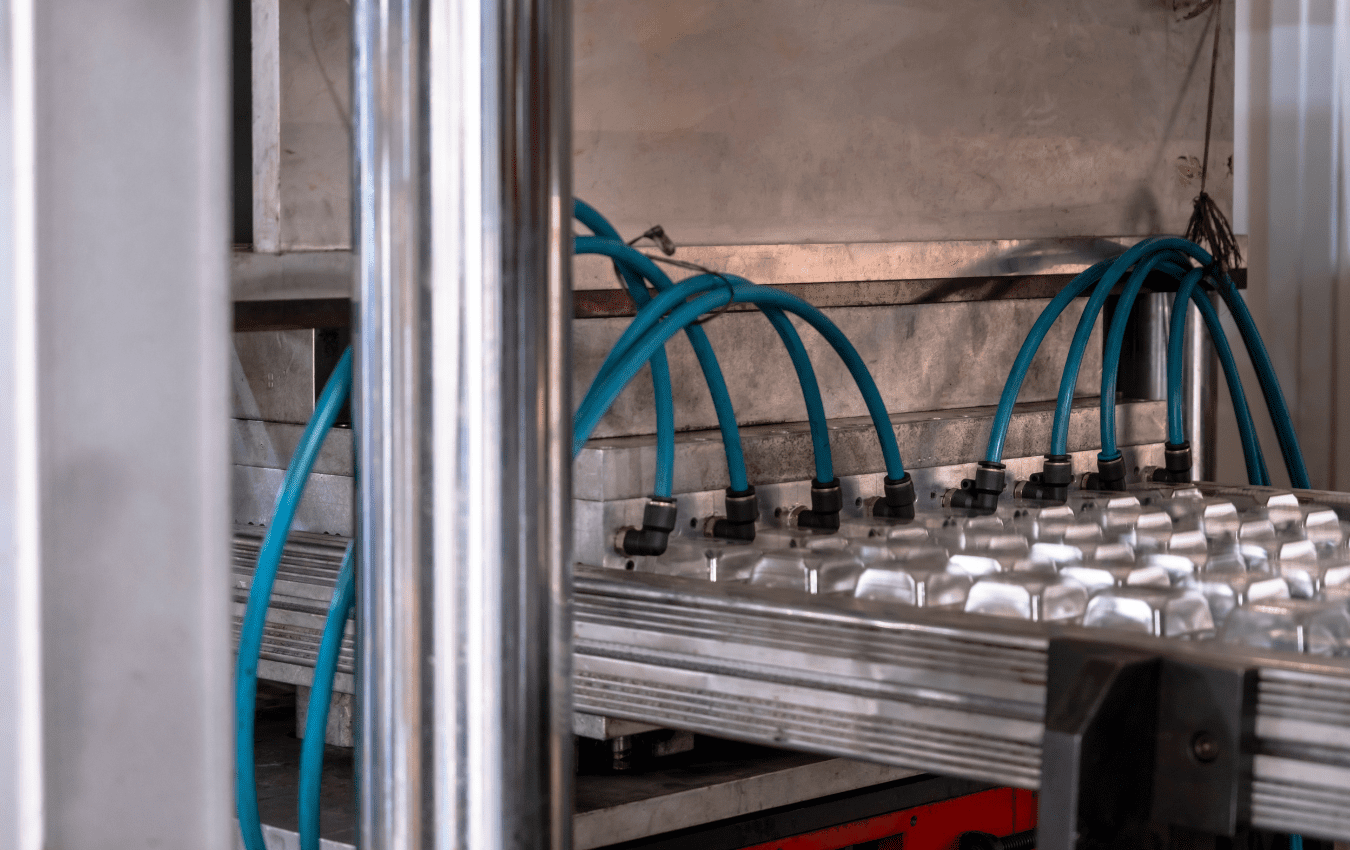
The packaging industry has been subjected to vast shifts in focus over the past few years. With the growing awareness of sustainability issues and the pressing concern of environmental conservation, businesses have been prioritizing ‘green’ packaging strategies. In this context, sustainable thermoform packaging has emerged as an innovative solution. This blog post delves into the current practices in this domain and the future opportunities it presents. Understanding Thermoform Packaging What is Thermoform Packaging? Thermoforming is a method of packaging that involves heating a plastic sheet to a pliable forming temperature, shaping it to a specific mold, and then trimming it to create a usable product. The resultant packaging is light, strong, and protective. Thermoform packaging is widely used in numerous sectors including food, pharmaceuticals, electronics, and personal care products. Sustainable Thermoform Packaging Explained Why Sustainable Thermoform Packaging? As businesses continue to face increasing regulatory pressures and consumer demand for eco-friendly products, sustainable thermoform packaging has become a viable and attractive alternative. It addresses the core need of durability and product protection, while also reducing the ecological footprint. Materials in Sustainable Thermoform Packaging The heart of sustainable thermoform packaging lies in the materials used. These range from bio-based plastics, recycled post-consumer plastic, to other eco-friendly materials. Bio-based plastics: These are derived from renewable sources such as corn starch, sugar cane, and other plant-based materials. These bioplastics are designed to biodegrade under specific conditions and are often used in food and beverage packaging. Recycled post-consumer plastic: These materials, recovered from consumer waste streams, are cleaned, processed, and recycled into new packaging materials. The use of post-consumer recycled (PCR) plastic can significantly reduce the need for virgin plastic production. Innovations in Sustainable Thermoform Packaging Design Innovations Advancements in design have led to more efficient and sustainable thermoform packaging options. For example, packaging designs are becoming more minimalistic, reducing material usage while maintaining product protection. Innovation also extends to the use of mold technologies that can accurately form complex shapes, improving material efficiency. Technology Innovations New technologies are also playing a vital role in enhancing the sustainability of thermoform packaging. Advanced thermoforming machines are more energy-efficient, reducing the overall carbon footprint of the packaging process. In addition, techniques like vacuum thermoforming and pressure forming are enabling the creation of lighter, yet durable, packaging solutions. The Future of Sustainable Thermoform Packaging Opportunities and Challenges The future holds great promise for sustainable thermoform packaging, but also poses significant challenges. The main opportunity lies in innovation, particularly in the areas of material science, design, and technology. However, one of the significant challenges will be to scale up the use of these innovations while managing costs. Furthermore, while bio-based plastics and recycled materials offer great promise, issues surrounding their compostability and recyclability need further exploration and solutions. Potential Areas for Growth Sectors like food, personal care products, and pharmaceuticals already heavily use thermoform packaging. However, sectors like electronics and automotive components present a vast untapped market, as these industries strive to reduce their environmental impact. Policy and Regulation With governments globally increasingly focusing on sustainability, future policy and regulations are expected to be more favorable towards sustainable packaging. Tax benefits, subsidies, or other incentives could further drive the adoption of sustainable thermoform packaging. Consumer Awareness and Demand Consumer awareness and demand for sustainable products will continue to be a major driver for the growth of sustainable thermoform packaging. As more consumers understand the benefits of sustainable packaging, businesses will be incentivized to adopt these practices. If you are interested in thermoform packaging, then partner with Brown Packaging today. (714)300-0650 request@brownpackaging.com Most Recent Posts: Categories: Corrugated Ecommerce ESD Design Display Flexible Packaging Foam Folding Carton Packaging Plastic Packaging Pouch Printing Protection Retail Rigid Box Thermoform Sustainability Subscribe To Our Newsletter By submitting your information, you agree to our terms and conditions and privacy policy. Thermoform Packaging Facebook Twitter LinkedIn Pinterest Relevant Posts

Color plays a vital role in brand recognition, and it is especially important when it comes to packaging materials. The color of your packaging can influence consumer purchase decisions and help create brand identity and recall. Therefore, it is crucial to ensure that the colors on your packaging material match your brand colors. In this blog, we will explore different packaging materials and color methods such as CMYK, GCMI, and PMS to achieve accurate and consistent color reproduction on your packaging. Step 1: Understand Your Brand Colors The first step in color matching your brand colors on your packaging material is to understand your brand colors. If you have not established brand colors, it is crucial to do so before selecting packaging materials. Brand colors are the colors that represent your brand and are typically used in your logo, website, and marketing materials. Understanding your brand colors involves identifying the exact color values and the color space used to represent them. Color values are a set of numerical codes that represent the color of your brand. The most common color spaces are RGB (Red, Green, Blue) and CMYK (Cyan, Magenta, Yellow, Black). RGB is used for digital applications, while CMYK is used for print applications. Therefore, if you are planning to print your packaging material, it is essential to use the CMYK color space. Step 2: Choose Packaging Materials Once you have established your brand colors, it is time to choose the packaging materials. Different packaging materials can have different effects on color, and it is essential to choose the right one to achieve the desired result. Some of the most common packaging materials are: Paper Paper is a versatile and cost-effective packaging material that can be used for a variety of products. It can be coated or uncoated, and the type of paper can affect color reproduction. For example, coated paper reflects more light than uncoated paper, resulting in more vibrant colors. Coated papers, such as glossy or silk finishes, provide excellent color vibrancy and sharpness because they do not absorb as much ink as uncoated papers. The smooth surface of coated papers allows for more accurate ink placement, which results in more precise color reproduction. However, the downside to using coated paper is that it can be more expensive than uncoated paper. On the other hand, uncoated papers, such as kraft or natural papers, can give a more organic or rustic feel to your packaging. However, because uncoated paper absorbs more ink, the colors may appear duller and less vibrant than coated paper. Plastic Plastic is another common packaging material that can be used for a wide range of products. The color reproduction on plastic can vary depending on the type of plastic and the printing method used. For example, transparent plastic allows light to pass through, resulting in a different color effect than opaque plastic. Polyethylene (PE) and Polypropylene (PP) are common types of plastic used for packaging. PE is a more flexible and transparent plastic, whereas PP is a more rigid and opaque plastic. PP can be produced in different colors, and the colors will remain consistent throughout the printing process. PE, on the other hand, may have color variations due to its transparency. Glass Glass is an excellent packaging material for products that require protection from light and air. The color of the glass can affect color reproduction, so it is essential to choose the right type of glass. For example, amber glass filters out blue light, resulting in a warmer color tone. Glass is available in a range of colors, such as clear, green, amber, and blue. The color of the glass can affect the color reproduction of the product inside. For example, clear glass allows the product color to show through, while green glass can give the product a greenish tint. When printing on glass, it is essential to use a high-quality ink that can withstand the high temperatures used in the printing process. Step 3: Select a Color Method Once you have selected your packaging material, it is time to select a color method. There are several color methods you can use to achieve the desired color on your packaging material. Three common color methods are: Cyan, Magenta, Yellow and Black CMYK stands for Cyan, Magenta, Yellow and Black, which are the four colors used in printing. CMYK is a popular color method used in digital printing and is ideal for small print runs. Digital printing is a cost-effective method of printing that allows for quick color changes and high-quality printing. Global Color Matching System GCMI stands for Global Color Matching System, which is a standardized color system used in printing. GCMI is ideal for larger print runs and ensures consistent color reproduction across different materials and printing methods. GCMI uses a set of predefined colors that are recognized by printers worldwide. It is important to mention that GCMI is only used for corrugated printing. Pantone Matching System PMS stands for Pantone Matching System, which is a standardized color system used in printing. PMS is ideal for achieving precise color matching and is often used for branding and marketing materials. PMS uses a set of predefined colors that are mixed to achieve the desired color. When selecting a color method, it is important to consider the type of packaging material you are using. For example, digital printing may not be suitable for all packaging materials, and offset printing may be a better option for materials such as paper or corrugated. It is also important to consider the color space used in the printing process. If you are using a digital printing method, it is important to use the CMYK color space to achieve accurate color reproduction. Step 4: Test and Adjust Once you have selected your color method, it is time to test and adjust. It is essential to print a test run of your packaging material to ensure that the colors are accurate and consistent. This step is crucial because

Retail point of purchase (POP) displays are essential tools for marketing products directly to consumers within retail environments. These displays vary widely in shape, size, and design, each tailored to specific marketing and placement needs. Corrugated POP displays, known for their versatility and durability, offer an array of options to suit various retail settings. Here, we explore nine popular types of corrugated POP displays, detailing their applications and benefits to help you choose the right one for your products. What is a Corrugated Retail POP Display? Corrugated retail POP displays are made from corrugated fiberboard, which is notable for its structural sturdiness yet lightweight properties. These displays are customized with unique structures, sizes, shapes, and folds, and are often enhanced with vibrant graphic designs, various print options, and finishes. Designed to be temporarily installed, from a day to several months, they provide a flexible and cost-effective solution for seasonal marketing or promotional campaigns. Detailed Overview of Corrugated Retail POP Displays Floor Displays Full Pallet Display Half Pallet Display Quarter Pallet Display Power Wing/Sidekick Dump Bin Pallet Skirt/Wrap Counter Tops PDQ Trays Floor Display Floor displays, or floor stands, are the quintessential type of POP display used in retail. Positioned in prominent store aisles, they provide access from multiple sides, maximizing consumer interaction. Applications: Ideal for new product launches or special promotions. Benefits: High visibility and easy accessibility increase consumer engagement and potential sales. Full Pallet Display These displays are built directly on a shipping pallet and are commonly seen in wholesale and bulk retail environments. Applications: Best for large-volume promotions or wholesale club stores. Benefits: They facilitate bulk selling and are easy to set up directly from the shipping pallet, reducing setup time and effort. Half Pallet Display Smaller than full pallet displays, these are versatile for both product showcasing and promotional uses in retail environments. Applications: Effective in retail settings where space is more limited but product visibility is still a priority. Benefits: Offers a balance between the bulk promotion of a full pallet and the space-saving design of smaller displays. Quarter Pallet Display Designed for small spaces, quarter pallet displays optimize retail areas by accommodating compact display needs. Applications: Suitable for checkout areas or in narrow aisle endcaps. Benefits: Maximizes retail space efficiency and is ideal for highlighting smaller product quantities. Full Pallet Display Half Pallet Display Power Wing/Sidekick These are secondary displays attached to existing shelving or at the end of aisles using hooks or adhesives. Applications: Perfect for promoting small, impulse-buy items next to related products. Benefits: Enhances product visibility and encourages impulse purchases; easy to install and move. Dump Bin An open container for bulk or loose items, placed strategically to attract customers through ease of access and the allure of rummaging. Applications: Great for clearance items, seasonal goods, or promotional products. Benefits: Encourages spontaneous purchasing by making items easily accessible and visibly appealing. Pallet Skirt/Wrap A decorative and informative wrap around the base of a pallet, this display type is often used in warehouse-style retail environments. Applications: Enhances the aesthetic of bulk product displays on pallets. Benefits: Provides significant branding space to communicate marketing messages effectively; quick to install. Counter Tops Small displays designed to sit on counters or other surfaces where space is at a premium. Applications: Ideal for checkout areas to promote small, last-minute purchase items. Benefits: Utilizes otherwise wasted counter space and captures customer attention during the checkout process. PDQ Trays Pre-packed display trays that are easy to set up and can be placed on shelves, counters, or alongside larger displays. Applications: Suitable for quick setup in retail environments, offering versatility for product placement. Benefits: Streamlines the merchandising process, reducing labor costs and enhancing product turnover. Dump Bin Countertop Display Summary: Different Types of Corrugated POP Displays Choosing the right type of corrugated POP display can significantly impact the effectiveness of your in-store marketing efforts. By understanding the specific features and benefits of each display type, you can tailor your approach to better meet your promotional goals and engage more effectively with your target customers. If you are interested in POP displays, then partner with Brown Packaging today to get started. (714)300-0650 request@brownpackaging.com Most Recent Posts: Categories: Corrugated Folding Carton Display Packaging Rigid Box Subscribe To Our Newsletter By submitting your information, you agree to our terms and conditions and privacy policy. POP Displays Facebook Twitter LinkedIn Pinterest Relevant Posts