
window.uetq = window.uetq || []; window.uetq.push(‘event’, ‘submit_lead_form’,{ event_label:‘SUBMIT MESSAGE’ }); window.lintrk('track', { conversion_id: 10271009 }); window.lintrk('track', { conversion_id: 10271017 });

Do Printed Boxes Lose Their Appeal After Shipping?

Printed boxes are an excellent choice for enhancing brand visibility and creating a memorable unboxing experience for customers. However, a common concern is whether they maintain their aesthetic appeal after enduring the shipping process, which often involves rough handling, exposure to dirt, and environmental factors.

In this blog, we’ll explore the challenges of keeping printed boxes looking great during shipping and share actionable tips to ensure your packaging stays pristine and professional, no matter the journey.

Why Do Printed Boxes Get Dirty or Damaged During Shipping?

Shipping environments can be harsh on packaging, especially when boxes are subjected to:

  • Rough Handling: Boxes are frequently tossed, stacked, and dragged, which can cause scuffs, tears, or dents.
  • Environmental Exposure: Rain, humidity, or dusty conditions can leave marks or stains on your boxes.
  • Extended Transit Times: Longer journeys increase the risk of damage due to repeated handling and exposure.

These factors can affect the appearance of printed designs, potentially diminishing the customer experience.

How to Keep Printed Boxes Looking Great During Shipping

Choose Durable Materials


The quality of your box material plays a key role in protecting its appearance.

  • Use corrugated cardboard with a robust outer liner for extra durability.
  • Opt for laminated or coated surfaces to resist dirt, water, and scratches.
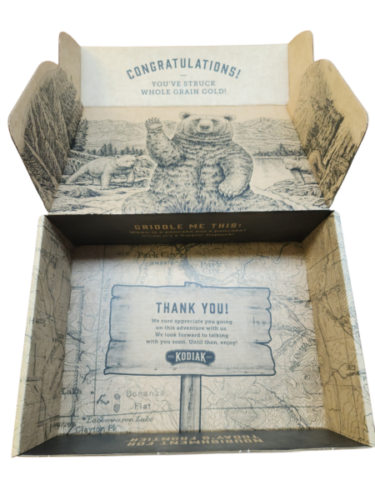
  • Consider using kraft exteriors for rugged protection, with printed branding on the interior for a surprise-and-delight unboxing moment.

Protect Your Print Design with Finishes


A protective finish can safeguard your printed design against smudges, scratches, and moisture. Popular options include:

  • Gloss Lamination: Adds a shiny finish that repels dirt and fingerprints.
  • Matte Lamination: Offers a sophisticated, non-reflective look while protecting the print.
  • UV Coating: Provides extra durability and is ideal for vibrant colors.

Use Protective Shipping Features


Additional shipping precautions can help reduce wear and tear.

  • Add shrink wrap or polybag covers to shield boxes from dirt and moisture.
  • Use double-boxing for high-value shipments to protect printed boxes during transit.
  • Include void fillers like packing paper or air pillows to minimize movement inside the box.
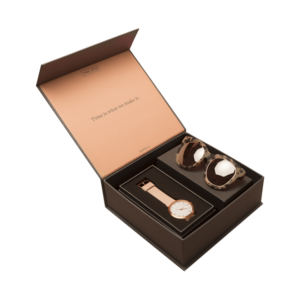
custom rigid box with insert

Avoid Overly Dark Designs on High-Impact Areas


Dark colors, especially on corners or edges, are more likely to show scuffs or scratches.

  • Reserve darker hues for less exposed areas of the box.
  • Use lighter, neutral tones or patterns that help conceal minor wear.

Choose Strategic Placement for Printing


Where you print on the box matters.

  • Print your branding or designs on the top and sides, leaving the bottom unprinted to reduce visible wear.
  • For a luxury feel, consider printing inside the box to protect your design while providing a clean unboxing experience.

Why Maintaining Box Aesthetics Matters

The appearance of your packaging has a direct impact on your brand perception:

  • First Impressions: A box that looks professional upon arrival reassures customers about your product quality.
  • Brand Visibility: Pristine printed boxes keep your logo and messaging clear, acting as mobile advertisements during transit.
  • Customer Loyalty: Packaging that withstands shipping challenges shows customers you value their experience.

Conclusion

Printed boxes can maintain their beauty and functionality during shipping with the right materials, finishes, and protective strategies. By investing in durable designs and smart shipping practices, you can ensure your packaging arrives looking as great as when it left your facility.

If you are interested in quality printed corrugated boxes, then partner with Brown Packaging today to get started.

Most Recent Posts:
Retail Packaging Trends for 2026

Retail packaging continues to evolve as brands balance sustainability, supply chain performance, and consumer experience. In 2026, buyers face new challenges shaped by material innovation, compliance requirements, and rising consumer

Read More »
Meeting 2026 Packaging Compliance Standards

Packaging compliance is no longer optional—it’s a requirement for accessing retail shelves, shipping networks, and international markets. In 2026, buyers must navigate evolving regulations around sustainability, labeling, and testing to

Read More »
Categories:
Subscribe To Our Newsletter

By submitting your information, you agree to our terms and conditions and privacy policy.

Custom Packaging
Facebook
Twitter
LinkedIn
Pinterest
Relevant Posts
Custom Folding Carton Box With Foil Stamping
Design
brownpackaging
Foil Stamping In Packaging: A Buyer’s Guide

In the world of packaging, making a memorable impression is crucial. Packaging not only protects and delivers products but also serves as a powerful branding and marketing tool. Foil stamping, a decorative technique, has gained popularity as a means to add elegance, sophistication, and visual appeal to packaging. In this detailed blog, we will explore what foil stamping is in packaging and how it can elevate your brand’s image and make a lasting impact on customers. What is Foil Stamping? Foil stamping, also known as foil printing, mainly used in hot stamping, is a specialized printing process used to apply metallic or pigmented foil onto various materials, including paper, cardboard, plastics, and more. This process involves the application of heat and pressure to transfer the foil material onto the packaging surface. The result is a brilliant and eye-catching design that stands out from traditional printing methods. How Foil Stamping Works The foil stamping process consists of several key steps: Design Preparation: The first step involves creating a custom design or selecting pre-made foil stamping patterns or templates. This design will be transferred onto the packaging material. Die Creation: A metal die is fabricated based on the chosen design. The die is heated during the stamping process and serves as a mold for transferring the foil. Foil Feeding: The foil roll is placed above the packaging material, and a heat-activated adhesive is applied to the area where the foil will adhere. Stamping Process: The heated metal die is pressed onto the packaging material, transferring the foil onto the adhesive-coated area. The pressure and heat cause the foil to bond with the packaging surface, leaving the desired design in a brilliant metallic or pigmented finish. Cooling and Removal: After the foil is applied, it is allowed to cool, which sets it firmly onto the packaging material. Once cooled, any excess foil is removed, leaving only the stamped design. Benefits of Foil Stamping in Packaging Foil stamping offers a multitude of benefits that make it an attractive choice for packaging enhancement: Visual Appeal: Foil stamping adds a luxurious and eye-catching element to packaging, making it stand out on the shelf or in the hands of customers. Elegance and Sophistication: The reflective and shimmering qualities of foil create an impression of elegance, making it suitable for high-end and luxury products. Customization: Foil stamping allows for customization with various foil colors, including metallic, matte, and holographic options, enabling brands to tailor the design to their unique identity. Durability: Foil-stamped designs are resilient and resistant to fading, ensuring that the packaging maintains its visual appeal over time. Branding and Brand Recognition: Foil-stamped logos and branding elements increase brand recognition and help customers associate the packaging with the brand. Versatility: Foil stamping can be used on a wide range of packaging materials, such as boxes, labels, bags, and more, making it a versatile choice. Applications of Foil Stamping in Packaging Foil stamping can be applied to various packaging types and industries: Cosmetics: Foil stamping is commonly used for high-end cosmetic packaging to convey luxury and quality. Food and Beverages: Premium food and beverage products often feature foil-stamped labels or packaging to communicate exclusivity. Pharmaceuticals: Foil stamping on pharmaceutical packaging can enhance product visibility and compliance. Retail Packaging: Foil-stamped logos and branding elements on retail packaging create an upscale and memorable shopping experience. Event and Wedding Invitations: Foil-stamped invitations and stationery add a touch of elegance and sophistication to special occasions. Conclusion Foil stamping is a remarkable decorative technique that can transform ordinary packaging into extraordinary masterpieces. With its ability to add visual appeal, elegance, and brand recognition, foil stamping is a valuable tool for businesses aiming to make a lasting impression on customers and stand out in a competitive market. Whether used for branding, customization, or enhancing the perceived value of products, foil stamping is a versatile and impactful choice in the world of packaging. If you are interested in packaging with foil stamping, then partner with Brown Packaging today to get started. (714)300-0650 request@brownpackaging.com Most Recent Posts: Subscribe To Our Newsletter By submitting your information, you agree to our terms and conditions and privacy policy. Custom Packaging Facebook Twitter LinkedIn Pinterest Relevant Posts

Read More »
Custom Product Box Cosmetic
Printing
brownpackaging
Lithography Vs Digital Print: Pros and Cons

Lithography and digital print are two of the most commonly used methods in packaging printing. They both have unique advantages and disadvantages, and understanding these differences can help you make an informed decision about which method is best for your packaging needs. In this blog, we’ll compare and contrast digital print and lithography in packaging. Lithography Lithography, also known as offset printing, is a traditional printing process that has been used for over a century. It involves the transfer of ink from a printing plate to a rubber blanket, which is then pressed onto the paper or packaging material. Lithography is a high-quality printing method that produces sharp, crisp, and detailed images with consistent color and density. Advantages of Lithography Lithography is a high-quality printing method that has been used for over a century and is known for its superior print quality. It is widely used in packaging printing for a variety of reasons, including its versatility, consistency, and cost-effectiveness for large runs. Here are some advantages of lithography in more detail: High-Quality Prints: Lithography produces high-quality prints with accurate color reproduction, sharp images, and consistent color and density. The printing plates used in lithography are carefully prepared, ensuring that each print is of the same quality as the first. Versatility: Lithography can be used on a wide range of packaging materials, including paper, corrugated and plastic. It is also suitable for printing on various shapes and sizes of packaging, making it a versatile option for packaging printing. Consistency: Because lithography uses printing plates, each print is consistent in quality and color. This makes it an ideal choice for large runs where consistency is essential. Cost-Effective for Large Runs: Lithography becomes more cost-effective for large runs because the cost of the printing plates can be spread over a large number of prints. This makes lithography a popular choice for large packaging orders. Excellent Detail and Resolution: Lithography produces prints with excellent detail and resolution, making it the ideal choice for printing complex designs and fine text. Disadvantages of Lithography While lithography has many advantages, it also has some disadvantages that should be considered when deciding whether to use this printing method for packaging. Here are some disadvantages of lithography in more detail: High Setup Costs: Lithography has a high setup cost because it requires the creation of a printing plate and the preparation of the printing press. This can make it less cost-effective for smaller runs of packaging. Long Lead Times: The setup process for lithography can take a long time, which can be a disadvantage when you need your packaging printed quickly. The process of creating the printing plates and preparing the printing press can take several days or even weeks, depending on the complexity of the design and the size of the print run. Limited Customization: Lithography is not the best choice for highly customized packaging as it requires the creation of a new printing plate for each design. This can be time-consuming and expensive, making lithography less suitable for small runs of packaging with different designs. Environmental Concerns: Lithography is not the most environmentally friendly printing method. The process uses chemicals and produces a lot of waste, including used ink, paper waste, and printing plates, which can be harmful to the environment if not disposed of properly. Digital Printing Digital printing is a newer printing technology that has been rapidly gaining popularity in recent years. It involves the direct transfer of digital files to the printing press, eliminating the need for printing plates. Advantages of Digital Print Digital print offers a range of advantages over traditional printing methods like lithography, making it an attractive option for many packaging applications. Here are some advantages of digital printing in more detail: Quick Turnaround: Digital printing has a much faster setup time than lithography, which means that your packaging can be printed quickly. There is no need to create printing plates, which eliminates the time-consuming process of plate making and setup. Cost-Effective for Small Runs: Digital printing is cost-effective for small runs of packaging because there are no setup costs associated with the printing plates. This makes digital printing an ideal choice for startups or small businesses that need a smaller number of packaging prints. Customization: Digital printing allows for a high degree of customization, making it ideal for unique and personalized packaging. Each print can be different without any additional costs, which is perfect for packaging with multiple versions or personalized designs. High-Quality Prints: While digital printing may not match the print quality of lithography, it has come a long way in recent years and can produce high-quality prints with accurate color reproduction, sharp images, and excellent detail and resolution. Versatility: Digital printing is suitable for a wide range of packaging materials, including paper, corrugated, plastic, and some types of metal. This makes it a versatile option for packaging printing that can be used in a variety of applications. Disadvantages of Digital Print Although digital printing has many advantages, it also has some disadvantages that should be considered when deciding whether to use this printing method for packaging. Here are some disadvantages of digital printing in more detail: Lower Print Quality: While digital printing has come a long way in recent years, it still cannot match the print quality of lithography. Digital printing can produce high-quality prints, but the color reproduction, sharpness, and detail may not be as accurate or consistent as lithography. Limited Versatility: While digital printing is suitable for a wide range of packaging materials, it may not be the best choice for all materials. Digital printing may not be suitable for some packaging materials like glass or some types of metal. Additionally, digital printing may not be able to achieve some specialty finishes, such as metallic inks or embossing. Inconsistent Color Matching: Because digital printing does not use the same ink as lithography, color matching can be challenging, especially when it comes to Pantone colors. Variations in temperature, humidity, and the printing substrate can also

Read More »
The Future of Digital Print in Packaging: Trends and Predictions
Printing
brownpackaging
The Future of Digital Print in Packaging: Trends and Predictions

Digital printing has revolutionized the packaging industry in recent years. It has brought a lot of flexibility, creativity, and efficiency to the packaging process. It has enabled brands to customize their packaging designs and produce them in small quantities at a lower cost than traditional printing methods. As digital printing technology continues to improve, it is poised to have an even greater impact on the packaging industry in the future. Quick Overview: Future of Digital Print In this blog, we will explore the future of digital print in packaging. Customization and Personalization Faster Time-to-Market Sustainable Packaging Greater Efficiency and Cost-Effectiveness Advanced Printing Techniques On-Demand Printing Interactive Packaging Improved Quality Smart Packaging Greater Flexibility Customization and Personalization Digital printing has made it possible for brands to create customized packaging designs that can be tailored to specific customer needs. In the future, this trend is expected to continue with more advanced software and technology. Brands will be able to offer more personalized packaging to their customers, such as custom graphics, text, and even individualized packaging for each product. This will help companies to differentiate their products and create a more engaging customer experience. Faster Time-to-Market Digital printing has already reduced the time-to-market for packaging products, but this trend is expected to accelerate in the future. With digital printing, brands can produce packaging designs quickly and efficiently without having to go through the lengthy setup and lead times associated with traditional printing methods. As digital printing technology continues to improve, it will become even faster and more cost-effective, making it an attractive option for brands looking to bring products to market quickly. Sustainable Packaging Sustainability is a growing concern for consumers and brands alike. Digital printing can help to reduce waste and make packaging more environmentally friendly. In the future, we can expect to see more sustainable packaging options made possible by digital printing technology. For example, brands could use digital printing to produce packaging with biodegradable materials or to print on recycled paper. This will help to reduce the environmental impact of packaging and meet the demands of environmentally conscious consumers. Greater Efficiency and Cost-Effectiveness Digital printing has already improved efficiency and cost-effectiveness in the packaging industry, but the future looks even brighter. As technology continues to improve, we can expect to see even greater efficiency gains and cost savings. For example, new software and automation tools will help to streamline the printing process, reducing waste and increasing productivity. This will make digital printing an even more attractive option for brands looking to reduce costs and improve efficiency. Advanced Printing Techniques As digital printing technology continues to advance, we can expect to see new and innovative printing techniques emerge. For example, augmented reality (AR) could be used to enhance packaging designs and create a more interactive customer experience. This advanced printing technique will help brands to differentiate their products and create a more engaging customer experience. On-Demand Printing Digital printing enables brands to print packaging on-demand, which means they can produce smaller quantities of packaging as and when they need it. This eliminates the need for large print runs and reduces the amount of inventory a company needs to hold. In the future, on-demand printing is expected to become even more prevalent, allowing brands to respond quickly to changing market demands and reduce their overall costs. Interactive Packaging As technology advances, packaging is becoming more interactive. Brands are using digital printing to create packaging that incorporates augmented reality (AR), QR codes, and other interactive elements. This creates a more engaging customer experience and allows brands to provide additional product information or promotional offers. In the future, we can expect to see even more interactive packaging, with brands using digital printing to create packaging that integrates with mobile apps or other digital platforms. Improved Quality Digital printing technology has already improved the quality of packaging designs, but this trend is expected to continue in the future. As the technology improves, digital printing will be able to produce even more vibrant colors, sharper images, and finer details. This will enable brands to create more visually stunning packaging designs that stand out on store shelves and capture the attention of consumers. Smart Packaging  Smart packaging is a new trend in the packaging industry that uses technology to add additional functionality to packaging. For example, smart packaging can be used to monitor the temperature of food products, track the location of shipped products, or provide real-time product information to consumers. Digital printing technology is a key component of smart packaging, allowing brands to incorporate sensors, antennas, and other electronic components into packaging designs. In the future, we can expect to see more smart packaging solutions made possible by digital printing technology. Greater Flexibility Digital printing enables brands to produce packaging designs with greater flexibility than traditional printing methods. Brands can easily make changes to packaging designs, produce smaller quantities of packaging, and create custom packaging for specific products or events. In the future, we can expect to see even greater flexibility in digital printing, with brands using the technology to create packaging that is tailored to specific customer segments or geographic regions. This will enable brands to better meet the needs of their customers and stand out in an increasingly competitive marketplace. Summary: The Future of Digital Packaging Conclusion The future of digital print in packaging looks bright. As technology continues to improve, we can expect to see more customization, faster time-to-market, greater sustainability, improved efficiency, cost-effectiveness, and advanced printing technique. Brands that embrace digital printing will be able to differentiate themselves from the competition and create a more engaging customer experience. Digital printing is the future of packaging, and it is an exciting time to be a part of this industry. If you are interested in digital printed packaging, then partner with Brown Packaging today to get started. (714)300-0650 request@brownpackaging.com Most Recent Posts: Categories: Corrugated Ecommerce ESD Design Display Flexible Packaging Foam Folding Carton Packaging Plastic Packaging Pouch Printing Protection Retail Rigid Box Thermoform

Read More »