




Home » Corrugated vs Poly Mailers: Choosing the Right Ecommerce Packaging
Corrugated vs Poly Mailers: Choosing the Right Ecommerce Packaging
In the world of ecommerce, packaging plays a crucial role in ensuring that products reach customers in perfect condition while also reflecting the brand’s image and values. Among the various packaging options available, corrugated and poly mailers are two popular choices. Each option has its own set of advantages and considerations, making the decision between them an important one for any ecommerce business. In this blog post, we’ll delve into the details of corrugated and poly mailers to help you make an informed choice for your ecommerce packaging needs.
Corrugated Mailers
Advantages:
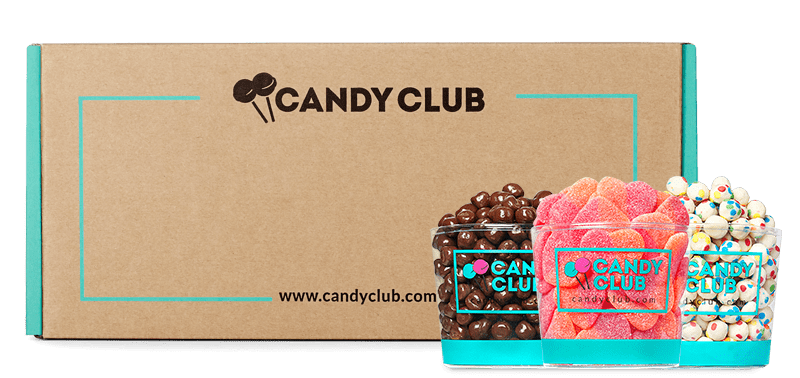
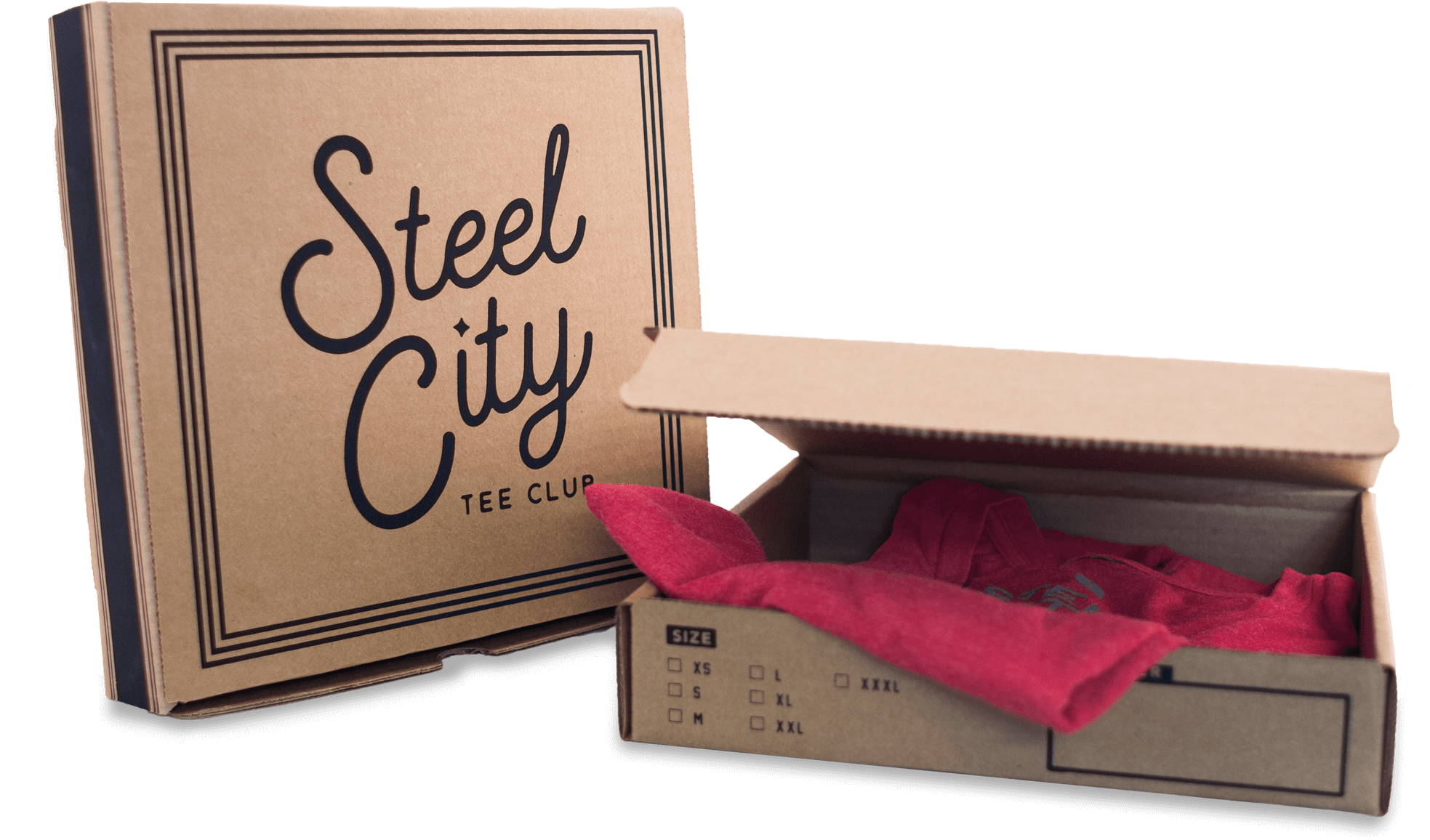
- Protection and Durability: Corrugated mailers, often made from sturdy corrugated cardboard, offer exceptional protection to fragile items. The multi-layered structure of corrugated material provides cushioning and absorbs shocks during transit, minimizing the risk of damage.
- Customization: Corrugated mailers can be easily customized to fit your brand’s identity. They can be printed with high-quality graphics, logos, and branding elements, enhancing your brand recognition and creating a memorable unboxing experience for customers.
- Versatility: These mailers come in various sizes and shapes, making them suitable for a wide range of products. Additionally, they can be used for products of different weights without compromising on protection.
- Eco-Friendly Options: Many consumers appreciate sustainable packaging choices. Corrugated mailers can be sourced from recycled materials and are biodegradable, aligning with environmentally conscious values.
Considerations:
- Weight and Shipping Costs: Corrugated mailers are heavier than poly mailers, which can result in higher shipping costs, especially for businesses shipping products in bulk or internationally.
- Storage Space: Due to their rigid structure, corrugated mailers might require more storage space compared to flat-folded poly mailers.
Poly Mailers
Advantages:
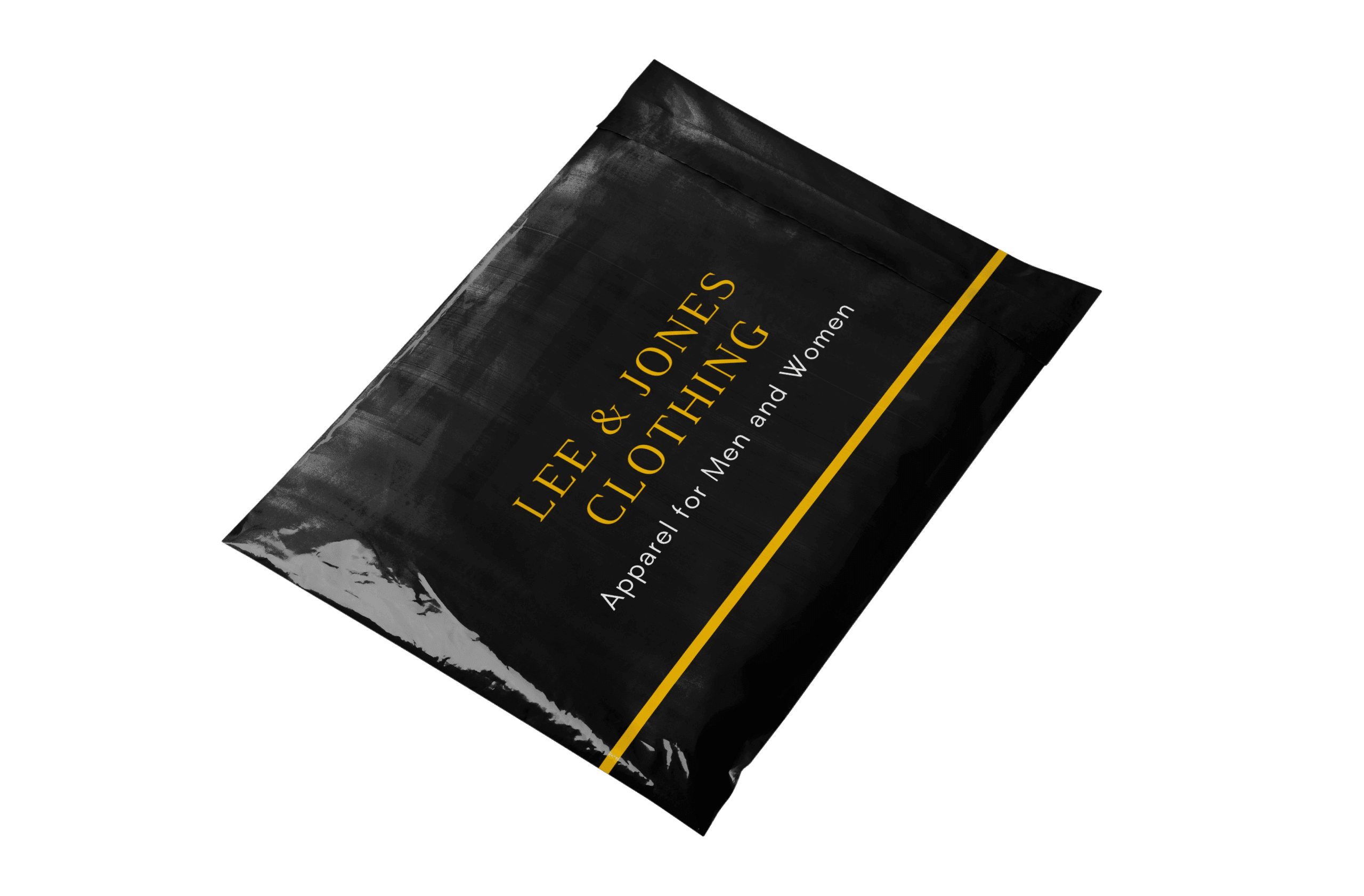
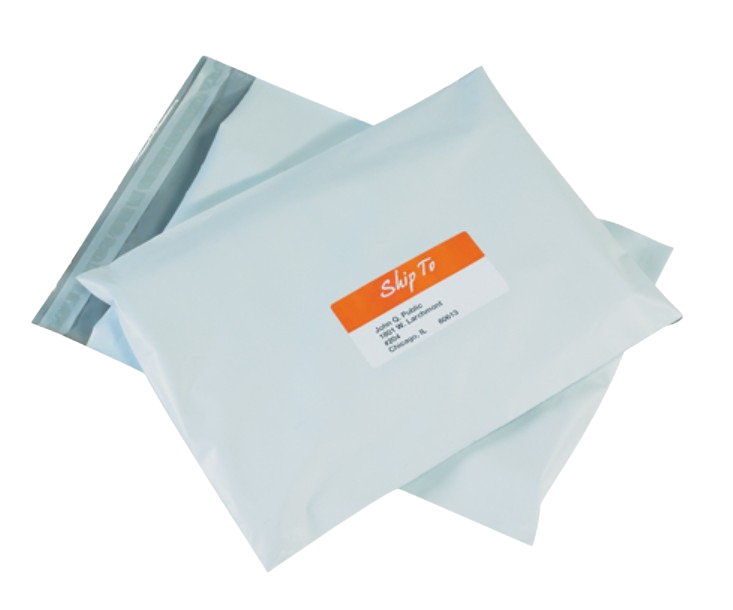
- Lightweight: Poly mailers are made from thin, lightweight plastic materials, which can help reduce shipping costs, particularly for businesses that ship large quantities.
- Water-Resistant: Poly mailers provide a level of water resistance, protecting products from minor exposure to moisture during transit. This feature is particularly useful for products that are not inherently waterproof.
- Flexibility: Poly mailers are flexible and take up less storage space compared to corrugated mailers. They can be stored flat and easily folded when needed.
- Tear-Resistant: These mailers are designed to resist tears and punctures, providing an extra layer of protection against potential damage.
Considerations:
- Limited Cushioning: While poly mailers offer some level of protection, they may not be suitable for very delicate or fragile items without additional cushioning.
- Branding Limitations: While poly mailers can be printed on, the printing quality might not be as high as what’s achievable on corrugated mailers.
- Environmental Impact: Poly mailers are often made from plastic materials that are not biodegradable. This can be a concern for environmentally conscious customers.
Choosing the Right Option
Ultimately, the choice between corrugated and poly mailers depends on the nature of your products, your brand image, and your budget considerations. If your priority is to provide maximum protection for fragile items and to create a strong branding impression, corrugated mailers might be the way to go. On the other hand, if cost efficiency, lightweight packaging, and flexibility are more important for your business, poly mailers could be the better choice.
Remember, you can also explore hybrid options. For instance, some businesses use corrugated mailers for fragile items and poly mailers for less delicate products, striking a balance between protection and cost-effectiveness.
In the end, the ideal packaging solution considers both the practical aspects of safe product transit and the emotional aspects of customer experience. Whichever option you choose, make sure it aligns with your brand’s values and meets your customers’ expectations.
If you are interested in ecommerce packaging solutions, then partner with Brown Packaging today to get started.
Retail packaging continues to evolve as brands balance sustainability, supply chain performance, and consumer experience. In 2026, buyers face new challenges shaped by material innovation, compliance requirements, and rising consumer expectations. Understanding these trends helps companies stay competitive while aligning packaging programs with industry standards. Sustainability Becomes Non-Negotiable Greater use of recyclable and compostable substrates. Retailers pushing suppliers toward FSC-certified materials. Minimalist designs that reduce waste without losing impact. Smarter Packaging for Supply Chains Increased adoption of right-sizing to reduce freight costs. Boxes designed for automation and faster fulfillment. Stronger corrugated grades to withstand long e-commerce journeys. Enhanced Consumer Experience Custom graphics for seasonal campaigns and limited editions. Tear strips, resealable closures, and window cutouts for convenience. Premium finishes that elevate gift packaging at retail. Growth of Hybrid Packaging Formats Combining corrugated strength with folding carton graphics. Modular designs for multi-SKU and club store environments. Packaging engineered to serve both e-commerce and in-store needs. Compliance and Testing Standards Retailers demanding ISTA and ASTM testing for packaging durability. Supply chain audits on recyclability and sustainability claims. More pressure for transparent reporting on environmental impact. Retail Packaging Solutions with Brown Packaging Brown Packaging helps brands adapt to evolving retail packaging trends. From sustainable substrates to automation-friendly designs, our solutions balance branding, durability, and compliance for 2026. Contact us to prepare your packaging program for the year ahead. References Forest Stewardship Council (FSC). (2023). FSC Packaging Certification Guidelines. Retrieved from https://fsc.orgSustainable Packaging Coalition. (2023). Packaging Trends and Consumer Insights. Retrieved from https://sustainablepackaging.orgSoroka, W. (2009). Fundamentals of Packaging Technology (4th ed.). Institute of Packaging Professionals. (714)300-0650 request@brownpackaging.com Most Recent Posts: Categories: Corrugated Ecommerce ESD Design Display Flexible Packaging Foam Folding Carton Packaging Plastic Packaging Pouch Printing Protection Retail Rigid Box Thermoform Sustainability Subscribe To Our Newsletter By submitting your information, you agree to our terms and conditions and privacy policy. Custom Packaging Facebook Twitter LinkedIn Pinterest Relevant Posts
Supplier contracts can make or break a packaging program. Without the right terms, buyers risk price volatility, missed lead times, and inconsistent product quality. In 2026, negotiating smart contracts is essential for controlling costs, securing reliable supply, and meeting compliance requirements. Why Packaging Contracts Matter Cost stability: Protects against sudden raw material price spikes. Supply security: Ensures availability during peak demand. Quality control: Aligns suppliers with testing and compliance standards. Operational efficiency: Streamlines purchasing and reduces administrative burden. Key Terms Buyers Should Negotiate Volume commitments: Secure better pricing with accurate forecasts. Price adjustment clauses: Define when and how costs can change. Lead times and delivery windows: Avoid shortages and production delays. Testing and compliance: Require ISTA, ASTM, or FSC certification where applicable. Sustainability commitments: Ensure suppliers align with environmental goals. Risks of Weak Contracts Paying inflated prices during market fluctuations. Receiving inconsistent corrugated strength or print quality. Missed shipments leading to costly expedited freight. Difficulty meeting retailer or regulatory compliance. Best Practices for Buyers in 2026 Leverage data: Use past order history to negotiate realistic volumes. Dual sourcing: Maintain backup suppliers for risk management. Annual reviews: Reassess terms to reflect changes in demand and compliance. Collaborative approach: Treat suppliers as partners, not just vendors. Packaging Solutions with Brown Packaging Brown Packaging helps buyers secure strong supplier contracts that balance cost, quality, and supply chain reliability. Our partnerships and industry expertise ensure your packaging program is protected for 2026 and beyond. Contact us to discuss supplier solutions. References Soroka, W. (2009). Fundamentals of Packaging Technology (4th ed.). Institute of Packaging Professionals.Fiber Box Association. (2024). Corrugated Packaging Market Outlook. Retrieved from https://www.fibrebox.orgSustainable Packaging Coalition. (2023). Supplier Standards for Sustainable Packaging. Retrieved from https://sustainablepackaging.org (714)300-0650 request@brownpackaging.com Most Recent Posts: Categories: Corrugated Ecommerce ESD Design Display Flexible Packaging Foam Folding Carton Packaging Plastic Packaging Pouch Printing Protection Retail Rigid Box Thermoform Sustainability Subscribe To Our Newsletter By submitting your information, you agree to our terms and conditions and privacy policy. Custom Packaging Facebook Twitter LinkedIn Pinterest Relevant Posts
Packaging compliance is no longer optional—it’s a requirement for accessing retail shelves, shipping networks, and international markets. In 2026, buyers must navigate evolving regulations around sustainability, labeling, and testing to avoid costly fines, rejected shipments, or damaged customer relationships. Why Compliance Matters in 2026 Retail requirements: Major retailers demand FSC, ISTA, and sustainability certifications. E-commerce standards: Carriers enforce dimensional weight and package testing rules. Global trade: Export packaging must comply with ISPM 15, ASTM, and ISO guidelines. Consumer trust: Transparency in packaging claims impacts purchasing decisions. Key Compliance Areas for Buyers Material sourcing: FSC-certified corrugated and board for sustainability. Labeling standards: GS1-compliant barcodes and accurate product details. Durability testing: ISTA and ASTM protocols for drop, vibration, and compression. Sustainability regulations: Requirements for recyclable or compostable materials. Chemical restrictions: Compliance with FDA, EU, or state-specific standards. Common Compliance Challenges Keeping up with frequent regulatory changes. Managing multiple certifications across suppliers. Balancing compliance with cost-efficiency. Verifying supplier claims for sustainability. Best Practices for Staying Compliant Audit suppliers annually to confirm certification validity. Run internal packaging tests before scaling. Track regulatory updates for each region you ship to. Work with experienced partners who understand industry compliance. Packaging Solutions with Brown Packaging Brown Packaging helps buyers meet 2026 compliance standards with FSC-certified materials, ISTA-tested designs, and regulatory expertise. Our team ensures your packaging meets retailer, carrier, and sustainability requirements. Contact us to keep your program compliant. References Forest Stewardship Council (FSC). (2023). FSC Certification Guidelines for Packaging. Retrieved from https://fsc.orgInternational Safe Transit Association (ISTA). (2023). ISTA Testing Procedures for Transport Packaging. Retrieved from https://ista.orgGS1. (2024). Global Standards for Packaging and Labeling. Retrieved from https://www.gs1.org (714)300-0650 request@brownpackaging.com Most Recent Posts: Categories: Corrugated Ecommerce ESD Design Display Flexible Packaging Foam Folding Carton Packaging Plastic Packaging Pouch Printing Protection Retail Rigid Box Thermoform Sustainability Subscribe To Our Newsletter By submitting your information, you agree to our terms and conditions and privacy policy. Custom Packaging Facebook Twitter LinkedIn Pinterest Relevant Posts
In 2026, sustainability is no longer just a trend—it’s a buyer expectation. Forest Stewardship Council (FSC) certification has become a key benchmark for responsible packaging, signaling that materials are sourced from responsibly managed forests. For packaging buyers, FSC certification is more than a compliance checkbox—it’s a brand value that influences purchasing decisions, retailer acceptance, and customer loyalty. What Is FSC Certification? The Forest Stewardship Council certifies that paper-based packaging materials are sourced from forests managed for environmental responsibility, social benefit, and economic viability. FSC Mix: Packaging contains a blend of FSC-certified and controlled wood. FSC Recycled: Packaging is made entirely from recycled fiber. FSC 100%: Packaging is sourced only from FSC-certified forests. Why FSC Matters to Buyers in 2026 Retail access: Many major retailers now require FSC-certified packaging. Sustainability goals: Aligns with corporate ESG and carbon reduction commitments. Consumer trust: Customers recognize the FSC label and view it as credible. Global compliance: Meets international sustainability regulations. How FSC Certification Strengthens Brand Value Differentiation: Stand out with certified sustainable packaging. Marketing advantage: FSC logos reinforce eco-friendly messaging. Risk reduction: Verified sourcing prevents greenwashing claims. Customer loyalty: Environmentally conscious buyers prefer certified products. Challenges in FSC Implementation Limited supply of certain FSC substrates. Higher costs compared to non-certified materials. Need for supplier audits and documentation. Packaging Solutions with Brown Packaging Brown Packaging partners with buyers to integrate FSC-certified materials into corrugated boxes, folding cartons, and retail packaging. Our solutions support sustainability while maintaining cost efficiency and protection. Contact us to strengthen your brand with FSC-certified packaging. References Forest Stewardship Council (FSC). (2023). FSC Certification Guidelines for Packaging. Retrieved from https://fsc.orgSustainable Packaging Coalition. (2023). Consumer Insights on Sustainable Packaging. Retrieved from https://sustainablepackaging.orgSoroka, W. (2009). Fundamentals of Packaging Technology (4th ed.). Institute of Packaging Professionals. (714)300-0650 request@brownpackaging.com Most Recent Posts: Subscribe To Our Newsletter By submitting your information, you agree to our terms and conditions and privacy policy. Sustainable Packaging Facebook Twitter LinkedIn Pinterest Relevant Posts
Home » Corrugated vs Poly Mailers: Choosing the Right Ecommerce Packaging

Holiday e-commerce volumes push packaging to its limits. Trailers are overfilled, handling is rushed, and parcels endure more drops and vibration than usual. Without proper testing, even well-designed packaging may fail under peak season conditions, leading to damage, costly returns, and dissatisfied customers. Why Peak Season Testing Is Critical Higher stacking pressures: Boxes face extreme compression in full trailers. More frequent handling: Extra scans and transfers increase drop risk. Transit vibrations: Long-haul shipping amplifies mechanical stress. Environmental extremes: Moisture and temperature swings impact materials. Peak conditions require packaging that goes beyond normal performance thresholds. Types of Packaging Tests for Peak Season Compression testing: Measures stacking strength of corrugated boxes. Drop testing: Simulates impacts during warehouse and carrier handling. Vibration testing: Evaluates product protection in long-haul transit. Edge crush test (ECT): Determines box wall strength against vertical pressure. Moisture testing: Assesses packaging durability in variable climates. Balancing Cost and Testing Rigor Not every SKU requires the same testing intensity. Packaging buyers should prioritize: High-value or fragile products. Items with past return/damage history. Heavy SKUs prone to crushing or shifting. Subscription or seasonal kits with multiple components. Testing can be scaled to focus on products where risk is highest. Holiday Packaging and Supply Chain Alignment Testing should be tied directly to peak-season logistics strategies. Packaging must: Meet retailer compliance standards. Withstand real-world shipping simulations. Be validated before production ramps for holiday campaigns. Holiday Packaging Solutions with Brown Packaging Brown Packaging helps brands test and validate packaging for peak season. Using industry-standard methods, we ensure designs hold up against compression, vibration, and environmental stress during high-volume shipping. Contact us to safeguard your holiday packaging. References ASTM International. (2023). ASTM D4169: Standard Practice for Performance Testing of Shipping Containers and Systems.International Safe Transit Association (ISTA). (2022). ISTA Test Procedures for Packaged Products in Transit.Soroka, W. (2009). Fundamentals of Packaging Technology (4th ed.). Institute of Packaging Professionals. (714)300-0650 request@brownpackaging.com Most Recent Posts: Categories: Corrugated Ecommerce ESD Design Display Flexible Packaging Foam Folding Carton Packaging Plastic Packaging Pouch Printing Protection Retail Rigid Box Thermoform Sustainability Subscribe To Our Newsletter By submitting your information, you agree to our terms and conditions and privacy policy. Custom Packaging Facebook Twitter LinkedIn Pinterest Relevant Posts

In recent years, the world has seen a rapid growth in the e-commerce industry. With the convenience of online shopping and the ability to purchase goods and services from the comfort of our homes, e-commerce has become a popular choice for consumers all over the world. This surge in e-commerce has also brought about a significant change in the packaging industry. E-commerce has created new challenges and opportunities for the packaging industry, leading to new innovations and changes in the way products are packaged and delivered. The packaging of products plays a crucial role in the e-commerce industry. It must not only protect the product during transit but also provide a positive unboxing experience for the customer. The packaging of a product is often the first interaction a customer has with a brand, and it can make a lasting impression. With the rise of e-commerce, packaging has become more important than ever, as it must meet the demands of online shopping while still promoting the brand and creating a positive customer experience. Overview: The Impact of Ecommerce on Packaging In this blog, we will explore the challenges and opportunities that the e-commerce industry has brought to the world of packaging. We will examine how e-commerce packaging is changing the way products are packaged and delivered and what this means for the future of the packaging industry. By understanding the challenges and opportunities in e-commerce packaging, we can gain a better appreciation of the impact that e-commerce is having on the packaging industry and how it is shaping the future of online shopping. Challenges in E-commerce Packaging Protecting Products in Transit Minimizing Shipping Costs Reducing Waste Opportunities in E-commerce Packaging Personalizing Packaging Enhancing the Customer Experience Streamlining Delivery Processes Conclusion: The Future of E-commerce Packaging Challenges in E-commerce Packaging The growth of e-commerce has brought about a number of challenges for the packaging industry. Packaging for e-commerce must be able to protect products during transit, minimize shipping costs, and reduce waste, all while meeting the demands of customers and stakeholders. These challenges can be difficult to navigate, but they also provide an opportunity for companies to differentiate themselves and gain a competitive advantage. In this section, we will explore some of the challenges associated with e-commerce packaging and how companies are addressing these challenges to meet the demands of online shopping. Protecting Products in Transit One of the biggest challenges in e-commerce packaging is ensuring that products arrive at their destination in good condition. With packages being handled by multiple people and machines during transit, it can be difficult to protect fragile items from damage. This is particularly important for e-commerce companies, as damaged products can result in returns and negative reviews, which can harm the company’s reputation and bottom line. To address this challenge, e-commerce companies are investing in new materials and packaging methods that can better protect products during transit. Some companies are using stronger and more durable packaging materials, such as double-walled boxes and foam inserts, to absorb shock and protect fragile items. Others are using custom-fit packaging that is designed to fit the product perfectly, reducing the amount of movement and potential damage during transit. In addition to using stronger materials, e-commerce companies are also implementing new technologies to help protect products during transit. For example, some companies are using sensors and tracking devices to monitor the condition of packages during transit, allowing them to quickly address any issues that may arise. Others are using predictive analytics to predict which packages are at a higher risk of damage, allowing them to take extra precautions to protect these packages. Minimizing Shipping Costs In the e-commerce industry, shipping costs can make up a significant portion of a company’s expenses. With the rise of e-commerce, shipping volumes have increased dramatically, and companies are looking for ways to minimize their shipping costs. Fortunately, e-commerce packaging provides an opportunity for companies to reduce these costs. One of the ways that e-commerce companies can minimize shipping costs is by using lighter and more compact packaging materials. By using lighter materials, companies can reduce the weight of packages, which in turn reduces shipping costs. For example, companies can switch from using heavy corrugated boxes to using lighter poly mailers. This not only reduces the weight of packages but also takes up less space in shipping containers, allowing companies to ship more packages in a single shipment, further reducing costs. Another way that companies can minimize shipping costs is by using more efficient packaging methods. For example, some companies are using void fill materials, such as air cushions or biodegradable peanuts, to fill empty space in packages. By using these materials efficiently, companies can reduce the size of packages and minimize the amount of space that is taken up in shipping containers, reducing shipping costs. Finally, companies can minimize shipping costs by using sustainable packaging materials. By using eco-friendly packaging materials, such as recycled or biodegradable materials, companies can reduce their impact on the environment, as well as take advantage of discounts offered by some shipping carriers for using sustainable packaging. Reducing Waste The growth of e-commerce has also led to an increase in packaging waste, as more and more packages are being shipped to customers all over the world. With growing concerns about the environmental impact of packaging waste, e-commerce companies are looking for ways to reduce the waste associated with their packaging. Fortunately, e-commerce packaging provides an opportunity for companies to reduce waste and promote sustainability. One of the ways that e-commerce companies can reduce waste is by using more environmentally friendly packaging materials. For example, companies can switch from using single-use plastic packaging to using biodegradable or compostable packaging materials, such as paper, starch-based materials, or cellulose. By using these materials, companies can reduce the amount of waste that is generated and promote sustainability. Another way that companies can reduce waste is by using reusable or recyclable packaging materials. For example, companies can use reusable packaging materials, such as cloth or

In e-commerce, packaging plays a crucial role in protecting products, creating a memorable unboxing experience, and building brand loyalty. Within packaging, there are different layers, with primary packaging being one of the most important. It is the first layer of protection directly surrounding the product, and it’s essential in safeguarding items and shaping customer perceptions. This blog will break down the concept of primary packaging in e-commerce, its functions, and why it matters for your business. What is Primary Packaging? Primary packaging refers to the material that is in direct contact with the product. It’s the first level of packaging that holds, protects, and contains the product itself. In many cases, it is the packaging that consumers interact with first when they open a package. Examples of primary packaging in e-commerce include: The bottle that holds liquid products like shampoos or lotions. The box that contains electronics, like a smartphone or a camera. The pouch that holds food items, such as coffee beans or snacks. In contrast, secondary packaging refers to the outer materials used for protection or grouping during shipping (such as the shipping box or mailer), while tertiary packaging is used for bulk handling and transportation (like pallets or larger boxes). Functions of Primary Packaging in E-Commerce Product Protection: The most essential role of primary packaging is to protect the product. It serves as a barrier against contamination, breakage, and external damage, ensuring that the product reaches the customer intact. For example, a glass bottle of perfume is encased in its primary packaging to shield it from damage and spills during transit. Branding and Marketing: Primary packaging is often the face of your brand. It is the first thing the customer sees and interacts with, making it a critical touchpoint for branding and marketing. Custom-designed packaging with logos, vibrant colors, or eye-catching graphics creates a memorable customer experience, differentiates your product from competitors, and reinforces brand identity. Information Delivery: Primary packaging provides essential information about the product, including product descriptions, ingredients, instructions for use, and expiration dates. For instance, a food package will typically include nutritional information and preparation instructions, making it easier for customers to use the product correctly. Customer Experience and Engagement: In e-commerce, where customers cannot physically inspect the product before purchasing, the unboxing experience becomes an essential part of customer engagement. Well-designed primary packaging enhances this experience, creating a sense of anticipation and satisfaction when customers receive their items. A memorable unboxing can lead to customer loyalty and even social media sharing. Why Primary Packaging Matters in E-Commerce Protects During Shipping In e-commerce, products are subject to more handling than traditional retail. Packages can be dropped, stacked, or mishandled during transit. Primary packaging needs to be durable enough to protect the product throughout this journey. Without effective primary packaging, products can arrive damaged, leading to returns, refunds, and dissatisfied customers. Influences Buying Decisions Primary packaging often influences customers’ purchase decisions. In e-commerce, product images and descriptions play a huge role, but once the item arrives, the physical packaging must meet the expectations set online. If the packaging is attractive, practical, and functional, it enhances the overall perception of the product. Creates Brand Loyalty Memorable and well-designed primary packaging adds to the unboxing experience and leaves a lasting impression on customers. When the packaging feels premium or reflects the company’s values (such as using eco-friendly materials), customers are more likely to remember the brand and make repeat purchases. Sustainability Matters As sustainability becomes a critical factor for consumers, brands are increasingly focusing on eco-friendly primary packaging options. By using recyclable or compostable materials, businesses not only protect their products but also align with consumer preferences for environmentally friendly packaging. This reduces environmental impact and enhances the brand’s reputation. Examples of Effective Primary Packaging in E-Commerce Cosmetics and Beauty Products: Primary packaging for beauty products, like lipstick tubes or foundation bottles, is designed to protect delicate formulations while offering a luxurious appearance. High-quality materials and aesthetically pleasing designs add to the product’s perceived value. Food and Beverage: Pouches or vacuum-sealed bags are often used for perishable items like coffee or snacks, preserving freshness and protecting the product from external factors like moisture and air. Electronics: Smartphones or headphones are housed in secure, often sleek boxes designed not only to protect against damage but also to enhance the unboxing experience. These boxes may include foam inserts for added protection and premium branding. Conclusion Primary packaging is a critical element in e-commerce packaging strategies. It plays an essential role in protecting the product, enhancing customer experiences, and strengthening brand identity. E-commerce businesses that invest in high-quality, sustainable, and well-designed primary packaging are more likely to see satisfied customers, lower return rates, and increased brand loyalty. If you’re interested in ecommerce packaging and/or primary packaging, then partner with Brown Packaging today to get started. (714)300-0650 request@brownpackaging.com Most Recent Posts: Categories: Corrugated Ecommerce ESD Design Display Flexible Packaging Foam Folding Carton Packaging Plastic Packaging Pouch Printing Protection Retail Rigid Box Thermoform Sustainability Subscribe To Our Newsletter By submitting your information, you agree to our terms and conditions and privacy policy. Ecommerce Packaging Facebook Twitter LinkedIn Pinterest Relevant Posts