
window.uetq = window.uetq || []; window.uetq.push(‘event’, ‘submit_lead_form’,{ event_label:‘SUBMIT MESSAGE’ }); window.lintrk('track', { conversion_id: 10271009 }); window.lintrk('track', { conversion_id: 10271017 });

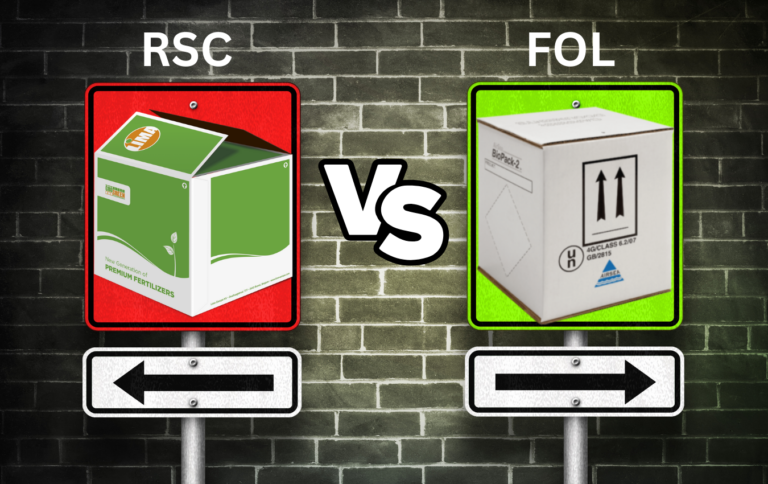
Corrugated RSC Boxes vs. Full-Overlap (FOL) Boxes

Corrugated RSC Boxes vs. Full-Overlap (FOL) Boxes: Which is The Right Choice

When it comes to packaging solutions, corrugated boxes offer versatility and protection. Among the common corrugated box styles are the Regular Slotted Container (RSC) box and the Full-Overlap (FOL) box. Each style caters to specific packaging needs, making them suitable for various applications. In this comparative analysis, we will explore the characteristics, use cases, advantages, and considerations of Corrugated RSC Boxes and Full-Overlap (FOL) Boxes to help you determine which is the right choice for your packaging requirements.

What is a (RSC) Box?

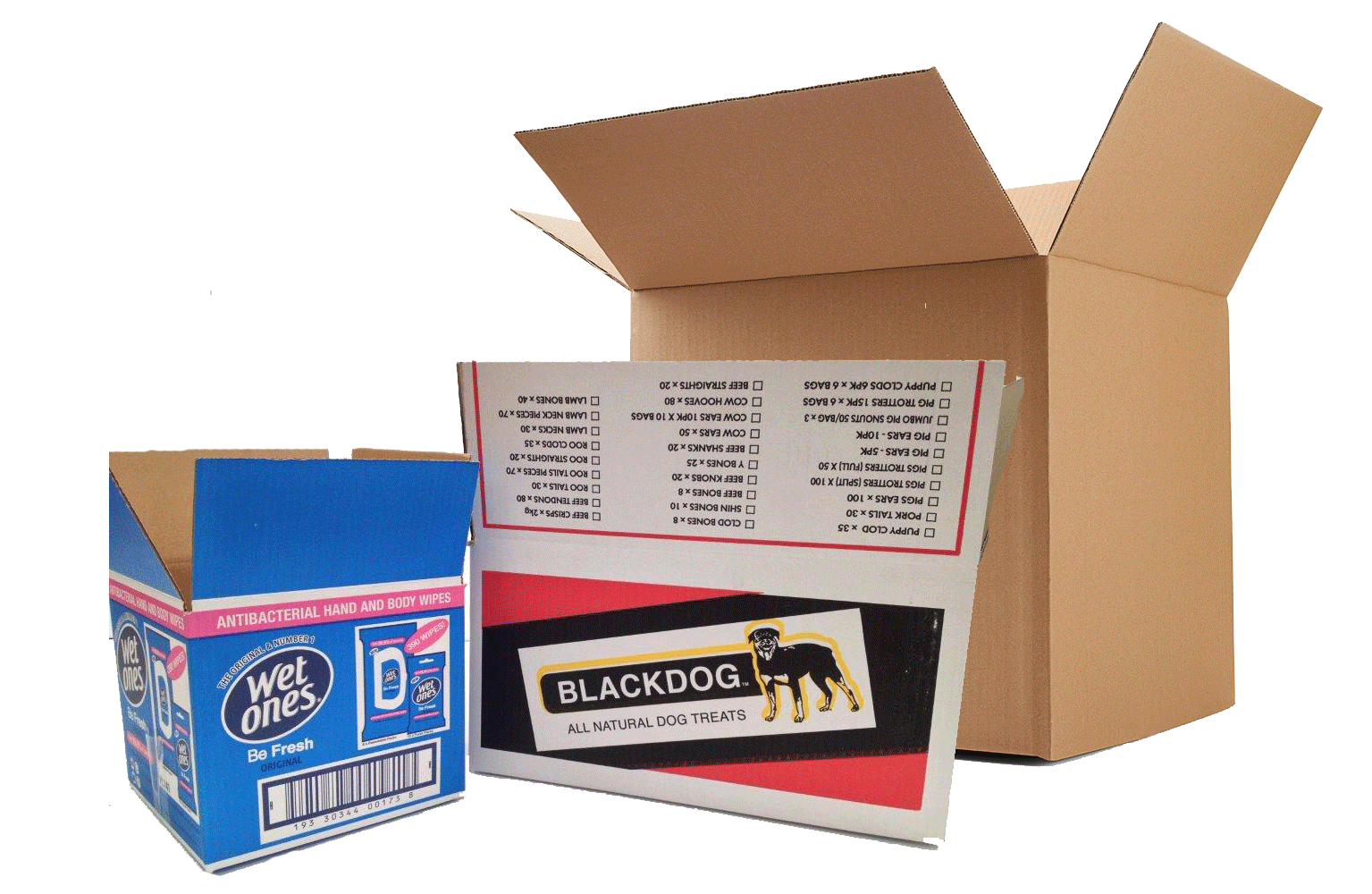
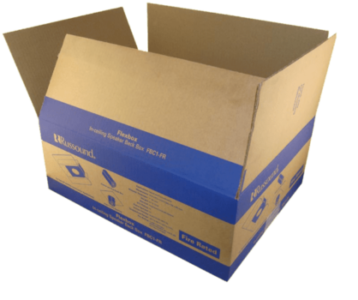
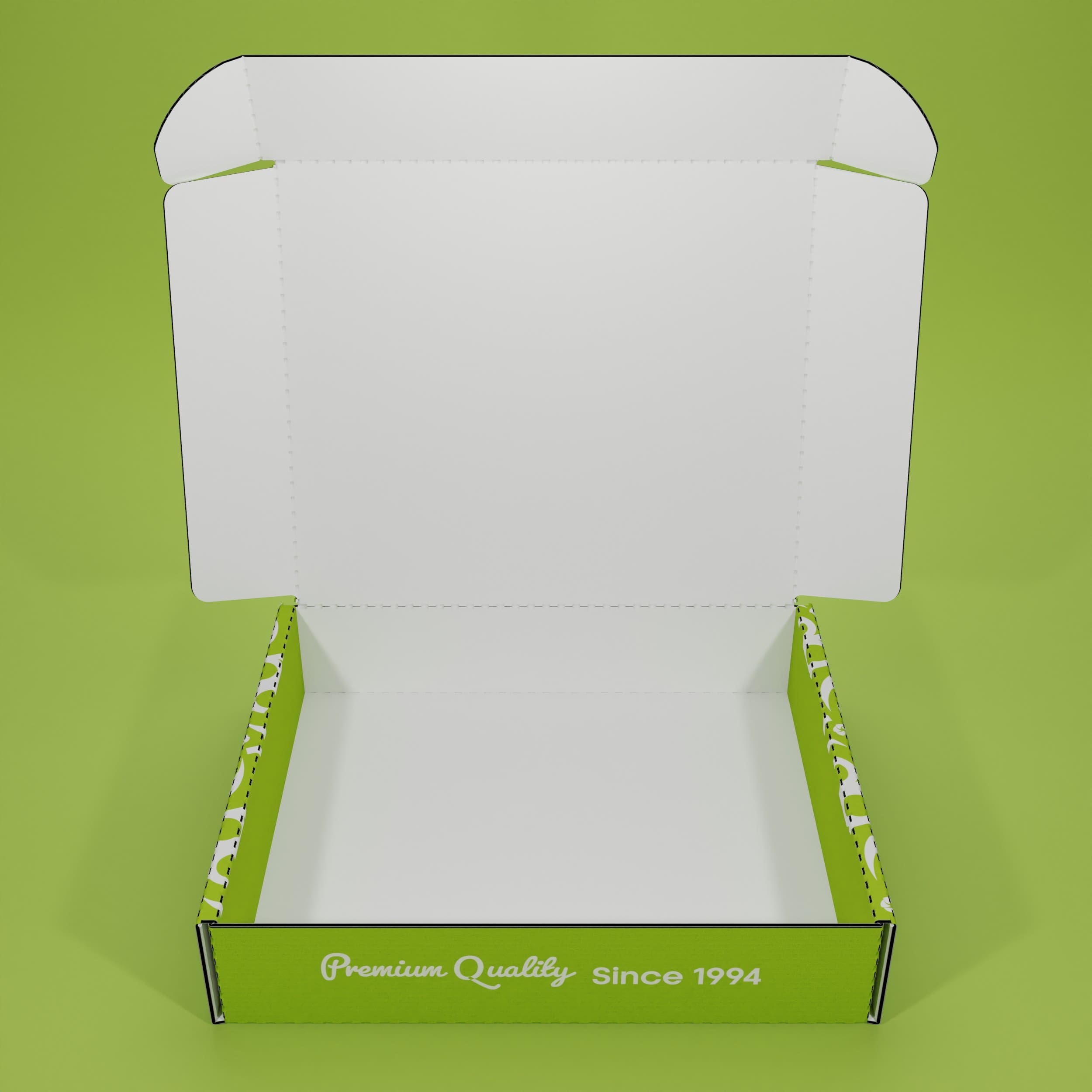
Regular Slotted Container (RSC) boxes are known for their simplicity and efficiency in design and production. They feature four flaps—two on the top and two on the bottom—that meet in the center when closed. RSC boxes are cost-effective and widely used across industries.

RSC Boxes Printed

What is a Full-Overlap (FOL) Box?

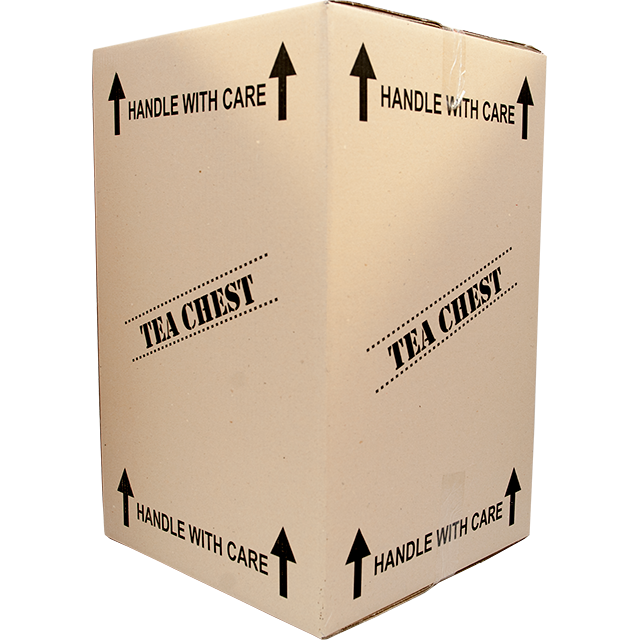
Full-Overlap (FOL) boxes, in contrast, are designed with flaps that fully overlap when closed, providing added protection and structural integrity. These boxes excel in safeguarding products during transit, making them ideal for items that require extra strength and stability.

Custom Corrugated Box Single Print Furniture fol

A Comparative Analysis

Design and Closure:

Corrugated (RSC) Box:

  • RSC boxes offer a straightforward design, making them easy to assemble and close with tape or adhesive.
  • Closure involves folding the flaps on the top and bottom, taping or gluing to a secure seal.

Full-Overlap (FOL) Box:

  • FOL boxes feature overlapping flaps, enhancing structural integrity and security.
  • The flaps provide additional protection and resistance to crushing, making FOL boxes ideal for fragile or heavy items.

Protection and Strength:

Corrugated (RSC) Box:

  • RSC boxes offer standard protection and are suitable for a wide range of products.
  • While they provide adequate strength, they may not be the best choice for heavy or delicate items.

Full-Overlap (FOL) Box:

  • FOL boxes excel in providing enhanced protection and structural integrity.
  • They are ideal for shipping heavy, fragile or valuable items, including electronics, glassware, and machinery.

Versatility:

Corrugated (RSC) Box:

  • RSC boxes are versatile and can be used for various products and industries.
  • They are cost-effective and readily available in standard sizes.

Full-Overlap (FOL) Box:

  • FOL boxes are versatile as well but are often chosen for specific applications requiring superior protection.
  • They may be slightly more expensive than RSC boxes due to their specialized design.

Customization:

Corrugated (RSC) Box:

  • RSC boxes can be customized with printed graphics and branding, enhancing their visual appeal.

Full-Overlap (FOL) Box:

  • FOL boxes can also be customized with branding and graphics and are often used for premium or high-end products.

Cost-Efficiency:

Corrugated (RSC) Box:

  • RSC boxes are generally more cost-effective due to their simpler design and ease of production.

Full-Overlap (FOL) Box:

  • FOL boxes may come at a slightly higher cost, primarily due to their enhanced protective features.
Full Overlap Corrugated Box (FOL)

Choosing the Right Box for Your Needs

The choice between Corrugated RSC Boxes and Full-Overlap (FOL) Boxes hinges on your specific packaging requirements. Here are some considerations:

  • If you need a cost-effective and versatile solution for standard products, Corrugated RSC Boxes are a practical choice.
  • If you’re shipping fragile or valuable items, heavy machinery, or electronics, Full-Overlap (FOL) Boxes offer superior protection and structural integrity.
  • Customization and branding are possible with both box styles, allowing you to create a unique packaging experience for your customers.

If you are interested corrugated boxes like RSC, FOL and other styles, then partner with Brown Packaging today to get started.

Most Recent Posts:
Comparing Single vs. Multi-Material Packaging

Choosing the right packaging material is one of the most important decisions buyers face. Single-material packaging offers simplicity and recyclability, while multi-material designs provide enhanced performance and protection. Understanding the

Read More »
Categories:
Subscribe To Our Newsletter

By submitting your information, you agree to our terms and conditions and privacy policy.

custom corrugated boxes with print and custom printed gusseted pouches
Custom Corrugated Boxes
Facebook
Twitter
LinkedIn
Pinterest
Relevant Posts
corrugated pads
Corrugated
brownpackaging
Corrugated Pads Unwrapped: The Expert’s Guide to Successful Packaging

Corrugated pads are an essential component of the packaging industry. They are versatile, durable, and cost-effective solutions for a wide range of packaging needs. Corrugated pads can be used for both cushioning and separating products during transport or storage. In this ultimate guide to corrugated pads, we will explore everything you need to know about these valuable packaging materials. What are Corrugated Pads? Corrugated pads are flat pieces of corrugated cardboard that are used for cushioning and separating products during transport or storage. They are made by sandwiching a layer of fluted cardboard between two layers of linerboard. The fluted layer gives the pad its strength and cushioning properties, while the linerboard provides a smooth surface for printing and labeling. There are two main types of corrugated pads: single-wall and double-wall. Single-wall corrugated pads have one layer of fluting sandwiched between two layers of linerboard, while double-wall corrugated pads have two layers of fluting sandwiched between three layers of linerboard. Double-wall corrugated pads are more durable and provide better cushioning properties than single-wall corrugated pads. Advantages of Using Corrugated Pads Corrugated pads offer many advantages over other packaging materials. Here are some of the benefits of using corrugated pads in packaging: Cost-effectiveness: Corrugated pads are an affordable packaging solution that provides excellent value for money. They are cheaper than other materials such as plastic, foam, or wood. Versatility: Corrugated pads can be used for a wide range of packaging needs, from protecting fragile items during transport to separating and organizing products during storage. Environmental sustainability: Corrugated pads are made from renewable materials, and they are 100% recyclable. They have a lower carbon footprint than other packaging materials, and they do not contribute to landfill waste. Customizability: Corrugated pads can be customized to meet specific packaging needs. They can be cut to any size or shape, printed with branding or labeling, and even laminated for added strength and durability. Applications of Corrugated Pads Corrugated pads are used in many different industries and businesses. Here are some of the common uses of corrugated pads in packaging: Transportation and logistics: Corrugated pads are used to protect products during transport, especially fragile or delicate items such as electronics, glassware, or ceramics. Manufacturing and distribution: Corrugated pads are used to separate and organize products during manufacturing and distribution. They are often used in automated assembly lines to prevent damage or scratching of products. Retail packaging: Corrugated pads are used in retail packaging to provide cushioning and support for products. They are commonly used in shipping boxes or retail displays. Food packaging: Corrugated pads are used in food packaging to separate and cushion products such as eggs, fruits, and vegetables. They are also used in shipping boxes for food and beverage products such as wine bottles or canned goods. Innovative applications of corrugated pads in packaging include using them as insulation for homes, creating furniture, and even building temporary structures such as emergency shelters. Choosing the Right Corrugated Pad for Your Packaging Needs When choosing a corrugated pad for your packaging needs, there are several factors to consider. Here are some tips for choosing the right corrugated pad: Product weight and fragility: The weight and fragility of the product you are packaging will determine the thickness and strength of the corrugated pad you need. Heavier or more fragile items require thicker or double-wall corrugated pads. Shipping and storage conditions: The shipping and storage conditions of your product will also affect the type of corrugated pad you need. For example, if your product is being shipped long distances, you may need a stronger corrugated pad to withstand the vibrations and impact of transportation. Customization options: Corrugated pads can be customized to meet specific packaging needs. Consider whether you need a custom size or shape, printing or labeling, or laminated options for added strength. Tips for Using Corrugated Pads Effectively To maximize the protective properties of corrugated pads, here are some best practices for using them effectively: Proper placement: Place corrugated pads between products to prevent scratching or damage during transport or storage. Multiple layers: For heavier or more fragile items, consider using multiple layers of corrugated pads for added protection. Cushioning: Use additional cushioning materials such as bubble wrap or foam inserts to provide extra protection for fragile items. Storage and handling: Store corrugated pads in a dry, cool area to prevent moisture damage. Handle them carefully to avoid creases or tears that could reduce their effectiveness. If you are interested in corrugated pads, then partner with Brown Packaging today to get started. (714)300-0650 request@brownpackaging.com Most Recent Posts: Categories: Corrugated Ecommerce ESD Design Display Flexible Packaging Foam Folding Carton Packaging Plastic Packaging Pouch Printing Protection Retail Rigid Box Thermoform Sustainability Subscribe To Our Newsletter By submitting your information, you agree to our terms and conditions and privacy policy. Corrugated Pads Facebook Twitter LinkedIn Pinterest Relevant Posts

Read More »
Foam vs. Paper: Comparing Protective Packaging Materials
Corrugated
brownpackaging
Foam vs. Paper: Comparing Protective Packaging Materials

In the world of e-commerce and supply chain management, the need for reliable packaging materials cannot be overstated. From the careful encasing of fragile items to ensuring the safe transit of products, the choice of packaging material often makes a significant difference. In this blog, we delve into the world of protective packaging materials, comparing two popular options: foam and paper. Understanding Protective Packaging Before we compare foam and paper, it’s important to understand what protective packaging entails. Protective packaging, as the name suggests, is designed to shield products from damage during storage or transit. This damage could come in many forms such as shock, vibration, abrasion, or environmental factors such as moisture or temperature fluctuations. Foam Packaging: Advantages and Disadvantages Advantages of Foam Packaging Superior Cushioning Foam is known for its exceptional cushioning properties. It’s capable of absorbing and dispersing impact, which reduces the risk of damage to fragile or sensitive items. This makes it a favored choice for electronics, ceramics, glassware, and other delicate items. Versatility Foam can be customized into different shapes and sizes, making it a versatile choice for different products. This adaptability means it can be tailored to fit unusual shapes or to snugly encapsulate specific items. Lightweight Foam is extremely light, which can help reduce shipping costs. This lightweight property doesn’t compromise its protective capabilities, though, as foam still offers excellent shock absorption. Disadvantages of Foam Packaging Environmental Impact One of the major disadvantages of foam is its environmental impact. Foam is typically non-biodegradable and can take hundreds of years to decompose. Even when recycled, the process can be energy-intensive. Cost Compared to other packaging materials, foam can be relatively expensive. The cost of foam packaging includes not only the material itself but also the cost associated with its disposal or recycling. Paper Packaging: Advantages and Disadvantages Advantages of Paper Packaging Eco-Friendly Paper packaging stands out for its environmental friendliness. It is biodegradable and easily recyclable, causing much less environmental harm compared to foam. Additionally, many paper packaging options are made from recycled materials. Cost-Effective Paper is generally less expensive than foam. Its cost-effectiveness combined with its eco-friendliness makes it a popular choice for businesses conscious about their budget and environmental footprint. Versatility Just like foam, paper can be adapted into different forms to cater to different packaging needs. Corrugated paper, Kraft paper, tissue paper, and more offer varying levels of protection and can be customized to fit different products. Disadvantages of Paper Packaging Lower Cushioning While certain forms of paper packaging, like corrugated, offer reasonable cushioning, they often don’t match the shock-absorbing qualities of foam. This makes paper less suitable for extremely fragile items. Susceptibility to Environmental Factors Paper is more susceptible to environmental factors like moisture, which could potentially harm the product inside. So, Foam or Paper? The choice between foam and paper for protective packaging depends largely on the specific requirements of the product to be packaged, the company’s budget, and its sustainability goals. If the product is highly fragile or sensitive, foam might be the preferred option for its superior cushioning properties. However, for companies with strong eco-friendly policies or for less fragile products, paper packaging might be a better choice due to its biodegradability, recyclability, and cost-effectiveness. In conclusion, both foam and paper have their place in the world of protective packaging. Understanding the benefits and drawbacks of each can help businesses make informed decisions that align with their operational needs and environmental responsibilities. As sustainability continues to become a more prominent factor in consumer choice, it’s likely that we’ll continue to see innovations in both these spaces to further enhance their protective qualities and environmental credentials. (714)300-0650 request@brownpackaging.com Most Recent Posts: Categories: Corrugated Ecommerce ESD Design Display Flexible Packaging Foam Folding Carton Packaging Plastic Packaging Pouch Printing Protection Retail Rigid Box Thermoform Sustainability Subscribe To Our Newsletter By submitting your information, you agree to our terms and conditions and privacy policy. Custom Packaging Facebook Twitter LinkedIn Pinterest Relevant Posts

Read More »
Double or Single Wall for Boxes: Making the Right Choice
Corrugated
brownpackaging
Double or Single Wall for Boxes: Making the Right Choice

When it comes to choosing the right packaging for your products, you’re often faced with various options. One critical decision in the world of packaging is whether to go with double-wall or single-wall boxes. Each has its own set of advantages and considerations. In this detailed blog, we will explore both options, helping you make an informed choice that suits your specific packaging needs. Single-Wall Boxes: The Basics Single-wall boxes are constructed from a single layer of corrugated cardboard. This makes them lightweight and cost-effective. They are an excellent choice for a wide range of products, especially those that don’t require heavy-duty protection during transportation and storage. Advantages of Single-Wall Boxes Cost-Effective: Single-wall boxes are budget-friendly and suitable for businesses looking to reduce packaging costs without compromising quality. Lightweight: Their lightweight nature reduces shipping costs and makes handling easier. Versatile: Single-wall boxes can be used for a variety of products, such as clothing, cosmetics, and lightweight electronics. Easy to Assemble: They are straightforward to assemble, saving time in the packaging process. Considerations for Single-Wall Boxes Limited Protection: They offer limited protection for fragile or heavy items, making them less suitable for products that require enhanced safety during transit. Stacking Strength: Single-wall boxes may not withstand heavy stacking loads as well as double-wall boxes. Double or Wall Boxes: The Essentials Double-wall boxes are constructed from two layers of corrugated cardboard, offering increased strength and durability. They are designed to provide superior protection for heavier or fragile products. Advantages of Double-Wall Boxes Enhanced Durability: Double-wall boxes offer superior protection, making them ideal for products that require additional safeguarding during shipping. Heavy-Duty: They can withstand heavy stacking loads, reducing the risk of damage to the contents. Versatility: Double-wall boxes are suitable for a wide range of products, from electronics and appliances to glassware and ceramics. Considerations for Double-Wall RETT Boxes Cost: Double-wall boxes are generally more expensive than single-wall options due to the additional material and strength. Weight: They are heavier, which can increase shipping costs and make handling more challenging. Choosing the Right Option The choice between single-wall and double-wall boxes ultimately depends on your specific product and shipping requirements. Here are some factors to consider: Product Weight: If your products are heavy or fragile, double-wall boxes provide the necessary protection. For lighter and less delicate items, single-wall boxes may suffice. Shipping Distance: For long-distance shipping or international transport, double-wall boxes can offer added security against rough handling and stacking. Budget: Consider your budget constraints. Single-wall boxes are more cost-effective, which can be an advantage for businesses looking to reduce packaging expenses. Environmental Impact: Think about your commitment to sustainability. Single-wall boxes, being lighter, may have a lower carbon footprint in terms of shipping, while double-wall boxes are sturdier and reusable. Conclusion Choosing between single-wall and double-wall boxes depends on your specific packaging needs, product characteristics, and budget considerations. Single-wall boxes are cost-effective and versatile, suitable for lightweight products. Double-wall boxes offer enhanced protection and durability, making them ideal for heavy or fragile items. Assess your unique requirements and make an informed choice to ensure your products are well-protected during transit and storage while staying within your budget constraints. If you are interested in roll end tuck end boxes, then partner with Brown Packaging today to get started. (714)300-0650 request@brownpackaging.com Most Recent Posts: Categories: Corrugated Ecommerce ESD Design Display Flexible Packaging Foam Folding Carton Packaging Plastic Packaging Pouch Printing Protection Retail Rigid Box Thermoform Sustainability Subscribe To Our Newsletter By submitting your information, you agree to our terms and conditions and privacy policy. Roll End Tuck Top (RETT) Boxes Facebook Twitter LinkedIn Pinterest Relevant Posts

Read More »