Home » Choosing the Right Laminates for Flexible Pouches
Choosing the Right Laminates for Flexible Pouches
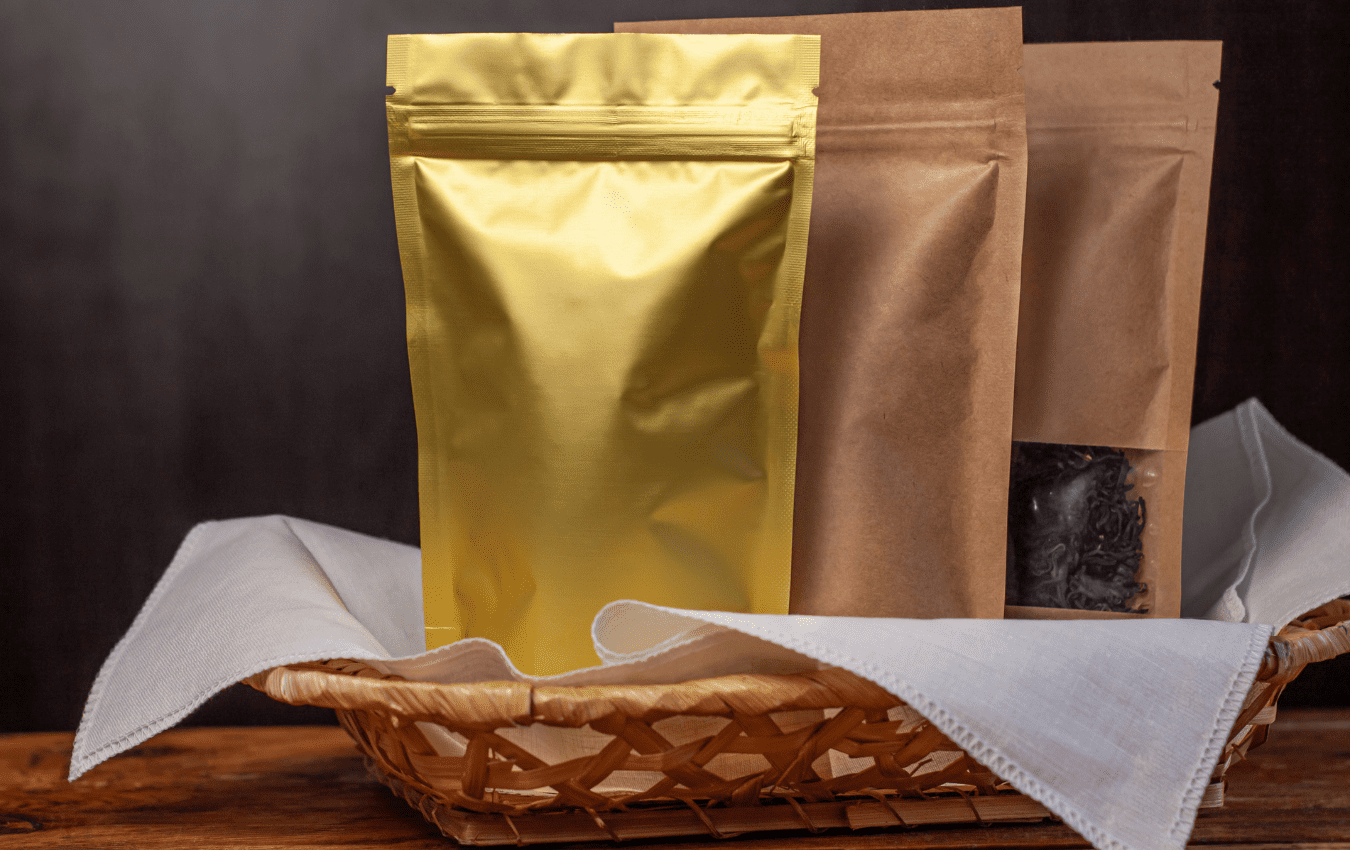
Flexible pouches rely on laminates to deliver strength, barrier protection, and shelf appeal. A laminate is a structure made by combining multiple film layers—each selected for a specific function. The right combination determines how well the pouch protects the product, how it seals, and how it performs in filling, shipping, and display.
The Role of Each Layer
- Outer Layer – Provides print quality, scratch resistance, and branding visibility. Typically PET or BOPP.
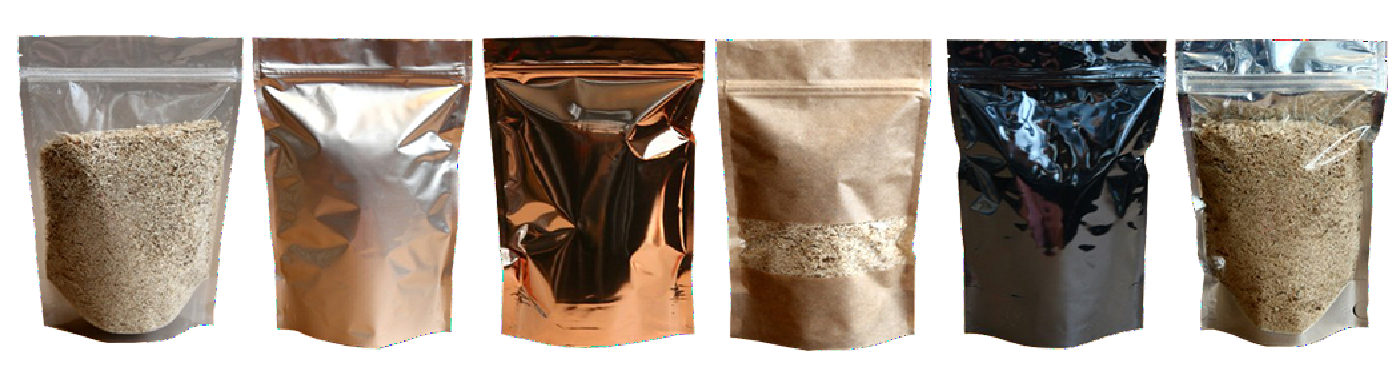
- Middle Barrier Layer – Protects against oxygen, moisture, and light. Commonly aluminum foil, EVOH, or metallized PET.
- Inner Sealant Layer – Ensures heat-seal strength and food-contact safety. Most often polyethylene (PE) or cast polypropylene (CPP).
Barrier vs. Cost Trade-Offs
- High-barrier laminates (e.g., foil) deliver maximum product protection but reduce recyclability.
- Metallized PET or EVOH can provide strong oxygen barriers at lower cost and with thinner gauge.
- Simpler two-layer laminates are more affordable but may fail for products with longer shelf-life requirements.
Performance Considerations
- Seal Compatibility – Inner layers must match heat-seal equipment and filling speed.
- Flex-Crack Resistance – Laminates with foil can develop pinholes if bent repeatedly; PET and nylon add toughness.
- Puncture Resistance – Sharp or heavy products demand stronger base films like nylon.
- Clarity vs. Protection – Transparent laminates improve product visibility but reduce UV protection compared to opaque structures.
Design Alignment
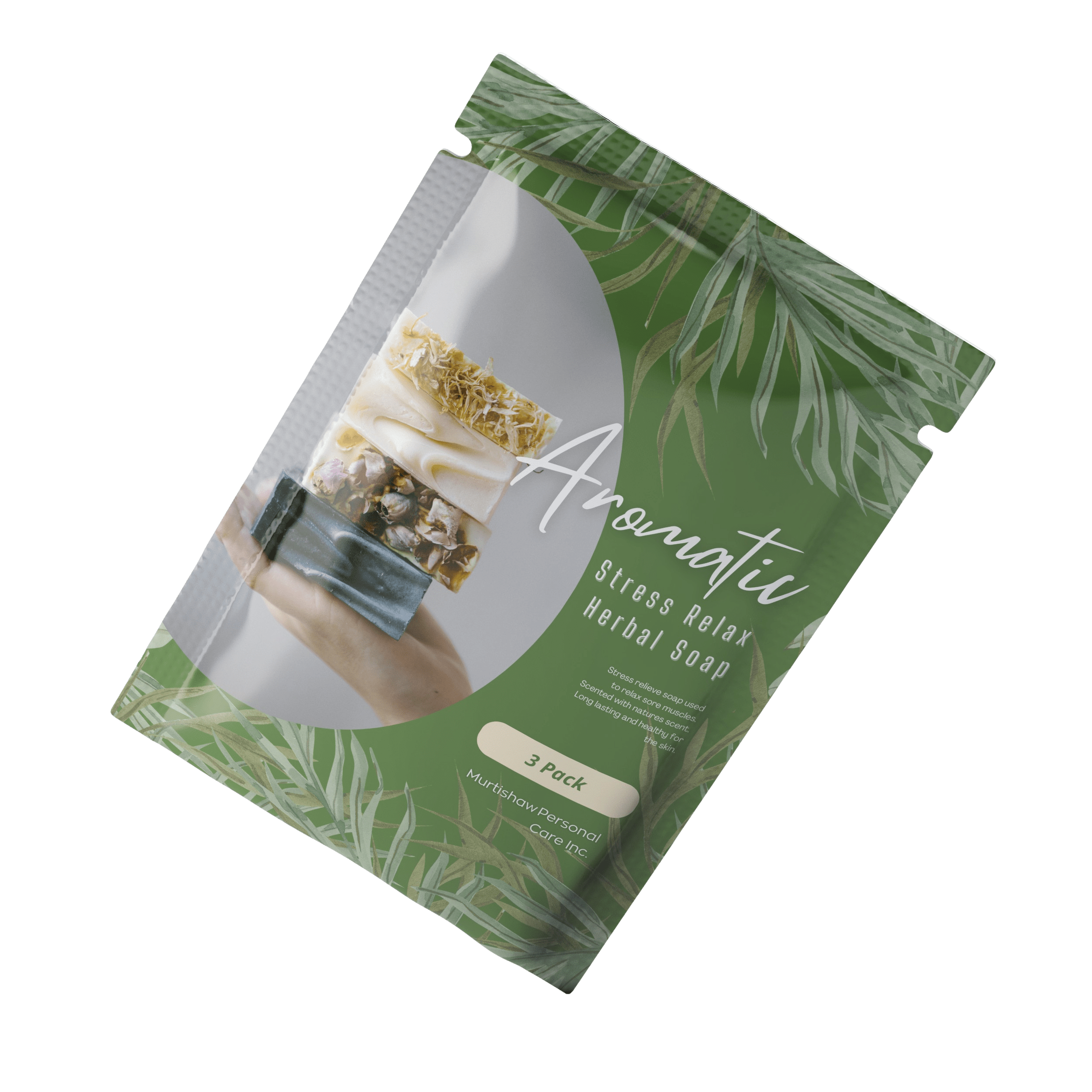
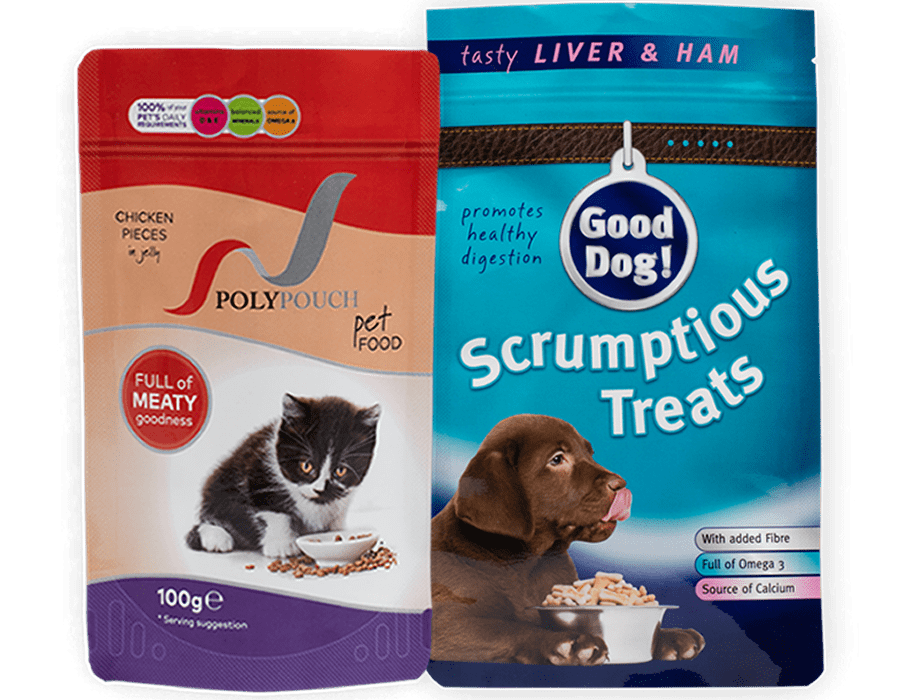
- Premium graphics may justify a PET outer layer with high-gloss printing.
- Frozen products often require low-temperature sealant resins.
- Retort pouches rely on laminates that can withstand high heat and pressure without delamination.
Sustainability Options
- Mono-material laminates (all-PE or all-PP) improve recyclability but may sacrifice barrier strength.
- Bio-based films and PCR (post-consumer recycled) content are emerging but may have sealing and strength limitations.
When to Involve Your Supplier
The optimal laminate depends on your filling process, product chemistry, and shelf-life goals. Suppliers can run migration tests, seal-strength analysis, and barrier testing to match laminates to performance needs.
References
- Plastics Industry Association. (2022). Flexible Packaging Materials and Structures. Retrieved from https://www.plasticsindustry.org
- Flexible Packaging Association. (2023). Material Options in Flexible Packaging. Retrieved from https://www.flexpack.org
- Robertson, G. L. (2016). Food Packaging: Principles and Practice (3rd ed.). CRC Press.
Flexible pouches rely on laminates to deliver strength, barrier protection, and shelf appeal. A laminate is a structure made by combining multiple film layers—each selected for a specific function. The
Peak season shipping volumes put pressure on every part of the supply chain. For packaging buyers, right-sizing boxes is one of the most effective strategies to reduce freight costs, improve
After the holiday rush, many packaging buyers face inflated costs from excess materials, rushed procurement, and seasonal surcharges. Q1 is the ideal time to reset, review performance, and implement cost-saving
Subscription packaging remains one of the fastest-growing segments in e-commerce. In 2026, buyers face rising consumer expectations, stricter sustainability standards, and the need for efficient fulfillment. Packaging must balance branding,
Home » Choosing the Right Laminates for Flexible Pouches