Packaging

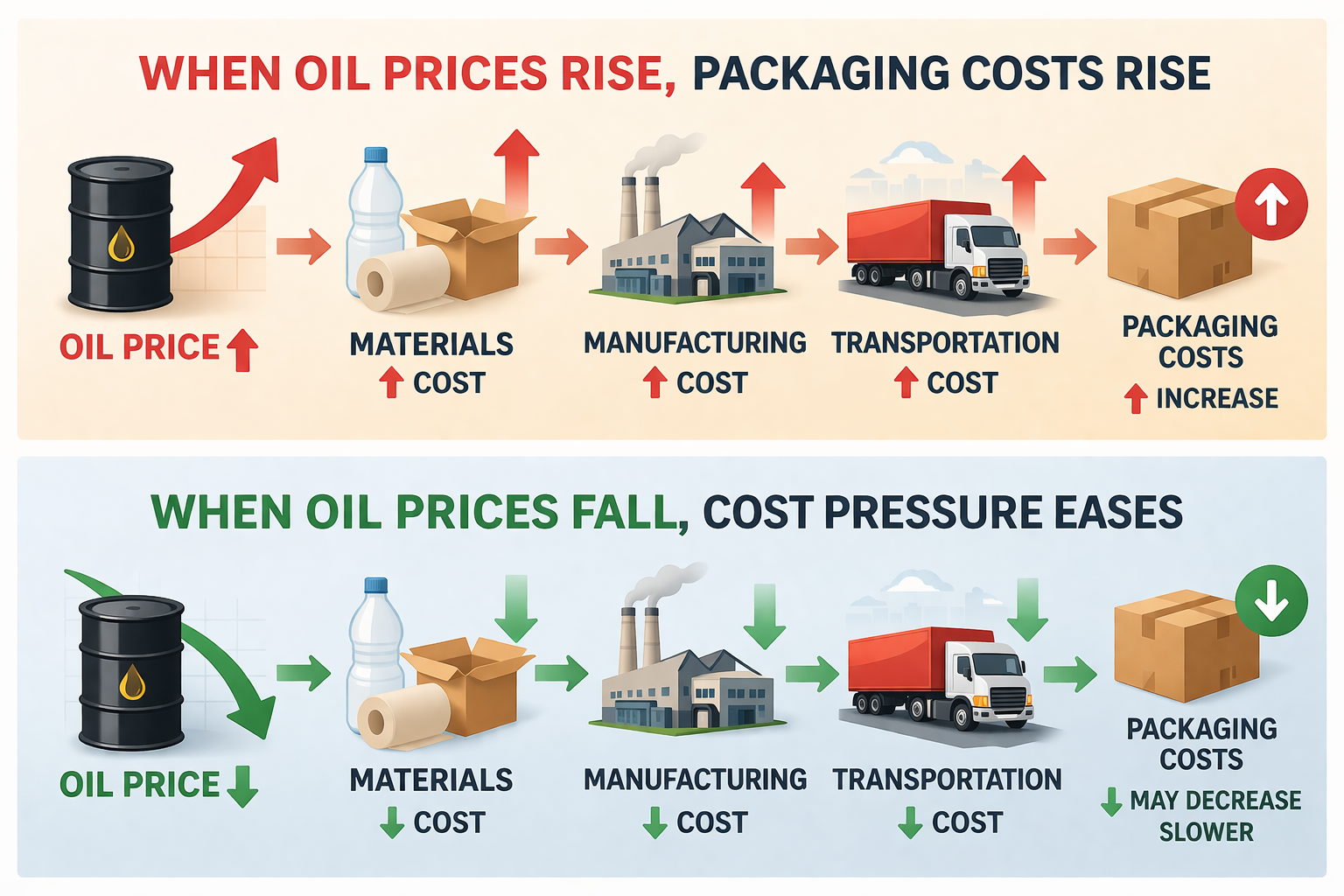
How Oil Prices Impact Packaging Costs
Oil prices don’t just affect fuel—they ripple through nearly every part of


Oil prices don’t just affect fuel—they ripple through nearly every part of
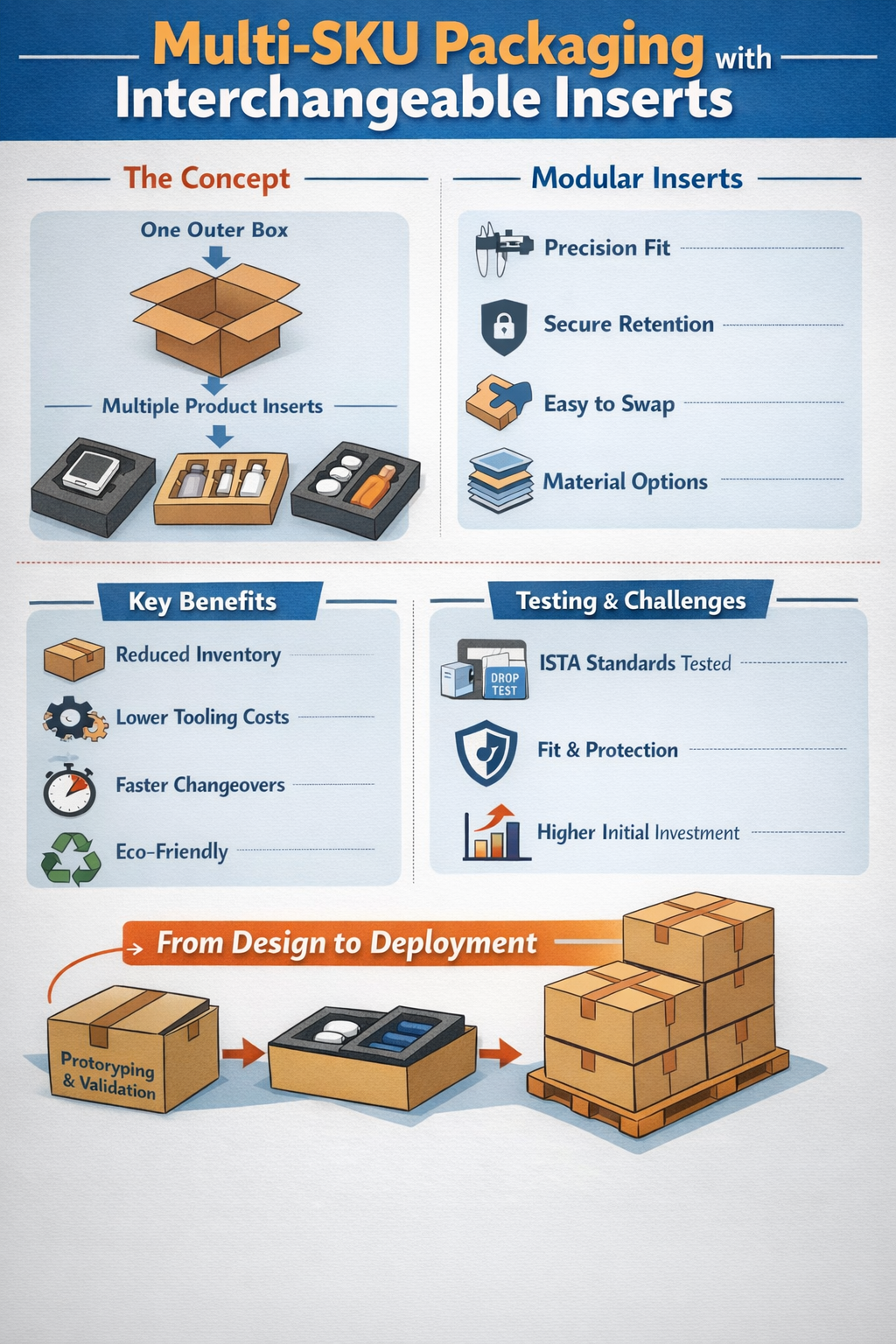
Companies managing multiple SKUs often face the challenge of balancing protection, efficiency,
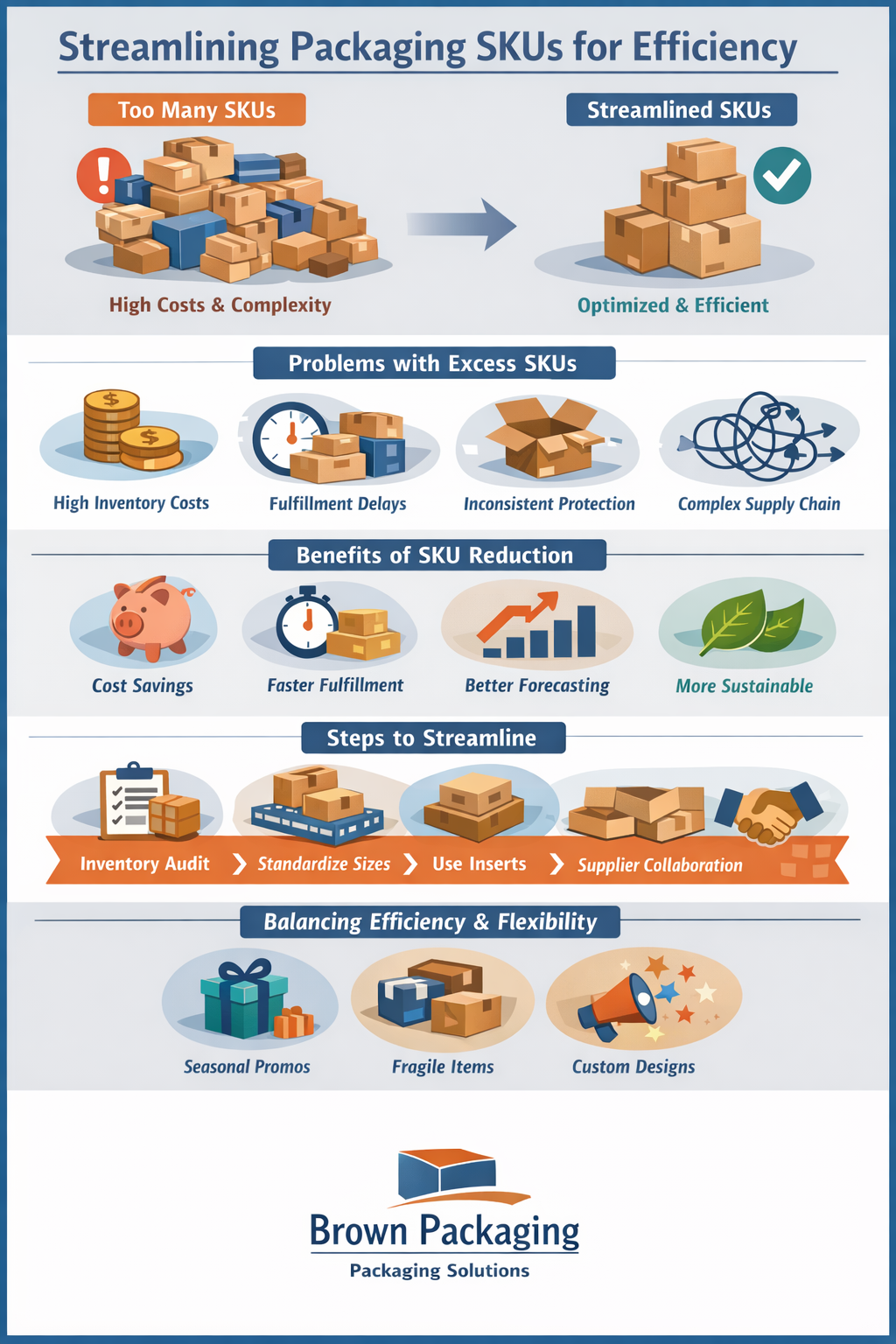
Many packaging programs grow bloated over time, with dozens of overlapping box
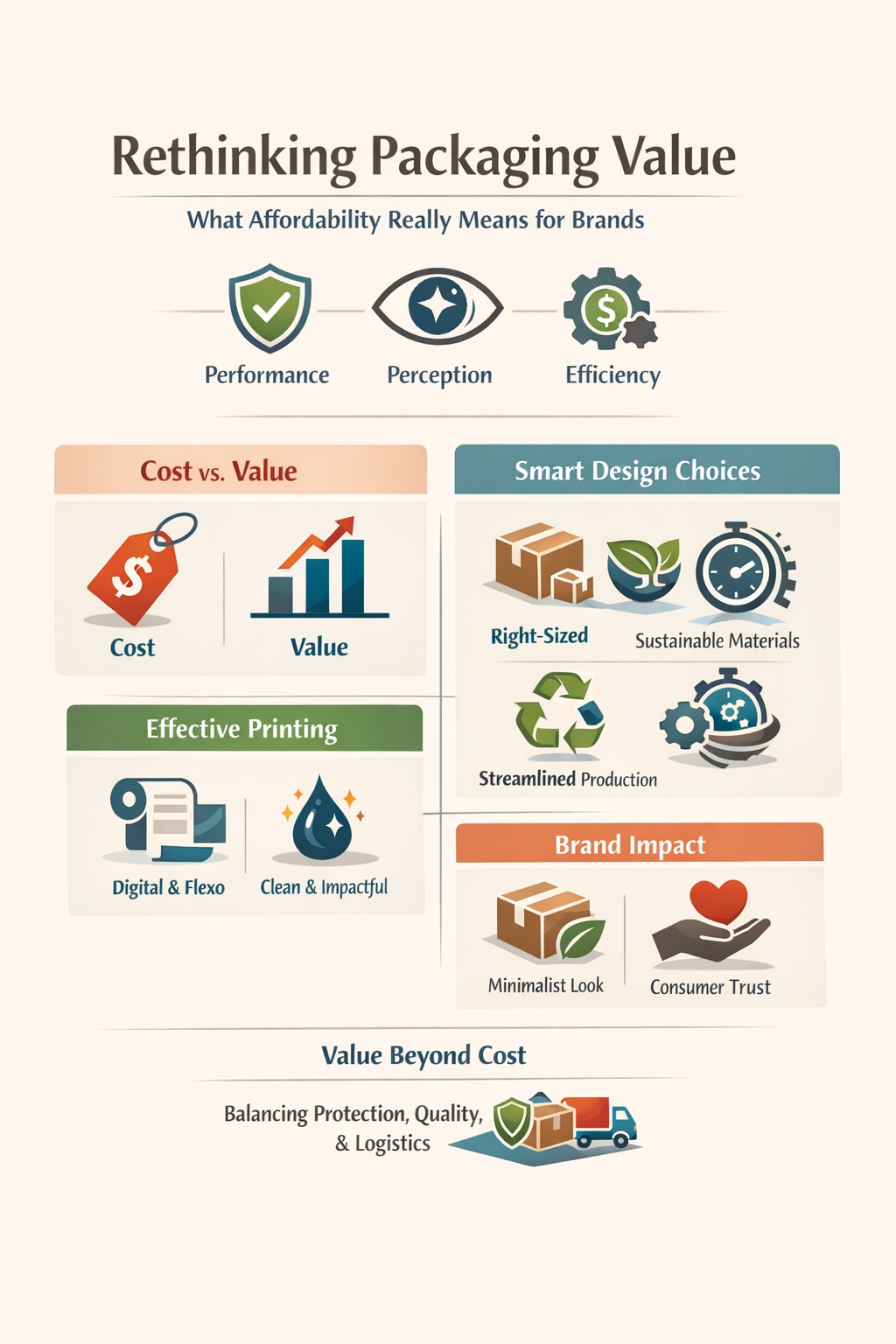
The conversation around affordability has changed. Brands aren’t just trying to spend

In today’s cost-sensitive market, brands face a double challenge: protecting margins without
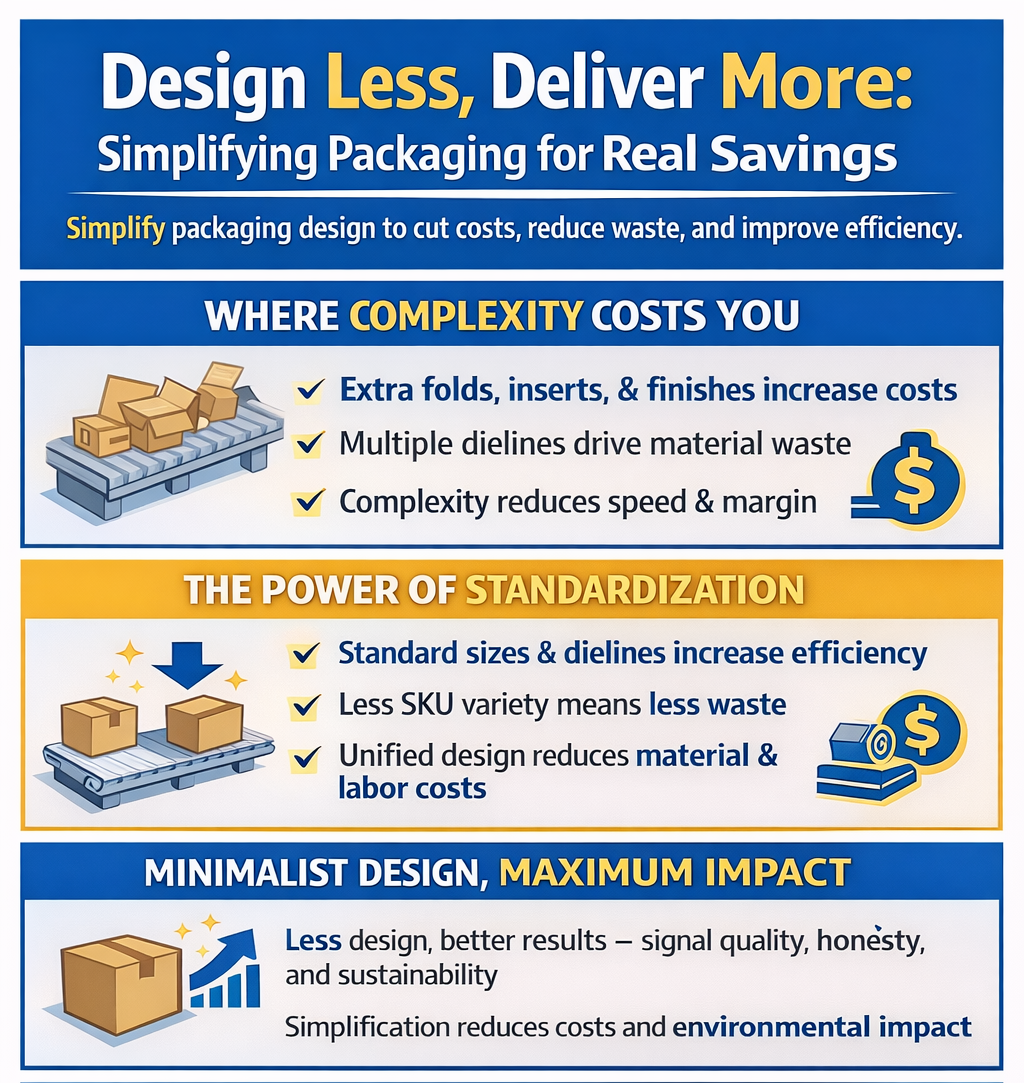
The packaging industry has spent decades chasing “more.” More layers, more coatings,
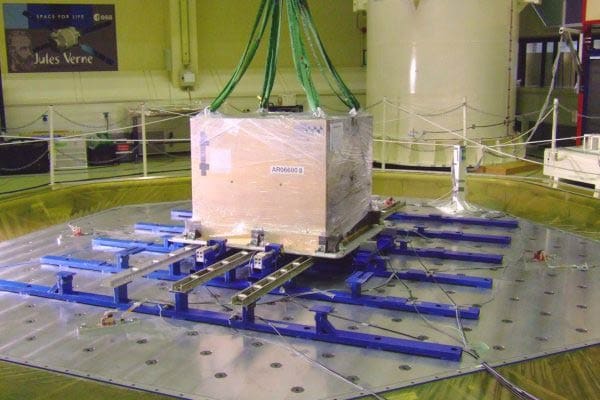
Packaging decisions should never be based on design alone. Without proper testing,
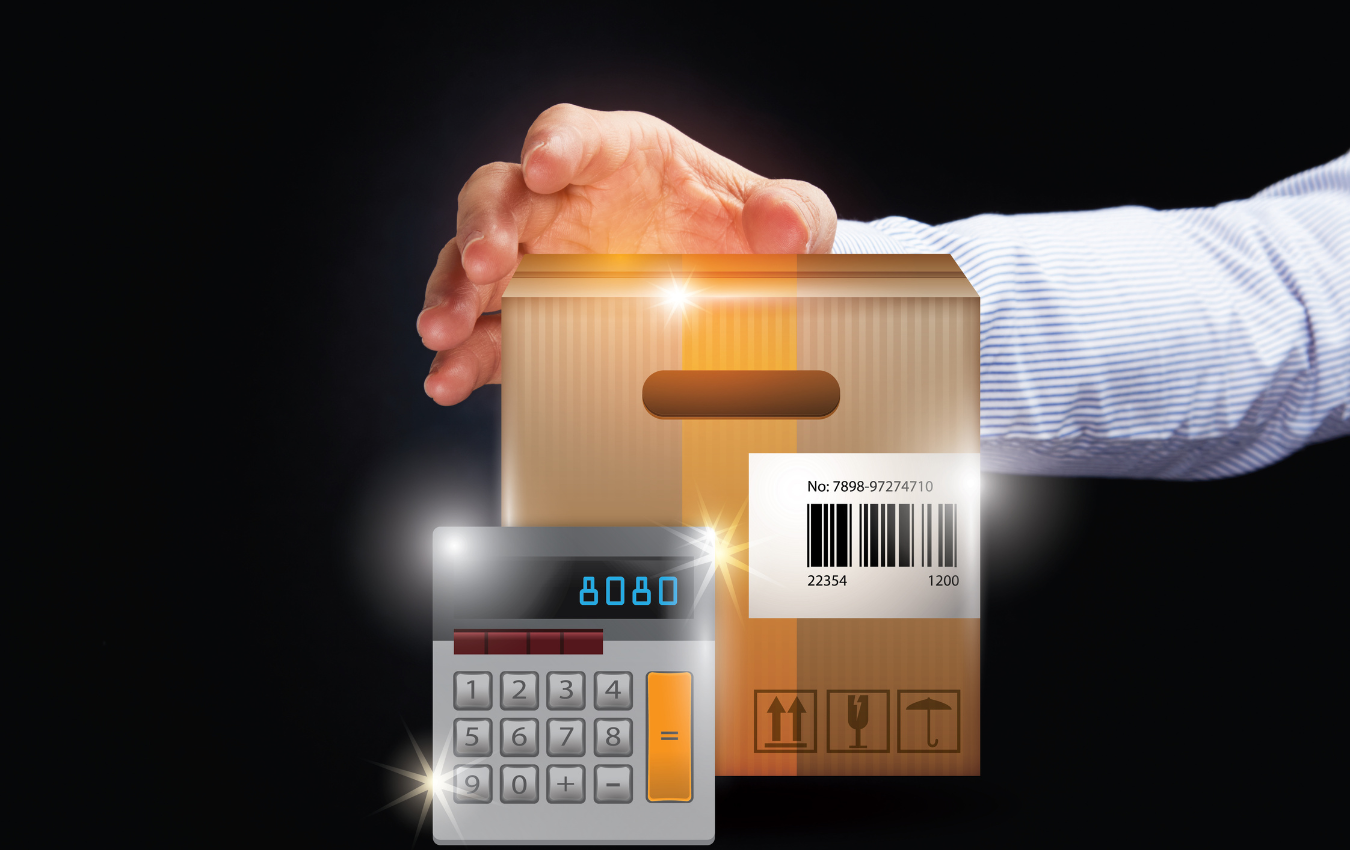
After the holiday rush, many packaging buyers face inflated costs from excess
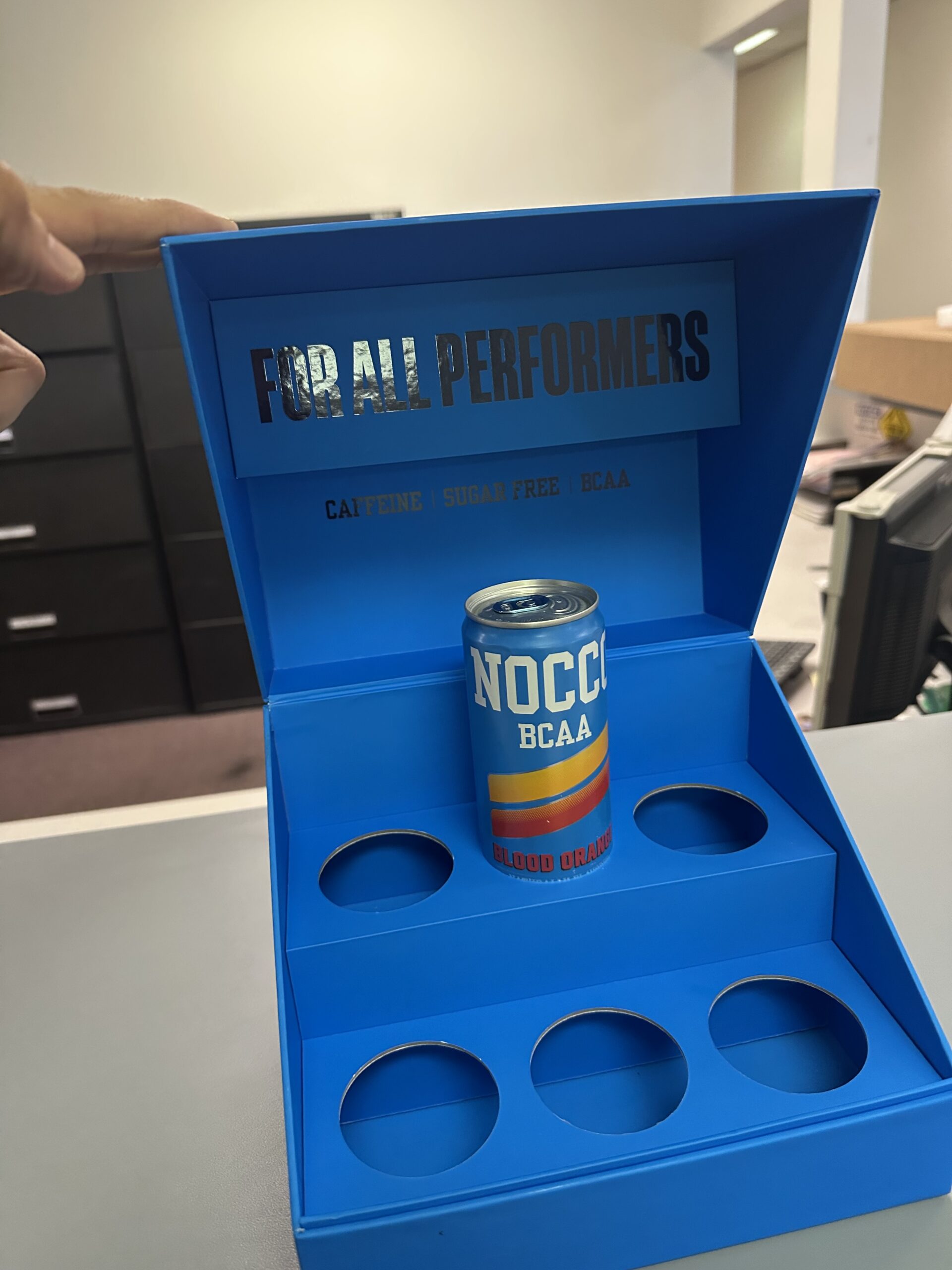
Affordability used to be a quiet compromise — a goal that lived
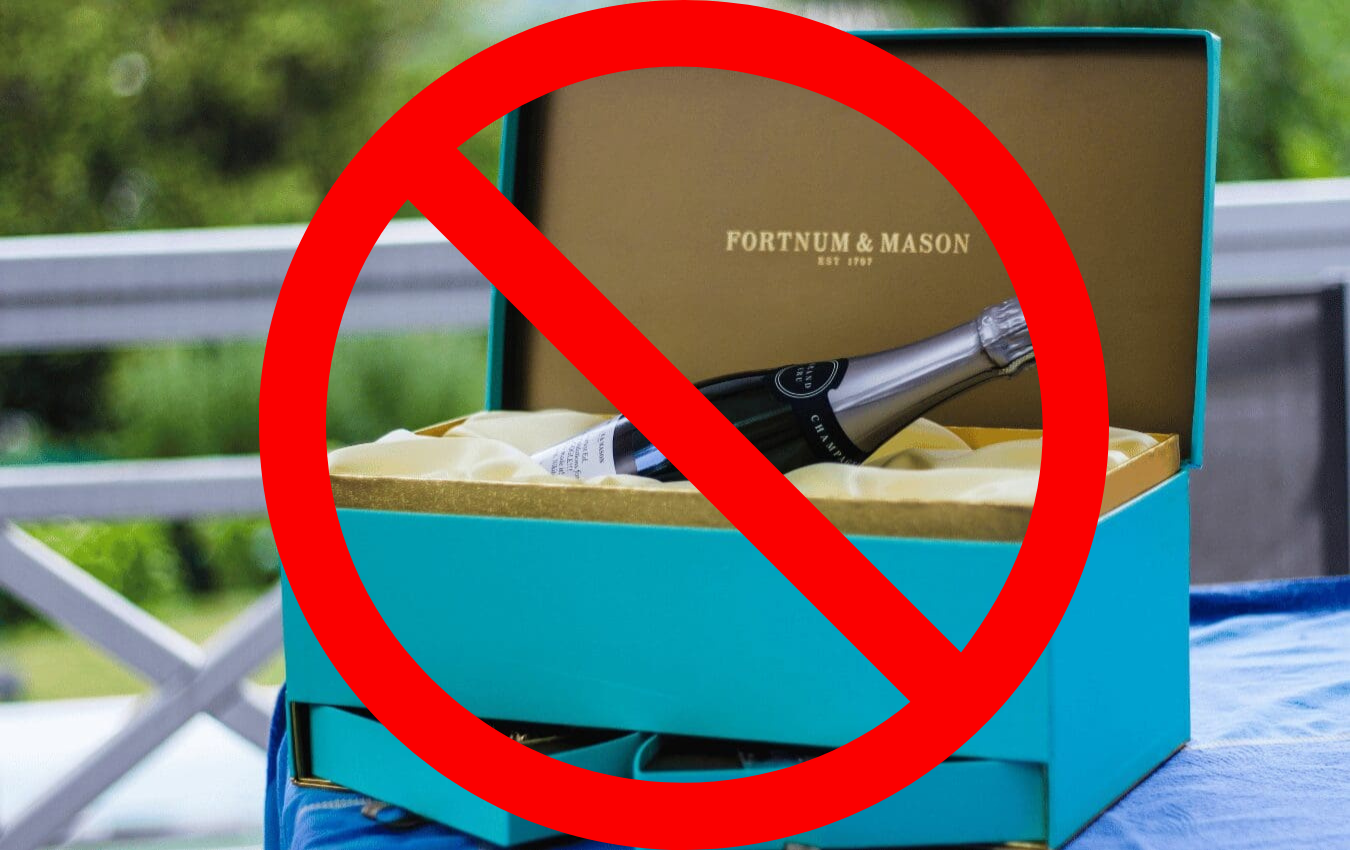
Premium packaging sells — until it doesn’t. In an environment where raw