Cutting Packaging Costs Without Sacrificing Protection
As budgets tighten in 2026, packaging buyers are under pressure to reduce
As budgets tighten in 2026, packaging buyers are under pressure to reduce

Product damage is one of the most expensive risks in packaging. Beyond
Supplier contracts can make or break a packaging program. Without the right
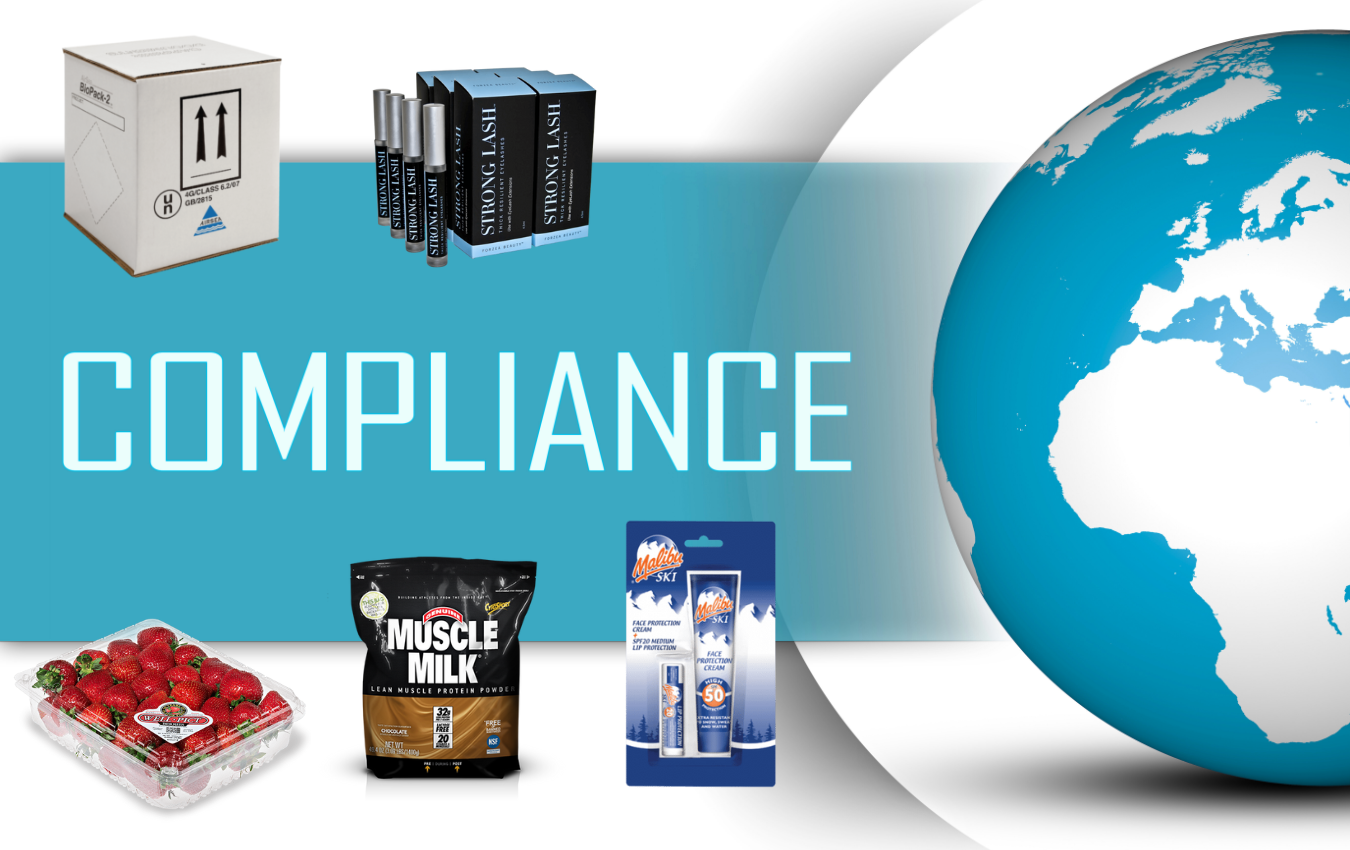
Packaging compliance is no longer optional—it’s a requirement for accessing retail shelves,
Every brand is feeling the squeeze — higher raw material costs, volatile

As tariff changes reshape global trade, packaging buyers moving production from China
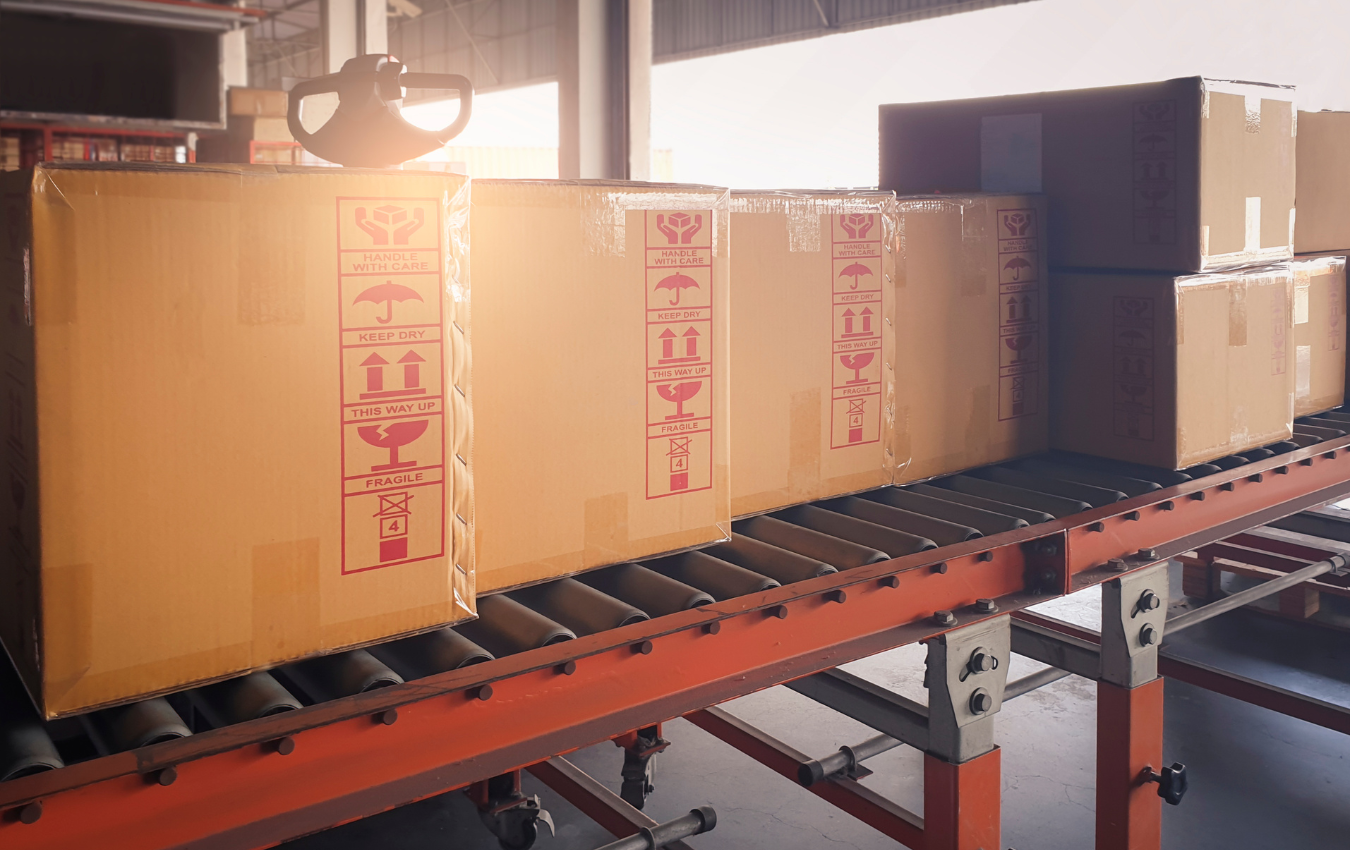
With new tariff proposals and continued trade uncertainty, 2026 is shaping up

Following multiple rounds of tariff changes and trade policy adjustments, 2026 marks

Shifting packaging production from China to the U.S. can help stabilize costs,

Moisture resistance and dimensional stability are critical performance factors for custom inserts,
Lower quantity packaging orders usually mean:👉 Higher cost per unit But that doesn’t mean they’re always the wrong decision. In certain situations, smaller runs are
Not every POP display should be optimized for the lowest cost. In some cases, spending more isn’t inefficient—it’s necessary. Because the real question isn’t:👉 “What
Most POP displays are designed to look good at production. But that’s not where they’re tested. They’re tested here:👉 The supply chain Between the warehouse
Most cost savings in packaging come from:👉 Ordering more volume But increasing MOQ isn’t always possible. Storage is limited Cash flow is constrained Demand is
Minimum order quantities (MOQs) aren’t arbitrary. They exist because packaging production has fixed costs that don’t scale down—only up. When you order one unit, you
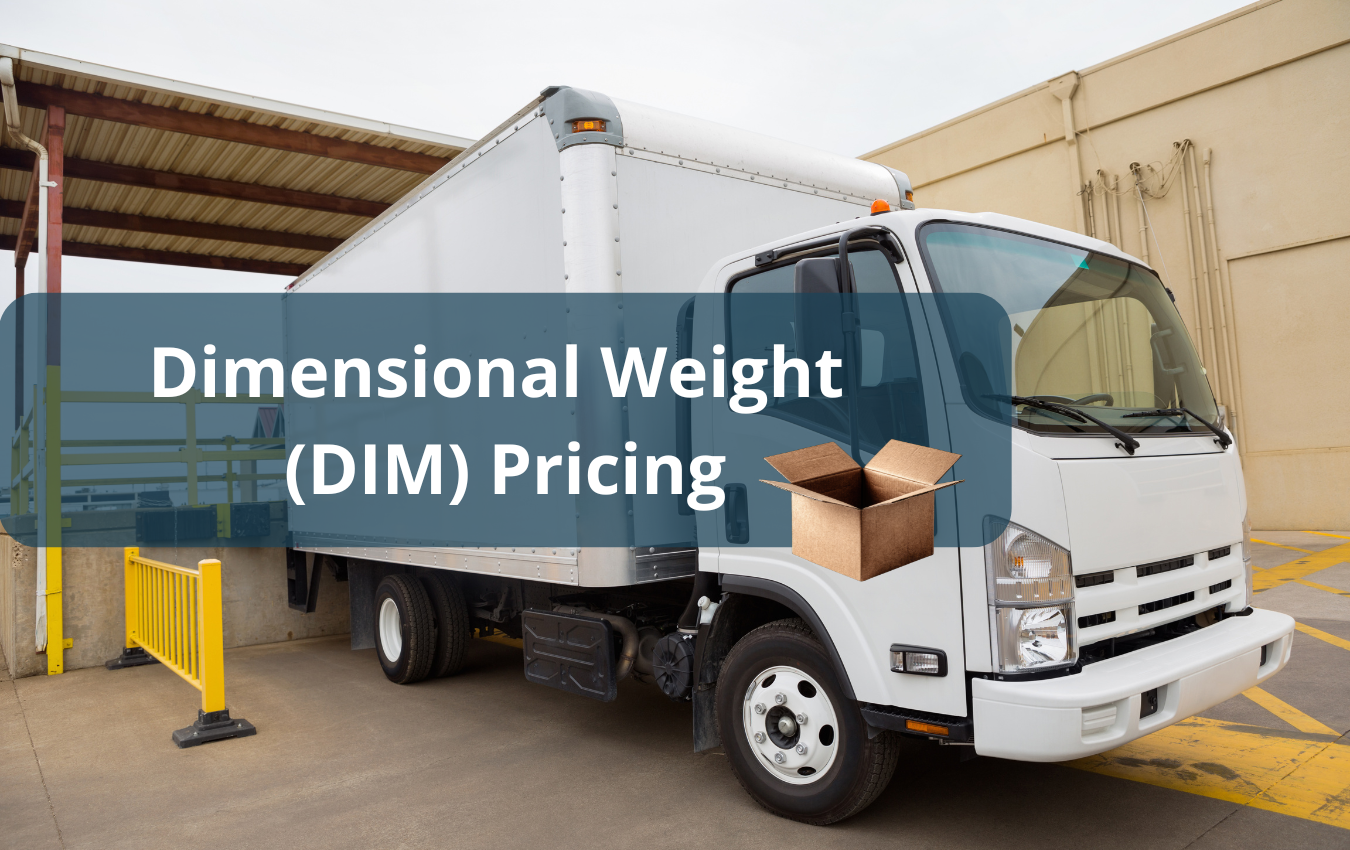
Most POP display programs don’t lose money on materials. They lose it in:👉 empty space Displays are often shipped with: Excess void space Poor stacking