window.uetq = window.uetq || []; window.uetq.push(‘event’, ‘submit_lead_form’,{ event_label:‘SUBMIT MESSAGE’ }); window.lintrk('track', { conversion_id: 10271009 }); window.lintrk('track', { conversion_id: 10271017 });

California’s New Food Labeling Law: AB 660: Ban on “Sell By” Dates

California’s New Food Labeling Law: AB 660: Ban on "Sell By" Dates

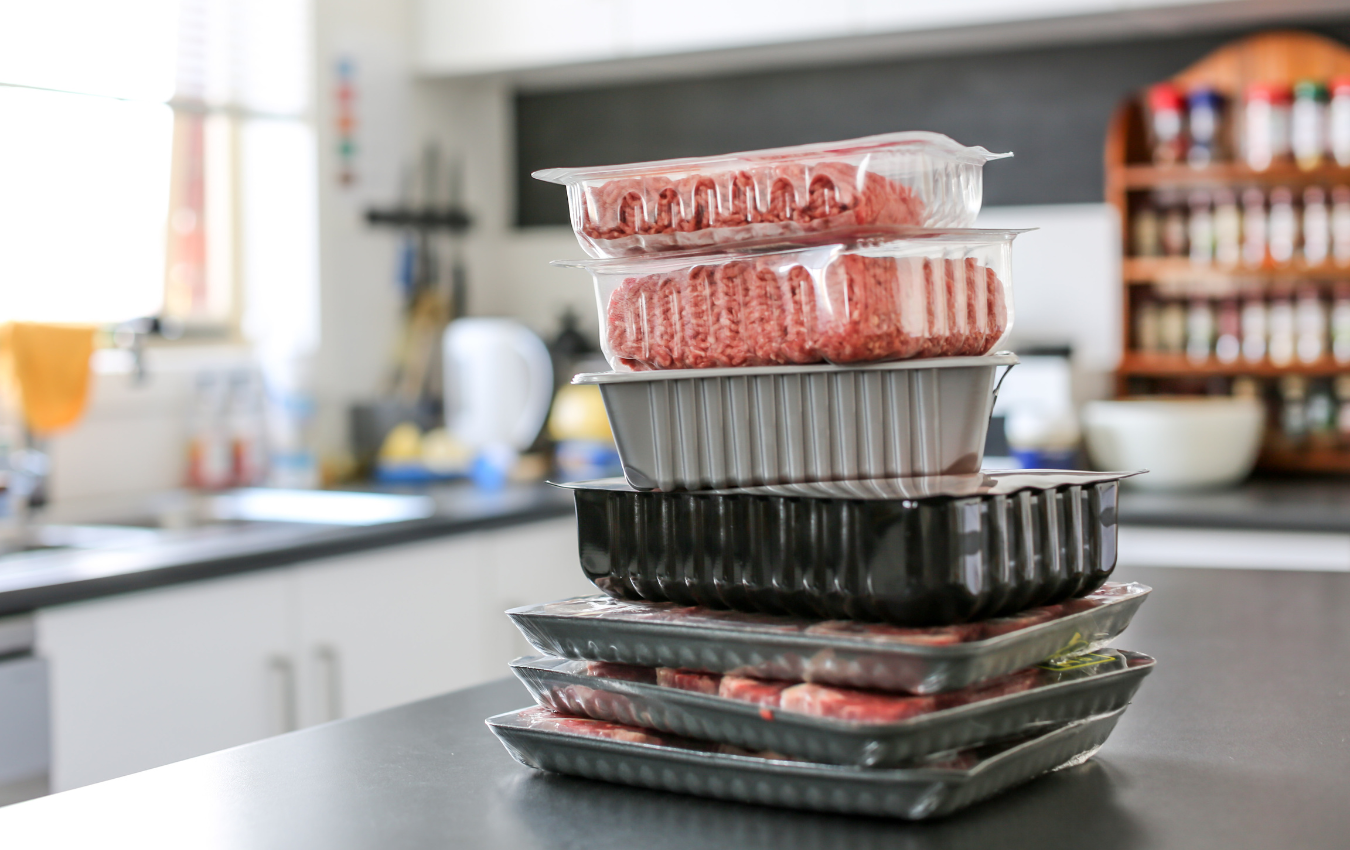
In October 2024, California made a groundbreaking move by banning “sell by” dates on food products. This legislation aims to reduce consumer confusion, minimize food waste, and introduce standardized freshness terms across the state. Effective July 1, 2026, this new law has far-reaching implications for packaging design, production, and compliance. For packaging buyers, it is crucial to understand these changes and their impact on packaging strategies to make informed decisions.

The Problem with “Sell By” Dates

Historically, “sell by” dates have been used as a tool for inventory management, intended for retailers rather than consumers. However, many consumers misinterpret these dates as indicators of food safety, leading to the premature disposal of perfectly edible food. According to studies, this confusion contributes to approximately 70,000 tons of food waste annually in California alone.

What Does the New Law Require?

The law eliminates “sell by” dates and replaces them with clear, standardized terms that better communicate product freshness to consumers. These terms are expected to include:

  • “Best If Used By”: Indicates the period for optimal quality or flavor.
  • “Use By”: Reflects the last date recommended for the product’s peak quality, often tied to food safety for perishable items.

By standardizing labels, California aims to enhance consumer understanding, reduce food waste, and align with global best practices in food labeling.
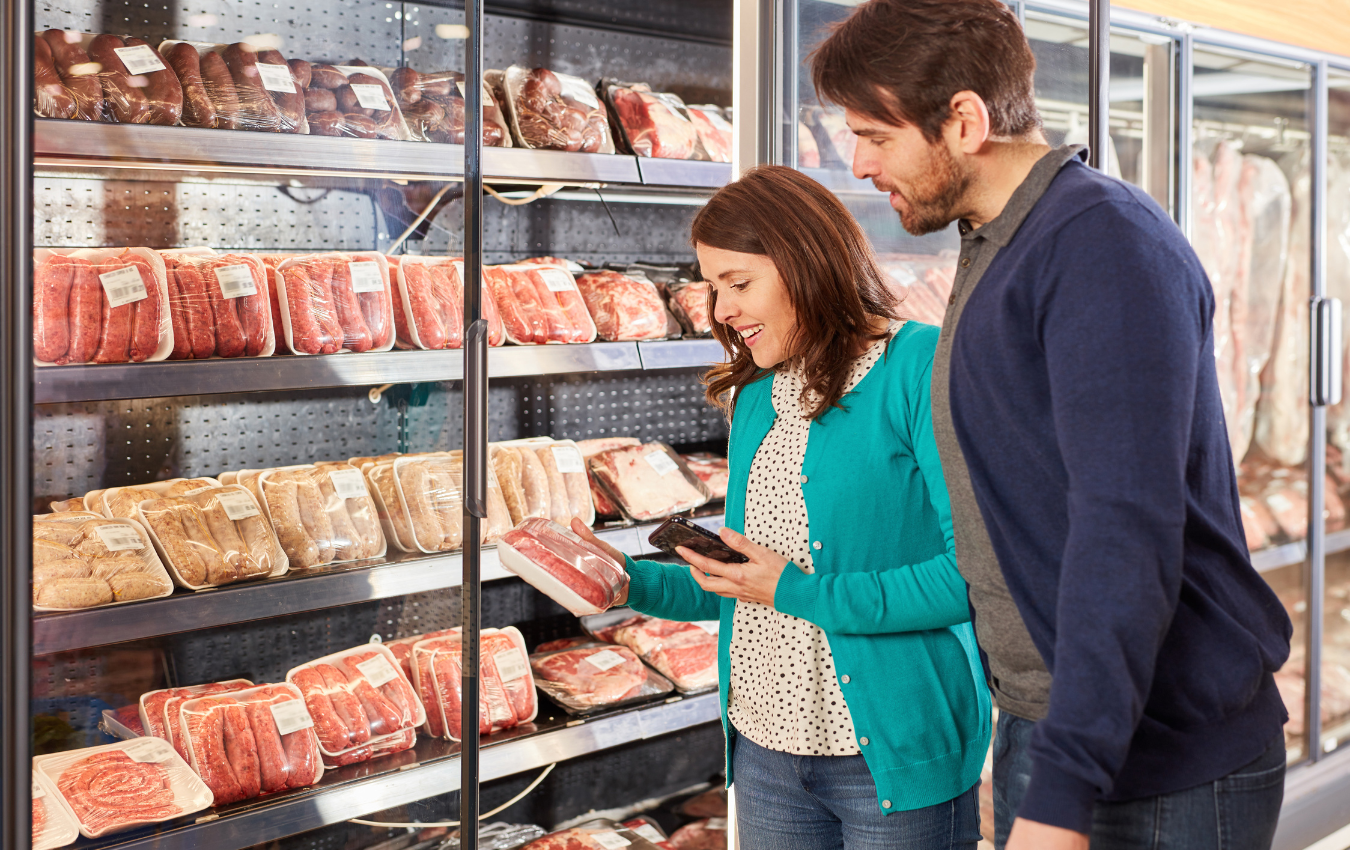
“Best If Used By” and “Use By” food labels

How This Affects Packaging Buyers

Packaging buyers must prepare for the operational and design changes required to comply with this legislation. Here’s how the new rules impact the packaging industry and what buyers need to consider:

Redesigning Labels

The shift to standardized terms requires updates to all food product packaging sold in California.

  • Key Considerations:
    • Ensure compliance with the mandated labeling terms.
    • Collaborate with graphic designers to revise labels while maintaining brand identity.
    • Confirm that new labels are clear and legible for consumers.
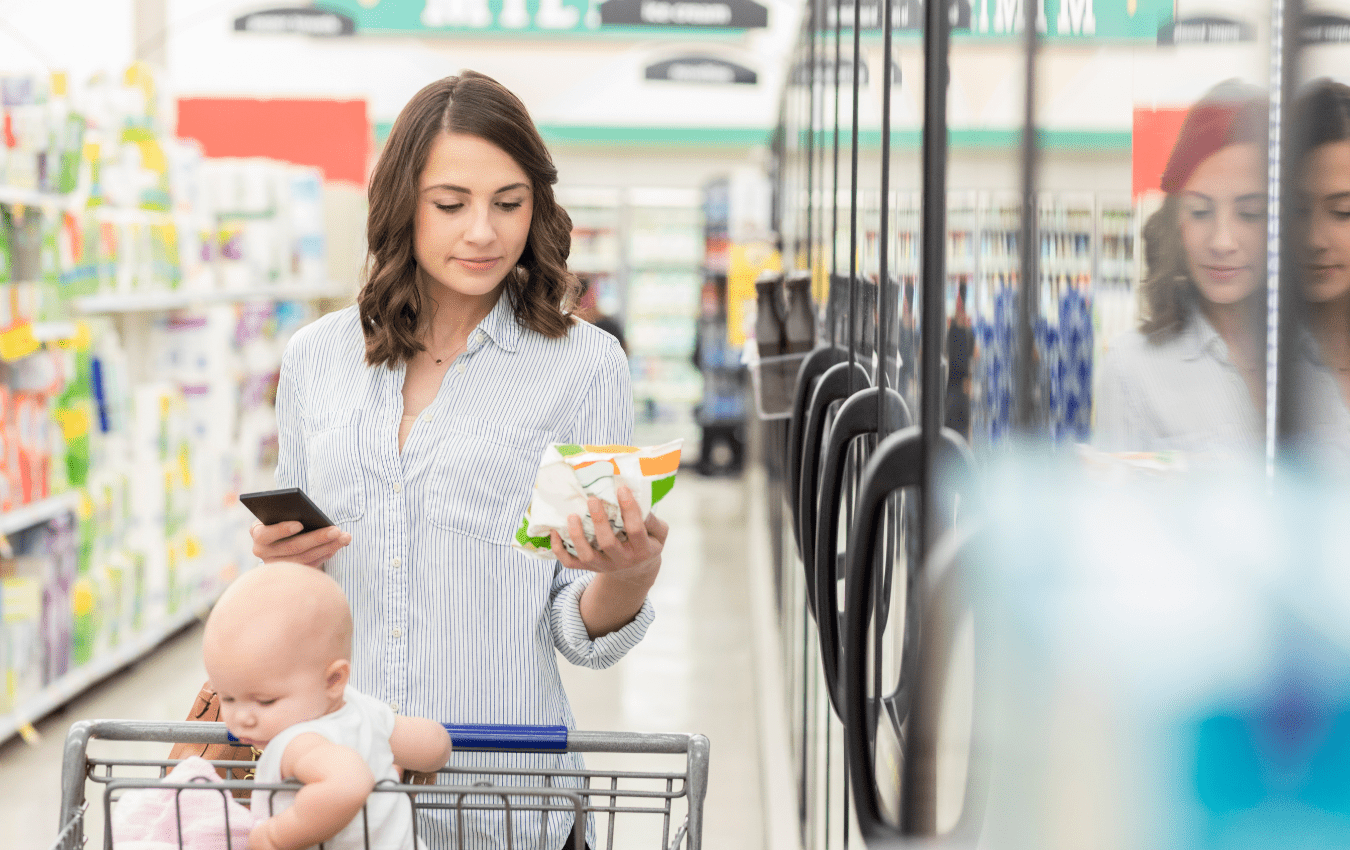
Food Labeling Regulations: A Guide for Packaging Buyers

Adjusting Printing Processes

Buyers may need to adjust printing specifications or partner with new suppliers to accommodate the updated labeling requirements.

  • Actionable Steps:
    • Evaluate whether current printing equipment and processes can support the new labeling formats.
    • Plan ahead to avoid delays or increased costs during the transition.

Managing Compliance Across States

If your business operates in multiple states, consider how to address varying labeling laws.

  • Options for Buyers:
    • Implement California-compliant labels nationwide to streamline production.
    • Use region-specific packaging if distinct compliance is necessary.

Sustainability Opportunities

The new law aligns with sustainability goals by reducing food waste, providing an opportunity for packaging buyers to align their strategies.

  • How Buyers Can Respond:
    • Highlight eco-friendly materials in packaging to reinforce your brand’s commitment to sustainability.
    • Include consumer education elements, such as QR codes, that provide additional information on food storage and expiration.

Cost Implications

While the changes may involve upfront costs, compliance can prevent fines and align your products with consumer preferences.

  • Potential Costs:
    • Redesigning and reprinting packaging.
    • Updating inventory and supply chain processes.
    • Training staff on new compliance requirements.
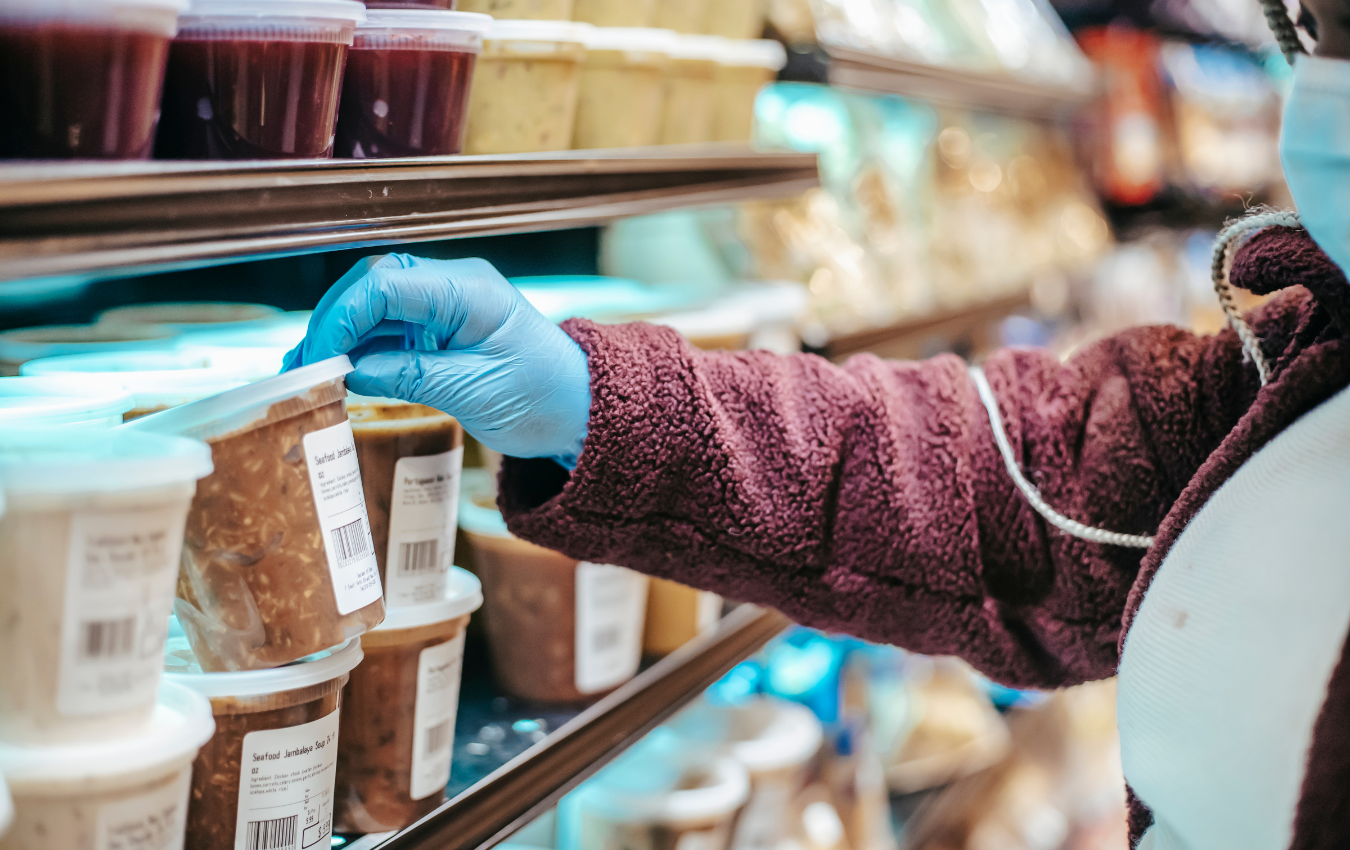
food labeling

Benefits of the New Law for Packaging Buyers

While adapting to this legislation requires investment, it also presents several opportunities:

Building Consumer Trust

Clear and standardized labels improve transparency, helping consumers make informed decisions and fostering trust in your brand.

Reducing Waste in Supply Chains

With less food discarded due to misunderstood labels, businesses can optimize inventory and reduce losses, saving costs in the long term.

Staying Ahead of National Trends

California often leads the way in regulatory changes that later influence national policies. Preparing for these changes now could position your business ahead of future federal regulations.

Enhancing Brand Reputation

By adopting clear, consumer-focused labeling, you align with growing consumer demand for accountability and clarity in packaging.
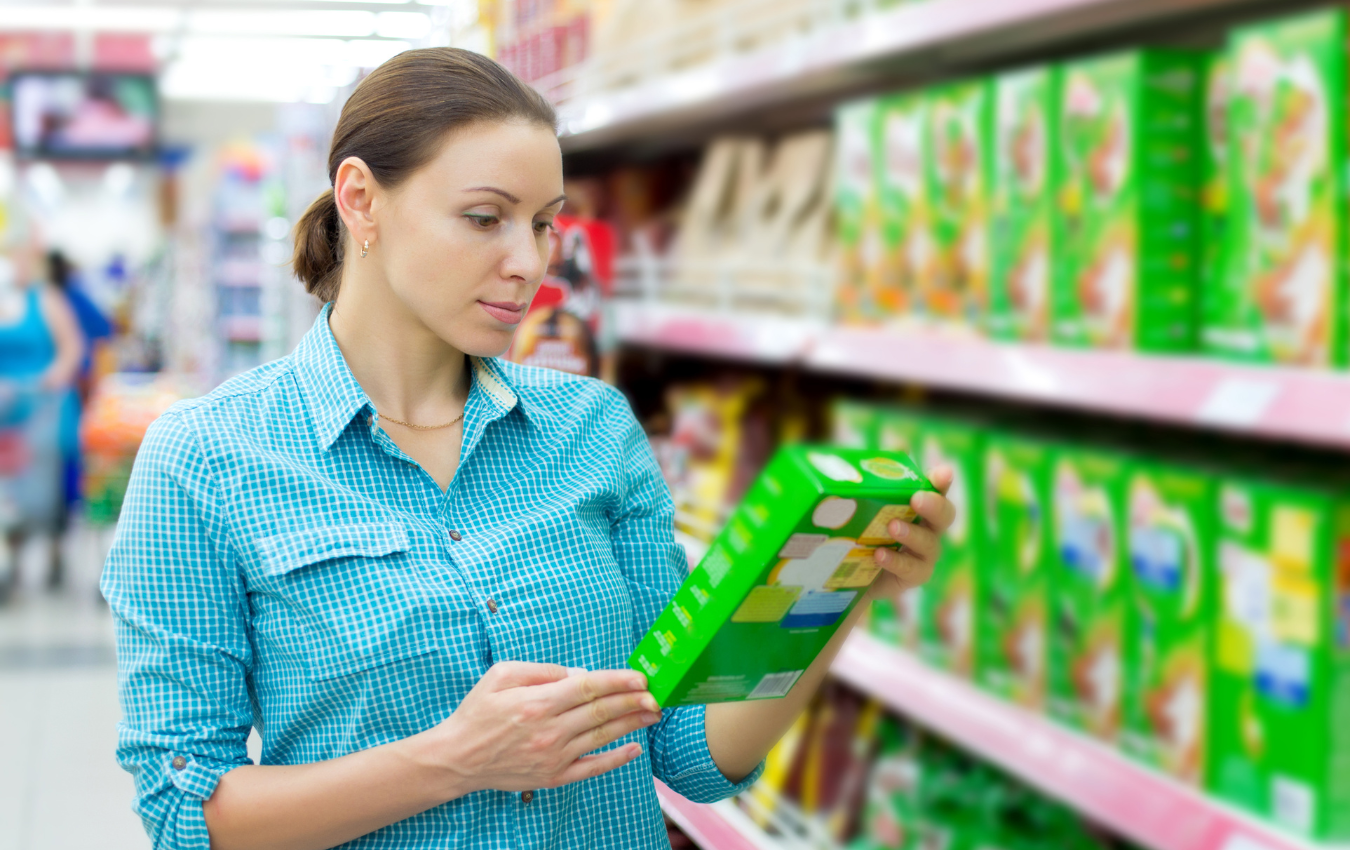
food packaging and labeling

Steps to Prepare for the Labeling Transition

To ensure a smooth transition, packaging buyers should take the following steps:

  1. Conduct an Audit of Current Labels:
    • Review all products sold in California to identify labels that require updates.
  2. Collaborate with Suppliers:
    • Work closely with suppliers to revise labels and ensure timely production.
  3. Plan and Budget for the Transition:
    • Allocate resources for redesign, printing, and potential supply chain adjustments.
  4. Educate Internal Teams:
    • Train staff on the new labeling requirements and their implications for production and sales.
  5. Communicate with Retailers and Distributors:
    • Ensure that partners in the supply chain understand and comply with the new standards.

Conclusion

California’s new food date labeling law is a significant step toward reducing food waste and improving consumer understanding. For packaging buyers, this change presents both challenges and opportunities. By preparing early and aligning your packaging strategies with the new standards, you can ensure compliance, enhance consumer trust, and support sustainability goals. With thoughtful planning, the transition can become a competitive advantage in the ever-evolving packaging industry.

If you are interested in making your food packaging compliant, then partner with Brown Packaging today to get started.

Most Recent Posts:
Retail Packaging Trends for 2026

Retail packaging continues to evolve as brands balance sustainability, supply chain performance, and consumer experience. In 2026, buyers face new challenges shaped by material innovation, compliance requirements, and rising consumer

Read More »
Categories:
Subscribe To Our Newsletter

By submitting your information, you agree to our terms and conditions and privacy policy.
Direct Thermal Label
Food Packaging
Facebook
Twitter
LinkedIn
Pinterest
Relevant Posts
How To Reduce Food Packaging Waste
Food
brownpackaging
How To Reduce Food Packaging Waste

Food packaging waste is a pressing environmental issue that demands our attention. Excessive packaging, single-use plastics, limited recycling facilities, and consumer habits all contribute to the problem. In this blog, we will explore effective strategies to minimize food packaging waste, from sustainable materials to consumer education and corporate responsibility. The Challenge of Food Packaging Waste Excessive Packaging: Over-packaging, or using more packaging than necessary, is a significant contributor to food packaging waste. Single-Use Plastics: Single-use plastic packaging, notorious for its non-biodegradable nature, poses a severe threat to the environment. Lack of Recycling: Inadequate recycling facilities and low recycling rates for certain materials exacerbate the problem. Consumer Behavior: Consumer habits, including excessive food waste and improper disposal of packaging, also contribute to the issue. Sustainable Strategies to Reduce Food Packaging Waste Optimize Packaging Design: Rethink packaging design to use the least amount of material necessary while maintaining product safety and quality. Eco-Friendly Materials: Embrace sustainable packaging materials such as biodegradable plastics, compostable materials, and recycled content. Reduce Single-Use Plastics: Transition away from single-use plastics and adopt reusable and refillable packaging options. Minimalist Packaging: Embrace minimalist packaging with clear labeling and reduced graphics to reduce material usage. Innovative Packaging: Explore innovative packaging solutions, such as edible packaging or dissolvable packaging materials. Recyclability and Compostability: Prioritize materials that are easily recyclable or compostable to promote responsible disposal. Consumer Education: Educate consumers about responsible packaging disposal, recycling programs, and the importance of reducing food waste. Reduced Food Waste: Encourage portion control or provide resealable packaging to minimize food waste. Circular Economy: Implement circular economy principles, which prioritize recycling, reusing, and reducing materials in the packaging lifecycle. Corporate Responsibility in Reducing Food Packaging Waste Sustainable Sourcing: Source packaging materials from sustainable and ethical suppliers. Eco-Friendly Initiatives: Invest in sustainable packaging research and development and collaborate with industry partners to promote eco-friendly practices. Packaging Audits: Regularly evaluate and audit packaging to identify areas for waste reduction and improved sustainability. Regulatory Compliance: Stay informed about and comply with evolving regulations related to packaging and waste reduction. Transparency: Be transparent with consumers about your sustainability efforts and progress. The Consumer Role in Reducing Food Packaging Waste Responsible Disposal: Dispose of packaging materials in accordance with local recycling and waste disposal guidelines. Minimalist Shopping: Make informed and mindful purchasing decisions to reduce unnecessary packaging. Support Sustainable Brands: Choose products from companies committed to sustainable packaging and waste reduction. Conclusion Reducing food packaging waste is a shared responsibility that involves businesses, consumers, and policymakers. By implementing sustainable packaging strategies, embracing eco-friendly materials, and educating consumers about responsible disposal and purchasing habits, we can work towards a greener future with minimized food packaging waste. It’s time to rethink, redesign, and reduce our packaging footprint to protect the planet for future generations. If you are interested in reducing your food packaging waste, then partner with Brown Packaging today to get started. (714)300-0650 request@brownpackaging.com Most Recent Posts: Categories: Corrugated Ecommerce ESD Design Display Flexible Packaging Foam Folding Carton Packaging Plastic Packaging Pouch Printing Protection Retail Rigid Box Thermoform Sustainability Subscribe To Our Newsletter By submitting your information, you agree to our terms and conditions and privacy policy. Food Packaging Facebook Twitter LinkedIn Pinterest Relevant Posts

Read More »
Choosing the Best Packaging Material for Snacks
Food
brownpackaging
Choosing the Best Packaging Material for Snacks

Packaging plays a pivotal role in the world of snacks, influencing everything from freshness and shelf life to branding and consumer appeal. With a multitude of packaging materials available, selecting the right one for your snacks is a critical decision that affects both product quality and market success. In this comprehensive guide, we’ll explore the various packaging materials suitable for snacks and delve into their benefits and considerations. Factors to Consider When Choosing Packaging Material Before delving into specific packaging materials, let’s examine the key factors to consider: Product Protection: The packaging material must protect snacks from external factors like moisture, air, light, and physical damage. Freshness and Shelf Life: Different materials offer varying levels of barrier protection, affecting the snacks’ freshness and shelf life. Brand Identity: Packaging contributes to brand recognition. The material’s appearance, texture, and print quality should align with your brand’s image. Eco-Friendliness: As sustainability gains prominence, choosing environmentally friendly materials is essential to minimize environmental impact. Cost: Packaging costs influence your product’s overall pricing strategy. Balancing quality and cost is crucial. Consumer Convenience: Packaging should be easy to open, resealable, and suitable for on-the-go consumption. Common Snack Packaging Materials Flexible Plastic Bags Benefits: Versatile, lightweight, and cost-effective. Offers excellent barrier properties against moisture and air. Considerations: Some plastic materials are not environmentally friendly. May lack a premium look for high-end products. Paperboard Cartons Benefits: Sturdy, printable, and environmentally friendly. Ideal for branding and visual appeal. Considerations: Limited barrier protection compared to other materials. Not suitable for snacks requiring a longer shelf life. Aluminum Foil Benefits: Provides exceptional barrier protection against moisture, light, and oxygen. Ensures prolonged freshness. Considerations: Relatively higher cost. Limited recyclability due to composite materials. Metal Cans Benefits: Offers excellent protection, ideal for snacks prone to breakage. Durable and visually appealing. Considerations: Heavier and costlier compared to other materials. Limited options for resealability. Stand-Up Pouches Benefits: Lightweight, space-efficient, and visually appealing. Can incorporate resealable features for convenience. Considerations: Barrier properties vary based on materials used. Not ideal for all types of snacks. Biodegradable and Compostable Materials Benefits: Environmentally friendly, reducing plastic waste. Appeals to eco-conscious consumers. Considerations: May have limited barrier properties compared to traditional materials. Higher cost for some options. Paperboard Pouch (Plastic Films) Corrugated Matching Materials to Snack Types Different snacks have unique requirements that influence the ideal packaging material: Chips and Crisps: Air-tight packaging like foil bags or metal cans maintain crispiness. Cookies and Baked Goods: Paperboard cartons offer a balance between protection and branding. Fresh Fruit Snacks: Flexible plastic with resealable features preserves freshness. Nuts and Trail Mix: Barrier properties of foil pouches prevent spoilage. Chocolate and Candy: Aluminum foil provides protection against temperature changes. Granola Bars: Biodegradable materials align with health-conscious branding. Roll Stock Balancing Sustainability and Practicality As consumers demand eco-friendly options, brands are focusing on sustainable packaging solutions. However, it’s essential to strike a balance between sustainability and practicality. Biodegradable materials might be ideal for some products, while others require longer shelf life provided by traditional materials. If you are interested in snack packaging solutions, then partner with Brown Packaging today to get started. (714)300-0650 request@brownpackaging.com Most Recent Posts: Categories: Corrugated Ecommerce ESD Design Display Flexible Packaging Foam Folding Carton Packaging Plastic Packaging Pouch Printing Protection Retail Rigid Box Thermoform Sustainability Subscribe To Our Newsletter By submitting your information, you agree to our terms and conditions and privacy policy. Snack Packaging Facebook Twitter LinkedIn Pinterest Relevant Posts
Read More »
Ultimate Guide to Selecting The Right Pizza Box
Food
brownpackaging
Ultimate Guide to Selecting The Right Pizza Box

When it comes to delivering the beloved and delicious treat that is pizza, the packaging plays a crucial role. The right pizza box not only ensures that the pizza arrives at its destination piping hot and in perfect condition but also presents an opportunity for branding and a memorable unboxing experience. In this comprehensive guide, we’ll delve into the world of pizza boxes, exploring the main types available, their features, and how they impact the overall pizza delivery experience. Introduction to Pizza Boxes: A Slice of Necessity and Branding Pizza boxes are not just containers; they’re a fundamental aspect of the pizza delivery process. They are designed to protect the pizza from heat loss, moisture, and potential damage during transportation. However, they also offer an excellent canvas for brand promotion and customer engagement. The first impression matters, and a well-designed pizza box can leave a lasting memory on customers. The Classic Standard Pizza Box The classic standard pizza box is a tried-and-true design that has stood the test of time. Made from corrugated cardboard, it’s sturdy and reliable, keeping the pizza warm and safe. These boxes often feature a simple, foldable lid and a white or kraft exterior. Their minimalist design allows for branding stickers or stamps to be added easily, providing ample space for pizzerias to display their logo, contact information, and promotional offers. The Pizza Slice Holder For those who want to grab a quick slice on the go, pizza slice holders are a convenient alternative. These triangular boxes are specifically designed to hold a single slice securely, making them a popular choice for lunch specials or self-serve pizza stations. They are often made from lightweight cardboard, with foldable flaps to encase the slice, making it easy to carry without getting toppings everywhere. The Eco-Friendly Pizza Box With increasing environmental awareness, eco-friendly pizza boxes have gained traction. These boxes are typically made from recycled materials and are designed to be easily recyclable or compostable after use. They are an excellent choice for environmentally conscious pizzerias looking to reduce their carbon footprint. Eco-friendly pizza boxes often feature subtle earthy tones and messaging related to sustainability. The Custom Printed Pizza Box Customization is key in today’s competitive market. Custom printed pizza boxes allow pizzerias to showcase their unique brand identity through creative designs and high-quality printing. From vibrant graphics to engaging taglines, these boxes tell a story about the pizzeria’s commitment to quality and taste. Custom printed boxes can make the unboxing experience more exciting and can even become a memorable part of customers’ social media content. The Specialty Pizza Box For pizzerias that offer unique and specialty pizzas, specialty pizza boxes are a fantastic option. These boxes can be shaped to match the pizza’s design, adding an element of surprise and delight when customers open them. Whether it’s a heart-shaped box for Valentine’s Day or a football-shaped box for game day, these boxes take the pizza experience to a whole new level. The Windowed Pizza Box Visual appeal is vital in the food industry, and windowed pizza boxes capitalize on that. These boxes feature a clear plastic window that gives customers a tantalizing glimpse of the pizza inside. This not only showcases the pizza’s toppings but also ensures that the pizza remains visible and appetizing during delivery. The windowed design can elevate the customer’s anticipation and excitement. The Stackable Pizza Box Efficiency in storage and transportation is a concern for pizzerias that handle high volumes of orders. Stackable pizza boxes are designed to fit neatly on top of each other, making storage and delivery more organized. These boxes often have interlocking features that prevent them from sliding off one another, reducing the risk of accidents during transportation. The Insulated Pizza Box Maintaining the ideal temperature of a pizza is crucial for customer satisfaction. Insulated pizza boxes feature layers of thermal insulation that help keep the pizza warm during delivery. These boxes are a popular choice for pizzerias that prioritize delivering pizzas that are as hot and fresh as if they were just pulled out of the oven. The Dual-Purpose Pizza Box Dual-purpose pizza boxes go beyond the conventional by incorporating additional functionality. These boxes may include detachable sections that can be used as plates or trays for sharing. They provide a practical solution for customers who want to enjoy their pizza without transferring it to separate plates. Choosing the Right Pizza Box: Factors to Consider When selecting the right pizza box for your pizzeria, several factors come into play. Consider the type of pizzas you offer, your branding goals, customer preferences, and budget constraints. The right pizza box should align with your overall brand image while ensuring that the pizza reaches the customer in the best possible condition. If you are interested in pizza boxes, then partner with Brown Packaging today to get started. (714)300-0650 request@brownpackaging.com Most Recent Posts: Categories: Corrugated Ecommerce ESD Design Display Flexible Packaging Foam Folding Carton Packaging Plastic Packaging Pouch Printing Protection Retail Rigid Box Thermoform Sustainability Subscribe To Our Newsletter By submitting your information, you agree to our terms and conditions and privacy policy. Pizza Boxes Facebook Twitter LinkedIn Pinterest Relevant Posts

Read More »