window.uetq = window.uetq || []; window.uetq.push(‘event’, ‘submit_lead_form’,{ event_label:‘SUBMIT MESSAGE’ }); window.lintrk('track', { conversion_id: 10271009 }); window.lintrk('track', { conversion_id: 10271017 });

Bundle Packaging: Everything You Need to Know
Custom Corrugated retail box with window cut out, sample packs and poly bags

When it comes to marketing and selling products, presentation matters. Bundle packaging is a clever and effective strategy that many businesses use to enhance their products’ appeal and value. Whether you’re a retailer, e-commerce business, or a manufacturer, understanding the art of bundle packaging can make a significant difference in your sales and customer satisfaction. In this blog, we’ll delve into the world of bundle packaging, exploring what it is, its benefits, and how to create effective bundles that resonate with your target audience.

What is Bundle Packaging?

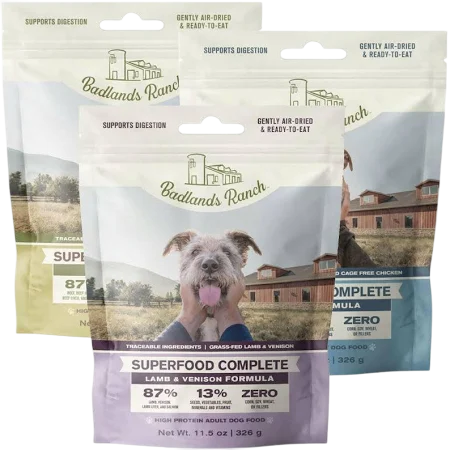
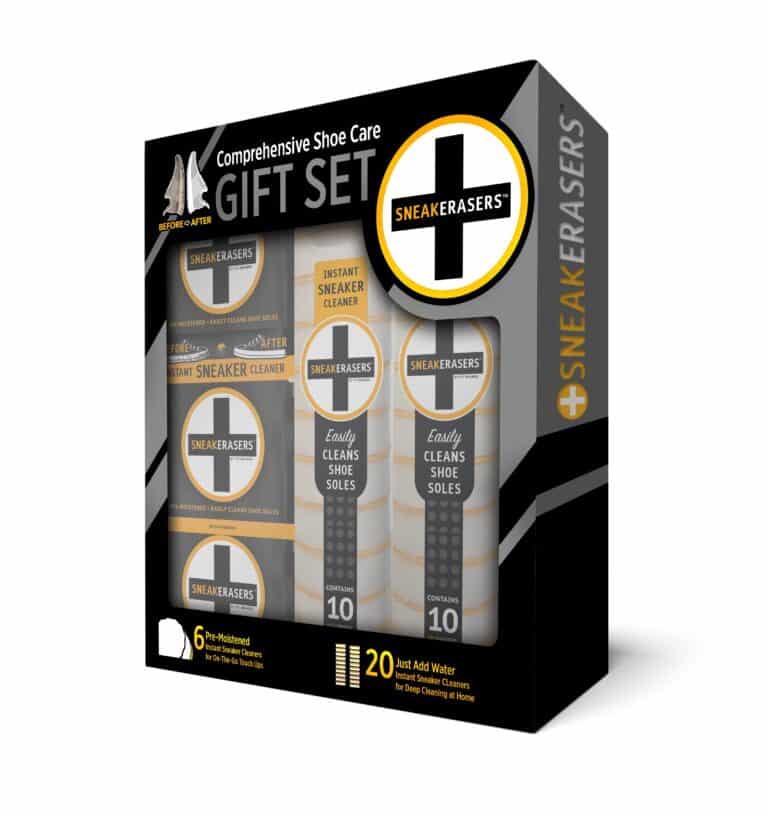
Bundle packaging, also known as product bundling, is the practice of grouping together multiple related products or services into a single package for sale. Instead of selling each item individually, businesses package them together as a bundle, often offering it at a discounted price or with added value. This packaging strategy aims to entice customers to purchase more and enhance their overall shopping experience.

The Benefits of Bundle Packaging

Bundle packaging offers a range of advantages for both businesses and consumers:

Increased Sales:

One of the primary benefits of bundle packaging is its potential to boost sales. Customers are more likely to purchase a bundle of related items if it offers them better value compared to buying each item separately. This can lead to an increase in the average transaction value.

Clear Value Proposition:

Bundles provide a clear value proposition to customers. They can see that by purchasing the bundle, they are getting a deal or receiving added value, which can be a powerful motivator for purchase.

Enhanced Customer Experience:

Customers appreciate convenience. Bundling complementary products together can save them time and effort in finding and purchasing individual items. This convenience can lead to improved customer satisfaction and loyalty.

Inventory Management:

For businesses, bundle packaging can help manage inventory effectively. It allows you to bundle slower-moving products with more popular ones, helping to clear out older stock and improve cash flow.

Competitive Advantage:

Creating unique and compelling bundles can set your business apart from competitors. It allows you to differentiate your offerings and attract customers seeking a comprehensive solution.
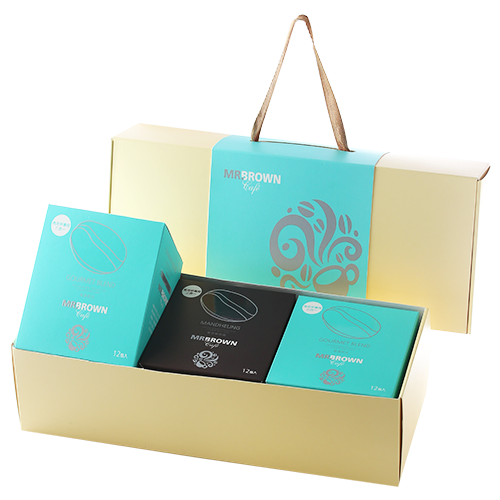
custom rigid two piece box with handle

How to Create Effective Bundles

Creating successful bundle packages requires careful planning and consideration. Here are some steps to guide you:

Understand Your Audience:

Start by understanding your target audience’s needs and preferences. What products or services are they likely to buy together? What problems can your bundles solve for them?

Choose Complementary Products:

Select products that naturally complement each other. They should enhance the value of the bundle and make sense to the customer. For example, a camera bundle could include lenses, a tripod, and a camera bag.

Pricing Strategy:

Determine the pricing strategy for your bundles. Typically, bundles are priced lower than the total cost of purchasing each item separately, offering customers a discount. However, ensure that your pricing still allows for a reasonable profit margin.

Packaging Design:

Invest in attractive and informative packaging design. The packaging should clearly communicate what’s included in the bundle and its value proposition. High-quality packaging enhances the perceived value of the bundle.

Marketing and Promotion:

Promote your bundles through various marketing channels, both online and offline. Highlight the benefits of purchasing the bundle, such as cost savings or convenience. Use visuals and descriptions that resonate with your target audience.

Monitor and Adjust:

Track the performance of your bundles. Analyze sales data, customer feedback, and return on investment. Make adjustments as needed to optimize your bundle offerings.
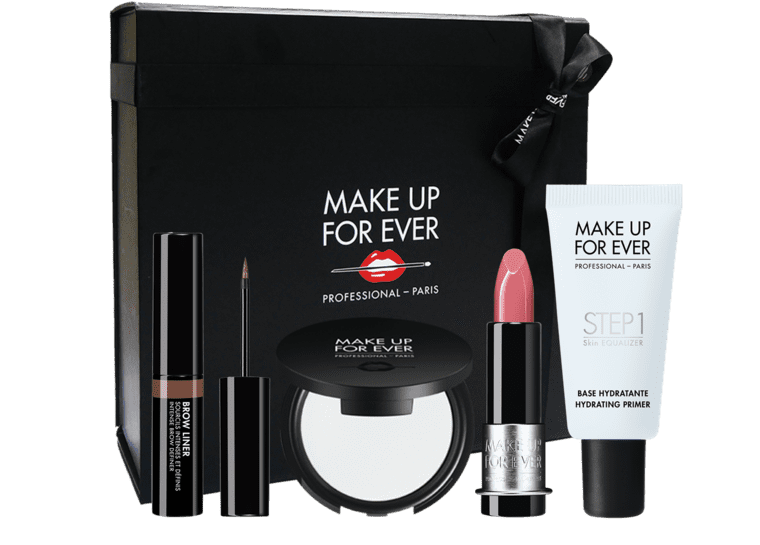
Custom Rigid Box

Examples of Successful Bundle Packaging

  1. Tech Gadgets Bundle: A bundle that includes a smartphone, wireless earbuds, and a phone case, all for a lower price than buying them individually.
  2. Cooking Essentials Bundle: A bundle of kitchen appliances like a blender, food processor, and a set of high-quality knives, perfect for aspiring chefs.
  3. Beauty and Skincare Set: A bundle containing skincare products, makeup, and a cosmetic bag, offering customers a complete beauty solution.
  4. Fitness Starter Pack: A bundle with workout equipment, a fitness tracker, and a subscription to a fitness app, targeting fitness enthusiasts.
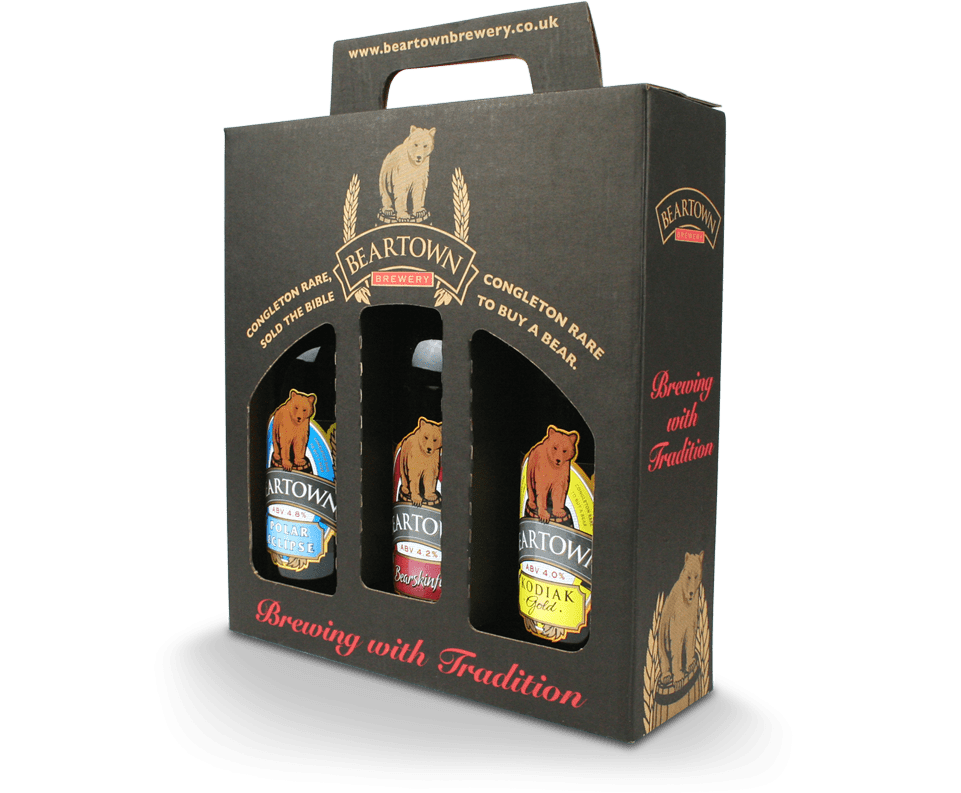
Corrugated beverage box custom with print

In Conclusion

Bundle packaging is a powerful strategy that can benefit both businesses and customers. It offers convenience, value, and the potential for increased sales. By understanding your audience, choosing the right products, and effectively marketing your bundles, you can tap into the potential of bundle packaging to enhance your brand and drive revenue. So, get creative, bundle up, and watch your sales soar!

If you are interested in bundle packaging, then partner with Brown Packaging today to get started.

Most Recent Posts:
Retail Packaging Trends for 2026

Retail packaging continues to evolve as brands balance sustainability, supply chain performance, and consumer experience. In 2026, buyers face new challenges shaped by material innovation, compliance requirements, and rising consumer

Read More »
Categories:
Subscribe To Our Newsletter

By submitting your information, you agree to our terms and conditions and privacy policy.
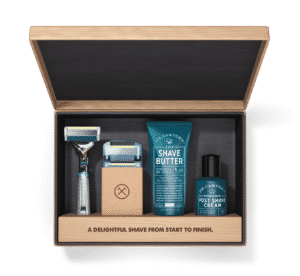
rigid subscription box
Custom Packaging
Facebook
Twitter
LinkedIn
Pinterest
Relevant Posts
Quadrabloc Case study: rigid box
Packaging
brownpackaging
Creating Competitive Packaging: A Small Business Guide

In today’s competitive business landscape, packaging plays a crucial role in attracting customers and setting your products apart from the competition. While larger corporations often have bigger budgets for packaging design and production, small businesses can still create packaging that is equally competitive and appealing. In this blog, we’ll explore strategies and tips for small businesses to create packaging that stands out and drives success. Understand Your Target Audience Before diving into packaging design, it’s essential to have a deep understanding of your target audience. What appeals to them? What are their preferences? Small businesses have the advantage of being able to connect on a personal level with their customers. Engage with your audience through surveys, social media, and customer feedback to gather insights into their expectations. Unique Branding Your packaging should reflect your brand’s personality and values. Create a unique and memorable brand identity that resonates with your target audience. This includes choosing distinct colors, fonts, and logos that set you apart from competitors. Consistency in branding across all packaging materials is key to building brand recognition. Quality Matters While small businesses may not have the budget for extravagant packaging, it’s crucial to invest in quality materials. Sturdy, well-made packaging not only protects your products but also conveys a sense of professionalism and reliability. Consider eco-friendly materials to appeal to environmentally-conscious consumers. Tell a Story Larger businesses often have elaborate marketing campaigns, but small businesses can compete by using packaging to tell their story. Include a brief narrative on the packaging that highlights the journey of your business, your commitment to quality, or your dedication to a particular cause. This personal touch can resonate deeply with customers. Focus on Functionality Packaging should not only look good but also serve its primary purpose effectively. Ensure that your packaging is practical, easy to open, and provides adequate protection for your products. Think about how customers will interact with it and make their experience as seamless as possible. Differentiate Through Innovation Small businesses can innovate and create packaging solutions that stand out. Consider unique packaging shapes, interactive elements, or even incorporating technology like QR codes for a more engaging experience. Innovations can capture customers’ attention and make your products more memorable. Cost-Effective Design While larger corporations may have more resources, small businesses can design cost-effective packaging by simplifying their designs. Focus on minimalist yet impactful design elements. Utilize affordable printing and labeling options that still create a visually appealing package. Personalization Personalization is a powerful tool in packaging. Consider adding personalized messages, thank-you notes, or even the customer’s name to create a sense of connection. Customized packaging shows that you value your customers individually. Stay Updated The world of packaging is constantly evolving. Stay updated on the latest trends and technologies in packaging design. Attend trade shows, read industry publications, and network with other small business owners to gather insights and inspiration. Test and Iterate Don’t be afraid to experiment with different packaging designs and gather feedback from your customers. Continuously improve and refine your packaging based on customer input and changing market trends. Conclusion Creating competitive packaging as a small business is not just about outspending your larger competitors; it’s about understanding your customers, building a unique brand identity, and delivering high-quality packaging that aligns with your brand’s values. By following these strategies and staying committed to excellence, small businesses can create packaging that competes on a level playing field with larger corporations. Your packaging can become a powerful tool in building customer loyalty and driving success. If you are interested in competitive packaging for your small business, then partner with Brown Packaging today to get started. (714)300-0650 request@brownpackaging.com Most Recent Posts: Categories: Corrugated Ecommerce ESD Design Display Flexible Packaging Foam Folding Carton Packaging Plastic Packaging Pouch Printing Protection Retail Rigid Box Thermoform Sustainability Subscribe To Our Newsletter By submitting your information, you agree to our terms and conditions and privacy policy. Custom Packaging Facebook Twitter LinkedIn Pinterest Relevant Posts

Read More »
Boxes with Flaps vs. Boxes with Lids
Packaging
brownpackaging
Boxes with Flaps vs. Boxes with Lids

When it comes to packaging solutions, selecting the appropriate type of box can significantly impact convenience, functionality, and the overall user experience. Two common options are boxes with flaps and boxes with lids. In this blog, we will delve into the characteristics, advantages, and disadvantages of each type to help you make an informed decision for your specific needs. Boxes with Flaps Design and Structure: Boxes with flaps are typically one-piece structures made from a single sheet of cardboard or other materials. They are designed with integral flaps that fold over to enclose the contents securely. Common variations include tuck top boxes, which provide different levels of security. Advantages: Easy Assembly: Boxes with flaps are usually easier to assemble compared to boxes with lids, as they involve fewer steps. Cost-Effective: Manufacturing boxes with flaps is often more cost-effective, making them a budget-friendly option for businesses. Disadvantages: Limited Security: While they can securely hold items, they might not be as tamper-resistant as boxes with lids, especially for high-value or sensitive items. Limited Reusability: Boxes with flaps may not be as durable for multiple uses as boxes with lids. Common Uses: Boxes with flaps are commonly used for packaging items such as clothing, books, electronics, and food products. Boxes with Lids Design and Structure: Boxes with lids consist of two separate pieces – a base and a detachable lid. The lid can be customized to fit snugly over the base, providing a secure closure. These boxes often come in various shapes and sizes to accommodate different contents. Advantages: Enhanced Security: Boxes with lids, especially when its fully telescopic, offer a higher level of security and protection for the contents, making them suitable for fragile or valuable items. Reusability: They are often more durable and can be reused multiple times, making them eco-friendly and cost-effective in the long run. Disadvantages: Complex Assembly: Boxes with lids may require more time and effort to assemble due to their two-piece structure. Higher Production Costs: Manufacturing two separate pieces can be more expensive than single-piece boxes with flaps. Common Uses: Boxes with lids are ideal for packaging items like jewelry, cosmetics, gifts, and luxury products where presentation and protection are paramount. Choosing the Right Option The choice between boxes with flaps and boxes with lids ultimately depends on your specific requirements and priorities. Here are some factors to consider: Contents: Consider the nature and value of the items you are packaging. High-value or fragile items may require the extra security provided by boxes with lids. Budget: If you have budget constraints, boxes with flaps are often a more cost-effective solution, especially for large quantities. User Experience: Think about the ease of use for your customers. Boxes with flaps are generally easier to open and close, while boxes with lids may offer a more premium unboxing experience. Sustainability: If environmental concerns are a priority, boxes with lids are typically more durable and can be reused, reducing the overall environmental impact. If you are interested in custom or stock boxes, then partner with Brown Packaging today to get started. (714)300-0650 request@brownpackaging.com Most Recent Posts: Categories: Corrugated Ecommerce ESD Design Display Flexible Packaging Foam Folding Carton Packaging Plastic Packaging Pouch Printing Protection Retail Rigid Box Thermoform Sustainability Subscribe To Our Newsletter By submitting your information, you agree to our terms and conditions and privacy policy. Custom Corrugated Boxes Facebook Twitter LinkedIn Pinterest Relevant Posts

Read More »
Enhancing the Durability of Poly Bags
Flexible Packaging
brownpackaging
How To Enhance the Durability of Poly Bags

Poly bags, known for their versatility and cost-effectiveness, are widely used in various industries for packaging. However, their durability can sometimes be a concern, especially when they are used to package heavy or sharp items. Improving the durability of poly bags is crucial to ensure the safety and integrity of the products they contain. This blog post explores strategies to enhance the durability of poly bags, making them more reliable for a broader range of applications. Understanding the Basics of Poly Bags Before delving into improvement strategies, it’s important to understand what poly bags are. Made from polyethylene film, they are lightweight, flexible, and can be transparent or opaque. They are used for everything from food packaging to retail shopping bags. Material Thickness and Quality The thickness and quality of the material play a crucial role in the durability of poly bags. Opt for Higher Thickness: Increasing the thickness (measured in mils) of the poly bag can significantly enhance its strength. Heavier items will require thicker bags. Quality of Polyethylene: High-quality polyethylene can increase the bag’s resilience to tearing and punctures. Reinforcement Techniques Reinforcing stress points can greatly improve a poly bag’s durability. Reinforced Handles: For poly bags used as shopping bags, reinforced handles are essential. They prevent tearing and make the bag more comfortable to carry. Double Seaming: Applying double seams at edges can increase the bag’s capacity to withstand pressure and weight. Design Considerations The design of the poly bag can impact its overall strength and functionality. Gusseted Design: Adding gussets to poly bags allows for more space and even distribution of weight, which can prevent tears. Appropriate Sizing: Ensuring the bag is appropriately sized for its contents can reduce the risk of overstretching and tearing. Additives and Coatings Incorporating certain additives and coatings can enhance the physical properties of poly bags. UV Stabilizers: For poly bags exposed to sunlight, UV stabilizers can prevent the material from breaking down. Moisture and Corrosion Inhibitors: These can be crucial for packaging products that are sensitive to moisture or corrosion. Sealing and Closure Methods The way a poly bag is sealed can affect its durability. Heat Sealing: Provides a strong, tamper-evident seal that can enhance the bag’s strength. Zip Closures: For reusable poly bags, high-quality zip closures can offer both convenience and durability. Printing and Labeling While printing on poly bags is mainly for branding, it should be done in a way that doesn’t compromise the bag’s integrity. Flexible Inks: Use inks that are flexible and don’t crack, maintaining the integrity of the bag. Minimal Printing on Stress Areas: Avoid heavy printing on areas of the bag that will experience the most stress. Sustainable Practices Durability doesn’t have to come at the expense of the environment. Recyclable Materials: Choose materials that are recyclable to promote sustainability. Biodegradable Options: Explore biodegradable poly bags, which are becoming increasingly available and durable. Testing and Quality Control Regular testing can ensure that the poly bags meet the required durability standards. Tensile Strength Testing: Regularly test the tensile strength of the bags to ensure they meet the necessary standards. Quality Control Procedures: Implement stringent quality control measures during the manufacturing process. If you are interested in enhancing the durability of your poly bags, then partner with Brown Packaging today to get started. (714)300-0650 request@brownpackaging.com Most Recent Posts: Categories: Corrugated Ecommerce ESD Design Display Flexible Packaging Foam Folding Carton Packaging Plastic Packaging Pouch Printing Protection Retail Rigid Box Thermoform Sustainability Subscribe To Our Newsletter By submitting your information, you agree to our terms and conditions and privacy policy. Poly Bags Facebook Twitter LinkedIn Pinterest Relevant Posts

Read More »