
Home » Balancing Shelf Presence and Shipping Efficiency in POP Displays
Balancing Shelf Presence and Shipping Efficiency in POP Displays
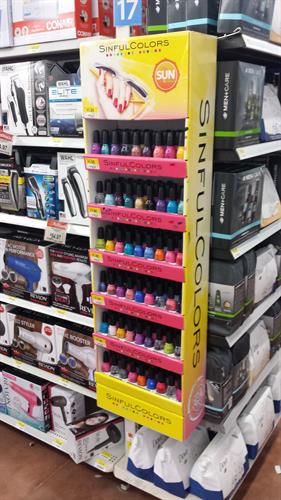
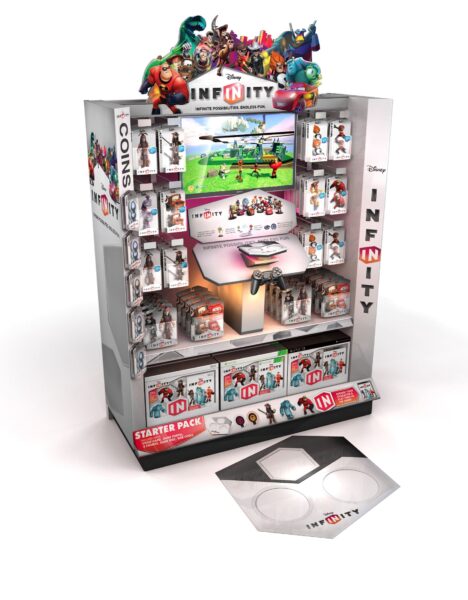
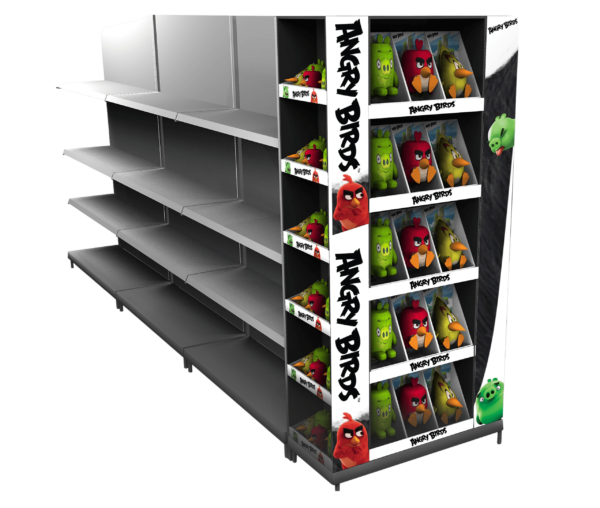
POP display design must serve two masters — maximizing visual impact in-store while minimizing logistics costs. Engineering the right balance between display footprint, assembly complexity, and shipping volume is critical to meeting retailer requirements and protecting margins.
Knock-Down vs. Fully Assembled Designs
- Knock-Down (KDF) Displays:
- Pros: Reduced shipping volume, lower freight costs, easier warehousing.
- Cons: Requires assembly labor at store level, potential for setup errors.
- Fully Assembled Displays:
- Pros: Guaranteed presentation quality, faster deployment.
- Cons: Higher dimensional freight costs, risk of damage in transit.
Freight Optimization Factors
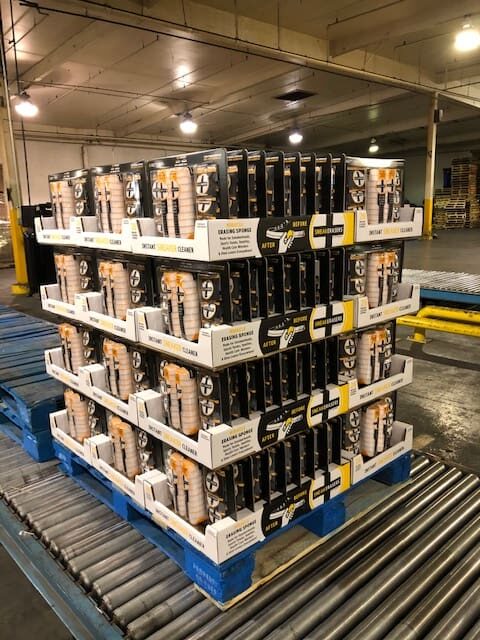
- Cube Utilization: Designing displays to fit standard pallet footprints (40×48 inches) and trailer heights improves load efficiency.
- Dimensional Weight (DIM): Carriers charge based on the higher of actual or volumetric weight; bulky but light displays can be costly to ship.
- Palletization Patterns: Consistent stacking reduces shifting and improves load stability.
Structural Engineering Considerations
- Flat-Pack Engineering: Modular components with interlocking tabs reduce the need for fasteners.
- Material Selection: Lighter substrates reduce freight weight but must still meet load-bearing requirements.
- Protective Packaging: Corner protectors and slip sheets prevent in-transit abrasion.
Shelf Presence Strategies Without Bulk
- Tiered Merchandising: Maximizes SKU visibility without increasing footprint.
- Bold Header Cards: Achieves eye-level engagement without adding weight.
- Interchangeable Graphic Panels: Allows seasonal refresh without replacing the structural base.
Testing and Compliance
- ISTA 3E: Simulates unitized load handling for large-format displays.
- Retailer Compliance Manuals: Many major retailers specify maximum dimensions, palletization methods, and setup time allowances.
References
International Safe Transit Association. (2018). ISTA 3E: Packaged-products for unitized loads. ISTA. https://ista.org
Walmart. (2024). Retail link supplier compliance guidelines. Walmart Inc. https://www.walmart.com/suppliers
Target. (2024). Target merchandising display guidelines. Target Brands, Inc. https://corporate.target.com
Moisture resistance and dimensional stability are critical performance factors for custom inserts, especially when products are shipped or stored in variable climates. Both foam and corrugated materials react differently to
Sustainability in pet food packaging is not just about recyclability—it’s about reducing environmental impact across the entire lifecycle. For products with high barrier needs like dry kibble, wet food, and
Retailers place strict requirements on packaging to ensure products move efficiently through distribution centers, arrive safely, and look consistent on shelves. Non-compliance can lead to costly chargebacks, rejected shipments, and
RSC boxes dominate shipping because they combine strength with efficiency. But beyond protection, their dimensions and stacking performance directly influence freight cost, pallet utilization, and warehouse efficiency. Choosing the right
Home » Balancing Shelf Presence and Shipping Efficiency in POP Displays