Balancing Strength and Design in POP Displays
Most POP display decisions eventually come down to a tradeoff:make it look
Home » Archives for brownpackaging » Page 4

Most POP display decisions eventually come down to a tradeoff:make it look

Many packaging purchasing decisions are made by comparing price per box. While

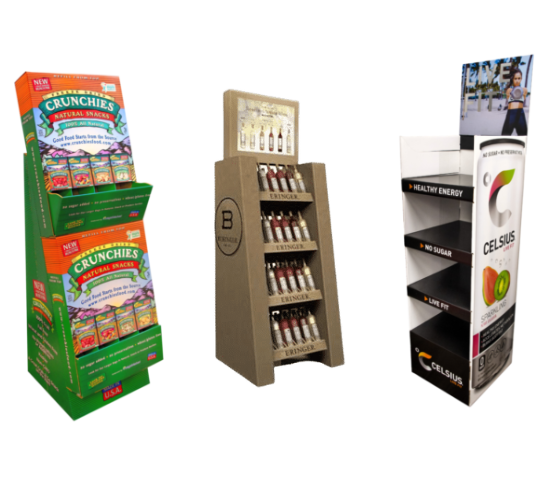
A POP display isn’t successful when it looks good leaving production—it’s successful

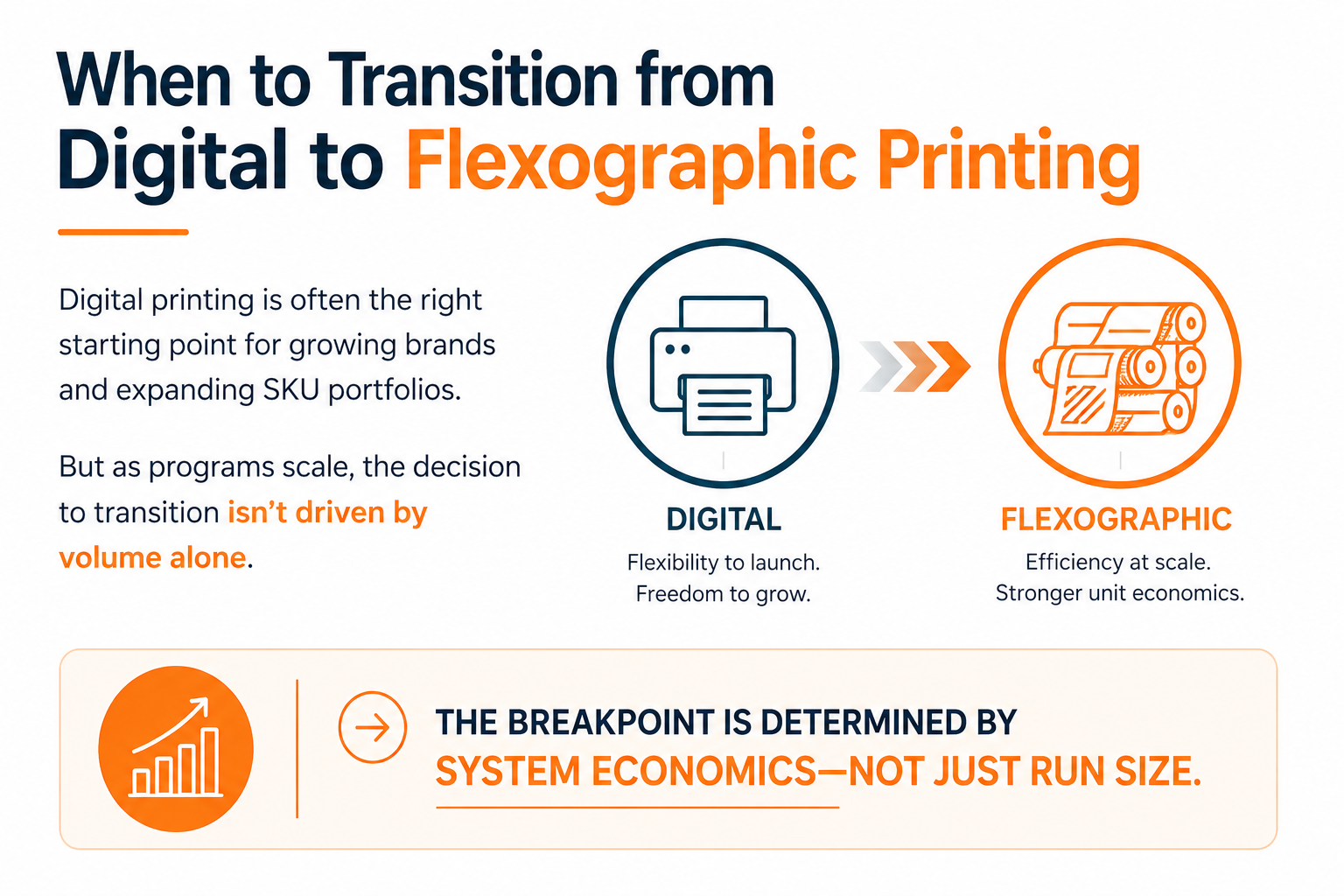
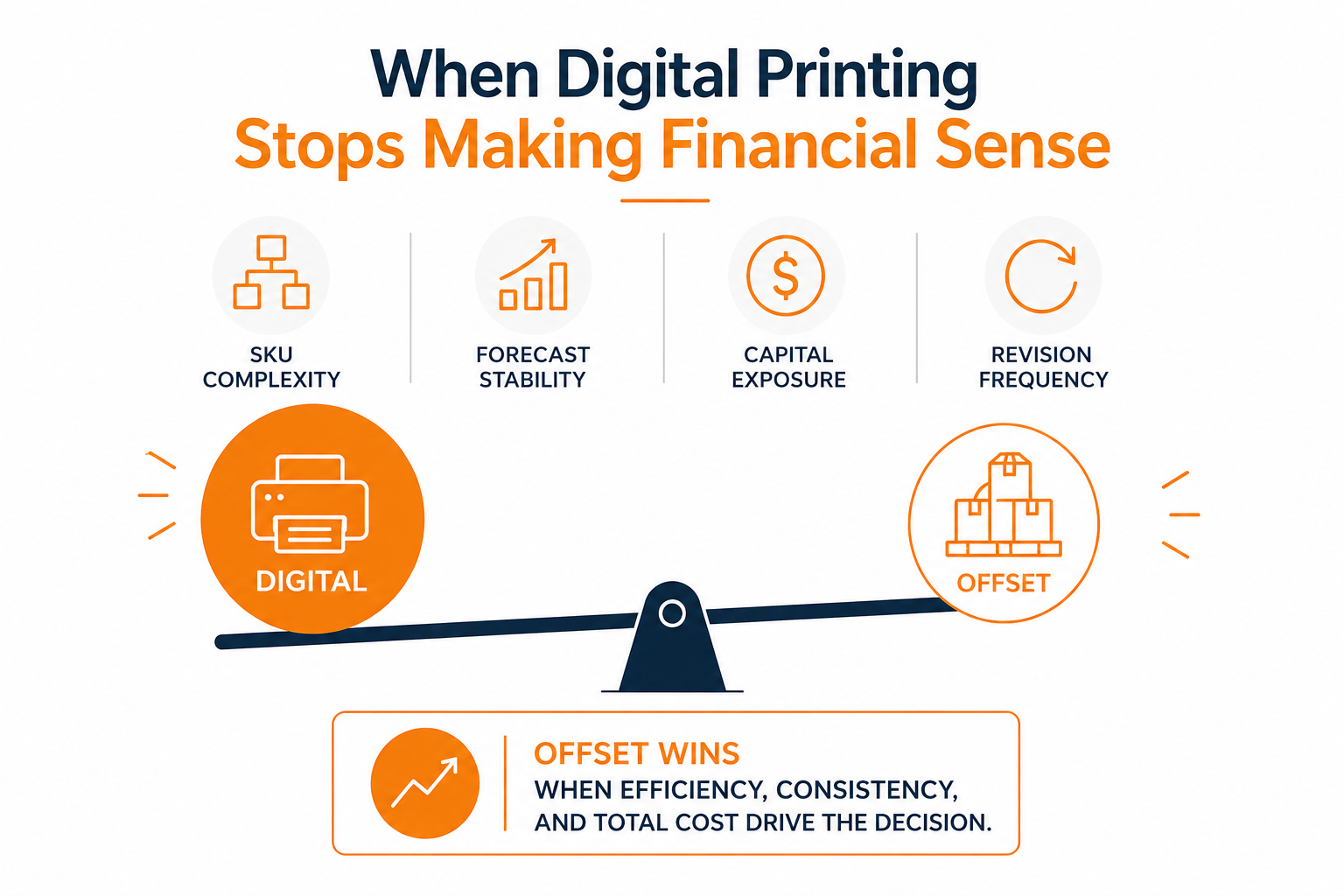
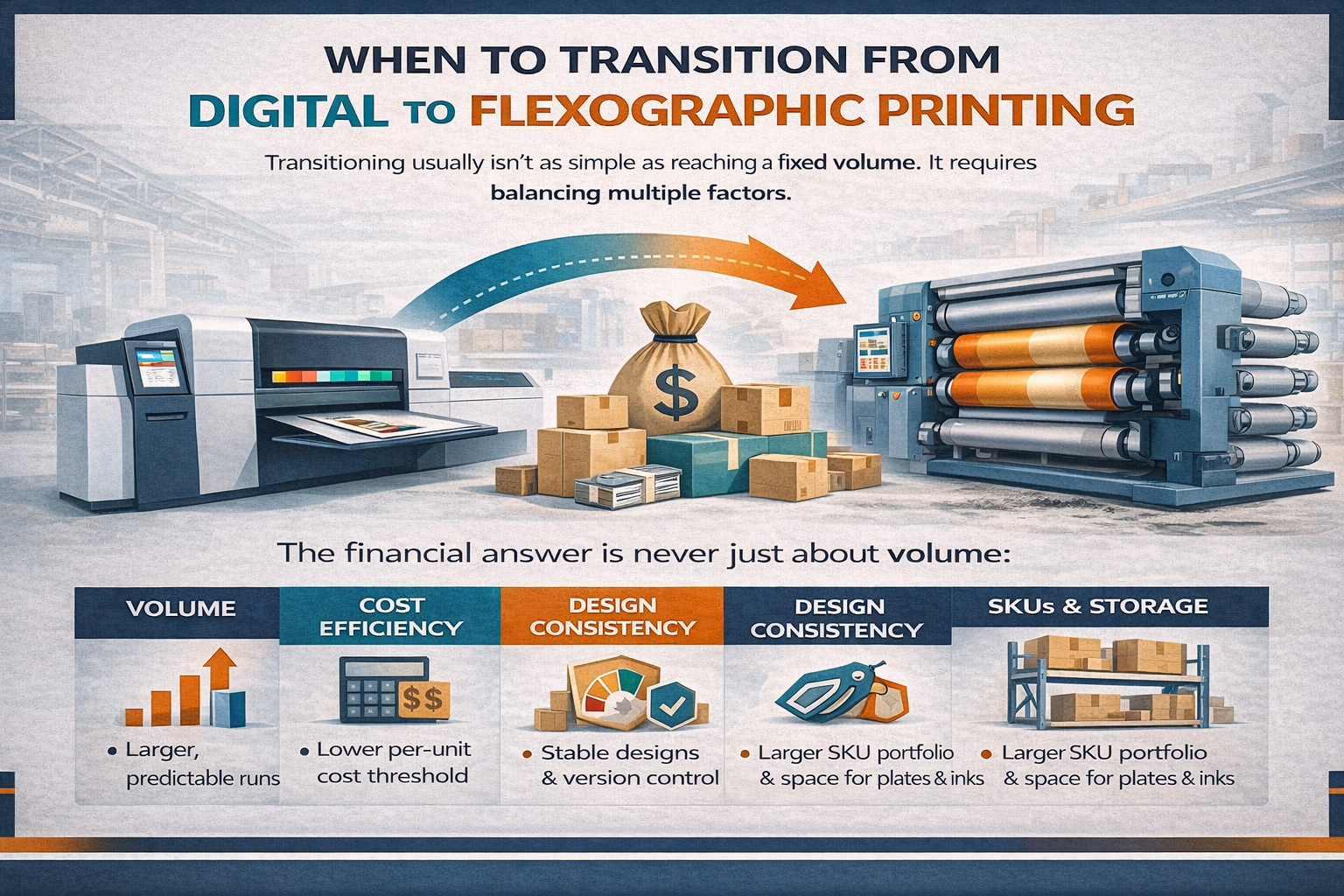
Print is one of the biggest cost drivers in POP displays—and one

There’s no universal “better” option—but there is a better fit depending on

Most packaging cost discussions focus on unit price. Very few quantify the

Most brands invest in POP displays without clearly measuring performance. They look

Most cost-cutting in POP displays happens in the wrong place. Brands reduce

Oil prices don’t just affect fuel—they ripple through nearly every part of

Most POP display failures aren’t caused by weak materials—they’re caused by poor
Folding carton artwork can look finished on screen and still create problems once it reaches production. The dieline is where design, structure, printing, cutting, folding,
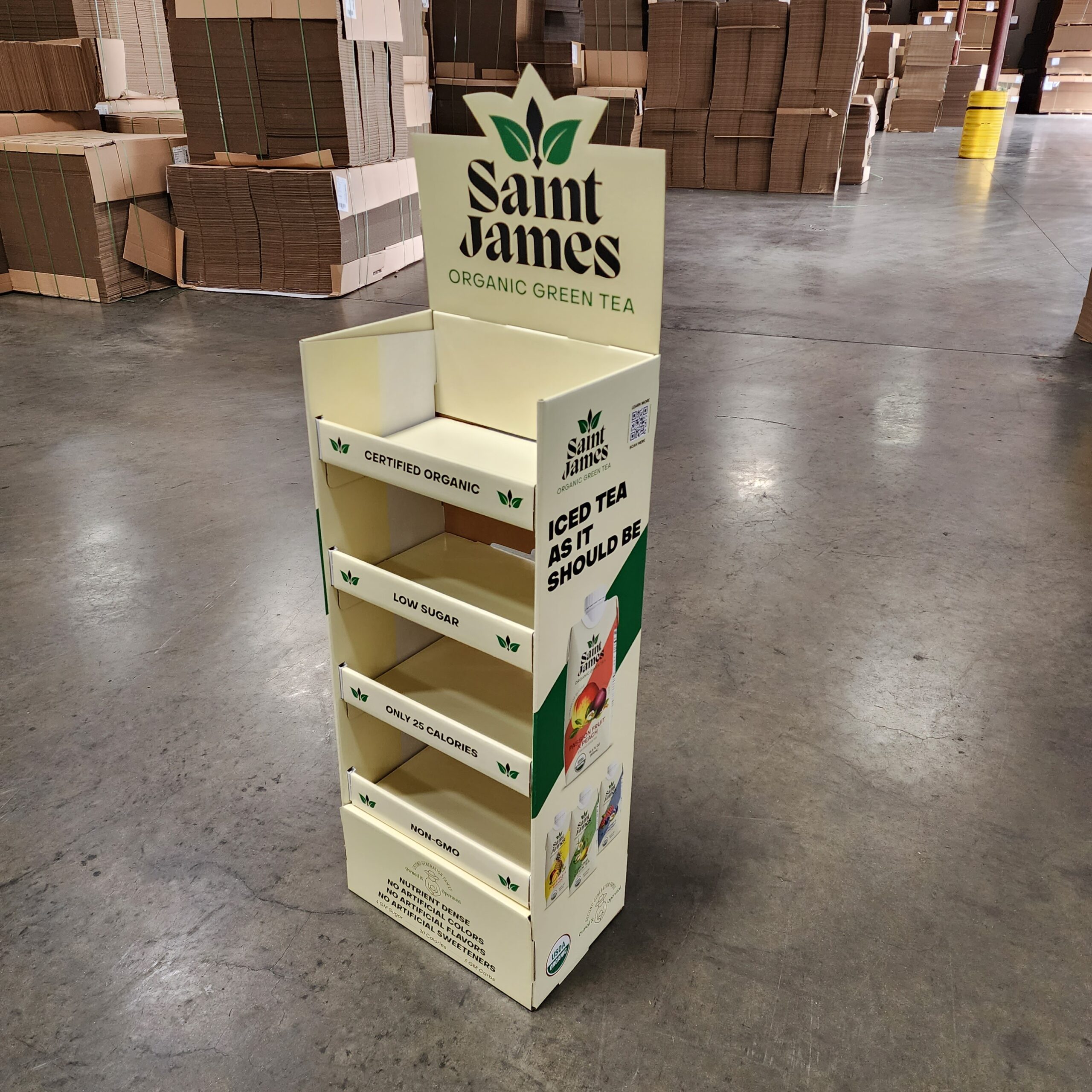
Most POP display failures don’t start with materials—they start with geometry. Specifically:👉 Shelf span Designs often look structurally sound on paper, but once loaded, shelves
Lower quantity packaging orders usually mean:👉 Higher cost per unit But that doesn’t mean they’re always the wrong decision. In certain situations, smaller runs are
Not every POP display should be optimized for the lowest cost. In some cases, spending more isn’t inefficient—it’s necessary. Because the real question isn’t:👉 “What
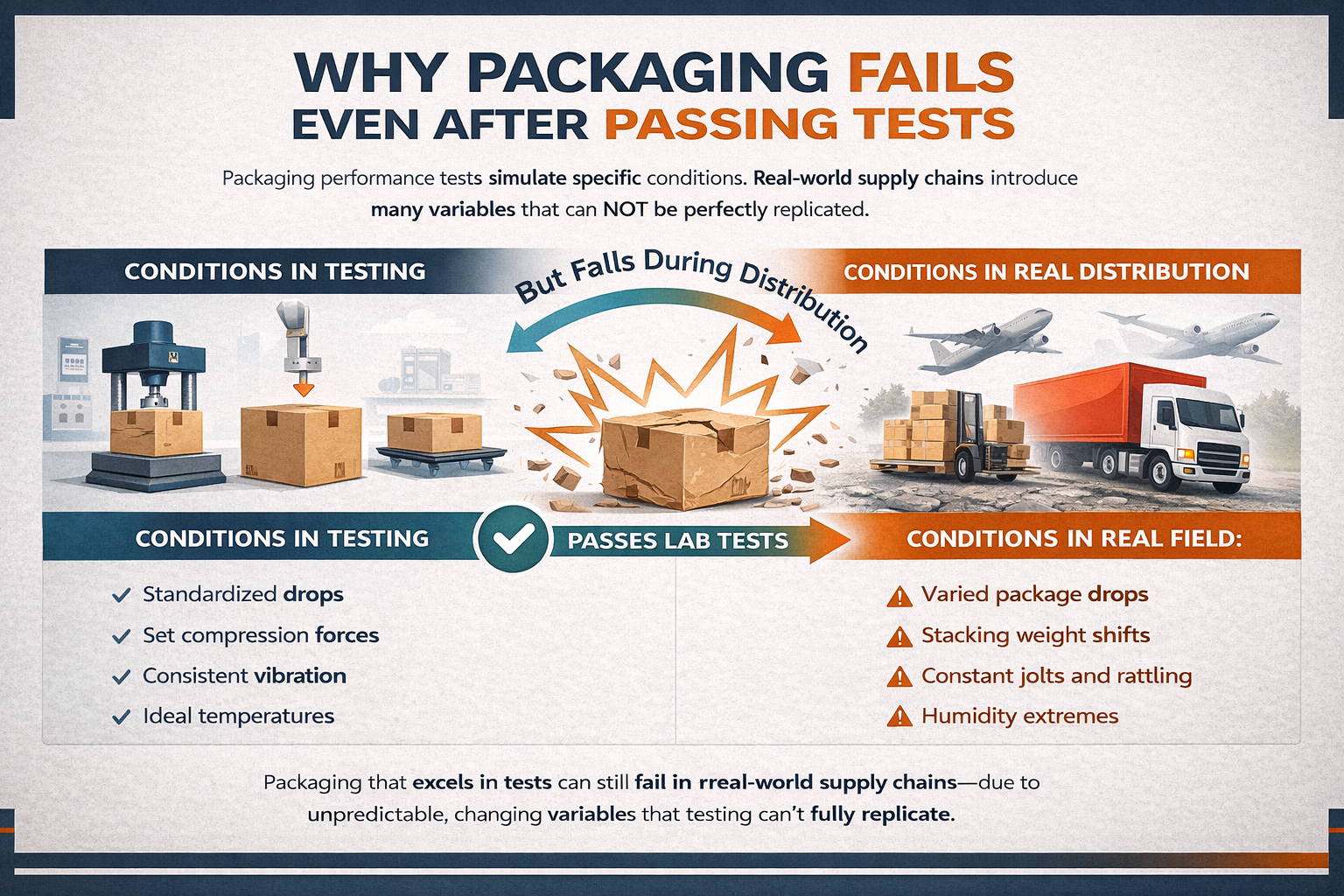
Most POP displays are designed to look good at production. But that’s not where they’re tested. They’re tested here:👉 The supply chain Between the warehouse
Most cost savings in packaging come from:👉 Ordering more volume But increasing MOQ isn’t always possible. Storage is limited Cash flow is constrained Demand is