

Home » A Buyer’s Guide to Roll Stock
A Buyer’s Guide to Roll Stock
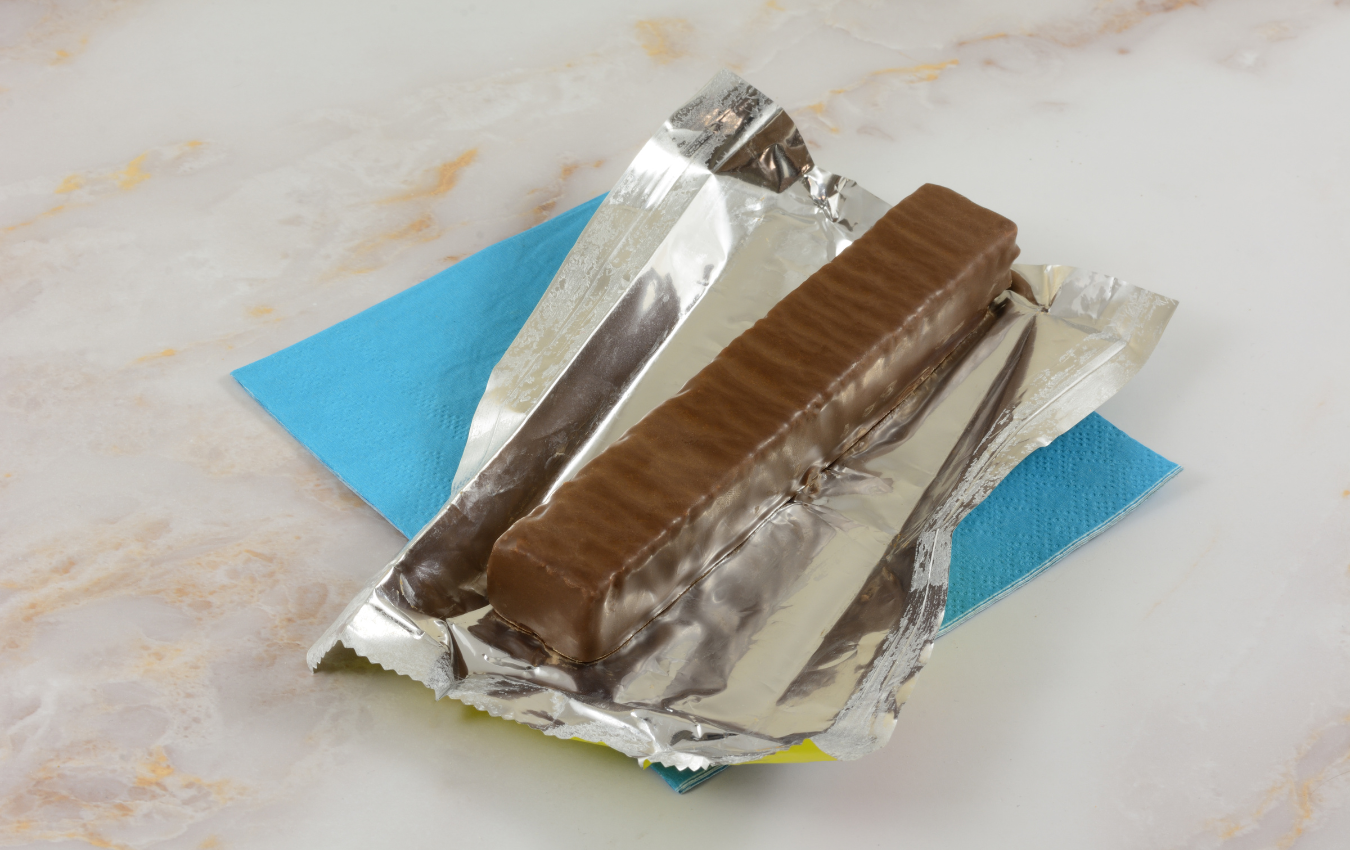
In the world of packaging, roll stock, also referred to as candy wrappers or snack wrappers, is a versatile and essential component. It refers to a continuous sheet of flexible material wound into a roll, used in various packaging applications. Roll stock materials come in a wide range of options, each designed to meet specific packaging requirements. Whether you are a seasoned packaging professional or a newcomer to the field, this buyer’s guide to roll stock will help you navigate the complexities of selecting the right material for your packaging needs.
Understand Your Packaging Requirements
Before diving into the specifics of roll stock materials, it’s crucial to understand your packaging requirements. Ask yourself the following questions:
- What type of product are you packaging?
- What are the dimensions and weight of your product?
- Is your product sensitive to environmental factors like moisture, oxygen, or light?
- What is the expected shelf life of your product?
- Do you require printing or branding on the packaging material?
- What is your budget for packaging materials?
By answering these questions, you’ll gain a clearer picture of your packaging needs and be better equipped to choose the right roll stock material.
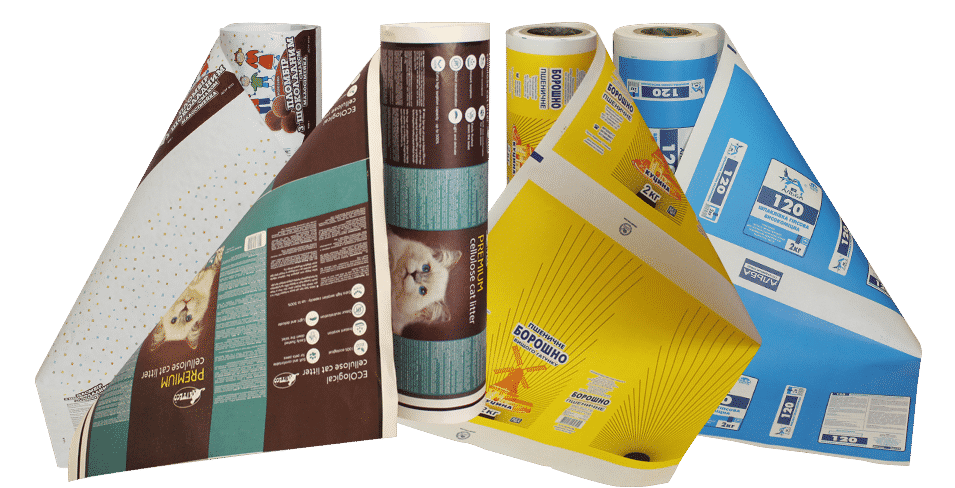
Types of Roll Stock Materials
Roll stock materials come in various types, each offering unique characteristics and benefits. Here are some common roll stock materials:
Flexible Films:
- Polyethylene (PE)
- Polypropylene (PP)
- Polyvinyl chloride (PVC)
- Polyester (PET)
- Nylon (PA)
Flexible films are suitable for a wide range of products, from food to electronics. They offer excellent barrier properties and are customizable for printing.
Foil Laminates:
- Aluminum foil laminated with various substrates
Foil laminates provide exceptional barrier properties against moisture, light, and oxygen. They are often used for perishable food items and pharmaceuticals.
Paper-Based Roll Stock:
- Kraft paper
- Coated paper
Paper-based roll stock is eco-friendly and ideal for products where a natural or rustic appearance is desired.
Specialty Films:
- Metallized films
- Biodegradable films
- Retort pouch films
Specialty films cater to unique packaging needs, such as high gloss, sustainability, and resistance to high-temperature processing.
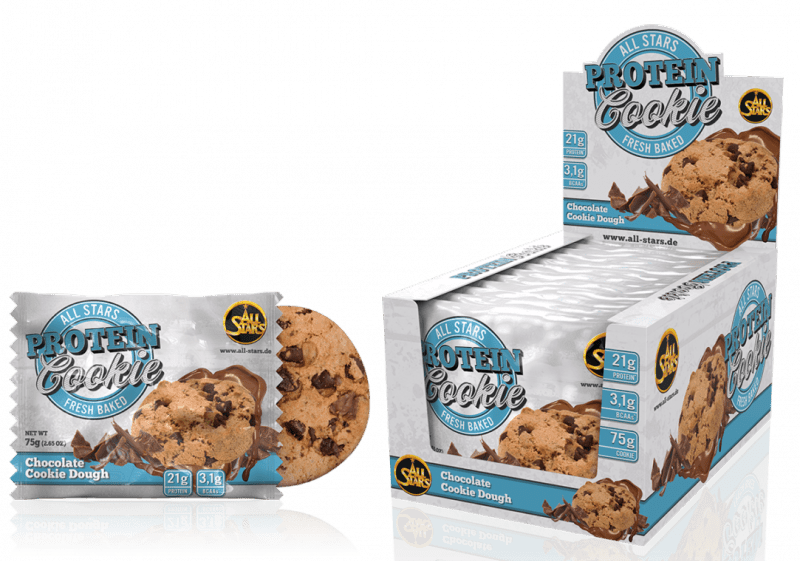
Barrier Properties
Consider the barrier properties required for your product. For example, if you are packaging perishable goods, you’ll need materials with excellent moisture and oxygen barrier properties. Foil laminates and certain specialty films are often preferred for such applications.
Printing and Branding
If branding and aesthetics are crucial for your product, choose roll stock materials that offer excellent printability. Flexible films and paper-based materials are typically easier to print on, allowing for vibrant graphics and branding.
Environmental Impact
In today’s environmentally conscious world, it’s essential to consider the environmental impact of your packaging materials. Biodegradable films and sustainable materials are excellent choices for eco-friendly packaging.
Budget Constraints
Budget constraints are a significant factor in the decision-making process. While high-performance materials may offer superior properties, they can also be more expensive. Balance your budget with your packaging requirements to find the most cost-effective solution.
Regulatory Compliance
Ensure that your chosen roll stock material complies with relevant industry regulations and standards. This is particularly important for packaging in the food and pharmaceutical industries, where strict guidelines are in place.
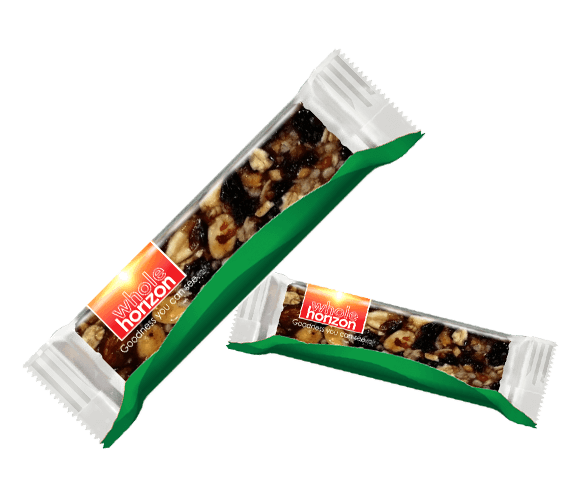
Supplier Selection
Choose a reliable and reputable roll stock supplier. Look for a supplier with a proven track record of delivering high-quality materials on time and within budget.
If you are interested in packaging your products with roll stock, then partner with Brown Packaging today to get started.
There’s no universal “better” option—but there is a better fit depending on your program. Brands often default to flat-pack to save on freight or pre-assembled
Most packaging cost discussions focus on unit price. Very few quantify the financial impact of obsolete inventory. Yet for many brands and industrial programs, packaging
Most brands invest in POP displays without clearly measuring performance. They look at sales after rollout and assume the display worked—or didn’t. But without isolating
Most cost-cutting in POP displays happens in the wrong place. Brands reduce board grade, simplify structure too aggressively, or cut print quality—only to see: Higher
Oil prices don’t just affect fuel—they ripple through nearly every part of packaging. When oil rises, packaging costs follow.When oil drops, costs don’t always fall
Most POP display failures aren’t caused by weak materials—they’re caused by poor weight distribution. A display can use the right board, the right flute, and
By submitting your information, you agree to our terms and conditions and privacy policy.
Home » A Buyer’s Guide to Roll Stock

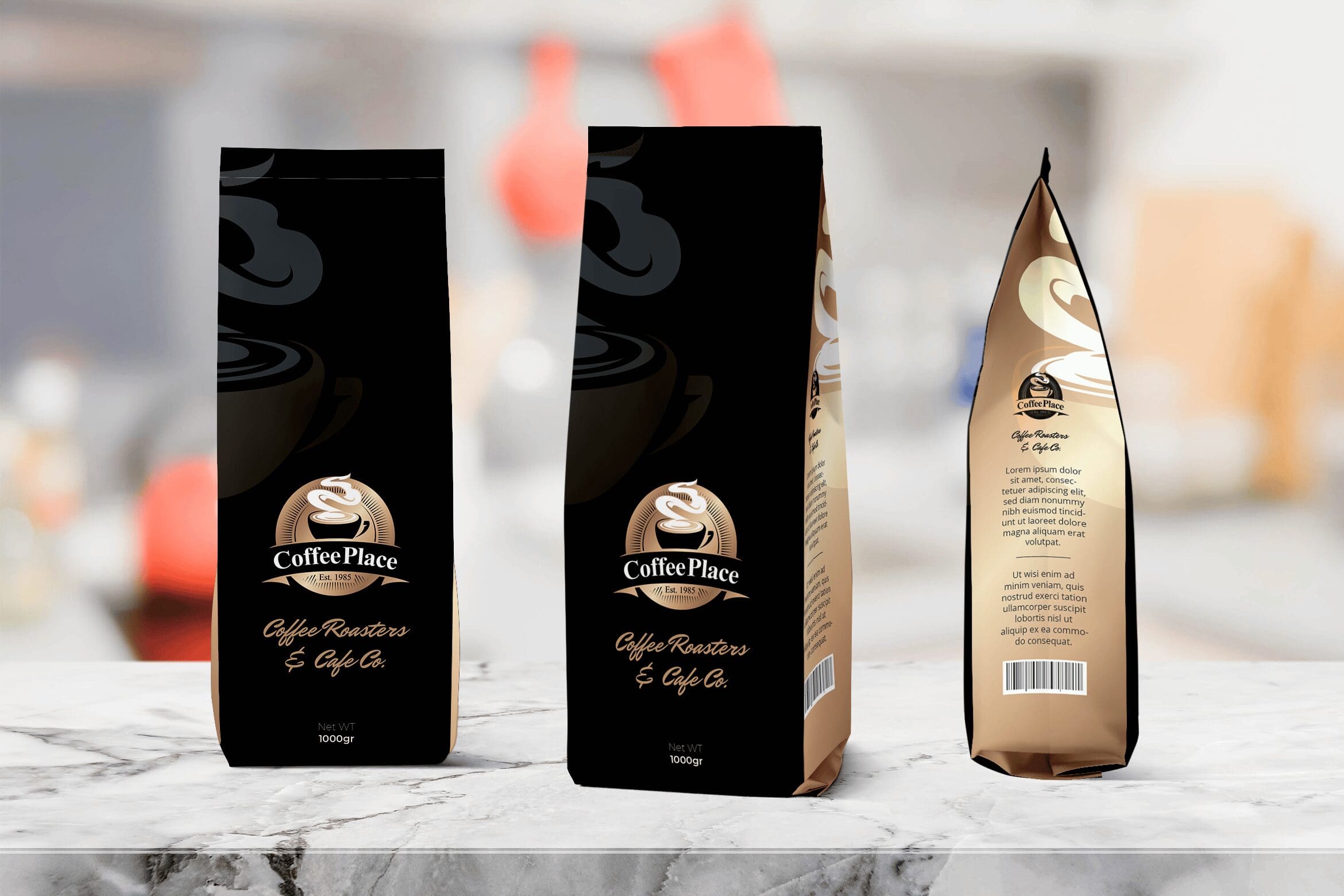

Gusseted bags are designed with extra folds of material at the sides or bottom to increase capacity and structural support. This feature makes them ideal
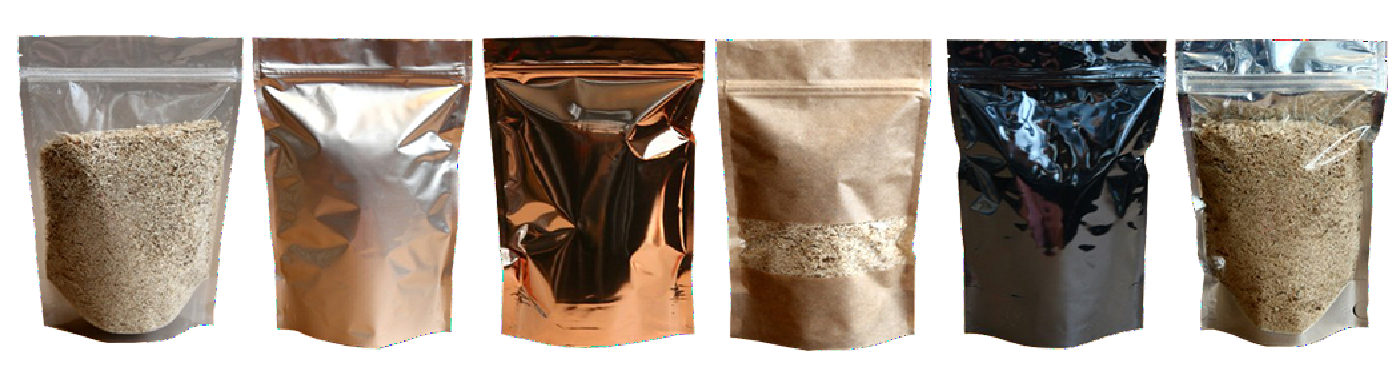
When it comes to pouch packaging, the material and finish play a crucial role in the overall functionality, aesthetics, and consumer appeal of the product.
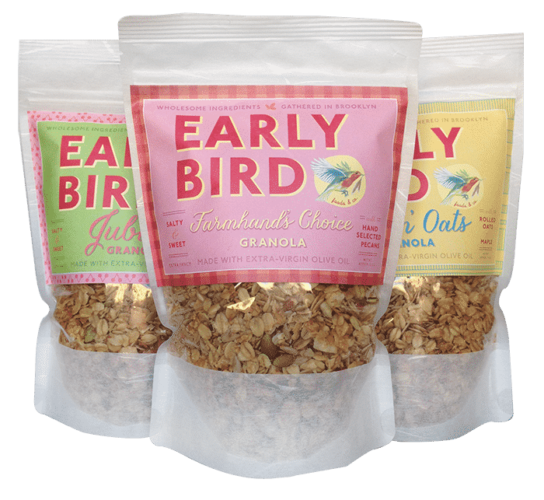
Pouch packaging continues to gain traction across industries due to its versatility, lightweight nature, and eco-friendly potential. In 2025, brands will adopt innovative and sustainable