
Home » A Buyer’s Guide to Packaging Fragile Products in RETT Boxes
A Buyer’s Guide to Packaging Fragile Products in RETT Boxes

When it comes to packaging fragile products, the choice of packaging materials and techniques plays a critical role in ensuring your delicate items reach their destination unscathed. Roll End Tuck Top (RETT) boxes offer a versatile solution for safeguarding fragile treasures during transit. In this buyer’s guide, we will delve into the essential steps and strategies for effectively packaging fragile products using RETT boxes, helping you make an informed choice to protect your delicate items.
Selecting the Right RETT Box for Fragile Items
The first step in packaging fragile products is choosing the appropriate RETT box. As a buyer, consider the following factors:
- Size: Ensure the box is the right size for your fragile items, allowing for a snug fit without excess space that could lead to movement during transit.
- Stronger Material: Opt for double-wall RETT boxes to ensure added strength and protection, especially when dealing with particularly fragile items.
- Internal Packaging: Depending on the fragility of your items, you may need additional internal packaging materials such as bubble wrap, foam inserts, or custom dividers.
Wrapping and Cushioning Your Fragile Items
- Bubble Wrap: As a buyer, it’s essential to procure multiple layers of bubble wrap to wrap your fragile items. Ensure that all surfaces are covered, and pay special attention to any delicate protrusions or corners.
- Foam Padding: For extra protection, consider purchasing foam padding to wrap around your items. You can choose between cutting foam sheets to size or acquiring pre-cut foam inserts for a snug and cushioned environment.
- Secure with Tape: Be sure to secure the bubble wrap and foam padding in place using packaging tape. Verify that there are no loose edges or corners that could get caught during transit.
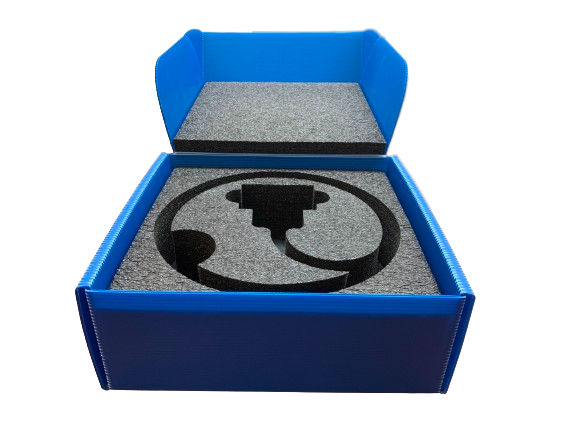
Positioning Your Fragile Items in the RETT Box
- Center Placement: As a buyer, take care to place the wrapped and cushioned fragile items in the center of the RETT box. Ensure that there is a buffer of space between the products and the box walls.
- Layer of Void Fill: Add a layer of void fill material, such as packing peanuts or air pillows, around the items to further absorb shocks and vibrations during transportation.
Sealing and Securing the RETT Box
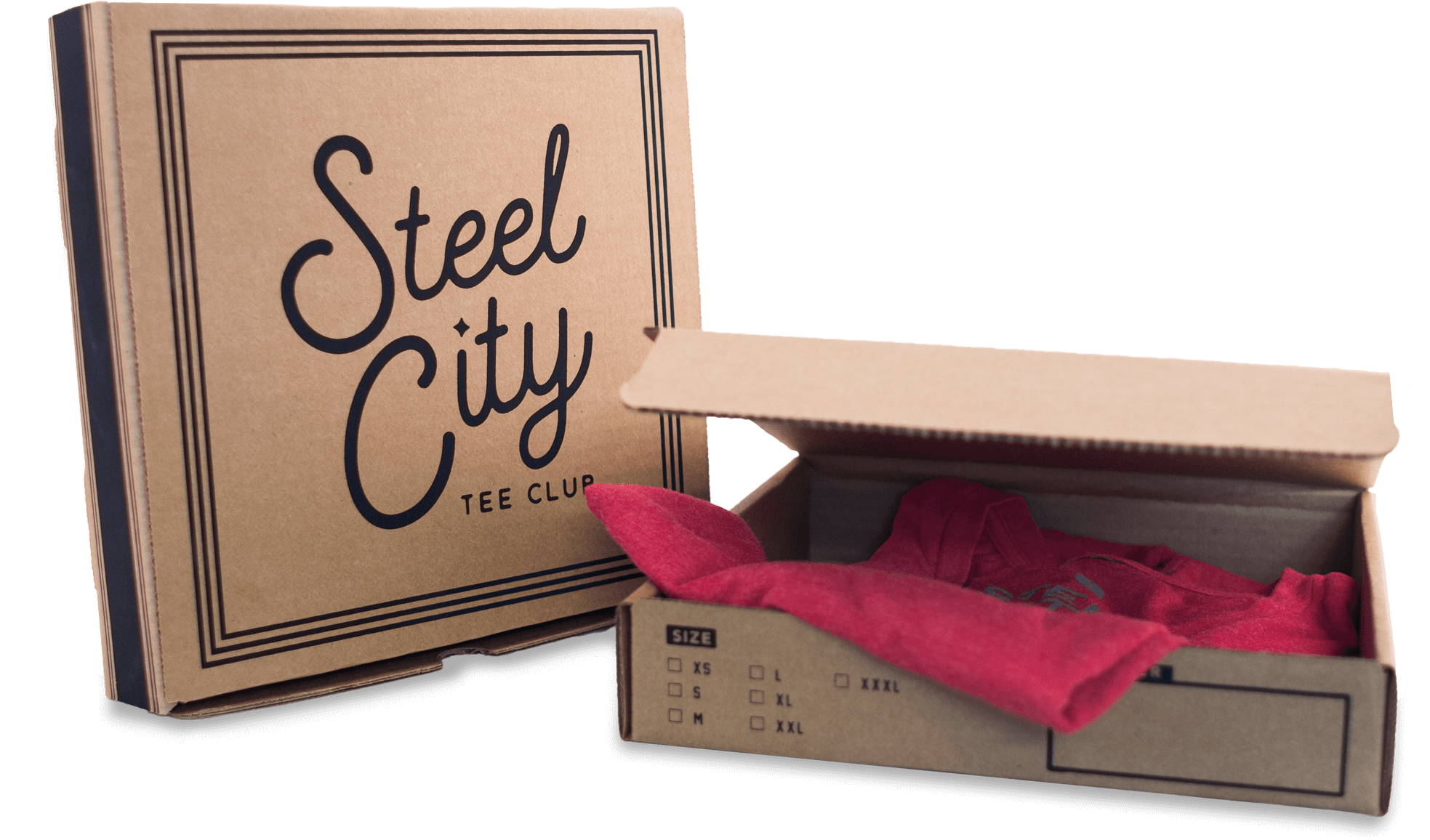
Tuck Top Closure: As a buyer, you should utilize the tuck top closure and cherry locks feature of the RETT box, folding the tuck flaps neatly. This secure closure prevents accidental openings during handling and transport.
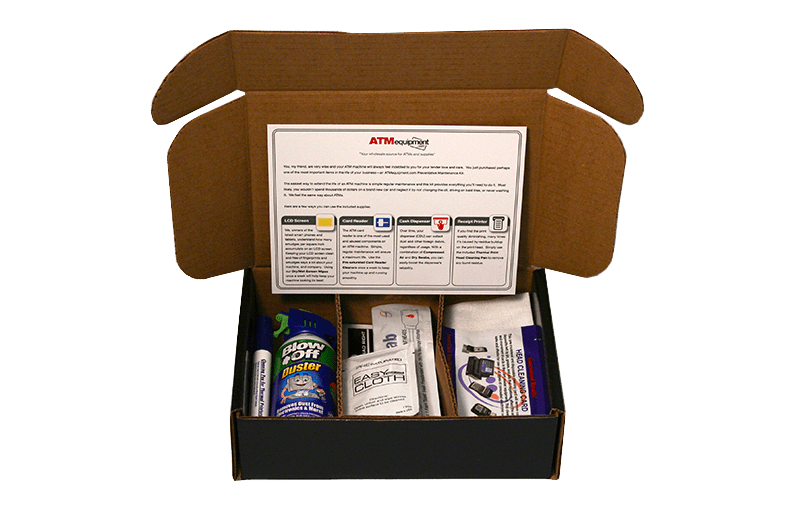
Sealing Tape: Seal the top of the box using high-quality packaging tape. Make certain that all seams are well-secured and consider using tape to reinforce the corners for added stability.
Labeling and Fragile Warning for Buyers
- Labeling: It is crucial to label the box clearly as “Fragile” on all sides, using bold and easily visible lettering. This notifies handlers to exercise caution when dealing with your fragile items.
- Orientation Arrows: Buyers may also consider adding orientation arrows to indicate the proper upright position of the box, further reducing the risk of mishandling.
Properly Packing Multiple Fragile Items for Buyers
When purchasing RETT boxes to package multiple fragile items, buyers should consider these additional tips:
- Separate and Wrap: Ensure that each fragile item is individually wrapped, cushioned, and separated from the others to prevent contact and potential damage.
- Layering: Utilize dividers or layers of void fill between the items to create a protective barrier.
- Staggered Placement: Stagger the placement of items within the box to distribute weight evenly and reduce the risk of breakage.
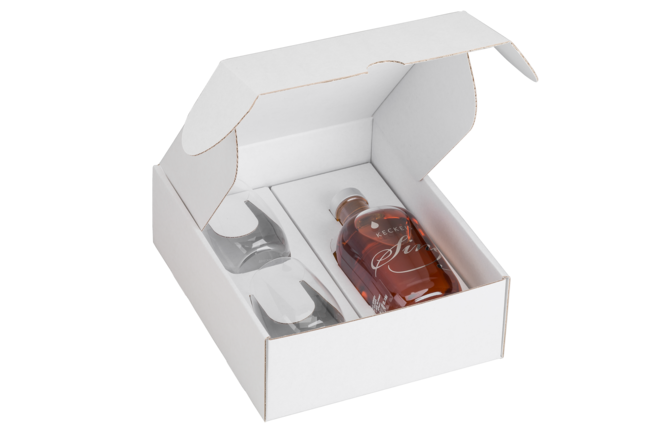
Conclusion for Buyers
As a buyer, choosing the right RETT boxes and following these packaging steps and strategies can significantly reduce the risk of damage to your fragile products during transit. By taking these precautions and selecting the appropriate packaging materials, you can have confidence that your delicate items will reach their destination in pristine condition, ensuring customer satisfaction and brand reputation.
If you are interested in packaging fragile products with roll end tuck end boxes, then partner with Brown Packaging today to get started.
Subscription packaging continues to expand across beauty, food, lifestyle, and specialty products. Buyers must balance branding, protection, and sustainability while keeping fulfillment efficient. This checklist highlights the critical areas buyers should review in 2026 when sourcing or redesigning subscription packaging. Branding and Unboxing Experience Seasonal or rotating graphics to keep unboxing fresh. Premium finishes such as foil, embossing, or unique die-cuts. Easy-open features like tear strips for convenience. Right-Sizing and Efficiency Reduce DIM charges with packaging tailored to product sizes. Use modular designs to cover multiple SKUs with fewer box sizes. Ensure packaging works with automation to speed fulfillment. Protection and Durability Inserts that prevent product shifting during transit. ISTA-tested designs to withstand vibration and drops. Moisture-resistant coatings for temperature-sensitive items. Sustainability Requirements FSC-certified corrugated or recycled substrates. Recyclable coatings or compostable options. Clear sustainability messaging to support consumer expectations. Cost Control SKU rationalization to limit unnecessary box variations. Material selection that balances protection and price. Supplier contracts that secure pricing for seasonal peaks. Packaging Solutions with Brown Packaging Brown Packaging designs subscription packaging that combines branding, protection, and sustainability. From FSC-certified corrugated to custom inserts, our solutions help buyers create packaging that builds loyalty and controls costs in 2026. Contact us to review your subscription packaging program. References Sustainable Packaging Coalition. (2023). Subscription Packaging and Consumer Insights. Retrieved from https://sustainablepackaging.orgForest Stewardship Council (FSC). (2023). FSC Certification Guidelines for Packaging. Retrieved from https://fsc.orgInternational Safe Transit Association (ISTA). (2023). ISTA Testing Procedures for Transport Packaging. Retrieved from https://ista.org (714)300-0650 request@brownpackaging.com Most Recent Posts: Categories: Corrugated Ecommerce ESD Design Display Flexible Packaging Foam Folding Carton Packaging Plastic Packaging Pouch Printing Protection Retail Rigid Box Thermoform Sustainability Subscribe To Our Newsletter By submitting your information, you agree to our terms and conditions and privacy policy. Ecommerce Packaging Facebook Twitter LinkedIn Pinterest Relevant Posts

As budgets tighten in 2026, packaging buyers are under pressure to reduce costs without increasing damage rates. Cutting too aggressively can lead to product loss, higher return rates, and frustrated customers. The key is balancing material use, box design, and supply chain efficiency so that savings do not come at the expense of protection. Where Packaging Costs Add Up Oversized boxes: Drive dimensional weight charges. Excess materials: Overuse of void fill and inserts. Complex SKU mix: Redundant sizes increase inventory costs. Inefficient freight: Poor palletization and stacking. Cost-Saving Strategies That Maintain Protection Right-sizing: Match box size to product dimensions to cut DIM charges and material use. Optimize corrugated grades: Switch to single- or double-wall where appropriate without compromising strength. Consolidate SKUs: Streamline packaging options to reduce inventory overhead. Efficient inserts: Replace foam or excess dunnage with engineered corrugated or molded pulp. Supplier contracts: Negotiate based on annual volumes, not just peak season orders. Testing Before Implementing Changes Use ASTM and ISTA protocols to ensure changes won’t increase product damage. Test for compression, vibration, and drop resistance. Run pilot shipments before scaling across the supply chain. Balancing Sustainability and Cost Eco-friendly doesn’t have to mean expensive: Use recyclable coatings to reduce plastic films. Choose corrugated designs that require less material while maintaining stacking strength. Highlight sustainable solutions in marketing to offset cost concerns. Packaging Solutions with Brown Packaging Brown Packaging helps companies lower costs while protecting products across the supply chain. From SKU rationalization to right-sized corrugated solutions, our team ensures packaging savings don’t compromise performance. Contact us to optimize your packaging program. References Soroka, W. (2009). Fundamentals of Packaging Technology (4th ed.). Institute of Packaging Professionals.ASTM International. (2023). ASTM D4169: Standard Practice for Performance Testing of Shipping Containers and Systems.Sustainable Packaging Coalition. (2023). Packaging Efficiency and Waste Reduction Report. Retrieved from https://sustainablepackaging.org (714)300-0650 request@brownpackaging.com Most Recent Posts: Categories: Corrugated Ecommerce ESD Design Display Flexible Packaging Foam Folding Carton Packaging Plastic Packaging Pouch Printing Protection Retail Rigid Box Thermoform Sustainability Subscribe To Our Newsletter By submitting your information, you agree to our terms and conditions and privacy policy. Custom Packaging Facebook Twitter LinkedIn Pinterest Relevant Posts
Product damage is one of the most expensive risks in packaging. Beyond replacement costs, damaged goods lead to lost sales, returns, and reputational harm. In 2026, complex e-commerce, global shipping, and automation create new challenges for packaging buyers. The right materials, testing, and design strategies are critical to protecting products while controlling costs. Why Damage Prevention Matters Financial losses: Damaged products increase replacement and freight costs. Customer impact: Poor delivery experience reduces loyalty and repeat sales. Sustainability: Returns and waste drive higher carbon footprints. Compliance: Retailers often impose penalties for damaged shipments. Common Causes of Product Damage Compression: Pallet stacking weakens boxes in transit. Vibration and shock: Long-haul shipping increases risk. Moisture exposure: Humidity and rain compromise corrugated performance. Poor right-sizing: Oversized boxes allow product movement inside. Strategies to Reduce Damage in 2026 Right-size packaging: Minimize empty space and movement. Material optimization: Choose the correct corrugated grade for load demands. Protective inserts: Molded pulp or engineered corrugated reduce shock. Moisture-resistant coatings: Defend against water and humidity. Automation-friendly design: Prevent jams that damage products on high-speed lines. Testing Protocols for Damage Prevention ISTA testing: Simulates vibration, drops, and compression. ASTM standards: Validate packaging strength and durability. Pilot shipments: Real-world trials confirm lab results. Packaging Solutions with Brown Packaging Brown Packaging designs solutions that minimize damage across today’s complex supply chains. From right-sized corrugated to ISTA-tested inserts, we help buyers protect products while reducing costs. Contact us to strengthen your packaging program. References ASTM International. (2023). ASTM D4169: Standard Practice for Performance Testing of Shipping Containers and Systems.International Safe Transit Association (ISTA). (2023). ISTA Testing Procedures for Transport Packaging. Retrieved from https://ista.orgSoroka, W. (2009). Fundamentals of Packaging Technology (4th ed.). Institute of Packaging Professionals. (714)300-0650 request@brownpackaging.com Most Recent Posts: Categories: Corrugated Ecommerce ESD Design Display Flexible Packaging Foam Folding Carton Packaging Plastic Packaging Pouch Printing Protection Retail Rigid Box Thermoform Sustainability Subscribe To Our Newsletter By submitting your information, you agree to our terms and conditions and privacy policy. Custom Packaging Facebook Twitter LinkedIn Pinterest Relevant Posts
Retail packaging continues to evolve as brands balance sustainability, supply chain performance, and consumer experience. In 2026, buyers face new challenges shaped by material innovation, compliance requirements, and rising consumer expectations. Understanding these trends helps companies stay competitive while aligning packaging programs with industry standards. Sustainability Becomes Non-Negotiable Greater use of recyclable and compostable substrates. Retailers pushing suppliers toward FSC-certified materials. Minimalist designs that reduce waste without losing impact. Smarter Packaging for Supply Chains Increased adoption of right-sizing to reduce freight costs. Boxes designed for automation and faster fulfillment. Stronger corrugated grades to withstand long e-commerce journeys. Enhanced Consumer Experience Custom graphics for seasonal campaigns and limited editions. Tear strips, resealable closures, and window cutouts for convenience. Premium finishes that elevate gift packaging at retail. Growth of Hybrid Packaging Formats Combining corrugated strength with folding carton graphics. Modular designs for multi-SKU and club store environments. Packaging engineered to serve both e-commerce and in-store needs. Compliance and Testing Standards Retailers demanding ISTA and ASTM testing for packaging durability. Supply chain audits on recyclability and sustainability claims. More pressure for transparent reporting on environmental impact. Retail Packaging Solutions with Brown Packaging Brown Packaging helps brands adapt to evolving retail packaging trends. From sustainable substrates to automation-friendly designs, our solutions balance branding, durability, and compliance for 2026. Contact us to prepare your packaging program for the year ahead. References Forest Stewardship Council (FSC). (2023). FSC Packaging Certification Guidelines. Retrieved from https://fsc.orgSustainable Packaging Coalition. (2023). Packaging Trends and Consumer Insights. Retrieved from https://sustainablepackaging.orgSoroka, W. (2009). Fundamentals of Packaging Technology (4th ed.). Institute of Packaging Professionals. (714)300-0650 request@brownpackaging.com Most Recent Posts: Categories: Corrugated Ecommerce ESD Design Display Flexible Packaging Foam Folding Carton Packaging Plastic Packaging Pouch Printing Protection Retail Rigid Box Thermoform Sustainability Subscribe To Our Newsletter By submitting your information, you agree to our terms and conditions and privacy policy. Custom Packaging Facebook Twitter LinkedIn Pinterest Relevant Posts
Supplier contracts can make or break a packaging program. Without the right terms, buyers risk price volatility, missed lead times, and inconsistent product quality. In 2026, negotiating smart contracts is essential for controlling costs, securing reliable supply, and meeting compliance requirements. Why Packaging Contracts Matter Cost stability: Protects against sudden raw material price spikes. Supply security: Ensures availability during peak demand. Quality control: Aligns suppliers with testing and compliance standards. Operational efficiency: Streamlines purchasing and reduces administrative burden. Key Terms Buyers Should Negotiate Volume commitments: Secure better pricing with accurate forecasts. Price adjustment clauses: Define when and how costs can change. Lead times and delivery windows: Avoid shortages and production delays. Testing and compliance: Require ISTA, ASTM, or FSC certification where applicable. Sustainability commitments: Ensure suppliers align with environmental goals. Risks of Weak Contracts Paying inflated prices during market fluctuations. Receiving inconsistent corrugated strength or print quality. Missed shipments leading to costly expedited freight. Difficulty meeting retailer or regulatory compliance. Best Practices for Buyers in 2026 Leverage data: Use past order history to negotiate realistic volumes. Dual sourcing: Maintain backup suppliers for risk management. Annual reviews: Reassess terms to reflect changes in demand and compliance. Collaborative approach: Treat suppliers as partners, not just vendors. Packaging Solutions with Brown Packaging Brown Packaging helps buyers secure strong supplier contracts that balance cost, quality, and supply chain reliability. Our partnerships and industry expertise ensure your packaging program is protected for 2026 and beyond. Contact us to discuss supplier solutions. References Soroka, W. (2009). Fundamentals of Packaging Technology (4th ed.). Institute of Packaging Professionals.Fiber Box Association. (2024). Corrugated Packaging Market Outlook. Retrieved from https://www.fibrebox.orgSustainable Packaging Coalition. (2023). Supplier Standards for Sustainable Packaging. Retrieved from https://sustainablepackaging.org (714)300-0650 request@brownpackaging.com Most Recent Posts: Categories: Corrugated Ecommerce ESD Design Display Flexible Packaging Foam Folding Carton Packaging Plastic Packaging Pouch Printing Protection Retail Rigid Box Thermoform Sustainability Subscribe To Our Newsletter By submitting your information, you agree to our terms and conditions and privacy policy. Custom Packaging Facebook Twitter LinkedIn Pinterest Relevant Posts
Packaging compliance is no longer optional—it’s a requirement for accessing retail shelves, shipping networks, and international markets. In 2026, buyers must navigate evolving regulations around sustainability, labeling, and testing to avoid costly fines, rejected shipments, or damaged customer relationships. Why Compliance Matters in 2026 Retail requirements: Major retailers demand FSC, ISTA, and sustainability certifications. E-commerce standards: Carriers enforce dimensional weight and package testing rules. Global trade: Export packaging must comply with ISPM 15, ASTM, and ISO guidelines. Consumer trust: Transparency in packaging claims impacts purchasing decisions. Key Compliance Areas for Buyers Material sourcing: FSC-certified corrugated and board for sustainability. Labeling standards: GS1-compliant barcodes and accurate product details. Durability testing: ISTA and ASTM protocols for drop, vibration, and compression. Sustainability regulations: Requirements for recyclable or compostable materials. Chemical restrictions: Compliance with FDA, EU, or state-specific standards. Common Compliance Challenges Keeping up with frequent regulatory changes. Managing multiple certifications across suppliers. Balancing compliance with cost-efficiency. Verifying supplier claims for sustainability. Best Practices for Staying Compliant Audit suppliers annually to confirm certification validity. Run internal packaging tests before scaling. Track regulatory updates for each region you ship to. Work with experienced partners who understand industry compliance. Packaging Solutions with Brown Packaging Brown Packaging helps buyers meet 2026 compliance standards with FSC-certified materials, ISTA-tested designs, and regulatory expertise. Our team ensures your packaging meets retailer, carrier, and sustainability requirements. Contact us to keep your program compliant. References Forest Stewardship Council (FSC). (2023). FSC Certification Guidelines for Packaging. Retrieved from https://fsc.orgInternational Safe Transit Association (ISTA). (2023). ISTA Testing Procedures for Transport Packaging. Retrieved from https://ista.orgGS1. (2024). Global Standards for Packaging and Labeling. Retrieved from https://www.gs1.org (714)300-0650 request@brownpackaging.com Most Recent Posts: Categories: Corrugated Ecommerce ESD Design Display Flexible Packaging Foam Folding Carton Packaging Plastic Packaging Pouch Printing Protection Retail Rigid Box Thermoform Sustainability Subscribe To Our Newsletter By submitting your information, you agree to our terms and conditions and privacy policy. Custom Packaging Facebook Twitter LinkedIn Pinterest Relevant Posts
Home » A Buyer’s Guide to Packaging Fragile Products in RETT Boxes

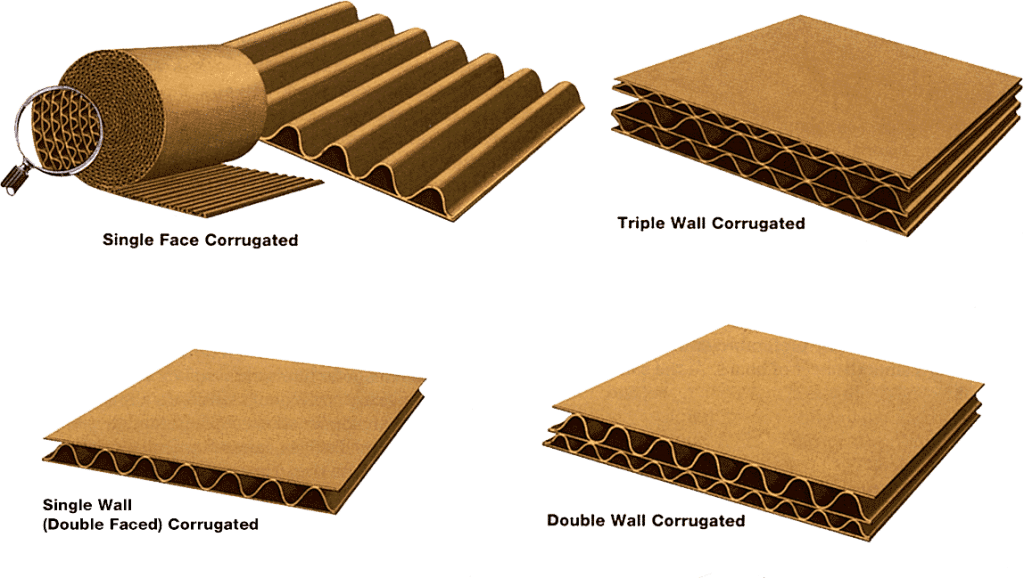
Selecting the right board option for your packaging needs is critical to ensuring product protection, cost efficiency, and customer satisfaction. However, with various materials and specifications available, it can be challenging to decide which is best suited for your products. This guide breaks down the key differences between board options, including thickness, weight, color (kraft vs. white vs. Kemi), and strength (stacking vs. bursting), to help you make informed choices. Key Factors to Consider When Choosing Board Options Thickness and Weight The thickness and weight of your board directly impact the durability and cost of your packaging. Single-Wall Corrugated: Ideal for lightweight products; cost-effective and space-saving. Double-Wall Corrugated: Provides additional durability for heavier or more fragile items. Triple-Wall Corrugated: Offers maximum strength for industrial or bulk shipments. Weight Classifications (measured in pounds per thousand square feet): 26 ECT (Edge Crush Test): Common for lightweight items. 32 ECT: Standard for shipping boxes. 44 ECT: Provides added strength for heavier goods. Pro Tip: Higher ECT ratings or thicker boards are better for products requiring long shipping routes or frequent handling. Kraft vs. White vs. Kemi The color and surface type of your board affect its appearance, branding potential, and environmental impact. Kraft Board: Natural, unbleached brown board. Eco-friendly and cost-effective. Popular for brands emphasizing sustainability. White Board: Provides a clean, polished look. Ideal for high-quality printing and branding. Slightly higher cost due to added processing. Kemi Board: A premium option with a clay-coated surface. Superior for high-quality graphics and moisture resistance. Often used in food packaging or high-end retail boxes. Pro Tip: Kraft is a great choice for eco-conscious brands, while white or Kemi boards work best for visually appealing, printed designs. Stacking Strength vs. Bursting Strength Board strength is measured in two key ways, and understanding the difference is crucial for selecting the right material for your needs. Stacking Strength (Edge Crush Test – ECT): Measures a box’s ability to withstand compression when stacked. Ideal for vertical storage or heavy stacking in transit. Bursting Strength (Mullen Test): Measures resistance to punctures or tears. Better for products that might face rough handling or impact during shipping. Pro Tip: If you’re shipping lightweight items in large quantities, prioritize stacking strength. For fragile or high-value items, bursting strength is more critical. Comparing Board Options Feature Single-Wall Corrugated Double-Wall Corrugated Triple-Wall Corrugated Thickness Light Medium Heavy Weight Capacity Up to 65 lbs 65–95 lbs 95–300 lbs Common Use Cases Apparel, lightweight items Electronics, fragile goods Industrial equipment, bulk items Cost Low Medium High Selecting the Right Board for Your Needs Product Protection Needs For lightweight products: Single-wall corrugated with 32 ECT. For heavy or fragile items: Double-wall corrugated or higher ECT. For high-value items: Triple-wall corrugated or Kemi board with enhanced burst strength. Branding and Visual Appeal For a natural look: Kraft board. For premium branding: White or Kemi boards with gloss or matte finishes. Environmental Considerations For eco-conscious brands: Kraft board with recycled content. For durability with sustainability: Boards with high post-consumer recycled content. FAQs About Board Options Stacking strength measures a box’s ability to withstand vertical pressure, while bursting strength evaluates its resistance to punctures or tears. When should I choose Kemi over white or kraft? Kemi board is ideal for applications requiring superior graphics and moisture resistance, such as food or luxury packaging. How do I balance cost and durability? Consider your product’s weight and shipping needs. Single-wall corrugated is cost-effective for lightweight items, while double-wall is better for heavier goods. Conclusion Choosing the right board option involves balancing your product’s protection needs, branding goals, and budget. Whether you’re deciding between kraft and white or evaluating strength requirements, understanding these factors will help you select the perfect packaging solution. Need expert advice on board materials? Contact us today for tailored recommendations that meet your durability, branding, and budget goals! (714)300-0650 request@brownpackaging.com Most Recent Posts: Categories: Corrugated Ecommerce ESD Design Display Flexible Packaging Foam Folding Carton Packaging Plastic Packaging Pouch Printing Protection Retail Rigid Box Thermoform Sustainability Subscribe To Our Newsletter By submitting your information, you agree to our terms and conditions and privacy policy. Custom Corrugated Boxes Facebook Twitter LinkedIn Pinterest Relevant Posts

At a cursory glance, the humble cardboard box might seem like a straightforward item, yet it’s far more intricate and sophisticated than it initially appears. Deceptively simple, the construction of these boxes features numerous structural components that provide robustness, protection, and insulation, while offering an invaluable canvas for brand promotion. One of these often-overlooked components is the corrugated flute, a critical aspect of cardboard packaging that plays a vital role in the design and functionality of the box. This comprehensive guide will take a deep dive into corrugated flutes and their role in the packaging industry. Decoding Corrugated Flutes Corrugated flutes might escape the naked eye at first, but these wave-like patterns, nestled between the liner layers, form the very backbone of corrugated packaging. Integral to the composition of cardboard boxes, they turn these packages into sturdy containers, making them some of the most reliable methods for shipping and storage. Key Roles of Corrugated Flutes Corrugated flutes are much more than just layers of corrugated material. They play a central role in providing corrugated packaging with additional insulation and protection layers. Acting as the structural skeleton of the packaging, these flutes make the package crush-proof and puncture-proof, making it possible for boxes to bear the weight of heavy items without giving way or collapsing. To further understand the role of these flutes, let’s examine them in a typical shipping scenario. Packages often undergo considerable stress during transit, such as pressure from other boxes, jostling, or even puncture risks. The flutes within the corrugated box provide a cushioning effect that absorbs these shocks and helps protect the contents of the box. As a result, whether you’re shipping delicate glassware or weighty books, you can be confident that your items are secure within their corrugated packaging. A Detailed Look at the Five Types of Corrugated Flutes Not all corrugated flutes are created equal. The packaging industry employs five primary types of flutes, each serving specific needs and offering different benefits. Let’s explore these types in more detail: A Flutes With a thickness of approximately 5 millimeters or ¼ inch, the A flute is the thickest type available. Around 36 of these flutes can be found within a single linear foot of packaging, resulting in a highly robust structure for heavier items and excellent cushioning for delicate contents. A flute’s larger size provides optimal strength and compression properties, making it an excellent choice for products that require more support or have a higher risk of breakage. It’s no surprise then that A flutes are often used in packaging electronics, appliances, glass items, and other similar products. B Flutes The B flute, about 3.2 millimeters or ⅛ inch thick, falls into the mid-range category. With about 49 flutes per linear foot, it offers considerable crush and puncture resistance. B flutes provide an excellent surface for printing words, graphics, and logos directly onto the corrugated cardboard. Thanks to its combination of stiffness and compactness, the B flute is commonly used in retail packaging for items like canned goods. It is also commonly used in stand-up displays and for smaller boxes requiring a more refined print. Die cut boxes, generally use B – flute, as relatively small flute thickness helps when there a several scores and folds. C Flutes Being the second-thickest, C flutes measure around 3.2 millimeters or 11/64 inches in thickness, and about 41 flutes fit within a single linear foot. These flutes are ideal for shipping boxes due to their excellent resistance to crushing and compression. A C flute’s excellent stacking strength and printing capabilities make it a popular choice for transporting heavier products. Whether you’re moving a kitchen appliance or a batch of fresh produce, C flutes offer the durability and support needed. C- flute is the most popular thickness for general shipping boxes. E Flutes Second in thinness, E flutes are approximately 1.6 millimeters or 1/16 inch thick. As many as 90 flutes fit within a single linear foot, resulting in a lightweight but strong structure. The thinness of E flutes makes them an excellent choice for reducing storage space and costs. Because of its thinness and excellent printing surface, E flutes are commonly used in packaging consumer goods, particularly those requiring a more sophisticated presentation, such as cosmetics and high-end electronics. F Flutes The thinnest of all, F flutes measure around 0.8 millimeters or 1/32 inch in thickness. About 128 flutes can be found within a single linear foot, making them ideal for creating stiff packaging for specific consumer goods. Due to their thinness and smooth printing surface, F flutes are often used in retail packaging for luxury goods and other high-end items. Going Beyond Flutes: Board Types, Box Styles, and Printing Methods Understanding the world of corrugated packaging goes beyond flutes. There are several other critical considerations, such as board type, box style, and printing type. Each of these factors plays a vital role in determining the best packaging solution for specific products and brands. Board Type Corrugated packaging materials consist of a combination of flutes and liners, and this combination can vary depending on the packaging’s intended use. Let’s look at the four primary types of corrugated board: Single-face: As the name suggests, a single-face board consists of one layer of fluting and one liner layer. Although it’s not as durable as other types, its cushioning properties make it ideal for additional inner packaging components. Single-wall: This is the most commonly used board type, comprising one layer of fluting sandwiched between two liners. It offers sufficient insulation and protection, making it a popular choice for shipping cartons. Double-wall: Essentially two boxes in one, a double-wall board has three liner layers surrounding two layers of fluting. This super-durable board type is excellent for packaging heavy industrial items. Triple-wall: The most durable board type available, a triple-wall board has four liner layers and three fluting layers. It’s like having three boxes in one, which makes it ideal for robust applications such as extremely heavy metal pieces, equipment and chemical

Yes, a corrugated box is an excellent choice for shipping due to its strong, durable nature and its ability to protect contents from damage during transit. Its structural integrity, coupled with its lightweight design, makes it ideal for a wide range of shipping needs, from delicate items to heavy goods. Strength and Durability The key to the corrugated box’s suitability for shipping lies in its unique construction. Composed of a fluted corrugated sheet sandwiched between two linerboards, this design creates a sturdy, yet cushioned, environment for items being shipped. The corrugation provides resistance against impacts, vibrations, and compression, significantly reducing the risk of damage. This structural strength is scalable; by adjusting the thickness of the board and the size of the flutes, corrugated boxes can be customized to handle various weight capacities and protection levels. Versatility Corrugated boxes offer unparalleled versatility. They can be customized in size, shape, and strength to suit specific shipping needs, whether for small, fragile items or large, bulky products. This customization extends to the printing and branding of the boxes, enabling businesses to use their packaging as a marketing tool. Moreover, additional features like handles, die-cut inserts, or reinforced corners can be added to enhance functionality and protection. Sustainability In an era where environmental concerns are increasingly important, corrugated boxes stand out for their eco-friendliness. Made from renewable resources, primarily recycled paper, corrugated boxes are recyclable and biodegradable. Their production and recycling processes are energy efficient and contribute to a reduction in carbon footprint, making corrugated boxes a responsible choice for businesses committed to sustainability. Protective Features Corrugated boxes can also be equipped with various protective features to enhance their shipping capabilities. These include water-resistant coatings or liners, which protect against moisture and humidity, and barrier coatings that guard against oil, grease, or other contaminants. For items requiring temperature control, insulated corrugated boxes are available to maintain a stable environment during transit. Ease of Use The simplicity and ease of use of corrugated boxes are significant benefits. They can be quickly assembled, filled, sealed, and labeled, making the packing process efficient and straightforward. At the destination, they are easy to open and, if undamaged, can be reused or recycled, contributing to waste reduction. Conclusion Corrugated boxes are indeed an excellent choice for shipping, offering a combination of strength, durability, cost efficiency, and environmental sustainability. Their adaptability to various shipping requirements, coupled with protective and customizable features, makes them a reliable packaging solution for businesses and individuals worldwide. Whether you’re shipping locally or internationally, corrugated boxes ensure that your products arrive safely, securely, and in style. If you are interested in corrugated boxes, then partner with Brown Packaging today to get started. (714)300-0650 request@brownpackaging.com Most Recent Posts: Categories: Corrugated Ecommerce ESD Design Display Flexible Packaging Foam Folding Carton Packaging Plastic Packaging Pouch Printing Protection Retail Rigid Box Thermoform Sustainability Subscribe To Our Newsletter By submitting your information, you agree to our terms and conditions and privacy policy. Custom Corrugated Boxes Facebook Twitter LinkedIn Pinterest Relevant Posts