
window.uetq = window.uetq || []; window.uetq.push(‘event’, ‘submit_lead_form’,{ event_label:‘SUBMIT MESSAGE’ }); window.lintrk('track', { conversion_id: 10271009 }); window.lintrk('track', { conversion_id: 10271017 });

Cutting Packaging Costs Without Sacrificing Protection

Cutting Packaging Costs Without Sacrificing Protection

As budgets tighten in 2026, packaging buyers are under pressure to reduce costs without increasing damage rates. Cutting too aggressively can lead to product loss, higher return rates, and frustrated customers. The key is balancing material use, box design, and supply chain efficiency so that savings do not come at the expense of protection.

Where Packaging Costs Add Up

  • Oversized boxes: Drive dimensional weight charges.
  • Excess materials: Overuse of void fill and inserts.
  • Complex SKU mix: Redundant sizes increase inventory costs.
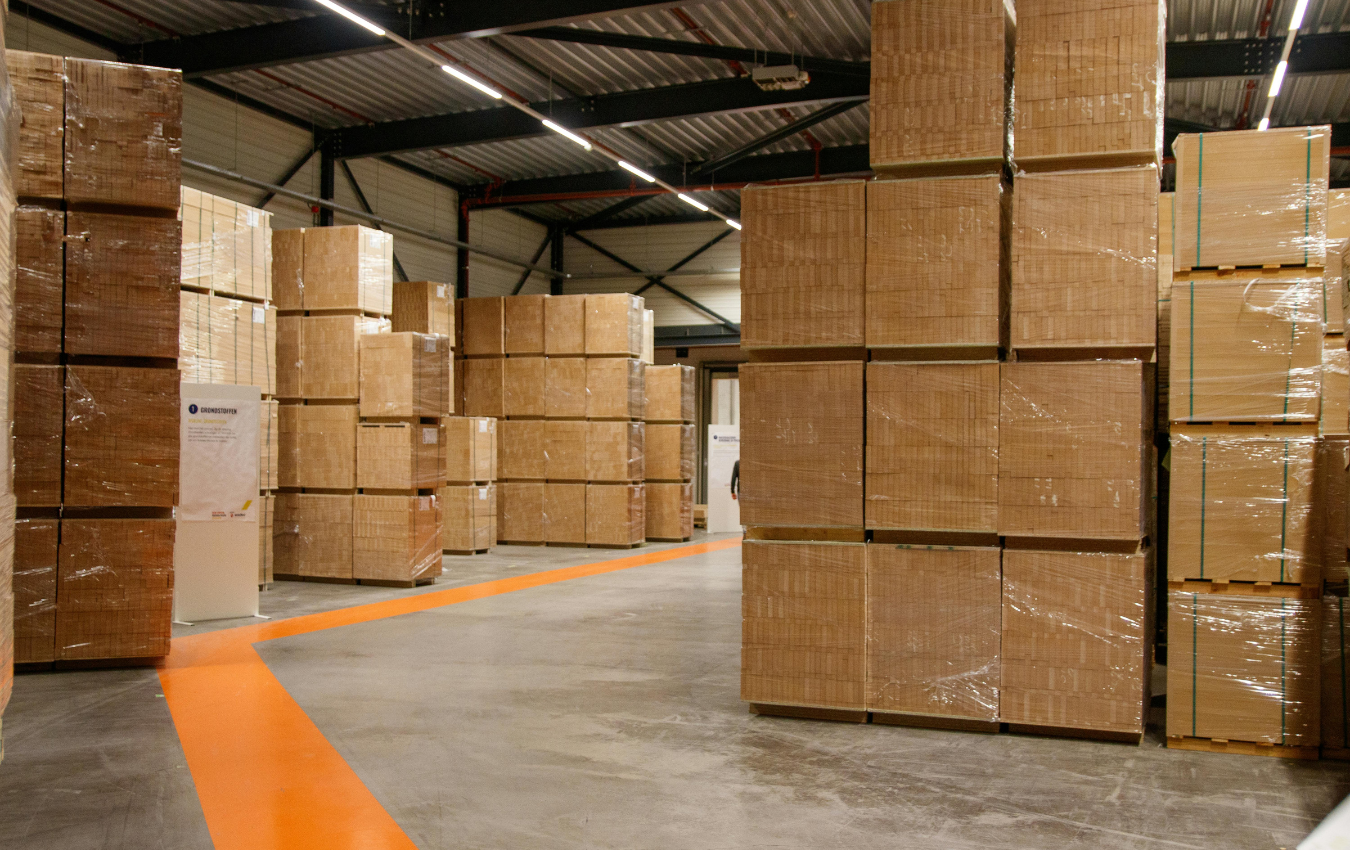
  • Inefficient freight: Poor palletization and stacking.

Cost-Saving Strategies That Maintain Protection

  • Right-sizing: Match box size to product dimensions to cut DIM charges and material use.
  • Optimize corrugated grades: Switch to single- or double-wall where appropriate without compromising strength.
  • Consolidate SKUs: Streamline packaging options to reduce inventory overhead.
  • Efficient inserts: Replace foam or excess dunnage with engineered corrugated or molded pulp.
  • Supplier contracts: Negotiate based on annual volumes, not just peak season orders.
10 Essential Questions You Should Ask Your Packaging Supplier

Testing Before Implementing Changes

  • Use ASTM and ISTA protocols to ensure changes won’t increase product damage.
  • Test for compression, vibration, and drop resistance.
  • Run pilot shipments before scaling across the supply chain.

Balancing Sustainability and Cost

Eco-friendly doesn’t have to mean expensive:

  • Use recyclable coatings to reduce plastic films.
  • Choose corrugated designs that require less material while maintaining stacking strength.
  • Highlight sustainable solutions in marketing to offset cost concerns.
custom corrugated box with print sustainability

Packaging Solutions with Brown Packaging

Brown Packaging helps companies lower costs while protecting products across the supply chain. From SKU rationalization to right-sized corrugated solutions, our team ensures packaging savings don’t compromise performance. Contact us to optimize your packaging program.

References


Soroka, W. (2009). Fundamentals of Packaging Technology (4th ed.). Institute of Packaging Professionals.
ASTM International. (2023). ASTM D4169: Standard Practice for Performance Testing of Shipping Containers and Systems.
Sustainable Packaging Coalition. (2023). Packaging Efficiency and Waste Reduction Report. Retrieved from https://sustainablepackaging.org

Most Recent Posts:
Retail Packaging Trends for 2026

Retail packaging continues to evolve as brands balance sustainability, supply chain performance, and consumer experience. In 2026, buyers face new challenges shaped by material innovation, compliance requirements, and rising consumer

Read More »
Categories:
Subscribe To Our Newsletter

By submitting your information, you agree to our terms and conditions and privacy policy.

Custom Printed Spout Pouch
Custom Packaging
Facebook
Twitter
LinkedIn
Pinterest
Relevant Posts
Packaging
brownpackaging
Custom Packaging: Everything You Need to Know and More

Custom packaging is the process of creating unique and personalized packaging materials tailored to the specific requirements of a product, brand, or business. In today’s crowded marketplace, custom packaging plays a crucial role in enhancing the overall customer experience, promoting brand recognition, and setting businesses apart from their competitors. In this blog, we will delve deeper into custom packaging, explore its benefits, types, considerations, and additional information that businesses need to know to make informed decisions about their packaging needs. Why Custom Packaging is Important? Custom packaging provides businesses with numerous benefits, such as improved brand identity, product protection, marketing, and sustainability. Custom packaging is essential for businesses because it: Enhances Brand Identity: Custom packaging allows businesses to create packaging designs that align with their brand identity, values, and messaging. By creating unique and consistent packaging, businesses can create a lasting impression on their customers and set themselves apart from their competitors. Ensures Product Protection: Custom packaging is designed to protect the product during transportation and storage. Custom packaging ensures that the product arrives at the customer’s doorstep in perfect condition, leading to customer satisfaction and loyalty. Improves Marketing Efforts: Custom packaging can be used as a marketing tool to promote the brand, communicate product information, and increase customer engagement. Custom packaging creates a memorable experience for customers, making it an effective way to communicate brand values and messaging. Supports Sustainability Efforts: Custom packaging allows businesses to choose eco-friendly materials, reduce waste, and promote their commitment to sustainability. In today’s world, customers are environmentally conscious, making sustainability an important factor for businesses to consider. Types of Custom Packaging Businesses have numerous options when it comes to custom packaging. Depending on the product and business requirements, there are different types of custom packaging solutions available. Some popular types of custom packaging are: Printed Boxes Printed boxes are a cost-effective and customizable packaging solution for various products, including food, cosmetics, and electronics. They can be customized with various printing options, including logos, images, and product information. Printed boxes come in different sizes, shapes, and materials (chipboard, paperboard and corrugated), making them versatile and suitable for different products. Custom Bags Custom bags are an excellent packaging option for retail businesses, restaurants, and food delivery services. They can be made from different materials, including paper, plastic, and fabric, and customized with branding and design elements. Custom bags are easy to carry, lightweight, and convenient for customers, making them a popular choice for businesses. Custom Labels Custom labels are an essential component of custom packaging and can be used to display product information, branding, and marketing messages. They can be made from various materials, including paper, vinyl, and polyester, and come in different sizes, shapes, and finishes. Custom labels can be applied to different packaging materials, including boxes, bags, and jars. Custom Inserts Custom inserts are designed to protect and secure the product inside the packaging. They can be made from different materials, including foam, corrugated, plastic and molded pulp, and customized to fit the product’s dimensions. Custom inserts ensure that the product is safe and secure during transportation, reducing the risk of damage. Custom Tubes Custom tubes are a popular packaging option for products such as cosmetics, pharmaceuticals, and food items. They can be made from various materials, including paper, plastic, and metal, and customized with different printing options. Custom tubes are durable, convenient, and easy to use, making them a preferred choice for many businesses. Considerations for Custom Packaging When designing custom packaging, businesses need to consider various factors, such as product requirements, budget, materials, design, and sustainability. By taking these factors into account, businesses can create custom packaging solutions that align with their values, meet their specific requirements, and promote their brand identity effectively. Some additional considerations for custom packaging are: Product Compatibility The packaging material should be compatible with the product it is intended to protect. Businesses need to consider factors such as product fragility, moisture resistance, and temperature control to ensure that the packaging material is suitable for the product. Packaging Size The packaging size should be appropriate for the product, ensuring that it is neither too loose nor too tight. A packaging size that is too small can damage the product, while a packaging size that is too large can lead to unnecessary material waste. Budget and Cost-Effectiveness Custom packaging can be expensive, and businesses need to determine their budget and cost-effectiveness of the packaging solution. It is essential to strike a balance between cost and quality to ensure that the custom packaging solution meets the business’s specific requirements and is cost-effective. Materials The materials used for custom packaging should be eco-friendly, sustainable, and aligned with the business’s values and messaging. Businesses should consider materials such as recycled paper, biodegradable plastics, and natural fibers to promote sustainability and environmental consciousness. Design and Branding The packaging design should be visually appealing, consistent with the brand identity, and convey the product information and marketing messages effectively. Custom packaging design should be eye-catching and memorable, ensuring that the packaging creates a lasting impression on customers. Custom Packaging Regulations Businesses should be aware of the regulatory requirements for custom packaging, such as food safety regulations, labeling requirements, and environmental regulations. Compliance with these regulations ensures that the custom packaging solution is safe, legally compliant, and sustainable. Impact on Customer Experience Custom packaging plays a significant role in enhancing the overall customer experience. Businesses should consider how their custom packaging solutions impact the customer experience, such as how easy it is to open, how the packaging feels in the hands, and how well it protects the product. Logistics and Transportation Businesses should consider the logistics and transportation requirements of their custom packaging solutions. Factors such as packaging weight, dimensions, and materials can impact shipping costs, transportation logistics, and storage. Summary: Custom Packaging In conclusion, custom packaging is a valuable investment that can enhance the overall customer experience, promote brand recognition, and support sustainability efforts. Businesses should carefully consider product requirements, budget, materials, design,

Read More »
custom foam packaging
Foam
brownpackaging
The Different Types Of Packaging Foam

Packaging foam is essential for protecting products against shocks, vibrations, and other potential damages during transportation and storage. Understanding the different types of packaging foam available can help you choose the most suitable option based on your specific needs. This guide covers a variety of foam types, including the primary options—polyurethane, polyethylene, and expanded polystyrene (EPS)—and introduces additional varieties, each with unique properties and applications. Overview of Major Foam Types Polyethylene Polyurethane Expanded Polystyrene Polyethylene Foam (PE) Polyethylene foam is a closed-cell foam known for its durability and versatility. It’s made by heating and molding polymer compounds into millions of tiny bubbles, all sealed off from each other. Benefits: Chemical and Moisture Resistance: Highly resistant to chemicals and moisture. Durability: Offers excellent vibration and compression protection. Versatility: Customizable in multiple densities and colors with additives like fire retardants and anti-static agents. Fabrication Flexibility: Easily processed and fabricated into various shapes. Disadvantages: Environmental Impact: Challenges in recycling and potential toxicity when burned. Cost: More time-consuming and costly to fabricate compared to other materials. Applications: Used in industries such as electronics, medical, and construction for end caps, box liners, and protective blocks. Polyurethane Foam Polyurethane foam is an open-cell foam that is flexible and known for its excellent cushioning properties. Benefits: Cushioning Properties: Superior for protecting delicate items. Lightweight: Reduces shipping costs. Customization: Available in multiple colors and easily laminated. Thermal Insulation: Suitable for temperature-sensitive shipments. Disadvantages: Flammability: Emits toxic gases when burned. Odor: May not be suitable for odor-sensitive applications. Durability: Shorter shelf-life than closed-cell foams. Applications: Commonly used in protective packaging for electronics, medical devices, and specialty packaging designs. Expanded Polystyrene (EPS) EPS is a lightweight, molded, closed-cell foam, often referred to by its brand name, Styrofoam. Benefits: Cost-Effectiveness: Economical for various applications. Lightweight and Strong: Provides excellent protection without significant weight. Insulation: Good thermal resistance. Moisture Resistance: Does not absorb water, ideal for humid environments. Disadvantages: Environmental Concerns: Difficult to recycle and not eco-friendly. Durability: Brittle and degrades under UV exposure. Applications: Widely used in shipping containers for food and medical supplies and protective packaging. Additional Types of Packaging Foam Ethylene-Vinyl Acetate (EVA) EVA foam is known for its rubber-like softness and flexibility, making it ideal for applications requiring a smooth and soft texture. Benefits: Shock Absorption: Excellent for sports equipment and luxury packaging. Water Resistance: Does not absorb water, enhancing its durability. Chemical Resistance: Resists oils and greases, suitable for industrial applications. Applications: Commonly used for padding in equipment, sports gear, and high-end retail packaging. Cross-Linked Polyethylene Foam This type of foam offers superior durability and is ideal for requiring fine, aesthetic finishes. Benefits: Smooth Surface: Provides a clean, professional look. High Durability: Resistant to tearing and punctures. Thermal Stability: Maintains properties over a wide temperature range. Applications: Used for medical devices, automotive interiors, and cases for delicate instruments. Cross-Linked Polyethylene Conclusion: Different Types of Packaging Foam The variety of packaging foams available offers businesses a wide range of options to protect and enhance their products. From the versatile polyethylene and cushioning polyurethane to the economical EPS and specialized foams like EVA and cross-linked polyethylene, each type provides unique benefits suited to different packaging needs. Understanding these options will help you select the best foam type for your specific product protection, branding, and sustainability goals. If you are interested in exploring custom packaging foam solutions tailored to your products, consider partnering with a specialist like Brown Packaging to navigate the selection process and optimize your packaging strategy effectively. (714)300-0650 request@brownpackaging.com Most Recent Posts: Categories: Subscribe To Our Newsletter By submitting your information, you agree to our terms and conditions and privacy policy. Custom Foam Facebook Twitter LinkedIn Pinterest Relevant Posts

Read More »
Packaging as a Marketing Tool: Leveraging Custom Packaging for Brand Promotion
Packaging
brownpackaging
Packaging as a Marketing Tool: Leveraging Custom Packaging for Brand Promotion

In today’s competitive business landscape, every company needs to utilize all potential avenues to get its brand and products noticed. One such avenue that often gets overlooked is the power of packaging. Packaging can do far more than just encase a product for shipment or storage. It can be an invaluable marketing tool to increase brand visibility, perception, and ultimately, customer loyalty. In this article, we’ll delve into how businesses can leverage custom packaging as a tool for brand promotion. Packaging as a Silent Salesman Often referred to as the “silent salesman,” packaging communicates about the brand even before the product does. Custom packaging can catch the eye of potential customers in a store, and with e-commerce on the rise, it can create an appealing unboxing experience for online shoppers. Color schemes, text fonts, and designs on the packaging can help tell a brand’s story, transmit its values, and even influence the customer’s perception of the product’s worth. For example, Apple, known for its sleek design and attention to detail, extends this philosophy to its packaging with minimalist designs and premium materials. Brand Differentiation In a crowded marketplace, standing out is key. When a product is placed alongside its competitors, having unique packaging can grab a customer’s attention, making them more likely to choose your product over others. Custom packaging allows a brand to showcase its unique personality and differentiating factors. Consider the Tiffany Blue Box from Tiffany & Co. The distinctive robin’s egg blue packaging is instantly recognizable and creates a sense of luxury and exclusivity, setting Tiffany’s products apart from other jewelry brands. Building Brand Recognition Brand recognition is crucial in fostering customer loyalty. The more frequently customers see a brand, the more likely they are to remember it. Thus, businesses should strive to create a distinctive and memorable packaging design that reflects their brand identity. One of the most successful examples of this is Coca-Cola. Its iconic contoured bottle and red and white color scheme are known worldwide, even without the logo visible. Enhancing Customer Experience Custom packaging provides a prime opportunity to enhance the customer’s unboxing experience. With the rise of e-commerce and social media, unboxing has become a social event. Customers often share their unboxing experiences on platforms like YouTube and Instagram, effectively giving brands free advertising. For instance, companies can include personalized thank you notes, discounts for future purchases, or small freebies. These small touches can greatly enhance the customer experience, promote customer loyalty, and encourage word-of-mouth advertising. Sustainability as a Brand Value Increasingly, consumers are becoming more eco-conscious and prefer to support brands that demonstrate sustainability. By using eco-friendly materials in your packaging, you can show your commitment to the environment, which could attract these consumers. Brands like Patagonia are leading the way in this area. The outdoor clothing company has long been committed to sustainability, and this commitment is reflected in its packaging, which is minimal, recyclable, and often made from recycled materials. Best Practices for Custom Packaging Align With Brand Identity: The packaging design should be consistent with your brand’s identity. The colors, fonts, and imagery should all reflect your brand’s style and values. Prioritize Quality: The quality of your packaging reflects on your brand. Using high-quality materials can create a sense of luxury and signal to customers that your products are high quality too. Incorporate Practicality: While aesthetics is important, practicality shouldn’t be neglected. The packaging should protect the product, be easy to open, and ideally, be reusable or recyclable. Experiment and Innovate: Don’t be afraid to think outside the box (pun intended). Unique and innovative packaging designs can create a buzz around your product and make your brand memorable. Consider Unboxing: Keep the unboxing experience in mind. The process of opening the package should be enjoyable, not frustrating, and should ideally offer a surprise or extra value to the customer. Be Mindful of Sustainability: In a world increasingly conscious of environmental issues, consider using recyclable or biodegradable materials in your packaging. It’s not only good for the environment but can also enhance your brand’s image among eco-conscious consumers. Final Thoughts In an era of intense competition, businesses need to leverage every opportunity to distinguish themselves and connect with their customers. Custom packaging is a potent tool that can serve to amplify your brand’s visibility, convey its uniqueness, enhance customer experience, and underline its commitment to sustainability. By considering packaging as more than just a protective casing and instead as a silent salesman, businesses can open a world of marketing opportunities. However, remember that while packaging can indeed enhance brand perception, it must ultimately align with the quality of the product it contains. As in every aspect of business, consistency is key. Only when the product experience matches the packaging promise, will the brand flourish. If you are interested positioning your custom packaging to promote your brand, then partner with Brown Packaging to get started. (714)300-0650 request@brownpackaging.com Most Recent Posts: Categories: Corrugated Ecommerce ESD Design Display Flexible Packaging Foam Folding Carton Packaging Plastic Packaging Pouch Printing Protection Retail Rigid Box Thermoform Sustainability Subscribe To Our Newsletter By submitting your information, you agree to our terms and conditions and privacy policy. Custom Packaging Facebook Twitter LinkedIn Pinterest Relevant Posts

Read More »