Home » Best Packaging Strategy for Multi-SKU Pouches
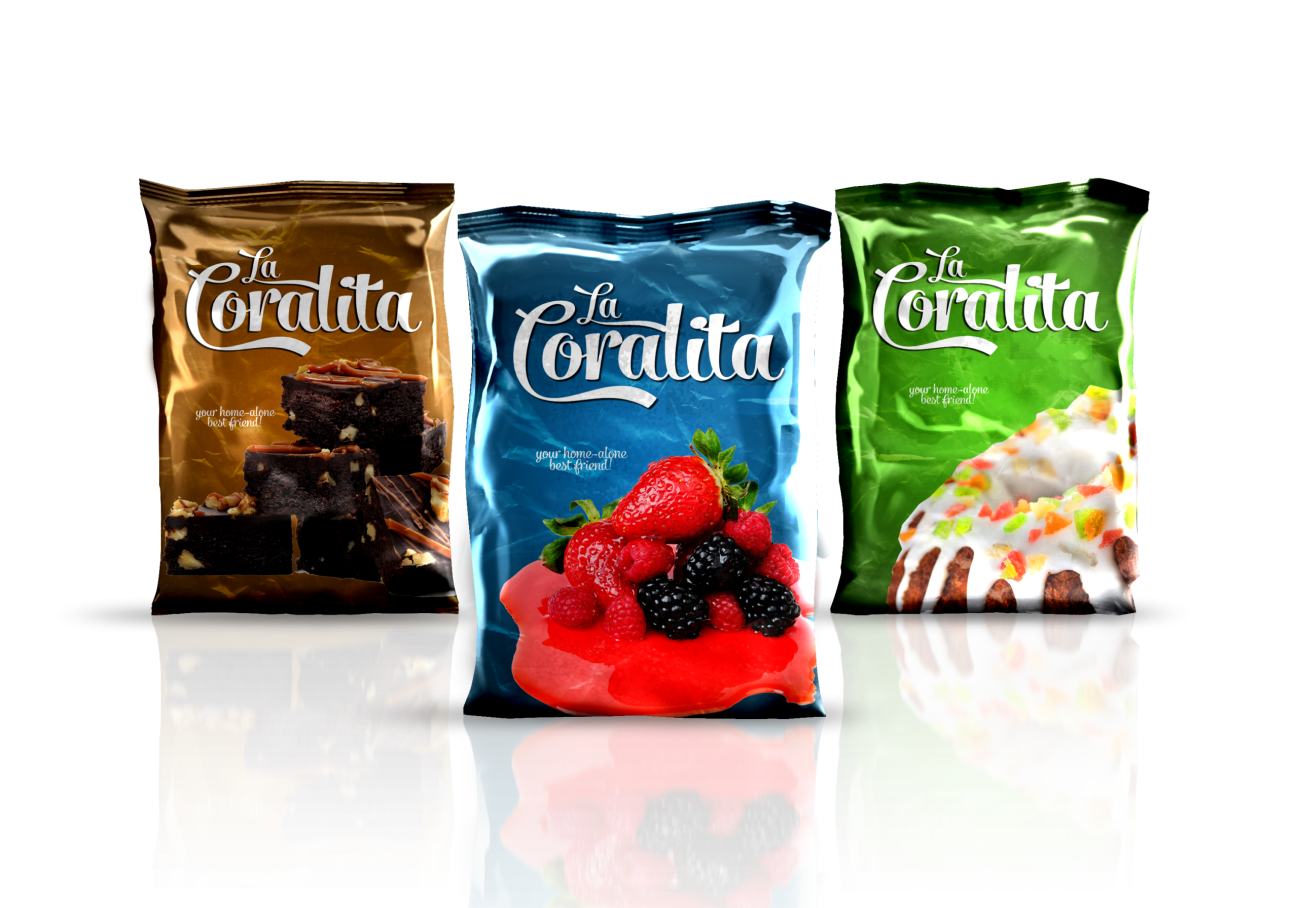
Best Packaging Strategy for Multi-SKU Pouches
Multi-SKU product lines offer variety, but when it comes to packaging, they also create complexity. Whether you’re offering different flavors, sizes, formulas, or bundle combinations, choosing the right approach for packaging pouches across multiple SKUs is key to keeping things organized, cost-effective, and retail-ready.
In this blog, we break down the smartest ways to handle multi-SKU pouch packaging and what strategies can simplify your process while maximizing shelf appeal.
Why Multi-SKU Pouch Packaging Needs a Strategy
If your product line includes multiple variations—like a protein powder in four flavors, or snacks in ten varieties—you’ll likely be working with multiple pouch designs and potentially different sizes. Without a plan, this can lead to over-ordering, poor inventory control, mismatched branding, and increased lead times.
A strategic approach to multi-SKU pouch packaging helps you:
- Streamline production and inventory
- Maintain consistent branding across all variations
- Improve packaging efficiency for both retail and e-commerce
- Reduce waste and minimize packaging costs
Choose the Right Pouch Format for All SKUs
The first step is selecting a pouch format that can work across your entire SKU range. This simplifies your sourcing, design process, and shipping logistics.
Common formats that work well across SKUs:
- Stand-up pouches for shelf presence
- Flat pouches for sample sizes or low-profile products
- Zipper pouches for resealability and convenience
- Printed roll stock if you need to automate pouch forming in-house
Sticking to a single pouch style for all SKUs—just with design changes—makes production and fulfillment smoother.
Leverage Digital Printing for Design Flexibility
For brands managing 3, 5, or even 20+ SKUs, digital printing is a game-changer. It allows you to print multiple unique designs within the same run—no plate changes, no additional setup costs.
Digital printing benefits for multi-SKU pouch packaging:
- Easy design versioning across SKUs
- Lower MOQs for each version
- Fast turnarounds to respond to changing demand
- Great for product launches, seasonal releases, or subscription boxes
If you’re scaling or testing new SKUs, digital lets you stay nimble without sacrificing quality.
Bundle Multi-SKUs with Custom Kits or Displays
For brands selling multiple pouch SKUs in one package (like variety packs), consider custom kitting, inserts, or countertop displays that hold your pouches together in one unit. This is especially useful for:
- Subscription snack kits
- Sample sets or gift boxes
- Seasonal bundles
- Cross-promotional packs
You can use corrugated boxes, rigid kits, or even printed sleeves and belly bands to package multiple SKUs in a clean, retail-ready format.
Labeling and Inventory Tips
Managing multiple SKUs means more SKUs to track. Here’s how to keep things efficient:
- Use consistent dielines across all pouch sizes if possible
- Make sure each pouch design includes a unique barcode or QR
- Include clear product names and variation callouts (like flavor or strength)
- Store digital print files in a system that makes future updates easy
A well-labeled pouch not only helps in inventory—it also helps customers know exactly what they’re getting.
Final Thoughts
Packaging multiple SKUs with pouches doesn’t have to be overwhelming. With the right combination of standardized formats, flexible printing, and smart kitting or bundling, you can keep your operations lean while still offering the variety your customers love.
Need help building a multi-SKU pouch strategy?
We’ll help you find the right pouch, printing method, and packaging system that fits your brand and simplifies your workflow.
In 2026, sustainability is no longer just a trend—it’s a buyer expectation. Forest Stewardship Council (FSC) certification has become a key benchmark for responsible packaging, signaling that materials are sourced
Sustainability is now a top priority for packaging buyers. Retailers, regulators, and consumers are all demanding packaging solutions that reduce environmental impact without sacrificing performance. In 2026, buyers must balance
Choosing the right packaging material is one of the most important decisions buyers face. Single-material packaging offers simplicity and recyclability, while multi-material designs provide enhanced performance and protection. Understanding the
One of the biggest challenges in sustainable packaging is balancing environmental responsibility with product protection. Buyers often worry that switching to eco-friendly materials means sacrificing durability or driving up costs.
Home » Best Packaging Strategy for Multi-SKU Pouches
In a fiercely competitive retail landscape, brands strive to ensure their products stand out on the shelves. And one powerful tool they leverage is packaging. It’s often the first interaction that consumers have with a product, and it can significantly influence their buying decisions. Among various packaging options, flexible packaging is fast becoming a popular choice, thanks to its versatility, functionality, and sustainability. But how does it impact the shelf appeal of products? Let’s delve into this topic. The Rise of Flexible Packaging Flexible packaging, which includes everything from stand-up pouches to resealable bags and wraps, has seen a considerable surge in popularity over the years. Thanks to advancements in technology and materials, flexible packaging offers a number of advantages over traditional rigid packaging options. For instance, flexible packaging can be easily customized to fit the shape, size, and weight of a product. This flexibility extends to design possibilities as well, with high-quality printing techniques allowing for vibrant, eye-catching graphics and branding elements. Shelf Appeal: The Power of First Impressions Shelf appeal refers to the visual impact a product makes when displayed on a retail shelf. It’s about making a strong first impression, and as the adage goes, “You never get a second chance to make a first impression”. On retail shelves crammed with numerous competing products, it’s often the packaging that catches the consumer’s eye first and convinces them to pick up the product. The Role of Flexible Packaging in Enhancing Shelf Appeal Here’s how flexible packaging contributes to enhancing the shelf appeal: Product Differentiation: Flexible packaging offers unlimited customization options, from shape and size to design and color. This enables brands to create unique and attention-grabbing packaging that sets their products apart from the competition. High-Quality Graphics: Modern printing technologies can render sharp, vibrant, and high-resolution images on flexible packaging materials. This makes the product visually appealing and easily recognizable on the shelf. Innovative Features: Features such as resealable closures, easy-open tabs, and built-in handles not only provide convenience but also make the product stand out on the shelf. Additionally, these features can be highlighted on the packaging design to further attract customer attention. Sustainability Appeal: Many consumers are now more conscious of the environmental impact of their purchases. As flexible packaging often uses less material than rigid packaging and is increasingly recyclable, it can enhance the shelf appeal for eco-conscious shoppers, especially if right materials are chosen. The Impact of Flexible Packaging on Consumer Perception Research shows that packaging has a significant impact on consumer perception of a product. It can influence how customers perceive the quality and value of the product. Innovative and high-quality packaging, like flexible packaging, can lead customers to perceive the product as high-end and worth a premium price. For instance, a product in a stand-up pouch with a resealable closure might be seen as more innovative and convenient, and thus of higher value, than a similar product in a traditional box or bag. In this way, flexible packaging can help to elevate a brand’s image and increase its appeal on the shelf. The Future of Flexible Packaging and Shelf Appeal Given the numerous benefits and the increasing consumer preference for sustainable and convenient packaging, the use of flexible packaging is only set to increase in the future. Brands will continue to leverage its versatility and adaptability to create packaging designs that boost shelf appeal and connect with their target consumers. If you are interested in flexible packaging, then partner with Brown Packaging today to get started. (714)300-0650 request@brownpackaging.com Most Recent Posts: Categories: Corrugated Ecommerce ESD Design Display Flexible Packaging Foam Folding Carton Packaging Plastic Packaging Pouch Printing Protection Retail Rigid Box Thermoform Sustainability Subscribe To Our Newsletter By submitting your information, you agree to our terms and conditions and privacy policy. Custom Packaging Facebook Twitter LinkedIn Pinterest Relevant Posts
Flexible packaging is in the throes of a revolution, with several innovative materials surfacing that promise to change the landscape of the industry. Traditionally, flexible packaging has relied on materials such as plastic and paper. However, environmental considerations, as well as advancements in materials science, are ushering in a new era of flexible packaging options. Let’s delve into the cutting-edge materials that are steering the future of flexible packaging. Biodegradable and Compostable Films Consumer awareness and regulatory pressures are pushing the packaging industry towards environmentally friendly alternatives. One such innovative material is biodegradable and compostable films, made from bio-based polymers such as Polyactic Acid (PLA) and Polycaprolactone (PCL). These materials, derived from renewable sources like cornstarch, sugarcane, or potatoes, degrade naturally over time, significantly reducing their environmental footprint. The challenge lies in their production cost and durability, which scientists are tirelessly working to improve. Edible Packaging Materials The concept of edible packaging has piqued the interest of consumers and industry experts alike. It offers a zero-waste solution to packaging, where the packaging material itself can be consumed or composted. Innovations include films made from seaweed, proteins, lipids, and polysaccharides. One standout example is Notpla, a London-based start-up, which developed an edible packaging material from seaweed extract. These materials are safe for consumption and significantly lower the volume of waste generated. Nanotechnology in Packaging Nanotechnology is making substantial inroads into the packaging industry, thanks to its potential to improve material properties. Nanocomposites, made by incorporating nanoparticles into traditional polymers, can improve the barrier properties, strength, and heat resistance of packaging materials. Additionally, nano sensors embedded in the packaging material can detect food spoilage and alert consumers, adding an extra layer of safety to food packaging. However, regulations governing the use of nanomaterials in packaging are still under development, which can affect their widespread adoption. Smart Packaging Materials Smart packaging materials can interact with the product or the environment to extend the product’s shelf life, enhance safety, and improve consumer convenience. These materials include oxygen scavengers, moisture absorbers, and temperature indicators. Intelligent films that change color when exposed to microbial contamination or when the product is past its ‘use by’ date are already being used in food packaging. The field of smart packaging materials is rapidly expanding, driven by advancements in sensor technology and data analytics. Recycled and Recyclable Materials The use of recycled and recyclable materials in flexible packaging is gaining momentum. Recyclable mono-materials, which are made from a single type of polymer, are easier to recycle compared to multi-layered materials. These mono-materials can maintain the same performance characteristics as traditional packaging materials while reducing the environmental impact. Initiatives like the Circular Economy for Flexible Packaging (CEFLEX) are working towards advancing the circular economy model for flexible packaging, emphasizing the use of recycled and recyclable materials. Final Thoughts: Flexible Packaging Innovations The flexible packaging industry is poised for a significant transformation. Driven by environmental concerns, technological advancements, and consumer demand, these innovative materials are rapidly reshaping the industry. However, many of these materials are still in their developmental stages or facing regulatory hurdles. The challenge lies in finding a balance between performance, cost, sustainability, and consumer acceptance. Despite these hurdles, the future of flexible packaging looks brighter and more sustainable than ever before. (714)300-0650 request@brownpackaging.com Most Recent Posts: Categories: Corrugated Ecommerce ESD Design Display Flexible Packaging Foam Folding Carton Packaging Plastic Packaging Pouch Printing Protection Retail Rigid Box Thermoform Sustainability Subscribe To Our Newsletter By submitting your information, you agree to our terms and conditions and privacy policy. Custom Packaging Facebook Twitter LinkedIn Pinterest Relevant Posts
It’s no secret that we’re living in an era characterized by the urgent need for environmental sustainability. With escalating concerns about the waste generated by traditional packaging, it’s essential that businesses and consumers alike pay keen attention to the kind of packaging they use. One practical solution emerging as a frontrunner is flexible packaging. This blog post will delve into the innovative world of flexible packaging and illustrate how it can contribute significantly to waste reduction. It’ll also explore the potential of flexible packaging to lead the packaging industry toward sustainability. Understanding Flexible Packaging Before we dive into the specifics of waste reduction, let’s first understand what flexible packaging entails. At its core, flexible packaging refers to any packaging type that can easily change shape when filled with a product or after the product is removed. These include pouches, bags, films, and envelopes. Flexible packaging materials are often lightweight, which reduces shipping weight, and can be manufactured using fewer materials, which can reduce resource consumption. How Flexible Packaging Reduces Waste Flexible packaging, by its very nature, offers multiple avenues through which waste can be reduced. Here are a few: Efficient Use of Materials Unlike rigid packaging, flexible packaging uses significantly fewer materials. By using less, we naturally produce less waste. Flexible packaging often involves thinner and lighter materials, which also require less energy for production and transport, contributing to lower carbon emissions. Product Protection and Preservation Flexible packaging offers excellent product protection, reducing the chances of product damage during transit. It also provides superior barriers against moisture, light, and oxygen, which enhances product shelf life. By reducing spoilage and product damage, flexible packaging reduces waste associated with unsold or unusable goods. Optimized Logistics The lightweight and compact nature of flexible packaging means more products can be transported in one go. This efficiency reduces the number of trips needed, thus reducing fuel consumption and carbon emissions. Best Practices for Implementing Flexible Packaging Knowing that flexible packaging can reduce waste is one thing, but successfully implementing it in your business is another. Here are a few tips: Understand Your Packaging Needs First, identify your specific packaging needs. Consider the nature of your product, its shelf life, and how it’s typically transported. These factors will help you choose the most appropriate type of flexible packaging. Work With a Reputable Manufacturer Ensure you’re working with a reputable flexible packaging manufacturer who values sustainability. They should be able to provide you with the best materials for your needs and offer advice on how to maximize waste reduction. Educate Your Consumers Make sure your consumers understand the value of flexible packaging. Educate them on how to properly dispose of the packaging or, if possible, reuse it. The Future of Flexible Packaging The benefits of flexible packaging extend beyond waste reduction. With continued technological advancements, the industry is working towards even more sustainable options. Innovations like compostable and biodegradable flexible packaging are paving the way for a future where packaging can be both convenient and kind to the planet. If you are interested in flexible packaging, then partner with Brown Packaging today to get started. (714)300-0650 request@brownpackaging.com Most Recent Posts: Categories: Corrugated Ecommerce ESD Design Display Flexible Packaging Foam Folding Carton Packaging Plastic Packaging Pouch Printing Protection Retail Rigid Box Thermoform Sustainability Subscribe To Our Newsletter By submitting your information, you agree to our terms and conditions and privacy policy. Custom Packaging Facebook Twitter LinkedIn Pinterest Relevant Posts