
window.uetq = window.uetq || []; window.uetq.push(‘event’, ‘submit_lead_form’,{ event_label:‘SUBMIT MESSAGE’ }); window.lintrk('track', { conversion_id: 10271009 }); window.lintrk('track', { conversion_id: 10271017 });

Are Corrugated Boxes Effective?

Custom Packaging Products

Corrugated boxes are highly effective for a wide range of packaging needs, providing superior protection, durability, and versatility. Their unique construction allows them to withstand various stresses during shipping and storage, making them a preferred choice for businesses and consumers alike.

The Structure of Corrugated Boxes

The effectiveness of corrugated boxes starts with their structure. Made from corrugated fiberboard, which includes a fluted corrugated sheet sandwiched between two flat linerboards, these boxes offer a robust design capable of absorbing shock and preventing damage to the contents. This structure not only imparts strength but also provides insulation that can protect against temperature variations.

How To Maximize The Durability of Corrugated Boxes

Versatility and Customization

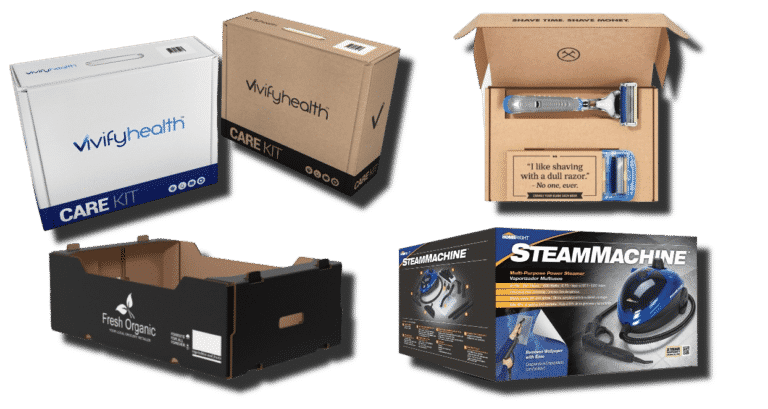
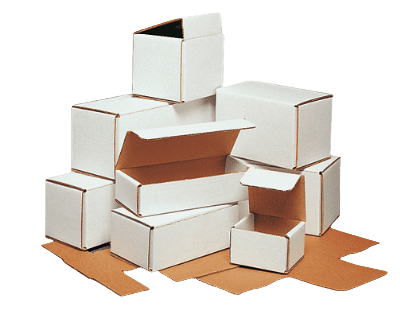
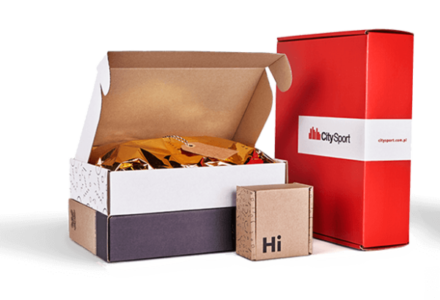
Corrugated boxes are celebrated for their versatility. They can be custom-manufactured to fit any size, shape, or weight requirement, ensuring that products, regardless of their dimensions, can be securely packaged with minimal movement inside the box. This customizability extends to the printing and branding of the boxes, making them an effective marketing tool in addition to their primary function of protection.

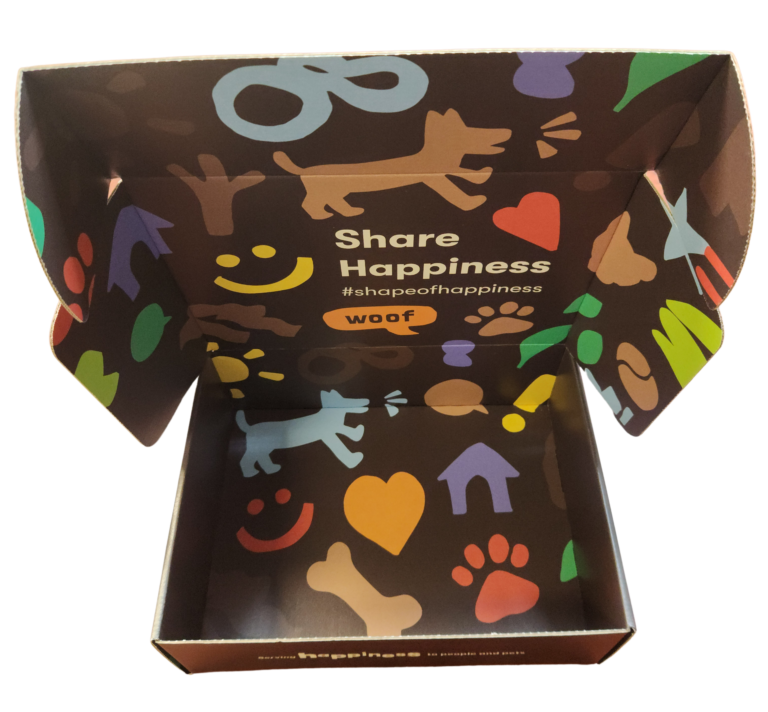
Custom Corrugated Mailer

Sustainability

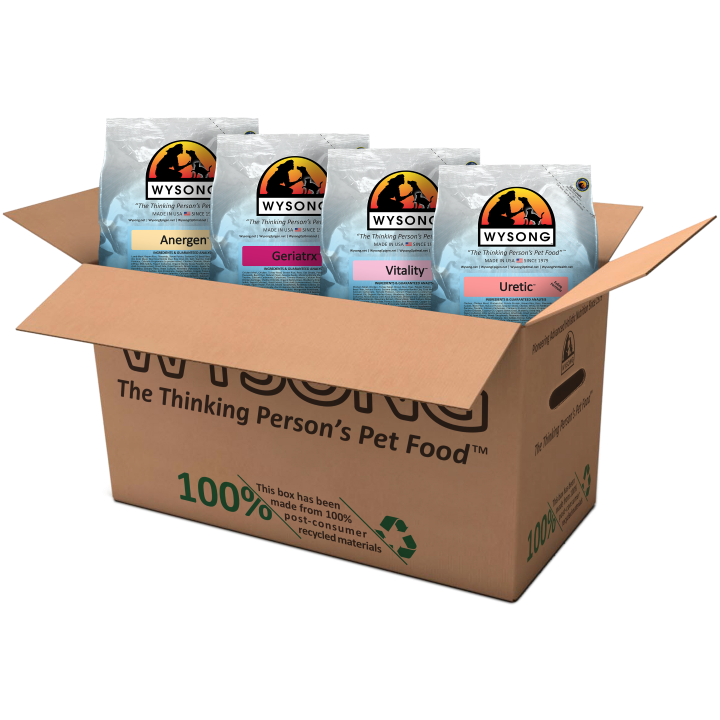
One of the most compelling advantages of corrugated boxes is their sustainability. Made from renewable resources, primarily recycled paper and cardboard, these boxes can be recycled again after their lifecycle, reducing waste and the demand for raw materials. The recycling process for corrugated cardboard is efficient and widespread, contributing to its status as one of the most recycled materials in the world.

custom corrugated box with print sustainability

Durability and Protection

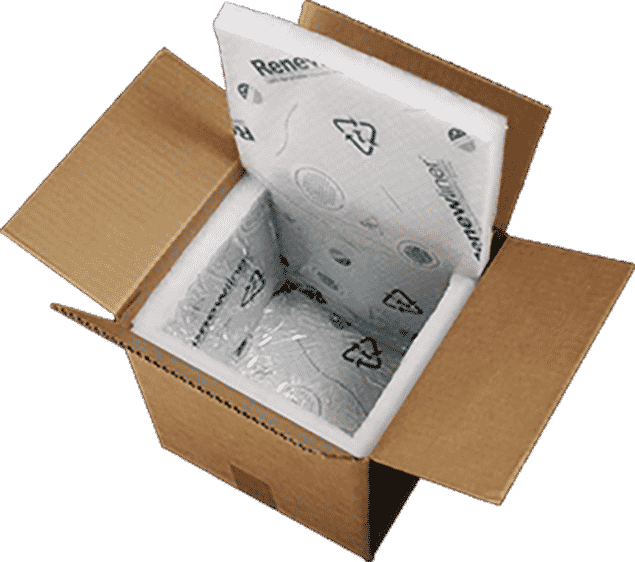
The durability of corrugated boxes is a key factor in their effectiveness. They are designed to resist tears, splits, and bursts, which can occur during handling and transit. The fluting within the cardboard also provides a cushion for the items inside, protecting against impacts. Furthermore, corrugated boxes can be treated with coatings or laminates to make them resistant to moisture, oil, and other environmental factors, thereby enhancing the protection they offer.

custom box and foam insulation

Cost-Effectiveness

Corrugated boxes are cost-effective, offering a high level of protection relative to their cost. They are lightweight, which reduces shipping costs, and their material and construction costs are lower compared to alternative packaging options. This cost-effectiveness makes corrugated boxes an attractive option for a wide range of industries, from e-commerce to retail and beyond.

Corrugated Mailer Boxes

Challenges and Considerations

While corrugated boxes are effective, there are considerations to keep in mind. The integrity of the box can be compromised by overloading, improper handling, or exposure to damp conditions. However, these challenges can be mitigated through proper design, handling, and storage practices.

Conclusion

In conclusion, corrugated boxes offer an effective solution for packaging needs across various industries. Their strength, flexibility, sustainability, and cost-effectiveness make them a superior choice for protecting goods during transit and storage. By leveraging the inherent benefits of corrugated boxes and adhering to best practices for their use, businesses can ensure the safety of their products while also contributing to environmental sustainability.

If you are interested in corrugated boxes, then partner with Brown Packaging today to get started.

Most Recent Posts:
Retail Packaging Trends for 2026

Retail packaging continues to evolve as brands balance sustainability, supply chain performance, and consumer experience. In 2026, buyers face new challenges shaped by material innovation, compliance requirements, and rising consumer

Read More »
Categories:
Subscribe To Our Newsletter

By submitting your information, you agree to our terms and conditions and privacy policy.

custom corrugated boxes with print and custom printed gusseted pouches
Custom Corrugated Boxes
Facebook
Twitter
LinkedIn
Pinterest
Relevant Posts
Contract Packaging: Everything You Need to Know
Corrugated
brownpackaging
Contract Packaging: Everything You Need to Know

Contract packaging, also known as co-packing or third-party packaging, is a service where a company outsources the packaging of their products to a specialized provider. This provider, known as a contract packager, offers a wide range of packaging services, including assembly, filling, sealing, labeling, and packaging design. Who Needs Contract Packaging? Companies that need contract packaging services typically fall into one of several categories: Manufacturers Retailers Pharmaceutical and Medical Device Companies Small Businesses Start-ups Ecommerce Companies Logistics Companies Manufacturers Manufacturers of consumer goods, such as food, beverage, personal care, and household products, may outsource their packaging to a contract packager to increase efficiency and reduce costs. For example, a beverage manufacturer may outsource the bottling and labeling of their products to a contract packager. Retailers Retailers may use contract packaging services to package and distribute their own private label products, or to package and distribute products for other brands. For example, a retail chain may outsource the packaging of their own brand of cereal to a contract packager. Pharmaceuticals and Medical Device Companies These companies may outsource their packaging to a contract packager to ensure compliance with strict regulations and to meet the specific packaging needs of their products. For example, a pharmaceutical company may outsource the packaging of their tablets to a contract packager that specializes in child-resistant packaging. Small Businesses Small businesses may not have the resources or expertise to handle their own packaging and may choose to outsource to a contract packager to save time and money. For example, a small business owner may outsource the packaging of their handmade candles to a contract packager. Start-ups Start-ups may also outsource packaging to a contract packager to get their products to market quickly while they focus on growing their business. For example, a start-up company may outsource the packaging of their new line of skincare products to a contract packager. E-commerce Companies E-commerce companies may use contract packaging services to fulfill orders, package products for shipping, and handle returns. For example, an e-commerce company may outsource the packaging and shipping of their apparel products to a contract packager. Logistics Companies Logistics companies may outsource packaging services to a contract packager to handle packaging and shipping needs for their clients. For example, a logistics company may outsource the packaging of their clients’ products to a contract packager. Benefits and Disadvantages of Contract Packaging The Benefits of Contract Packaging Cost savings: By outsourcing packaging to a contract packager, companies can reduce their labor and equipment costs. Increased efficiency: Contract packagers often have the latest equipment and technology to handle a wide range of packaging needs, which can increase efficiency and speed up the packaging process. Flexibility: Companies can choose to outsource only certain aspects of their packaging process, such as assembly or filling, rather than handling the entire process in-house. Compliance: Contract packagers often have expertise in specific areas, such as child-resistant packaging or food packaging, which can help ensure compliance with regulations. Scalability: Companies can scale up or down their packaging needs depending on demand. The Disadvantages of Contract Packaging Loss of control: Outsourcing packaging to a contract packager means giving up some control over the packaging process. Quality control: It can be difficult to ensure the same level of quality control as when packaging in-house. Communication: It can be difficult to ensure clear communication between the company and the contract packager, which can lead to mistakes or delays. Dependence: Companies may become dependent on the contract packager, which can be problematic If you are interested in contract packaging or packaging products for your company, then reach out to Brown Packaging today to get started. (714)300-0650 request@brownpackaging.com Most Recent Posts: Categories: Corrugated Ecommerce ESD Design Display Flexible Packaging Foam Folding Carton Packaging Plastic Packaging Pouch Printing Protection Retail Rigid Box Thermoform Sustainability Subscribe To Our Newsletter By submitting your information, you agree to our terms and conditions and privacy policy. Custom Inserts Facebook Twitter LinkedIn Pinterest Relevant Posts

Read More »
Kraft vs. White Corrugated Material: Making the Right Choice
Corrugated
brownpackaging
Kraft vs. White Corrugated Material: Making the Right Choice

When it comes to packaging solutions, corrugated boxes are at the forefront of industry choices, providing durability, flexibility, and sustainability. However, the debate often arises between using kraft or white corrugated material. Both options have their unique benefits and considerations. Here’s a detailed comparison to guide you in making the right choice for your packaging needs. Aesthetic Appeal White Corrugated Material: White corrugated boxes offer a clean, crisp appearance that’s perfect for showcasing high-resolution graphics and detailed print. Their smooth surface is ideal for businesses looking to present a polished and premium image to their customers. Great for retail packaging, especially for electronic items, cosmetics, and luxury goods. Kraft Corrugated Material: The natural brown hue of kraft corrugated boxes gives them a rustic, organic feel. This is a favorite for brands aiming for an eco-friendly or artisanal image. They don’t present graphics as vibrantly as white boxes, but they carry a charm of their own. Printing and Branding White Corrugated Material: The white background serves as a blank canvas, ensuring that colors stand out vibrantly and true to their original hue. This is essential for brands with specific color palettes and detailed branding requirements. Kraft Corrugated Material: The brownish tone of kraft corrugated material can influence the appearance of printed colors. While this might not be ideal for brands requiring precise color matching, it works well for those aiming for a natural or vintage aesthetic. Plus, minimalistic designs with black or darker hues often pop beautifully on kraft. Environmental Considerations White Corrugated Material: The bleaching process used to achieve the white color can have environmental implications. However, many suppliers now offer white corrugated material made from recycled fibers or with eco-friendly bleaching alternatives. Kraft Corrugated Material: Typically more eco-friendly, kraft corrugated boxes are often made from unbleached paper pulp. The absence of the bleaching process means fewer chemicals are involved, making them a more sustainable choice for environmentally-conscious businesses. Cost White Corrugated Material: Generally, white corrugated boxes tend to be slightly more expensive than their kraft counterparts, due to the additional processing required to achieve their pristine appearance. Kraft Corrugated Material: Being less processed, kraft corrugated material usually comes with a lower price tag, making them a cost-effective choice for bulk packaging needs. Durability Both kraft and white corrugated materials offer excellent durability and protection, depending on their flute size and wall construction. However, any perceived difference in strength between the two is more about the construction and thickness of the corrugated box rather than the color or type of paper used. Market Perception White Corrugated Material: Often associated with a higher-end market perception, white boxes can elevate a product’s perceived value. Kraft Corrugated Material: Kraft boxes exude an earthy, organic vibe and are often associated with sustainability and eco-friendliness, making them a favorite for green and artisanal brands. Final Thoughts When deciding between kraft and white corrugated materials, it’s essential to consider your brand’s image, budget, and environmental stance. If you’re aiming for a high-end, polished appearance with vibrant printing, white corrugated material is your best bet. On the other hand, if you want to exude a natural, eco-friendly vibe with cost-effectiveness, kraft is the way to go. Remember, the choice between kraft and white isn’t just about aesthetics or cost – it’s about aligning the packaging with your brand’s values and message. Whichever you choose, ensure it resonates with your target audience and serves your product’s needs effectively. If you are interested in corrugated boxes, then partner with Brown Packaging today to get started. (714)300-0650 request@brownpackaging.com Most Recent Posts: Categories: Corrugated Ecommerce ESD Design Display Flexible Packaging Foam Folding Carton Packaging Plastic Packaging Pouch Printing Protection Retail Rigid Box Thermoform Sustainability Subscribe To Our Newsletter By submitting your information, you agree to our terms and conditions and privacy policy. Custom Corrugated Boxes Facebook Twitter LinkedIn Pinterest Relevant Posts

Read More »
Custom wine boxes with label, corrugated box with custom insert
Corrugated
brownpackaging
Why Corrugated Boxes are Strong?

Corrugated boxes are strong because of their unique construction, which features a fluted corrugated sheet sandwiched between two flat linerboards. This design creates a robust structure that is both lightweight and capable of bearing significant weight and resisting impacts. The Science Behind Corrugation The strength of corrugated boxes comes from the principle of the arch, a design known for its ability to support weight and resist compression. The fluted sheet in corrugated boxes functions similarly, with each flute acting like a mini arch, providing resistance against crushing and impact from all directions. This corrugation not only adds rigidity and strength but also provides cushioning for the contents inside, absorbing shocks and vibrations during transport. Multiple Layers for Enhanced Durability Corrugated boxes typically consist of three layers: an inner liner, a medium (the corrugated or fluted layer), and an outer liner. This triple-layer construction distributes weight evenly and prevents punctures, tears, and other forms of damage. For items requiring additional protection, double-wall or even triple-wall corrugated boxes are available, adding more layers of fluting and linerboard, which significantly increases their strength and durability. Material Quality The strength of a corrugated box also depends on the quality of the materials used. High-grade paper provides a stronger foundation for the box, enhancing its load-bearing capacity and resistance to tearing. The type of adhesive used to bond the layers together also plays a critical role in the overall strength of the box. High-quality adhesives ensure that the layers remain firmly attached, maintaining the box’s structural integrity under stress. Customization for Specific Needs Another factor contributing to the strength of corrugated boxes is the ability to customize the flute size, paper grade, and wall construction based on specific requirements. For instance, larger flutes create more cushioning and resistance to compression, ideal for fragile items, while smaller flutes offer a smoother surface for printing and are better suited for lightweight products. This customization allows for the creation of boxes tailored to the weight, size, and vulnerability of the contents, ensuring maximum protection. Environmental Factors Corrugated boxes are designed to withstand a variety of environmental factors that can affect their strength. Many are treated with coatings or laminates to resist moisture, humidity, and temperature changes, which can weaken the paper fibers. By protecting against these external conditions, corrugated boxes maintain their structural integrity for longer periods, even in challenging shipping and storage environments. The Role of Recycled Content The incorporation of recycled materials in corrugated boxes has improved over the years, with advances in recycling technology ensuring that the strength of the boxes is not compromised. The use of recycled fibers, combined with virgin fibers, balances environmental sustainability with the need for durable packaging solutions. This blend ensures that corrugated boxes remain strong and reliable, even as they support recycling efforts and reduce the industry’s environmental impact. Conclusion The strength of corrugated boxes is the result of their unique construction, quality materials, and the science of corrugation. Their design maximizes strength while minimizing weight, making them an ideal choice for a wide range of packaging needs. From protecting fragile items during shipment to supporting heavy loads in storage, corrugated boxes offer a versatile, strong, and sustainable packaging solution. Whether for personal use or business logistics, the reliability of corrugated boxes stands unmatched in the packaging industry. If you are interested in corrugated boxes, then partner with Brown Packaging today to get started. (714)300-0650 request@brownpackaging.com Most Recent Posts: Categories: Corrugated Ecommerce ESD Design Display Flexible Packaging Foam Folding Carton Packaging Plastic Packaging Pouch Printing Protection Retail Rigid Box Thermoform Sustainability Subscribe To Our Newsletter By submitting your information, you agree to our terms and conditions and privacy policy. Custom Corrugated Boxes Facebook Twitter LinkedIn Pinterest Relevant Posts

Read More »