

Home » How To Prevent Packaging Labels and Graphics From Fading
How To Prevent Packaging Labels and Graphics From Fading

Packaging labels and graphics serve as the face of a product, making them an integral part of brand identity and consumer appeal. However, the longevity of these visual elements can be compromised by factors such as UV radiation, moisture, temperature fluctuations, and physical handling. In this blog, we’ll explore effective strategies to safeguard packaging labels and graphics, ensuring they retain their vibrancy and impact throughout the product’s lifecycle.
Understanding the Challenge
Before we delve into preventive measures, it’s important to understand why packaging labels and graphics fade:
UV Radiation:
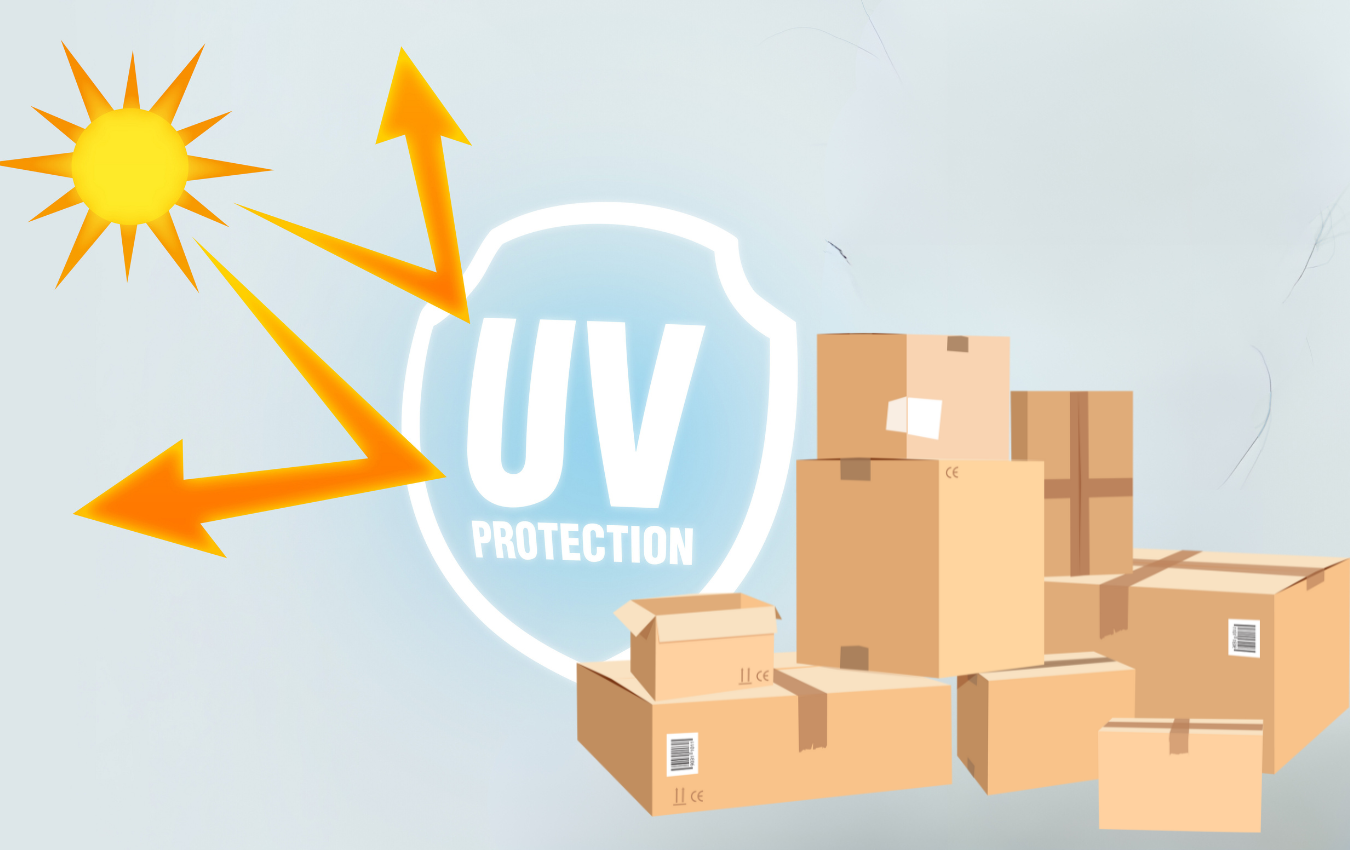
- Exposure to ultraviolet (UV) radiation, whether from sunlight or artificial light sources, can break down the pigments and dyes in inks, causing colors to fade over time.
Oxygen and Moisture:
- Oxidation and moisture exposure can lead to chemical reactions that alter the properties of inks and substrates, resulting in fading and degradation.
Temperature Fluctuations:
- Rapid temperature fluctuations can cause materials to expand and contract, potentially leading to cracks, tears, and peeling of labels and graphics.
Abrasion and Physical Handling:
- Rough handling during transportation and storage can cause labels and graphics to rub against surfaces or other packaging materials, leading to wear and tear.
Effective Strategies for Prevention
To ensure that packaging labels and graphics remain visually appealing and informative, consider implementing the following preventive measures:
UV-Resistant Inks:
- Choose UV-resistant inks designed to withstand exposure to UV radiation. These inks are formulated to be less susceptible to fading and degradation.
Protective Coatings:
- Apply protective coatings, such as UV-resistant varnishes or laminates, over labels and graphics. These coatings create a barrier that shields against UV radiation, moisture, and abrasion.
Thoughtful Material Selection:
- Opt for packaging materials that offer inherent UV protection. UV-resistant films and substrates can serve as a barrier to minimize the impact of UV radiation on labels and graphics.
Controlled Storage and Display:
- Educate retailers and consumers on the importance of storing products away from direct sunlight and fluorescent lighting to minimize UV exposure. Proper storage conditions can significantly extend the life of labels and graphics.
Quality Inks and Printing Processes:
- Invest in high-quality printing processes and inks that are less prone to fading. Options may include pigment-based inks and digital printing technologies known for their durability.
Regular Quality Control:
- Implement regular quality control checks to ensure that printing and labeling processes meet industry standards and are resistant to fading. Consistent quality assurance is essential.
Temperature and Humidity Control:
- Maintain controlled environmental conditions in storage and display areas to prevent extreme temperature fluctuations and humidity levels that can damage labels and graphics.
Gentle Handling:
- Train employees and handlers to practice gentle and careful product handling to avoid physical damage to labels and graphics during transportation and storage.

Ensuring Long-Lasting Impact
Preventing packaging labels and graphics from fading is not just a matter of aesthetics; it’s an investment in preserving brand identity, consumer trust, and the overall appeal of a product. By implementing these proactive strategies, businesses can ensure that their packaging remains vibrant and impactful, reinforcing brand recognition and delivering a positive consumer experience throughout the product’s journey from production to purchase.
If you are interested in labels and custom packaging, then partner with Brown Packaging today to get started.
Sustainable packaging in 2027 will be less about broad claims and more about proof, performance, compliance, and cost control. Buyers will still care about recyclable
Sustainable packaging in 2027 will be less about broad claims and more about proof, performance, compliance, and cost control. Buyers will still care about recyclable
A folding carton may look simple once it reaches the shelf, but it goes through a controlled production process before it becomes a finished package.
Folding carton production is becoming more automated because buyers are asking for faster timelines, tighter consistency, and more flexibility across more SKUs. Shorter product lifecycles,
Folding carton style matters because structure affects more than appearance. The right carton can improve shelf presentation, packing speed, product access, closure security, storage efficiency,
Pouch packaging trends in 2027 will be shaped by convenience, shelf impact, sustainability pressure, sealing performance, automation, ecommerce growth, and total packaging cost. Buyers will
By submitting your information, you agree to our terms and conditions and privacy policy.
Home » How To Prevent Packaging Labels and Graphics From Fading


Pressure-sensitive adhesive tapes have been a popular choice for businesses due to their versatile and reliable adhesive solutions. They are used in various industries, including
Color plays a pivotal role in product packaging, serving not just an aesthetic purpose but also communicating values, emotions, and expectations to the consumer. Effective
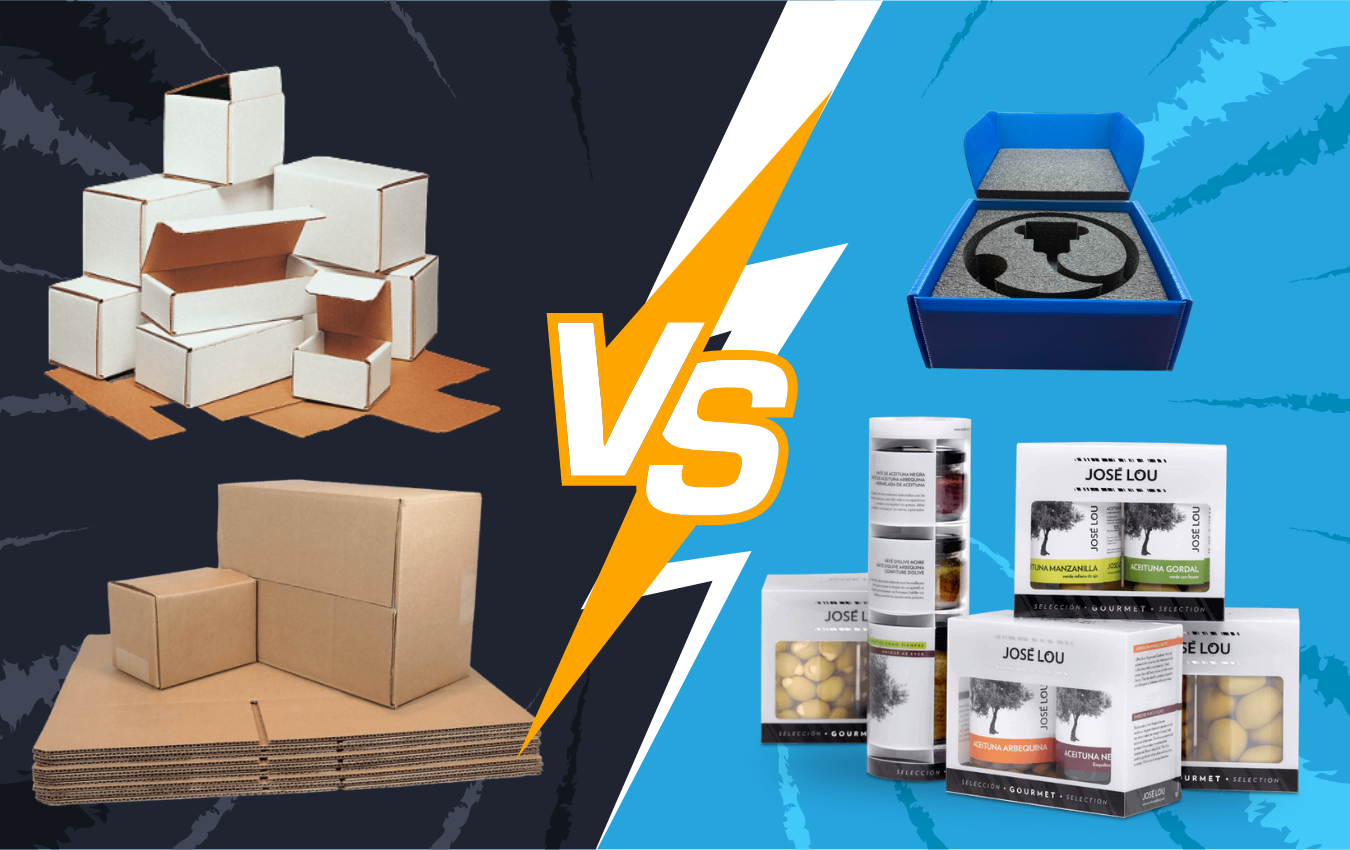
Packaging is more than just protection—it plays a critical role in branding, marketing, and customer perception. One of the key decisions businesses must make is