

Home » The Importance of Compression Properties in Foam Packaging
The Importance of Compression Properties in Foam Packaging
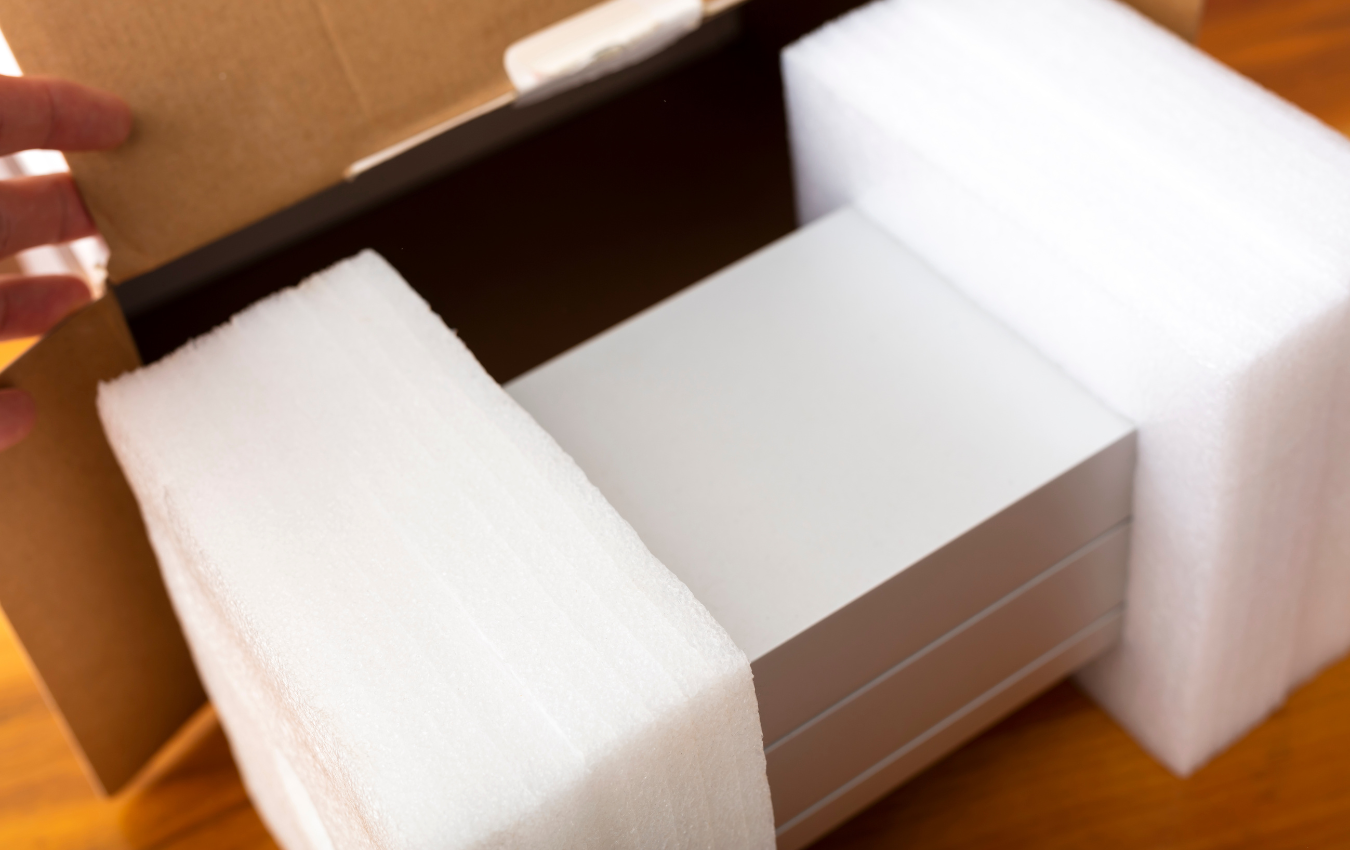
When it comes to packaging, especially for delicate and fragile items, foam materials play a crucial role in ensuring the safety and protection of the contents. One often-overlooked but vital aspect of foam materials is their compression properties. In this comprehensive guide, we will explore why the compression properties of foam matter in packaging, how they impact product protection, and what to consider when choosing the right foam for your packaging needs.
Understanding Foam Compression Properties
Before delving into the importance of foam compression properties, it’s essential to understand what these properties entail. Foam compression properties refer to how a foam material responds when subjected to external pressure or force. These properties are typically categorized into two key characteristics:
- Compression Deflection (Firmness): This measures the force required to compress a foam material by a certain percentage of its original thickness. It indicates how firm or soft the foam feels and how much it resists deformation under load.
- Compression Set: Compression set refers to the ability of a foam material to recover its original shape after being compressed. It quantifies the foam’s ability to bounce back to its initial form once the compressive force is removed.
Now, let’s delve into why these compression properties are of paramount importance in foam packaging:
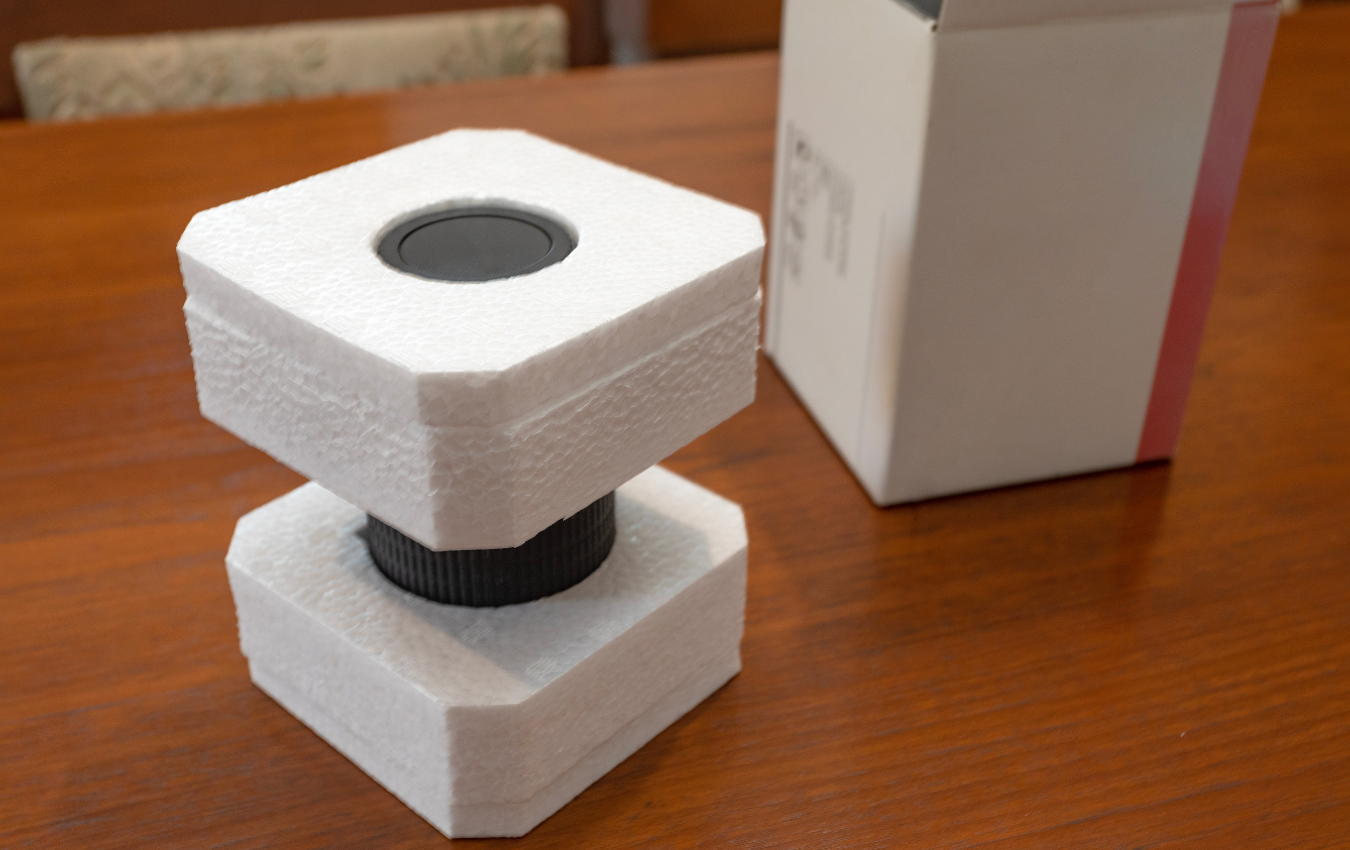
Protection Against Impact and Shock
One of the primary functions of foam in packaging is to cushion and protect items from impact and shock during transportation and handling. The compression deflection of foam determines how effectively it absorbs and disperses the energy generated during these impacts. A foam with the right compression deflection will minimize the risk of damage to the packaged goods, ensuring they arrive in pristine condition.
Maintaining Product Integrity
For delicate and sensitive products, maintaining their structural integrity is crucial. When a foam has a suitable compression set, it ensures that even after compression during packaging or transit, the foam will regain its original shape. This property is particularly essential for products with intricate shapes or those that must be held securely within the packaging.
Load Distribution
In some cases, packaged items may be subjected to prolonged periods of compression, either from stacking in storage or during transit. The compression properties of foam become instrumental in evenly distributing the load. Foam materials with well-chosen compression deflection and compression set characteristics will prevent uneven pressure points that could lead to deformation or damage to the packaged items.
Customizability and Versatility
Different products have varying packaging requirements, and foam materials can be tailored to meet these needs. By selecting foam with the right compression properties, packaging designers can ensure that the foam conforms to the specific shape and fragility of the item, providing tailored protection.

Choosing the Right Foam Material
Selecting the right foam material with suitable compression properties involves assessing your packaging needs and the fragility of your products. Factors to consider include:
- Product Weight: Heavier items may require foam with a higher compression deflection to withstand the load without bottoming out.
- Product Fragility: Delicate or sensitive products benefit from foam with both a suitable compression deflection and compression set to absorb and recover from shocks effectively.
- Packaging Design: The shape and design of your packaging play a role in determining the foam’s compression requirements. Custom-cut foam inserts can optimize protection.
- Environmental Conditions: Consider the environmental conditions the packaged items will face. Some foams are better suited for extreme temperatures or exposure to moisture.
- Cost Considerations: Balance your packaging needs with your budget. Different foam materials may vary in cost, so choose one that meets your requirements without overstretching your budget.
If you are interested in foam packaging solutions, then partner with Brown Packaging today to get started.
A folding carton may look simple once it reaches the shelf, but it goes through a controlled production process before it becomes a finished package.
Folding carton production is becoming more automated because buyers are asking for faster timelines, tighter consistency, and more flexibility across more SKUs. Shorter product lifecycles,
Folding carton style matters because structure affects more than appearance. The right carton can improve shelf presentation, packing speed, product access, closure security, storage efficiency,
Pouch packaging trends in 2027 will be shaped by convenience, shelf impact, sustainability pressure, sealing performance, automation, ecommerce growth, and total packaging cost. Buyers will
Corrugated box trends in 2027 will be driven by a practical mix of cost control, sustainability, ecommerce growth, automation, retail requirements, and supply chain performance.
Packaging trends in 2027 will be shaped by one major reality: buyers are no longer looking at packaging as just a box, carton, insert, pouch,
By submitting your information, you agree to our terms and conditions and privacy policy.
Home » The Importance of Compression Properties in Foam Packaging



Shipping products safely and securely is a top priority for any business. During transit, packages are susceptible to various risks, including jostling, drops, and other
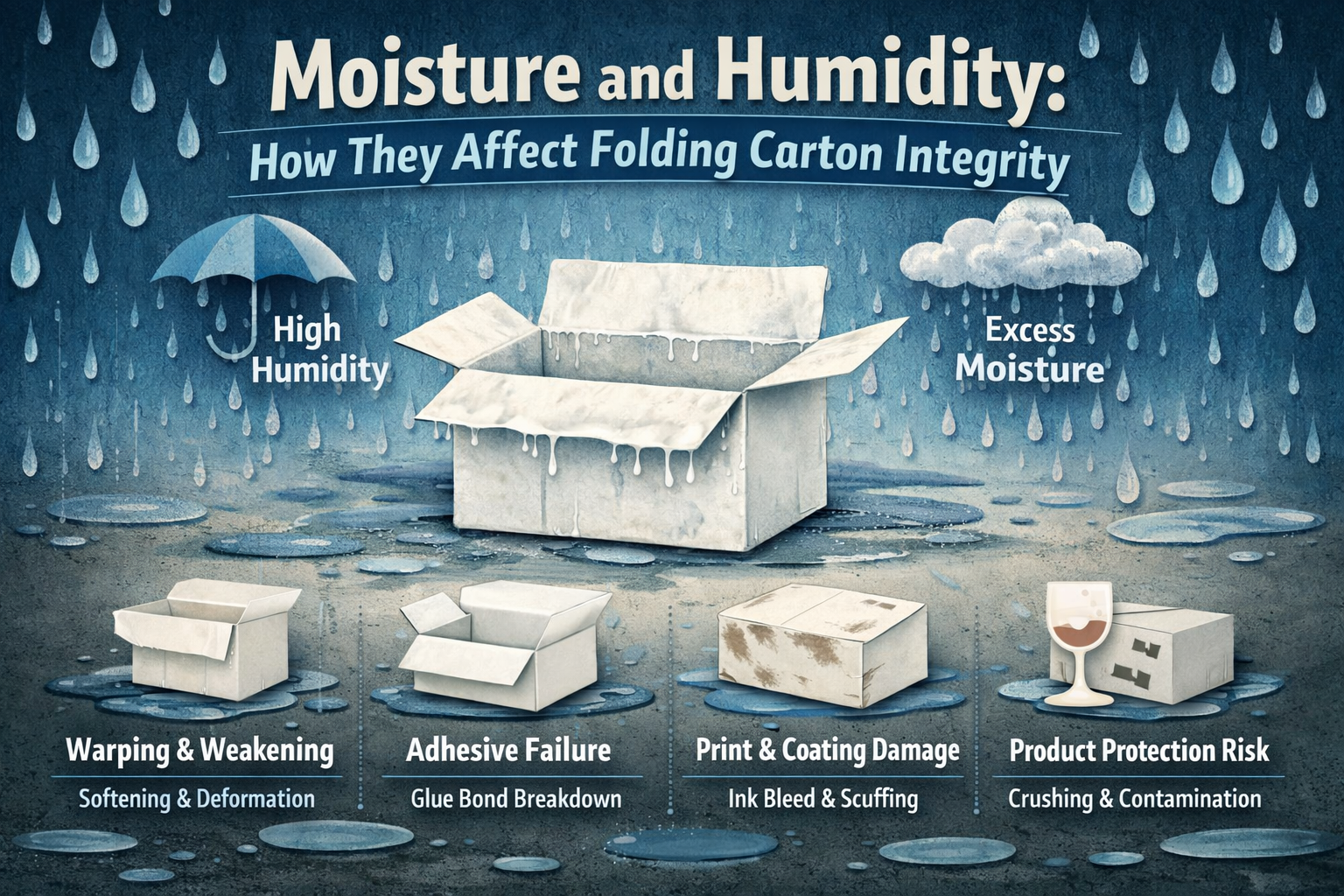
Moisture and humidity can weaken paperboard fibers, alter structural performance, and compromise print quality. From production to end use, controlling these factors is critical to
Score cracking—visible fiber breakage along a fold—can ruin a carton’s appearance, weaken its structure, and cause failures on automated lines. Understanding the causes and engineering