window.uetq = window.uetq || []; window.uetq.push(‘event’, ‘submit_lead_form’,{ event_label:‘SUBMIT MESSAGE’ }); window.lintrk('track', { conversion_id: 10271009 }); window.lintrk('track', { conversion_id: 10271017 });

The Impact of Inconsistent Packaging Quality on Brand Image
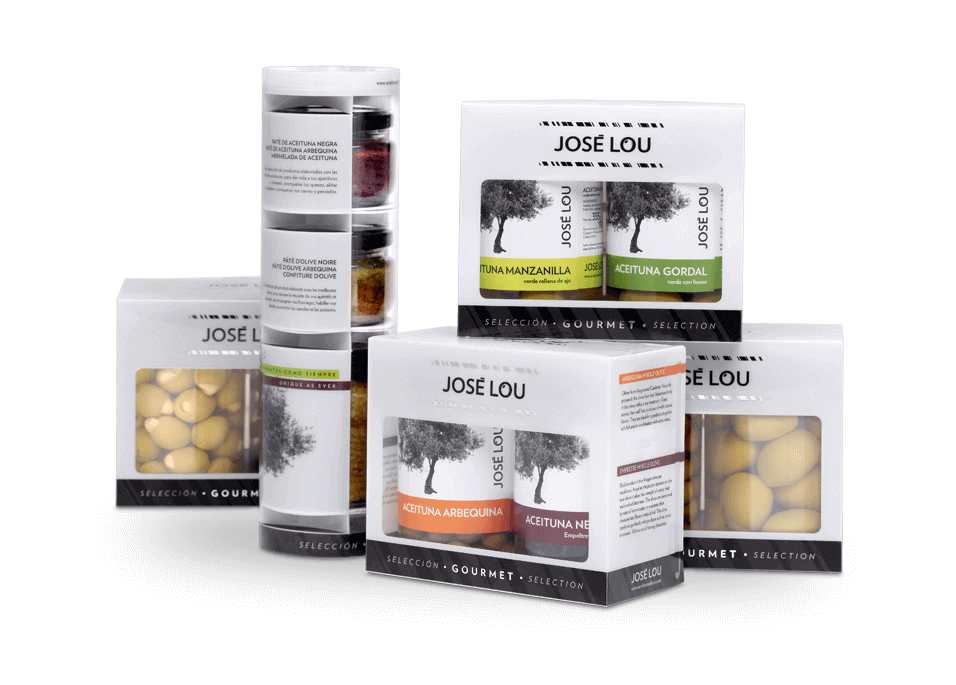
Custom Folding Cartons Multi SKU Packaging

In the business landscape, packaging plays a pivotal role in shaping consumer perception and brand identity. While great packaging can enhance brand reputation and customer loyalty, inconsistent packaging quality can have far-reaching negative implications. This blog post explores how fluctuating packaging standards can affect a brand, offering insights into the broader impacts of this often-overlooked aspect of product presentation.

Understanding the Role of Packaging in Brand Perception

Packaging is often the first physical interaction customers have with a product. It sets expectations, communicates values, and can significantly influence purchasing decisions. Consistent quality in packaging is therefore crucial in maintaining a positive brand image.

Brand Reputation

Detrimental Effects of Inconsistent Packaging Quality

Damaged Brand Reputation:

    • Inconsistent packaging can lead to a perception of unreliability. Customers expecting a certain standard might be disappointed if the packaging (and by extension, the product) doesn’t meet their expectations.
    • Negative experiences due to poor packaging quality can quickly lead to adverse word-of-mouth and social media attention, harming the brand’s reputation.

Decreased Consumer Trust:

    • Consistency in packaging quality is key to building consumer trust. Inconsistencies, such as varying material quality or design, can make consumers question the overall credibility and standards of the brand.
    • Once trust is eroded, it can be challenging and costly to rebuild.

Impact on Customer Loyalty:

    • Customer loyalty is contingent on a consistently positive experience with a product, including its packaging. Inconsistency can lead to customer attrition as consumers might seek more reliable alternatives.

Impaired User Experience:

    • Packaging that varies in functionality (e.g., sometimes easy to open, other times not) can lead to frustration and a poor user experience.
    • A negative unboxing experience can overshadow the quality of the product itself, detracting from the overall satisfaction.
5 Ways Custom Packaging Can Enhance Product Visibility and Sales

Financial Implications

  • Increased Returns and Refunds: Inconsistent packaging can lead to damaged products, resulting in increased returns and refunds, which can be a significant financial drain.
  • Loss of Sales: Potential customers may be deterred by negative reviews regarding packaging, leading to lost sales opportunities.
Damaged Corrugated box

Legal and Compliance Risks

  • Inconsistent packaging quality can also result in non-compliance with industry standards and regulations, especially in sectors like food and pharmaceuticals. This non-compliance can have legal ramifications and lead to fines or recalls.

Strategies to Ensure Consistent Packaging Quality

Stringent Quality Control Processes:

    • Implement and enforce strict quality control measures throughout the packaging production process.
    • Regular audits and inspections of packaging can help maintain high standards.

Reliable Supply Chain Partnerships:

    • Foster strong relationships with trustworthy suppliers who understand your packaging standards and expectations.
    • Regularly review supplier performance to ensure consistency in the materials and services they provide.

Customer Feedback Mechanisms:

    • Encourage and monitor customer feedback specifically regarding packaging.
    • Use this feedback to make continuous improvements and address any inconsistencies.

Investing in Packaging Technology:

    • Leverage advanced packaging technologies and materials that offer greater consistency and protection.
    • Automation in packaging processes can reduce human error and ensure uniformity.

If you are interested in consistent branded packaging, then partner with Brown Packaging today to get started.

Most Recent Posts:
Retail Packaging Trends for 2026

Retail packaging continues to evolve as brands balance sustainability, supply chain performance, and consumer experience. In 2026, buyers face new challenges shaped by material innovation, compliance requirements, and rising consumer expectations. Understanding these trends helps companies stay competitive while aligning packaging programs with industry standards. Sustainability Becomes Non-Negotiable Greater use of recyclable and compostable substrates. Retailers pushing suppliers toward FSC-certified materials. Minimalist designs that reduce waste without losing impact. Smarter Packaging for Supply Chains Increased adoption of right-sizing to reduce freight costs. Boxes designed for automation and faster fulfillment. Stronger corrugated grades to withstand long e-commerce journeys. Enhanced Consumer Experience Custom graphics for seasonal campaigns and limited editions. Tear strips, resealable closures, and window cutouts for convenience. Premium finishes that elevate gift packaging at retail. Growth of Hybrid Packaging Formats Combining corrugated strength with folding carton graphics. Modular designs for multi-SKU and club store environments. Packaging engineered to serve both e-commerce and in-store needs. Compliance and Testing Standards Retailers demanding ISTA and ASTM testing for packaging durability. Supply chain audits on recyclability and sustainability claims. More pressure for transparent reporting on environmental impact. Retail Packaging Solutions with Brown Packaging Brown Packaging helps brands adapt to evolving retail packaging trends. From sustainable substrates to automation-friendly designs, our solutions balance branding, durability, and compliance for 2026. Contact us to prepare your packaging program for the year ahead. References Forest Stewardship Council (FSC). (2023). FSC Packaging Certification Guidelines. Retrieved from https://fsc.orgSustainable Packaging Coalition. (2023). Packaging Trends and Consumer Insights. Retrieved from https://sustainablepackaging.orgSoroka, W. (2009). Fundamentals of Packaging Technology (4th ed.). Institute of Packaging Professionals. (714)300-0650 request@brownpackaging.com Most Recent Posts: Categories: Corrugated Ecommerce ESD Design Display Flexible Packaging Foam Folding Carton Packaging Plastic Packaging Pouch Printing Protection Retail Rigid Box Thermoform Sustainability Subscribe To Our Newsletter By submitting your information, you agree to our terms and conditions and privacy policy. Custom Packaging Facebook Twitter LinkedIn Pinterest Relevant Posts

Read More »
Packaging Supplier Contracts: What Buyers Should Know

Supplier contracts can make or break a packaging program. Without the right terms, buyers risk price volatility, missed lead times, and inconsistent product quality. In 2026, negotiating smart contracts is essential for controlling costs, securing reliable supply, and meeting compliance requirements. Why Packaging Contracts Matter Cost stability: Protects against sudden raw material price spikes. Supply security: Ensures availability during peak demand. Quality control: Aligns suppliers with testing and compliance standards. Operational efficiency: Streamlines purchasing and reduces administrative burden. Key Terms Buyers Should Negotiate Volume commitments: Secure better pricing with accurate forecasts. Price adjustment clauses: Define when and how costs can change. Lead times and delivery windows: Avoid shortages and production delays. Testing and compliance: Require ISTA, ASTM, or FSC certification where applicable. Sustainability commitments: Ensure suppliers align with environmental goals. Risks of Weak Contracts Paying inflated prices during market fluctuations. Receiving inconsistent corrugated strength or print quality. Missed shipments leading to costly expedited freight. Difficulty meeting retailer or regulatory compliance. Best Practices for Buyers in 2026 Leverage data: Use past order history to negotiate realistic volumes. Dual sourcing: Maintain backup suppliers for risk management. Annual reviews: Reassess terms to reflect changes in demand and compliance. Collaborative approach: Treat suppliers as partners, not just vendors. Packaging Solutions with Brown Packaging Brown Packaging helps buyers secure strong supplier contracts that balance cost, quality, and supply chain reliability. Our partnerships and industry expertise ensure your packaging program is protected for 2026 and beyond. Contact us to discuss supplier solutions. References Soroka, W. (2009). Fundamentals of Packaging Technology (4th ed.). Institute of Packaging Professionals.Fiber Box Association. (2024). Corrugated Packaging Market Outlook. Retrieved from https://www.fibrebox.orgSustainable Packaging Coalition. (2023). Supplier Standards for Sustainable Packaging. Retrieved from https://sustainablepackaging.org (714)300-0650 request@brownpackaging.com Most Recent Posts: Categories: Corrugated Ecommerce ESD Design Display Flexible Packaging Foam Folding Carton Packaging Plastic Packaging Pouch Printing Protection Retail Rigid Box Thermoform Sustainability Subscribe To Our Newsletter By submitting your information, you agree to our terms and conditions and privacy policy. Custom Packaging Facebook Twitter LinkedIn Pinterest Relevant Posts

Read More »
Meeting 2026 Packaging Compliance Standards

Packaging compliance is no longer optional—it’s a requirement for accessing retail shelves, shipping networks, and international markets. In 2026, buyers must navigate evolving regulations around sustainability, labeling, and testing to avoid costly fines, rejected shipments, or damaged customer relationships. Why Compliance Matters in 2026 Retail requirements: Major retailers demand FSC, ISTA, and sustainability certifications. E-commerce standards: Carriers enforce dimensional weight and package testing rules. Global trade: Export packaging must comply with ISPM 15, ASTM, and ISO guidelines. Consumer trust: Transparency in packaging claims impacts purchasing decisions. Key Compliance Areas for Buyers Material sourcing: FSC-certified corrugated and board for sustainability. Labeling standards: GS1-compliant barcodes and accurate product details. Durability testing: ISTA and ASTM protocols for drop, vibration, and compression. Sustainability regulations: Requirements for recyclable or compostable materials. Chemical restrictions: Compliance with FDA, EU, or state-specific standards. Common Compliance Challenges Keeping up with frequent regulatory changes. Managing multiple certifications across suppliers. Balancing compliance with cost-efficiency. Verifying supplier claims for sustainability. Best Practices for Staying Compliant Audit suppliers annually to confirm certification validity. Run internal packaging tests before scaling. Track regulatory updates for each region you ship to. Work with experienced partners who understand industry compliance. Packaging Solutions with Brown Packaging Brown Packaging helps buyers meet 2026 compliance standards with FSC-certified materials, ISTA-tested designs, and regulatory expertise. Our team ensures your packaging meets retailer, carrier, and sustainability requirements. Contact us to keep your program compliant. References Forest Stewardship Council (FSC). (2023). FSC Certification Guidelines for Packaging. Retrieved from https://fsc.orgInternational Safe Transit Association (ISTA). (2023). ISTA Testing Procedures for Transport Packaging. Retrieved from https://ista.orgGS1. (2024). Global Standards for Packaging and Labeling. Retrieved from https://www.gs1.org (714)300-0650 request@brownpackaging.com Most Recent Posts: Categories: Corrugated Ecommerce ESD Design Display Flexible Packaging Foam Folding Carton Packaging Plastic Packaging Pouch Printing Protection Retail Rigid Box Thermoform Sustainability Subscribe To Our Newsletter By submitting your information, you agree to our terms and conditions and privacy policy. Custom Packaging Facebook Twitter LinkedIn Pinterest Relevant Posts

Read More »
How FSC Packaging Certification Impacts Your Brand

In 2026, sustainability is no longer just a trend—it’s a buyer expectation. Forest Stewardship Council (FSC) certification has become a key benchmark for responsible packaging, signaling that materials are sourced from responsibly managed forests. For packaging buyers, FSC certification is more than a compliance checkbox—it’s a brand value that influences purchasing decisions, retailer acceptance, and customer loyalty. What Is FSC Certification? The Forest Stewardship Council certifies that paper-based packaging materials are sourced from forests managed for environmental responsibility, social benefit, and economic viability. FSC Mix: Packaging contains a blend of FSC-certified and controlled wood. FSC Recycled: Packaging is made entirely from recycled fiber. FSC 100%: Packaging is sourced only from FSC-certified forests. Why FSC Matters to Buyers in 2026 Retail access: Many major retailers now require FSC-certified packaging. Sustainability goals: Aligns with corporate ESG and carbon reduction commitments. Consumer trust: Customers recognize the FSC label and view it as credible. Global compliance: Meets international sustainability regulations. How FSC Certification Strengthens Brand Value Differentiation: Stand out with certified sustainable packaging. Marketing advantage: FSC logos reinforce eco-friendly messaging. Risk reduction: Verified sourcing prevents greenwashing claims. Customer loyalty: Environmentally conscious buyers prefer certified products. Challenges in FSC Implementation Limited supply of certain FSC substrates. Higher costs compared to non-certified materials. Need for supplier audits and documentation. Packaging Solutions with Brown Packaging Brown Packaging partners with buyers to integrate FSC-certified materials into corrugated boxes, folding cartons, and retail packaging. Our solutions support sustainability while maintaining cost efficiency and protection. Contact us to strengthen your brand with FSC-certified packaging. References Forest Stewardship Council (FSC). (2023). FSC Certification Guidelines for Packaging. Retrieved from https://fsc.orgSustainable Packaging Coalition. (2023). Consumer Insights on Sustainable Packaging. Retrieved from https://sustainablepackaging.orgSoroka, W. (2009). Fundamentals of Packaging Technology (4th ed.). Institute of Packaging Professionals. (714)300-0650 request@brownpackaging.com Most Recent Posts: Subscribe To Our Newsletter By submitting your information, you agree to our terms and conditions and privacy policy. Sustainable Packaging Facebook Twitter LinkedIn Pinterest Relevant Posts

Read More »
Sustainable Packaging Buyers’ Guide for 2026

Sustainability is now a top priority for packaging buyers. Retailers, regulators, and consumers are all demanding packaging solutions that reduce environmental impact without sacrificing performance. In 2026, buyers must balance eco-friendly materials, cost, and compliance to build programs that are both effective and future-ready. What Buyers Need to Know About Sustainable Packaging Regulatory pressure: Governments are enforcing stricter rules on recyclability and plastic use. Retail mandates: FSC certification and recyclable packaging are becoming standard requirements. Consumer expectations: Customers increasingly choose brands with visible sustainability commitments. Sustainable Material Options Recycled corrugated: High recycled content while maintaining compression strength. Compostable films: Suitable for select food and retail applications. Molded pulp inserts: Replace foam or plastic for protective packaging. Water-based coatings: Enhance moisture resistance without harmful chemicals. Balancing Cost and Performance Right-size packaging: Reduces material waste and shipping costs. Hybrid solutions: Combine eco-materials with corrugated for balance. Life cycle analysis: Evaluate true environmental impact, not just marketing claims. How to Evaluate Sustainable Suppliers Verify FSC, SPC, or ISO certifications. Request testing data for durability and recyclability. Audit supply chains for consistency and transparency. Ensure claims meet local and international compliance standards. Packaging Solutions with Brown Packaging Brown Packaging helps buyers implement sustainable packaging programs that balance cost, performance, and compliance. From recycled corrugated to eco-friendly coatings and inserts, we deliver solutions that meet 2026 sustainability goals. Contact us to explore sustainable packaging options. References Forest Stewardship Council (FSC). (2023). FSC Certification Guidelines for Packaging. Retrieved from https://fsc.orgSustainable Packaging Coalition. (2023). Packaging Sustainability Trends and Buyer Insights. Retrieved from https://sustainablepackaging.orgSoroka, W. (2009). Fundamentals of Packaging Technology (4th ed.). Institute of Packaging Professionals. (714)300-0650 request@brownpackaging.com Most Recent Posts: Categories: Corrugated Ecommerce ESD Design Display Flexible Packaging Foam Folding Carton Packaging Plastic Packaging Pouch Printing Protection Retail Rigid Box Thermoform Sustainability Subscribe To Our Newsletter By submitting your information, you agree to our terms and conditions and privacy policy. Sustainable Packaging Facebook Twitter LinkedIn Pinterest Relevant Posts

Read More »
Comparing Single vs. Multi-Material Packaging

Choosing the right packaging material is one of the most important decisions buyers face. Single-material packaging offers simplicity and recyclability, while multi-material designs provide enhanced performance and protection. Understanding the trade-offs helps companies balance cost, functionality, and sustainability goals in 2026. What Is Single-Material Packaging? Single-material packaging uses one substrate—such as corrugated board, folding carton, or plastic—for the entire structure. Advantages: Easier to recycle and dispose. Lower material costs in many cases. Streamlined sourcing and inventory. Supports sustainability messaging. Disadvantages: Limited barrier protection. Less customization for fragile or complex products. May require added thickness for strength, increasing weight. What Is Multi-Material Packaging? Multi-material packaging combines two or more substrates—such as corrugated with foam, or paperboard laminated with film—to achieve specific performance outcomes. Advantages: Greater protection against moisture, oxygen, and impact. Allows for premium finishes and enhanced graphics. Ideal for fragile or high-value products. Customizable for unique supply chain conditions. Disadvantages: More difficult to recycle due to material separation. Higher cost and longer lead times. Complex sourcing and inventory management. When to Use Each Approach Single-material packaging: Best for products with low fragility, strong sustainability requirements, or cost-driven programs. Multi-material packaging: Best for high-value, fragile, or regulated products requiring advanced protection. Balancing Performance and Sustainability Buyers must weigh performance needs against eco goals: Use recyclable coatings to extend single-material performance. Choose hybrid designs that separate easily for recycling. Apply multi-material solutions only where risk of damage outweighs cost. Packaging Solutions with Brown Packaging Brown Packaging helps buyers evaluate when to use single- vs. multi-material packaging. Our team balances sustainability, performance, and cost to deliver solutions tailored to your supply chain. Contact us to explore the right approach for your products. References Forest Stewardship Council (FSC). (2023). FSC Packaging Certification Guidelines. Retrieved from https://fsc.orgSoroka, W. (2009). Fundamentals of Packaging Technology (4th ed.). Institute of Packaging Professionals.Sustainable Packaging Coalition. (2022). Design for Recyclability and Multi-Material Packaging Report. Retrieved from https://sustainablepackaging.org (714)300-0650 request@brownpackaging.com Most Recent Posts: Categories: Corrugated Ecommerce ESD Design Display Flexible Packaging Foam Folding Carton Packaging Plastic Packaging Pouch Printing Protection Retail Rigid Box Thermoform Sustainability Subscribe To Our Newsletter By submitting your information, you agree to our terms and conditions and privacy policy. Custom Packaging Facebook Twitter LinkedIn Pinterest Relevant Posts

Read More »
Categories:
Subscribe To Our Newsletter

By submitting your information, you agree to our terms and conditions and privacy policy.

folding cartons
Custom Packaging
Facebook
Twitter
LinkedIn
Pinterest
Relevant Posts
Custom Corrugated retail box with window cut out, sample packs and poly bags
Packaging
brownpackaging
Bundle Packaging: Everything You Need to Know

When it comes to marketing and selling products, presentation matters. Bundle packaging is a clever and effective strategy that many businesses use to enhance their products’ appeal and value. Whether you’re a retailer, e-commerce business, or a manufacturer, understanding the art of bundle packaging can make a significant difference in your sales and customer satisfaction. In this blog, we’ll delve into the world of bundle packaging, exploring what it is, its benefits, and how to create effective bundles that resonate with your target audience. What is Bundle Packaging? Bundle packaging, also known as product bundling, is the practice of grouping together multiple related products or services into a single package for sale. Instead of selling each item individually, businesses package them together as a bundle, often offering it at a discounted price or with added value. This packaging strategy aims to entice customers to purchase more and enhance their overall shopping experience. The Benefits of Bundle Packaging Bundle packaging offers a range of advantages for both businesses and consumers: Increased Sales: One of the primary benefits of bundle packaging is its potential to boost sales. Customers are more likely to purchase a bundle of related items if it offers them better value compared to buying each item separately. This can lead to an increase in the average transaction value. Clear Value Proposition: Bundles provide a clear value proposition to customers. They can see that by purchasing the bundle, they are getting a deal or receiving added value, which can be a powerful motivator for purchase. Enhanced Customer Experience: Customers appreciate convenience. Bundling complementary products together can save them time and effort in finding and purchasing individual items. This convenience can lead to improved customer satisfaction and loyalty. Inventory Management: For businesses, bundle packaging can help manage inventory effectively. It allows you to bundle slower-moving products with more popular ones, helping to clear out older stock and improve cash flow. Competitive Advantage: Creating unique and compelling bundles can set your business apart from competitors. It allows you to differentiate your offerings and attract customers seeking a comprehensive solution. How to Create Effective Bundles Creating successful bundle packages requires careful planning and consideration. Here are some steps to guide you: Understand Your Audience: Start by understanding your target audience’s needs and preferences. What products or services are they likely to buy together? What problems can your bundles solve for them? Choose Complementary Products: Select products that naturally complement each other. They should enhance the value of the bundle and make sense to the customer. For example, a camera bundle could include lenses, a tripod, and a camera bag. Pricing Strategy: Determine the pricing strategy for your bundles. Typically, bundles are priced lower than the total cost of purchasing each item separately, offering customers a discount. However, ensure that your pricing still allows for a reasonable profit margin. Packaging Design: Invest in attractive and informative packaging design. The packaging should clearly communicate what’s included in the bundle and its value proposition. High-quality packaging enhances the perceived value of the bundle. Marketing and Promotion: Promote your bundles through various marketing channels, both online and offline. Highlight the benefits of purchasing the bundle, such as cost savings or convenience. Use visuals and descriptions that resonate with your target audience. Monitor and Adjust: Track the performance of your bundles. Analyze sales data, customer feedback, and return on investment. Make adjustments as needed to optimize your bundle offerings. Examples of Successful Bundle Packaging Tech Gadgets Bundle: A bundle that includes a smartphone, wireless earbuds, and a phone case, all for a lower price than buying them individually. Cooking Essentials Bundle: A bundle of kitchen appliances like a blender, food processor, and a set of high-quality knives, perfect for aspiring chefs. Beauty and Skincare Set: A bundle containing skincare products, makeup, and a cosmetic bag, offering customers a complete beauty solution. Fitness Starter Pack: A bundle with workout equipment, a fitness tracker, and a subscription to a fitness app, targeting fitness enthusiasts. In Conclusion Bundle packaging is a powerful strategy that can benefit both businesses and customers. It offers convenience, value, and the potential for increased sales. By understanding your audience, choosing the right products, and effectively marketing your bundles, you can tap into the potential of bundle packaging to enhance your brand and drive revenue. So, get creative, bundle up, and watch your sales soar! If you are interested in bundle packaging, then partner with Brown Packaging today to get started. (714)300-0650 request@brownpackaging.com Most Recent Posts: Categories: Corrugated Ecommerce ESD Design Display Flexible Packaging Foam Folding Carton Packaging Plastic Packaging Pouch Printing Protection Retail Rigid Box Thermoform Sustainability Subscribe To Our Newsletter By submitting your information, you agree to our terms and conditions and privacy policy. Custom Packaging Facebook Twitter LinkedIn Pinterest Relevant Posts

Read More »
Custom Spout Pouches Multi-SKU Packaging
Packaging
brownpackaging
A Buyer’s Guide to Multi-SKU Packaging

In the diverse world of retail and e-commerce, managing multiple Stock Keeping Units (SKUs) can be a daunting task, especially when it comes to packaging. Multi-SKU packaging requires a strategic approach to ensure efficiency, cost-effectiveness, and brand consistency across various products. This detailed guide is designed to help buyers navigate the complexities of multi-SKU packaging and make informed decisions. Understanding Multi-SKU Packaging Multi-SKU packaging involves creating packaging solutions for a range of products, each with its own unique SKU. It requires a careful balance between standardized packaging processes and the need to cater to the specific requirements of each individual product. Challenges in Multi-SKU Packaging Managing a diverse range of packaging designs and materials. Ensuring brand consistency across different products and packaging styles. Balancing cost-efficiency with the need for customization. 10 Strategies for Effective Multi-SKU Packaging Standardization Where Possible Modular Design Approach Efficient Inventory Management Focus on Scalability Cost-Effective Customization Sustainability Considerations Supplier Selection and Relationships Quality Control Consumer and Market Research Legal and Compliance Aspects Standardization Where Possible: Identify elements of packaging that can be standardized across SKUs, such as material types, box styles, or branding elements. Standardization can lead to bulk purchasing benefits and reduce complexity in the packaging process. Modular Design Approach: Adopt a modular design approach where a basic packaging format can be slightly altered or expanded to accommodate different products. This approach helps in maintaining a degree of uniformity while allowing for the necessary customization. Efficient Inventory Management: Implement an efficient inventory management system to keep track of different packaging materials for various SKUs. Utilize software and technology tools for inventory forecasting to avoid overstocking or stockouts. Focus on Scalability: Choose packaging solutions that can easily be scaled up or down based on demand fluctuations for different SKUs. Scalability is crucial to adapt to market changes without incurring significant costs. Cost-Effective Customization: For products requiring unique packaging, explore cost-effective customization options such as custom labels or inserts instead of entirely custom boxes. Digital printing can offer a cost-effective way to customize packaging for different SKUs. Sustainability Considerations: Incorporate sustainable packaging practices, which can be a selling point across all SKUs. Consider materials that are recyclable, biodegradable, or made from renewable resources. Supplier Selection and Relationships: Partner with packaging suppliers who can handle the diversity of multi-SKU packaging efficiently. Establish strong relationships with suppliers for better negotiation power and service reliability. Quality Control: Implement stringent quality control measures to ensure packaging consistency and integrity across all SKUs. Regularly review and update quality standards as per product and market needs. Consumer and Market Research: Conduct thorough consumer and market research to understand packaging preferences across different product categories. Stay updated on packaging trends and innovations that could be applied to multi-SKU packaging. Legal and Compliance Aspects: Ensure that packaging for all SKUs complies with relevant industry regulations and standards. Pay attention to labeling requirements, especially for products with specific legal guidelines such as food or pharmaceuticals. If you are looking for multi-SKU packaging, then partner with Brown Packaging today to get started. (714)300-0650 request@brownpackaging.com Most Recent Posts: Categories: Corrugated Ecommerce ESD Design Display Flexible Packaging Foam Folding Carton Packaging Plastic Packaging Pouch Printing Protection Retail Rigid Box Thermoform Sustainability Subscribe To Our Newsletter By submitting your information, you agree to our terms and conditions and privacy policy. Custom Packaging Facebook Twitter LinkedIn Pinterest Relevant Posts

Read More »
Packaging
brownpackaging
Nearshore vs. U.S. Packaging Costs in 2026

With new tariff proposals and continued trade uncertainty, 2026 is shaping up to be another pivotal year for packaging sourcing strategy. Many companies that shifted production away from China in 2024–2025 are now reassessing cost structures between nearshore and fully domestic manufacturing. While both options reduce tariff exposure, each carries different implications for labor, logistics, compliance, and scalability. Why Cost Comparison Matters in 2026 As global trade policy remains unpredictable, packaging buyers must balance cost efficiency with reliability. Nearshore manufacturing — primarily in Mexico and Canada — offers competitive labor rates and regional proximity, while U.S. converters provide faster lead times, stricter compliance, and integrated fulfillment capabilities. The goal for 2026 is not just lower cost per unit, but optimized total landed cost with minimal risk. Key Cost Factors to Evaluate Labor and Production Efficiency Labor costs continue to be a primary advantage for nearshore production. However, increased automation across U.S. facilities is narrowing the gap. Nearshore (Mexico/Canada): Lower base wages, but variable automation and longer setup times for smaller runs. U.S.: Higher labor rates, but shorter turnaround, reduced downtime, and higher throughput through robotics and digital converting lines. By 2026, modern U.S. converters using digital die cutting, inline gluing, and automated case packing can rival nearshore cost per finished unit once efficiency is factored. Freight and Transit Time Freight volatility remains a major cost driver. With fewer ocean shipments, both nearshore and domestic programs gain predictability, but domestic manufacturing provides the most control. Source Region Average Transit Time Typical Freight (West Coast) Mexico → U.S. 2-5 days Moderate (border clearance dependent) Canada → U.S. 2-5 days Moderate U.S. Domestic 1–3 days Low (regional or inter-state) Faster delivery reduces demurrage, storage, and replenishment delays — a growing cost consideration for multi-SKU packaging programs. Material and Substrate Availability Material flow remains a major differentiator: Mexico: Expanding board and film production but still imports some adhesives and coatings from the U.S. Canada: Strong pulp and FSC® paperboard infrastructure with sustainability advantages. U.S.: Full domestic substrate ecosystem including corrugated, folding carton, and flexible film production. Domestic converters maintain the most resilient material supply, reducing risk from international component dependencies. Quality Control and Waste Reduction For 2026 buyers, consistent print accuracy and die precision matter as much as cost. Nearshore suppliers often deliver competitive quality but may lack full ISO or GMI auditing. U.S. manufacturers increasingly operate under ISO 9001:2015 or G7 Master Printer certification, reducing rejects and non-conformance. Even small rework or print errors can offset initial savings, making quality stability a financial factor rather than a cosmetic one. Compliance, ESG, and Reporting With increased scrutiny on sustainability claims, domestic production simplifies documentation and compliance. U.S.: Transparent traceability for recycled content, FSC® verification, and carbon accounting. Nearshore: Improving ESG frameworks, though validation processes can be slower or fragmented. For brands selling through major retailers, U.S.-based sourcing often shortens ESG audit cycles and meets evolving corporate responsibility standards. Currency, Trade, and Policy Stability Even under the USMCA framework, exchange rates and local policy shifts affect nearshore pricing. Domestic production avoids foreign exchange risk and ensures stable compliance documentation as tariff adjustments continue. Total Landed Cost Comparison (2026 Estimate) Cost Component China Import (Baseline) Nearshore U.S. Domestic Unit Price Low Moderate Slightly Higher Freight & Tariffs High Low None Lead Time 6–8 weeks 1–2 weeks 2–5 days Quality Control Variable Moderate High Compliance Risk High Moderate Low Total Landed Cost (Est.) 100% baseline 85–90% 90–95% This demonstrates that by 2026, both nearshore and U.S. production can outperform Chinese imports once freight, tariffs, and quality consistency are included. When to Choose Nearshore vs. U.S. Manufacturing Nearshore (Mexico/Canada): Ideal for medium to high volume packaging with extended lead time flexibility and lower labor sensitivity. U.S. Manufacturing: Best for just-in-time fulfillment, high-mix SKU programs, and packaging tied to strict compliance or retail testing. Many brands now combine both — running bulk corrugated or folding carton production nearshore while keeping display assembly, printing, and co-packing domestic for faster deployment. Final Outlook for 2026 As tariffs, freight rates, and ESG requirements evolve, hybrid sourcing models will dominate packaging procurement. The most resilient programs will integrate nearshore cost advantages with domestic quality control and logistics precision. In 2026, total cost efficiency comes not from chasing the lowest price — but from designing a supply chain that balances tariff protection, reliability, and sustainability. References U.S. International Trade Administration (ITA). USMCA and North American Supply Chain Outlook 2026. International Corrugated Case Association (ICCA). Global Corrugated Industry Report 2026. Forest Stewardship Council (FSC®). Supply Chain and Certification Data. Soroka, W. Fundamentals of Packaging Technology. 6th ed. Institute of Packaging Professionals. (714)300-0650 request@brownpackaging.com Most Recent Posts: Categories: Corrugated Ecommerce ESD Design Display Flexible Packaging Foam Folding Carton Packaging Plastic Packaging Pouch Printing Protection Retail Rigid Box Thermoform Sustainability Subscribe To Our Newsletter By submitting your information, you agree to our terms and conditions and privacy policy. Custom Packaging Facebook Twitter LinkedIn Pinterest Relevant Posts

Read More »