
Home » Packaging Strategies for Baby Boomers
Packaging Strategies for Baby Boomers
Baby boomers, born between 1946 and 1964, are a significant demographic with substantial purchasing power. Often characterized by traditional values, brand loyalty, and a focus on quality, baby boomers have distinct preferences that influence their purchasing decisions. For brands, understanding how to tailor packaging to appeal to this demographic is key. This blog post delves into effective packaging strategies that resonate with baby boomers, ensuring brands can effectively connect with this vital market segment.
Understanding Baby Boomer Values
To create packaging that appeals to baby boomers, it’s essential to understand their core values and preferences:
- Clear and Simple Communication: Baby boomers appreciate straightforward and easily digestible information.
- Quality and Reliability: This demographic values high-quality products and reliable brands.
- Ease of Use: Functional and user-friendly packaging is important due to the varying physical capabilities within this age group.
- Subtle Use of Technology: While tech-savvy, baby boomers may not be as driven by the latest digital trends in packaging.
Designing for Clarity and Simplicity
Simplicity in design and messaging is crucial for packaging aimed at baby boomers.
- Legible Typography: Use clear, easy-to-read fonts, especially for essential product information.
- Straightforward Design: Opt for simple, uncluttered designs that convey the product’s purpose and brand’s message without overwhelming the consumer.
Prioritizing Quality and Tradition
Baby boomers tend to gravitate towards products that exude quality and have a sense of tradition.
- Durable Materials: Employ materials that are robust and convey a sense of longevity.
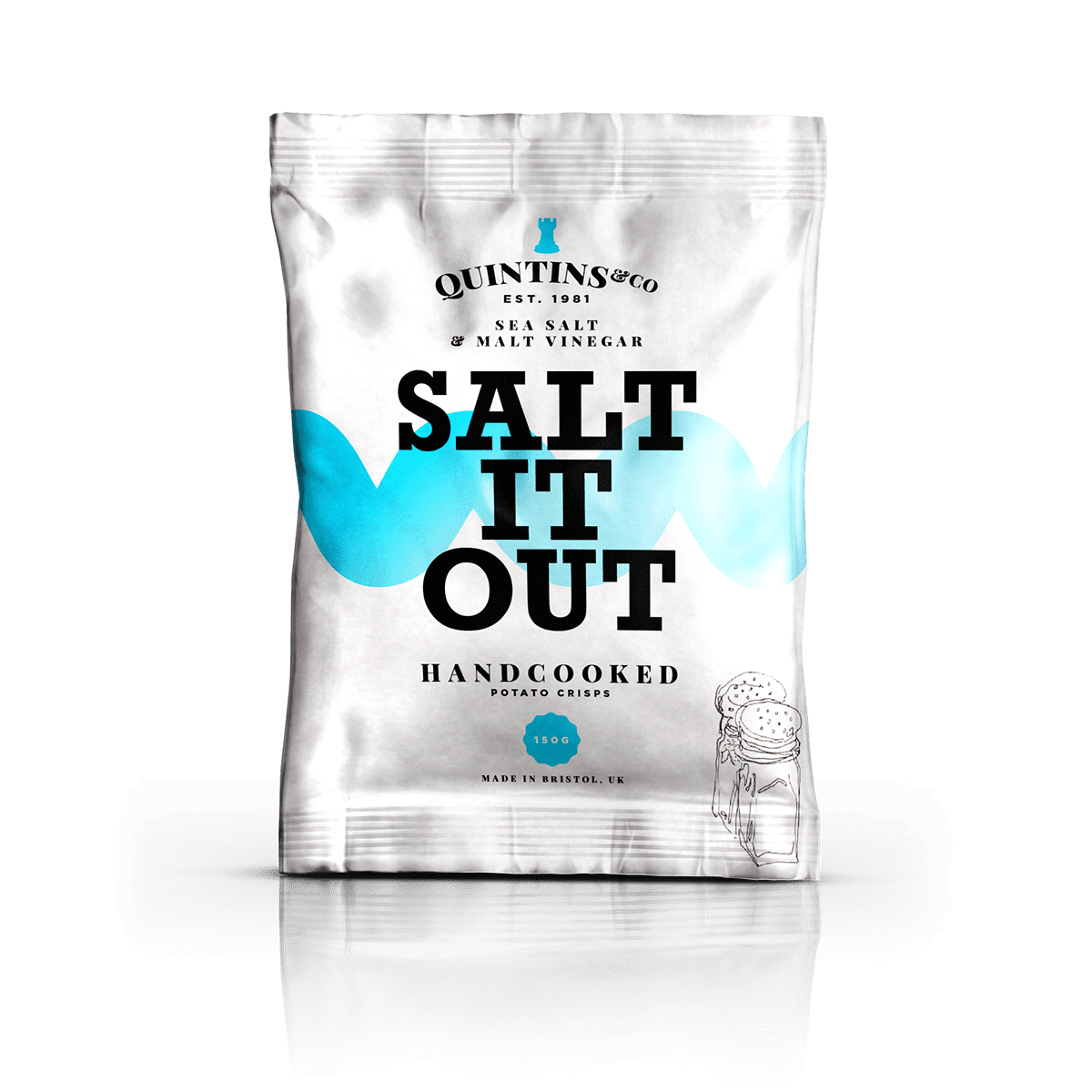
- Classic Aesthetics: Timeless designs often appeal more than trendy ones. Packaging that reflects tradition and quality can be particularly attractive to this demographic.
Focusing on Functionality and Accessibility
Consider the ergonomic aspects of packaging to cater to the diverse needs of baby boomers.
- Easy-to-Open Packaging: Ensure packaging is not difficult to open, considering factors like grip strength and ease of access.
- Clear Instructions: Provide straightforward instructions or guidance, making it easy for consumers to understand how to use or store the product.
Incorporating Technology Tactfully
While baby boomers are increasingly tech-savvy, the integration of technology in packaging should be thoughtful and purposeful.
- QR Codes for Additional Information: Utilize QR codes to give access to more detailed product information or instructional videos, which can be helpful without being intrusive.
- Subtle Digital Engagement: Any digital elements should enhance the product experience in a user-friendly manner.
Building Brand Loyalty
Brand loyalty is often strong among baby boomers, making it important to reinforce trust through packaging.
- Brand Storytelling: Use packaging to tell your brand’s story or to highlight its heritage and values.
- Consistent Branding: Maintain consistent branding across all packaging. Sudden changes can be jarring to a demographic that values consistency and reliability.
Sustainable Options
Sustainability is becoming increasingly important, even for traditionalist demographics like baby boomers.
- Eco-Friendly Materials: Incorporate recyclable or sustainable materials where possible.
- Minimal Waste: Design packaging that avoids unnecessary waste, aligning with the growing environmental consciousness.
If you are interested packaging strategies for baby boomers, then partner with Brown Packaging today to get started.
Subscription packaging continues to expand across beauty, food, lifestyle, and specialty products. Buyers must balance branding, protection, and sustainability while keeping fulfillment efficient. This checklist highlights the critical areas buyers should review in 2026 when sourcing or redesigning subscription packaging. Branding and Unboxing Experience Seasonal or rotating graphics to keep unboxing fresh. Premium finishes such as foil, embossing, or unique die-cuts. Easy-open features like tear strips for convenience. Right-Sizing and Efficiency Reduce DIM charges with packaging tailored to product sizes. Use modular designs to cover multiple SKUs with fewer box sizes. Ensure packaging works with automation to speed fulfillment. Protection and Durability Inserts that prevent product shifting during transit. ISTA-tested designs to withstand vibration and drops. Moisture-resistant coatings for temperature-sensitive items. Sustainability Requirements FSC-certified corrugated or recycled substrates. Recyclable coatings or compostable options. Clear sustainability messaging to support consumer expectations. Cost Control SKU rationalization to limit unnecessary box variations. Material selection that balances protection and price. Supplier contracts that secure pricing for seasonal peaks. Packaging Solutions with Brown Packaging Brown Packaging designs subscription packaging that combines branding, protection, and sustainability. From FSC-certified corrugated to custom inserts, our solutions help buyers create packaging that builds loyalty and controls costs in 2026. Contact us to review your subscription packaging program. References Sustainable Packaging Coalition. (2023). Subscription Packaging and Consumer Insights. Retrieved from https://sustainablepackaging.orgForest Stewardship Council (FSC). (2023). FSC Certification Guidelines for Packaging. Retrieved from https://fsc.orgInternational Safe Transit Association (ISTA). (2023). ISTA Testing Procedures for Transport Packaging. Retrieved from https://ista.org (714)300-0650 request@brownpackaging.com Most Recent Posts: Categories: Corrugated Ecommerce ESD Design Display Flexible Packaging Foam Folding Carton Packaging Plastic Packaging Pouch Printing Protection Retail Rigid Box Thermoform Sustainability Subscribe To Our Newsletter By submitting your information, you agree to our terms and conditions and privacy policy. Ecommerce Packaging Facebook Twitter LinkedIn Pinterest Relevant Posts
As budgets tighten in 2026, packaging buyers are under pressure to reduce costs without increasing damage rates. Cutting too aggressively can lead to product loss, higher return rates, and frustrated customers. The key is balancing material use, box design, and supply chain efficiency so that savings do not come at the expense of protection. Where Packaging Costs Add Up Oversized boxes: Drive dimensional weight charges. Excess materials: Overuse of void fill and inserts. Complex SKU mix: Redundant sizes increase inventory costs. Inefficient freight: Poor palletization and stacking. Cost-Saving Strategies That Maintain Protection Right-sizing: Match box size to product dimensions to cut DIM charges and material use. Optimize corrugated grades: Switch to single- or double-wall where appropriate without compromising strength. Consolidate SKUs: Streamline packaging options to reduce inventory overhead. Efficient inserts: Replace foam or excess dunnage with engineered corrugated or molded pulp. Supplier contracts: Negotiate based on annual volumes, not just peak season orders. Testing Before Implementing Changes Use ASTM and ISTA protocols to ensure changes won’t increase product damage. Test for compression, vibration, and drop resistance. Run pilot shipments before scaling across the supply chain. Balancing Sustainability and Cost Eco-friendly doesn’t have to mean expensive: Use recyclable coatings to reduce plastic films. Choose corrugated designs that require less material while maintaining stacking strength. Highlight sustainable solutions in marketing to offset cost concerns. Packaging Solutions with Brown Packaging Brown Packaging helps companies lower costs while protecting products across the supply chain. From SKU rationalization to right-sized corrugated solutions, our team ensures packaging savings don’t compromise performance. Contact us to optimize your packaging program. References Soroka, W. (2009). Fundamentals of Packaging Technology (4th ed.). Institute of Packaging Professionals.ASTM International. (2023). ASTM D4169: Standard Practice for Performance Testing of Shipping Containers and Systems.Sustainable Packaging Coalition. (2023). Packaging Efficiency and Waste Reduction Report. Retrieved from https://sustainablepackaging.org (714)300-0650 request@brownpackaging.com Most Recent Posts: Categories: Corrugated Ecommerce ESD Design Display Flexible Packaging Foam Folding Carton Packaging Plastic Packaging Pouch Printing Protection Retail Rigid Box Thermoform Sustainability Subscribe To Our Newsletter By submitting your information, you agree to our terms and conditions and privacy policy. Custom Packaging Facebook Twitter LinkedIn Pinterest Relevant Posts
Product damage is one of the most expensive risks in packaging. Beyond replacement costs, damaged goods lead to lost sales, returns, and reputational harm. In 2026, complex e-commerce, global shipping, and automation create new challenges for packaging buyers. The right materials, testing, and design strategies are critical to protecting products while controlling costs. Why Damage Prevention Matters Financial losses: Damaged products increase replacement and freight costs. Customer impact: Poor delivery experience reduces loyalty and repeat sales. Sustainability: Returns and waste drive higher carbon footprints. Compliance: Retailers often impose penalties for damaged shipments. Common Causes of Product Damage Compression: Pallet stacking weakens boxes in transit. Vibration and shock: Long-haul shipping increases risk. Moisture exposure: Humidity and rain compromise corrugated performance. Poor right-sizing: Oversized boxes allow product movement inside. Strategies to Reduce Damage in 2026 Right-size packaging: Minimize empty space and movement. Material optimization: Choose the correct corrugated grade for load demands. Protective inserts: Molded pulp or engineered corrugated reduce shock. Moisture-resistant coatings: Defend against water and humidity. Automation-friendly design: Prevent jams that damage products on high-speed lines. Testing Protocols for Damage Prevention ISTA testing: Simulates vibration, drops, and compression. ASTM standards: Validate packaging strength and durability. Pilot shipments: Real-world trials confirm lab results. Packaging Solutions with Brown Packaging Brown Packaging designs solutions that minimize damage across today’s complex supply chains. From right-sized corrugated to ISTA-tested inserts, we help buyers protect products while reducing costs. Contact us to strengthen your packaging program. References ASTM International. (2023). ASTM D4169: Standard Practice for Performance Testing of Shipping Containers and Systems.International Safe Transit Association (ISTA). (2023). ISTA Testing Procedures for Transport Packaging. Retrieved from https://ista.orgSoroka, W. (2009). Fundamentals of Packaging Technology (4th ed.). Institute of Packaging Professionals. (714)300-0650 request@brownpackaging.com Most Recent Posts: Categories: Corrugated Ecommerce ESD Design Display Flexible Packaging Foam Folding Carton Packaging Plastic Packaging Pouch Printing Protection Retail Rigid Box Thermoform Sustainability Subscribe To Our Newsletter By submitting your information, you agree to our terms and conditions and privacy policy. Custom Packaging Facebook Twitter LinkedIn Pinterest Relevant Posts
Retail packaging continues to evolve as brands balance sustainability, supply chain performance, and consumer experience. In 2026, buyers face new challenges shaped by material innovation, compliance requirements, and rising consumer expectations. Understanding these trends helps companies stay competitive while aligning packaging programs with industry standards. Sustainability Becomes Non-Negotiable Greater use of recyclable and compostable substrates. Retailers pushing suppliers toward FSC-certified materials. Minimalist designs that reduce waste without losing impact. Smarter Packaging for Supply Chains Increased adoption of right-sizing to reduce freight costs. Boxes designed for automation and faster fulfillment. Stronger corrugated grades to withstand long e-commerce journeys. Enhanced Consumer Experience Custom graphics for seasonal campaigns and limited editions. Tear strips, resealable closures, and window cutouts for convenience. Premium finishes that elevate gift packaging at retail. Growth of Hybrid Packaging Formats Combining corrugated strength with folding carton graphics. Modular designs for multi-SKU and club store environments. Packaging engineered to serve both e-commerce and in-store needs. Compliance and Testing Standards Retailers demanding ISTA and ASTM testing for packaging durability. Supply chain audits on recyclability and sustainability claims. More pressure for transparent reporting on environmental impact. Retail Packaging Solutions with Brown Packaging Brown Packaging helps brands adapt to evolving retail packaging trends. From sustainable substrates to automation-friendly designs, our solutions balance branding, durability, and compliance for 2026. Contact us to prepare your packaging program for the year ahead. References Forest Stewardship Council (FSC). (2023). FSC Packaging Certification Guidelines. Retrieved from https://fsc.orgSustainable Packaging Coalition. (2023). Packaging Trends and Consumer Insights. Retrieved from https://sustainablepackaging.orgSoroka, W. (2009). Fundamentals of Packaging Technology (4th ed.). Institute of Packaging Professionals. (714)300-0650 request@brownpackaging.com Most Recent Posts: Categories: Corrugated Ecommerce ESD Design Display Flexible Packaging Foam Folding Carton Packaging Plastic Packaging Pouch Printing Protection Retail Rigid Box Thermoform Sustainability Subscribe To Our Newsletter By submitting your information, you agree to our terms and conditions and privacy policy. Custom Packaging Facebook Twitter LinkedIn Pinterest Relevant Posts
Supplier contracts can make or break a packaging program. Without the right terms, buyers risk price volatility, missed lead times, and inconsistent product quality. In 2026, negotiating smart contracts is essential for controlling costs, securing reliable supply, and meeting compliance requirements. Why Packaging Contracts Matter Cost stability: Protects against sudden raw material price spikes. Supply security: Ensures availability during peak demand. Quality control: Aligns suppliers with testing and compliance standards. Operational efficiency: Streamlines purchasing and reduces administrative burden. Key Terms Buyers Should Negotiate Volume commitments: Secure better pricing with accurate forecasts. Price adjustment clauses: Define when and how costs can change. Lead times and delivery windows: Avoid shortages and production delays. Testing and compliance: Require ISTA, ASTM, or FSC certification where applicable. Sustainability commitments: Ensure suppliers align with environmental goals. Risks of Weak Contracts Paying inflated prices during market fluctuations. Receiving inconsistent corrugated strength or print quality. Missed shipments leading to costly expedited freight. Difficulty meeting retailer or regulatory compliance. Best Practices for Buyers in 2026 Leverage data: Use past order history to negotiate realistic volumes. Dual sourcing: Maintain backup suppliers for risk management. Annual reviews: Reassess terms to reflect changes in demand and compliance. Collaborative approach: Treat suppliers as partners, not just vendors. Packaging Solutions with Brown Packaging Brown Packaging helps buyers secure strong supplier contracts that balance cost, quality, and supply chain reliability. Our partnerships and industry expertise ensure your packaging program is protected for 2026 and beyond. Contact us to discuss supplier solutions. References Soroka, W. (2009). Fundamentals of Packaging Technology (4th ed.). Institute of Packaging Professionals.Fiber Box Association. (2024). Corrugated Packaging Market Outlook. Retrieved from https://www.fibrebox.orgSustainable Packaging Coalition. (2023). Supplier Standards for Sustainable Packaging. Retrieved from https://sustainablepackaging.org (714)300-0650 request@brownpackaging.com Most Recent Posts: Categories: Corrugated Ecommerce ESD Design Display Flexible Packaging Foam Folding Carton Packaging Plastic Packaging Pouch Printing Protection Retail Rigid Box Thermoform Sustainability Subscribe To Our Newsletter By submitting your information, you agree to our terms and conditions and privacy policy. Custom Packaging Facebook Twitter LinkedIn Pinterest Relevant Posts
Packaging compliance is no longer optional—it’s a requirement for accessing retail shelves, shipping networks, and international markets. In 2026, buyers must navigate evolving regulations around sustainability, labeling, and testing to avoid costly fines, rejected shipments, or damaged customer relationships. Why Compliance Matters in 2026 Retail requirements: Major retailers demand FSC, ISTA, and sustainability certifications. E-commerce standards: Carriers enforce dimensional weight and package testing rules. Global trade: Export packaging must comply with ISPM 15, ASTM, and ISO guidelines. Consumer trust: Transparency in packaging claims impacts purchasing decisions. Key Compliance Areas for Buyers Material sourcing: FSC-certified corrugated and board for sustainability. Labeling standards: GS1-compliant barcodes and accurate product details. Durability testing: ISTA and ASTM protocols for drop, vibration, and compression. Sustainability regulations: Requirements for recyclable or compostable materials. Chemical restrictions: Compliance with FDA, EU, or state-specific standards. Common Compliance Challenges Keeping up with frequent regulatory changes. Managing multiple certifications across suppliers. Balancing compliance with cost-efficiency. Verifying supplier claims for sustainability. Best Practices for Staying Compliant Audit suppliers annually to confirm certification validity. Run internal packaging tests before scaling. Track regulatory updates for each region you ship to. Work with experienced partners who understand industry compliance. Packaging Solutions with Brown Packaging Brown Packaging helps buyers meet 2026 compliance standards with FSC-certified materials, ISTA-tested designs, and regulatory expertise. Our team ensures your packaging meets retailer, carrier, and sustainability requirements. Contact us to keep your program compliant. References Forest Stewardship Council (FSC). (2023). FSC Certification Guidelines for Packaging. Retrieved from https://fsc.orgInternational Safe Transit Association (ISTA). (2023). ISTA Testing Procedures for Transport Packaging. Retrieved from https://ista.orgGS1. (2024). Global Standards for Packaging and Labeling. Retrieved from https://www.gs1.org (714)300-0650 request@brownpackaging.com Most Recent Posts: Categories: Corrugated Ecommerce ESD Design Display Flexible Packaging Foam Folding Carton Packaging Plastic Packaging Pouch Printing Protection Retail Rigid Box Thermoform Sustainability Subscribe To Our Newsletter By submitting your information, you agree to our terms and conditions and privacy policy. Custom Packaging Facebook Twitter LinkedIn Pinterest Relevant Posts
Home » Packaging Strategies for Baby Boomers

Point of Purchase (POP) displays are a dynamic marketing tool used to engage customers and boost sales at the point of decision-making. Whether you’re a retailer or a brand looking to promote your products effectively, creating a successful POP display requires careful planning and execution. In this comprehensive buyer’s guide, we’ll walk you through the essential 10 steps to begin your journey into the world of POP displays. Define Your Goals and Objectives Know Your Target Audience Determine Placement Design the Display Budget and Resources Manufacturing and Assembly Testing and Refinement Deployment and Installation Monitor and Evaluate Adapt and Optimize Step 1: Define Your Goals and Objectives Before diving into the design and creation of a POP display, it’s crucial to establish clear goals and objectives. Ask yourself: What specific products or promotions do you want to highlight? What are your sales targets and timeframes? Are you aiming to increase brand visibility, introduce a new product, or boost impulse purchases? Having a well-defined purpose for your POP display will guide your decision-making throughout the process. Step 2: Know Your Target Audience Understanding your target audience is fundamental to designing an effective POP display. Consider factors such as demographics, preferences, and buying behavior. Knowing your audience allows you to tailor your display to appeal directly to them. Step 3: Determine Placement Identify the optimal location for your POP display within the retail space. Factors to consider include foot traffic patterns, visibility, and proximity to related products. Collaborate with the retailer to secure a prime location if possible. Step 4: Design the Display This step involves creating the visual and structural elements of your POP display. Key considerations include: Eye-Catching Design: Use attractive visuals, colors, and graphics that align with your brand identity and resonate with your target audience. Product Placement: Arrange products strategically, ensuring they are accessible and easy to reach for customers. Signage and Messaging: Incorporate clear and concise signage that conveys product information, benefits, and pricing. Branding: Maintain consistency in branding elements, including logos, fonts, and color schemes. Materials and Durability: Select high-quality materials and construction that can withstand the rigors of a retail environment. Step 5: Budget and Resources Determine your budget for creating and implementing the POP display. Consider costs related to design, materials, manufacturing, and installation. Allocate resources accordingly to ensure a smooth execution. Step 6: Manufacturing and Assembly Choose a reputable manufacturer or supplier to bring your POP display to life. Ensure that the manufacturing process aligns with your design specifications and quality standards. Assembly and construction should be easy and straightforward for store personnel. Step 7: Testing and Refinement Before final deployment, conduct tests to ensure that the POP display functions as intended. Consider factors like customer interaction, stability, and overall appeal. Make any necessary refinements based on feedback and insights. Step 8: Deployment and Installation Coordinate with the retailer to install the POP display in the designated location. Ensure that installation is completed correctly and that all elements are in place. Step 9: Monitor and Evaluate Track the performance of your POP display by monitoring sales data, customer feedback, and other relevant metrics. Evaluate its effectiveness in achieving your goals and objectives. Step 10: Adapt and Optimize Based on your evaluation, make adjustments to your POP display strategy as needed. This could include changes in design, placement, messaging, or product selection. Continuously adapt and optimize your approach to maximize results. Conclusion Creating a successful POP display is a strategic process that begins with setting clear goals, understanding your audience, and carefully planning every aspect of design and execution. By following these essential steps outlined in this buyer’s guide, you can embark on your POP display journey with confidence, knowing that you are on the path to capturing customer attention, boosting sales, and enhancing your brand’s visibility in the retail environment. Keep in mind that ongoing evaluation and adaptation are key to ensuring the continued success of your POP displays. If you are interested in point of purchase displays, then partner with Brown Packaging today to get started. (714)300-0650 request@brownpackaging.com Most Recent Posts: Categories: Corrugated Ecommerce ESD Design Display Flexible Packaging Foam Folding Carton Packaging Plastic Packaging Pouch Printing Protection Retail Rigid Box Thermoform Sustainability Subscribe To Our Newsletter By submitting your information, you agree to our terms and conditions and privacy policy. POP Displays Facebook Twitter LinkedIn Pinterest Relevant Posts

In 2026, sustainability is no longer just a trend—it’s a buyer expectation. Forest Stewardship Council (FSC) certification has become a key benchmark for responsible packaging, signaling that materials are sourced from responsibly managed forests. For packaging buyers, FSC certification is more than a compliance checkbox—it’s a brand value that influences purchasing decisions, retailer acceptance, and customer loyalty. What Is FSC Certification? The Forest Stewardship Council certifies that paper-based packaging materials are sourced from forests managed for environmental responsibility, social benefit, and economic viability. FSC Mix: Packaging contains a blend of FSC-certified and controlled wood. FSC Recycled: Packaging is made entirely from recycled fiber. FSC 100%: Packaging is sourced only from FSC-certified forests. Why FSC Matters to Buyers in 2026 Retail access: Many major retailers now require FSC-certified packaging. Sustainability goals: Aligns with corporate ESG and carbon reduction commitments. Consumer trust: Customers recognize the FSC label and view it as credible. Global compliance: Meets international sustainability regulations. How FSC Certification Strengthens Brand Value Differentiation: Stand out with certified sustainable packaging. Marketing advantage: FSC logos reinforce eco-friendly messaging. Risk reduction: Verified sourcing prevents greenwashing claims. Customer loyalty: Environmentally conscious buyers prefer certified products. Challenges in FSC Implementation Limited supply of certain FSC substrates. Higher costs compared to non-certified materials. Need for supplier audits and documentation. Packaging Solutions with Brown Packaging Brown Packaging partners with buyers to integrate FSC-certified materials into corrugated boxes, folding cartons, and retail packaging. Our solutions support sustainability while maintaining cost efficiency and protection. Contact us to strengthen your brand with FSC-certified packaging. References Forest Stewardship Council (FSC). (2023). FSC Certification Guidelines for Packaging. Retrieved from https://fsc.orgSustainable Packaging Coalition. (2023). Consumer Insights on Sustainable Packaging. Retrieved from https://sustainablepackaging.orgSoroka, W. (2009). Fundamentals of Packaging Technology (4th ed.). Institute of Packaging Professionals. (714)300-0650 request@brownpackaging.com Most Recent Posts: Subscribe To Our Newsletter By submitting your information, you agree to our terms and conditions and privacy policy. Sustainable Packaging Facebook Twitter LinkedIn Pinterest Relevant Posts

The holiday season pushes packaging supply chains to their limits. With surging e-commerce demand, constrained carrier capacity, and rising material costs, packaging buyers must navigate a complex landscape. The right packaging choices can ease stress on the supply chain, while poor design or sourcing decisions can amplify bottlenecks, drive up costs, and increase product damage. How the Holiday Season Strains Supply Chains Higher order volumes: Warehouses and carriers face peak loads. Material shortages: High demand for corrugated and mailers creates lead time risks. Carrier delays: Overloaded networks increase transit times and handling. Labor constraints: Seasonal staff may have less training in handling. These factors combine to increase both risk and cost for packaging programs Packaging Strategies to Reduce Stress Source early: Secure corrugated, mailers, and all packaging materials before peak demand. Standardize SKUs: Fewer box sizes streamline fulfillment and stocking. Right-size for freight: Reduce DIM charges and optimize pallet loads. Reinforce durability: Stronger boxes prevent returns from mishandling. Flat-pack efficiency: Displays and cartons that ship compactly save space. Balancing Speed and Protection The challenge lies in balancing speed with durability. Overbuilt boxes slow down assembly and inflate costs, while underbuilt packaging risks damage and returns. Buyers must focus on: Identifying high-risk SKUs for reinforced protection. Using inserts or coatings to strengthen vulnerable products. Testing packaging under simulated peak season conditions. The Role of Sustainability in Peak Season Shoppers expect sustainable packaging even during high-volume periods. Supply chain stress is amplified when packaging is overbuilt or wasteful. Using recyclable corrugated or paper-based void fill balances eco goals with functionality. Holiday Packaging Solutions with Brown Packaging Brown Packaging helps brands prepare for peak season by engineering packaging that reduces supply chain stress. From durable corrugated solutions to optimized freight efficiency, our programs balance cost, sustainability, and performance. Contact us to get your packaging supply chain ready for the holidays. References Soroka, W. (2009). Fundamentals of Packaging Technology (4th ed.). Institute of Packaging Professionals.GS1. (2022). Retail Supply Chain Standards for Packaging and Logistics. Retrieved from https://www.gs1.orgUPS. (2023). Holiday Shipping Deadlines and Carrier Capacity Updates. Retrieved from https://www.ups.com (714)300-0650 request@brownpackaging.com Most Recent Posts: Categories: Corrugated Ecommerce ESD Design Display Flexible Packaging Foam Folding Carton Packaging Plastic Packaging Pouch Printing Protection Retail Rigid Box Thermoform Sustainability Subscribe To Our Newsletter By submitting your information, you agree to our terms and conditions and privacy policy. Ecommerce Packaging Facebook Twitter LinkedIn Pinterest Relevant Posts