

Home » Why Brands Are Turning to Flexible Packaging
Why Brands Are Turning to Flexible Packaging
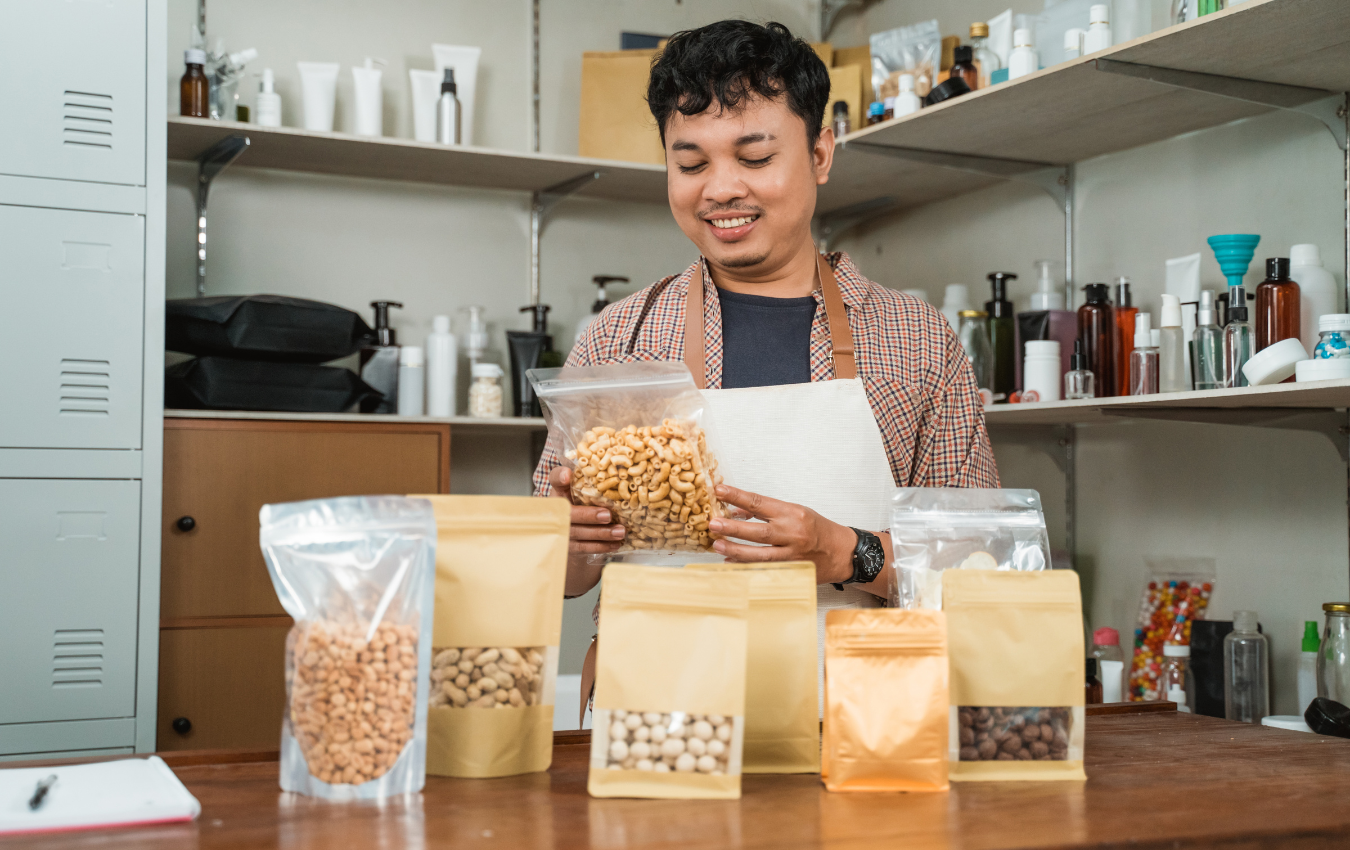
When you think about product packaging, your mind probably jumps to traditional solutions like plastic containers, cans, or cardboard boxes. However, a dramatic shift is taking place in the industry, with more and more brands embracing flexible packaging. This transition doesn’t just benefit the businesses adopting this approach, but it also has implications for consumers and the environment. Let’s delve deeper into why brands are turning to flexible packaging.
Cost-Effectiveness
One of the primary reasons businesses are gravitating towards flexible packaging is its cost-effectiveness. Compared to rigid packaging, flexible packaging often requires less material. This decrease in material not only reduces the upfront cost for the company but also means that less energy is consumed during production, which results in a lower overall manufacturing cost.
Furthermore, flexible packaging is lighter and compact, which means it requires less storage space and reduces transportation costs. Consequently, the savings can be passed on to the consumer, leading to a competitive price point on the shelf.
Enhanced Brand Appeal and Marketing Capabilities
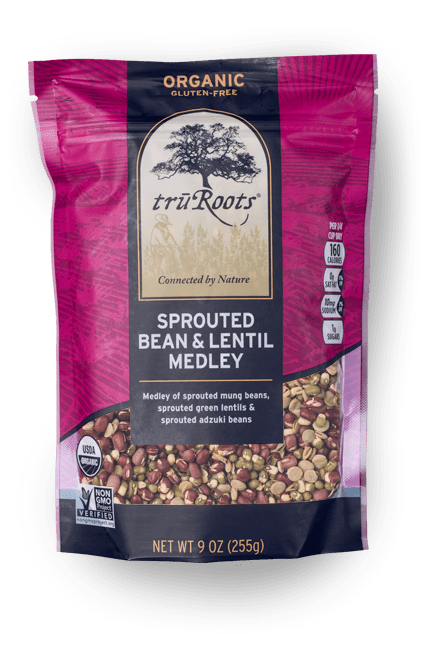
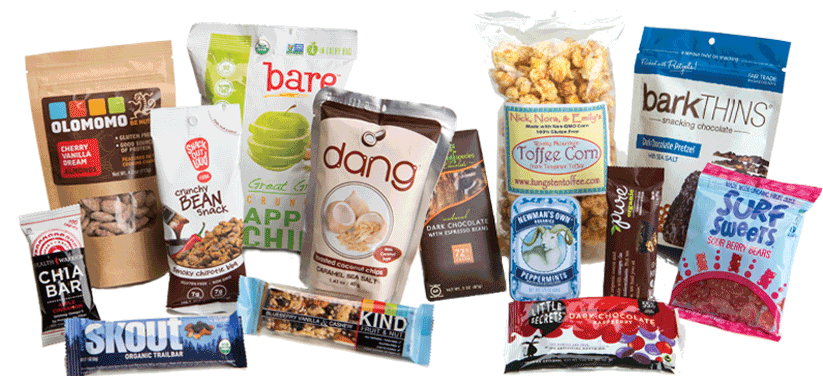
Flexible packaging offers a wide array of creative design opportunities. The surface of flexible packaging provides a larger area for product information, instructions, and branding elements compared to traditional rigid packaging. This allows companies to create more engaging and informative packaging, enhancing their brand appeal and increasing their product’s visibility on store shelves.
Moreover, the ability to use high-quality graphics and vibrant colors on flexible packaging helps brands to stand out in a crowded marketplace and make a stronger connection with consumers.
Convenience and User Experience
In today’s fast-paced world, consumers prioritize convenience. They desire products that are easy to use, transport, and store. Flexible packaging aligns perfectly with these consumer demands. Packages can be resealable, easy to open, and can even include features like spouts for easy pouring.
In addition, flexible packaging can be engineered to improve the freshness of food items, offering a more extended shelf-life. This enhanced preservation functionality is particularly appealing to consumers and can lead to increased brand loyalty.
Sustainability
In the face of increasing environmental concerns, brands are under pressure to minimize their ecological footprint. Flexible packaging often utilizes less material and energy during production and transportation compared to traditional packaging, thereby reducing CO2 emissions. As consumers become more environmentally conscious, brands that utilize sustainable packaging options are likely to be favored over those that don’t.
Adaptability
Finally, flexible packaging offers a high degree of adaptability. It can be tailored to suit a wide range of product shapes, sizes, and types, from food items to beauty products, and everything in between. It can also accommodate various product delivery methods, like squeeze pouches or stand-up pouches with zip locks. This versatility means that no matter what a company’s specific needs may be, flexible packaging can be customized to meet them.
Final Thoughts: Why Brands Are Shifting Towards Flexible Packaging
The shift towards flexible packaging signifies a crucial evolution in the packaging industry. It provides brands with a host of benefits, from cost-effectiveness and enhanced brand appeal to improved user experience, sustainability, and adaptability. With these advantages, it’s no surprise that more and more brands are choosing flexible packaging as their go-to solution. Whether you’re a brand looking to reinvent your packaging or a consumer keen to understand the changes you’re seeing on store shelves, the rise of flexible packaging is an exciting development that’s set to shape the future of product packaging.
If you are interested in flexible packaging, then partner with Brown Packaging today.
Sustainable packaging in 2027 will be less about broad claims and more about proof, performance, compliance, and cost control. Buyers will still care about recyclable
A folding carton may look simple once it reaches the shelf, but it goes through a controlled production process before it becomes a finished package.
Folding carton production is becoming more automated because buyers are asking for faster timelines, tighter consistency, and more flexibility across more SKUs. Shorter product lifecycles,
Folding carton style matters because structure affects more than appearance. The right carton can improve shelf presentation, packing speed, product access, closure security, storage efficiency,
Pouch packaging trends in 2027 will be shaped by convenience, shelf impact, sustainability pressure, sealing performance, automation, ecommerce growth, and total packaging cost. Buyers will
Corrugated box trends in 2027 will be driven by a practical mix of cost control, sustainability, ecommerce growth, automation, retail requirements, and supply chain performance.
By submitting your information, you agree to our terms and conditions and privacy policy.

Home » Why Brands Are Turning to Flexible Packaging

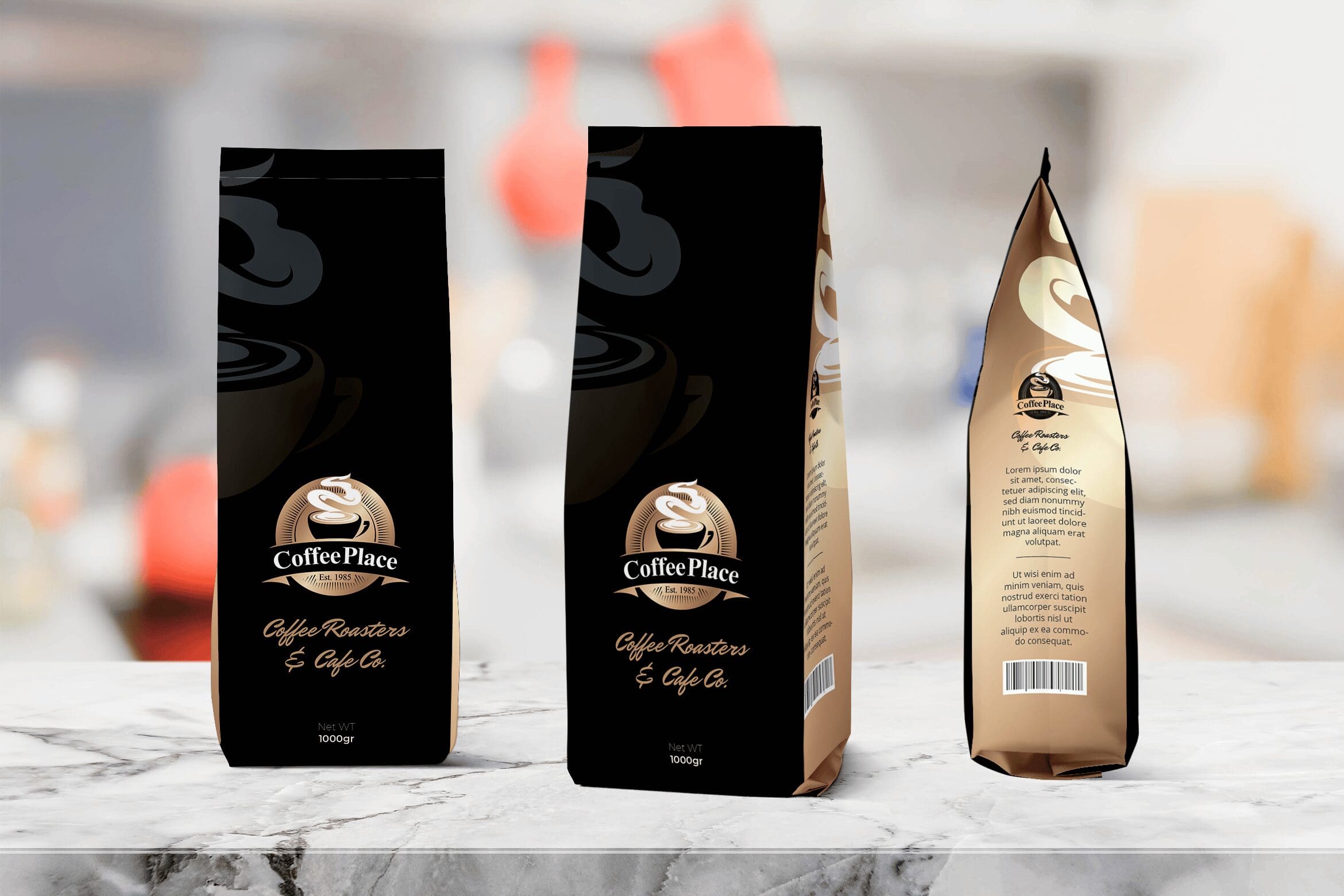

Gusseted bags are designed with extra folds of material at the sides or bottom to increase capacity and structural support. This feature makes them ideal
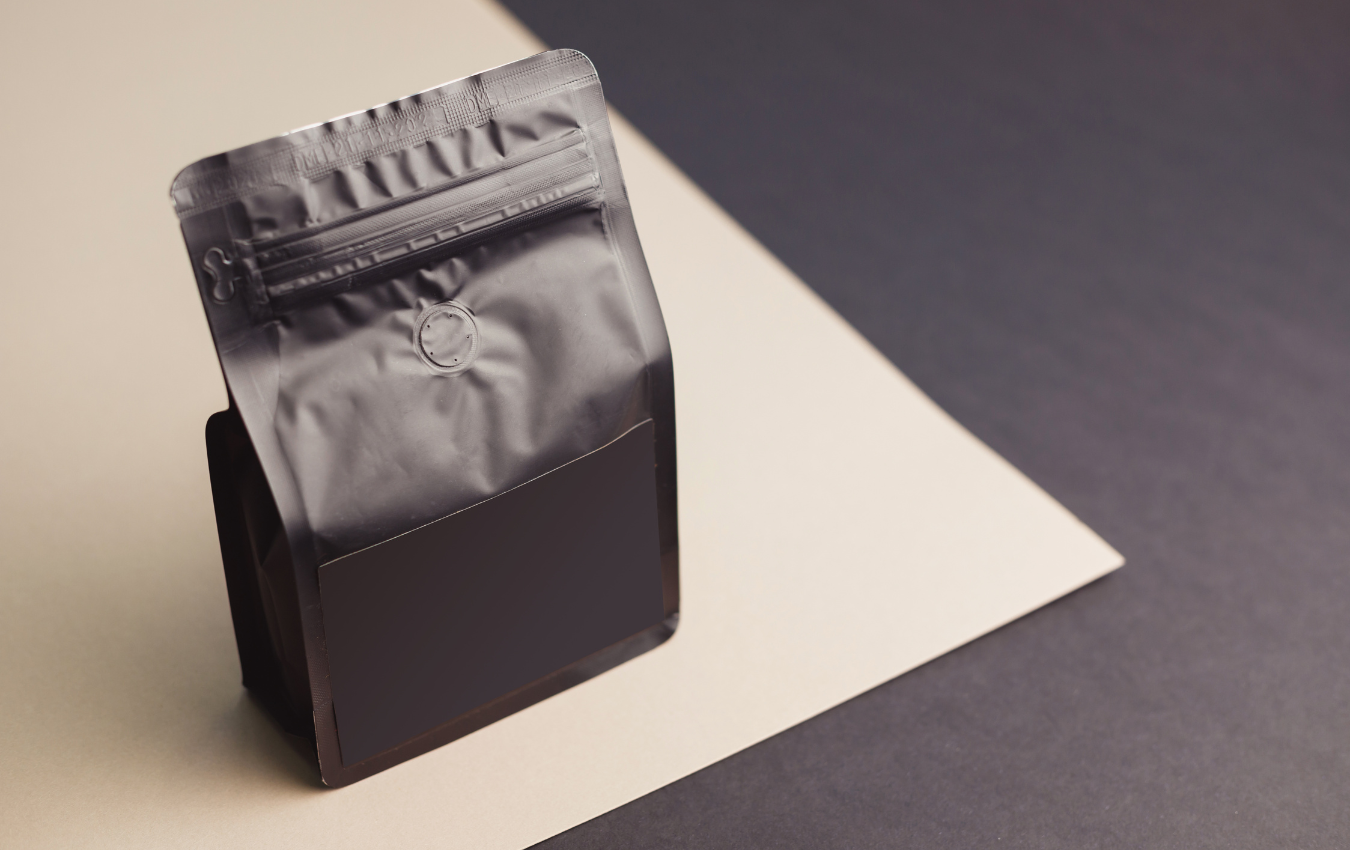
In the dynamic world of packaging, one must constantly innovate to maintain a competitive edge. As we move through 2024, custom pouch packaging is standing
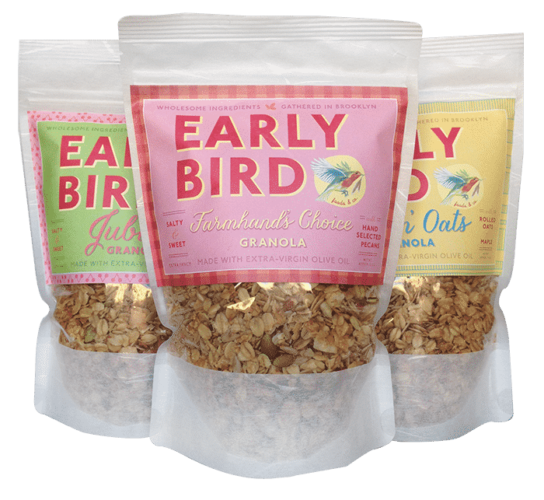
Pouch packaging continues to gain traction across industries due to its versatility, lightweight nature, and eco-friendly potential. In 2025, brands will adopt innovative and sustainable