
window.uetq = window.uetq || []; window.uetq.push(‘event’, ‘submit_lead_form’,{ event_label:‘SUBMIT MESSAGE’ }); window.lintrk('track', { conversion_id: 10271009 }); window.lintrk('track', { conversion_id: 10271017 });

E-commerce Packaging for Small Businesses: Delivering Excellence from the Start

E-commerce Packaging for Small Businesses: Delivering Excellence from the Start

In the rapidly evolving world of online retail, small businesses are finding their niche and flourishing. With e-commerce becoming a powerful avenue for growth, the significance of packaging cannot be overstated. Your packaging is not just a means to deliver products; it’s an opportunity to create memorable experiences and establish your brand identity. In this comprehensive guide, we’ll delve into the art and science of e-commerce packaging for small businesses, helping you navigate the process to ensure customer satisfaction, brand recognition, and sustainable success.

Why E-commerce Packaging Matters for Small Businesses

E-commerce packaging isn’t just about enclosing products for shipment; it’s your first interaction with customers. It sets the tone for what’s inside and how your brand is perceived. For small businesses, packaging plays a pivotal role in:

  1. Brand Identity: Your packaging is a canvas to showcase your brand personality and values. Thoughtful design and branding elements create an unforgettable impression.
  2. Customer Experience: E-commerce packaging can elevate the unboxing experience. Anticipation, excitement, and surprise are emotions that can turn one-time buyers into loyal customers.
  3. Differentiation: In a crowded marketplace, distinctive packaging can help you stand out from competitors and pique interest.
  4. Protection: Ensuring products arrive in perfect condition builds trust and reduces returns. Choosing the right packaging materials and designs is crucial.
  5. Sustainability: Consumers today value eco-friendly practices. Opting for sustainable packaging not only aligns with values but also appeals to environmentally conscious customers.

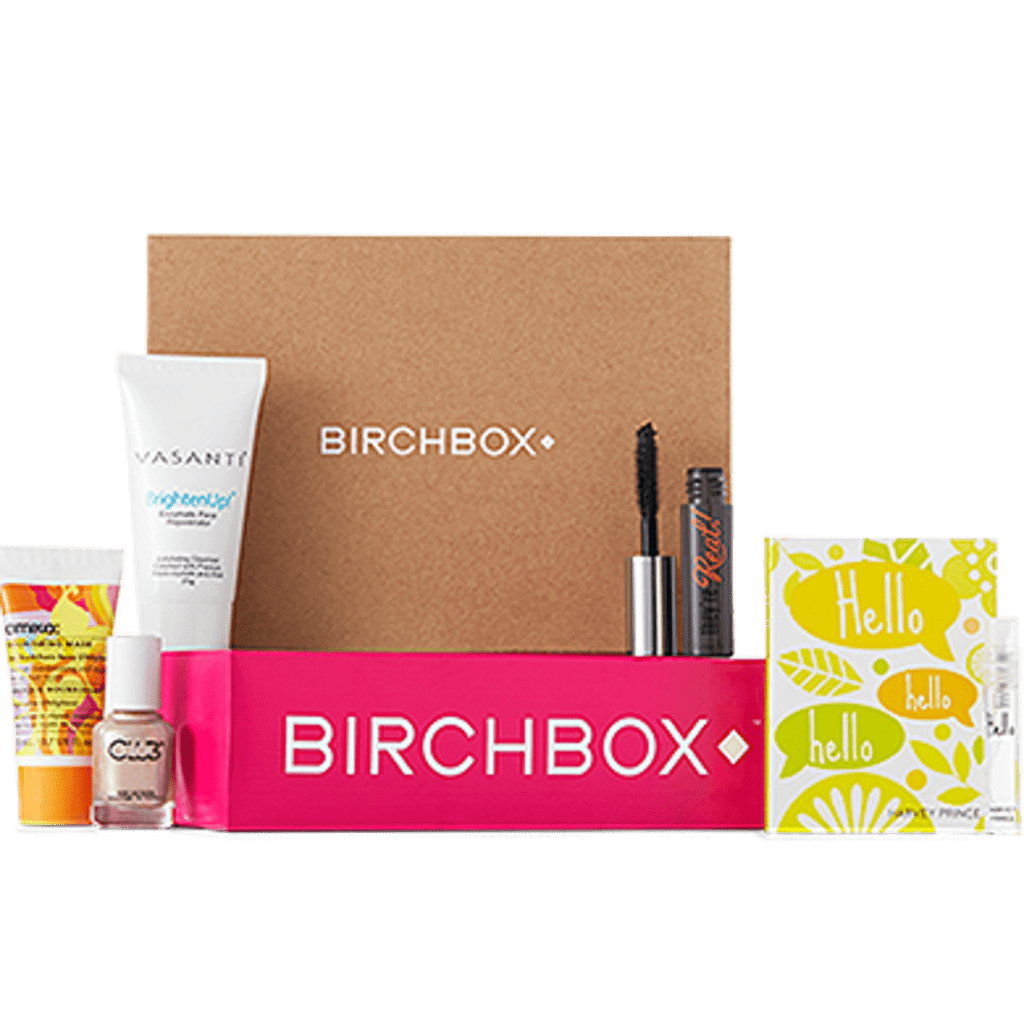
Unboxing Experience

Key Elements of Effective E-commerce Packaging

  1. Right Materials: Choosing the right packaging materials ensures products are protected during transit. Consider factors like fragility, weight, and environmental impact.
  2. Branding: Packaging is an extension of your brand. Use consistent colors, logos, and messaging to create a recognizable brand presence.
  3. Customization: Tailor your packaging to your products. Boxes, envelopes, and inserts should be the right size to prevent excessive void space and unnecessary materials.
  4. Unboxing Experience: Surprise and delight customers with an engaging unboxing experience. Add personalized notes, samples, or QR codes for exclusive content.
  5. Sustainability: As sustainability gains importance, opt for recyclable, biodegradable, or reusable materials. Transparently communicate your eco-friendly choices to customers.

Designing Your E-commerce Packaging

  1. Simple Yet Striking: Keep designs clean and focused, aligning with your brand’s aesthetics. Bold typography, minimalist graphics, and high-quality images can create visual impact.
  2. Colors That Speak: Choose colors that resonate with your brand’s identity and evoke the right emotions in your customers. Consistency across your packaging and website enhances recognition.
  3. Practicality: While aesthetics matter, functionality is paramount. Ensure packaging is easy to assemble, seal, and open. Consider incorporating features like tear strips or resealable closures.
  4. Size Matters: Choose packaging sizes that minimize excess space and materials. It not only reduces shipping costs but also aligns with eco-friendly practices.
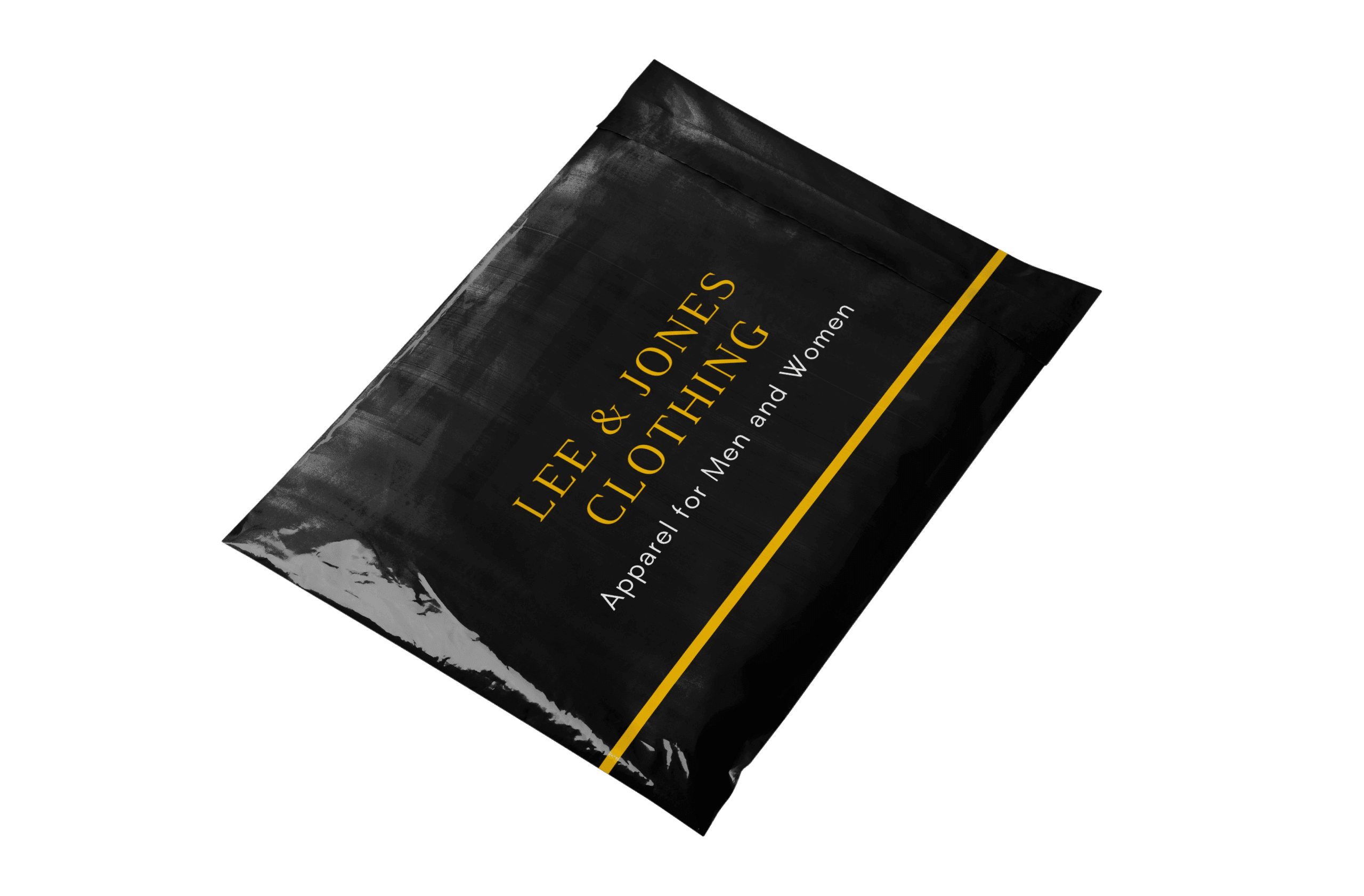
Poly Mailer With Logo

E-commerce Packaging Trends for Small Businesses

  1. Minimalist Design: Less is more. A clean, minimalist design creates a sense of sophistication and modernity.
  2. Personalization: Utilize customer data to create personalized packaging experiences. Add names, order details, or purchase history to foster a sense of connection.
  3. Sustainability Messaging: Communicate your commitment to sustainability on your packaging. Share your eco-friendly practices and encourage customers to recycle.
  4. Interactive Elements: Incorporate QR codes, augmented reality, or hidden messages to engage customers beyond the package.
  5. Functional Inserts: Include inserts that serve a purpose, such as assembly instructions, care guides, or QR codes for tutorials.

Choosing the Right Packaging Partner

For small businesses, partnering with a reliable packaging supplier can be a game-changer. Look for providers that offer customization options, eco-friendly materials, and scalability to grow with your business.

If you are interested in ecommerce packaging solutions, then partner with Brown Packaging today to get started.

Most Recent Posts:
Preventing Product Damage in 2026 Supply Chains

Product damage is one of the most expensive risks in packaging. Beyond replacement costs, damaged goods lead to lost sales, returns, and reputational harm. In 2026, complex e-commerce, global shipping, and automation create new challenges for packaging buyers. The right materials, testing, and design strategies are critical to protecting products while controlling costs. Why Damage Prevention Matters Financial losses: Damaged products increase replacement and freight costs. Customer impact: Poor delivery experience reduces loyalty and repeat sales. Sustainability: Returns and waste drive higher carbon footprints. Compliance: Retailers often impose penalties for damaged shipments. Common Causes of Product Damage Compression: Pallet stacking weakens boxes in transit. Vibration and shock: Long-haul shipping increases risk. Moisture exposure: Humidity and rain compromise corrugated performance. Poor right-sizing: Oversized boxes allow product movement inside. Strategies to Reduce Damage in 2026 Right-size packaging: Minimize empty space and movement. Material optimization: Choose the correct corrugated grade for load demands. Protective inserts: Molded pulp or engineered corrugated reduce shock. Moisture-resistant coatings: Defend against water and humidity. Automation-friendly design: Prevent jams that damage products on high-speed lines. Testing Protocols for Damage Prevention ISTA testing: Simulates vibration, drops, and compression. ASTM standards: Validate packaging strength and durability. Pilot shipments: Real-world trials confirm lab results. Packaging Solutions with Brown Packaging Brown Packaging designs solutions that minimize damage across today’s complex supply chains. From right-sized corrugated to ISTA-tested inserts, we help buyers protect products while reducing costs. Contact us to strengthen your packaging program. References ASTM International. (2023). ASTM D4169: Standard Practice for Performance Testing of Shipping Containers and Systems.International Safe Transit Association (ISTA). (2023). ISTA Testing Procedures for Transport Packaging. Retrieved from https://ista.orgSoroka, W. (2009). Fundamentals of Packaging Technology (4th ed.). Institute of Packaging Professionals. (714)300-0650 request@brownpackaging.com Most Recent Posts: Categories: Corrugated Ecommerce ESD Design Display Flexible Packaging Foam Folding Carton Packaging Plastic Packaging Pouch Printing Protection Retail Rigid Box Thermoform Sustainability Subscribe To Our Newsletter By submitting your information, you agree to our terms and conditions and privacy policy. Custom Packaging Facebook Twitter LinkedIn Pinterest Relevant Posts
Read More »
Retail Packaging Trends for 2026

Retail packaging continues to evolve as brands balance sustainability, supply chain performance, and consumer experience. In 2026, buyers face new challenges shaped by material innovation, compliance requirements, and rising consumer expectations. Understanding these trends helps companies stay competitive while aligning packaging programs with industry standards. Sustainability Becomes Non-Negotiable Greater use of recyclable and compostable substrates. Retailers pushing suppliers toward FSC-certified materials. Minimalist designs that reduce waste without losing impact. Smarter Packaging for Supply Chains Increased adoption of right-sizing to reduce freight costs. Boxes designed for automation and faster fulfillment. Stronger corrugated grades to withstand long e-commerce journeys. Enhanced Consumer Experience Custom graphics for seasonal campaigns and limited editions. Tear strips, resealable closures, and window cutouts for convenience. Premium finishes that elevate gift packaging at retail. Growth of Hybrid Packaging Formats Combining corrugated strength with folding carton graphics. Modular designs for multi-SKU and club store environments. Packaging engineered to serve both e-commerce and in-store needs. Compliance and Testing Standards Retailers demanding ISTA and ASTM testing for packaging durability. Supply chain audits on recyclability and sustainability claims. More pressure for transparent reporting on environmental impact. Retail Packaging Solutions with Brown Packaging Brown Packaging helps brands adapt to evolving retail packaging trends. From sustainable substrates to automation-friendly designs, our solutions balance branding, durability, and compliance for 2026. Contact us to prepare your packaging program for the year ahead. References Forest Stewardship Council (FSC). (2023). FSC Packaging Certification Guidelines. Retrieved from https://fsc.orgSustainable Packaging Coalition. (2023). Packaging Trends and Consumer Insights. Retrieved from https://sustainablepackaging.orgSoroka, W. (2009). Fundamentals of Packaging Technology (4th ed.). Institute of Packaging Professionals. (714)300-0650 request@brownpackaging.com Most Recent Posts: Categories: Corrugated Ecommerce ESD Design Display Flexible Packaging Foam Folding Carton Packaging Plastic Packaging Pouch Printing Protection Retail Rigid Box Thermoform Sustainability Subscribe To Our Newsletter By submitting your information, you agree to our terms and conditions and privacy policy. Custom Packaging Facebook Twitter LinkedIn Pinterest Relevant Posts

Read More »
Packaging Supplier Contracts: What Buyers Should Know

Supplier contracts can make or break a packaging program. Without the right terms, buyers risk price volatility, missed lead times, and inconsistent product quality. In 2026, negotiating smart contracts is essential for controlling costs, securing reliable supply, and meeting compliance requirements. Why Packaging Contracts Matter Cost stability: Protects against sudden raw material price spikes. Supply security: Ensures availability during peak demand. Quality control: Aligns suppliers with testing and compliance standards. Operational efficiency: Streamlines purchasing and reduces administrative burden. Key Terms Buyers Should Negotiate Volume commitments: Secure better pricing with accurate forecasts. Price adjustment clauses: Define when and how costs can change. Lead times and delivery windows: Avoid shortages and production delays. Testing and compliance: Require ISTA, ASTM, or FSC certification where applicable. Sustainability commitments: Ensure suppliers align with environmental goals. Risks of Weak Contracts Paying inflated prices during market fluctuations. Receiving inconsistent corrugated strength or print quality. Missed shipments leading to costly expedited freight. Difficulty meeting retailer or regulatory compliance. Best Practices for Buyers in 2026 Leverage data: Use past order history to negotiate realistic volumes. Dual sourcing: Maintain backup suppliers for risk management. Annual reviews: Reassess terms to reflect changes in demand and compliance. Collaborative approach: Treat suppliers as partners, not just vendors. Packaging Solutions with Brown Packaging Brown Packaging helps buyers secure strong supplier contracts that balance cost, quality, and supply chain reliability. Our partnerships and industry expertise ensure your packaging program is protected for 2026 and beyond. Contact us to discuss supplier solutions. References Soroka, W. (2009). Fundamentals of Packaging Technology (4th ed.). Institute of Packaging Professionals.Fiber Box Association. (2024). Corrugated Packaging Market Outlook. Retrieved from https://www.fibrebox.orgSustainable Packaging Coalition. (2023). Supplier Standards for Sustainable Packaging. Retrieved from https://sustainablepackaging.org (714)300-0650 request@brownpackaging.com Most Recent Posts: Categories: Corrugated Ecommerce ESD Design Display Flexible Packaging Foam Folding Carton Packaging Plastic Packaging Pouch Printing Protection Retail Rigid Box Thermoform Sustainability Subscribe To Our Newsletter By submitting your information, you agree to our terms and conditions and privacy policy. Custom Packaging Facebook Twitter LinkedIn Pinterest Relevant Posts

Read More »
Meeting 2026 Packaging Compliance Standards

Packaging compliance is no longer optional—it’s a requirement for accessing retail shelves, shipping networks, and international markets. In 2026, buyers must navigate evolving regulations around sustainability, labeling, and testing to avoid costly fines, rejected shipments, or damaged customer relationships. Why Compliance Matters in 2026 Retail requirements: Major retailers demand FSC, ISTA, and sustainability certifications. E-commerce standards: Carriers enforce dimensional weight and package testing rules. Global trade: Export packaging must comply with ISPM 15, ASTM, and ISO guidelines. Consumer trust: Transparency in packaging claims impacts purchasing decisions. Key Compliance Areas for Buyers Material sourcing: FSC-certified corrugated and board for sustainability. Labeling standards: GS1-compliant barcodes and accurate product details. Durability testing: ISTA and ASTM protocols for drop, vibration, and compression. Sustainability regulations: Requirements for recyclable or compostable materials. Chemical restrictions: Compliance with FDA, EU, or state-specific standards. Common Compliance Challenges Keeping up with frequent regulatory changes. Managing multiple certifications across suppliers. Balancing compliance with cost-efficiency. Verifying supplier claims for sustainability. Best Practices for Staying Compliant Audit suppliers annually to confirm certification validity. Run internal packaging tests before scaling. Track regulatory updates for each region you ship to. Work with experienced partners who understand industry compliance. Packaging Solutions with Brown Packaging Brown Packaging helps buyers meet 2026 compliance standards with FSC-certified materials, ISTA-tested designs, and regulatory expertise. Our team ensures your packaging meets retailer, carrier, and sustainability requirements. Contact us to keep your program compliant. References Forest Stewardship Council (FSC). (2023). FSC Certification Guidelines for Packaging. Retrieved from https://fsc.orgInternational Safe Transit Association (ISTA). (2023). ISTA Testing Procedures for Transport Packaging. Retrieved from https://ista.orgGS1. (2024). Global Standards for Packaging and Labeling. Retrieved from https://www.gs1.org (714)300-0650 request@brownpackaging.com Most Recent Posts: Categories: Corrugated Ecommerce ESD Design Display Flexible Packaging Foam Folding Carton Packaging Plastic Packaging Pouch Printing Protection Retail Rigid Box Thermoform Sustainability Subscribe To Our Newsletter By submitting your information, you agree to our terms and conditions and privacy policy. Custom Packaging Facebook Twitter LinkedIn Pinterest Relevant Posts

Read More »
How FSC Packaging Certification Impacts Your Brand

In 2026, sustainability is no longer just a trend—it’s a buyer expectation. Forest Stewardship Council (FSC) certification has become a key benchmark for responsible packaging, signaling that materials are sourced from responsibly managed forests. For packaging buyers, FSC certification is more than a compliance checkbox—it’s a brand value that influences purchasing decisions, retailer acceptance, and customer loyalty. What Is FSC Certification? The Forest Stewardship Council certifies that paper-based packaging materials are sourced from forests managed for environmental responsibility, social benefit, and economic viability. FSC Mix: Packaging contains a blend of FSC-certified and controlled wood. FSC Recycled: Packaging is made entirely from recycled fiber. FSC 100%: Packaging is sourced only from FSC-certified forests. Why FSC Matters to Buyers in 2026 Retail access: Many major retailers now require FSC-certified packaging. Sustainability goals: Aligns with corporate ESG and carbon reduction commitments. Consumer trust: Customers recognize the FSC label and view it as credible. Global compliance: Meets international sustainability regulations. How FSC Certification Strengthens Brand Value Differentiation: Stand out with certified sustainable packaging. Marketing advantage: FSC logos reinforce eco-friendly messaging. Risk reduction: Verified sourcing prevents greenwashing claims. Customer loyalty: Environmentally conscious buyers prefer certified products. Challenges in FSC Implementation Limited supply of certain FSC substrates. Higher costs compared to non-certified materials. Need for supplier audits and documentation. Packaging Solutions with Brown Packaging Brown Packaging partners with buyers to integrate FSC-certified materials into corrugated boxes, folding cartons, and retail packaging. Our solutions support sustainability while maintaining cost efficiency and protection. Contact us to strengthen your brand with FSC-certified packaging. References Forest Stewardship Council (FSC). (2023). FSC Certification Guidelines for Packaging. Retrieved from https://fsc.orgSustainable Packaging Coalition. (2023). Consumer Insights on Sustainable Packaging. Retrieved from https://sustainablepackaging.orgSoroka, W. (2009). Fundamentals of Packaging Technology (4th ed.). Institute of Packaging Professionals. (714)300-0650 request@brownpackaging.com Most Recent Posts: Subscribe To Our Newsletter By submitting your information, you agree to our terms and conditions and privacy policy. Sustainable Packaging Facebook Twitter LinkedIn Pinterest Relevant Posts

Read More »
Sustainable Packaging Buyers’ Guide for 2026

Sustainability is now a top priority for packaging buyers. Retailers, regulators, and consumers are all demanding packaging solutions that reduce environmental impact without sacrificing performance. In 2026, buyers must balance eco-friendly materials, cost, and compliance to build programs that are both effective and future-ready. What Buyers Need to Know About Sustainable Packaging Regulatory pressure: Governments are enforcing stricter rules on recyclability and plastic use. Retail mandates: FSC certification and recyclable packaging are becoming standard requirements. Consumer expectations: Customers increasingly choose brands with visible sustainability commitments. Sustainable Material Options Recycled corrugated: High recycled content while maintaining compression strength. Compostable films: Suitable for select food and retail applications. Molded pulp inserts: Replace foam or plastic for protective packaging. Water-based coatings: Enhance moisture resistance without harmful chemicals. Balancing Cost and Performance Right-size packaging: Reduces material waste and shipping costs. Hybrid solutions: Combine eco-materials with corrugated for balance. Life cycle analysis: Evaluate true environmental impact, not just marketing claims. How to Evaluate Sustainable Suppliers Verify FSC, SPC, or ISO certifications. Request testing data for durability and recyclability. Audit supply chains for consistency and transparency. Ensure claims meet local and international compliance standards. Packaging Solutions with Brown Packaging Brown Packaging helps buyers implement sustainable packaging programs that balance cost, performance, and compliance. From recycled corrugated to eco-friendly coatings and inserts, we deliver solutions that meet 2026 sustainability goals. Contact us to explore sustainable packaging options. References Forest Stewardship Council (FSC). (2023). FSC Certification Guidelines for Packaging. Retrieved from https://fsc.orgSustainable Packaging Coalition. (2023). Packaging Sustainability Trends and Buyer Insights. Retrieved from https://sustainablepackaging.orgSoroka, W. (2009). Fundamentals of Packaging Technology (4th ed.). Institute of Packaging Professionals. (714)300-0650 request@brownpackaging.com Most Recent Posts: Categories: Corrugated Ecommerce ESD Design Display Flexible Packaging Foam Folding Carton Packaging Plastic Packaging Pouch Printing Protection Retail Rigid Box Thermoform Sustainability Subscribe To Our Newsletter By submitting your information, you agree to our terms and conditions and privacy policy. Sustainable Packaging Facebook Twitter LinkedIn Pinterest Relevant Posts

Read More »
Categories:
Subscribe To Our Newsletter

By submitting your information, you agree to our terms and conditions and privacy policy.

custom mailers
Ecommerce Packaging
Facebook
Twitter
LinkedIn
Pinterest
Relevant Posts
Roll End Tuck Top Mailers
Corrugated
brownpackaging
Roll End Tuck Top (RETT) Boxes in Retail vs E-Commerce

When it comes to packaging, the roll-end tuck top (RETT) box is a versatile solution that seamlessly transitions between the realms of retail and e-commerce. In this blog, we will explore the dynamic ways in which RETT boxes are used in these two distinct worlds. Beyond the traditional comparisons, we’ll dive into the nuances, highlighting how design, branding, features, functions, and purpose evolve to cater to the unique demands of each sector. Designing for the Shelf or the Cart Design Considerations in Retail  In the physical realm of retail, the design of RETT boxes is all about commanding attention on the shelf. The focus is on aesthetics and shelf appeal. The box becomes a piece of art, often featuring unique shapes, bold colors, and captivating graphics. Here, it’s all about capturing the customer’s gaze. Design Considerations in E-commerce  In contrast, e-commerce RETT boxes are designed for functionality and durability during transit. Shape and color remain important, but the primary focus shifts towards ensuring the box safeguards the product until it reaches its final destination. Sturdiness and size are key considerations, as the box must withstand the rigors of the shipping process. Retail Ecommerce The Brand’s Silent Ambassador Branding in Retail In retail, the packaging serves as a brand ambassador. Boxes are adorned with vivid brand logos, striking taglines, and captivating imagery. Each box becomes a piece of a brand’s story, instantly recognizable and invoking a sense of trust and familiarity. Branding in E-commerce E-commerce RETT boxes extend the brand’s influence beyond the physical realm. They often include elements like QR codes for online engagement, creating a seamless transition from the box to the digital world. The unboxing experience becomes a powerful opportunity to reinforce the brand’s identity and values. Features: From Windows to Locks Features in Retail Retail RETT boxes are not just containers; they’re showcases. Many incorporate window panels or die-cut shapes that allow customers to peek at the product inside. Magnetic closures, embossed logos, and intricate detailing add an air of luxury and exclusivity. Features in E-commerce E-commerce RETT boxes prioritize secure closures and easy access. Tuck flaps, cherry locks, or dust flaps are often integrated to ensure the product arrives intact. These features enhance the unboxing experience, turning a simple delivery into a moment of anticipation and excitement. Functionality: Protecting and Presenting Functionality in Retail In the retail environment, RETT boxes provide both protection and presentation. They keep products safe on shelves while captivating customers with their attractive exteriors. These boxes serve not only as packaging but also as storage and gift wrapping. Functionality in E-commerce E-commerce RETT boxes play a dual role. Their primary function is to ensure the product’s safety during transit, reducing the risk of damage. Simultaneously, they serve as the initial layer of presentation upon arrival at the customer’s doorstep, offering a sneak peek of what’s inside. Purpose: From Shelves to Doorsteps Purpose in Retail In retail, RETT boxes facilitate the purchase decision. They capture attention, convey essential product information, and ultimately drive sales. These boxes are a vital part of the in-store experience, influencing buying choices. Purpose in E-commerce In e-commerce, RETT boxes have a dual purpose. They protect the product during shipping, reducing the chances of damage or breakage. Furthermore, they enhance the unboxing experience, transforming a mere delivery into a memorable and shareable moment. Embracing Sustainability Both retail and e-commerce sectors are increasingly focusing on sustainable packaging practices. RETT boxes are no exception. In both settings, they are evolving towards eco-friendly materials and designs, aligning with the global commitment to reducing environmental impact. Conclusion: Adaptable Ambassadors Roll End Tuck Top (RETT) boxes prove their adaptability as versatile packaging solutions that seamlessly transition between the domains of retail and e-commerce. Beyond their physical attributes, these boxes carry the brand’s identity and message, whether on a store shelf or within the confines of a customer’s home. In the end, RETT boxes are ambassadors that reflect the essence of the brand, ensuring that products make a lasting impression, whether they are showcased in a physical store or unboxed in the comfort of a customer’s home. If you are interested in RETT boxes for either retail or ecommerce, then partner with Brown Packaging today to get started. (714)300-0650 request@brownpackaging.com Most Recent Posts: Categories: Corrugated Ecommerce ESD Design Display Flexible Packaging Foam Folding Carton Packaging Plastic Packaging Pouch Printing Protection Retail Rigid Box Thermoform Sustainability Subscribe To Our Newsletter By submitting your information, you agree to our terms and conditions and privacy policy. Roll End Tuck Top Facebook Twitter LinkedIn Pinterest Relevant Posts

Read More »
Mailer Subscription Box
Ecommerce
brownpackaging
Holiday Packaging for Subscription Boxes

Subscription boxes experience a surge in demand during the holiday season as shoppers purchase gift memberships and curated kits. Packaging for these shipments must balance festive branding with protection across long shipping networks. For buyers, the challenge is creating holiday-ready designs that enhance unboxing while minimizing returns and freight costs. Why Subscription Packaging Peaks During Holidays Gift purchases: Seasonal subscriptions for beauty, food, and lifestyle brands. Limited-edition themes: Holiday boxes designed for special promotions. High-volume fulfillment: Brands ship thousands of units within tight windows. Customer expectations: Subscribers expect packaging that feels premium and festive. Key Design Considerations for Holiday Subscription Boxes Right-sizing: Tailor boxes to fit curated items securely. Protective inserts: Foam, molded pulp, or corrugated dividers prevent shifting. Festive graphics: Seasonal prints enhance the unboxing experience. Sustainable substrates: Recyclable corrugated and paper-based mailers meet eco goals. Balancing Branding and Supply Chain Efficiency Holiday themes should not compromise logistics or cost efficiency. Buyers must evaluate: Production lead times: Seasonal printing requires early planning. Freight optimization: Compact box formats reduce DIM charges. Automation compatibility: Boxes should run efficiently on fulfillment lines. Examples of Holiday Subscription Packaging Beauty kits: Printed cartons with festive designs and thermoformed or molded pulp inserts. Food boxes: Insulated corrugated with seasonal branding. Lifestyle boxes: Premium graphics on recyclable folding cartons. Holiday Packaging Solutions with Brown Packaging Brown Packaging designs subscription packaging that enhances holiday unboxing while protecting products in transit. From seasonal graphics to right-sized protective inserts, our solutions balance branding, cost, and performance. Contact us to prepare your subscription packaging for the holiday season. References Sustainable Packaging Coalition. (2022). Design for Recyclability Guidelines. Retrieved from https://sustainablepackaging.orgSoroka, W. (2009). Fundamentals of Packaging Technology (4th ed.). Institute of Packaging Professionals.Shopify. (2023). Subscription Box Packaging Trends. Retrieved from https://www.shopify.com (714)300-0650 request@brownpackaging.com Most Recent Posts: Categories: Corrugated Ecommerce ESD Design Display Flexible Packaging Foam Folding Carton Packaging Plastic Packaging Pouch Printing Protection Retail Rigid Box Thermoform Sustainability Subscribe To Our Newsletter By submitting your information, you agree to our terms and conditions and privacy policy. Ecommerce Packaging Facebook Twitter LinkedIn Pinterest Relevant Posts

Read More »
Custom Corrugated Mailer
Corrugated
brownpackaging
Pet Product Packaging That Withstands E-Commerce Handling

E-commerce packaging for pet products must endure far more stress than traditional retail packaging. Shipments face repeated drops, vibration, compression, and environmental fluctuations. Structural design, material selection, and protective features must work together to ensure the product arrives in perfect condition. Key Hazards in E-Commerce Distribution Drop Impact: Packages may be dropped from heights of up to 1.2 m (4 ft) during sortation or delivery. Vibration: Continuous shaking in transit can cause product settling or material fatigue. Compression: Stacking in transit or warehouses can deform or crush underfilled packages. Moisture and Temperature Extremes: Exposure to rain, snow, and heat during delivery. Structural Design Considerations Reinforced Corrugated Shippers: Double-wall or heavy-duty C-flute for bulk pet food and accessories. Internal Bracing or Partitioning: Keeps products from shifting during transit. Right-Sizing: Minimizes void space to reduce product movement and dimensional weight charges. Material Selection Moisture-Resistant Coatings: For corrugated and paperboard used in outer shipping containers. Puncture-Resistant Films: Prevent tearing from sharp pet accessories like toys or grooming tools. Impact-Absorbing Cushioning: Paper-based or foam inserts to protect fragile items such as glass supplement jars. Protective Features Tamper-Evident Seals: Maintain consumer trust and ensure product integrity. Overwraps or Polybags: Provide secondary protection against moisture and dirt. Label Durability: Smudge- and water-resistant labels for scannability. Performance Testing for E-Commerce Drop Testing: ISTA 3A or ASTM D5276 to simulate parcel handling. Vibration Testing: ASTM D999 to evaluate performance under prolonged vibration. Compression Testing: ASTM D642 to determine stacking strength. Environmental Conditioning: ASTM D4332 to simulate humidity and temperature changes. E-Commerce Packaging Guidelines Amazon ISTA 6 Standards: Requires packaging to pass drop and vibration tests without damage. Right-Weighting: Balancing durability with material reduction to lower shipping costs. Consumer Experience: Easy-open designs and branding that reinforce product quality. References ASTM International. (2015). ASTM D5276-15: Standard test method for drop test of loaded containers by free fall. ASTM International. https://doi.org/10.1520/D5276-15ASTM International. (2015). ASTM D642-15: Standard test method for determining compressive resistance of shipping containers. ASTM International. https://doi.org/10.1520/D0642-15International Safe Transit Association. (2022). ISTA test procedures. https://ista.org (714)300-0650 request@brownpackaging.com Most Recent Posts: Categories: Corrugated Ecommerce ESD Design Display Flexible Packaging Foam Folding Carton Packaging Plastic Packaging Pouch Printing Protection Retail Rigid Box Thermoform Sustainability Subscribe To Our Newsletter By submitting your information, you agree to our terms and conditions and privacy policy. Custom Packaging Facebook Twitter LinkedIn Pinterest Relevant Posts

Read More »