Home » Enhancing Retail with POP Displays and Trap Blister Packs
Enhancing Retail with POP Displays and Trap Blister Packs
In the dynamic world of retail, the collaboration between POP Displays and Trap Blister Packs holds immense potential. These two elements – POP Displays and Trap Blister Packs – play crucial roles in enhancing product visibility and transforming the shopping experience. In this exploration, we’ll explore into how these components work together and the significant impact they have on the retail landscape.
The Power of POP Displays
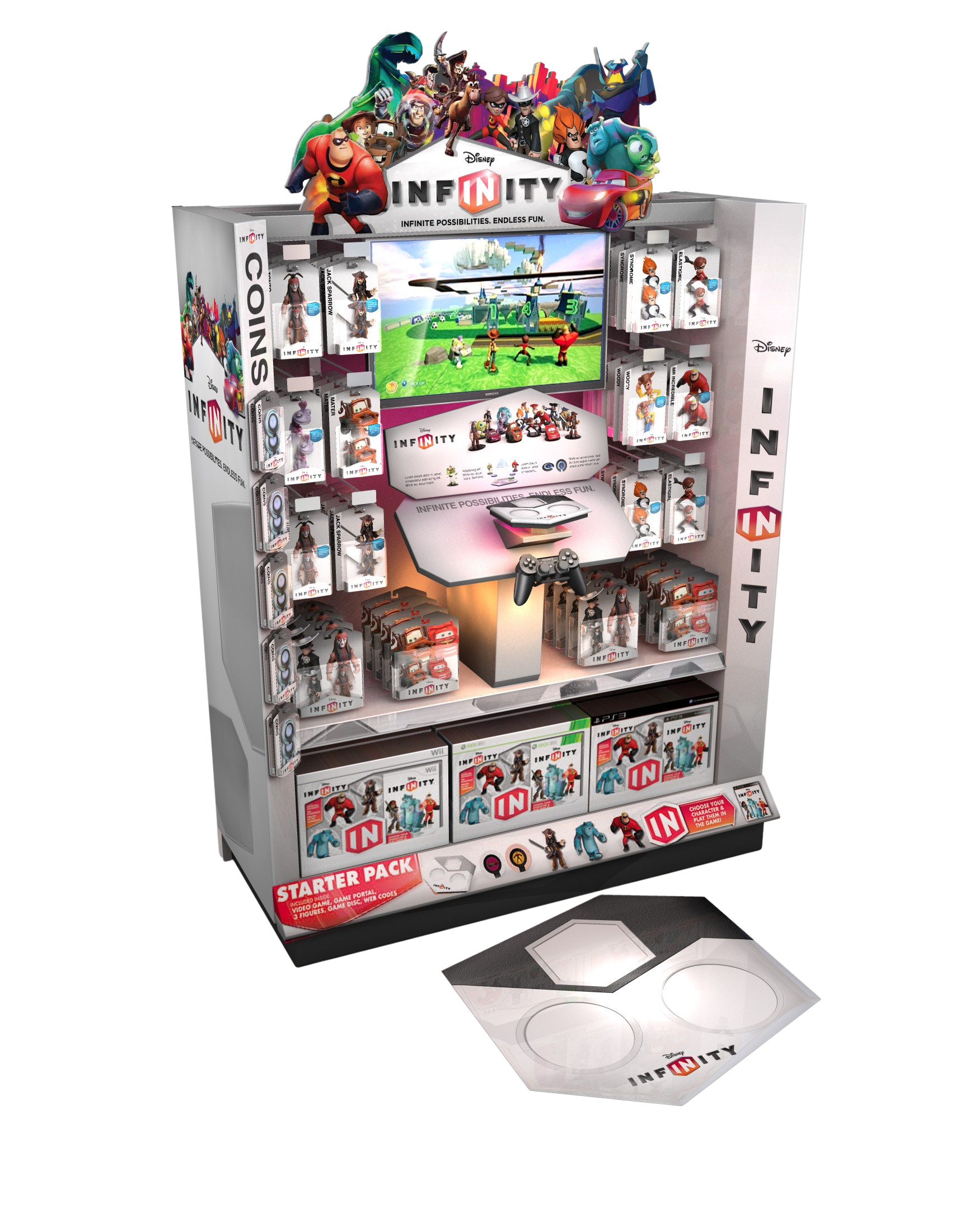
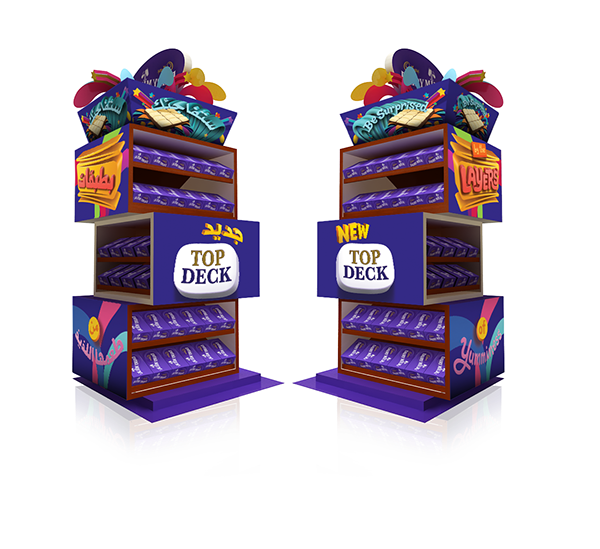
At its core, a POP Display is a strategic tool that transforms products into captivating visual statements. From countertop arrangements to floor displays, POP Displays are expertly designed to capture attention and drive impulse purchases.
Unveiling the Magic of Trap Blister Packs
Trap blisters are a packaging solution that effortlessly combines transparency with protection. This packaging innovation securely encases products within a clear plastic blister, offering both a view of the product and a secure enclosure.
A Dynamic Partnership
The interaction between POP Displays and Trap Blister Packs creates a powerful synergy. While POP Displays attract attention, Trap Blister Packs provide a clear view of the product, enticing customers to explore further.
Enhancing the Customer Journey
The synergy between these elements goes beyond aesthetics, enriching the customer journey. The eye-catching display draws shoppers in, and the transparent packaging allows for an up-close interaction with the product, enhancing the overall shopping experience.
The Role of Trap Blister Packs in the World of POP Displays
- Balancing Visibility and Security: Trap Blister Packs strike a balance between visibility and security, offering customers a tantalizing look at the product while keeping it protected.
- Visual Consistency: The uniform, crystal-clear appearance of Trap Blister Packs complements the aesthetics of POP Displays, ensuring a seamless and immersive presentation.
- Protection: Trap Blister Packs shield products from dust, moisture, and physical damage, preserving their pristine condition.
Effective Strategies
- Unified Presentation: Coordinate the design of Trap Blister Packs with the POP Display to create a captivating, cohesive shopping atmosphere.
- Informative Design: Utilize the available space on Trap Blister Packs to convey vital information, enticing customers with features and benefits.
- Ease of Interaction: Prioritize user-friendly packaging that enables customers to engage effortlessly with the product.
Extending to the Digital Realm
The impact of Trap Blister Packs extend beyond physical stores. In the digital realm, these elements seamlessly adapt to e-commerce, providing clear visuals and product details that mirror the in-person experience.
If you are interested in pop displays or trap blister packs, then partner with Brown Packaging today.
As budgets tighten in 2026, packaging buyers are under pressure to reduce costs without increasing damage rates. Cutting too aggressively can lead to product loss, higher return rates, and frustrated customers. The key is balancing material use, box design, and supply chain efficiency so that savings do not come at the expense of protection. Where Packaging Costs Add Up Oversized boxes: Drive dimensional weight charges. Excess materials: Overuse of void fill and inserts. Complex SKU mix: Redundant sizes increase inventory costs. Inefficient freight: Poor palletization and stacking. Cost-Saving Strategies That Maintain Protection Right-sizing: Match box size to product dimensions to cut DIM charges and material use. Optimize corrugated grades: Switch to single- or double-wall where appropriate without compromising strength. Consolidate SKUs: Streamline packaging options to reduce inventory overhead. Efficient inserts: Replace foam or excess dunnage with engineered corrugated or molded pulp. Supplier contracts: Negotiate based on annual volumes, not just peak season orders. Testing Before Implementing Changes Use ASTM and ISTA protocols to ensure changes won’t increase product damage. Test for compression, vibration, and drop resistance. Run pilot shipments before scaling across the supply chain. Balancing Sustainability and Cost Eco-friendly doesn’t have to mean expensive: Use recyclable coatings to reduce plastic films. Choose corrugated designs that require less material while maintaining stacking strength. Highlight sustainable solutions in marketing to offset cost concerns. Packaging Solutions with Brown Packaging Brown Packaging helps companies lower costs while protecting products across the supply chain. From SKU rationalization to right-sized corrugated solutions, our team ensures packaging savings don’t compromise performance. Contact us to optimize your packaging program. References Soroka, W. (2009). Fundamentals of Packaging Technology (4th ed.). Institute of Packaging Professionals.ASTM International. (2023). ASTM D4169: Standard Practice for Performance Testing of Shipping Containers and Systems.Sustainable Packaging Coalition. (2023). Packaging Efficiency and Waste Reduction Report. Retrieved from https://sustainablepackaging.org (714)300-0650 request@brownpackaging.com Most Recent Posts: Categories: Corrugated Ecommerce ESD Design Display Flexible Packaging Foam Folding Carton Packaging Plastic Packaging Pouch Printing Protection Retail Rigid Box Thermoform Sustainability Subscribe To Our Newsletter By submitting your information, you agree to our terms and conditions and privacy policy. Custom Packaging Facebook Twitter LinkedIn Pinterest Relevant Posts
Product damage is one of the most expensive risks in packaging. Beyond replacement costs, damaged goods lead to lost sales, returns, and reputational harm. In 2026, complex e-commerce, global shipping, and automation create new challenges for packaging buyers. The right materials, testing, and design strategies are critical to protecting products while controlling costs. Why Damage Prevention Matters Financial losses: Damaged products increase replacement and freight costs. Customer impact: Poor delivery experience reduces loyalty and repeat sales. Sustainability: Returns and waste drive higher carbon footprints. Compliance: Retailers often impose penalties for damaged shipments. Common Causes of Product Damage Compression: Pallet stacking weakens boxes in transit. Vibration and shock: Long-haul shipping increases risk. Moisture exposure: Humidity and rain compromise corrugated performance. Poor right-sizing: Oversized boxes allow product movement inside. Strategies to Reduce Damage in 2026 Right-size packaging: Minimize empty space and movement. Material optimization: Choose the correct corrugated grade for load demands. Protective inserts: Molded pulp or engineered corrugated reduce shock. Moisture-resistant coatings: Defend against water and humidity. Automation-friendly design: Prevent jams that damage products on high-speed lines. Testing Protocols for Damage Prevention ISTA testing: Simulates vibration, drops, and compression. ASTM standards: Validate packaging strength and durability. Pilot shipments: Real-world trials confirm lab results. Packaging Solutions with Brown Packaging Brown Packaging designs solutions that minimize damage across today’s complex supply chains. From right-sized corrugated to ISTA-tested inserts, we help buyers protect products while reducing costs. Contact us to strengthen your packaging program. References ASTM International. (2023). ASTM D4169: Standard Practice for Performance Testing of Shipping Containers and Systems.International Safe Transit Association (ISTA). (2023). ISTA Testing Procedures for Transport Packaging. Retrieved from https://ista.orgSoroka, W. (2009). Fundamentals of Packaging Technology (4th ed.). Institute of Packaging Professionals. (714)300-0650 request@brownpackaging.com Most Recent Posts: Categories: Corrugated Ecommerce ESD Design Display Flexible Packaging Foam Folding Carton Packaging Plastic Packaging Pouch Printing Protection Retail Rigid Box Thermoform Sustainability Subscribe To Our Newsletter By submitting your information, you agree to our terms and conditions and privacy policy. Custom Packaging Facebook Twitter LinkedIn Pinterest Relevant Posts
Retail packaging continues to evolve as brands balance sustainability, supply chain performance, and consumer experience. In 2026, buyers face new challenges shaped by material innovation, compliance requirements, and rising consumer expectations. Understanding these trends helps companies stay competitive while aligning packaging programs with industry standards. Sustainability Becomes Non-Negotiable Greater use of recyclable and compostable substrates. Retailers pushing suppliers toward FSC-certified materials. Minimalist designs that reduce waste without losing impact. Smarter Packaging for Supply Chains Increased adoption of right-sizing to reduce freight costs. Boxes designed for automation and faster fulfillment. Stronger corrugated grades to withstand long e-commerce journeys. Enhanced Consumer Experience Custom graphics for seasonal campaigns and limited editions. Tear strips, resealable closures, and window cutouts for convenience. Premium finishes that elevate gift packaging at retail. Growth of Hybrid Packaging Formats Combining corrugated strength with folding carton graphics. Modular designs for multi-SKU and club store environments. Packaging engineered to serve both e-commerce and in-store needs. Compliance and Testing Standards Retailers demanding ISTA and ASTM testing for packaging durability. Supply chain audits on recyclability and sustainability claims. More pressure for transparent reporting on environmental impact. Retail Packaging Solutions with Brown Packaging Brown Packaging helps brands adapt to evolving retail packaging trends. From sustainable substrates to automation-friendly designs, our solutions balance branding, durability, and compliance for 2026. Contact us to prepare your packaging program for the year ahead. References Forest Stewardship Council (FSC). (2023). FSC Packaging Certification Guidelines. Retrieved from https://fsc.orgSustainable Packaging Coalition. (2023). Packaging Trends and Consumer Insights. Retrieved from https://sustainablepackaging.orgSoroka, W. (2009). Fundamentals of Packaging Technology (4th ed.). Institute of Packaging Professionals. (714)300-0650 request@brownpackaging.com Most Recent Posts: Categories: Corrugated Ecommerce ESD Design Display Flexible Packaging Foam Folding Carton Packaging Plastic Packaging Pouch Printing Protection Retail Rigid Box Thermoform Sustainability Subscribe To Our Newsletter By submitting your information, you agree to our terms and conditions and privacy policy. Custom Packaging Facebook Twitter LinkedIn Pinterest Relevant Posts
Supplier contracts can make or break a packaging program. Without the right terms, buyers risk price volatility, missed lead times, and inconsistent product quality. In 2026, negotiating smart contracts is essential for controlling costs, securing reliable supply, and meeting compliance requirements. Why Packaging Contracts Matter Cost stability: Protects against sudden raw material price spikes. Supply security: Ensures availability during peak demand. Quality control: Aligns suppliers with testing and compliance standards. Operational efficiency: Streamlines purchasing and reduces administrative burden. Key Terms Buyers Should Negotiate Volume commitments: Secure better pricing with accurate forecasts. Price adjustment clauses: Define when and how costs can change. Lead times and delivery windows: Avoid shortages and production delays. Testing and compliance: Require ISTA, ASTM, or FSC certification where applicable. Sustainability commitments: Ensure suppliers align with environmental goals. Risks of Weak Contracts Paying inflated prices during market fluctuations. Receiving inconsistent corrugated strength or print quality. Missed shipments leading to costly expedited freight. Difficulty meeting retailer or regulatory compliance. Best Practices for Buyers in 2026 Leverage data: Use past order history to negotiate realistic volumes. Dual sourcing: Maintain backup suppliers for risk management. Annual reviews: Reassess terms to reflect changes in demand and compliance. Collaborative approach: Treat suppliers as partners, not just vendors. Packaging Solutions with Brown Packaging Brown Packaging helps buyers secure strong supplier contracts that balance cost, quality, and supply chain reliability. Our partnerships and industry expertise ensure your packaging program is protected for 2026 and beyond. Contact us to discuss supplier solutions. References Soroka, W. (2009). Fundamentals of Packaging Technology (4th ed.). Institute of Packaging Professionals.Fiber Box Association. (2024). Corrugated Packaging Market Outlook. Retrieved from https://www.fibrebox.orgSustainable Packaging Coalition. (2023). Supplier Standards for Sustainable Packaging. Retrieved from https://sustainablepackaging.org (714)300-0650 request@brownpackaging.com Most Recent Posts: Categories: Corrugated Ecommerce ESD Design Display Flexible Packaging Foam Folding Carton Packaging Plastic Packaging Pouch Printing Protection Retail Rigid Box Thermoform Sustainability Subscribe To Our Newsletter By submitting your information, you agree to our terms and conditions and privacy policy. Custom Packaging Facebook Twitter LinkedIn Pinterest Relevant Posts
Packaging compliance is no longer optional—it’s a requirement for accessing retail shelves, shipping networks, and international markets. In 2026, buyers must navigate evolving regulations around sustainability, labeling, and testing to avoid costly fines, rejected shipments, or damaged customer relationships. Why Compliance Matters in 2026 Retail requirements: Major retailers demand FSC, ISTA, and sustainability certifications. E-commerce standards: Carriers enforce dimensional weight and package testing rules. Global trade: Export packaging must comply with ISPM 15, ASTM, and ISO guidelines. Consumer trust: Transparency in packaging claims impacts purchasing decisions. Key Compliance Areas for Buyers Material sourcing: FSC-certified corrugated and board for sustainability. Labeling standards: GS1-compliant barcodes and accurate product details. Durability testing: ISTA and ASTM protocols for drop, vibration, and compression. Sustainability regulations: Requirements for recyclable or compostable materials. Chemical restrictions: Compliance with FDA, EU, or state-specific standards. Common Compliance Challenges Keeping up with frequent regulatory changes. Managing multiple certifications across suppliers. Balancing compliance with cost-efficiency. Verifying supplier claims for sustainability. Best Practices for Staying Compliant Audit suppliers annually to confirm certification validity. Run internal packaging tests before scaling. Track regulatory updates for each region you ship to. Work with experienced partners who understand industry compliance. Packaging Solutions with Brown Packaging Brown Packaging helps buyers meet 2026 compliance standards with FSC-certified materials, ISTA-tested designs, and regulatory expertise. Our team ensures your packaging meets retailer, carrier, and sustainability requirements. Contact us to keep your program compliant. References Forest Stewardship Council (FSC). (2023). FSC Certification Guidelines for Packaging. Retrieved from https://fsc.orgInternational Safe Transit Association (ISTA). (2023). ISTA Testing Procedures for Transport Packaging. Retrieved from https://ista.orgGS1. (2024). Global Standards for Packaging and Labeling. Retrieved from https://www.gs1.org (714)300-0650 request@brownpackaging.com Most Recent Posts: Categories: Corrugated Ecommerce ESD Design Display Flexible Packaging Foam Folding Carton Packaging Plastic Packaging Pouch Printing Protection Retail Rigid Box Thermoform Sustainability Subscribe To Our Newsletter By submitting your information, you agree to our terms and conditions and privacy policy. Custom Packaging Facebook Twitter LinkedIn Pinterest Relevant Posts
In 2026, sustainability is no longer just a trend—it’s a buyer expectation. Forest Stewardship Council (FSC) certification has become a key benchmark for responsible packaging, signaling that materials are sourced from responsibly managed forests. For packaging buyers, FSC certification is more than a compliance checkbox—it’s a brand value that influences purchasing decisions, retailer acceptance, and customer loyalty. What Is FSC Certification? The Forest Stewardship Council certifies that paper-based packaging materials are sourced from forests managed for environmental responsibility, social benefit, and economic viability. FSC Mix: Packaging contains a blend of FSC-certified and controlled wood. FSC Recycled: Packaging is made entirely from recycled fiber. FSC 100%: Packaging is sourced only from FSC-certified forests. Why FSC Matters to Buyers in 2026 Retail access: Many major retailers now require FSC-certified packaging. Sustainability goals: Aligns with corporate ESG and carbon reduction commitments. Consumer trust: Customers recognize the FSC label and view it as credible. Global compliance: Meets international sustainability regulations. How FSC Certification Strengthens Brand Value Differentiation: Stand out with certified sustainable packaging. Marketing advantage: FSC logos reinforce eco-friendly messaging. Risk reduction: Verified sourcing prevents greenwashing claims. Customer loyalty: Environmentally conscious buyers prefer certified products. Challenges in FSC Implementation Limited supply of certain FSC substrates. Higher costs compared to non-certified materials. Need for supplier audits and documentation. Packaging Solutions with Brown Packaging Brown Packaging partners with buyers to integrate FSC-certified materials into corrugated boxes, folding cartons, and retail packaging. Our solutions support sustainability while maintaining cost efficiency and protection. Contact us to strengthen your brand with FSC-certified packaging. References Forest Stewardship Council (FSC). (2023). FSC Certification Guidelines for Packaging. Retrieved from https://fsc.orgSustainable Packaging Coalition. (2023). Consumer Insights on Sustainable Packaging. Retrieved from https://sustainablepackaging.orgSoroka, W. (2009). Fundamentals of Packaging Technology (4th ed.). Institute of Packaging Professionals. (714)300-0650 request@brownpackaging.com Most Recent Posts: Subscribe To Our Newsletter By submitting your information, you agree to our terms and conditions and privacy policy. Sustainable Packaging Facebook Twitter LinkedIn Pinterest Relevant Posts
Home » Enhancing Retail with POP Displays and Trap Blister Packs

The final steps in deploying a permanent and semi-permanent Point of Purchase (POP) display involve the logistics of distribution and the specifics of installation. Effective management of these stages is crucial to ensure that your displays are set up correctly, on time, and with optimal impact. This blog will guide you through the logistics and installation processes, providing insights on how to streamline these operations for maximum efficiency and effectiveness. Planning and Coordinating Logistics Understanding Distribution Requirements Begin by assessing the distribution requirements for your POP displays. Consider the number of locations, geographical spread, and the timeline for deployment. Effective logistics planning ensures that all displays reach their intended locations without delays or damage. Choosing a Distribution Partner Selecting the right logistics partner is vital. Look for providers with experience in handling retail displays, as they can offer specialized services such as on-time delivery to multiple locations, careful handling of materials, and even storage solutions if needed. Packaging for Protection Ensure that the POP displays are packaged securely to prevent damage during transit. This might involve custom crating or protective padding, especially for more delicate components. The goal is to have the displays arrive in pristine condition, ready for installation. Efficient and Effective Installation Preparing Installation Guidelines Provide clear, detailed installation guidelines to ensure consistent setup across all locations. This should include instructions on assembly, placement, and any necessary tools or materials. Proper guidelines help minimize errors and reduce the time needed for installation. Training Teams or Hiring Professionals Decide whether to train your staff for installation or to hire professional installers. Training in-house teams can be cost-effective and allow for more control over the process. However, professional installers can offer the advantage of experienced, quick, and reliable setup, which might be crucial for complex displays or large-scale rollouts. Coordinating with Retail Locations Work closely with the management of the retail locations where the displays will be installed. Coordination is essential for ensuring that the installation process does not disrupt business operations and that the display is placed in the most effective spot within the store. On-site Adjustments Be prepared for on-site adjustments. Even with thorough planning, the need for minor tweaks during installation is common. Quick decision-making and adaptability can help overcome any unforeseen challenges that arise during the setup. Monitoring and Troubleshooting Initial Feedback Loop Once the displays are installed, establish an initial feedback loop with the store managers and installation teams. Gather insights on the installation process and the initial response of customers to the displays. This feedback can be invaluable for making any immediate adjustments and for improving future deployments. Ongoing Maintenance Plan for the maintenance of the displays to ensure they remain attractive and functional throughout their intended lifespan. This might involve regular check-ups, cleaning, and repairs. Maintaining the displays well can significantly enhance their effectiveness and protect your investment. Conclusion Logistics and installation are critical phases in the deployment of POP displays. Efficiently managing these aspects ensures that your displays are set up to attract and engage customers effectively. By focusing on careful planning, clear communication, and flexibility, you can streamline these processes to achieve a successful display rollout that meets both your operational goals and marketing objectives. If you are interested in POP displays, then partner with Brown Packaging today to get started. (714)300-0650 request@brownpackaging.com Most Recent Posts: Categories: Corrugated Ecommerce ESD Design Display Flexible Packaging Foam Folding Carton Packaging Plastic Packaging Pouch Printing Protection Retail Rigid Box Thermoform Sustainability Subscribe To Our Newsletter By submitting your information, you agree to our terms and conditions and privacy policy. Custom Packaging Facebook Twitter LinkedIn Pinterest Relevant Posts

Creating impactful promotional messaging for Point of Purchase (POP) displays is vital for capturing customer interest and driving sales. This guide explores essential strategies for crafting compelling messages that resonate with shoppers, enhancing the effectiveness of your POP displays. Understand Your Audience Before crafting your message, know who you are talking to. Understanding your target audience’s preferences, buying habits, and pain points allows you to tailor your messages to speak directly to their needs and desires. Keep It Clear and Concise Promotional messages should be straightforward and easy to understand at a glance. Use simple language and concise statements that communicate the benefits or offers clearly. Avoid cluttering the message with too much text or complex terms. Use Action-Oriented Language Encourage immediate action with verbs that provoke emotion or enthusiasm. Phrases like “Grab now,” “Find your perfect match,” or “Don’t miss out!” create a sense of urgency and prompt shoppers to act quickly. Highlight the Benefits Focus on how the product can solve a problem or improve the customer’s life. Messages that emphasize benefits rather than features tend to resonate more because they clearly communicate what the shopper gains from making a purchase. Create a Sense of Urgency Limited-time offers or limited availability can be very effective in driving immediate sales. Use phrases such as “Limited time offer,” “While supplies last,” or “Exclusive deal ends today!” to make customers feel they must act quickly to take advantage of the offer. Use Testimonials or Ratings Incorporating customer testimonials or high ratings in your POP display messaging can significantly influence purchasing decisions. Seeing positive feedback from other customers builds trust and confidence in the product. Leverage Visuals Combine your text with engaging visuals that reinforce the message. Images that illustrate the use of the product or the benefits it provides can be very persuasive. Ensure that visuals are high quality and relevant to the message. Test and Refine Continuously test different messages to see what resonates best with your customers. Use A/B testing on different texts, colors, and layouts to understand what combinations are most effective at capturing attention and driving sales. Ensure Brand Consistency Your promotional messages should align with your overall brand voice and identity. Consistent messaging reinforces brand recognition and trust among your customers. Conclusion Effective promotional messaging is key to maximizing the impact of POP displays. By understanding your audience, keeping messages clear and actionable, and using visuals and testimonials effectively, you can create POP displays that not only attract attention but also convert passersby into purchasers. If you are interested in POP displays, then partner with Brown Packaging today to get started. (714)300-0650 request@brownpackaging.com Most Recent Posts: Categories: Corrugated Ecommerce ESD Design Display Flexible Packaging Foam Folding Carton Packaging Plastic Packaging Pouch Printing Protection Retail Rigid Box Thermoform Sustainability Subscribe To Our Newsletter By submitting your information, you agree to our terms and conditions and privacy policy. POP Display Facebook Twitter LinkedIn Pinterest Relevant Posts

Point of Purchase (POP) displays are crucial tools in the retail landscape, serving as a silent salesperson that attracts, engages, and persuades shoppers. The visual appeal of these displays can profoundly influence consumer behavior, driving impulse purchases and enhancing brand recognition. This blog delves into strategies to maximize the visual impact of your POP displays to captivate and convert shoppers more effectively. The Power of First Impressions The first interaction a customer has with a product often happens through a POP display. Creating a striking first impression is essential as it sets the tone for the customer’s perception of the product. This can be achieved by using a combination of colors, lighting, and arrangement that not only attracts attention but also communicates the brand’s message effectively. Strategies for Enhancing Visual Appeal Emphasizing Color Psychology Color plays a pivotal role in marketing, with different colors evoking specific emotions. For example, red can create feelings of excitement and urgency, which is ideal for clearance sales, while blue can invoke a sense of trust and dependability. Selecting the right colors for your POP display can help influence consumer reactions and encourage purchasing behavior. Innovative Lighting Techniques Lighting can dramatically enhance the attractiveness of a display. Spotlighting can be used to highlight key products or features, while ambient lighting can set the mood or atmosphere around a display. LED lights are particularly useful for their versatility and energy efficiency, allowing for dynamic color changes and effects that draw the eye. Dynamic Layouts and Structures The physical structure of a POP display should not only be sturdy but also creatively engaging. Modular displays that can be easily reconfigured allow for refreshing the presentation regularly, keeping it interesting for repeat customers. Incorporating levels, depth, and motion in display designs can guide the customer’s gaze through the products and emphasize promotional items effectively. Integrating Technology Technology can be a game-changer in enhancing the visual appeal of POP displays. Digital screens can display changing content such as ads, informative videos, or interactive elements. This not only attracts attention but also provides valuable information, making the shopping experience more engaging and memorable. High-Quality Graphics and Signage Investing in high-resolution graphics and clear, readable signage is crucial. Quality visuals convey the brand’s commitment to excellence and help maintain a professional image. Effective signage should be concise yet descriptive, providing key information at a glance while enticing shoppers to learn more about the product. Tailoring Displays to Target Audiences Understanding the demographics and preferences of your target audience is vital. A display aimed at younger consumers might be more vibrant and energetic, while one targeting a more upscale demographic might employ subtler, sophisticated design elements. Tailoring the visual elements of your POP displays to match the expectations and preferences of your specific audience can significantly increase their effectiveness. Conclusion The visual appeal of POP displays plays an essential role in capturing customer interest and driving sales. By carefully considering elements such as color, lighting, structure, technology, and graphics, retailers can create compelling displays that not only draw attention but also enhance the shopping experience. Effective POP displays are those that manage to marry aesthetic appeal with functional design, making them not just visually striking but also strategically effective in driving product interest and sales. If you are interested in POP displays, then partner with Brown Packaging today to get started. (714)300-0650 request@brownpackaging.com Most Recent Posts: Categories: Corrugated Ecommerce ESD Design Display Flexible Packaging Foam Folding Carton Packaging Plastic Packaging Pouch Printing Protection Retail Rigid Box Thermoform Sustainability Subscribe To Our Newsletter By submitting your information, you agree to our terms and conditions and privacy policy. POP Displays Facebook Twitter LinkedIn Pinterest Relevant Posts