Home » Maximizing the Impact of Custom Packaging in Physical Retail Spaces
Maximizing the Impact of Custom Packaging in Physical Retail Spaces
In the highly competitive world of physical retail, every tiny detail counts when it comes to attracting customers and encouraging them to purchase your products. One such crucial aspect that retailers can’t afford to overlook is custom packaging. Packaging is not just a protective measure, but also a powerful marketing tool that speaks volumes about your brand. This blog will focus on how to maximize the impact of custom packaging in physical retail spaces.
Understanding the Power of Packaging
Before we delve into strategies to enhance your custom packaging, it is vital to comprehend why packaging holds such importance in the retail environment.
Communicates Brand Values
Your packaging is the first physical interaction a potential buyer has with your product. It should clearly communicate your brand values, from quality and reliability to sustainability and creativity.
Creates a Lasting Impression
An attractive, well-thought-out package design can leave a lasting impression, stimulating repeat purchases and cultivating brand loyalty.
Influences Buying Decisions
Research indicates that approximately 70% of in-store purchases are impulsive. Effective packaging can stimulate these impulse buys by attracting and captivating shoppers’ attention.
With the significance of packaging well understood, let’s move on to how to maximize its impact.
Strategies for Maximizing the Impact of Custom Packaging
The following are some strategic approaches to make your custom packaging more impactful in a physical retail space:
Reflect Your Brand Identity
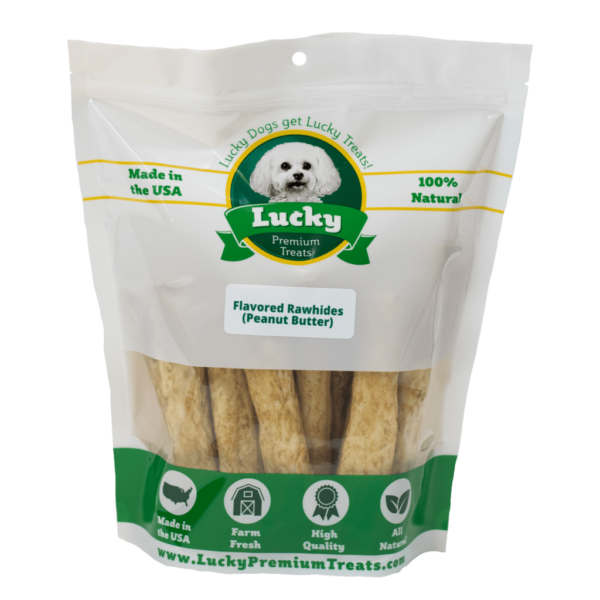
Your packaging should be a mirror image of your brand identity. It must reflect the ethos and aesthetics of your brand, using the right combination of colors, shapes, sizes, and materials.
Stand Out on the Shelves
In a physical store, your product is usually surrounded by competitors. Your packaging must stand out to attract customers.
Innovate with Shapes and Structures:
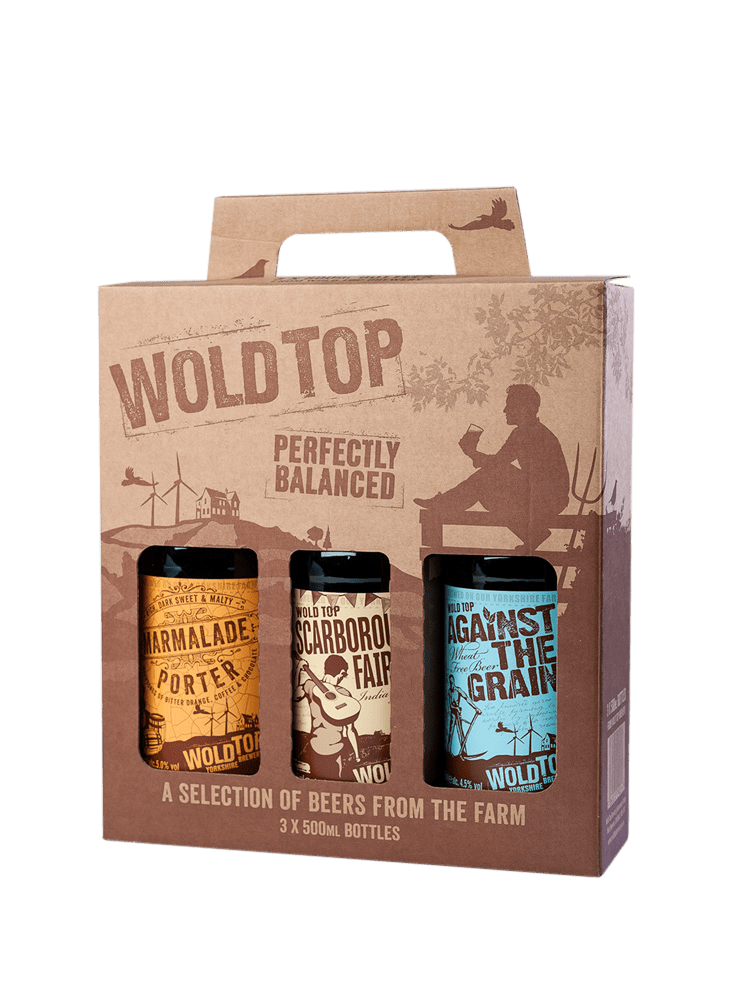
Try using innovative shapes and structures that differ from the norm. These can pique curiosity and draw attention.
Use Bold Colors and Patterns:
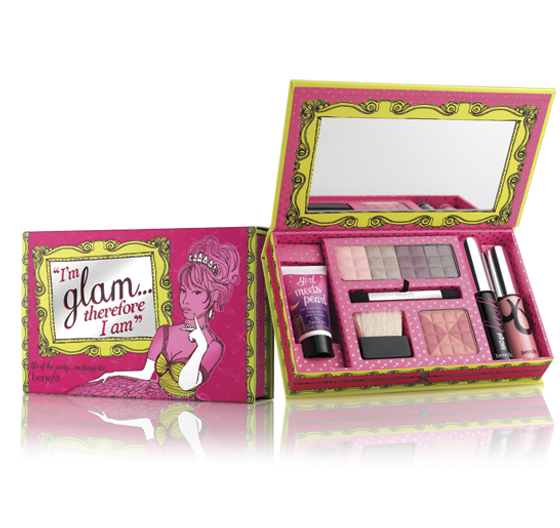
Bright, bold colors and patterns can make your packaging pop on the shelves. However, it’s essential to maintain consistency with your brand colors.
Leverage Sensory Appeal
Texture and material can enhance the tactile experience of your packaging, making it more memorable.
Soft-touch Coatings and Embossing:
These can give a more luxurious feel, while corrugated or craft paper can communicate eco-friendliness.
Opt for Sustainable Packaging
Sustainability is no longer an optional selling point; it’s a requirement. Many consumers are willing to pay more for products with eco-friendly packaging.
Materials Matter:
Opt for recycled or biodegradable materials. Not only are they better for the environment, but they also show your commitment to sustainability.
Make it Functional and Convenient
While aesthetics are important, functionality and convenience shouldn’t be compromised. A well-designed, functional package can enhance the user experience, increasing the chances of repurchase.
Easy to Open:
No one enjoys struggling with overly complex packaging. Make sure your packaging is easy to open.
Reusability:
Consider if your packaging can be reused in some way. This not only adds value for the customer but also contributes to sustainability.
Summary: Custom Packaging in Retail Space
Custom packaging offers a significant opportunity to make a lasting impression and motivate purchase decisions in physical retail spaces. By understanding the power of packaging and applying the above strategies, you can create impactful, appealing, and memorable packaging that resonates with your customers and stands out on the shelves.
If you’re interested in custom packaging, then partner with Brown Packaging today to get started.
Most POP display programs become inefficient over time—not because of poor design, but because of too many variations. Different sizes, different footprints, different structures. It
Packaging performance testing is designed to verify that packaging can withstand the stresses of distribution. Tests such as drop testing, compression testing, and vibration testing
Most POP floor displays don’t fail immediately—they fail after they’ve been on the retail floor for a short period of time. Week one looks fine.By
A lower unit price doesn’t mean lower cost. In POP display programs, the biggest losses rarely show up on the quote—they show up in damage
A visually impressive POP display doesn’t guarantee performance. In fact, many of the best-looking displays underperform because they’re designed for approval—not for real retail conditions.
Digital printing is often positioned as a short-run solution for emerging brands. But advances in press technology, workflow automation, and material compatibility have expanded its
Home » Maximizing the Impact of Custom Packaging in Physical Retail Spaces

In today’s market, the concept of ethical packaging has become increasingly important. Companies are recognizing the need to adopt packaging practices that are not only

Why Packaging Strategy Matters Packaging is more than just a protective layer—it plays a vital role in branding, marketing, and customer experience. One of the

Shifting packaging production from China to the U.S. can help stabilize costs, reduce tariff exposure, and shorten lead times. But the transition process requires careful