Home » Applying the AIDA Model to Custom Packaging
Applying the AIDA Model to Custom Packaging
In the dynamic world of marketing, packaging isn’t just a protective shell for your product; it’s a powerful tool for capturing the hearts and minds of consumers. Custom packaging, in particular, offers a unique opportunity to leverage the AIDA model—Attention, Interest, Desire, and Action—as a strategic framework for enhancing your brand’s impact and boosting sales. In this blog, we’ll delve into how custom packaging aligns with each stage of the AIDA model.
Attention: Grabbing the Eye with Custom Packaging
In the Attention stage of the AIDA model, the primary objective is to capture the consumer’s attention and make your product stand out. Custom packaging plays a pivotal role in achieving this by:
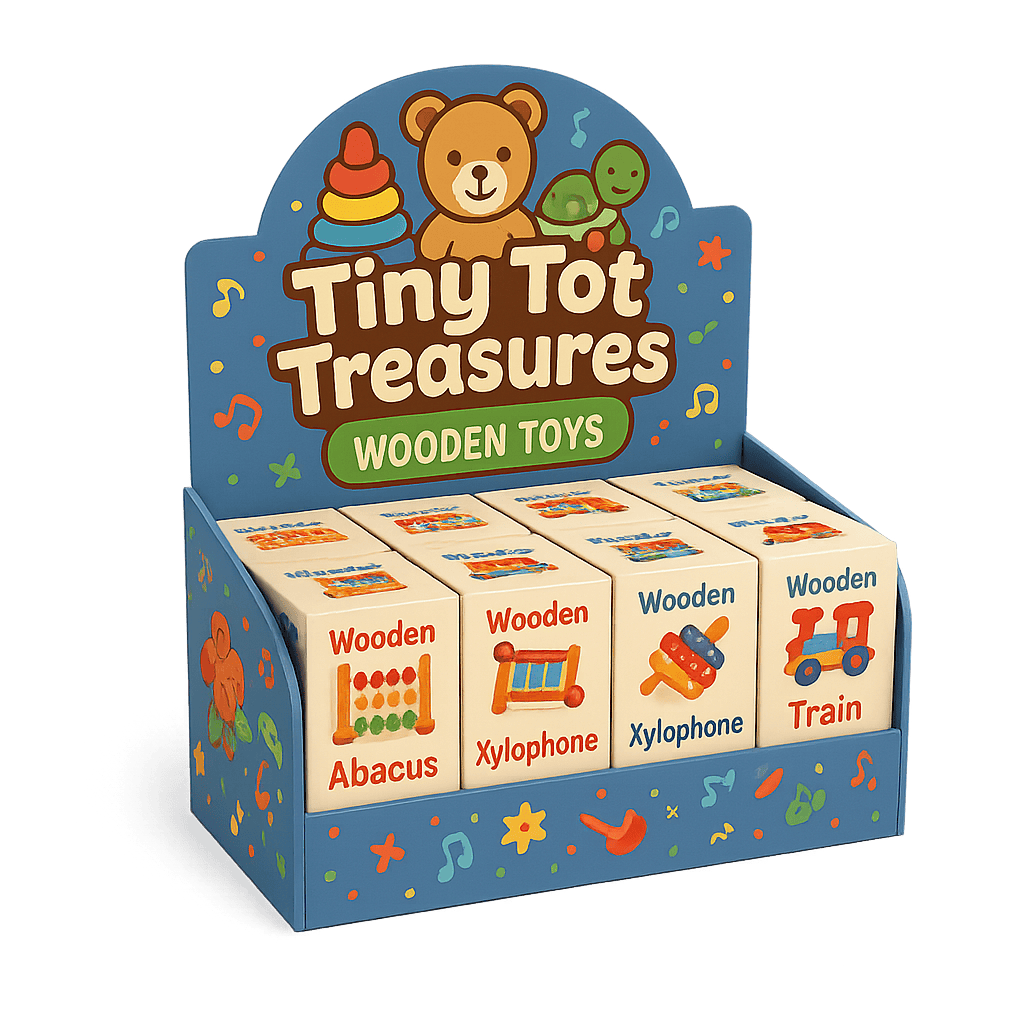
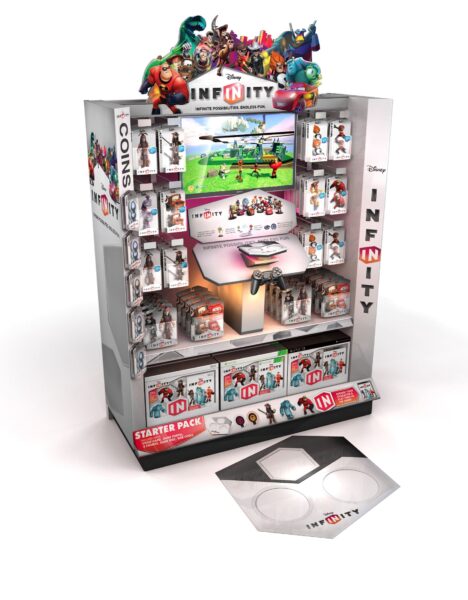
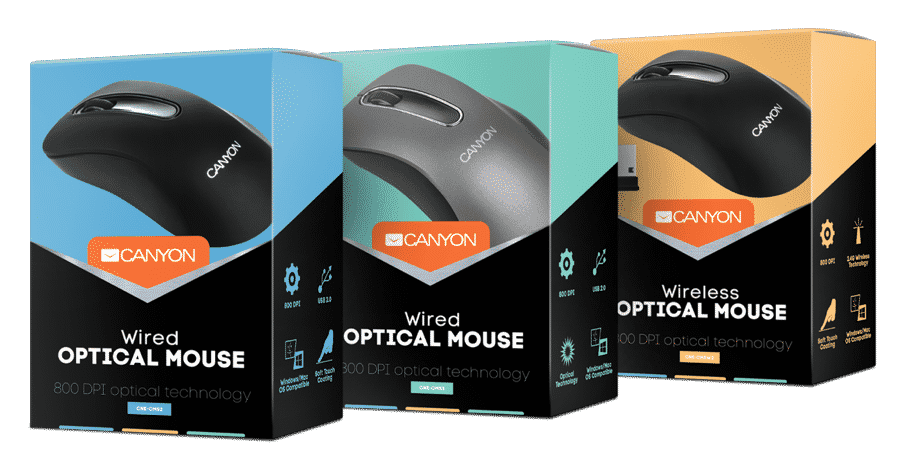
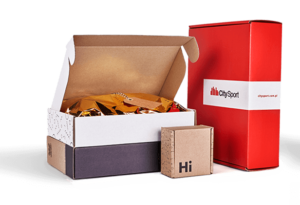
- Eye-Catching Design: Your custom packaging should feature a design that immediately catches the consumer’s eye. Bold colors, unique shapes, and striking graphics can make your product pop on the store shelf or in an online marketplace.
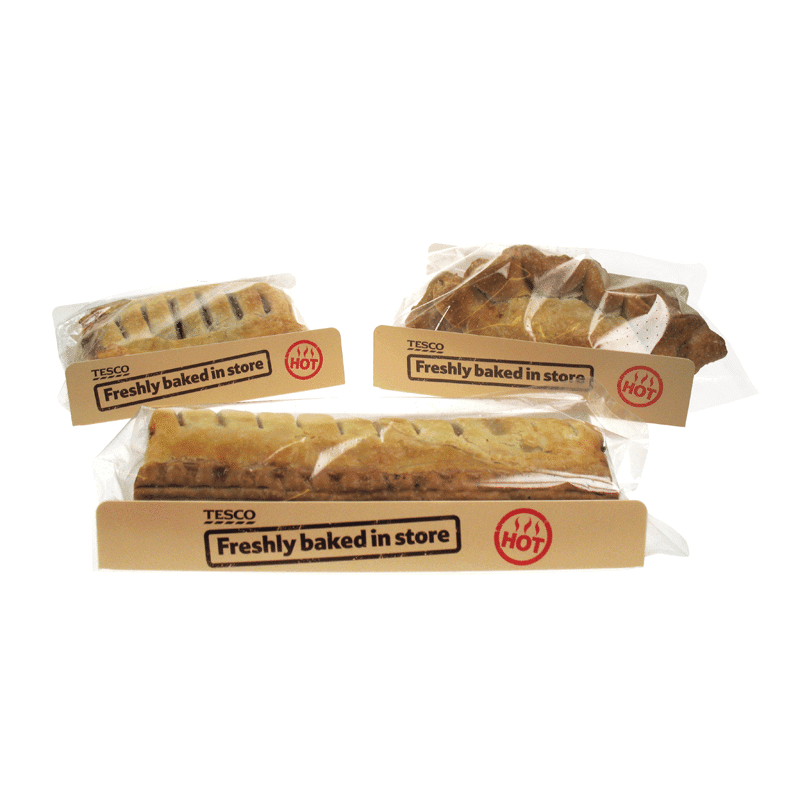
- Distinctive Elements: Custom packaging allows you to incorporate distinctive elements that set your product apart from the competition. Whether it’s a custom logo, a unique texture, or an unusual packaging material, these elements can pique curiosity and invite closer inspection.
Interest: Engaging the Consumer’s Curiosity
Once you’ve successfully garnered their attention, it’s time to pique the consumer’s Interest in your product. Custom packaging can engage their curiosity by:
- Compelling Storytelling: Use your packaging as a canvas for storytelling. Share the story of your brand, the inspiration behind your product, or the journey of its creation. Consumers love to connect with the narrative behind the products they buy.
- Interactive Elements: Consider incorporating interactive elements into your custom packaging. QR codes, augmented reality experiences, or hidden surprises inside the package can create a sense of excitement and engagement.
Desire: Building Desire through Custom Packaging
In the Desire stage, you aim to create a strong desire for your product. Custom packaging can help build this desire by:
- Visual Appeal: Your custom packaging should communicate a sense of quality and desirability. High-quality materials, elegant finishes, and luxurious details can elevate the perceived value of your product.
- Showcasing Benefits: Highlight the key benefits and advantages of your product prominently on the packaging. Use persuasive language and imagery that resonates with the consumer’s desires and needs.
Action: Encouraging Purchase with Custom Packaging
The final stage, Action, is where consumers make the decision to purchase your product. Custom packaging can encourage this action by:
- Call to Action: Include clear and persuasive calls to action on the packaging. Phrases like “Buy Now” or “Try Today” can prompt consumers to take the next step.
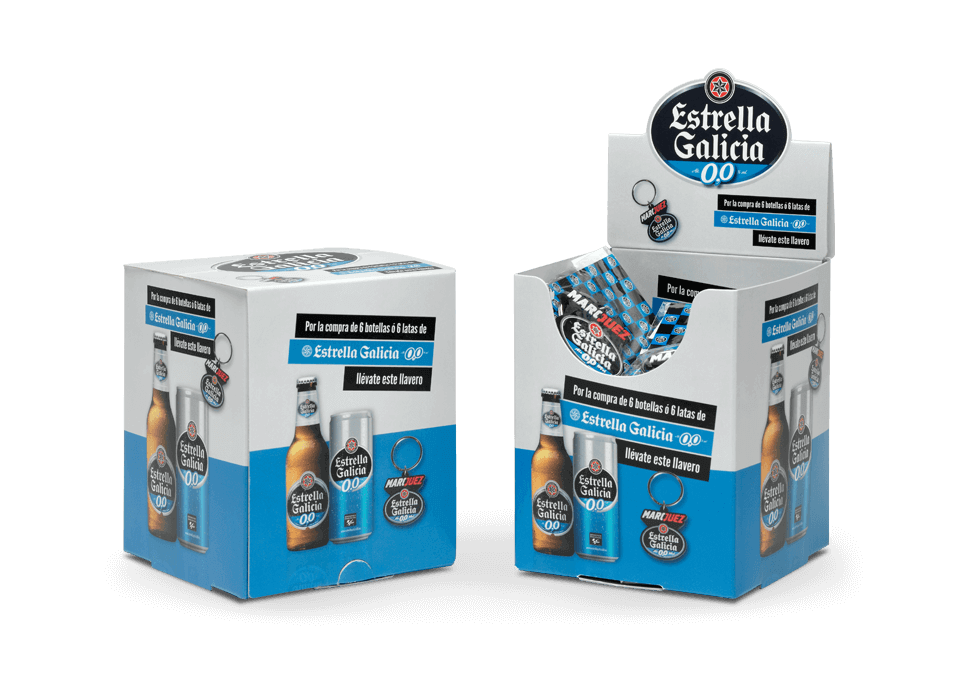
- Incentives: Offer promotions or incentives that are prominently displayed on the packaging. Whether it’s a limited-time discount, a special offer, or a gift with purchase, these incentives can motivate consumers to make a buying decision.
Conclusion
In conclusion, custom packaging isn’t just a container for your product; it’s a strategic marketing tool that aligns seamlessly with the AIDA model. By capturing attention, generating interest, building desire, and encouraging action, custom packaging can contribute to increased sales and brand success. It’s a testament to the power of packaging to not only protect but also persuade and captivate consumers on their purchasing journey.
If you are interested in custom packaging, then partner with Brown Packaging today to get started.
Excess moisture in pet food packaging can cause mold growth, nutrient degradation, clumping, and product spoilage. Effective moisture control combines barrier material selection, packaging design,
Exporting products requires packaging that can endure extended transit times, multiple handling points, and strict international regulations. Full Overlap (FOL) boxes are a proven solution
A POP display can be perfectly designed, well-produced, and shipped on time… …and still never get placed. This isn’t a design failure—it’s an execution failure.
Your POP display isn’t used the way you designed it. It’s used the way the store needs it. That means: Products get moved Inserts get
Lower cost per unit looks like a win. Until the display: Fails early Doesn’t get placed Doesn’t sell product Then it becomes expensive—fast. Because POP
Many packaging systems pass lab testing—and still fail in real-world shipping. This disconnect happens because testing measures controlled conditions, while shipping introduces variables that are
Home » Applying the AIDA Model to Custom Packaging

Custom box inserts are used to ensure your products are secure inside your box throughout the supply chain. They are used to keep your product

Most POP displays are designed for day-one appearance—not for what happens after the first few units sell. That’s a problem. Because in retail, performance is

In the highly competitive realm of shipping and freight, one packaging material consistently stands out from the crowd – corrugated packaging. Known for its ribbed