window.uetq = window.uetq || []; window.uetq.push(‘event’, ‘submit_lead_form’,{ event_label:‘SUBMIT MESSAGE’ }); window.lintrk('track', { conversion_id: 10271009 }); window.lintrk('track', { conversion_id: 10271017 });

Everything You Need to Know About Full Overlap Corrugated Boxes
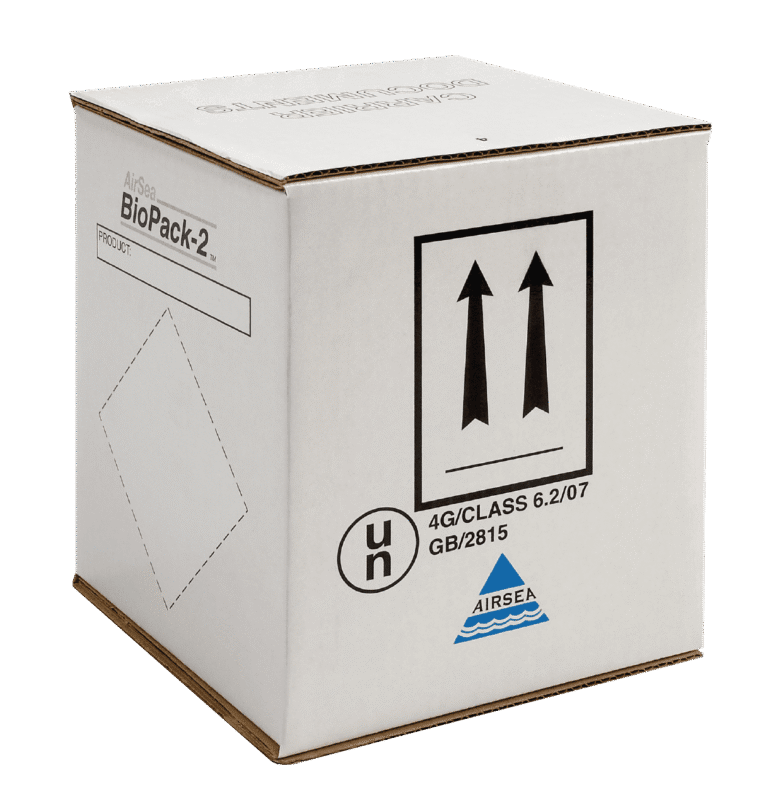
Full Overlap FOL Box

Corrugated boxes are an essential part of the shipping and storage process for businesses worldwide. They are made of corrugated paperboard, which comprises three layers: an inside liner, an outside liner, and a corrugated medium. The fluted medium provides cushioning and strength to the box, while the liners provide a surface for printing and labels. There are several types of corrugated boxes, with full overlap (FOL) being one of the most popular due to its superior strength and durability.

What is Full Overlap (FOL) Corrugated Boxes?

Full overlap (FOL) corrugated boxes are designed with flaps that completely overlap, providing extra protection to the contents inside. The flaps on both the top and bottom of the box extend all the way to the opposite side of the box, ensuring maximum protection and support. The FOL design provides a stronger and more secure seal than other types of corrugated boxes, making it ideal for shipping and storage of heavy or fragile items.

Benefits of Full Overlap (FOL) Corrugated Boxes:

Durability and Strength

FOL corrugated boxes are known for their superior strength and durability, making them ideal for shipping and storing heavy and fragile items. The complete overlap of the flaps ensures that the box can withstand rough handling during transit without compromising the contents.

Protection

The complete overlap of the flaps provides an extra layer of protection to the contents inside the box, reducing the risk of damage during transit. The FOL design also prevents dust and dirt from entering the box, keeping the contents clean and protected.

Customizable

Full overlap corrugated boxes can be customized to fit the specific needs of the contents being shipped. The size and shape of the box can be tailored to fit the contents, and additional cushioning or inserts can be added to provide extra protection.

Cost-Effective

Despite their strength and durability, FOL corrugated boxes are cost-effective and affordable. They are also recyclable, making them an environmentally friendly choice for packaging.

Security

These corrugated boxes can be sealed tightly and securely with tape, ensuring that the contents remain inside the box during transit. The secure seal also helps prevent tampering and theft.

Branding

FOL boxes can be customized with a company logo or branding, providing an opportunity for businesses to promote their brand while also protecting their products.

Sustainability

Full overlap boxes are made from renewable materials and are recyclable, making them a sustainable packaging choice for businesses.

Compliance

Corrugated boxes can be designed to comply with various shipping regulations, ensuring that the contents arrive at their destination safely and securely.

Custom full overlap (FOL) corrugated box

Full Overlap Box Customization

FOL corrugated boxes can be customized to meet specific business needs. Customization options include:

Size and shape

The size and shape of the box can be tailored to fit the contents being shipped. Custom sizes and shapes can be created to ensure a perfect fit for the products.

Printing

FOL boxes can be printed with company logos, branding, and product information. This can enhance the customer experience and promote brand awareness.

Inserts and Cushioning

 Additional inserts and cushioning can be added to FOL boxes to provide extra protection for fragile or delicate items.

Closure Options

FOL boxes can be customized with different closure options, including plastic or paper tape, Velcro, or staples.

When to Use Full Overlap (FOL) Corrugated Boxes:

FOL corrugated boxes are ideal for shipping and storing heavy or fragile items that require extra protection. They are commonly used in industries such as manufacturing, automotive, and aerospace, where heavy and delicate components are shipped. FOL boxes are also commonly used for packaging equipment, machinery, and electronic devices. In addition, FOL boxes are ideal for shipping and storing items that require long-term storage, as they provide excellent protection against dust, dirt, and moisture.

FOL boxes can be used for a variety of products, including:

Industrial

Full overlap boxes are often used to ship and store large and heavy industrial equipment, such as generators, compressors, and pumps. The boxes can be customized to fit the specific dimensions of the equipment and can be reinforced with additional cushioning or inserts for added protection.

Automotive

Auto parts such as engines, transmissions, and axles are commonly shipped with full overlap boxes. The boxes can be customized to fit the specific dimensions of the parts and can be reinforced with additional cushioning or inserts for added protection.

Electronics

These boxes are ideal for shipping and storing electronic devices, such as computers, printers, and televisions. The boxes provide excellent protection against dust, dirt, and moisture, which can damage electronic components. FOL boxes can be customized with additional cushioning or inserts to provide extra protection for delicate electronic components.

Medical

FOL boxes are commonly used to transport medical supplies, such as surgical instruments, laboratory equipment, and diagnostic kits. The boxes can be customized to fit the specific needs of the contents and can be reinforced with additional cushioning or inserts for added protection.

Food and Beverage

Food and beverage products, such as canned goods and bottles are often packaged inside this type of box as it provides excellent protection against damage during transit and can be customized to fit the specific dimensions of the products.

Retail

These boxes can be used to package retail products, such as clothing, shoes, and accessories. The boxes can be customized with branding and logos to promote the brand and enhance the customer experience.

E-commerce

FOL boxes are commonly used for e-commerce shipments, as they provide a secure and durable packaging solution for products being shipped directly to consumers.

Printed full overlap box

Summary: Full Overlap Boxes Explained

In summary, Full Overlap (FOL) corrugated boxes are an excellent choice for businesses that require a strong, durable, and protective packaging solution for their products. FOL boxes provide superior protection to heavy or fragile items during transit, and they can be customized to fit the specific needs of the contents being shipped.

Customization options include size and shape, printing, inserts and cushioning, and closure options. Whether shipping industrial equipment, automotive parts, electronics, medical supplies, food and beverage products, or retail and e-commerce products, FOL boxes provide a reliable and effective packaging solution. FOL boxes are also cost-effective, recyclable, sustainable, and compliant with shipping regulations, making them a popular choice for businesses in a variety of industries.

If you are interested in custom full overlap corrugated boxes, then partner with Brown Packaging today to get started.

Most Recent Posts:
Retail Packaging Trends for 2026

Retail packaging continues to evolve as brands balance sustainability, supply chain performance, and consumer experience. In 2026, buyers face new challenges shaped by material innovation, compliance requirements, and rising consumer expectations. Understanding these trends helps companies stay competitive while aligning packaging programs with industry standards. Sustainability Becomes Non-Negotiable Greater use of recyclable and compostable substrates. Retailers pushing suppliers toward FSC-certified materials. Minimalist designs that reduce waste without losing impact. Smarter Packaging for Supply Chains Increased adoption of right-sizing to reduce freight costs. Boxes designed for automation and faster fulfillment. Stronger corrugated grades to withstand long e-commerce journeys. Enhanced Consumer Experience Custom graphics for seasonal campaigns and limited editions. Tear strips, resealable closures, and window cutouts for convenience. Premium finishes that elevate gift packaging at retail. Growth of Hybrid Packaging Formats Combining corrugated strength with folding carton graphics. Modular designs for multi-SKU and club store environments. Packaging engineered to serve both e-commerce and in-store needs. Compliance and Testing Standards Retailers demanding ISTA and ASTM testing for packaging durability. Supply chain audits on recyclability and sustainability claims. More pressure for transparent reporting on environmental impact. Retail Packaging Solutions with Brown Packaging Brown Packaging helps brands adapt to evolving retail packaging trends. From sustainable substrates to automation-friendly designs, our solutions balance branding, durability, and compliance for 2026. Contact us to prepare your packaging program for the year ahead. References Forest Stewardship Council (FSC). (2023). FSC Packaging Certification Guidelines. Retrieved from https://fsc.orgSustainable Packaging Coalition. (2023). Packaging Trends and Consumer Insights. Retrieved from https://sustainablepackaging.orgSoroka, W. (2009). Fundamentals of Packaging Technology (4th ed.). Institute of Packaging Professionals. (714)300-0650 request@brownpackaging.com Most Recent Posts: Categories: Corrugated Ecommerce ESD Design Display Flexible Packaging Foam Folding Carton Packaging Plastic Packaging Pouch Printing Protection Retail Rigid Box Thermoform Sustainability Subscribe To Our Newsletter By submitting your information, you agree to our terms and conditions and privacy policy. Custom Packaging Facebook Twitter LinkedIn Pinterest Relevant Posts

Read More »
Packaging Supplier Contracts: What Buyers Should Know

Supplier contracts can make or break a packaging program. Without the right terms, buyers risk price volatility, missed lead times, and inconsistent product quality. In 2026, negotiating smart contracts is essential for controlling costs, securing reliable supply, and meeting compliance requirements. Why Packaging Contracts Matter Cost stability: Protects against sudden raw material price spikes. Supply security: Ensures availability during peak demand. Quality control: Aligns suppliers with testing and compliance standards. Operational efficiency: Streamlines purchasing and reduces administrative burden. Key Terms Buyers Should Negotiate Volume commitments: Secure better pricing with accurate forecasts. Price adjustment clauses: Define when and how costs can change. Lead times and delivery windows: Avoid shortages and production delays. Testing and compliance: Require ISTA, ASTM, or FSC certification where applicable. Sustainability commitments: Ensure suppliers align with environmental goals. Risks of Weak Contracts Paying inflated prices during market fluctuations. Receiving inconsistent corrugated strength or print quality. Missed shipments leading to costly expedited freight. Difficulty meeting retailer or regulatory compliance. Best Practices for Buyers in 2026 Leverage data: Use past order history to negotiate realistic volumes. Dual sourcing: Maintain backup suppliers for risk management. Annual reviews: Reassess terms to reflect changes in demand and compliance. Collaborative approach: Treat suppliers as partners, not just vendors. Packaging Solutions with Brown Packaging Brown Packaging helps buyers secure strong supplier contracts that balance cost, quality, and supply chain reliability. Our partnerships and industry expertise ensure your packaging program is protected for 2026 and beyond. Contact us to discuss supplier solutions. References Soroka, W. (2009). Fundamentals of Packaging Technology (4th ed.). Institute of Packaging Professionals.Fiber Box Association. (2024). Corrugated Packaging Market Outlook. Retrieved from https://www.fibrebox.orgSustainable Packaging Coalition. (2023). Supplier Standards for Sustainable Packaging. Retrieved from https://sustainablepackaging.org (714)300-0650 request@brownpackaging.com Most Recent Posts: Categories: Corrugated Ecommerce ESD Design Display Flexible Packaging Foam Folding Carton Packaging Plastic Packaging Pouch Printing Protection Retail Rigid Box Thermoform Sustainability Subscribe To Our Newsletter By submitting your information, you agree to our terms and conditions and privacy policy. Custom Packaging Facebook Twitter LinkedIn Pinterest Relevant Posts

Read More »
Meeting 2026 Packaging Compliance Standards

Packaging compliance is no longer optional—it’s a requirement for accessing retail shelves, shipping networks, and international markets. In 2026, buyers must navigate evolving regulations around sustainability, labeling, and testing to avoid costly fines, rejected shipments, or damaged customer relationships. Why Compliance Matters in 2026 Retail requirements: Major retailers demand FSC, ISTA, and sustainability certifications. E-commerce standards: Carriers enforce dimensional weight and package testing rules. Global trade: Export packaging must comply with ISPM 15, ASTM, and ISO guidelines. Consumer trust: Transparency in packaging claims impacts purchasing decisions. Key Compliance Areas for Buyers Material sourcing: FSC-certified corrugated and board for sustainability. Labeling standards: GS1-compliant barcodes and accurate product details. Durability testing: ISTA and ASTM protocols for drop, vibration, and compression. Sustainability regulations: Requirements for recyclable or compostable materials. Chemical restrictions: Compliance with FDA, EU, or state-specific standards. Common Compliance Challenges Keeping up with frequent regulatory changes. Managing multiple certifications across suppliers. Balancing compliance with cost-efficiency. Verifying supplier claims for sustainability. Best Practices for Staying Compliant Audit suppliers annually to confirm certification validity. Run internal packaging tests before scaling. Track regulatory updates for each region you ship to. Work with experienced partners who understand industry compliance. Packaging Solutions with Brown Packaging Brown Packaging helps buyers meet 2026 compliance standards with FSC-certified materials, ISTA-tested designs, and regulatory expertise. Our team ensures your packaging meets retailer, carrier, and sustainability requirements. Contact us to keep your program compliant. References Forest Stewardship Council (FSC). (2023). FSC Certification Guidelines for Packaging. Retrieved from https://fsc.orgInternational Safe Transit Association (ISTA). (2023). ISTA Testing Procedures for Transport Packaging. Retrieved from https://ista.orgGS1. (2024). Global Standards for Packaging and Labeling. Retrieved from https://www.gs1.org (714)300-0650 request@brownpackaging.com Most Recent Posts: Categories: Corrugated Ecommerce ESD Design Display Flexible Packaging Foam Folding Carton Packaging Plastic Packaging Pouch Printing Protection Retail Rigid Box Thermoform Sustainability Subscribe To Our Newsletter By submitting your information, you agree to our terms and conditions and privacy policy. Custom Packaging Facebook Twitter LinkedIn Pinterest Relevant Posts

Read More »
How FSC Packaging Certification Impacts Your Brand

In 2026, sustainability is no longer just a trend—it’s a buyer expectation. Forest Stewardship Council (FSC) certification has become a key benchmark for responsible packaging, signaling that materials are sourced from responsibly managed forests. For packaging buyers, FSC certification is more than a compliance checkbox—it’s a brand value that influences purchasing decisions, retailer acceptance, and customer loyalty. What Is FSC Certification? The Forest Stewardship Council certifies that paper-based packaging materials are sourced from forests managed for environmental responsibility, social benefit, and economic viability. FSC Mix: Packaging contains a blend of FSC-certified and controlled wood. FSC Recycled: Packaging is made entirely from recycled fiber. FSC 100%: Packaging is sourced only from FSC-certified forests. Why FSC Matters to Buyers in 2026 Retail access: Many major retailers now require FSC-certified packaging. Sustainability goals: Aligns with corporate ESG and carbon reduction commitments. Consumer trust: Customers recognize the FSC label and view it as credible. Global compliance: Meets international sustainability regulations. How FSC Certification Strengthens Brand Value Differentiation: Stand out with certified sustainable packaging. Marketing advantage: FSC logos reinforce eco-friendly messaging. Risk reduction: Verified sourcing prevents greenwashing claims. Customer loyalty: Environmentally conscious buyers prefer certified products. Challenges in FSC Implementation Limited supply of certain FSC substrates. Higher costs compared to non-certified materials. Need for supplier audits and documentation. Packaging Solutions with Brown Packaging Brown Packaging partners with buyers to integrate FSC-certified materials into corrugated boxes, folding cartons, and retail packaging. Our solutions support sustainability while maintaining cost efficiency and protection. Contact us to strengthen your brand with FSC-certified packaging. References Forest Stewardship Council (FSC). (2023). FSC Certification Guidelines for Packaging. Retrieved from https://fsc.orgSustainable Packaging Coalition. (2023). Consumer Insights on Sustainable Packaging. Retrieved from https://sustainablepackaging.orgSoroka, W. (2009). Fundamentals of Packaging Technology (4th ed.). Institute of Packaging Professionals. (714)300-0650 request@brownpackaging.com Most Recent Posts: Subscribe To Our Newsletter By submitting your information, you agree to our terms and conditions and privacy policy. Sustainable Packaging Facebook Twitter LinkedIn Pinterest Relevant Posts

Read More »
Sustainable Packaging Buyers’ Guide for 2026

Sustainability is now a top priority for packaging buyers. Retailers, regulators, and consumers are all demanding packaging solutions that reduce environmental impact without sacrificing performance. In 2026, buyers must balance eco-friendly materials, cost, and compliance to build programs that are both effective and future-ready. What Buyers Need to Know About Sustainable Packaging Regulatory pressure: Governments are enforcing stricter rules on recyclability and plastic use. Retail mandates: FSC certification and recyclable packaging are becoming standard requirements. Consumer expectations: Customers increasingly choose brands with visible sustainability commitments. Sustainable Material Options Recycled corrugated: High recycled content while maintaining compression strength. Compostable films: Suitable for select food and retail applications. Molded pulp inserts: Replace foam or plastic for protective packaging. Water-based coatings: Enhance moisture resistance without harmful chemicals. Balancing Cost and Performance Right-size packaging: Reduces material waste and shipping costs. Hybrid solutions: Combine eco-materials with corrugated for balance. Life cycle analysis: Evaluate true environmental impact, not just marketing claims. How to Evaluate Sustainable Suppliers Verify FSC, SPC, or ISO certifications. Request testing data for durability and recyclability. Audit supply chains for consistency and transparency. Ensure claims meet local and international compliance standards. Packaging Solutions with Brown Packaging Brown Packaging helps buyers implement sustainable packaging programs that balance cost, performance, and compliance. From recycled corrugated to eco-friendly coatings and inserts, we deliver solutions that meet 2026 sustainability goals. Contact us to explore sustainable packaging options. References Forest Stewardship Council (FSC). (2023). FSC Certification Guidelines for Packaging. Retrieved from https://fsc.orgSustainable Packaging Coalition. (2023). Packaging Sustainability Trends and Buyer Insights. Retrieved from https://sustainablepackaging.orgSoroka, W. (2009). Fundamentals of Packaging Technology (4th ed.). Institute of Packaging Professionals. (714)300-0650 request@brownpackaging.com Most Recent Posts: Categories: Corrugated Ecommerce ESD Design Display Flexible Packaging Foam Folding Carton Packaging Plastic Packaging Pouch Printing Protection Retail Rigid Box Thermoform Sustainability Subscribe To Our Newsletter By submitting your information, you agree to our terms and conditions and privacy policy. Sustainable Packaging Facebook Twitter LinkedIn Pinterest Relevant Posts

Read More »
Comparing Single vs. Multi-Material Packaging

Choosing the right packaging material is one of the most important decisions buyers face. Single-material packaging offers simplicity and recyclability, while multi-material designs provide enhanced performance and protection. Understanding the trade-offs helps companies balance cost, functionality, and sustainability goals in 2026. What Is Single-Material Packaging? Single-material packaging uses one substrate—such as corrugated board, folding carton, or plastic—for the entire structure. Advantages: Easier to recycle and dispose. Lower material costs in many cases. Streamlined sourcing and inventory. Supports sustainability messaging. Disadvantages: Limited barrier protection. Less customization for fragile or complex products. May require added thickness for strength, increasing weight. What Is Multi-Material Packaging? Multi-material packaging combines two or more substrates—such as corrugated with foam, or paperboard laminated with film—to achieve specific performance outcomes. Advantages: Greater protection against moisture, oxygen, and impact. Allows for premium finishes and enhanced graphics. Ideal for fragile or high-value products. Customizable for unique supply chain conditions. Disadvantages: More difficult to recycle due to material separation. Higher cost and longer lead times. Complex sourcing and inventory management. When to Use Each Approach Single-material packaging: Best for products with low fragility, strong sustainability requirements, or cost-driven programs. Multi-material packaging: Best for high-value, fragile, or regulated products requiring advanced protection. Balancing Performance and Sustainability Buyers must weigh performance needs against eco goals: Use recyclable coatings to extend single-material performance. Choose hybrid designs that separate easily for recycling. Apply multi-material solutions only where risk of damage outweighs cost. Packaging Solutions with Brown Packaging Brown Packaging helps buyers evaluate when to use single- vs. multi-material packaging. Our team balances sustainability, performance, and cost to deliver solutions tailored to your supply chain. Contact us to explore the right approach for your products. References Forest Stewardship Council (FSC). (2023). FSC Packaging Certification Guidelines. Retrieved from https://fsc.orgSoroka, W. (2009). Fundamentals of Packaging Technology (4th ed.). Institute of Packaging Professionals.Sustainable Packaging Coalition. (2022). Design for Recyclability and Multi-Material Packaging Report. Retrieved from https://sustainablepackaging.org (714)300-0650 request@brownpackaging.com Most Recent Posts: Categories: Corrugated Ecommerce ESD Design Display Flexible Packaging Foam Folding Carton Packaging Plastic Packaging Pouch Printing Protection Retail Rigid Box Thermoform Sustainability Subscribe To Our Newsletter By submitting your information, you agree to our terms and conditions and privacy policy. Custom Packaging Facebook Twitter LinkedIn Pinterest Relevant Posts

Read More »
Categories:
Subscribe To Our Newsletter

By submitting your information, you agree to our terms and conditions and privacy policy.

corrugated full overlap boxes
Custom Corrugated Boxes
Facebook
Twitter
LinkedIn
Pinterest
Relevant Posts
Packaging and Material Drop Test Services
Corrugated
brownpackaging
Understanding the Corrugated Box Drop Test

In the world of packaging, ensuring the safety and integrity of products during transit is paramount. This is where the corrugated box drop test comes into play. It’s a critical evaluation method used to determine the durability and protective qualities of corrugated boxes, which are widely used in shipping various goods. This blog post delves into the details of the corrugated box drop test, its importance, and how it is conducted. The Importance of the Corrugated Box Drop Test Drop testing is an essential part of quality control in packaging. It simulates the impacts a package may endure during handling and shipping, including being dropped, knocked, or jostled. For businesses, ensuring that their product packaging can withstand such treatment is crucial to avoid damage during shipping, which can lead to financial losses and affect customer satisfaction. What is a Corrugated Box Drop Test? The corrugated box drop test is a systematic procedure where a packed corrugated box is dropped from a specific height to observe how well the packaging protects its contents. This test is typically performed under controlled conditions following standardized guidelines, such as those set by ASTM or ISTA. How is the Drop Test Conducted? Preparation of the Test Sample: The corrugated boxes are prepared with the actual product inside, or a dummy package that simulates the weight and dimensions of the real product. The boxes are sealed as they would be for normal distribution. Determination of Drop Height: The height from which the box is dropped depends on the package’s weight and the standards being followed. Typically, the higher the package’s weight, the lower the drop height. Execution of the Drop: The box is dropped onto a solid, flat surface. The drops are conducted on different faces of the box, including corners and edges, to simulate various real-world scenarios. Each drop is observed and recorded, noting any visible damage to the box and its contents. Assessment Post-Drop: After the test, the box is examined for any signs of structural failure, such as tears, ruptures, or punctures. The contents are checked for damage or breakage. Interpreting Test Results Pass/Fail Criteria: The criteria for passing the test can vary but generally include no significant damage to the box or its contents. Data Analysis: The results are analyzed to determine if the packaging design needs to be improved. This could involve enhancing the box’s material strength, adding protective cushioning inside, or altering the box design. Why is the Drop Test Crucial? Consumer Confidence: Ensuring product safety during shipping builds consumer trust and satisfaction. Cost-Effectiveness: It’s more cost-effective to invest in proper packaging than to bear the costs of damaged goods and returns. Brand Reputation: Consistently delivering products in excellent condition enhances a brand’s reputation. Technological Advances in Drop Testing Automated Drop Test Equipment: Some companies use advanced, automated equipment to conduct more precise and repeatable drop tests. Simulation Software: Technological advancements allow for computer simulations of drop tests, providing an additional layer of analysis. Conclusion The corrugated box drop test is a vital tool in the packaging industry, serving as a frontline check for packaging integrity. Regularly conducting these tests helps businesses ensure that their products are well-protected through the rigors of shipping and handling. In the end, the drop test is not just about maintaining product integrity; it’s about upholding customer satisfaction and preserving the brand’s reputation in a competitive marketplace. If you are interested in corrugated boxes and require assistance in passing a drop test, then partner with Brown Packaging today to get started. (714)300-0650 request@brownpackaging.com Most Recent Posts: Categories: Corrugated Ecommerce ESD Design Display Flexible Packaging Foam Folding Carton Packaging Plastic Packaging Pouch Printing Protection Retail Rigid Box Thermoform Sustainability Subscribe To Our Newsletter By submitting your information, you agree to our terms and conditions and privacy policy. Custom Corrugated Boxes Facebook Twitter LinkedIn Pinterest Relevant Posts

Read More »
RETTDFCL
Corrugated
brownpackaging
Cherry Locks in Roll End Tuck Top Boxes Explained

In the world of packaging, there’s a constant pursuit of innovation and improvement to ensure products are not only securely packaged but also easy to access. One such advancement in packaging technology is the incorporation of cherry locks in roll end tuck top (RETT) boxes. In this blog, we will delve into the intricacies of cherry locks, exploring their design, features, benefits, and the scenarios where they prove to be an invaluable addition to RETT boxes. Understanding Cherry Locks Cherry locks, also known as snap locks or friction locks, are a locking mechanism employed in packaging to secure the top flaps of boxes without the need for additional adhesives or tape. These locks are specifically designed to offer a secure closure while allowing for effortless and repeated opening, making them ideal for applications where ease of access is crucial. Here’s a closer look at their design and features: Benefits of Cherry Locks Cherry locks offer several advantages, making them a valuable addition to RETT boxes: Enhanced Security: Cherry locks provide a secure closure that prevents accidental opening during transit while deterring tampering or unauthorized access. Easy Access: The user-friendly design of cherry locks allows for quick and effortless opening, making them ideal for products that need to be accessed frequently, such as retail items or subscription boxes. Sustainability: Cherry locks contribute to sustainability efforts as they reduce the reliance on single-use adhesives and tapes, promoting eco-friendly packaging practices. These boxes can also be reused and repurposed. Cost Savings: While cherry locks may initially seem like a slightly higher investment, their reusability ultimately leads to cost savings by eliminating the need for additional sealing materials. Cherry Locks in Roll End Tuck Top Boxes Roll end tuck top boxes, with their inherent durability and versatility, are a perfect pairing for cherry locks. These boxes are constructed to provide a secure enclosure while allowing for easy customization and branding. When cherry locks are integrated into RETT boxes, they bring an added layer of security and convenience to the packaging solution. Scenarios for Using Cherry Locks in RETT Boxes Cherry locks are a versatile locking mechanism that can be employed in various industries and applications: Retail Packaging: RETT boxes with cherry locks are an excellent choice for retail packaging, ensuring that products remain secure on the shelves while allowing customers to open and inspect them easily. E-commerce: For e-commerce businesses, cherry locks enhance the security of shipped items while offering recipients a hassle-free unboxing experience. Subscription Boxes: Subscription box services benefit from cherry locks as they combine security with the convenience of repeated opening for subscribers. Electronics and Gadgets: Sensitive electronics and gadgets can be securely packaged with cherry locks, ensuring the contents are protected during shipping and readily accessible to users. Conclusion Cherry locks in roll end tuck top boxes represent a significant innovation in packaging design, offering the perfect balance between security and ease of access. Understanding the design, features, benefits, and potential applications of cherry locks can help businesses make informed choices when selecting packaging solutions. Whether you are in retail, e-commerce, or any other industry, the integration of cherry locks into RETT boxes can enhance your packaging strategy, providing a secure and user-friendly experience for both businesses and customers alike. If you are interested in roll end tuck top boxes with cherry locks, then partner with Brown Packaging today to get started. (714)300-0650 request@brownpackaging.com Most Recent Posts: Categories: Corrugated Ecommerce ESD Design Display Flexible Packaging Foam Folding Carton Packaging Plastic Packaging Pouch Printing Protection Retail Rigid Box Thermoform Sustainability Subscribe To Our Newsletter By submitting your information, you agree to our terms and conditions and privacy policy. Roll End Tuck Top Facebook Twitter LinkedIn Pinterest Relevant Posts

Read More »
Corrugated
brownpackaging
RSC Packaging Cost Efficiency

RSC boxes are widely used because they balance strength with cost efficiency. But not all RSC boxes are created equal. Buyers have to weigh board grade, flute profile, and design factors to avoid overpaying for unnecessary strength or, worse, underpaying and risking product damage. Understanding these trade-offs ensures that packaging budgets are optimized without compromising protection. Board Grade and Cost Trade-Offs Higher Grades (e.g., 44 ECT) Provide greater stacking strength. Necessary for heavy products, palletized loads, or export packaging. Higher cost due to stronger liners and mediums. Lower Grades (e.g., 26–32 ECT) Ideal for lightweight products. Cost-effective for single-use shipments or direct-to-consumer e-commerce. Reduce material cost but lower compression resistance. Takeaway: Over-specifying board grade adds unnecessary cost. Match strength to actual product weight and stacking requirements. Flute Profiles and Efficiency B-Flute: Good balance of cushioning and stacking strength, widely used in RSC. C-Flute: Higher cushioning, thicker profile, similar cost per unit. E-Flute: Thin profile, less stacking strength but reduces material use and shipping cost for small/light products. Higher cost per unit. Takeaway: Flute choice affects not only performance but also dimensional weight — a critical factor in freight costs. Assembly and Material Costs Tape and Labor: RSC requires tape or glue for sealing, which adds to per-unit cost at scale. Automation: Automated case erectors reduce labor, but box tolerances must be consistent to avoid jams. Material Utilization: RSC has one of the most efficient board utilization rates, reducing waste compared to specialty die-cut mailers. Freight and Storage Efficiency Cube Utilization: Right-sizing RSC dimensions reduces dimensional weight charges. Palletization: Box dimensions affect how many units fit per pallet — poor fit can increase freight by 10–15%. Knock-Down Storage: RSC ships flat, minimizing inbound logistics costs and warehouse space. Buyer Takeaway Use lower board grades for lightweight e-commerce and non-palletized shipments to save cost. Reserve higher grades for industrial, heavy-duty, or export applications. Right-size your RSCs to minimize dimensional weight surcharges. Consider automation compatibility to reduce long-term labor expense. When optimized, RSC packaging isn’t just cost-efficient — it’s a lever for total supply chain savings. References Fibre Box Association. (2023). Corrugated Cost Optimization. https://www.fibrebox.org Association of Independent Corrugated Converters (AICC). (2024). Cost and Efficiency in Corrugated Packaging. https://www.aiccbox.org Robertson, G. (2016). Food Packaging: Principles and Practice (3rd ed.). CRC Press. (714)300-0650 request@brownpackaging.com Most Recent Posts: Categories: Corrugated Ecommerce ESD Design Display Flexible Packaging Foam Folding Carton Packaging Plastic Packaging Pouch Printing Protection Retail Rigid Box Thermoform Sustainability Subscribe To Our Newsletter By submitting your information, you agree to our terms and conditions and privacy policy. Regular Slotted Container Facebook Twitter LinkedIn Pinterest Relevant Posts

Read More »