Home » 2025 Holiday Guide: Mastering POP Display Strategies
2025 Holiday Guide: Mastering POP Display Strategies
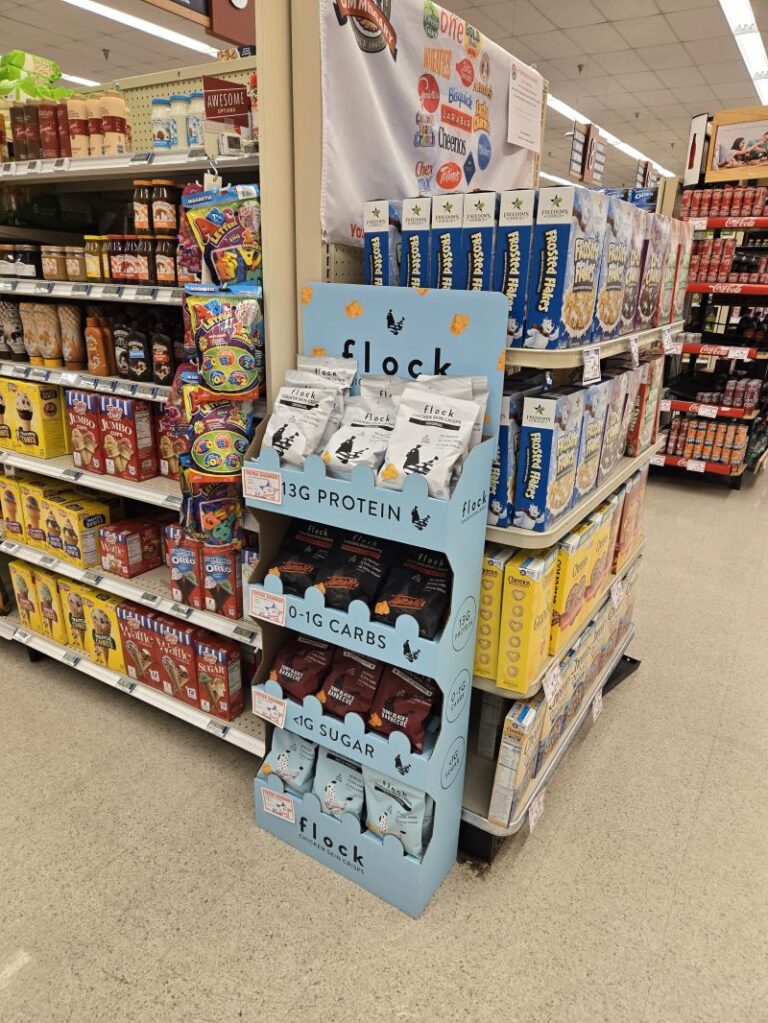
As the 2025 holiday season approaches, retailers are gearing up for what promises to be another bustling period of consumer activity. For brands looking to capitalize on this seasonal surge, Point of Purchase (POP) displays remain a crucial element in attracting customers and boosting sales. In this blog, we’ll explore effective strategies for retailers to prepare and utilize POP displays to maximize their impact during the holiday season.
Understanding the Power of POP Displays
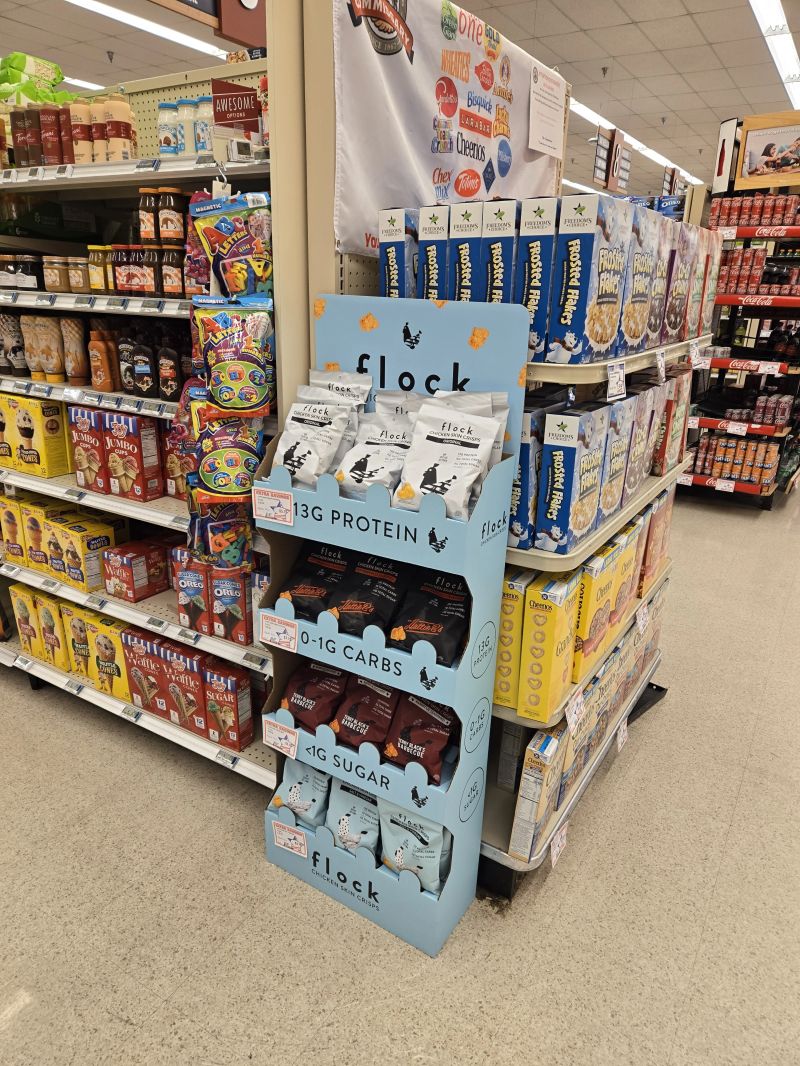
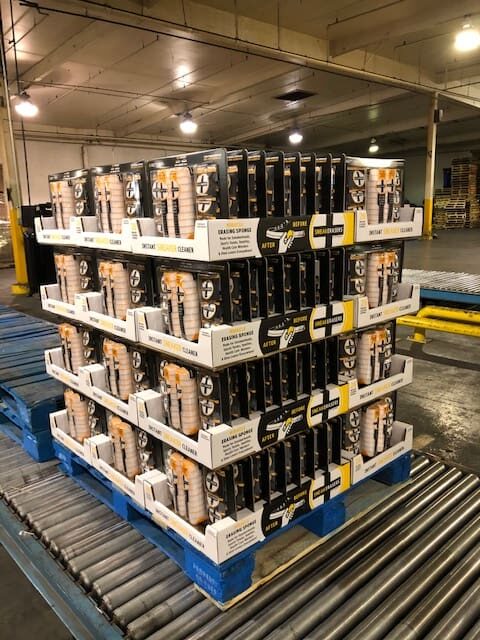
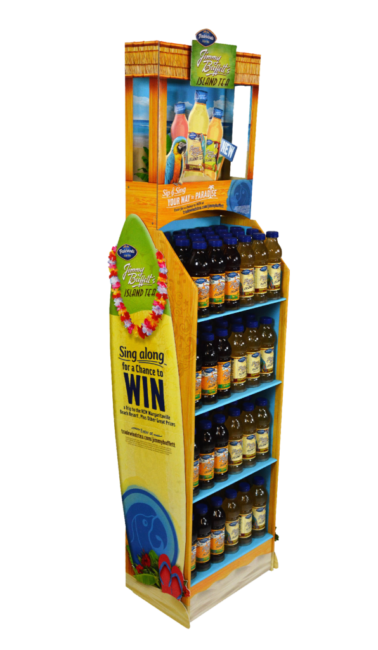
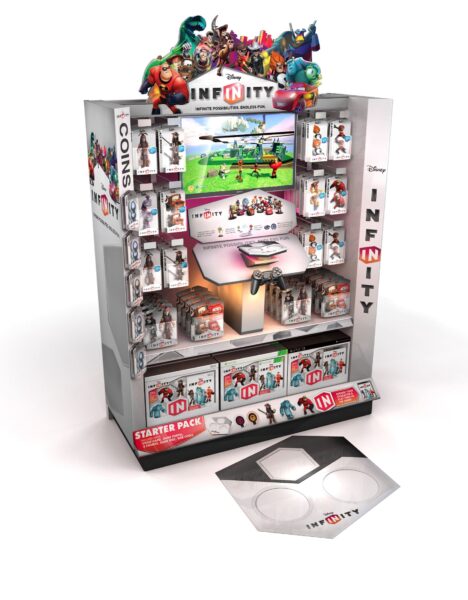
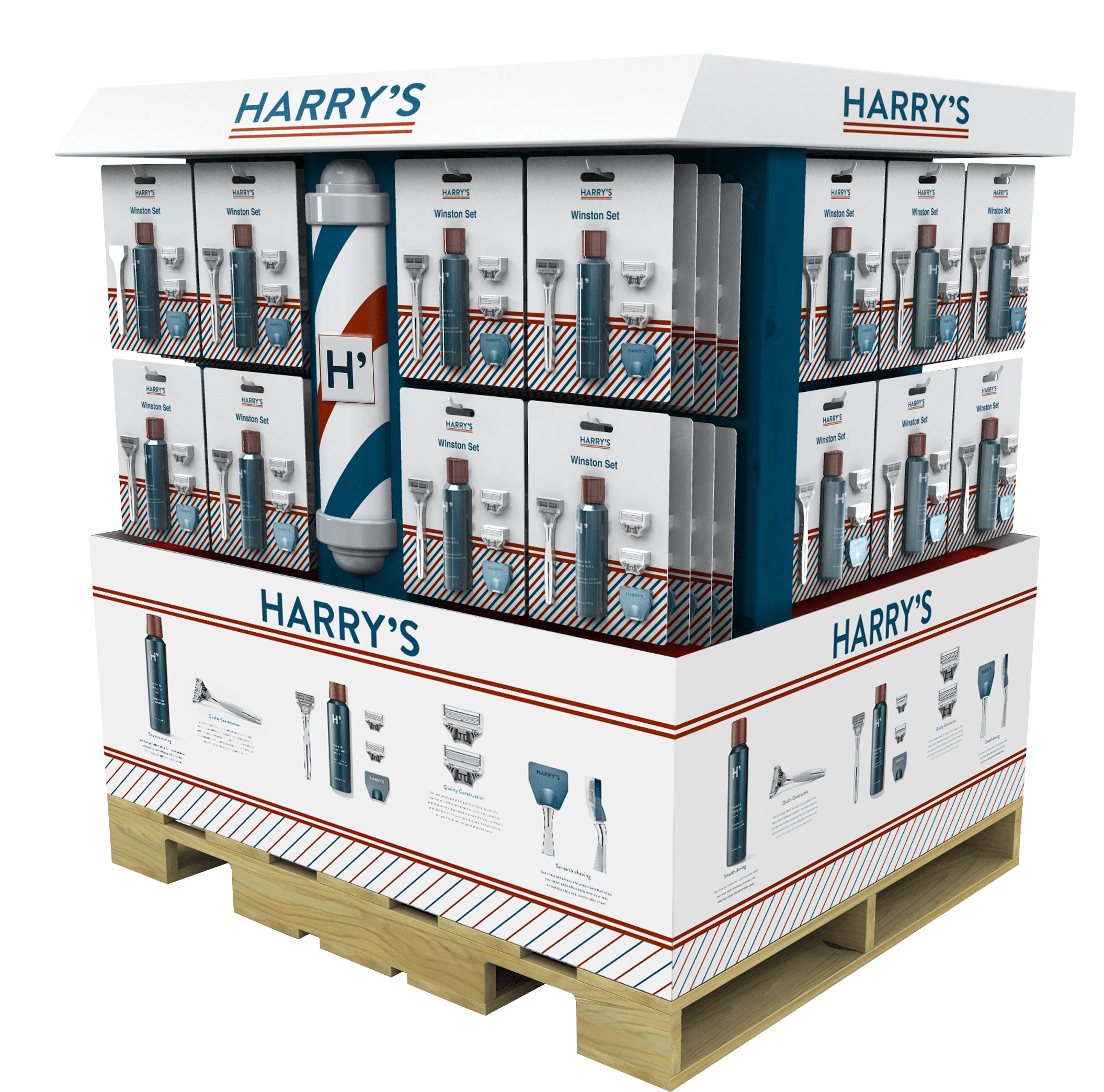
POP displays are designed to catch the shopper’s eye and can be strategically placed to influence purchase decisions at critical points within the store. They are especially effective during the holiday season when competition for consumer attention is fierce. These displays can range from simple shelf talkers and countertop displays to elaborate floor stands and interactive kiosks.
Benefits of POP Displays:
- Increased Visibility: Products featured in POP displays are more noticeable and more likely to be picked up.
- Enhanced Product Promotion: These displays can be used to promote special offers, new items, or holiday-specific products.
- Encourages Impulse Buys: Strategically placed displays can drive impulse purchases, significantly boosting sales.
- Brand Reinforcement: Well-designed displays reinforce brand messaging and create a memorable image in the consumer’s mind.
Strategies for Effective POP Displays
Start Planning Early
Begin planning your POP display strategy well before the holiday season starts. Consider your sales data from previous years to identify which products sold well and how their placement influenced purchasing behavior. This data can guide your decisions on which products to promote and where to locate your displays.
Design with the Holiday Spirit in Mind
Design your displays to reflect the festive spirit of the holiday season. Use thematic elements like winter scenes, festive colors, and holiday motifs. Ensure that the design aligns with your brand’s image while also standing out in a crowded retail environment.
Focus on High-Traffic Areas
Place your POP displays in high-traffic areas of your store. Entrances, ends of aisles, and check-out counters are prime locations where displays can attract maximum shopper attention.
Leverage Technology
Integrate technology into your displays to create more engaging and interactive experiences. Digital screens can show product information, promotional videos, or interactive content that allows customers to engage directly with the display.
Train Your Staff
Ensure your staff is well-informed about the products featured in the POP displays and can effectively communicate their benefits to customers. Staff enthusiasm can complement the physical display, enhancing its overall impact.
Monitor and Adapt
Once your displays are in place, monitor their performance. Keep an eye on the products that are moving quickly and those that aren’t. Be prepared to make adjustments to your displays or the featured products based on real-time sales data and customer feedback.
Conclusion
POP displays are a powerful tool for retailers, especially during the holiday season. By planning effectively, designing with intent, placing displays strategically, incorporating technology, educating staff, and being adaptable, brands can maximize their impact and ensure a successful holiday sales period.
As you prepare for the 2025 holidays, consider these strategies to make the most of your retail space and drive sales through effective use of POP displays. Happy holidays and happy selling!
If you are interested in POP displays for the holiday season, then partner with Brown Packaging today to get started.
Supplier contracts can make or break a packaging program. Without the right terms, buyers risk price volatility, missed lead times, and inconsistent product quality. In 2026, negotiating smart contracts is
Packaging compliance is no longer optional—it’s a requirement for accessing retail shelves, shipping networks, and international markets. In 2026, buyers must navigate evolving regulations around sustainability, labeling, and testing to
In 2026, sustainability is no longer just a trend—it’s a buyer expectation. Forest Stewardship Council (FSC) certification has become a key benchmark for responsible packaging, signaling that materials are sourced
Sustainability is now a top priority for packaging buyers. Retailers, regulators, and consumers are all demanding packaging solutions that reduce environmental impact without sacrificing performance. In 2026, buyers must balance
Home » 2025 Holiday Guide: Mastering POP Display Strategies

Creating a successful Point of Purchase (POP) display involves thorough research and careful planning. This crucial second step in the development of a POP display ensures that the final product not only meets the needs of your business but also resonates with your target audience. Here, we delve deeper into the key components of market research and budget planning to optimize the effectiveness of your POP displays. Conducting Market Research Understanding Your Audience The foundation of any effective POP display is a deep understanding of the target audience. Knowing what appeals to your customers, what drives their buying decisions, and how they interact with displays in a retail setting is crucial. This involves gathering data on customer demographics, shopping habits, and preferences. Analyzing Competitor Displays A thorough analysis of your competitors’ POP displays can provide valuable insights. Identify what elements are working for them, such as the use of color, messaging, or interactive components. Equally important is to note any shortcomings or areas where your display could offer something unique and more appealing. Gathering Feedback Utilizing surveys, focus groups, or direct customer feedback on existing displays can provide actionable data that informs the design and placement of your new POP displays. This feedback loop can help refine your approach and ensure that your displays meet actual consumer needs and preferences. Planning Your Budget Setting Financial Parameters Determining your budget for a POP display is more than just allocating funds. It requires an understanding of the return on investment (ROI) you expect from the display. Consider not only the cost of materials and production but also the potential increase in sales and enhanced brand visibility. Choosing Materials and Features Based on Budget Your budget will significantly influence the materials and features you can incorporate into your POP display. For example, while high-end materials like acrylic or digital components may offer a premium look and interactive experience, they might not be feasible on a tighter budget. Conversely, cardboard or simpler designs can be very effective and cost-efficient if executed well. Balancing Cost and Impact It’s essential to strike a balance between cost-effectiveness and the impact of the display. Investing wisely in key elements that significantly influence buying behavior—like strategic placement and compelling design—can yield better returns, even if it means scaling back elsewhere. Utilizing Resources Effectively Leveraging Supplier Relationships Work closely with suppliers to get the best prices for materials and production. Long-standing relationships or bulk buying can lead to cost savings, which allow more room in the budget for creative or high-impact elements. Considering Long-term Use If the POP display is intended for long-term use across multiple campaigns, consider investing in modular designs that can be easily updated or reconfigured. This approach maximizes the initial investment over a longer period, providing better overall value. Conclusion The research and planning phase is a critical part of developing a POP display. By understanding your audience through comprehensive market research and carefully planning your budget, you can create a POP display that not only captures attention but also drives sales and enhances brand engagement. These steps lay the groundwork for a display that is not just visually appealing but also strategically aligned with your marketing objectives and financial constraints. If you are interested in POP displays, then partner with Brown Packaging today to get started. (714)300-0650 request@brownpackaging.com Most Recent Posts: Categories: Corrugated Ecommerce ESD Design Display Flexible Packaging Foam Folding Carton Packaging Plastic Packaging Pouch Printing Protection Retail Rigid Box Thermoform Sustainability Subscribe To Our Newsletter By submitting your information, you agree to our terms and conditions and privacy policy. POP Display Facebook Twitter LinkedIn Pinterest Relevant Posts
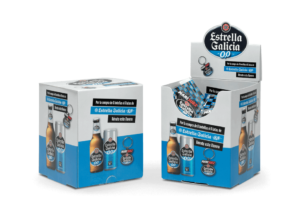
Cross-merchandising is one of the most effective ways to increase basket size in retail. By pairing complementary products in a single point-of-purchase (POP) display, brands can encourage impulse buys and highlight product synergies. Well-designed cross-merchandising displays must balance structural integrity with creative graphics to hold multiple SKUs securely while capturing shopper attention. Why Cross-Merchandising Works Shoppers often overlook product pairings when items are placed in separate aisles. POP displays solve this by bringing products together in a single, convenient location. Encourages impulse purchases. Educates consumers on product compatibility. Strengthens brand visibility and retailer relationships. Increases revenue per shopper visit. Structural Considerations for Multi-SKU Displays Cross-merchandising displays require careful engineering to hold different shapes and weights. Compartmentalized trays: Keep SKUs organized and accessible. Reinforced shelving: Prevent sagging under uneven product loads. Flexible layouts: Allow for multiple packaging sizes. Retail compliance: Dimensions must fit chain-specific guidelines. Graphics That Highlight Product Pairings Graphics play a key role in cross-merchandising by showing shoppers why products belong together. Use bold imagery to connect items visually. Highlight bundle savings or promotional pricing. Position brand messaging where both products share visibility. Ensure graphics remain clear even when product stock is low. Examples of Cross-Merchandising POP Displays Snacks and beverages: Pairing chips with soda or beer. Health and beauty: Combining shampoo with conditioner or styling products. Electronics: Packaging batteries alongside small devices. Household goods: Cleaning products displayed with tools or accessories. POP Display Solutions with Brown Packaging Brown Packaging designs cross-merchandising POP displays that integrate structural strength with branding impact. Our solutions make it easy to showcase complementary products while meeting retailer standards. Contact us to explore custom display designs for your retail strategy. References Shop! Association. (2021). Best Practices for In-Store Marketing and POP Displays. Retrieved from https://www.shopassociation.orgSoroka, W. (2009). Fundamentals of Packaging Technology (4th ed.). Institute of Packaging Professionals.ASTM International. (2022). ASTM D685: Standard Practice for Conditioning Paper and Paper Products for Testing. (714)300-0650 request@brownpackaging.com Most Recent Posts: Categories: Corrugated Ecommerce ESD Design Display Flexible Packaging Foam Folding Carton Packaging Plastic Packaging Pouch Printing Protection Retail Rigid Box Thermoform Sustainability Subscribe To Our Newsletter By submitting your information, you agree to our terms and conditions and privacy policy. POP Displays Facebook Twitter LinkedIn Pinterest Relevant Posts

A Point of Purchase (POP) display is a powerful marketing tool used by retailers and brands to attract customers’ attention, showcase products, and boost sales at the moment of decision-making. However, designing an effective POP display requires careful consideration and adherence to certain principles. In this comprehensive guide, we’ll explore the essential do’s and dont’s of creating a successful POP display. The Do’s of Creating a POP Display 1. Know Your Target Audience:Understand the preferences, interests, and buying behaviors of your target customers. Tailor your POP display to resonate with your audience. 2. Highlight Key Products:Focus on promoting a select few products rather than overwhelming customers with too many options. Highlighting specific items can lead to higher sales. 3. Eye-Catching Design:Invest in an attractive and visually appealing design. Use colors, graphics, and branding elements that align with your brand identity. 4. Simplicity:Keep the design simple and uncluttered. A cluttered display can confuse customers and discourage them from making a purchase. 5. Effective Signage:Use clear and concise signage to convey product information, benefits, and pricing. Ensure that signage is easy to read from a distance. 6. Product Accessibility:Arrange products in a way that encourages customers to interact with them. Allow for easy product access and handling. 7. Incorporate Branding:Reinforce your brand identity through consistent logo placement, color schemes, and messaging on the display. 8. Lighting:Consider using lighting to draw attention to your display. Well-placed lights can make products stand out and create a more inviting atmosphere. 9. Durability:Choose durable materials and construction for your POP display, especially if it will be placed in high-traffic areas. 10. Regular Maintenance:Ensure that your POP display is regularly maintained and refreshed. Replace damaged or worn-out elements promptly. Supplier Negotiation and Comparison Establishing a good relationship with suppliers can open the door to discounts, especially if your business is a repeat customer. Don’t hesitate to negotiate prices or ask for special deals. Additionally, regularly comparing prices from different suppliers can uncover more competitive rates or better terms. Keep in mind that the cheapest option is not always the best choice if it compromises box quality, which can lead to product damage and higher costs in the long run. The Don’ts of Creating a POP Display 1. Overcrowding:Avoid overcrowding the display with too many products or excessive signage. Clutter can deter customers. 2. Complex Messaging:Keep your messaging simple and straightforward. Avoid using technical jargon or overly complicated language. 3. Ignoring Placement:Consider the location of your POP display within the store. Don’t place it in an area with poor visibility or low foot traffic. 4. Lack of Clarity:Don’t leave customers guessing about product details or pricing. Make sure all essential information is clearly displayed. 5. Inconsistent Branding:Maintain consistency in branding elements. Avoid using conflicting colors, fonts, or logos that can confuse customers. 6. Neglecting Maintenance:Neglecting the maintenance of your display can lead to a negative impression. Regularly check for damage or wear and tear. 7. Disregarding Feedback:Don’t ignore customer feedback or sales data. Use insights to make improvements to your POP display strategy. 8. Not Testing:Don’t skip the testing phase. Before deploying your display, conduct test runs to ensure it’s visually appealing and functional. 9. Ignoring Trends:Stay updated with current design and retail trends. An outdated or out-of-touch display can deter customers. 10. Lack of Flexibility:Ensure that your POP display can be adapted to changing needs or promotions. A rigid design can limit its effectiveness. Conclusion Creating a successful POP display requires careful planning and adherence to best practices. By knowing your audience, highlighting key products, focusing on design and simplicity, using effective signage, ensuring product accessibility, incorporating branding, considering lighting and durability, maintaining the display, and avoiding common pitfalls such as overcrowding and complex messaging, you can create a compelling and effective POP display that captures customers’ attention and drives sales. Keep in mind that a well-executed POP display can be a valuable asset in your marketing toolkit, enhancing your brand’s visibility and increasing product sales. If you are interested in point of purchase displays, then partner with Brown Packaging today to get started. (714)300-0650 request@brownpackaging.com Most Recent Posts: Categories: Corrugated Ecommerce ESD Design Display Flexible Packaging Foam Folding Carton Packaging Plastic Packaging Pouch Printing Protection Retail Rigid Box Thermoform Sustainability Subscribe To Our Newsletter By submitting your information, you agree to our terms and conditions and privacy policy. Custom POP Displays Facebook Twitter LinkedIn Pinterest Relevant Posts