Home » What is a Half Slotted Container?
What is a Half Slotted Container?
A Half Slotted Container (HSC) is a specific type of corrugated box known for its robustness, versatility, and open-top design. These features make HSCs ideal for applications where quick access to contents is necessary. Widely utilized across various industries, HSC boxes are essential for storage, transportation, and display purposes, providing an efficient and sustainable packaging solution.
Understanding Half Slotted Containers
Design and Structure
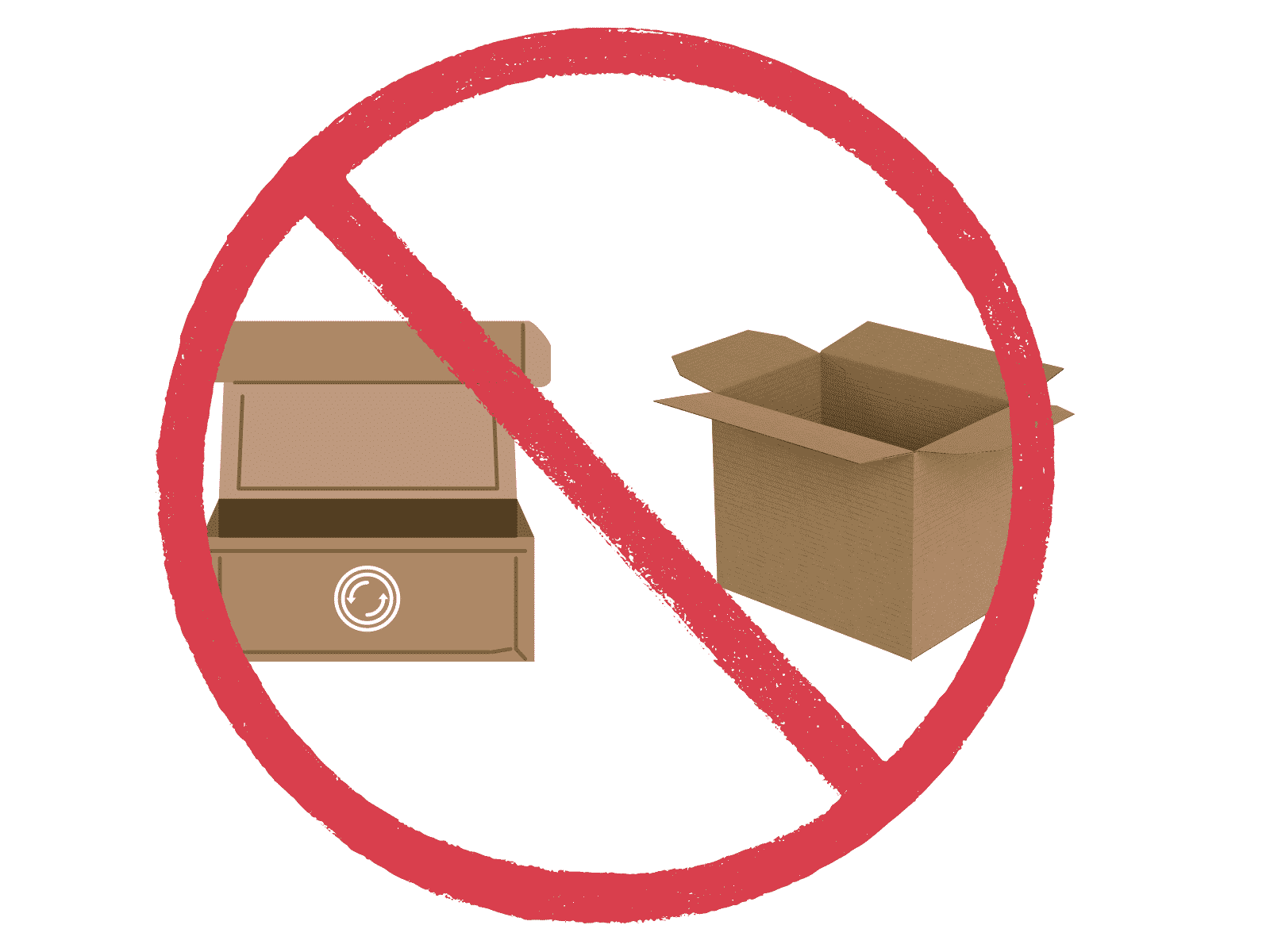
The defining characteristic of an HSC is its open top and flaps only at the bottom, which are sealed to provide structural integrity. Unlike Regular Slotted Containers (RSCs), which have flaps on both the top and bottom, HSCs offer easier access to stored items, making them highly convenient for repeated use and content management.
Materials Used
HSCs are crafted from corrugated fiberboard, a material often mistaken for plain cardboard. Corrugated fiberboard comprises several layers:
- Top Liner: The outermost layer that can be printed on for branding or labeling.
- Flute Layer: Provides the corrugated sheet’s rigidity and crush resistance, situated between the liners.
- Inner Liner: Adds strength and stability to the structure.
For added durability, HSCs can be manufactured with double or triple-walled constructions, which include additional layers of corrugated medium and liner. This enhancement is particularly useful for heavier items or when additional protection is necessary during transit.
Recyclability
An important aspect of HSCs is their environmental friendliness. These containers can be designed to be 100% recyclable, aligning with modern sustainability practices. The materials used in their construction play a crucial role in their ability to be recycled efficiently.
Real-Life Applications of Half Slotted Containers
To better illustrate the versatility and functionality of HSCs, here are some common applications:
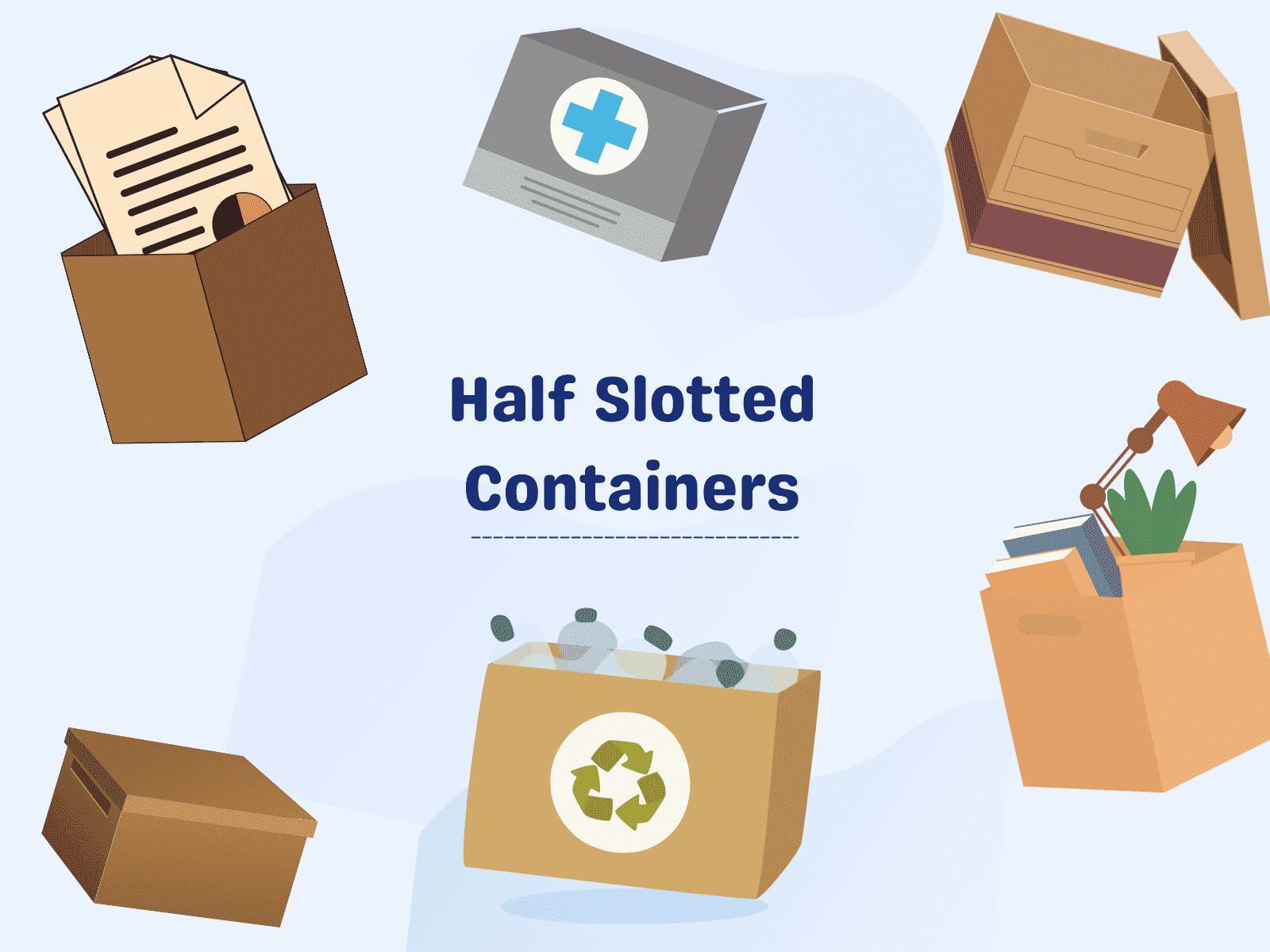
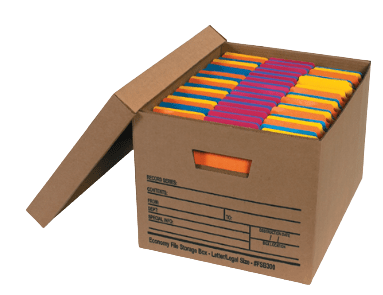
- Record Storage Boxes: Often used in offices for archiving files, these may feature side handles and optional lids for enhanced usability and security.
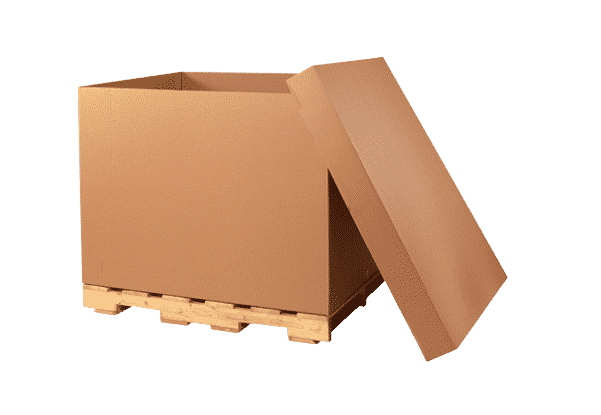
- Gaylord Boxes: Large containers that fit on a pallet, ideal for consolidating multiple packages or bulky items in a single unit for efficient bulk handling.
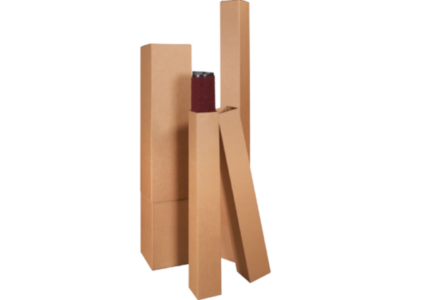
- Telescopic Boxes: Comprising two parts, where one box fits into the other, telescopic boxes are adaptable in size and offer variable capacity, making them perfect for products with non-standard dimensions.
- Shoe Boxes: Typically designed with detachable lids, allowing for easy access and aesthetic display while providing protection and stackability.
Summary: The Utility of Half Slotted Containers
Understanding the structure, design, and applications of HSCs is crucial for businesses looking to optimize their packaging strategies. HSCs are not just practical but adaptable, capable of accommodating a wide range of products and uses from industrial supplies to consumer goods. Their design allows for easy access and efficient use of space, while the option for enhanced material strength and recyclability supports a broad spectrum of industry needs. Whether for storage, shipping, or display, half slotted containers offer a reliable, cost-effective, and sustainable choice.
If you are interested in custom or stock half slotted containers, then partner with Brown Packaging today to get started.
Product damage is one of the most expensive risks in packaging. Beyond replacement costs, damaged goods lead to lost sales, returns, and reputational harm. In 2026, complex e-commerce, global shipping, and automation create new challenges for packaging buyers. The right materials, testing, and design strategies are critical to protecting products while controlling costs. Why Damage Prevention Matters Financial losses: Damaged products increase replacement and freight costs. Customer impact: Poor delivery experience reduces loyalty and repeat sales. Sustainability: Returns and waste drive higher carbon footprints. Compliance: Retailers often impose penalties for damaged shipments. Common Causes of Product Damage Compression: Pallet stacking weakens boxes in transit. Vibration and shock: Long-haul shipping increases risk. Moisture exposure: Humidity and rain compromise corrugated performance. Poor right-sizing: Oversized boxes allow product movement inside. Strategies to Reduce Damage in 2026 Right-size packaging: Minimize empty space and movement. Material optimization: Choose the correct corrugated grade for load demands. Protective inserts: Molded pulp or engineered corrugated reduce shock. Moisture-resistant coatings: Defend against water and humidity. Automation-friendly design: Prevent jams that damage products on high-speed lines. Testing Protocols for Damage Prevention ISTA testing: Simulates vibration, drops, and compression. ASTM standards: Validate packaging strength and durability. Pilot shipments: Real-world trials confirm lab results. Packaging Solutions with Brown Packaging Brown Packaging designs solutions that minimize damage across today’s complex supply chains. From right-sized corrugated to ISTA-tested inserts, we help buyers protect products while reducing costs. Contact us to strengthen your packaging program. References ASTM International. (2023). ASTM D4169: Standard Practice for Performance Testing of Shipping Containers and Systems.International Safe Transit Association (ISTA). (2023). ISTA Testing Procedures for Transport Packaging. Retrieved from https://ista.orgSoroka, W. (2009). Fundamentals of Packaging Technology (4th ed.). Institute of Packaging Professionals. (714)300-0650 request@brownpackaging.com Most Recent Posts: Categories: Corrugated Ecommerce ESD Design Display Flexible Packaging Foam Folding Carton Packaging Plastic Packaging Pouch Printing Protection Retail Rigid Box Thermoform Sustainability Subscribe To Our Newsletter By submitting your information, you agree to our terms and conditions and privacy policy. Custom Packaging Facebook Twitter LinkedIn Pinterest Relevant Posts
Retail packaging continues to evolve as brands balance sustainability, supply chain performance, and consumer experience. In 2026, buyers face new challenges shaped by material innovation, compliance requirements, and rising consumer expectations. Understanding these trends helps companies stay competitive while aligning packaging programs with industry standards. Sustainability Becomes Non-Negotiable Greater use of recyclable and compostable substrates. Retailers pushing suppliers toward FSC-certified materials. Minimalist designs that reduce waste without losing impact. Smarter Packaging for Supply Chains Increased adoption of right-sizing to reduce freight costs. Boxes designed for automation and faster fulfillment. Stronger corrugated grades to withstand long e-commerce journeys. Enhanced Consumer Experience Custom graphics for seasonal campaigns and limited editions. Tear strips, resealable closures, and window cutouts for convenience. Premium finishes that elevate gift packaging at retail. Growth of Hybrid Packaging Formats Combining corrugated strength with folding carton graphics. Modular designs for multi-SKU and club store environments. Packaging engineered to serve both e-commerce and in-store needs. Compliance and Testing Standards Retailers demanding ISTA and ASTM testing for packaging durability. Supply chain audits on recyclability and sustainability claims. More pressure for transparent reporting on environmental impact. Retail Packaging Solutions with Brown Packaging Brown Packaging helps brands adapt to evolving retail packaging trends. From sustainable substrates to automation-friendly designs, our solutions balance branding, durability, and compliance for 2026. Contact us to prepare your packaging program for the year ahead. References Forest Stewardship Council (FSC). (2023). FSC Packaging Certification Guidelines. Retrieved from https://fsc.orgSustainable Packaging Coalition. (2023). Packaging Trends and Consumer Insights. Retrieved from https://sustainablepackaging.orgSoroka, W. (2009). Fundamentals of Packaging Technology (4th ed.). Institute of Packaging Professionals. (714)300-0650 request@brownpackaging.com Most Recent Posts: Categories: Corrugated Ecommerce ESD Design Display Flexible Packaging Foam Folding Carton Packaging Plastic Packaging Pouch Printing Protection Retail Rigid Box Thermoform Sustainability Subscribe To Our Newsletter By submitting your information, you agree to our terms and conditions and privacy policy. Custom Packaging Facebook Twitter LinkedIn Pinterest Relevant Posts
Supplier contracts can make or break a packaging program. Without the right terms, buyers risk price volatility, missed lead times, and inconsistent product quality. In 2026, negotiating smart contracts is essential for controlling costs, securing reliable supply, and meeting compliance requirements. Why Packaging Contracts Matter Cost stability: Protects against sudden raw material price spikes. Supply security: Ensures availability during peak demand. Quality control: Aligns suppliers with testing and compliance standards. Operational efficiency: Streamlines purchasing and reduces administrative burden. Key Terms Buyers Should Negotiate Volume commitments: Secure better pricing with accurate forecasts. Price adjustment clauses: Define when and how costs can change. Lead times and delivery windows: Avoid shortages and production delays. Testing and compliance: Require ISTA, ASTM, or FSC certification where applicable. Sustainability commitments: Ensure suppliers align with environmental goals. Risks of Weak Contracts Paying inflated prices during market fluctuations. Receiving inconsistent corrugated strength or print quality. Missed shipments leading to costly expedited freight. Difficulty meeting retailer or regulatory compliance. Best Practices for Buyers in 2026 Leverage data: Use past order history to negotiate realistic volumes. Dual sourcing: Maintain backup suppliers for risk management. Annual reviews: Reassess terms to reflect changes in demand and compliance. Collaborative approach: Treat suppliers as partners, not just vendors. Packaging Solutions with Brown Packaging Brown Packaging helps buyers secure strong supplier contracts that balance cost, quality, and supply chain reliability. Our partnerships and industry expertise ensure your packaging program is protected for 2026 and beyond. Contact us to discuss supplier solutions. References Soroka, W. (2009). Fundamentals of Packaging Technology (4th ed.). Institute of Packaging Professionals.Fiber Box Association. (2024). Corrugated Packaging Market Outlook. Retrieved from https://www.fibrebox.orgSustainable Packaging Coalition. (2023). Supplier Standards for Sustainable Packaging. Retrieved from https://sustainablepackaging.org (714)300-0650 request@brownpackaging.com Most Recent Posts: Categories: Corrugated Ecommerce ESD Design Display Flexible Packaging Foam Folding Carton Packaging Plastic Packaging Pouch Printing Protection Retail Rigid Box Thermoform Sustainability Subscribe To Our Newsletter By submitting your information, you agree to our terms and conditions and privacy policy. Custom Packaging Facebook Twitter LinkedIn Pinterest Relevant Posts
Packaging compliance is no longer optional—it’s a requirement for accessing retail shelves, shipping networks, and international markets. In 2026, buyers must navigate evolving regulations around sustainability, labeling, and testing to avoid costly fines, rejected shipments, or damaged customer relationships. Why Compliance Matters in 2026 Retail requirements: Major retailers demand FSC, ISTA, and sustainability certifications. E-commerce standards: Carriers enforce dimensional weight and package testing rules. Global trade: Export packaging must comply with ISPM 15, ASTM, and ISO guidelines. Consumer trust: Transparency in packaging claims impacts purchasing decisions. Key Compliance Areas for Buyers Material sourcing: FSC-certified corrugated and board for sustainability. Labeling standards: GS1-compliant barcodes and accurate product details. Durability testing: ISTA and ASTM protocols for drop, vibration, and compression. Sustainability regulations: Requirements for recyclable or compostable materials. Chemical restrictions: Compliance with FDA, EU, or state-specific standards. Common Compliance Challenges Keeping up with frequent regulatory changes. Managing multiple certifications across suppliers. Balancing compliance with cost-efficiency. Verifying supplier claims for sustainability. Best Practices for Staying Compliant Audit suppliers annually to confirm certification validity. Run internal packaging tests before scaling. Track regulatory updates for each region you ship to. Work with experienced partners who understand industry compliance. Packaging Solutions with Brown Packaging Brown Packaging helps buyers meet 2026 compliance standards with FSC-certified materials, ISTA-tested designs, and regulatory expertise. Our team ensures your packaging meets retailer, carrier, and sustainability requirements. Contact us to keep your program compliant. References Forest Stewardship Council (FSC). (2023). FSC Certification Guidelines for Packaging. Retrieved from https://fsc.orgInternational Safe Transit Association (ISTA). (2023). ISTA Testing Procedures for Transport Packaging. Retrieved from https://ista.orgGS1. (2024). Global Standards for Packaging and Labeling. Retrieved from https://www.gs1.org (714)300-0650 request@brownpackaging.com Most Recent Posts: Categories: Corrugated Ecommerce ESD Design Display Flexible Packaging Foam Folding Carton Packaging Plastic Packaging Pouch Printing Protection Retail Rigid Box Thermoform Sustainability Subscribe To Our Newsletter By submitting your information, you agree to our terms and conditions and privacy policy. Custom Packaging Facebook Twitter LinkedIn Pinterest Relevant Posts
By submitting your information, you agree to our terms and conditions and privacy policy.
Home » What is a Half Slotted Container?

Corrugated board comes in multiple flute sizes and wall grades, each designed to balance strength, weight, and cost. Selecting the wrong grade can lead to product damage, excessive freight costs, or unnecessary material expense. In 2026, buyers must match corrugated performance to their supply chain conditions, sustainability goals, and budget requirements. Common Corrugated Grades Single-wall: Lightweight, cost-effective, suitable for many retail and e-commerce uses. Double-wall: Greater strength and stacking ability for heavy or fragile items. Triple-wall: Maximum compression resistance for industrial, bulk, and export packaging. Key Factors When Choosing a Grade Product weight: Heavier items require stronger board. Supply chain conditions: Long transit times, stacking, and climate variations increase stress. Cost balance: Higher grades protect better but add material expense. Sustainability goals: Use recycled content or right-size to minimize waste. Compliance: Certain industries require ISTA or ASTM-tested packaging. How to Match Grade to Application E-commerce: Single-wall RSCs with performance coatings for moisture resistance. Industrial parts: Double-wall or triple-wall for high stacking and pallet loads. Export packaging: Triple-wall FOL boxes for international freight durability. Retail displays: Lighter grades with strong print surfaces for shelf appeal. Testing for Performance Confidence Compression testing: Ensures cartons withstand stacking loads. Vibration and drop testing: Validates protection during transport. Material analysis: Confirms recycled fiber content aligns with performance goals. Packaging Solutions with Brown Packaging Brown Packaging works with buyers to identify the right corrugated grade for each application. From single-wall e-commerce boxes to triple-wall export packaging, we balance protection, cost, and sustainability. Contact us to select the right grade for 2026. References ASTM International. (2023). ASTM D642: Standard Test Method for Compression Resistance of Shipping Containers.Soroka, W. (2009). Fundamentals of Packaging Technology (4th ed.). Institute of Packaging Professionals.Fiber Box Association. (2024). Corrugated Packaging Performance Handbook. Retrieved from https://www.fibrebox.org (714)300-0650 request@brownpackaging.com Most Recent Posts: Categories: Corrugated Ecommerce ESD Design Display Flexible Packaging Foam Folding Carton Packaging Plastic Packaging Pouch Printing Protection Retail Rigid Box Thermoform Sustainability Subscribe To Our Newsletter By submitting your information, you agree to our terms and conditions and privacy policy. Custom Corrugated Boxes Facebook Twitter LinkedIn Pinterest Relevant Posts

RSC boxes are known for their efficiency and versatility, but their performance ultimately comes down to strength. Buyers often see numbers like ECT, BCT, and burst strength on specifications — but which tests matter most, and what do they actually measure? Choosing the right RSC depends on understanding how these tests translate to real-world shipping conditions. Edge Crush Test (ECT) What It Measures Resistance of corrugated board to edgewise compressive forces. Expressed in pounds per inch (e.g., 32 ECT). Why It Matters Directly tied to stacking strength and pallet performance. The most common metric used in North America for corrugated box strength. Limitations Only measures board strength, not the full box. Doesn’t account for humidity, handling abuse, or long-term compression. Box Compression Test (BCT) What It Measures Maximum load a finished box can withstand before collapsing. Accounts for box size, design, and board strength. Why It Matters Most accurate predictor of how an RSC will perform in stacking and pallet loads. Useful for optimizing board grades to reduce cost without risking damage. Limitations Requires lab testing of actual boxes. Not always practical for small-volume or custom runs. Burst Strength (Mullen Test) What It Measures Pressure required to rupture corrugated board by puncture. Historically the go-to test before ECT became standard. Why It Matters Still relevant for industries where puncture or tearing is a higher risk than compression (e.g., heavy parts, bulk industrial goods). Limitations Doesn’t reflect stacking strength. Often replaced by ECT in modern logistics. Translating Tests to Real-World Performance High-Volume E-Commerce: ECT rating is usually the key metric, especially for stacking in warehouses. Heavy Industrial Products: Burst strength may be more relevant if products are sharp or heavy. Palletized Loads: BCT is the best indicator, as it measures box and board performance together. Moisture & Humidity: None of the above tests fully account for water absorption — additional treatments or coatings may be necessary. Buyer Takeaway Look for ECT when evaluating basic strength requirements. Prioritize BCT if your shipments are palletized or stacked in warehouses. Consider burst strength if your products are heavy, sharp, or prone to puncture risks. Remember: lab tests are only part of the story — real-world conditions like humidity, handling, and long-term storage will also affect performance. References Fibre Box Association. (2023). Box Performance Standards. https://www.fibrebox.org TAPPI. (2024). Testing Methods for Corrugated Packaging. https://www.tappi.org Soroka, W. (2016). Fundamentals of Packaging Technology (5th ed.). Institute of Packaging Professionals. (714)300-0650 request@brownpackaging.com Most Recent Posts: Categories: Corrugated Ecommerce ESD Design Display Flexible Packaging Foam Folding Carton Packaging Plastic Packaging Pouch Printing Protection Retail Rigid Box Thermoform Sustainability Subscribe To Our Newsletter By submitting your information, you agree to our terms and conditions and privacy policy. Regular Slotted Container Facebook Twitter LinkedIn Pinterest Relevant Posts

RSC boxes dominate shipping because they combine strength with efficiency. But beyond protection, their dimensions and stacking performance directly influence freight cost, pallet utilization, and warehouse efficiency. Choosing the right RSC design can reduce supply chain costs by double digits. Pallet Utilization Box Size and FitAn RSC that doesn’t optimize pallet footprint wastes space. Even a 1–2 inch mismatch can reduce units per pallet by 5–10%. Standard Pallet SizesIn North America, most pallets are 48” x 40”. Designing RSC dimensions to fit evenly across this footprint maximizes stacking stability. Load StabilityUniform RSC dimensions improve compression strength across the load, reducing toppling and damage in transit. Dimensional Weight (DIM) Charges Carrier Pricing ModelsCarriers like UPS and FedEx charge based on dimensional weight, not just actual weight. Oversized RSC boxes can inflate costs significantly. Right-SizingSelecting an RSC that closely matches product volume reduces cube size, cutting freight charges. Impact on E-CommerceFor direct-to-consumer shipments, oversize RSC boxes can double shipping cost while raising material expense. Stacking and Compression Box Compression Test (BCT)Determines how much weight an RSC can withstand in a stacked load. Real-World FactorMoisture and long-term storage reduce compression strength. Oversizing boxes to “play it safe” only increases freight cost. Instead, balance board grade with actual load needs. Warehouse Efficiency Knock-Down StorageRSC boxes ship and store flat, reducing warehouse footprint compared to assembled specialty mailers. AutomationConsistent RSC dimensions reduce jams in case erectors and palletizers, improving throughput. Buyer Takeaway Use RSC dimensions that align with pallet footprints to maximize utilization. Avoid oversized boxes — dimensional weight charges add hidden costs. Match board grade and box size to actual load requirements instead of over-specifying. Optimized RSC design isn’t just packaging — it’s a supply chain cost-control tool. References Fibre Box Association. (2023). Palletization and Shipping Standards. https://www.fibrebox.org International Safe Transit Association (ISTA). (2023). Distribution Testing Protocols. https://ista.org Soroka, W. (2016). Fundamentals of Packaging Technology (5th ed.). Institute of Packaging Professionals. (714)300-0650 request@brownpackaging.com Most Recent Posts: Categories: Corrugated Ecommerce ESD Design Display Flexible Packaging Foam Folding Carton Packaging Plastic Packaging Pouch Printing Protection Retail Rigid Box Thermoform Sustainability Subscribe To Our Newsletter By submitting your information, you agree to our terms and conditions and privacy policy. Custom Regular Slotted Container (RSC) Facebook Twitter LinkedIn Pinterest Relevant Posts